



Leaderboard
-
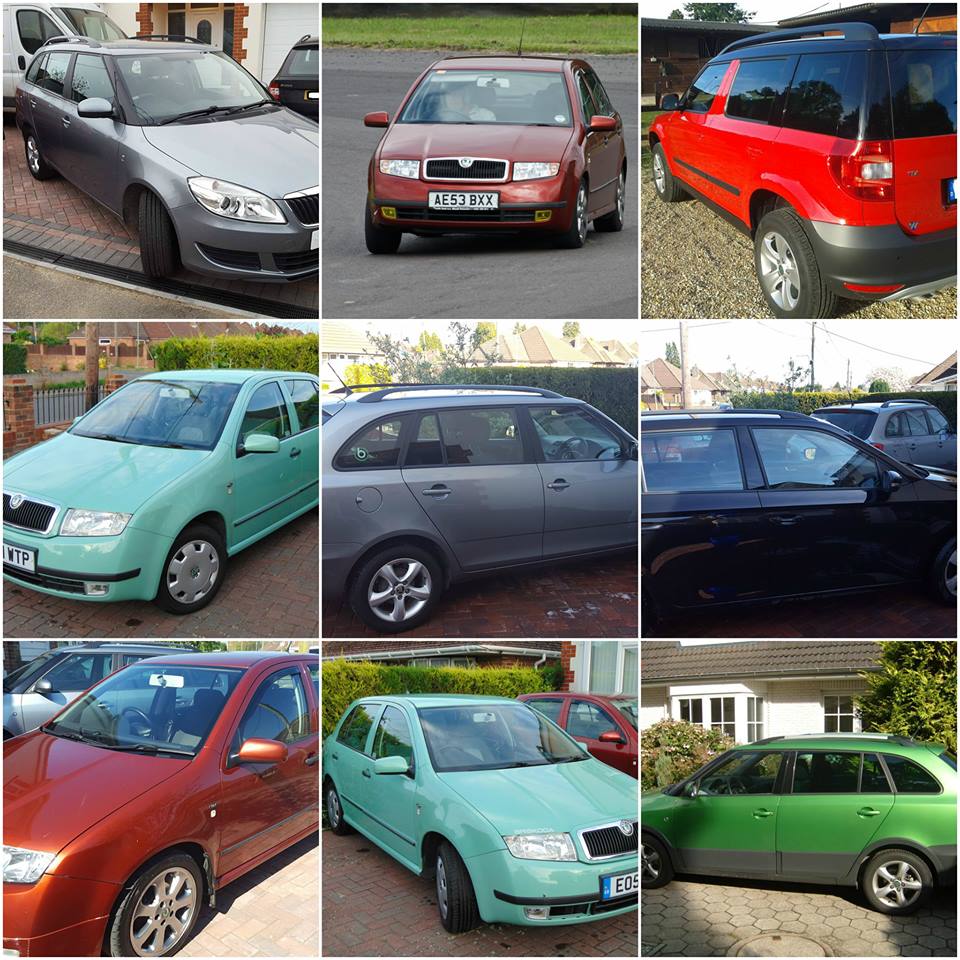
Lee01
FREEDOM19Points36,947Posts -
MikeTheThinker
FREEDOM15Points8,537Posts -
.jpg.1006585dfe4e2977315b67c3d642e37b.jpg)
Guest_
FREEDOM14Points83,824Posts -
SteveTheElder
FREEDOM12Points2,471Posts
.thumb.jpg.9dd3f612ba7f13d10be5c518d3c8d255.jpg)


Popular Content
Showing content with the highest reputation on 14/06/24 in all areas
-
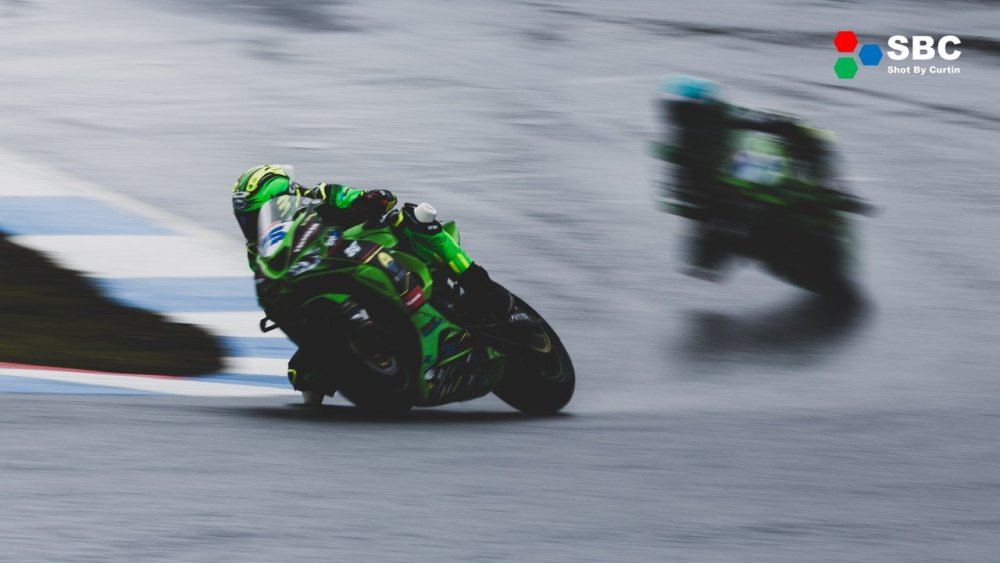
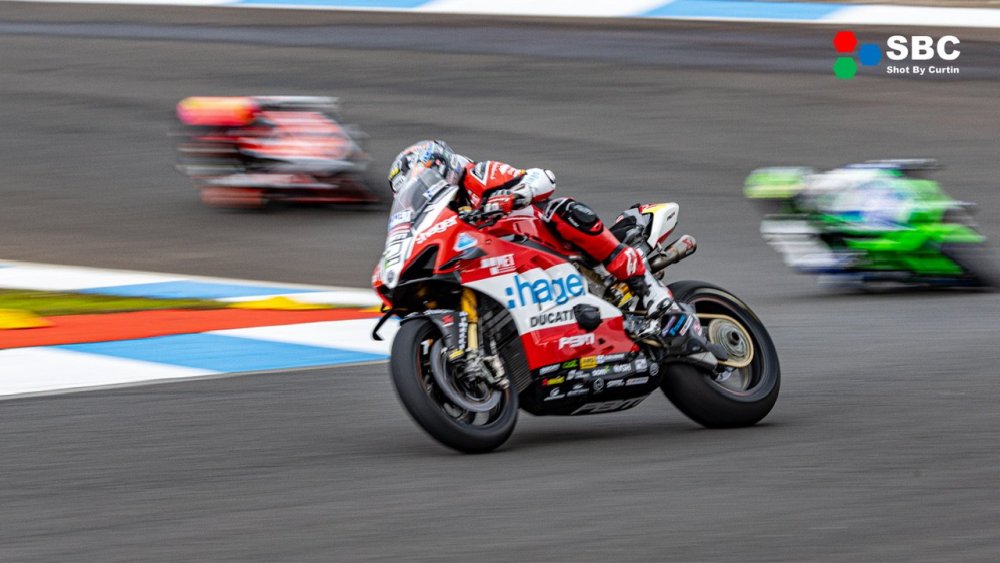
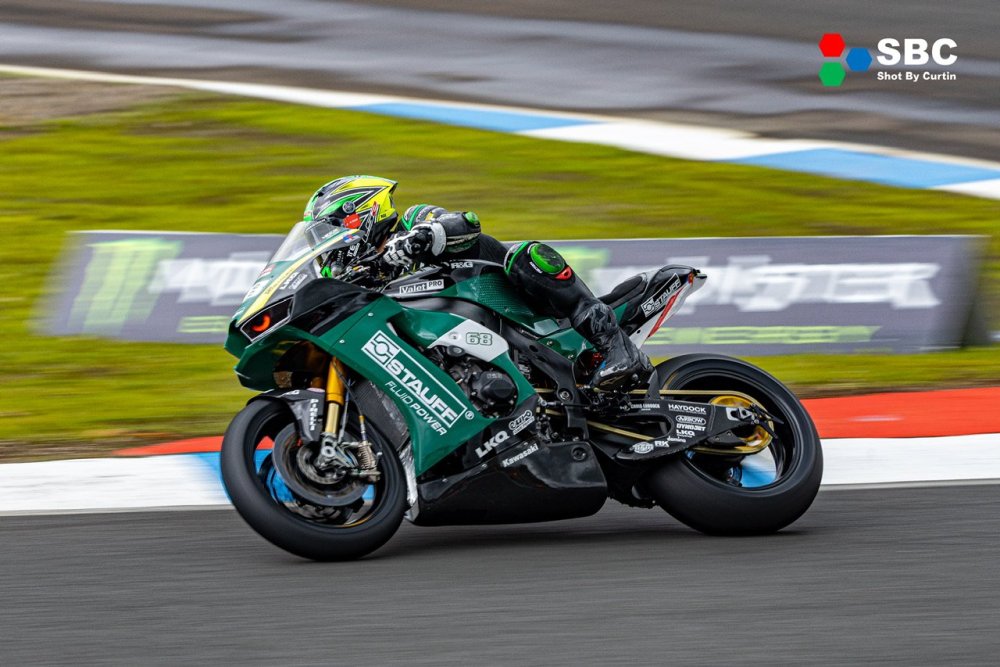
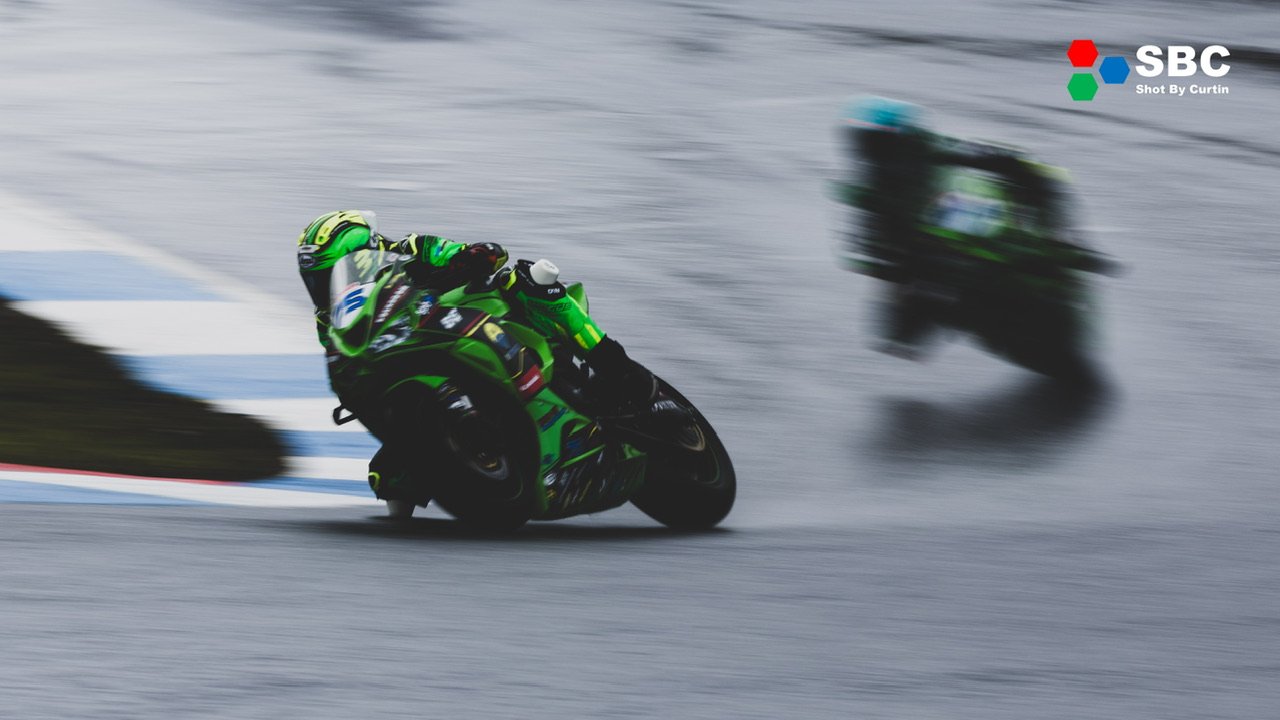
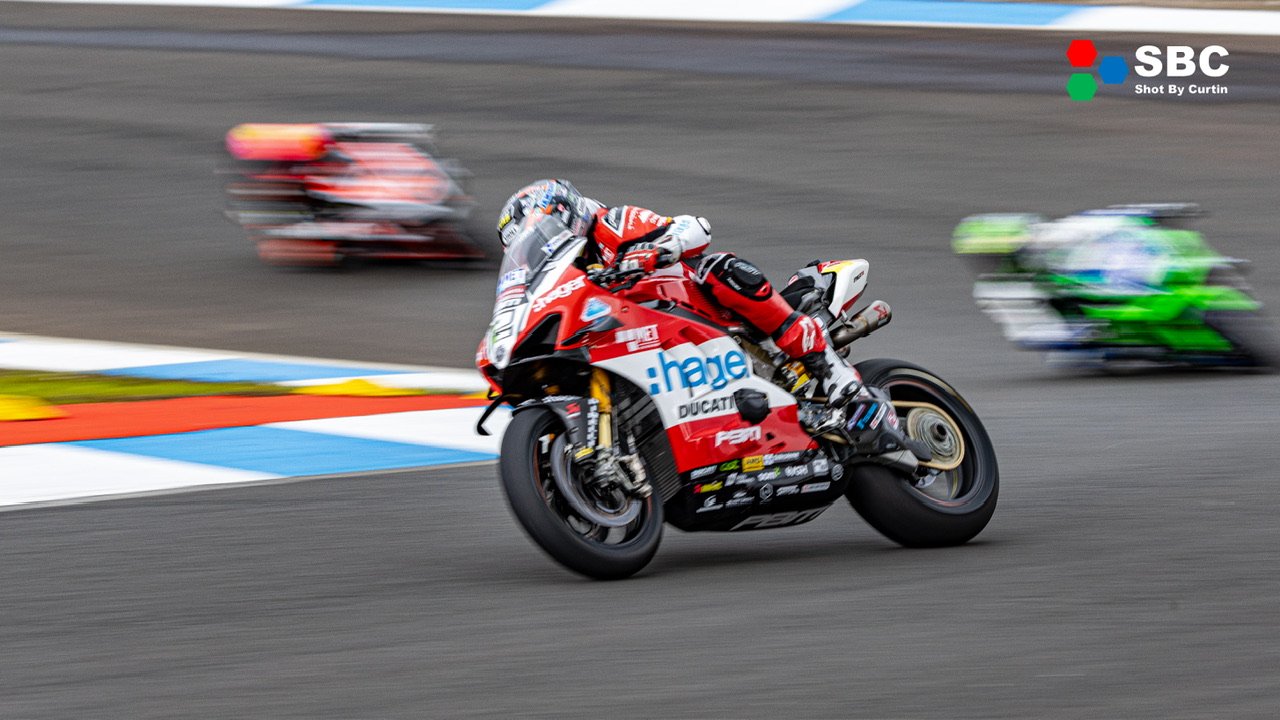
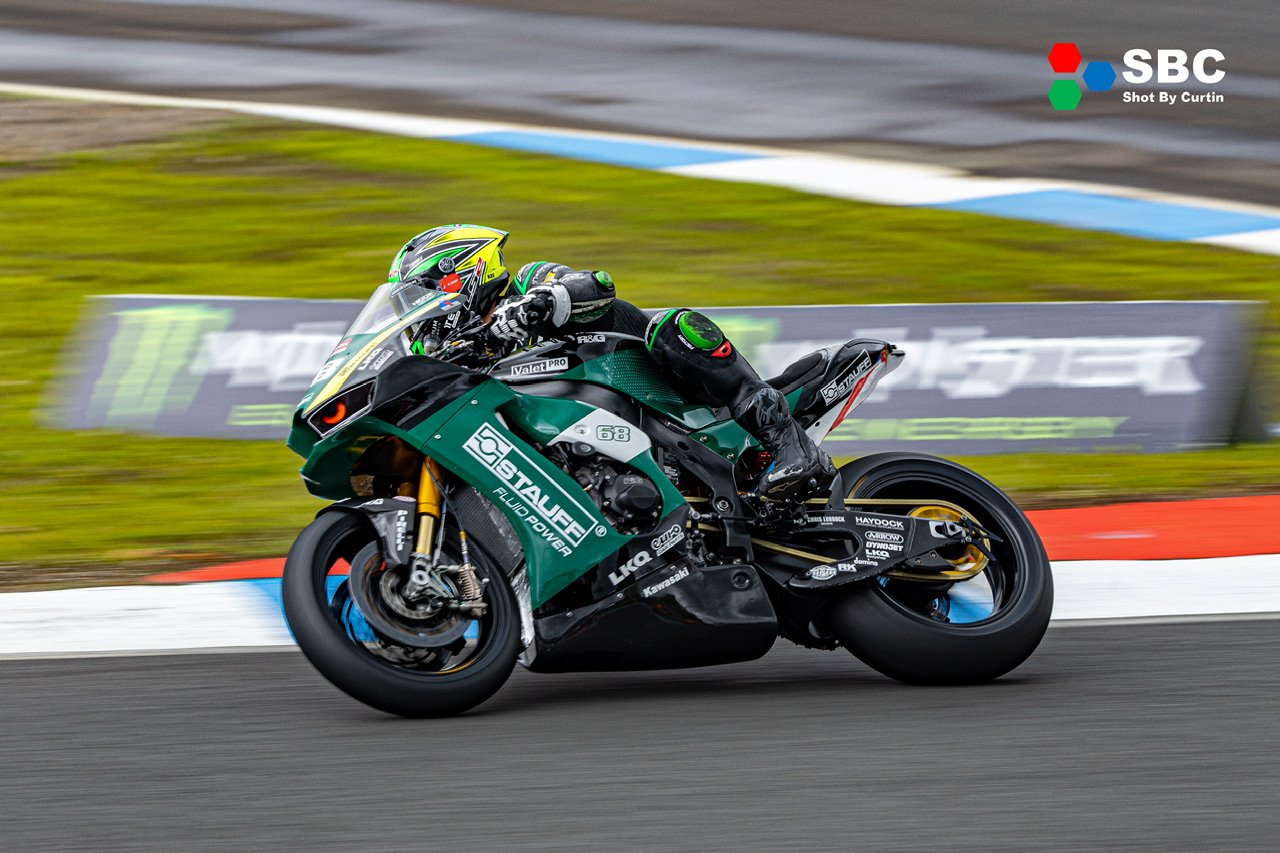
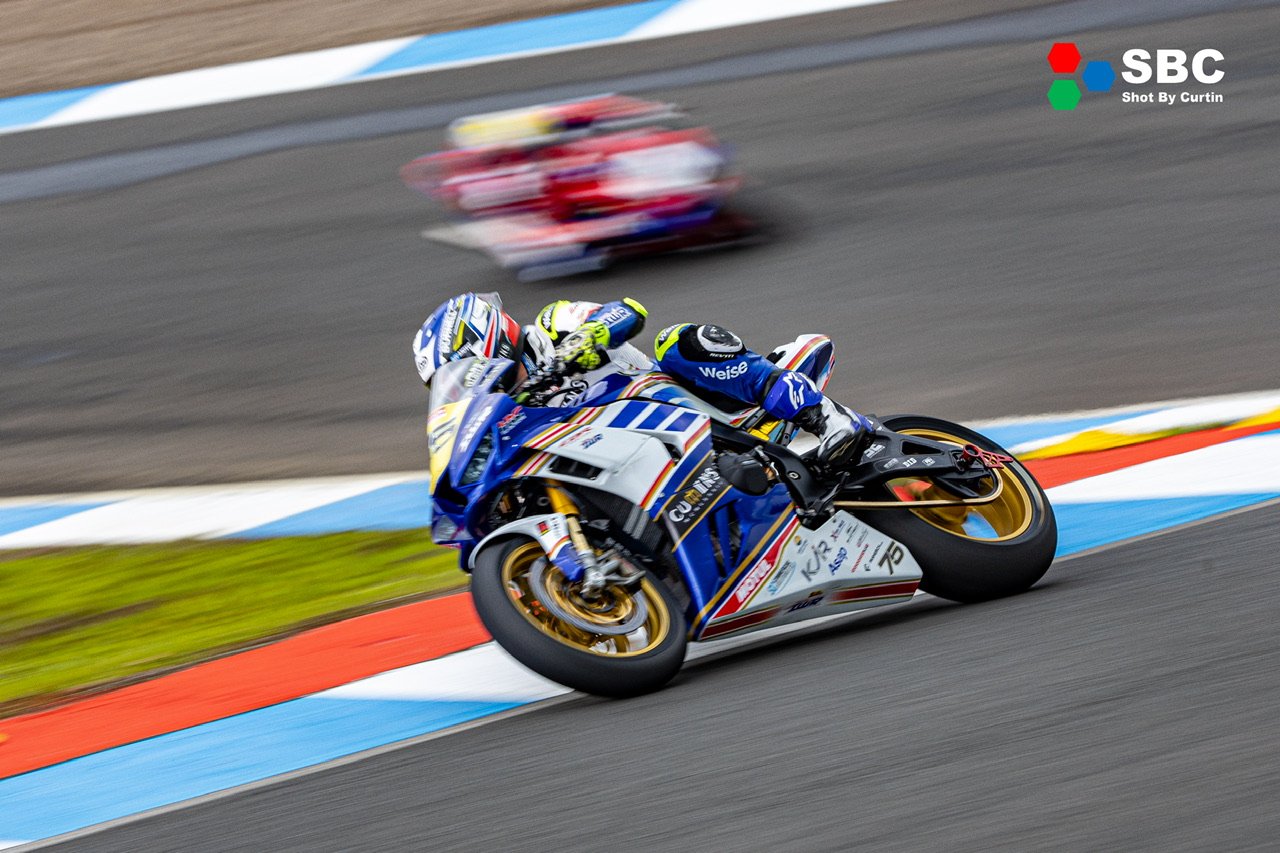
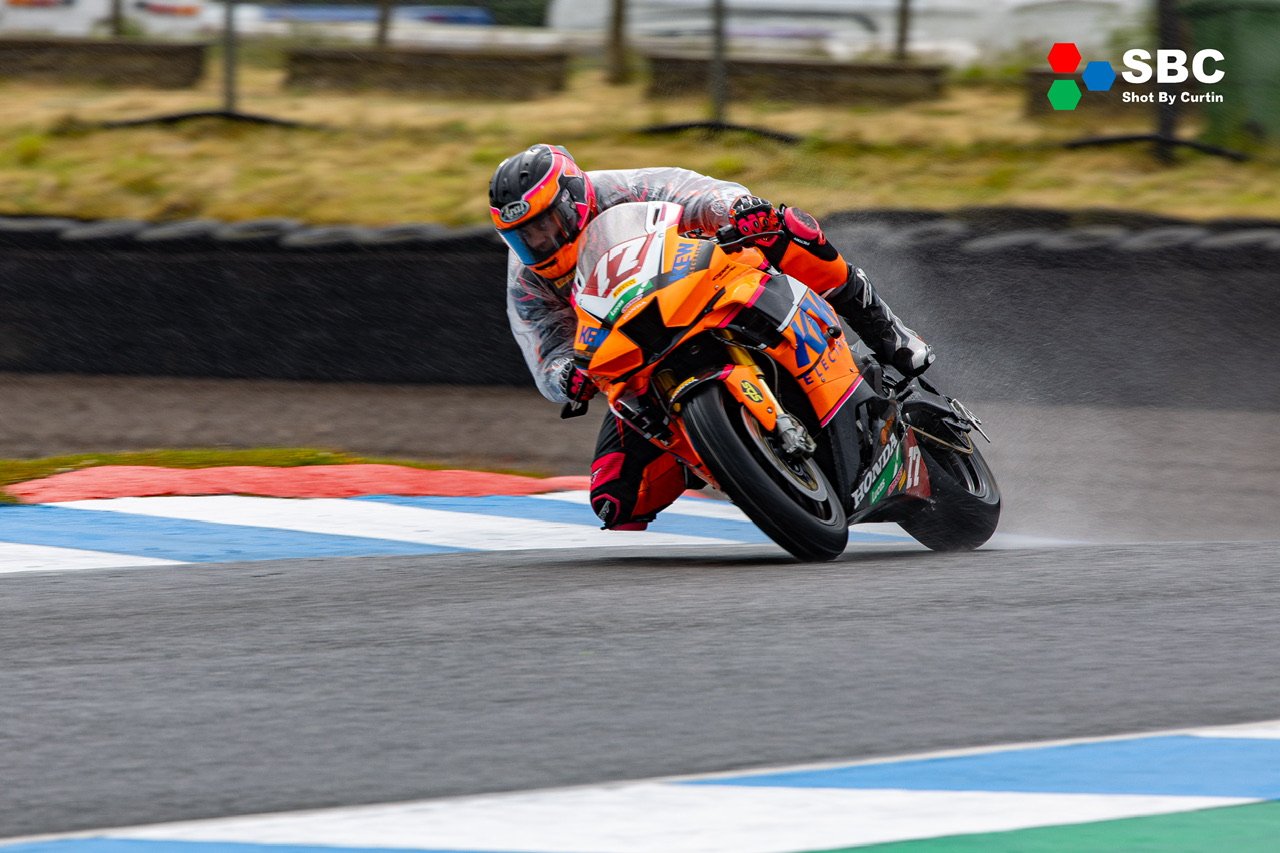
6 pointsFirst time out at a motorsports event with the new camera body. Still need to fiddle a bit with settings as the autofocus was jumping around a bit too much for me and initial lock on was a tad slow. Didn’t help being a bit out of practice! A few shots from a rainy Knockhill and the BSB practice day.
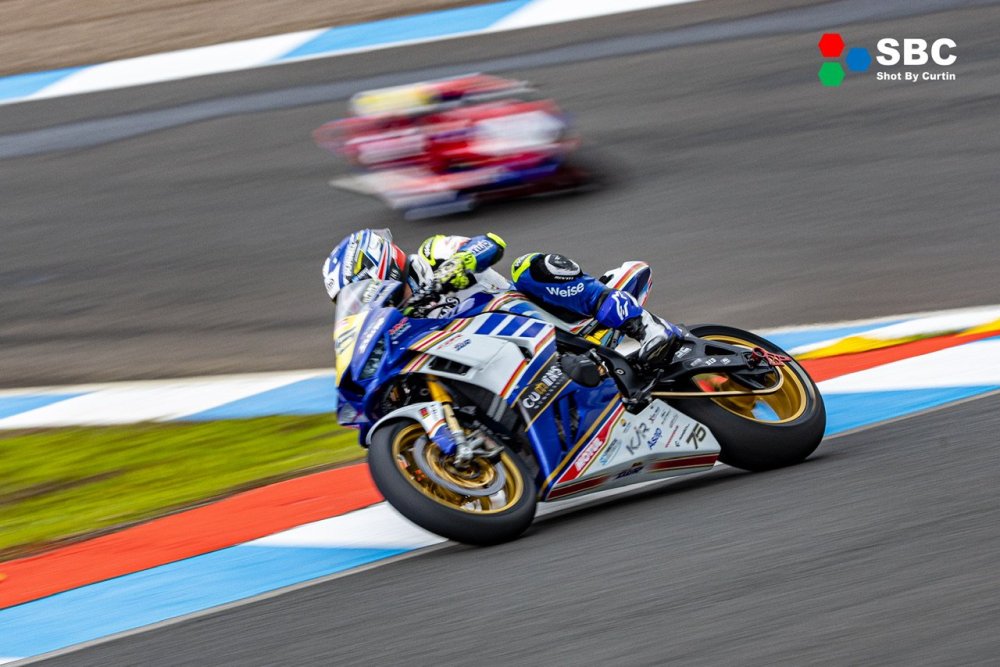

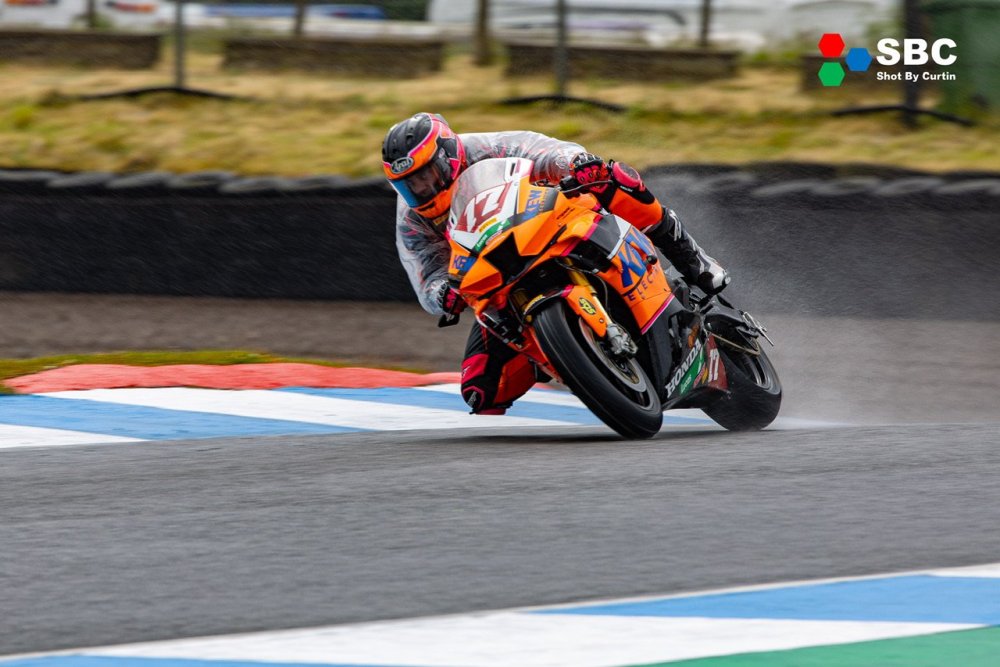 6 points
 -
3 points@Jemm please could you maybe give your threads a title and not always just Jemm There are different Models for different world regions and some do have more practical tyres, less about style and more to do with doing a job. Even before 2010 it mattered if a RS or Scout or whatever with whatever trim or engine size which tyres were standard on cars and different in different world regions. In Australia in 2011 a Fabia Monte Carlo had 16" rims & 195 wide tyres Higher sidewalls as in some of Europe and in other places and the UK they were on 17" and 205/40 R 17 tyres. If you want smaller wheels, narrower tyres with more profile look at the recommend size for using with Snow Chains. You can find a more suitable All Terrain, All Weather or off road tyres in that size usually.3 points
-
3 pointsvideos like that really **ss me off. You can tell from your car before visiting those sites how many chargers there are, whether they are in use / broken/ available etc so why would you go there and then say "oh this is rubbish"? I mean it's like if I read that a petrol station was out of action (Like my local Shell garage was recently) and then went there and said "the petrol/ diesel infrastructure is rubbish". Done to get clicks and engagement nothign more.3 points
-
3 pointsIt frightens me that you are working on your own brakes, it should frighten you too! Pop the car up on axle stands, whip off the wheel and drum on the other side and copy that layout.3 points
-
2 points
-
2 points
-
2 pointsAnother thing to add about the regen process: The fan running after you stop is to cool things down. It is NOT the regen itself taking place. Just a sign that a regen either has just finish or (more commonly) that a regen has not finished. The process requires the exhaust temps to be raised by 2-300 degrees (maybe, This is an educated guess at this point without looking it up). This extra heat needs to be dissipated. If the regen is not complete when you stop, then the fan needs to run to cool things down again before you start the car up for the next trip. Then if you don't drive for long enough for the regen to complete next time the fan will again cool things down when you stop. First fix: go for a nice long drive to make sure the regen is completed. This should also have the knock on effect of giving the battery a charge. Second fix: Have a think about how old the battery is. If the original part then 7 years on a stop start car is time for a new one. just make sure it's coded so the car knows to charge it like a new one. Third fix: Maybe the DPF has had enough and needs a clean or even replacement.2 points
-
2 pointsWe stop 4 times on the journey and out and the same on the way back. We just returned home yesterday and on the return journey stayed in Warsaw, Dresden, Herborn (Germany) and Calais. We live in Brecon, Wales, so we have a distance to travel (including some M25) to get to the ferry in either Harwich or Dover. As mentioned before, we're not spring chickens, SWMBO doesn't drive and we're both retired, so we can take our time on the journey. We like to not have to rush to get up in the morning and arrive in good time to have a walk around the area where we're staying and then enjoy a good meal. We were away for 22 nights, with 14 nights in Lithuania; 11 nights in Klaipėda and 3 nights in Vilnius.2 points
-
2 pointsJust to be clear, the fun starts after a drive? Some people have had issues where the car hasn’t been driven and the fan starts by itself or at least not been driven for some hours, if it’s this then it’s likely to be dodgy relay. If it’s not that then if it does it again, start the car again and go for a drive on the motorway in 3rd or 4th for 15 minutes which should complete the job properly2 points
-
2 pointsNot my photo, but one taken last night, of the Milky Way over Cuckmere (on the coast between Eastbourne & Seaford): Thought it was quite stunning. Gaz
.thumb.jpeg.b9db788de574fdd83de056ccda85ddff.jpeg) 2 points
2 points -
2 points
-
2 points
-
After seeing so many people doing it the wrong way, I decided to make my own video1 point
-
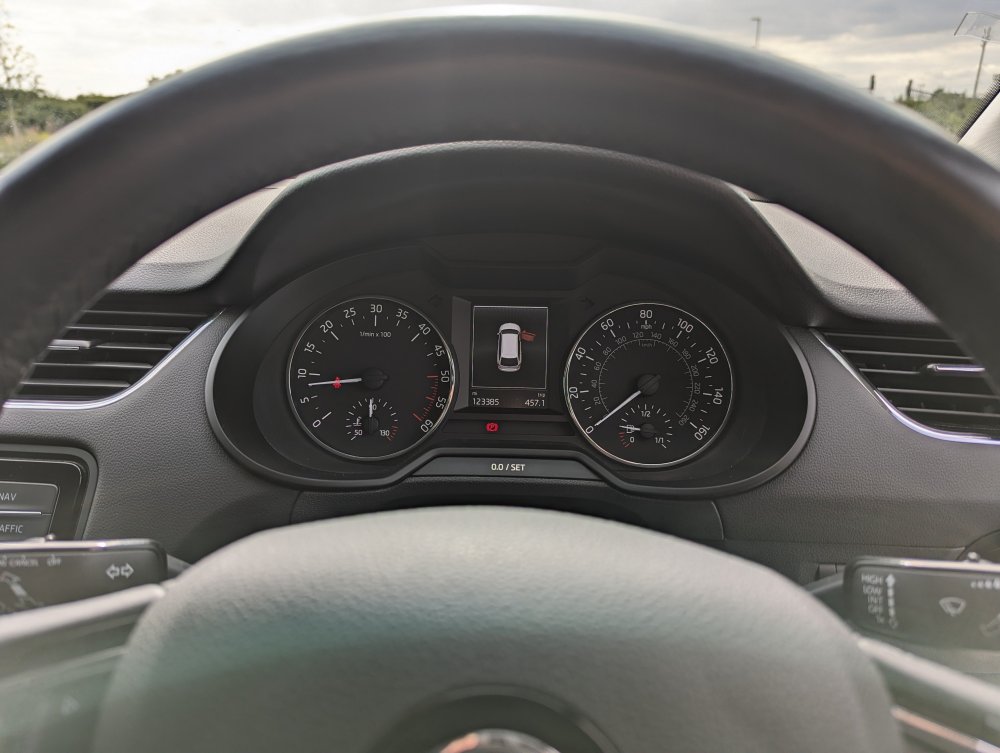
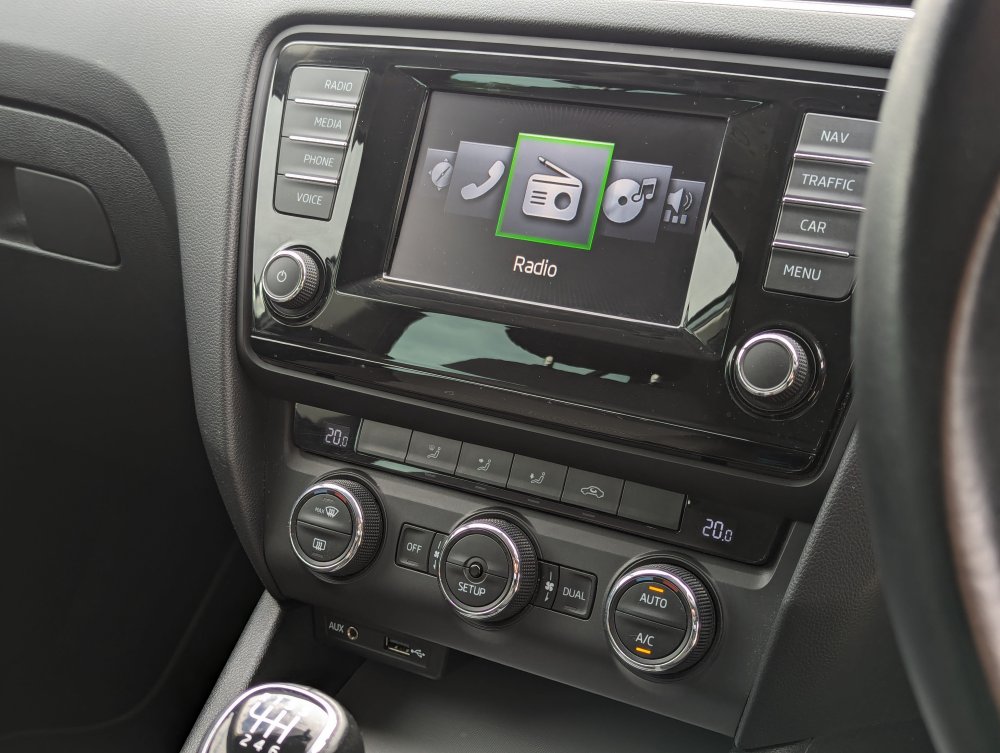
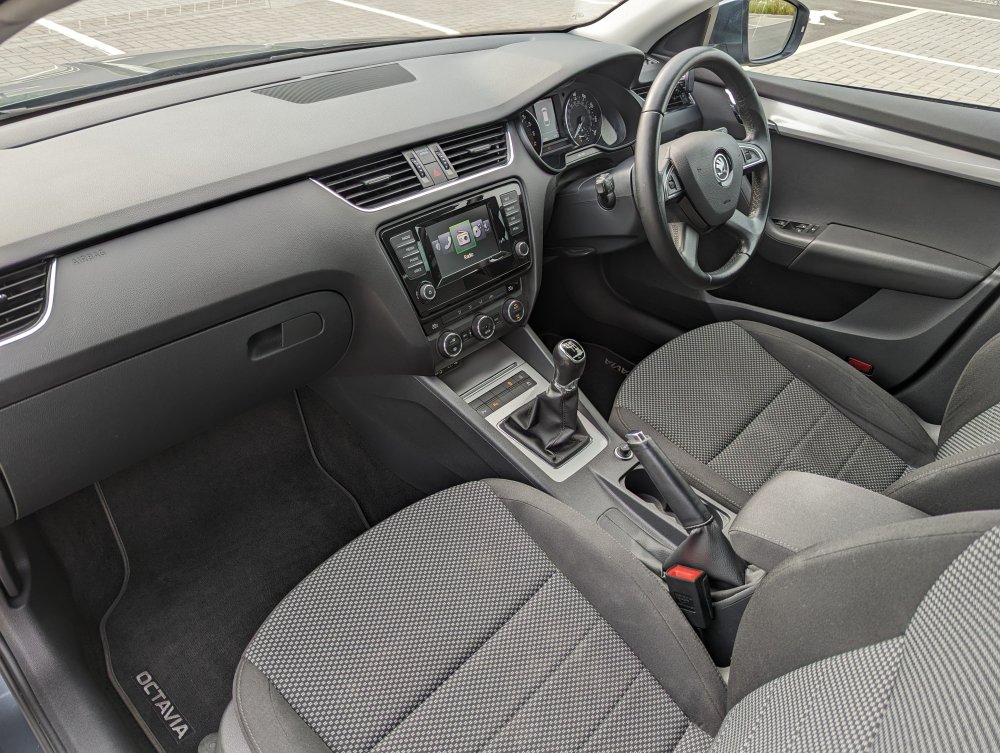
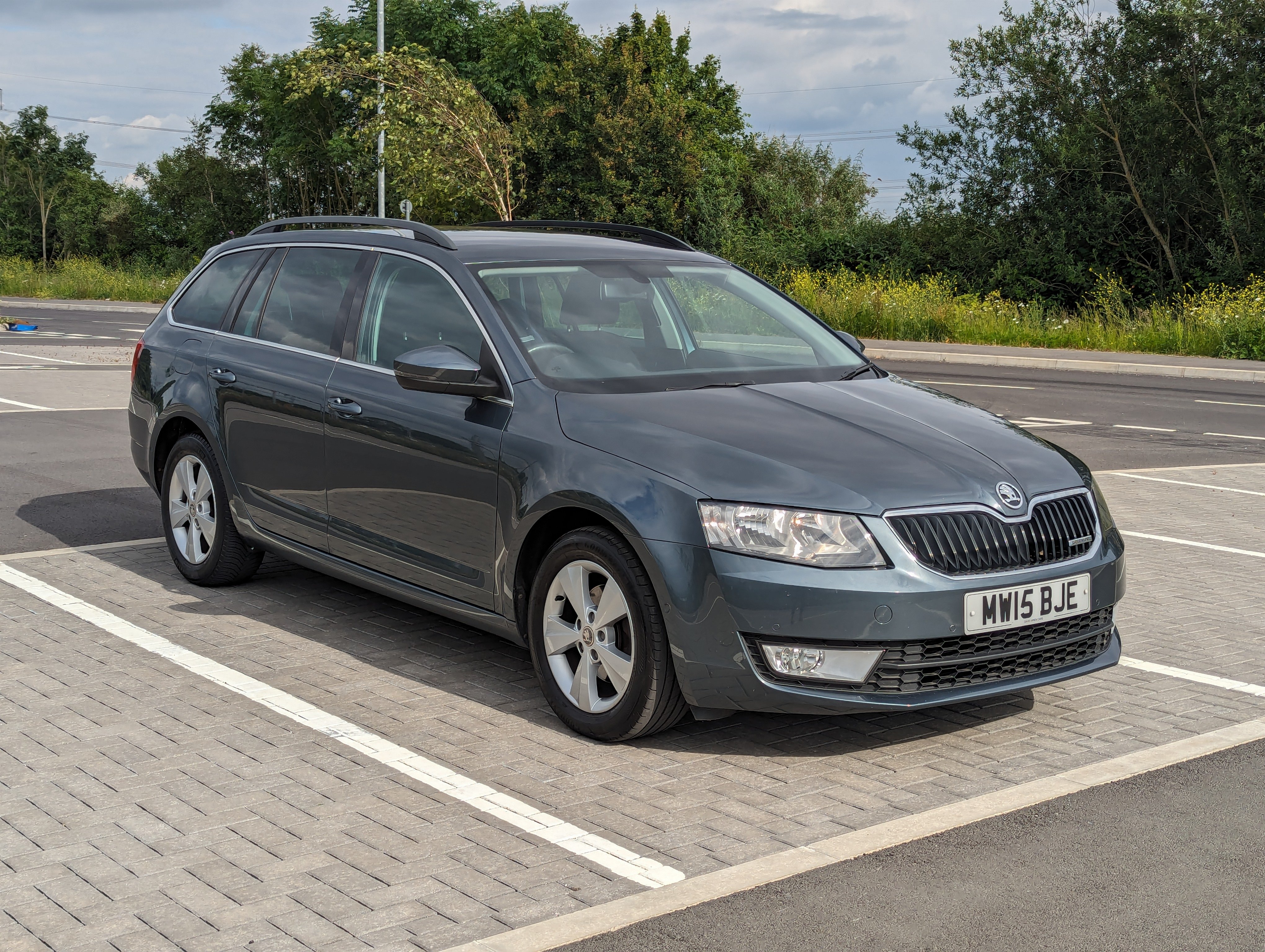
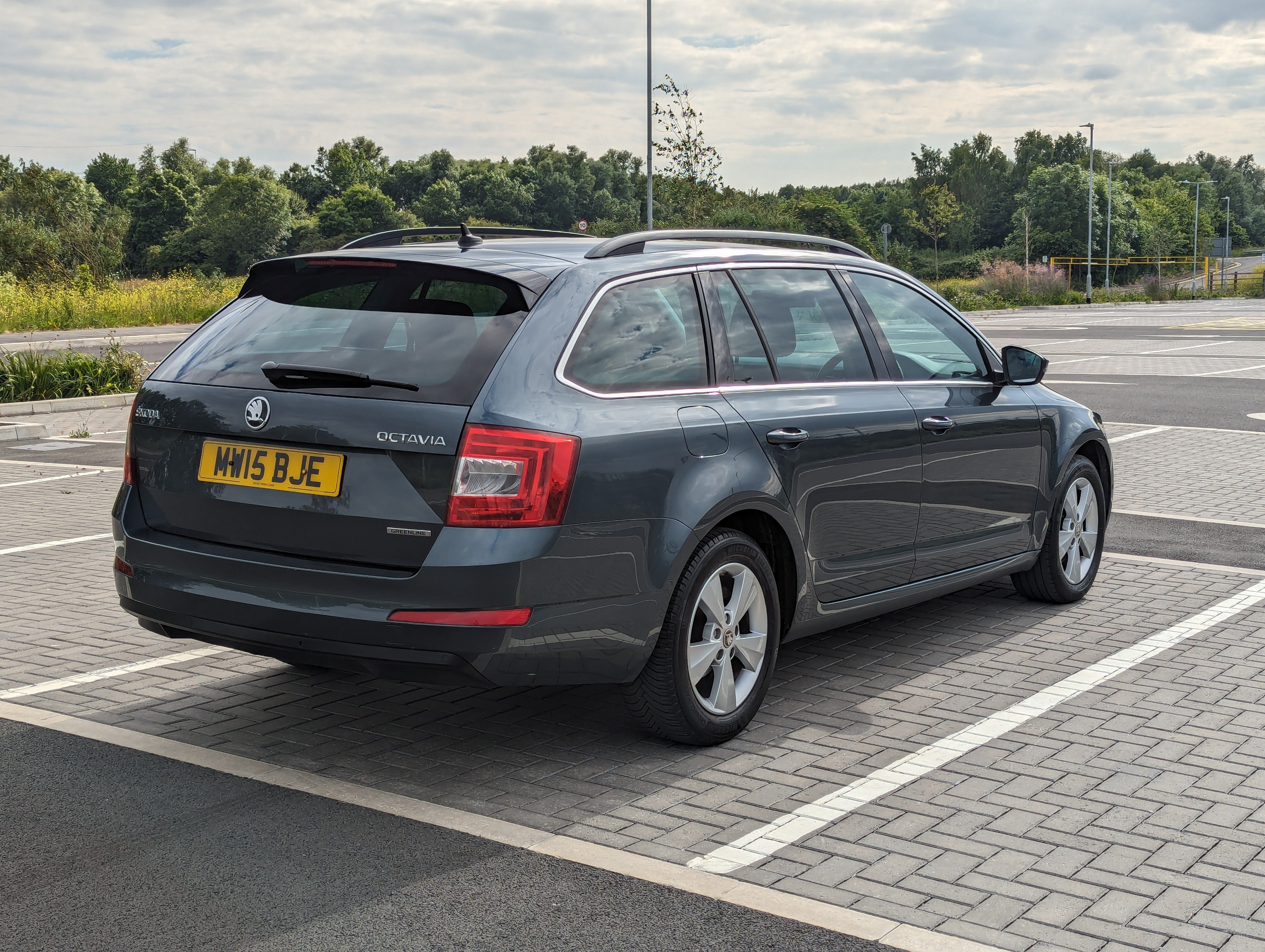
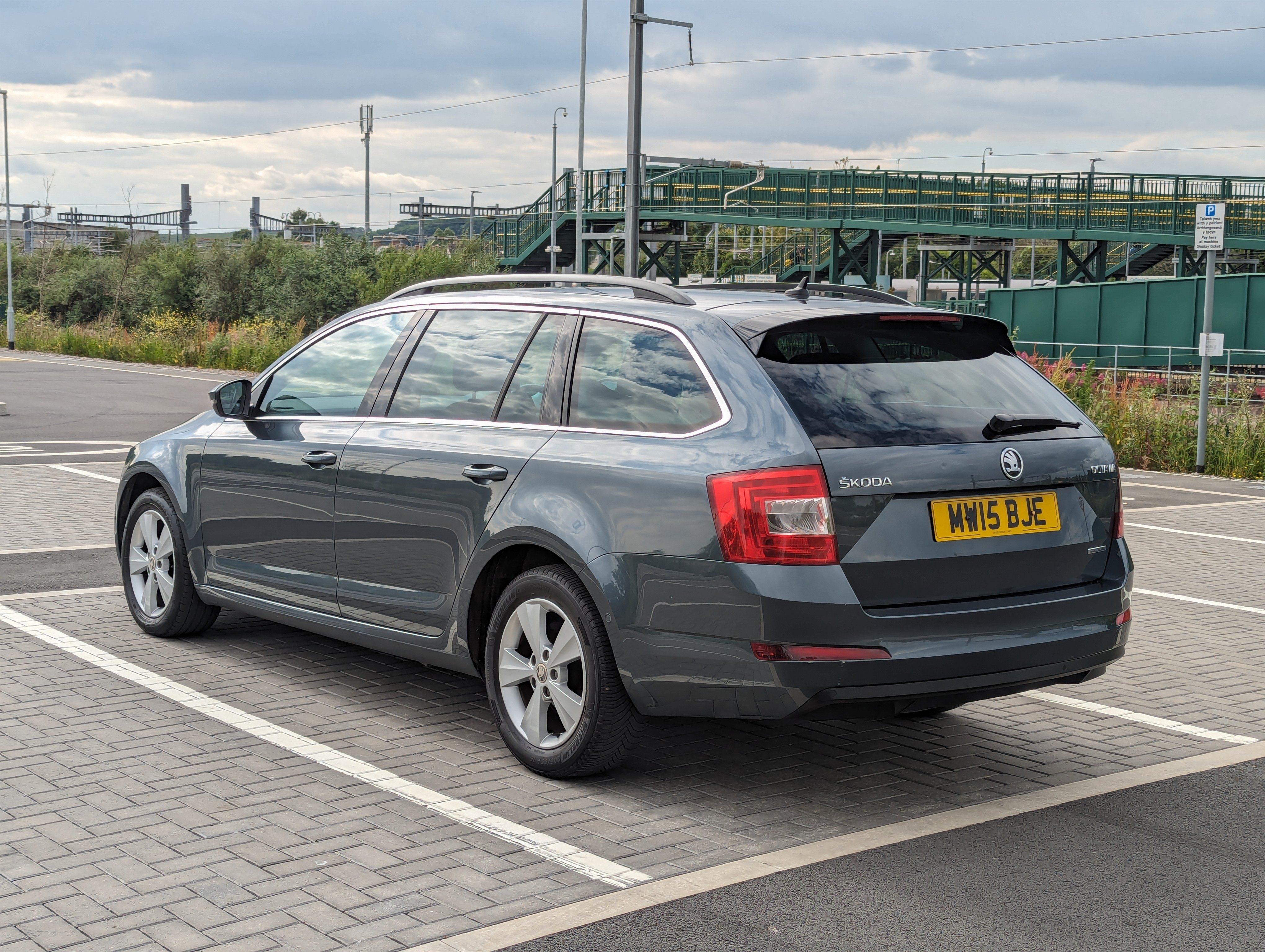
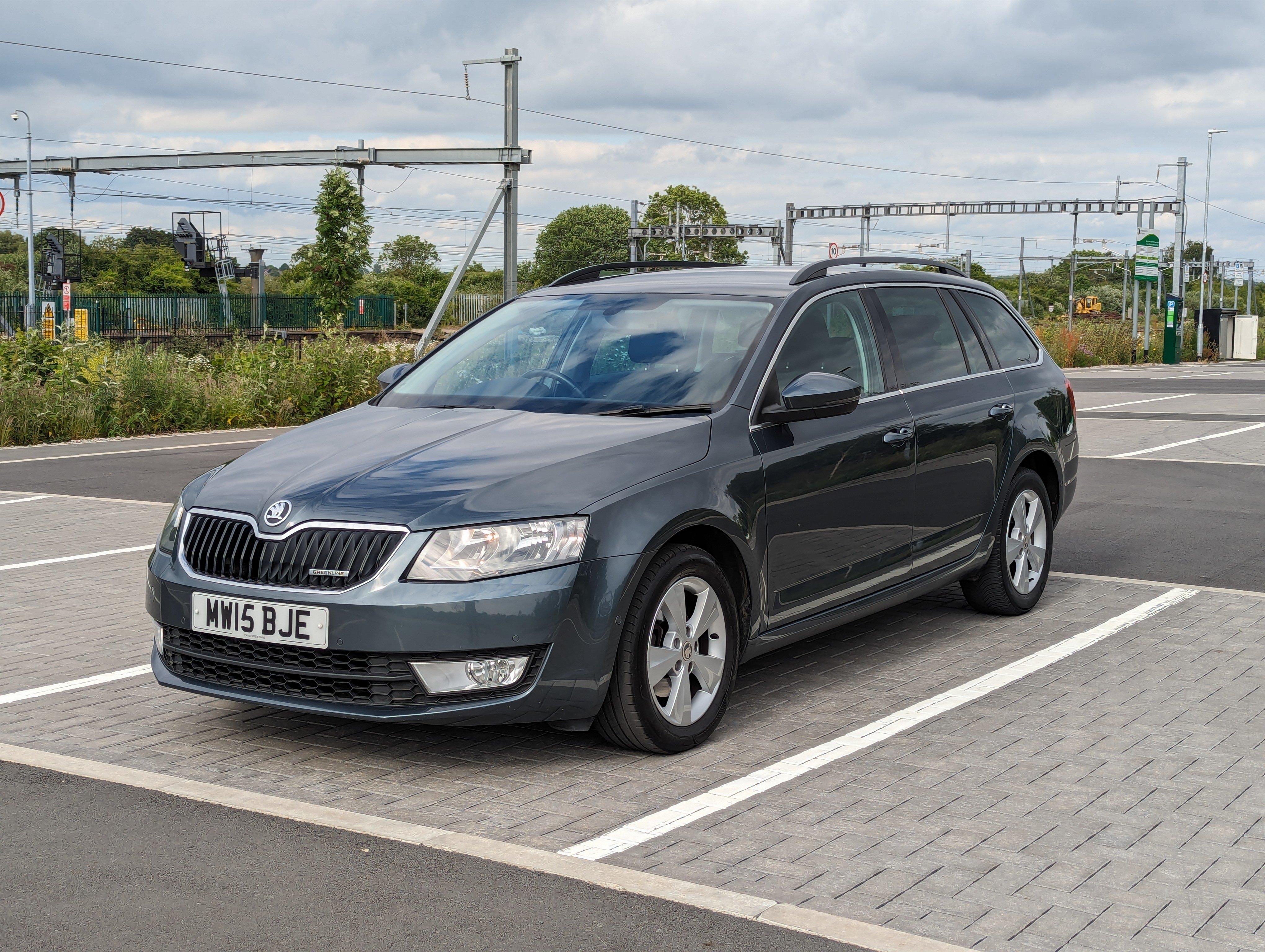
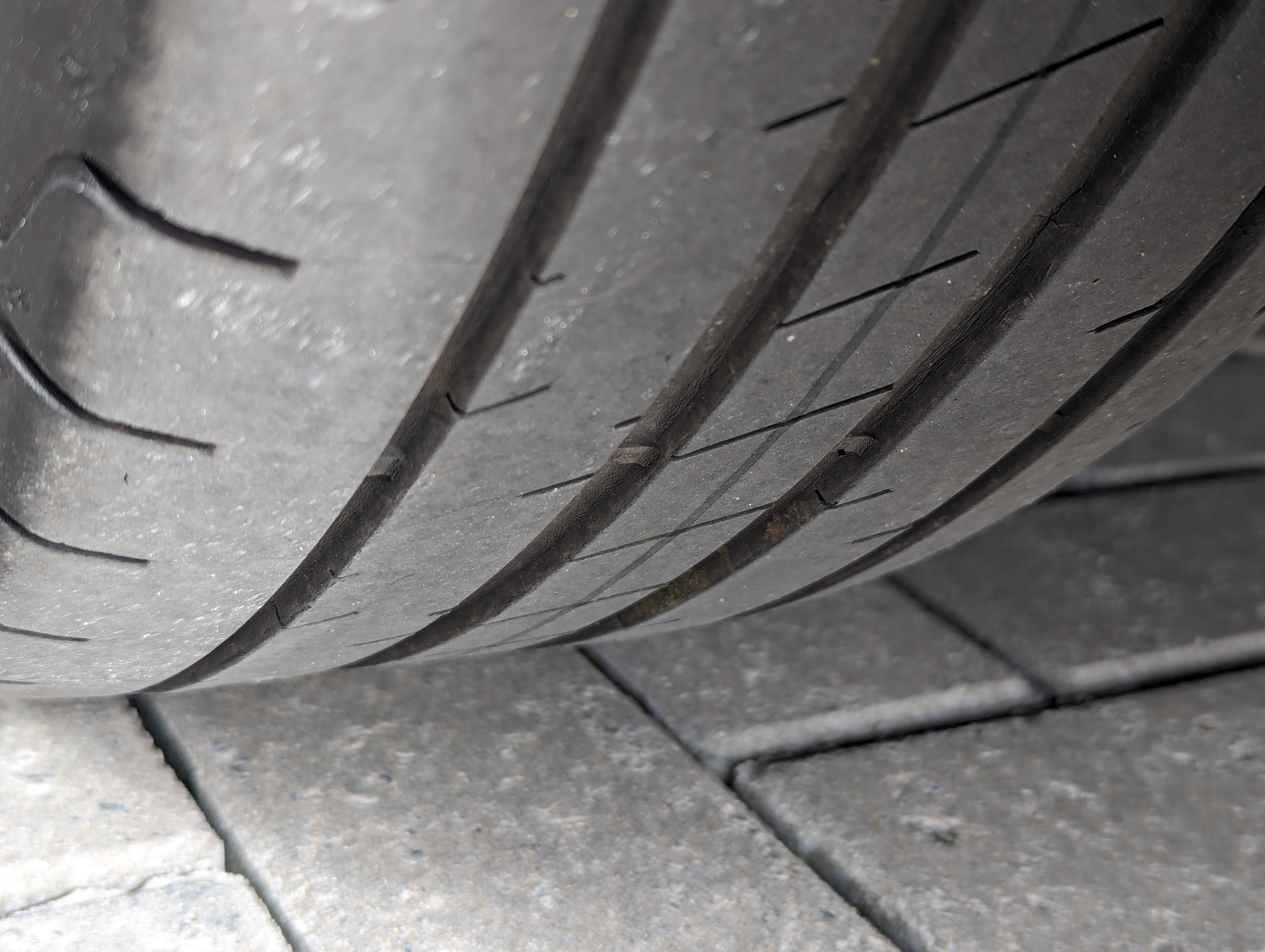
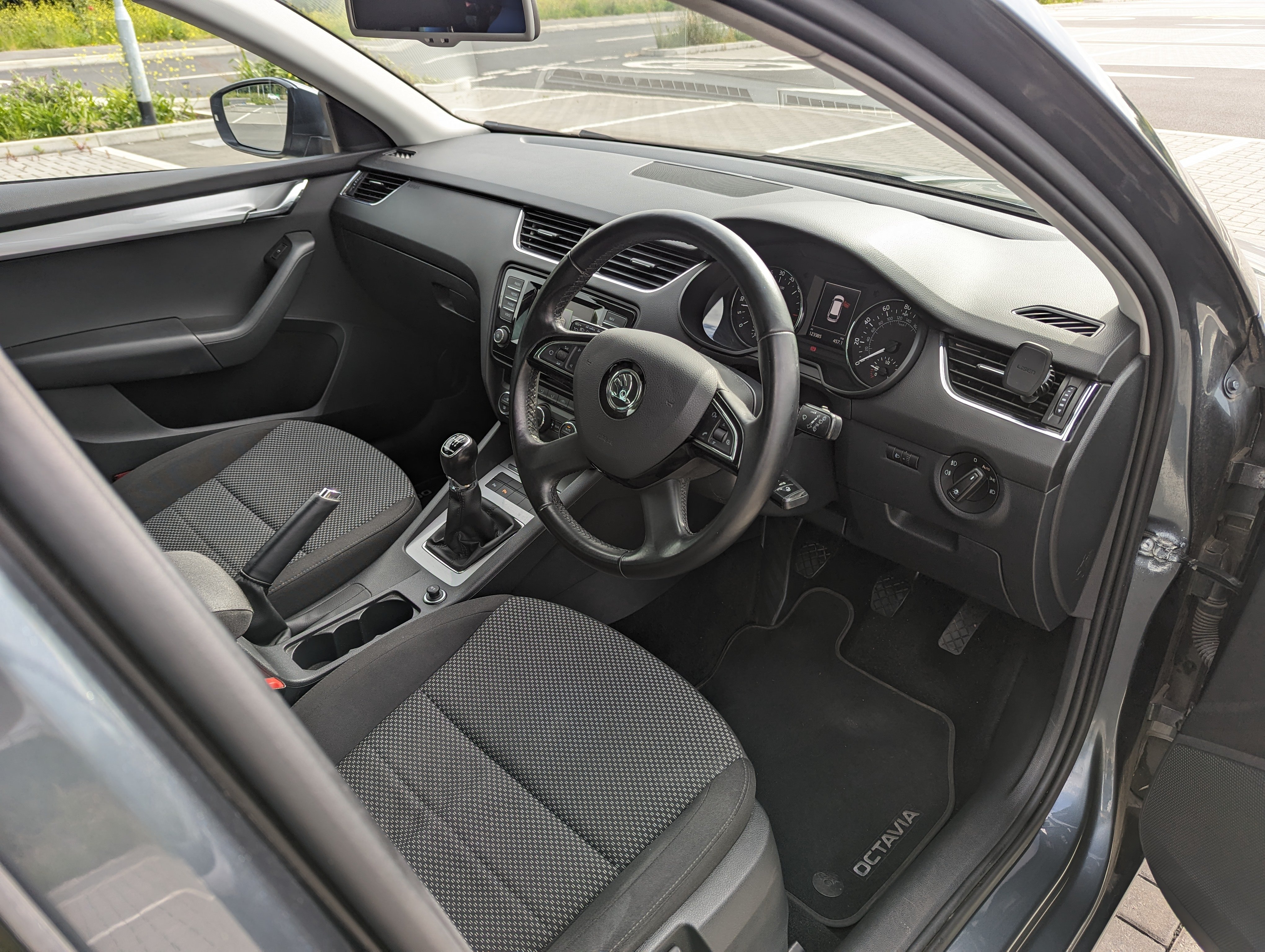
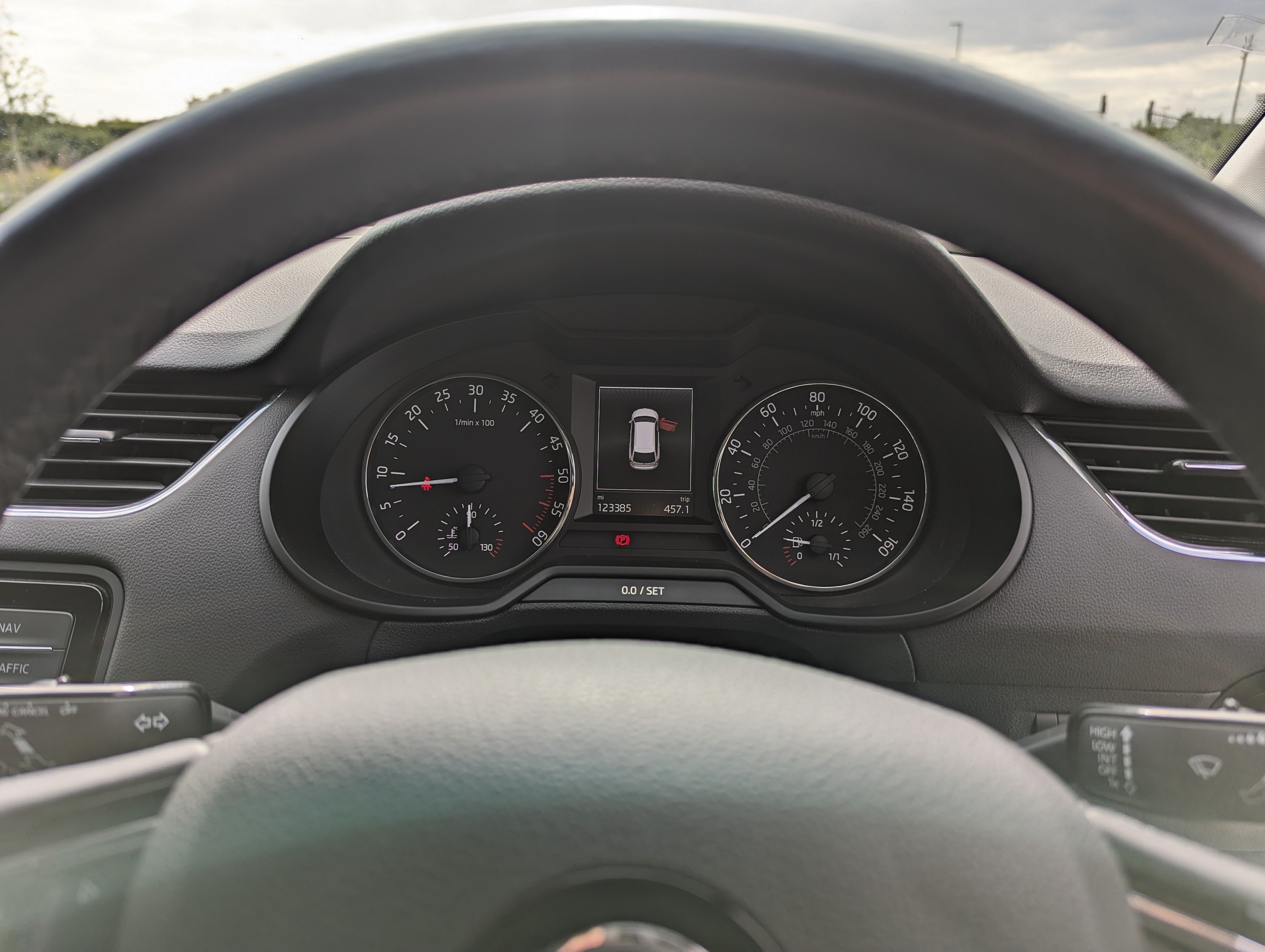
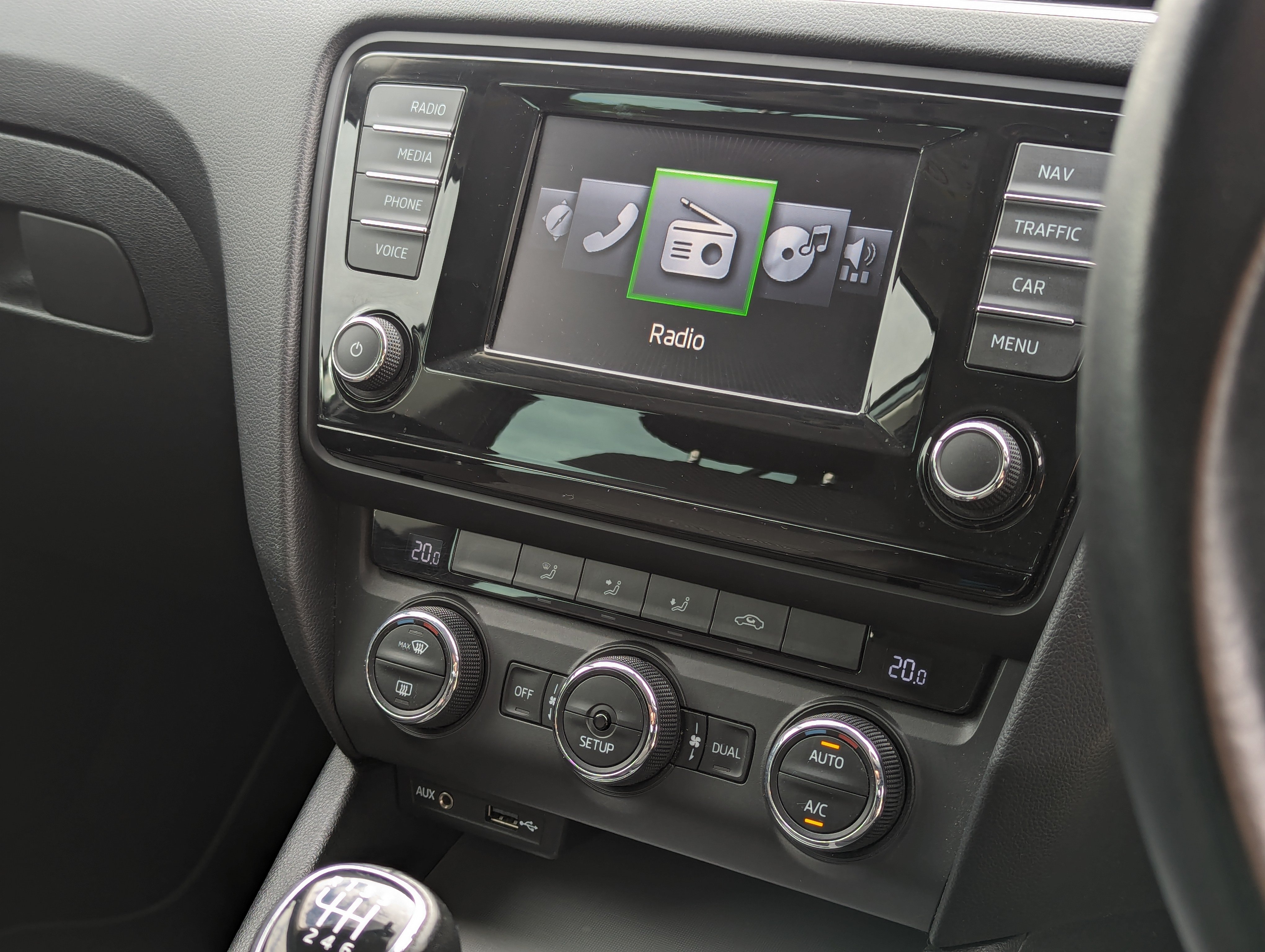
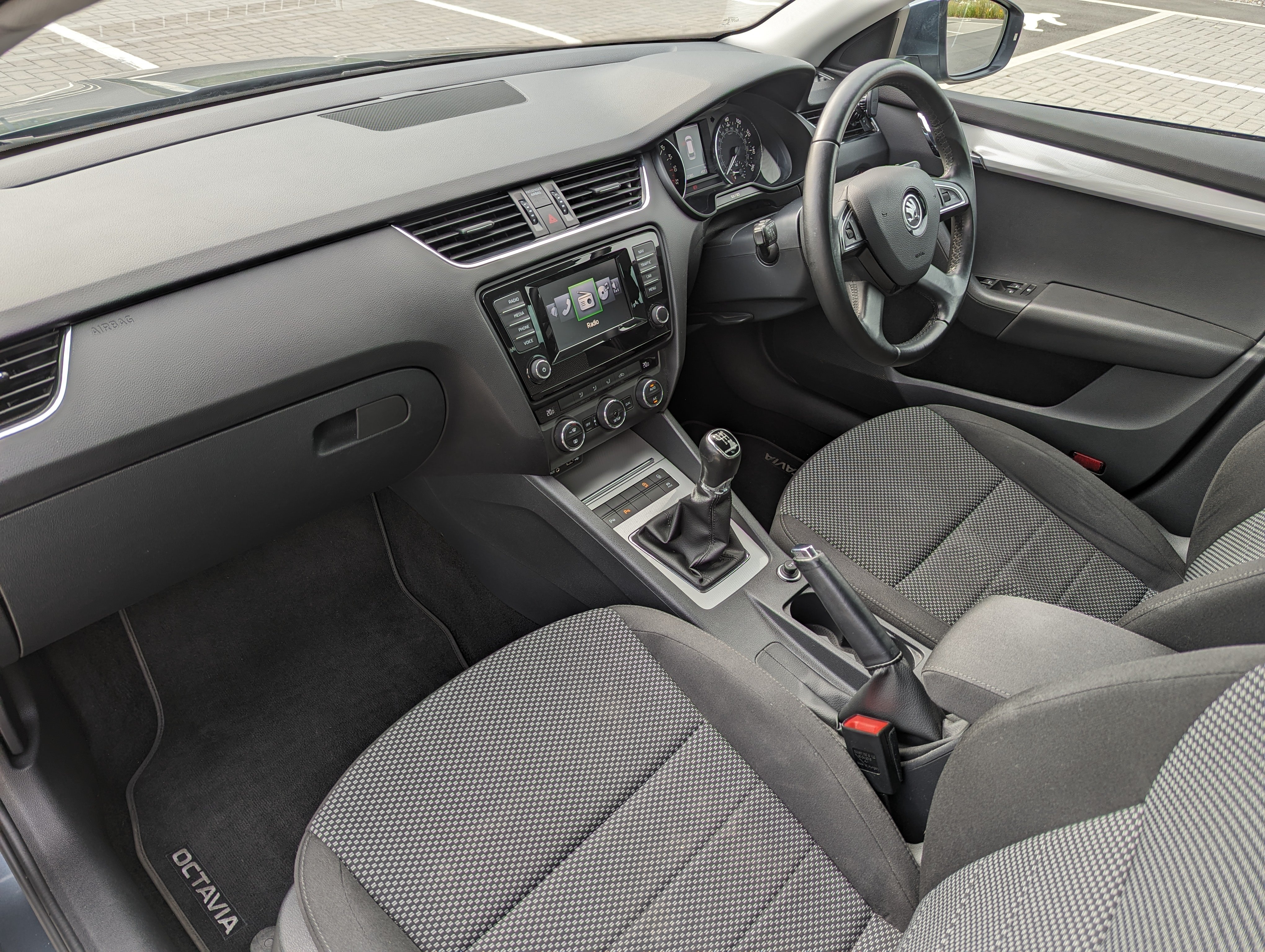
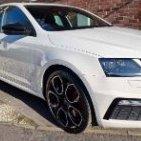
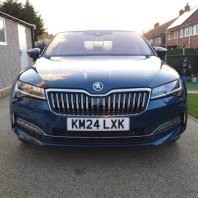
Here is my family wagon for the last five years, finally up for sale. It's a two-owner car, with the first keeping it until 37000 miles and four years old, and me taking it on from there. It currently sits on 123,400ish mostly motorway miles. I bought it in April 2019 when I needed a fuel-efficient family car for a long commute I was just starting. My Octavia vRS (TSI) would have ruined me! I'm only selling it as a change of job role to a more local post means that the diesel is the wrong car for me and my family, now. Take a look at the pics, though, and I'm sure you'll agree it's in excellent order for its nine years young. It's been maintained extremely well with services every 10,000 miles, a cambelt change on time, gearbox oil changed on time and just general TLC week-to-week. It's never failed an MOT while in my care and been given the little extras like Bosch windscreen wipers and regular interior cleaning. It's had a recent new battery and the common corroding coolant pipe replaced last month. The tyres are Goodyear EfficientGrip Performance 2 (front) with LOADS of life left as per pics, while the rears are older Micheline CrossClimates, which are just cracking a little around the shoulders but will still be good for a year or two. My fuel economy record in this car is over 90mpg on the computer, over a 200-mile motorway journey! Please do come and have a look and a drive if you're interested. It drives beautifully, with excellent comfort, pretty peerless fuel economy and surprising refinement. The only faults are a dodgy sensor/electrical contact in the interior light switch so the lights no longer come on when you open the doors, and, weirdly, the one-touch auto-up/down on the driver's window stopped working when the new battery was installed. It's been polished and waxed ready for sale. Here follows the template for Briskoda sales. Make & Model: Skoda Octavia Estate SE Technology Greenline III Colour: Metallic grey Mileage: 123,400 Price: £4,900 Description: Grey, one previous owner. SE Technology spec brings climate control, Bluetooth, 16" alloy wheels (new centre caps), rear AND front parking sensors (I think this was the only model ever among MkIII cars to get front ones as standard), electric door mirror adjustment, CD player, DAB radio, cruise control, 6-speed manual gearbox, 108bhp/110PS special engine tune for this model, aerodynamic refinements, cloth seats, automatic headlights (upgraded Ring halogen bulbs), automatic windscreen wipers (Bosch blades), 610-litre boot, ISOFIX mounts (rear only), 12v power socket, selectable driving modes, manual handbrake. Condition: Used, with a number of small/tiny scratches, stone chips and two very small dents. There are a couple of larger paint chips on the rear bumper and cracks to the near-side reflector lens and the very bottom of the near-side light cluster. The function of the lights and reflector is not affected. Very clean, almost unmarked condition inside barring very slight wear at the gear knob. Service History/Receipts/Recent Service work: Extensive service history from new - I have everything in order in an A4 wallet, including service invoices, MOT certificates and invoices for almost every part and piece of additional work. Extras: I think the metallic paint was optional, but I'm not sure otherwise. It has everything you need, anyway. Mods: Upgraded (but legal, sensible and simply brighter) headlight bulbs Shipping: £n/a Collection: Yes, from the NP26 area. Can also deliver for the cost of the fuel and the train home! Pictures: More available if you have specific requests!
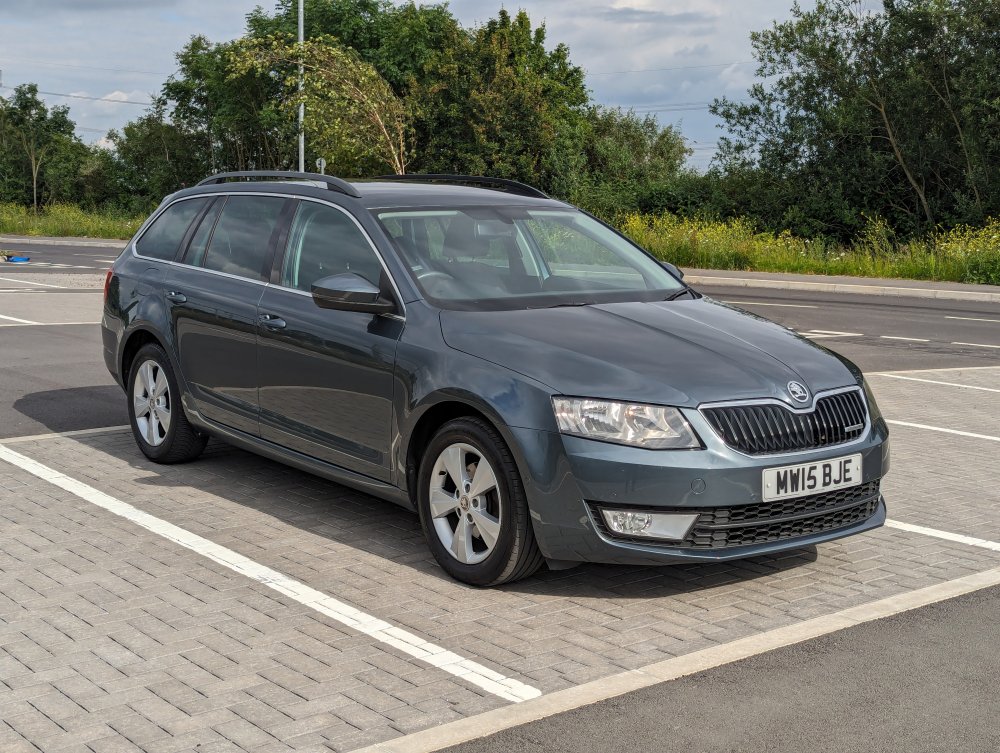
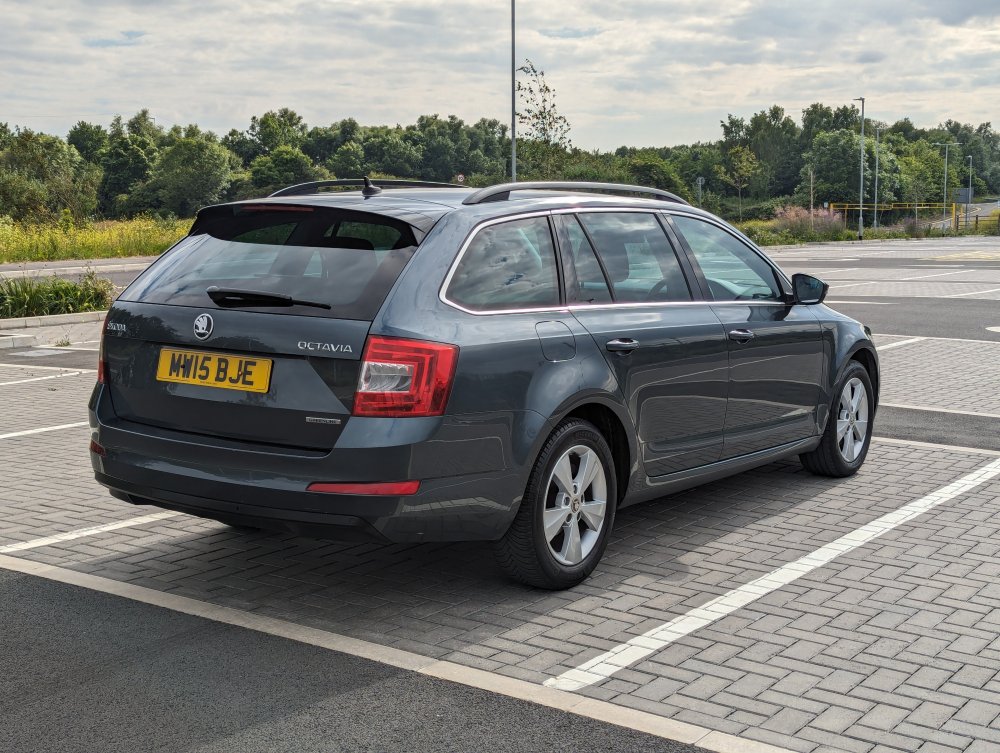
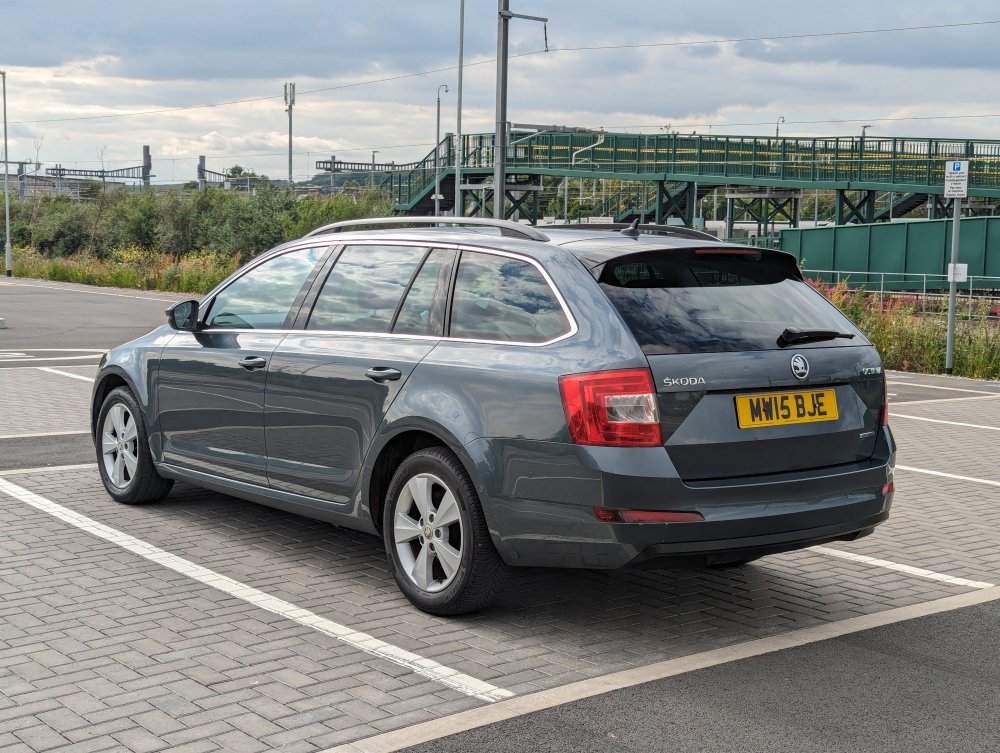
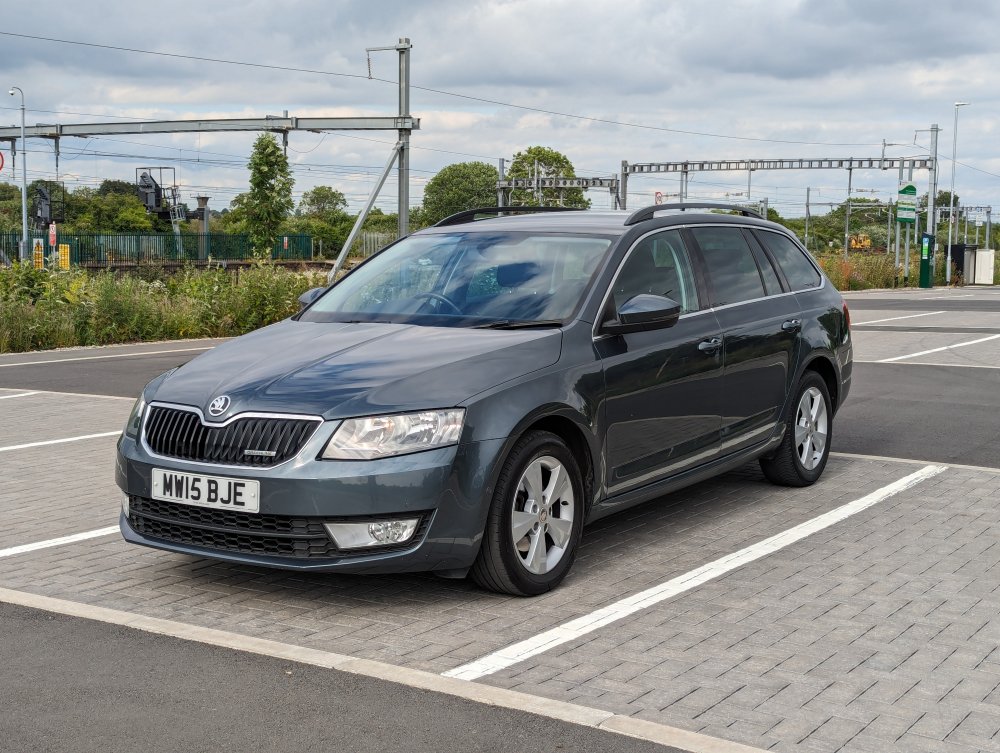
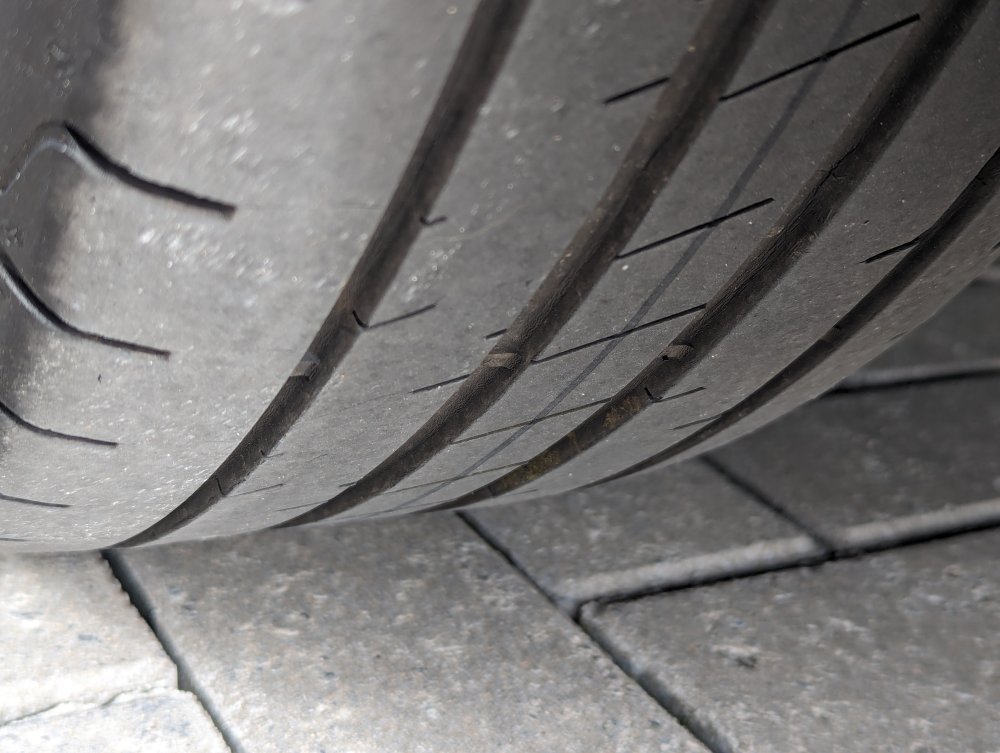
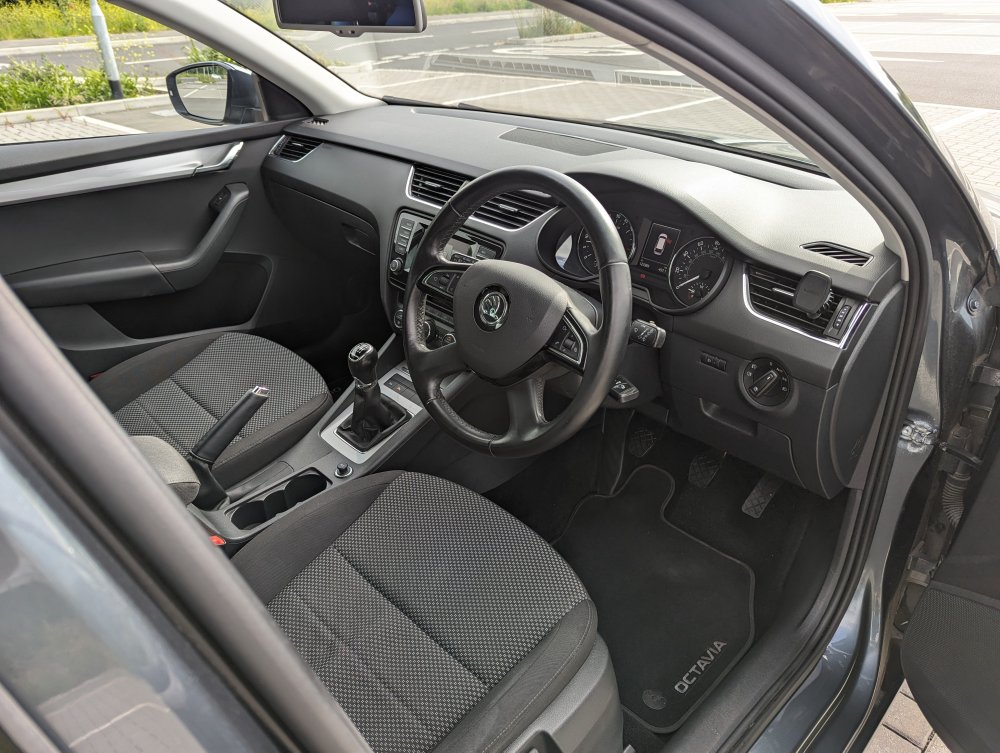
 1 point
 -
1 pointIf you search there was a guy did a full retrofit guide on how to install the camera.1 point
-
Done during 2020 lockdown so it was easy for him but this shows the basics. Anticipation and reading the road. if you need to use your brakes you have wasted fuel.1 point
-
1 point
-
Unless you are balancing the wheels yourself, what wheel weights to use is down to the tyre fitter. I don't think a tyre fitter would be too pleased if you start telling him how to do his job. My stick on wheel weights have a height of 4mm, and that includes the thickness of the adhesive pad. When using stick-on wheel weights, it's always best to use low profile simply because they are less likely to fall off...regardless of the clearance between the rim and the brake caliper.1 point
-
1 pointUpdate the garage has sorted it out he used a OBD 2 scanner and choose a year 2000 Fabia to delete the airbag and all was ok, so it seems Fabia air bags are the same as the Felicia. So some of the Felicia can use a OBD 2 Scanner. Light still off after many miles.1 point
-
1 pointProblem solved it was a switch for warning lights And the fuse as you wrote 15A Thank you for your willingness and time1 point
-
1 pointI've been thinking quite a bit about the charge anxiety thing and came up with this (probably not original and rather obvious to boot). If you always fill up your ICE car at your local petrol station (assuming it is not a price rip off) then you probably can easily cope swapping to EV and home charging. If you fill up more at other stations (I reckon I fill up 1/3 at home and 2/3s on the road) then you probably won't make much fuel saving in costs and recharging is something that might well be more than a little inconvenient.1 point
-
1 pointYou can certainly buy 18" alloys and tyres and keep your 19's for resale. That will be your only option I think.1 point
-
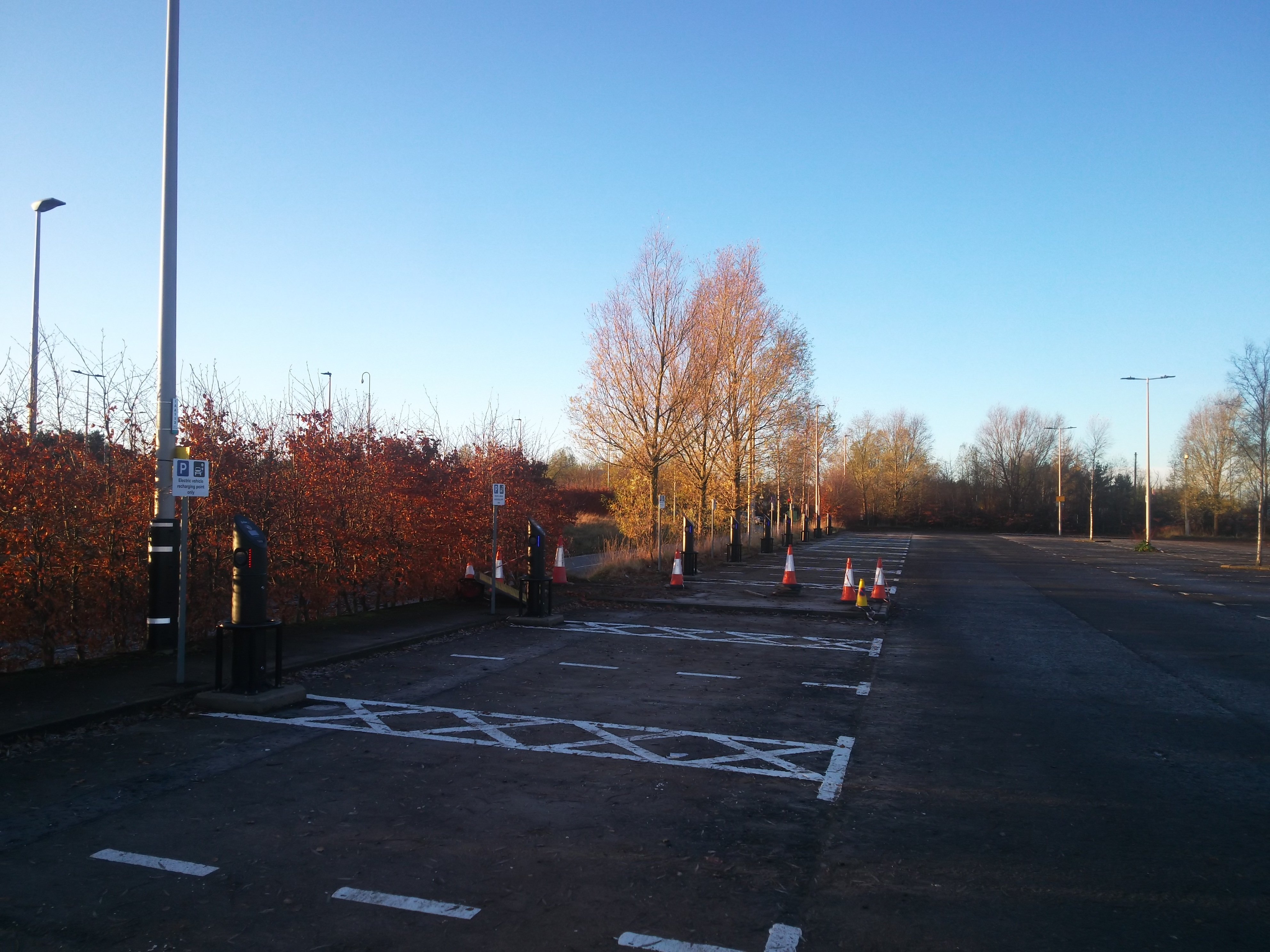
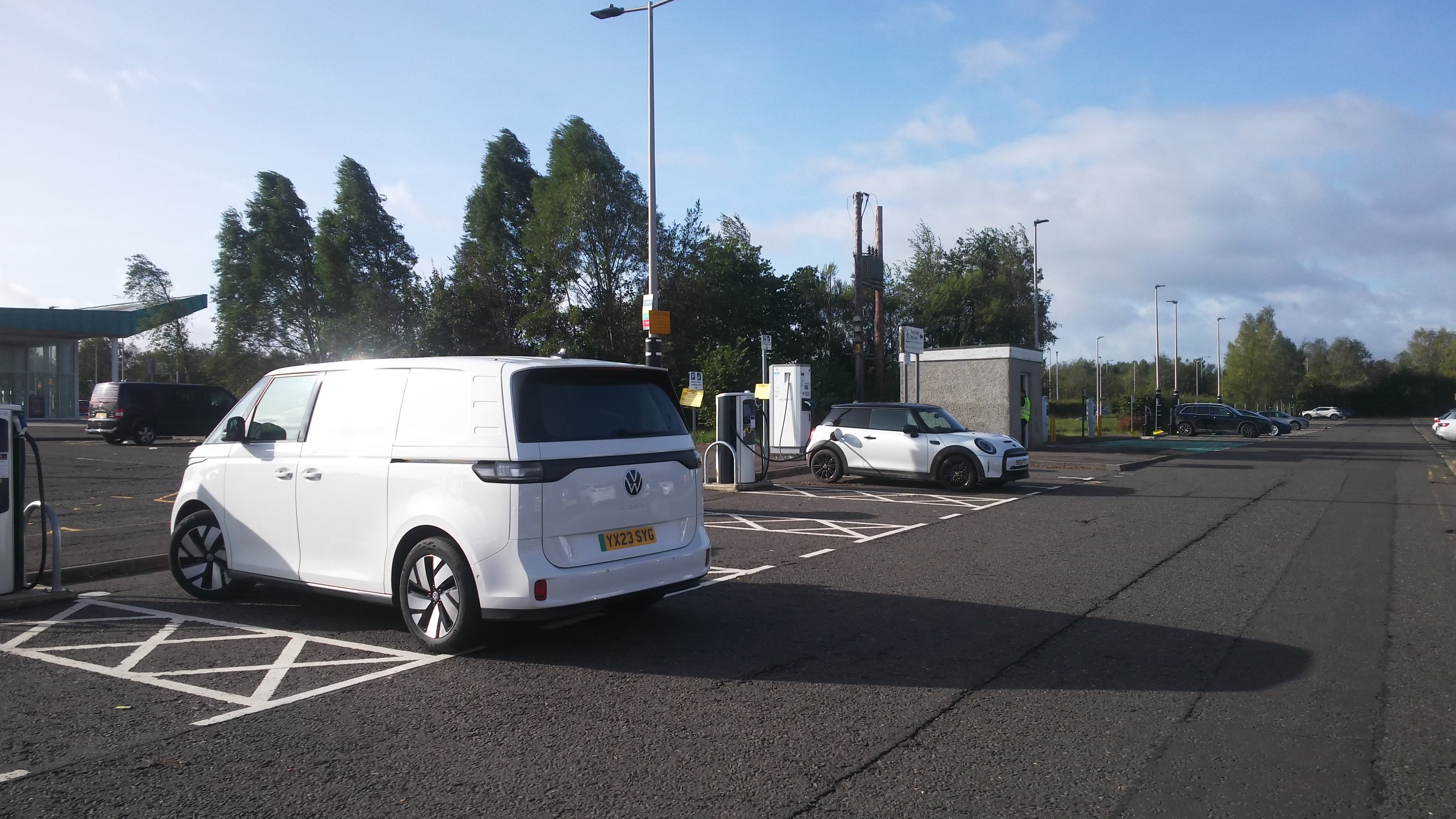
1 pointThere are Apps that might tell you in advance and be accurate. Some very much better than others, but that still can not be relied on if you want to risk it for a biscuit and run to near no range. Once you have been at facilities and have gained some knowledge you might be more confident on what you are about to encounter at that location. There are vehicles and phones that work better than others for info, and there are still crap Phone Reception areas, and that is also an issue with Chargers & SIM cards and Communications. Even phone reception to a 'Support call centre'. Unbelievable but Mobile Phone Reception at Edinburgh Airport park and ride can be pathetic as was CPS / SWARCO in Broughty Ferry's communication with the chargers.1 point
-
1 pointerrrrm I think you missed the point that they were doing a "how far can we go " type of test and were merely commenting on the state of the facilities available at the time of their stop, they didn't actually intend on using them. Yes of course there are apps that can tell you in advance but again that's you having to adapt to the car. How many times when driving a traditional ICE car did you ever need to check in advance if the petrol stations on route were working ? Oh and the most ridiculous one was the services where (I believe it was when they visited previously) the chargers were out of action with a sign saying the power supply to the site wasn't sufficient. What a load of c*ck. And this is with a relatively low number of EVs in use, imagine what it will be like if/when they are pretty much the only vehicles available)1 point
-
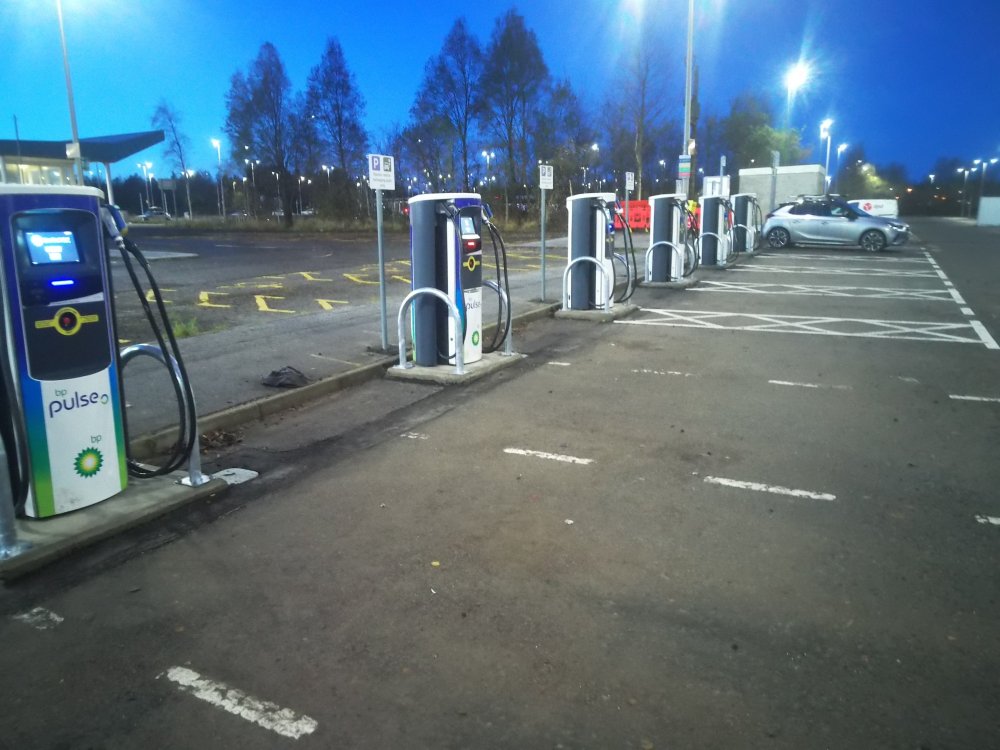
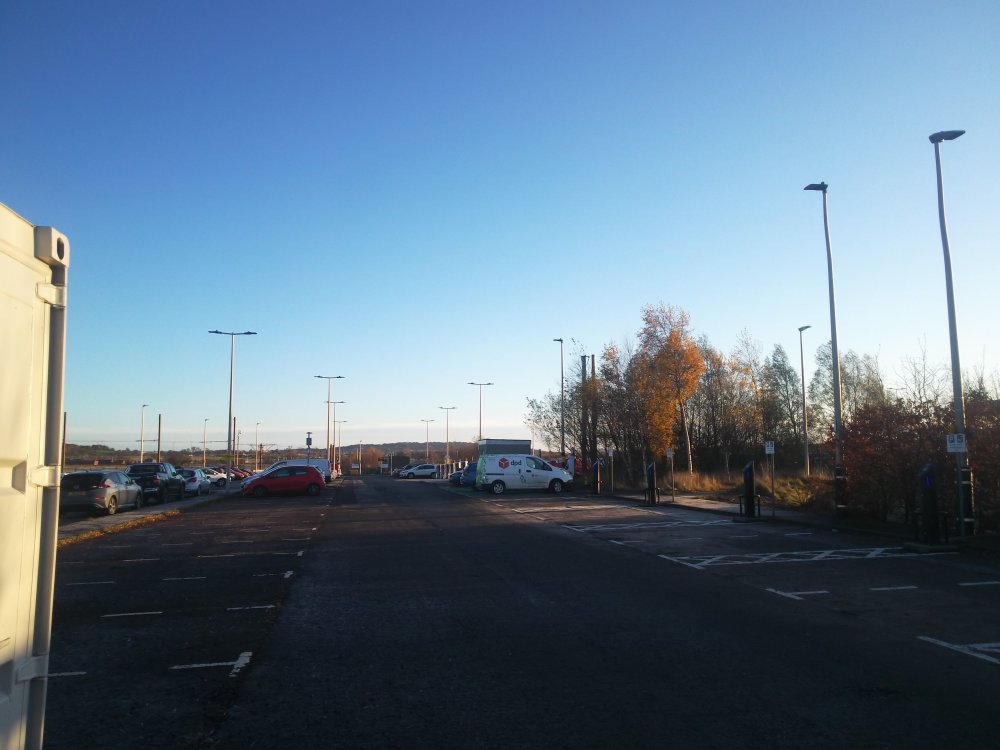
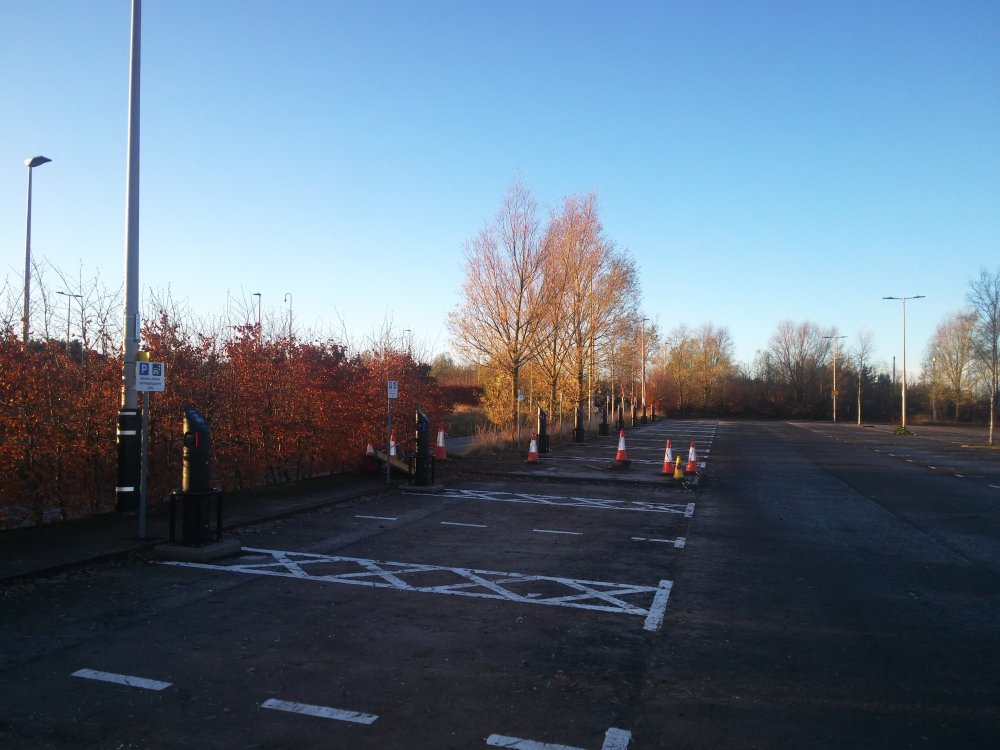
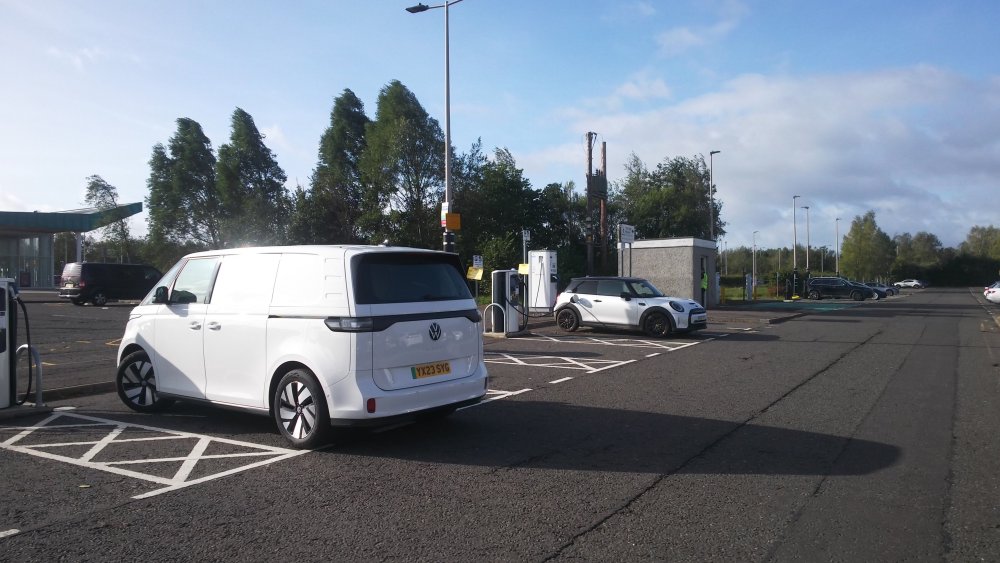
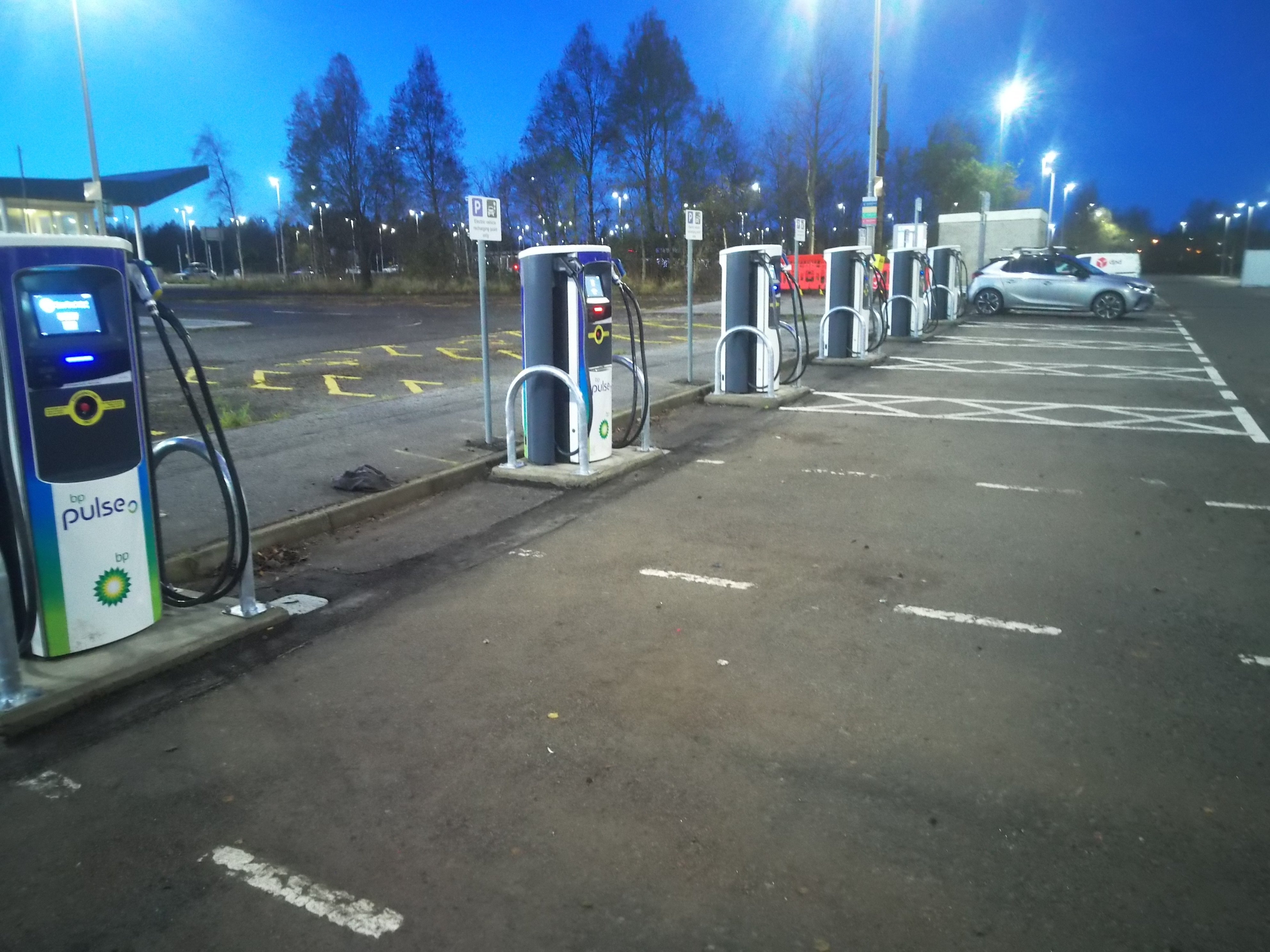
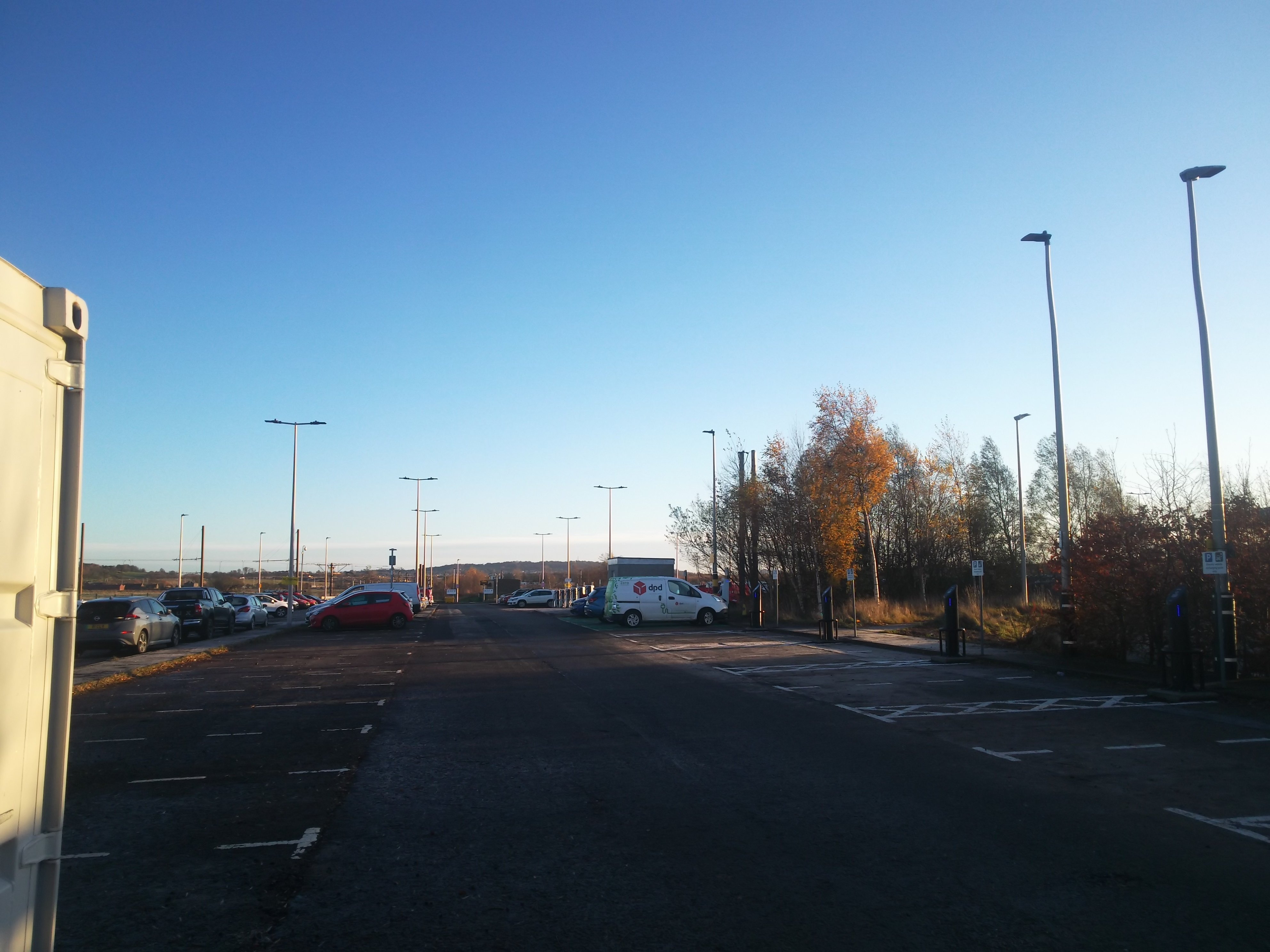
1 pointEdinburgh Airport Park and ride, the 6 BP Pulse 50 kW chargers out of service now for near 8 months, since there was flooding in October. The 4 x 11/22 AC sockets are hit or miss if working and the 40 7 kW unreliable so people can not trust to Park & Charge and come back and them having charged the car. Capital Cities Airport, Tram and Bus Park & Ride facility and an embarrassment for Scotland. I check if they are back working each time that i am very near just incase they are back on as people are less and less reporting in on ZapMap or PlugShare about if working or not. In the good old days there might be at least 3 working. Nothing now, not even the 1 original that kept dispensing free.
 1 point
 -
1 pointSkomaz, you must be psychic ! That is exactly the symptoms. I can 'drive through' the noise once I get 78-85mph. It's right around 65mph and in 6th that I hear it the most. Will investigate this ASAP. Also think it might be worthwhile to change the diff fluid as it's probably the original. Belt and braces ! Thanks guys, appreciate the prompt input on this problem.1 point
-
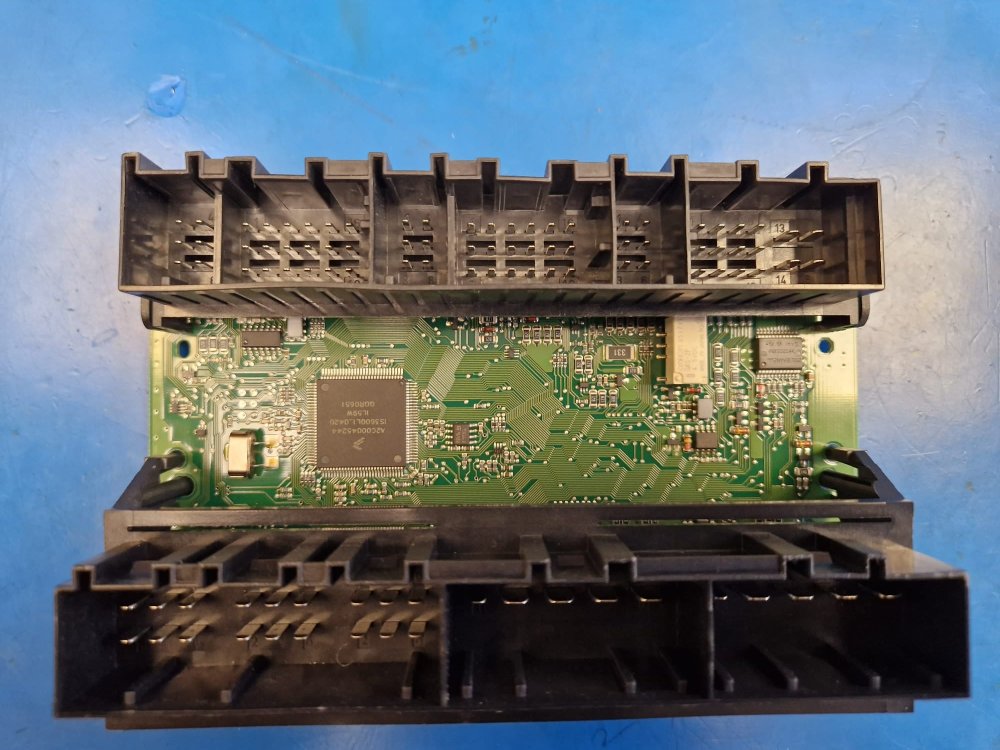
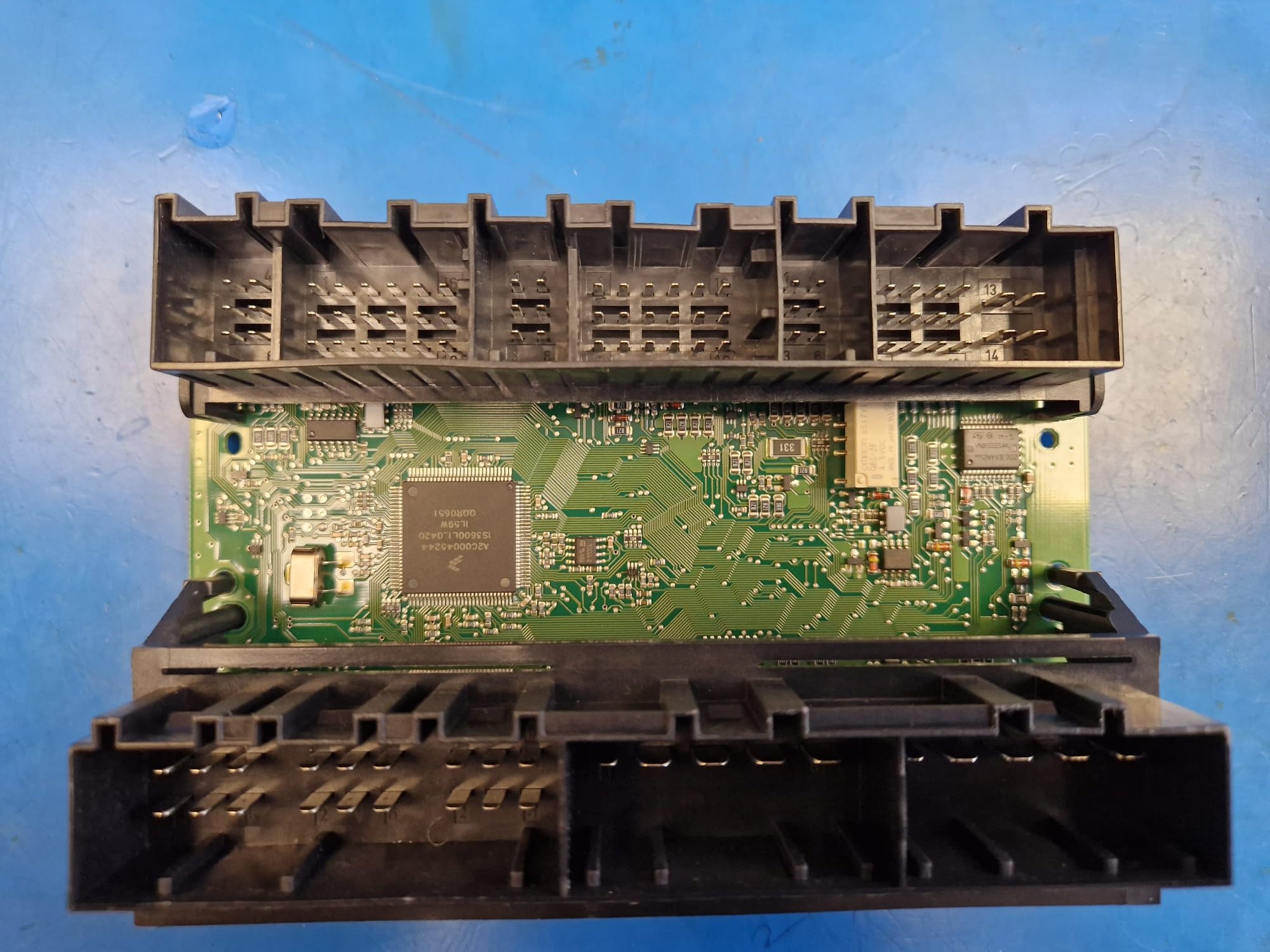
1 point1 point1 point16 pin, black plastic, in a fixed position right at the end of the dash. Just found this OBD2 port Skoda Felicia (1994 - 2001) - Find your plug ! (klavkarr.com) it looks like it for a left hand drive and it using a OBD21 point1 pointHi there. Although I cannot comment about the Battery drain. Could I/we please ask.. 1) What sort of Mileage you do daily/weekly? Are they Short, around trips or longer A road/Motorway blasts? 2) Can you can recall how frequently the DPF regens are taking place? 3) When your garage ran diagnostics did they report back on what the DPF Soot levels were/ are? This looks like a related issue from many years ago, although we cannot see what the resolution was Thanks1 point1 pointWelcome. The rear diff is not a weak point or a common problem. No harm in changing the oil. Check the Prop shaft Donut,s condition. Hopefully no error was made with the Haldex Service and they drained it and not the Diff (That is sadly common.) and a proper clean out was done.1 point1 pointIf you are 100% certain that the 15 Amp fuse number 49 is OK, then there may be visual evidence of failure of the integrated circuit in the onboard supply control unit (BCM) having failed. It's the large chip to the right of the white relay in this photo:
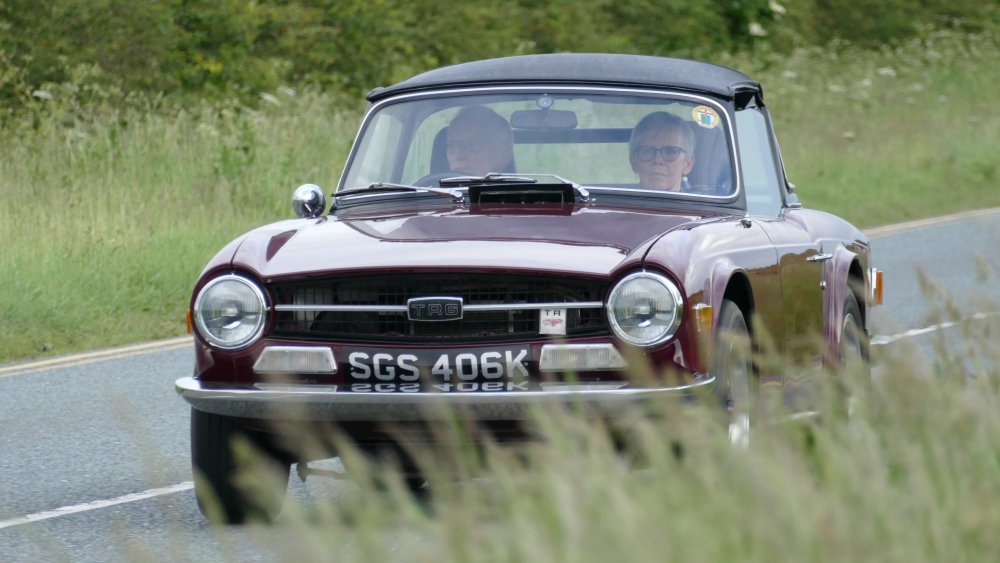
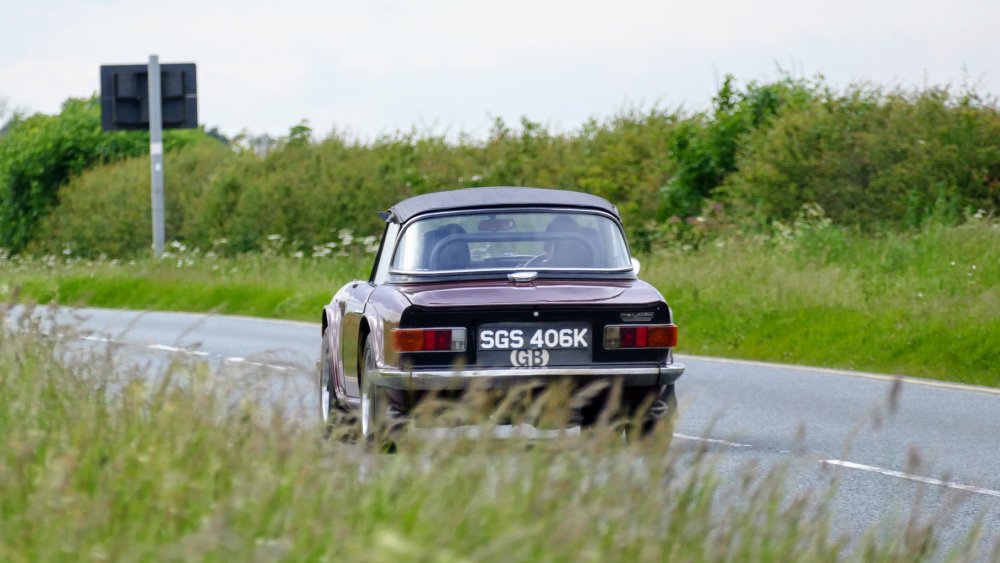
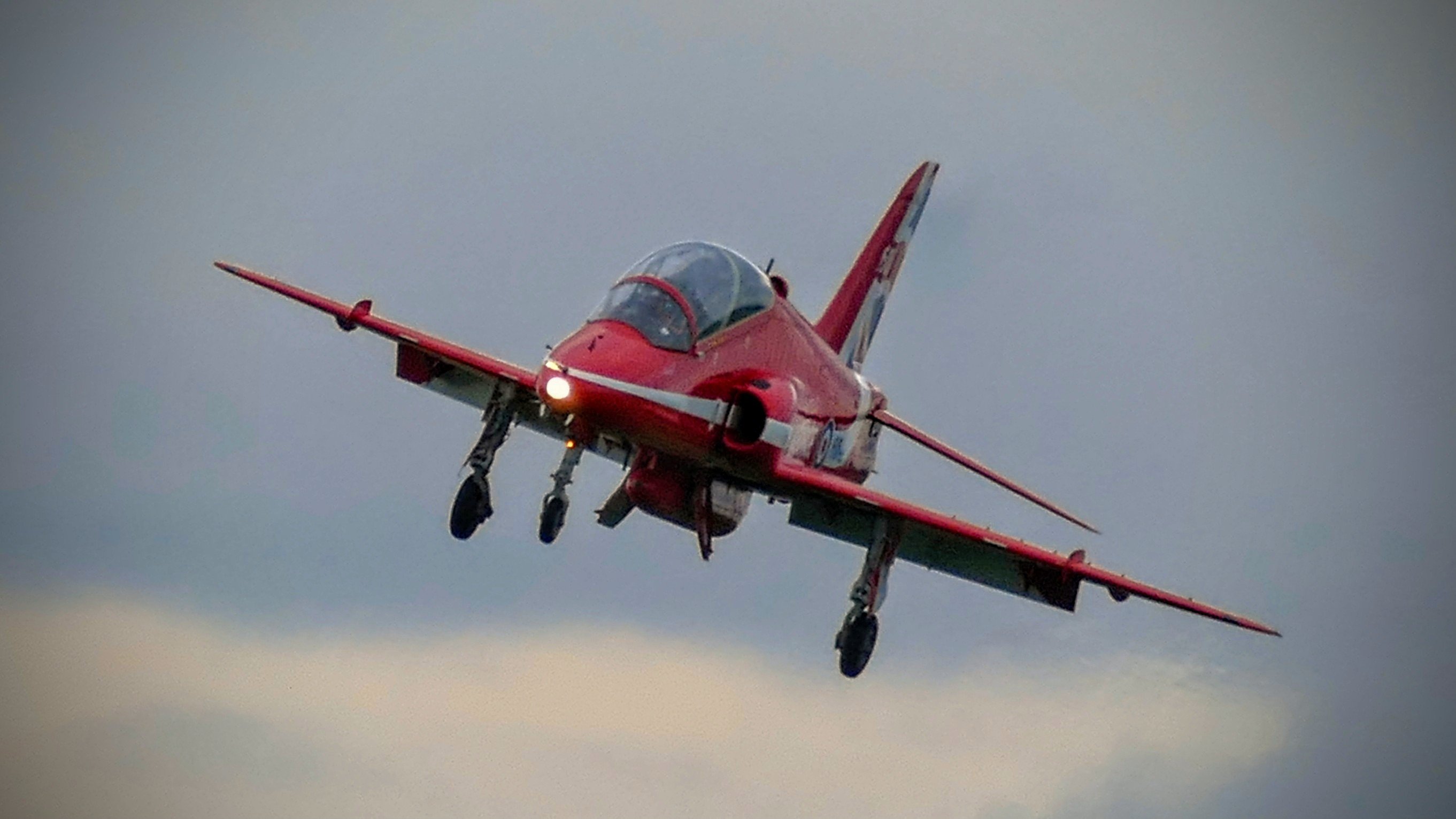
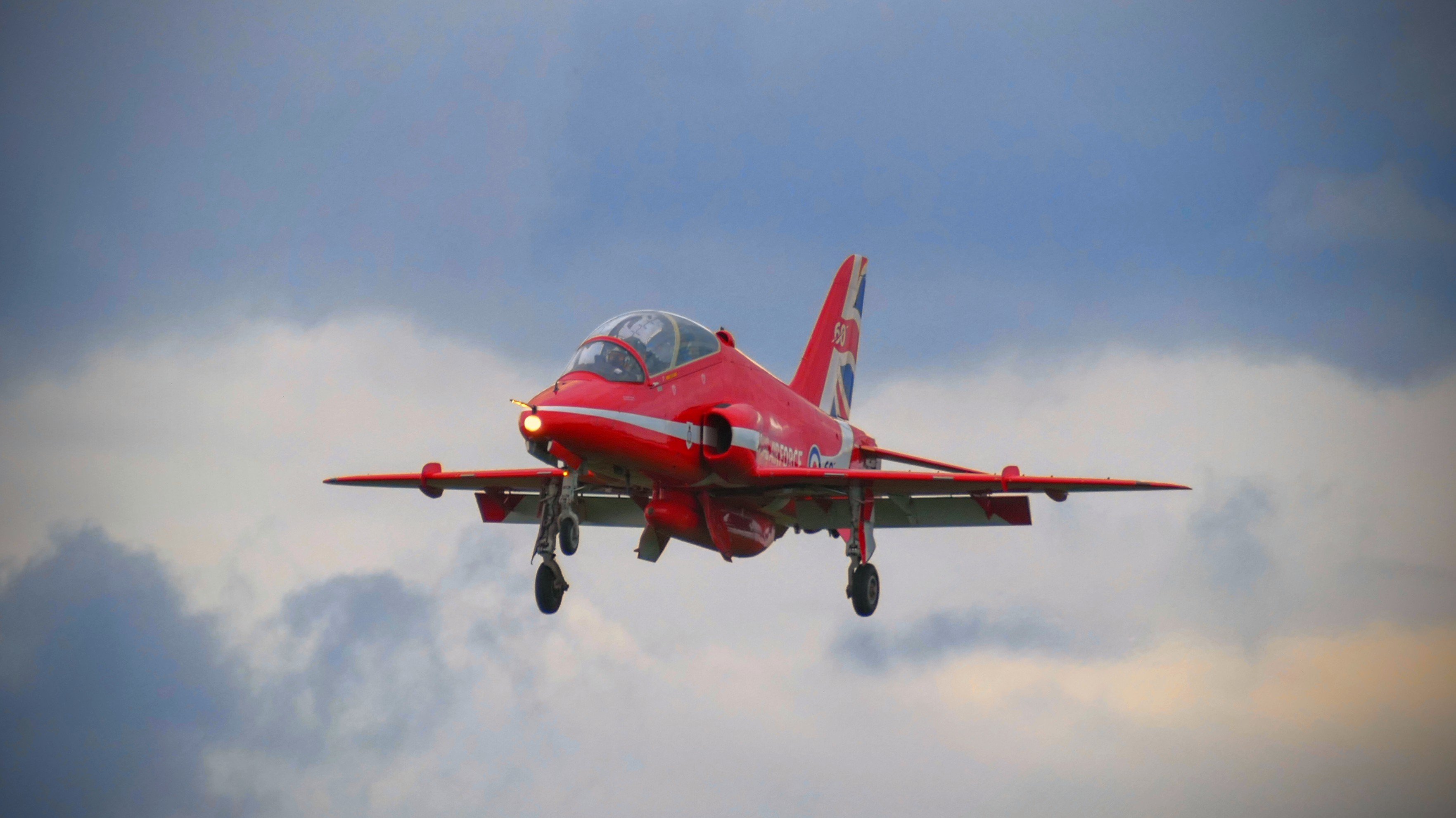
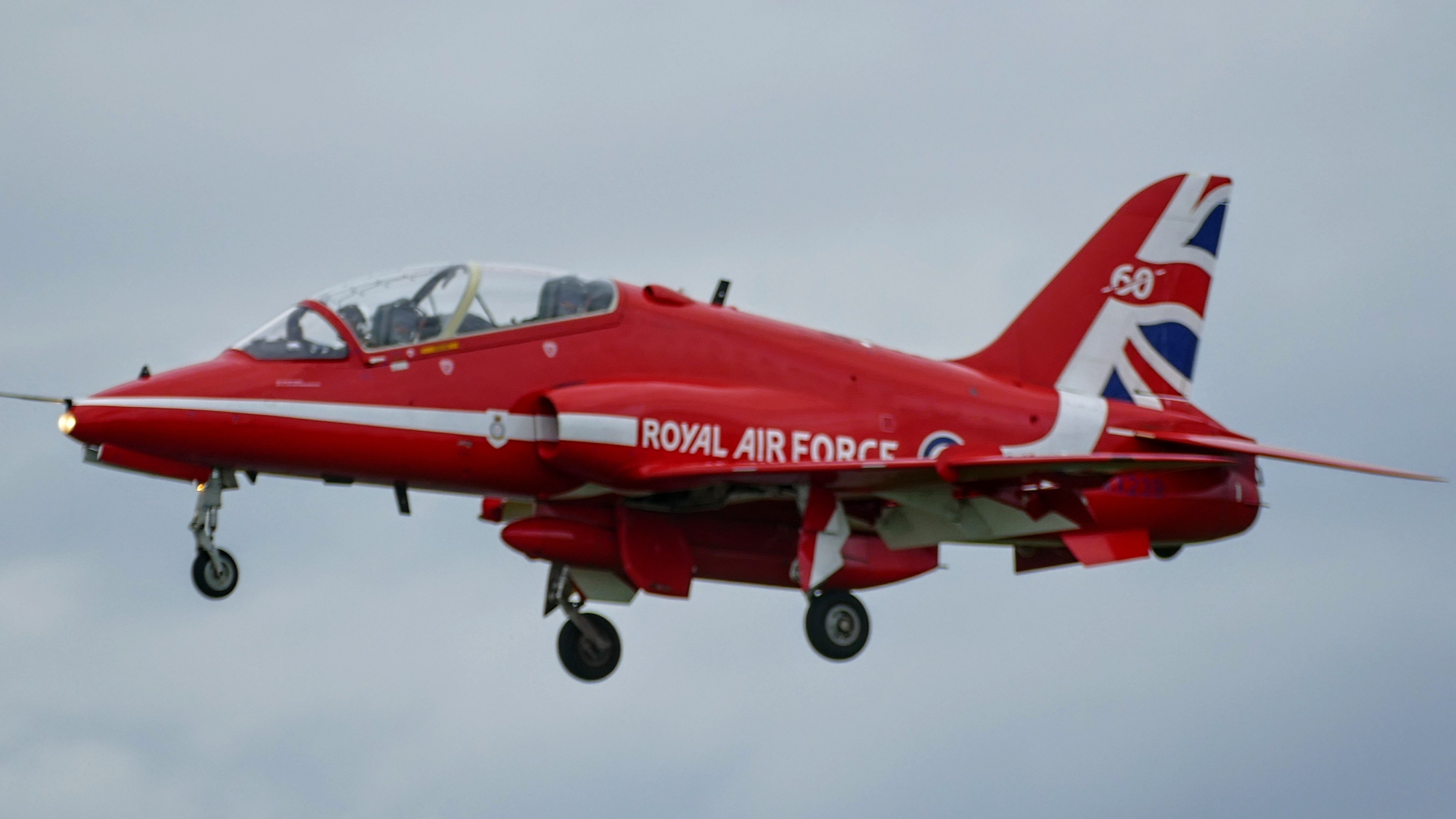
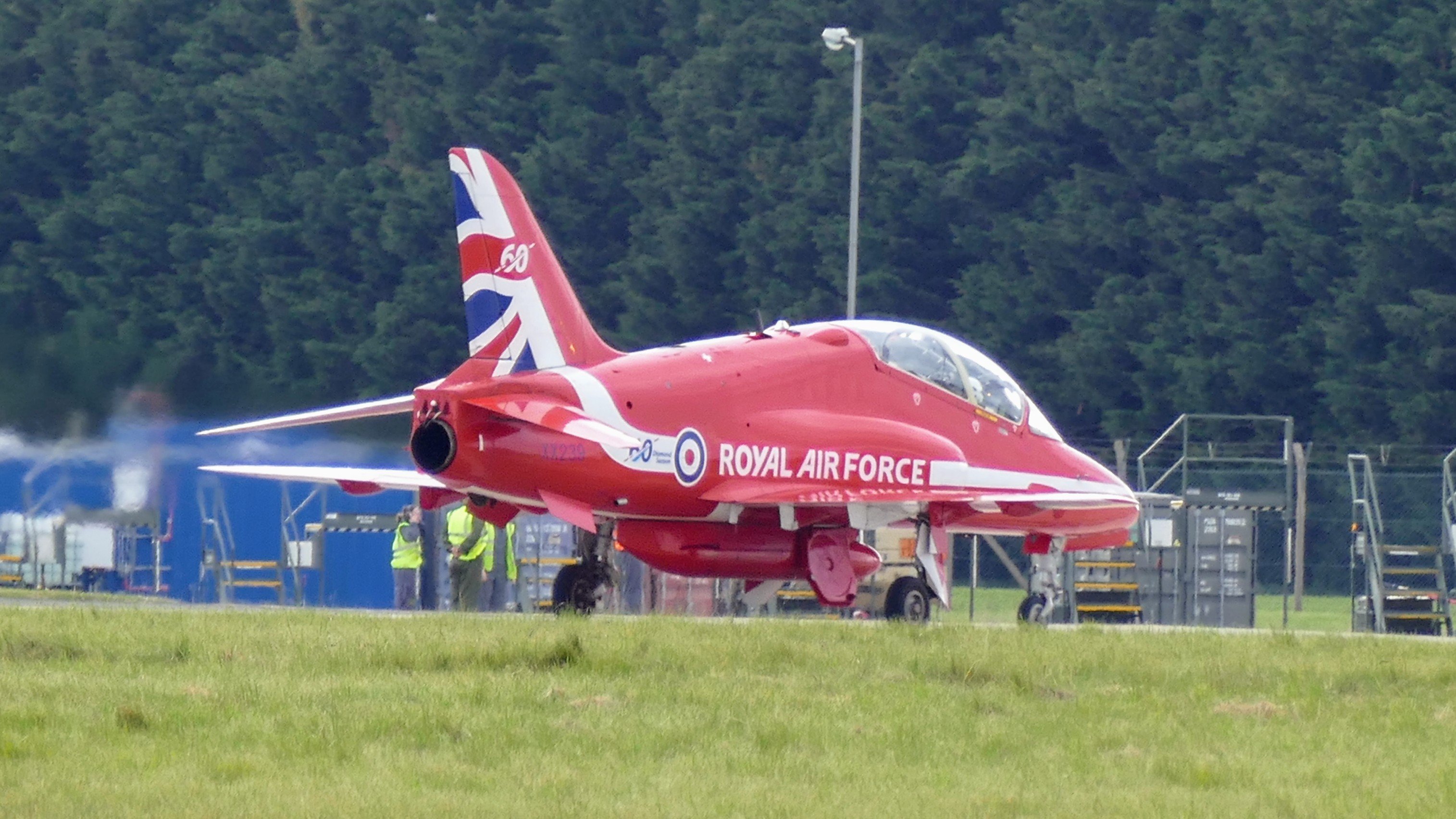
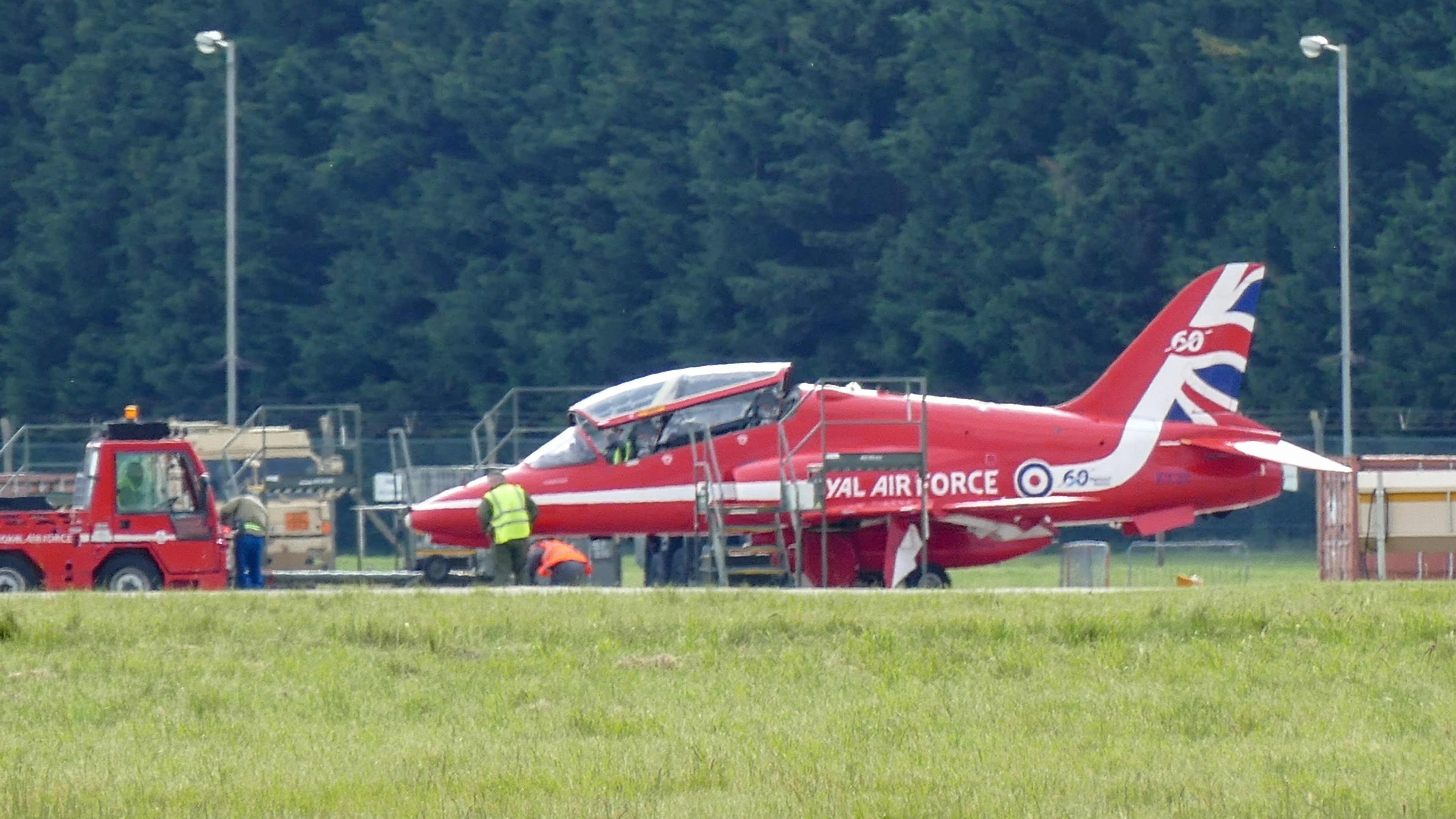
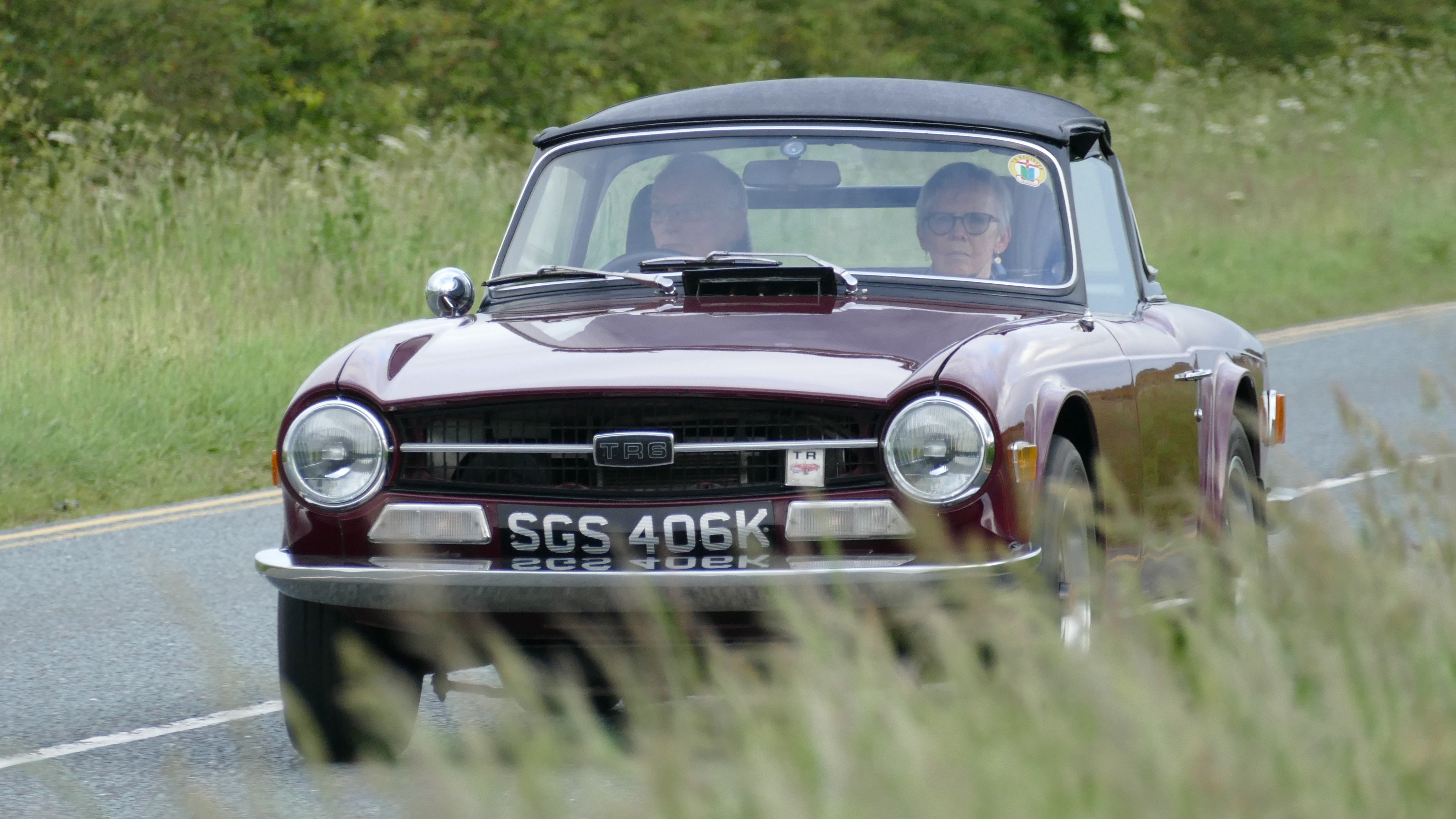
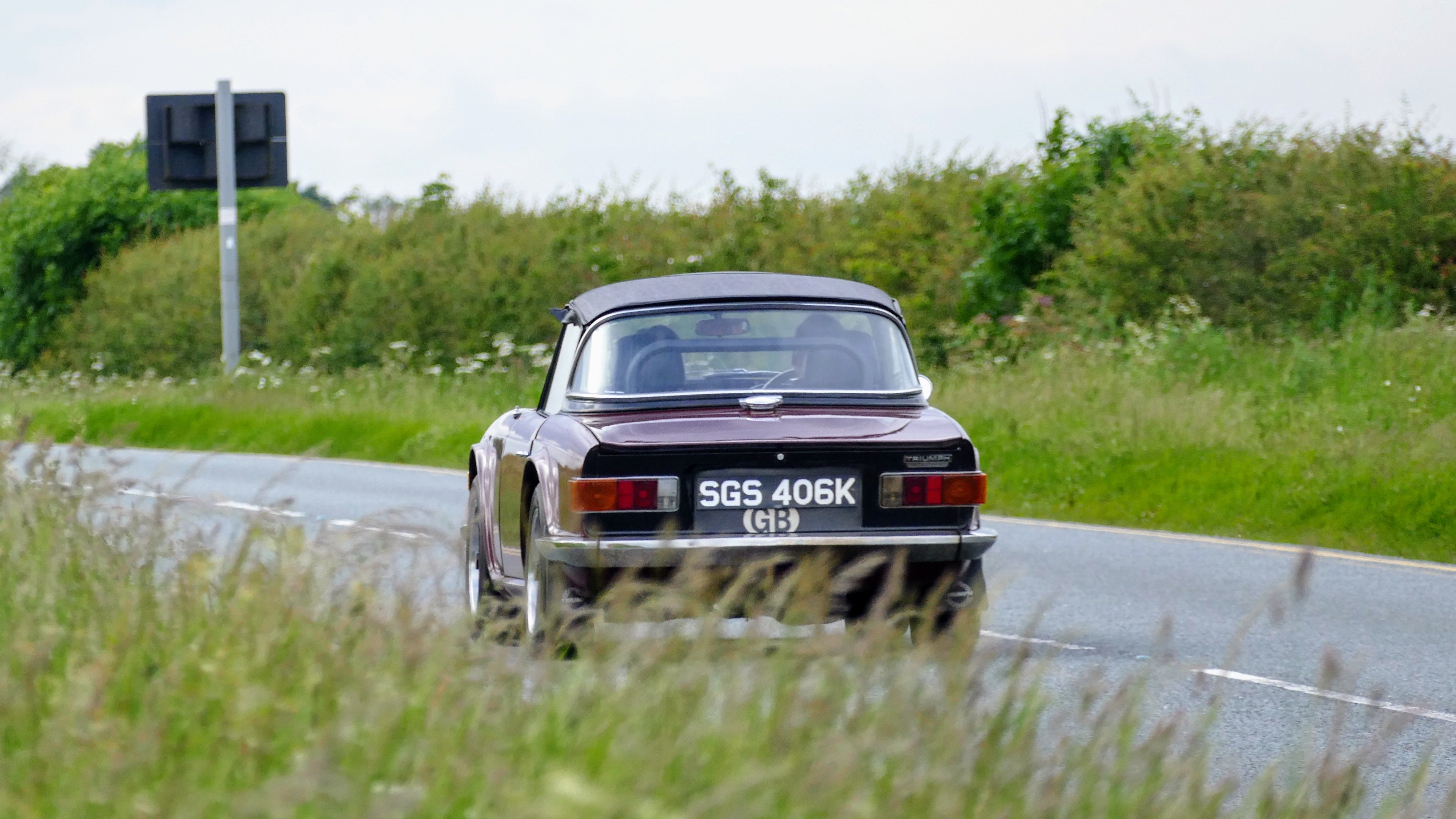
 1 pointYes I agree that's true, I have discovered this and overall l have accepted this about this car, its just how turbo 4 cylinder petrols are. Sydney Yes you are correct, overall it's widely accepted that running the air-conditioning affects fuel economy and performance as well. Sydney though no doubt is humid, it isn't as humid as Brisbane more humid than Melbourne I've lived in both so know the feeling of living in both. Even so at the time I was seeing the 40l that I initially commented from I didn't have any air-conditioning or heating turned on. Well I understand what you're saying and yes it does have the delayed acceleration mainly because it needs to keep the allocated distance from the car in front. Late breaking that occurs as well true not always. Like I said to @nta16 I personally believe it gives better fuel economy and i don't recall seeing the 40l instant which i really shouldn't rely on too much. I'll have to check when I next am able to. I sort of have done that already. Travelling to Melbourne and back in January and also last month to Bright and back at 110km yes I am extremely happy with thy fuel consumption on the open road it shows 6l and even the last trip was f going lower to 5.7l. I had a range in the tank of about 800km, I have no problems with the vehicle on the highway it's an amazing car to drive it really makes the hours pass quickly.1 pointYou don't need such an expensive dongle, go for an AliExpress one and you will be fine. I have being using this one (the usb stick format) since December and it is flawess https://a.aliexpress.com/_Eza2D8R The usb port shuts off shortly after you lock the car so no drain there1 pointI have a few friends and acquaintances in the transport community, and this same question I did ask all of them in one moment or another. From a time at work/to work perspective, since their vehicles are limited by speed control, but they also have a driving time limit after which they need to forcefully stop and "rest", each mile journey is precious, counterbalanced by fuel consumption of course. So, begin able to overtake and move ahead a good stretch before time to "rest" comes, is important. Sometimes these people are journeying for several hundred, when not thousand of miles. And rest intervals are dictated by time, not mileage. Let also consider that this can mean to "make it or break it" at fixed points, ferries, borders, and the like. When a few min can make the difference to missing a ferry, or hitting the border control in "break" (why they need to break while at work is a mystery), or even get to a pleasant stop instead of a dreadful parking stop in the middle of nowhere. Moreover, there are differences in the vehicles themselves, while they all look alike, mechanically some can be better than others, and drivers exploit these advantages. A friend was telling me when he replaced the tires on his tractor, he chose a slightly rolling diameters meant he could "trick" the tachograph by doing couple mph more than was the instrument would be recording, and this was an advantage that could enable to overtake more "colleagues". And finally sometimes they get tired, and simply swap leads when in convoy, even if keeping same speed. Now true this "bothers" other drivers, and several of these guys really don't give a d@mn, but on the other hand we "car" users are far worse on our behavior on the road. We often forget these behemoth need large spaces for braking and their handling does not allow for fast reactions like a car would. Is a matter if finesse and respect on the road, which seldom appears. I just came back from 1500km on SE Europe highways, and I saw in proportion much more dis-respect from 4-wheelers than from 18-wheelers. Sometimes is a matter of simple dynamics of travel, let me give you two examples which I went thru, among many: I am on a long stretch of road doing the speed limit, I come upon a convoy of two 18-wheelers, the follower noticeably faster and edging closer to the lead, thus getting ready to overtake. This will not hinder my progression, as I am fairly far and my speed differential allows for this to take place safely, but what to do? This is where the complex combination of skill, experience, know-how of the road and vehicles, and respect come to play. One time the follow truck waited for me, so I raise my speed a few kph to bridge the gap faster, pass, and then he started overtaking. I thanked and he replied in return. On another occasion, I flashed (once!) to warn and dropped a few kph to increase the speed gap, to which he started the overtaking and I barely got closer enough "to be bothered" ... moves to the right and I keep on. He thanks me and I reply in return. Obviously is not always that nice, there are horrible places where traffic is hellish, is a dog eat dog scenario, but then this is not really the fault of the road users, but those who plan, build, and maintain that infrastructure, and get paid for its use as well! I have great respect and admiration for the drivers of LGV/HGV and other heavy haulers. They live an awful life in horrific conditions, bad food, poor rest, miserable work conditions, tight/impossible deadlines, decadent infrastructure, mean border patrols, a lot of very stupid road users, and all this to make sure we get on our tables, wardrobes, and houses and lot of stuff we surely don't really need, but want to have. It is a vicious circle, we need them to have our junk, so we have to deal with them on the road ... It is a fascinating aspect of the "modern" mobility of mankind 🙂1 point1 pointIf it's a 1.6 TDI then it's likely to be an injector related fault, I'd replace all four if they've never been done but you really do need an independent VW specialist.1 point1 pointIndeed! Already had a few comments at the small number of meets I've been to with it - not many people heard of them before in the UK! As far as I can work out it's been on the road continuously since it was registered in 1962 - got copies of all the old inspection paperwork and passed every 2 years until it was imported to the UK. I think I basically just want to keep it going, and get some use out of it - my only other car is an SLK so this works great for moving stuff 😛 It's all a bit tatty, outside and in, but functional, so I'll just keep it around as a rolling restoration I reckon1 point1 pointWelcome. Maybe best if you say what engine the car has, petrol or diesel and what size. There is something very wrong with whoever has the car if they can not diagnose the fault or cause of Engine Management light being on.1 pointWell, knock me over with a feather… not. I think they didn’t bother trying to regas it or didn’t have the expertise to regas it that day, or both and finally they’d rip you off by replacing parts that were not required. And hands up all those who really thinks a dealership would never do number 4. Well, it’s happened to me on more than one occasion at two Skoda dealers, once with a wheel bearing the Octavia and two parking sensors the MKI Superb. Neither of these dealers are still in business.1 pointInstantaneous fuel use figures under acceleration are practically of no use - as are the figures achieved during overrun / downhill. Avoid using spot readings and set the fuel computer to average setting - although it is common for the readings of these computers to be a little optimistic. The only accurate method to check consumption is to calculate tank to tank fills.1 pointI'd take Daffodil in a swap for a shed (that looks a bit like a red Mk1 Fabia)...1 point1 pointA few from Waddington today. Only managed to see two Red Arrows returning, but did spot a lovely TR6👍 YouCut_20240609_224901859~2.mp4
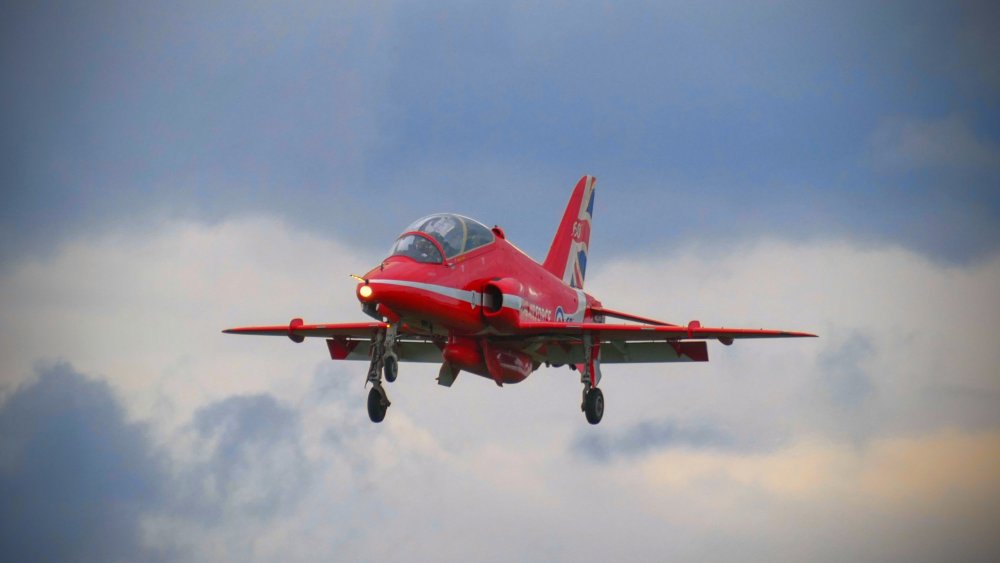
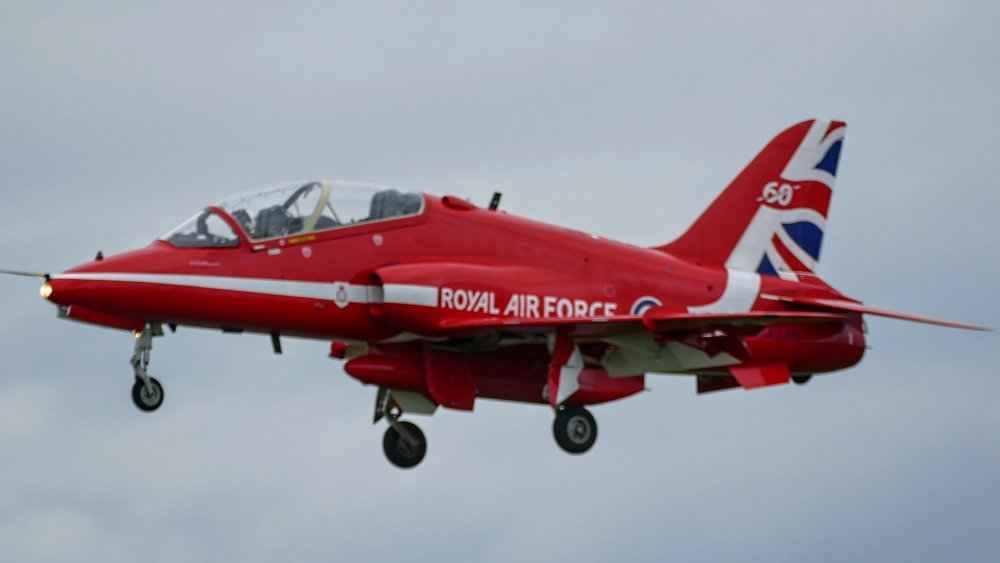
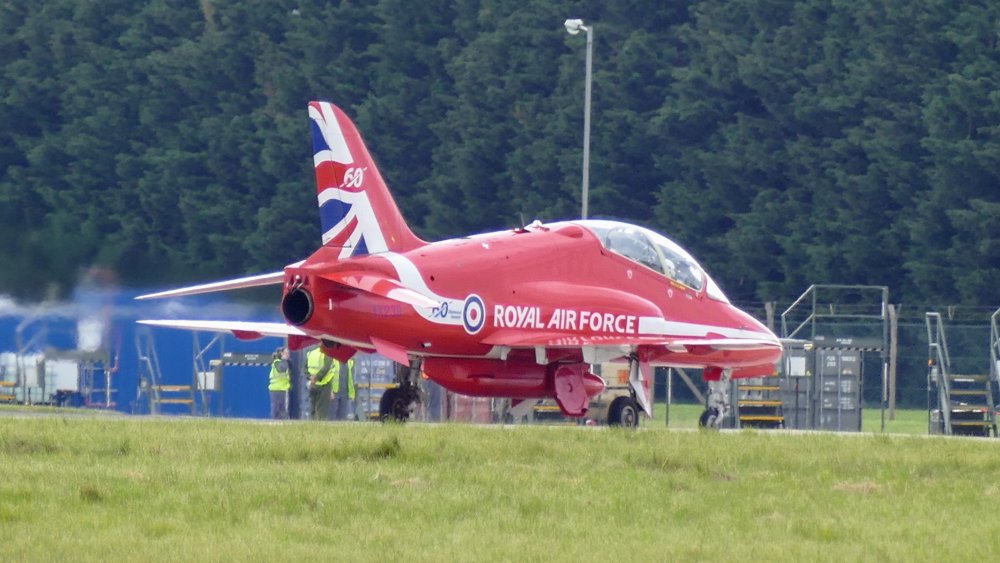
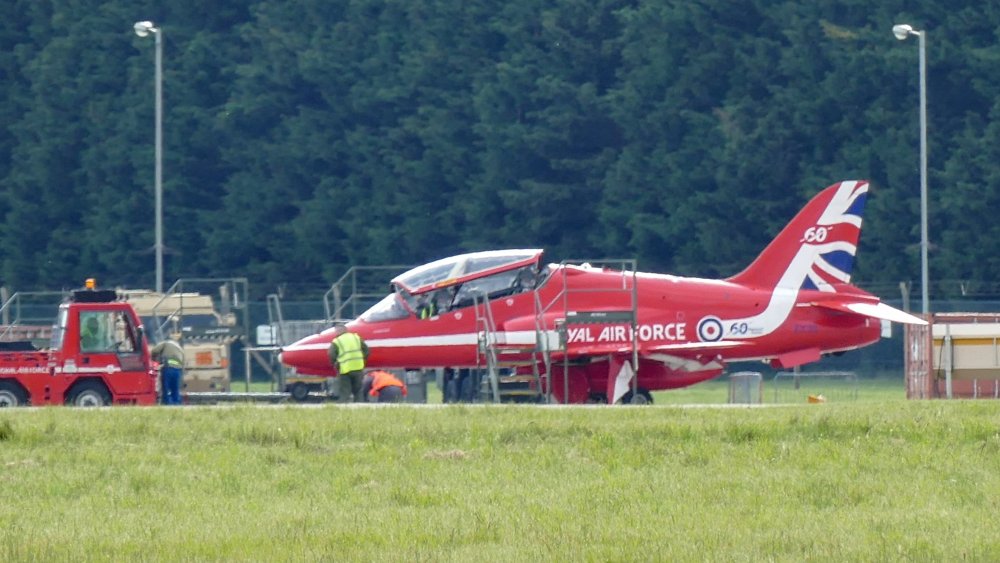
 1 point(Disclaimer: no intention to throw this into politics, which I think are a no-no in this forum, so take this lightly and laugh it over*) Oh no "mate", that is not how it works! You DID get it wrong! 😄 Once you bought a ticket into this sinking ship (or derailing train, which you prefer), there is no "getting out easily". Yeah sure, you guys got yourselves "free" from the ballroom, where we all "continentals" keep dancing and singing while the orchestra plays (like in the Titanic), so actually you are now "free" to roam the outer realms of the sinking ship, but .... but ... out there the icy waters and the sharks (yeah, even at these latitudes) wait happily your demise 😬 Would continue this allegory, but I think this sufficient 😟 "You can check out anytime you like But you can never leave" * there is nothing to laugh about, but this is all we got left with ... 🙄1 pointNever know if they have been messed with unfortunately.1 pointI'd be prepared to swap Daffodil for some dexion shelving - under sufferance though; twist my arm But you'll need to be quick as my generous nature is time limited 😁 G1 point1 pointHi Berisford, can you confirm this was for the Karoq? I’ve the same situation but just looking to replace the storage bin due to scratches from Previous owner. Appreciate it was a while you completed this post but any guidance would be amazing. Thanks1 pointYou can update to a newer mib unit. I see you don't have a gps. You can add a module with a fakra plug and be good to go. I don't recommend android units as the call quality is crap. Ask @pab567 to fix you up good, many of us have done it with his cooperation1 pointGo to spritmonitor.de where you'll probably find a fair bit of crowd-sourced data. Just need to pick a language and enter the details of the model of interest to you.1 pointjust wanted to update this. I replaced the sensor as the above suggestion and so far the light has gone out and stayed out! If this worked this has literally saved me around £900 and an unnecessary whole inlet manifold replacement. thank you @evilsid1 pointCouple of areas that I would look at: 1) The incoming fuel pressure. Have a look at the fuel filter to see if you are not suffering from fuel starvation. 1a) Check the status of the fuel pump - this may also be showing signs of failure. 2) Check that you don't have pressure issues on the high-pressure side of your fuel system into your injectors. At 209,000kms or 129k miles, I would also be look at fuel injectors that could be failing. 3) Make sure that the high-pressure fuel pump is also not failing - from low pressure to high-pressure.1 point








.jpeg.77f3cb4bd1fbf1d26d9e9b183195a05c.jpeg)






















Important Information
Welcome to BRISKODA. Please note the following important links Terms of Use. We have a comprehensive Privacy Policy. We have placed cookies on your device to help make this website better. You can adjust your cookie settings, otherwise we'll assume you're okay to continue.