Leaderboard
-
Lee01
FREEDOM12Points36,947Posts -
pinkpanther
FREEDOM12Points3,969Posts -
mac11irl
FREEDOM10Points16,806Posts -
Warrior193
FREEDOM8Points6,742Posts
.thumb.jpg.9dd3f612ba7f13d10be5c518d3c8d255.jpg)


Popular Content
Showing content with the highest reputation on 09/03/25 in Posts
-
6 points
-
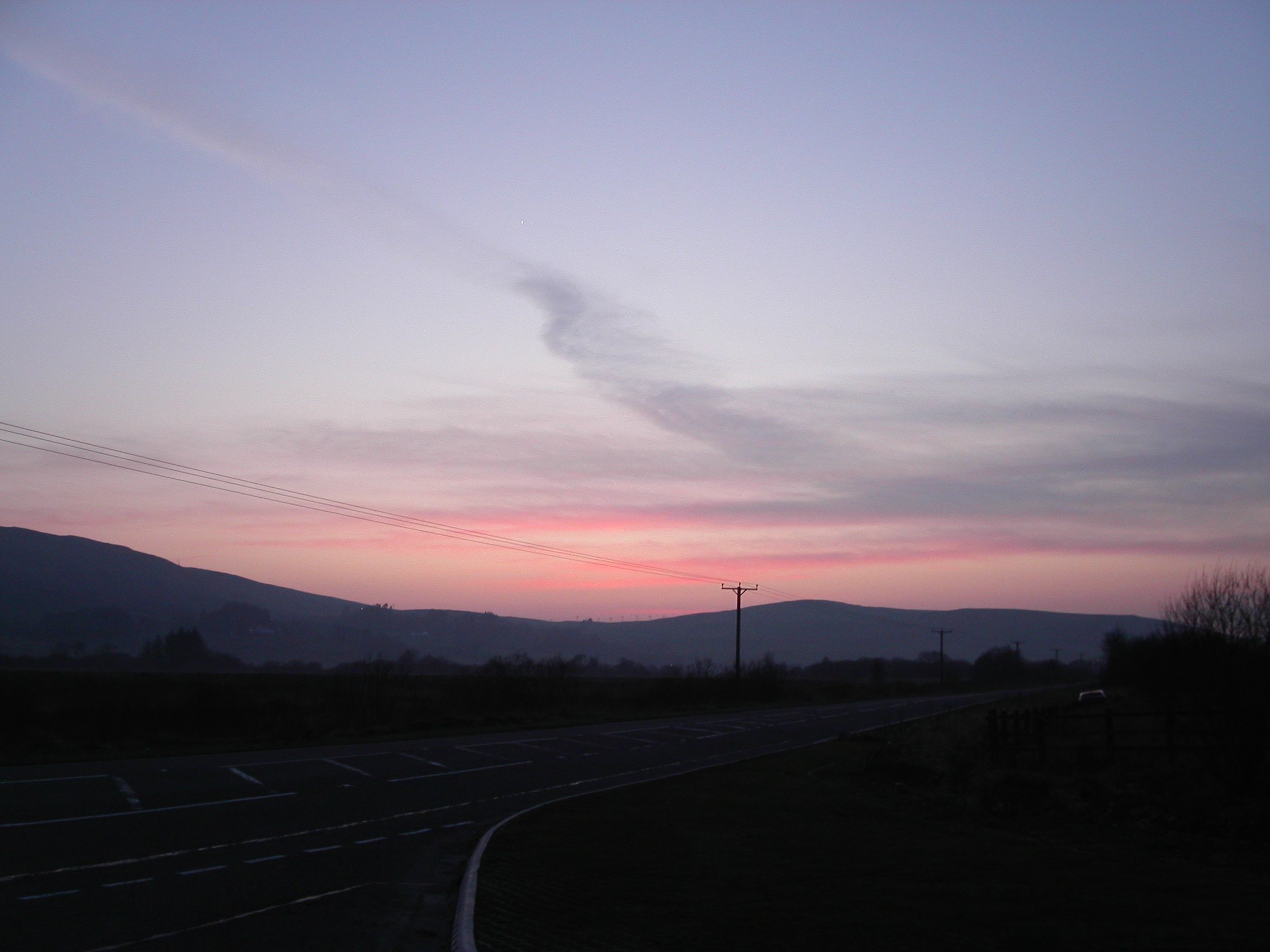
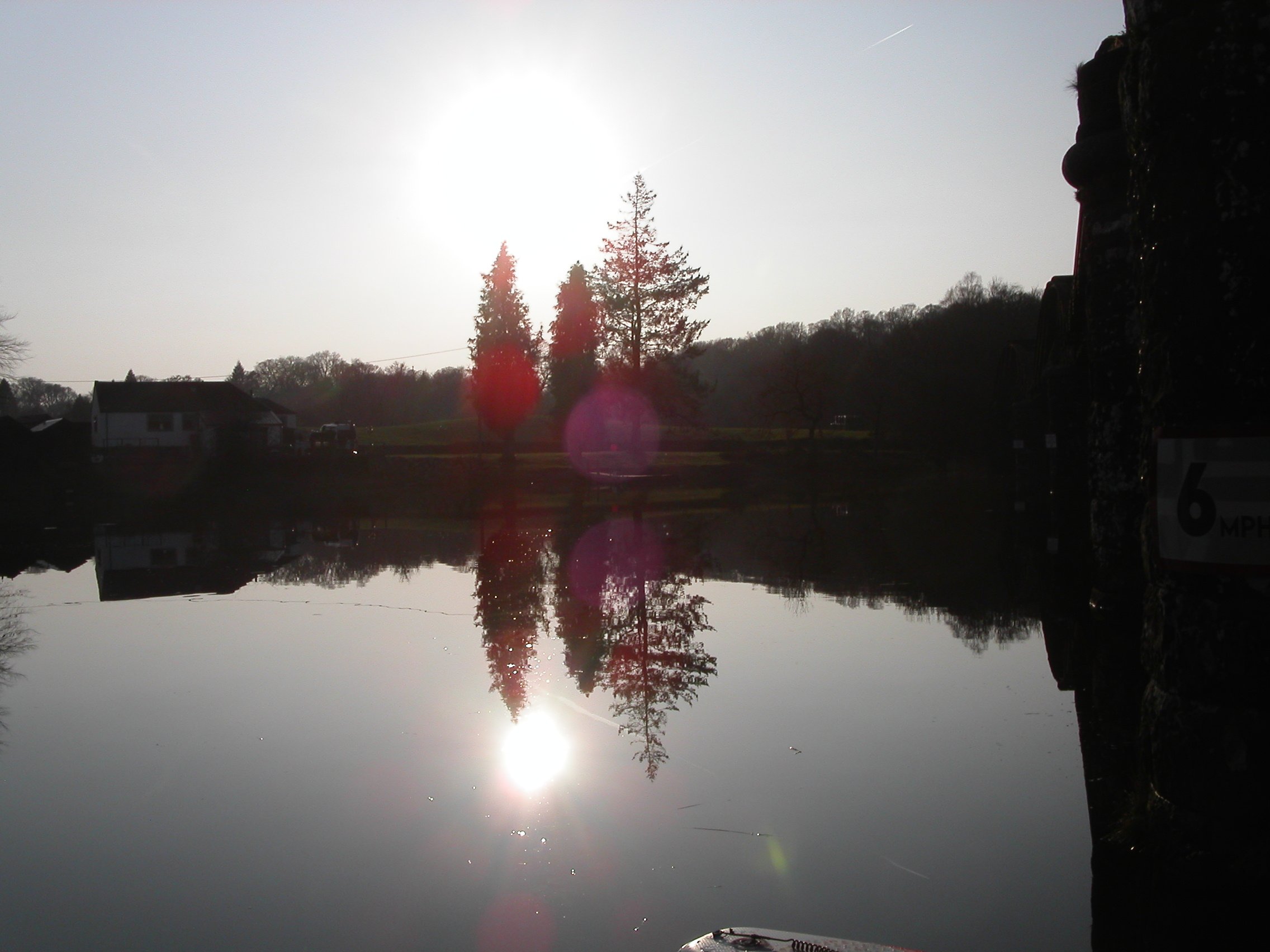
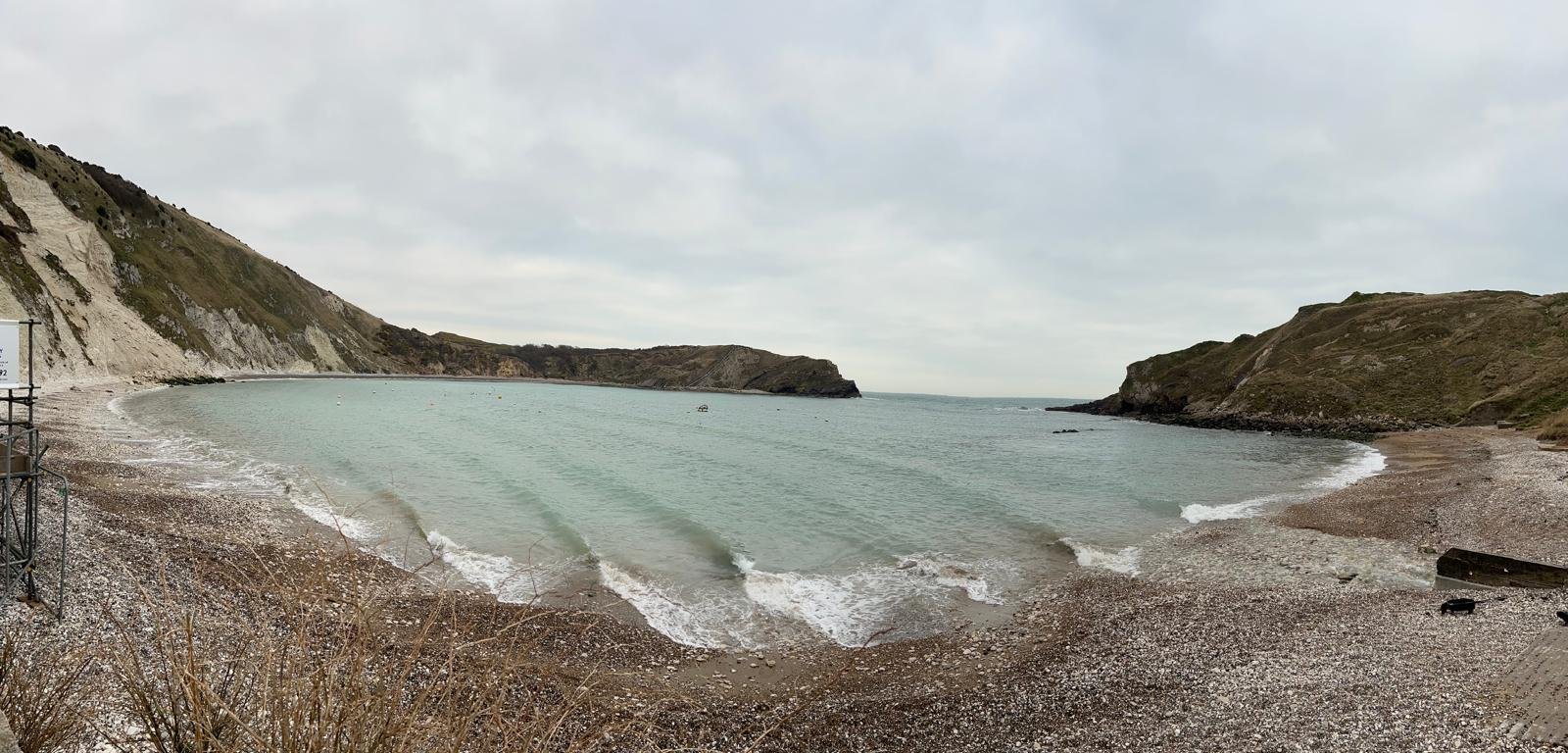
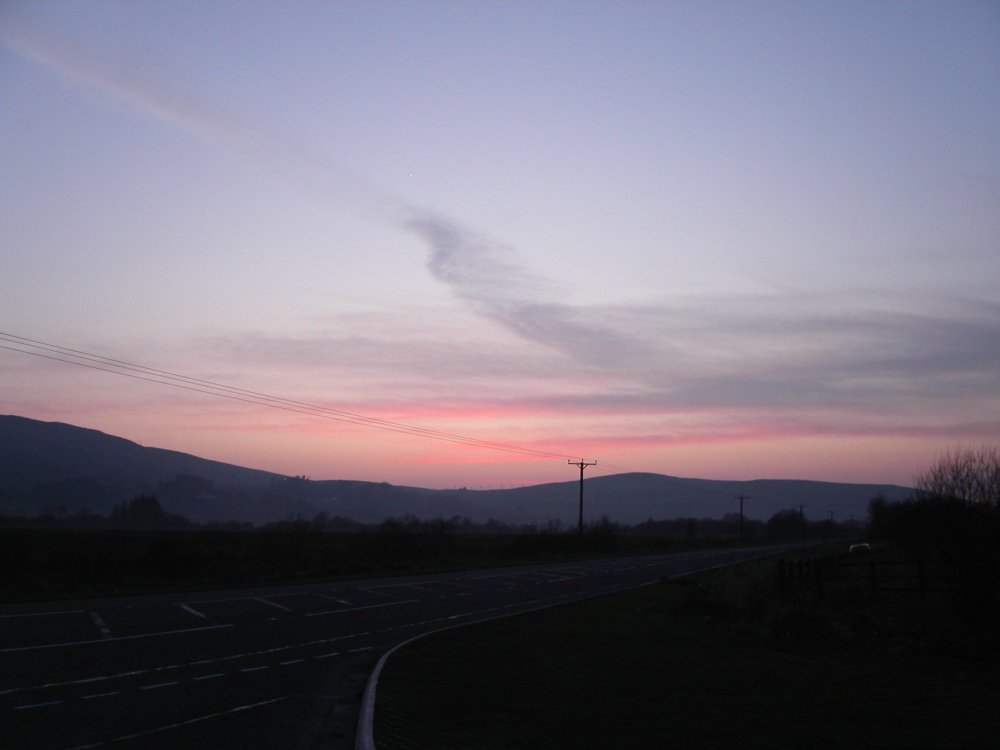
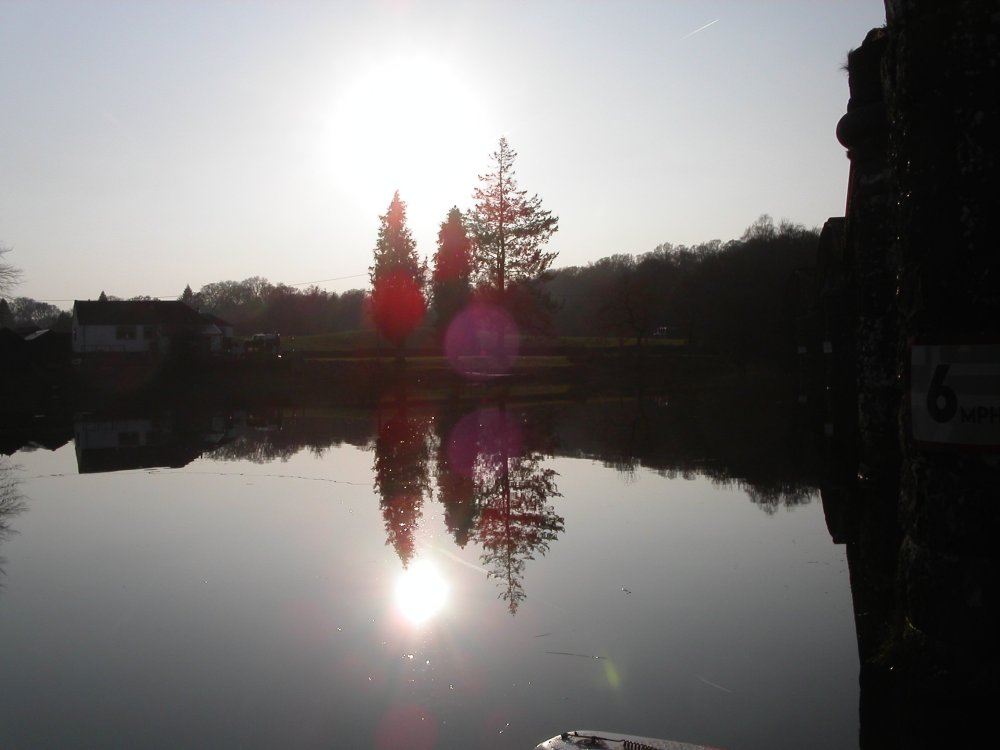
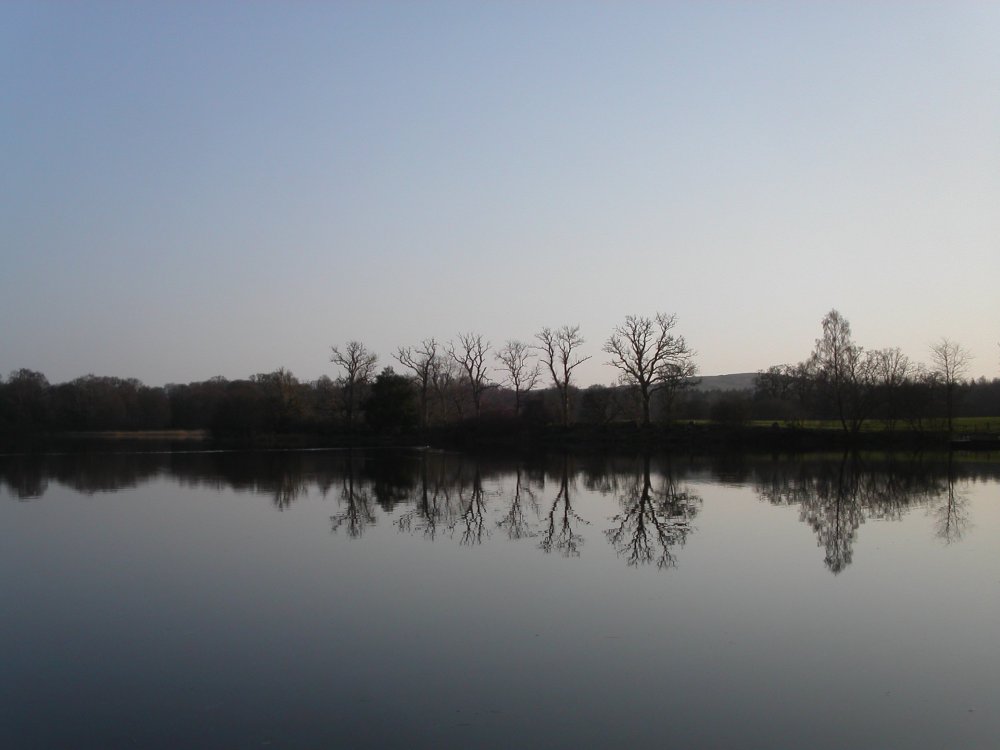
5 pointsThe boat slipway at Loch Ken, and the last one from the side of the A713.

 5 points
 -
2 points
-
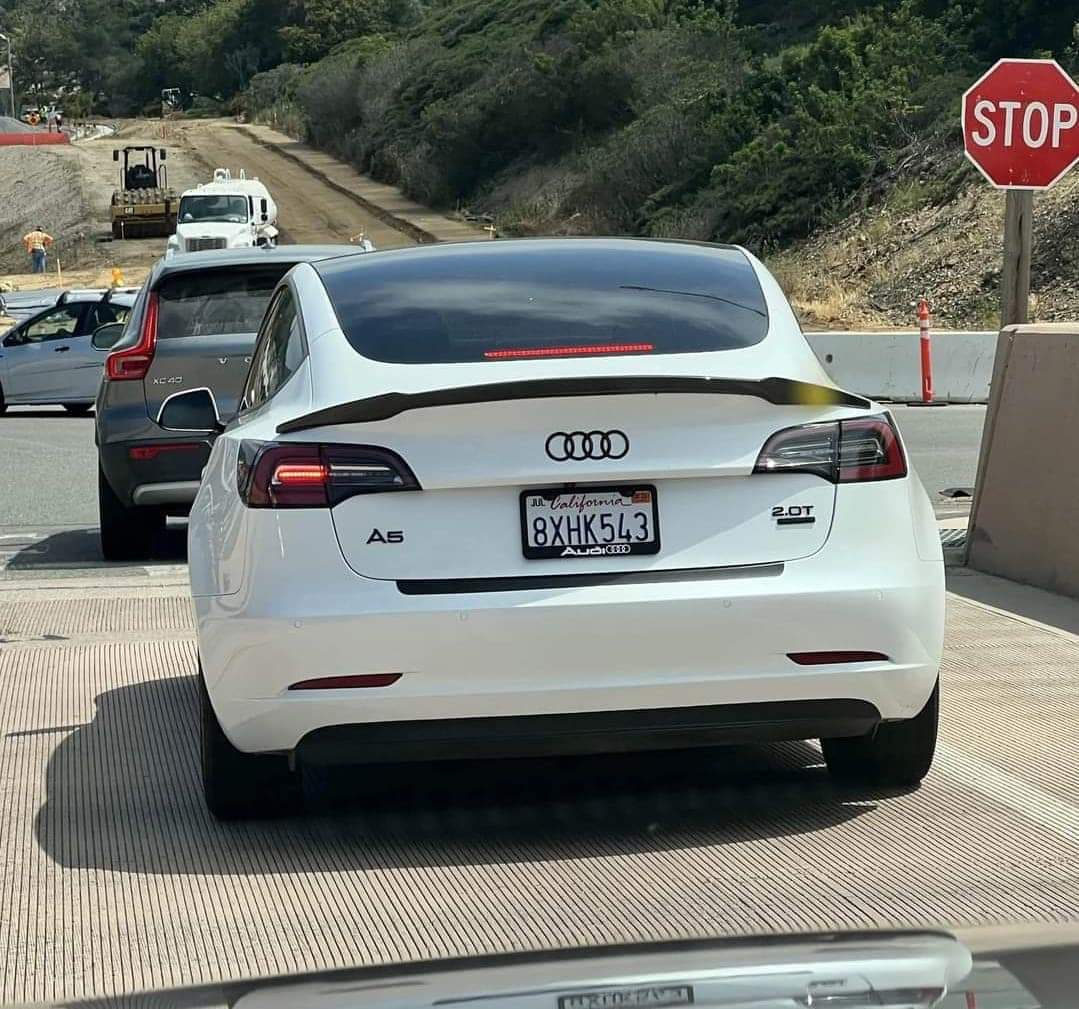
2 pointsTesla owners rebranding their cars as Audis ICE cars ....... (Presumably to avoid vandalism due to Elon Musk's more recent political and government actions)
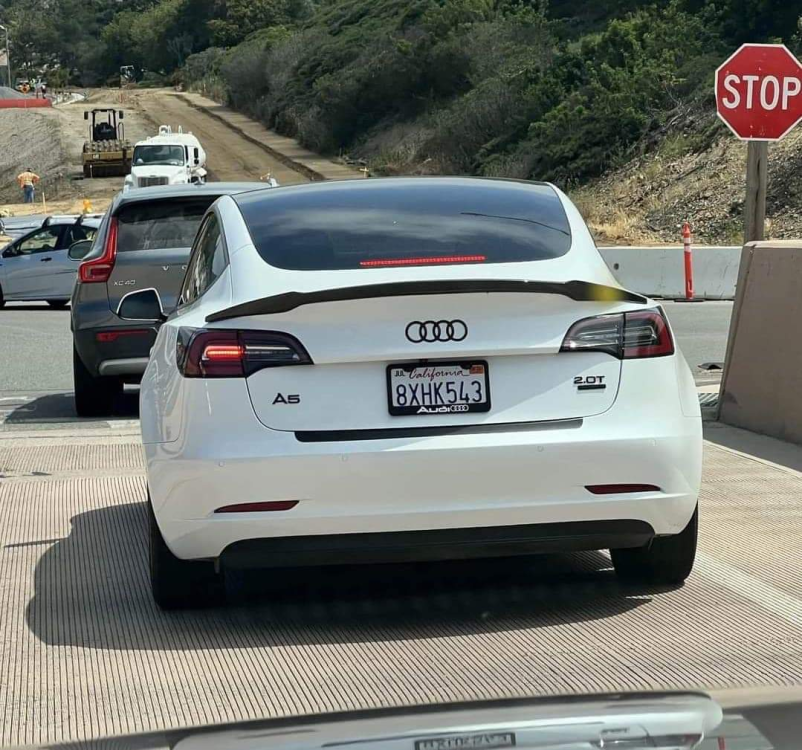 2 points
 -
2 pointsCan confirm that the dealer did apply the update to 0531 on the climatronic module after I made a service booking specifically asking for it. It did take two phone calls, a bit of a song and dance and providing them with a copy of the TPI, but then it was done with no further questions asked. Version 0531 has fixed the problem with the SYNC setting appearing on the wrong side for a RHD car.2 points
-
2 points
-
2 points
-
2 pointsHad a trip to Marwell Zoo today, came across this Village Weaver in the aviary…
 2 points
 -
“Hi everyone, I currently own a BMW 325D E91 msport 2008 325D auto and looking to replace it with a Skoda Octavia Estate MK3 2013> 2.0tdi DSG. Either the 2.0TDI CR 150ps or 184 model. Not sure exactly on spec/trim level. Most probably 2013/2014 with no more than 115k miles, less if possible. I'm drawn to the Skoda Octavia Estate as it's bigger, has more boot space, still looks nice and seems a lot cheaper to run on paper whilst still being a bit pokey when you put your foot down. In my current car I do have cruise control, auto lights, auto wipers, front and rear parking sensors and a decent sound system. It would be nice to still have these. What spec level would I be looking at? I have quite a few questions, sorry: What are the common faults of these cars, anything major to look out for, engine or anything else? Any issues with the DSG gearbox? I tend to do all the work and servicing myself (as long as the work isn’t too big) so what are these cars like to work on? What are these like for rust? Do these cars/engines last a long time? Do higher mileage examples exist? I ask this as I tend to keep my cars a while and my E91 is on 215k and has been a really solid car mechanically. Emission control; is it just the dpf and egr in place or is there anything else? Do you get lots of issues with these or just the same as other DPFs? Appreciate any advice, Thanks.”1 point
-
1 pointBring back my Hillman Minx,where the only extra I wanted was the starting handle!! And heated rear windscreens came from Halfords as a DIY fit1 point
-
1 pointthey do have software controlled end stops to say otherwise is either uneducated or ignorant Just wondering if VCDS requires timeout changing/prolonging for measured values maybe the steering angle is looking for abs wheel sensor values but the car is stationary idk Tbh pal idgaf if you want to help or not with the tone of your replies i’d hazard a guess your gatekeeping information or just thread bombing with no added value When i find the resolution i’ll post it on here for everyone to learn from1 point
-
1 pointIt can’t be. You said you had v306 updated to v330 - the version you’ve quoted here is version 324 so while it is RoW it’s not what has been installed. You need to find the v330 that you’ve shown in your screenshots as installed in the car.1 point
-
1 pointIt was just a flying visit but I'll try and remember for next time and cheers for the offer 👍1 point
-
1 pointHad a test drive on Friday, really impressed. Quicker and quieter, seems much more refined, better ride, and similar size to e-niro.We signed up for an 85 in Graphite grey with the advanced pack and are trading in our e-niro. Taken the 6.9% pcp with £3000 off the list price. (Asked and confirmed there are no penalties for early payment if done within 14days). Given an expected delivery time of 10-12weeks as it has to be a factory order, none available in stock. Plenty of low specs or with Maxx packs available now. The dealer signed 3 people up for Elroqs while we were there!1 point
-
1 pointFancy a pint at The Otter? Maybe PM me when you're over this way another time... [Other pubs are available!]1 point
-
1 pointI was there last Saturday. Well, visiting friends right by there. And ones up Woodside Ave.1 point
-
1 pointI have a 21 plate Karoq SE Tech, it has keyless start but not entry.1 point
-
1 pointGlad that you have got it sorted. When I had a glowplug error on my Mk 2 Octavia I measured the resistances whilst they were installed. Three read 0.5 ohm and the faulty one was 43.3 ohm. I did actually change them all as I figured if one had gone then the rest would follow.1 point
-
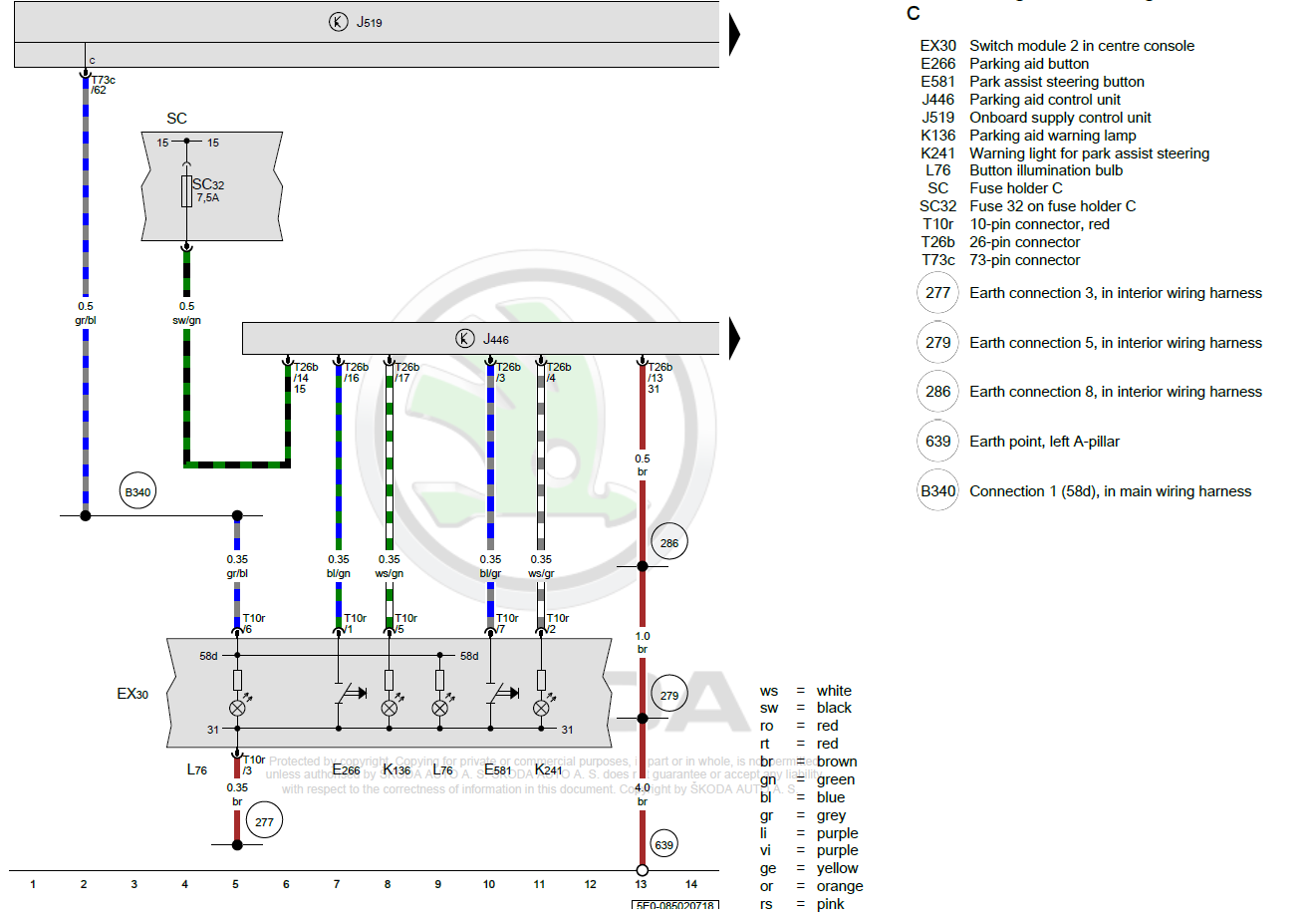
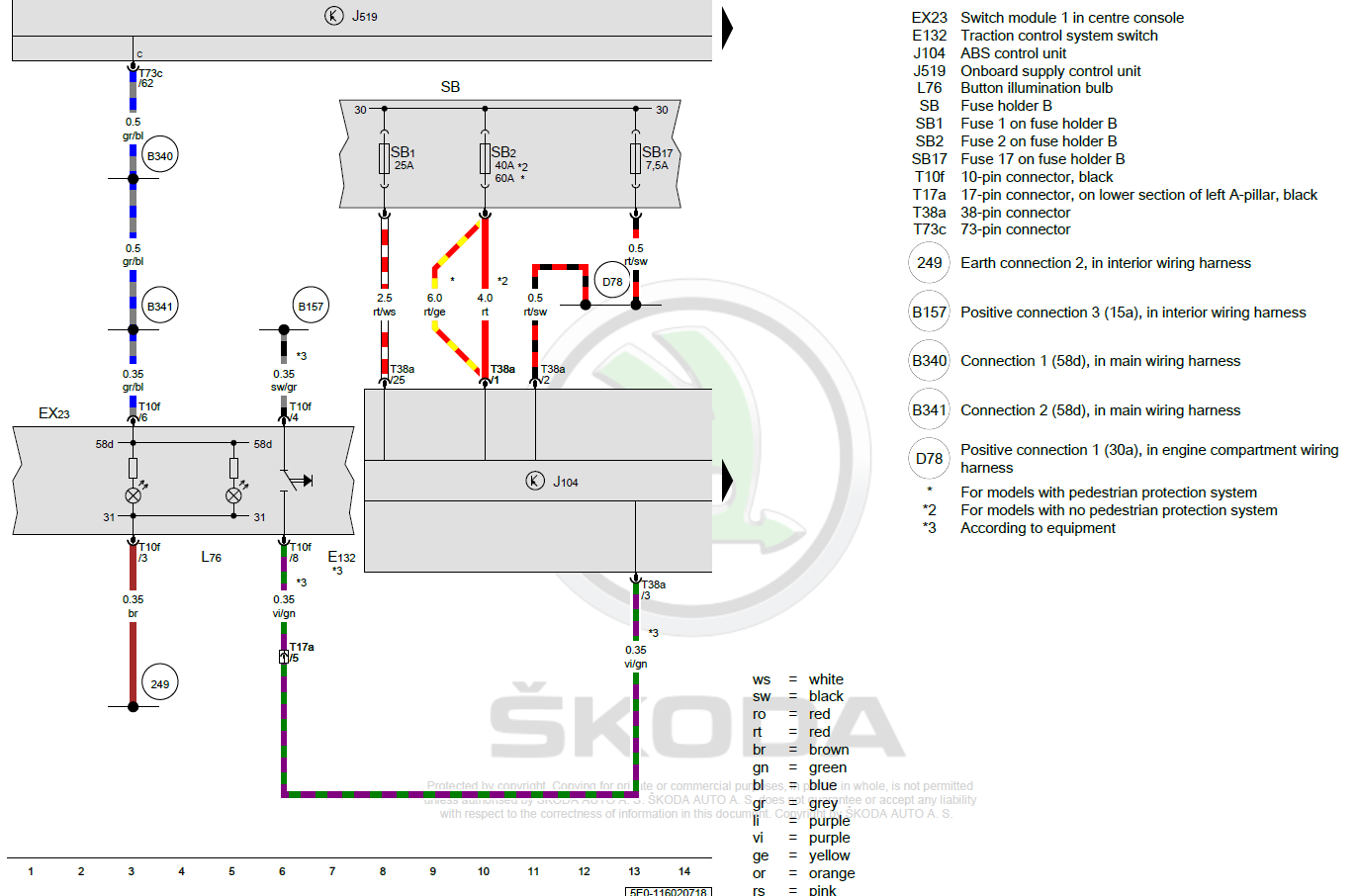
It's probably worth spending a few quid for an hours access to erwin so you can download the correct schematics for your car. It makes this kinda thing so much easier 😉 Images of both relevant sections are attached, not sure about any coding for the ESC/ASR button.
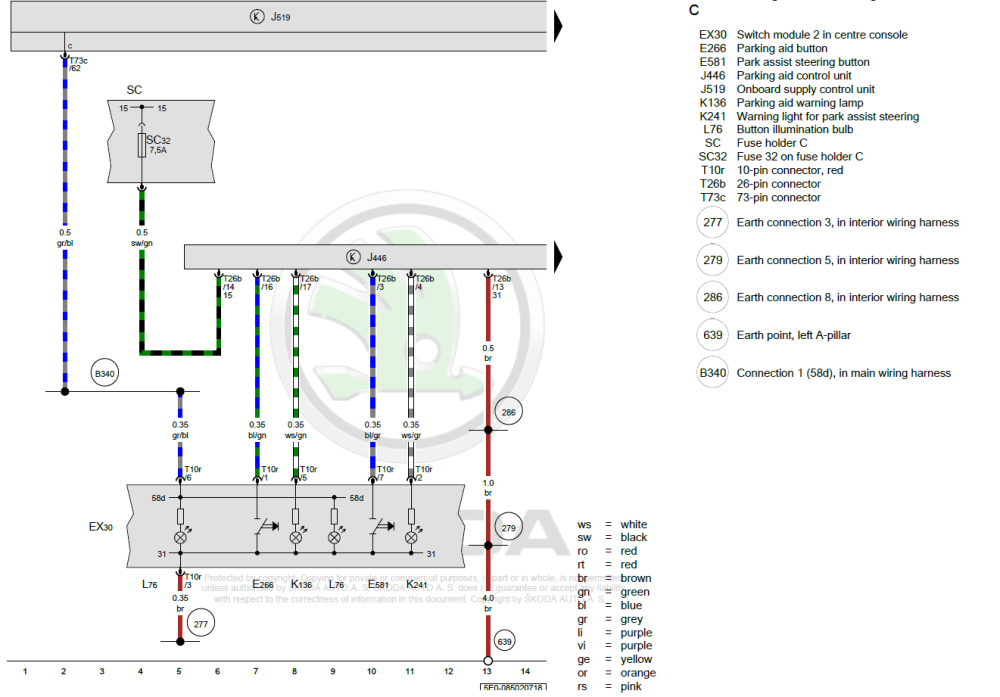
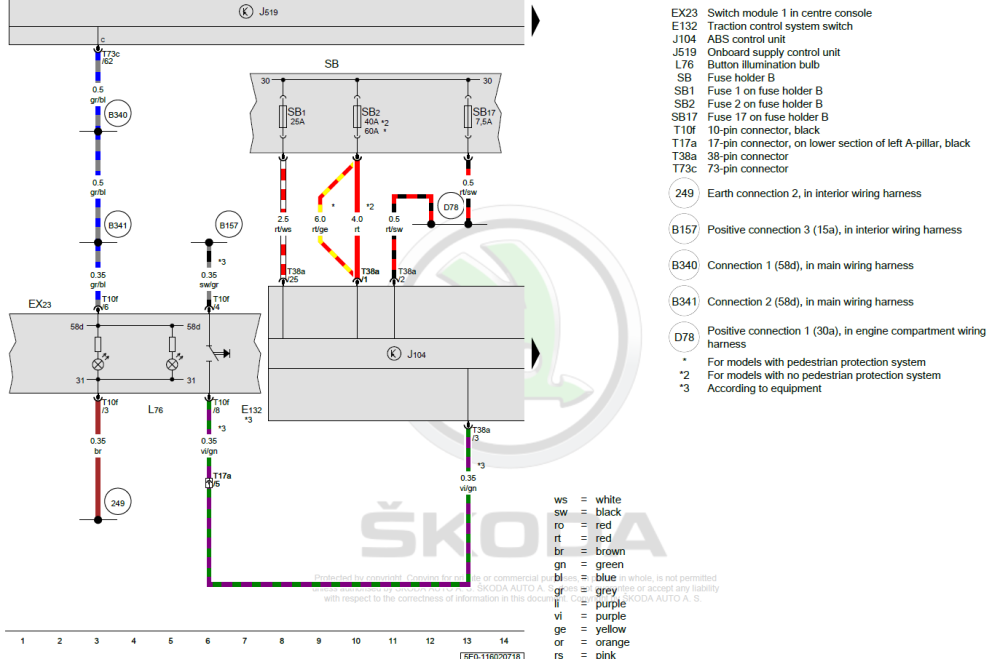 1 point
 -
1 pointHi everyone, I'm Sandro from Italy, and as a second car in our family, we have a Skoda Kamiq, mainly driven by my girlfriend, who is really happy with it. I'm glad to join this community to share experiences and tips. See you soon on the forum1 point
-
1 pointLimp mode AKA Limited Operating Strategy does not make a 4 cylinder engine run on two cylinders, the misfire that you experienced will have been the ignition fault causing the MIL indicator to light up.1 point
-
1 pointAs well as that it may need the Vag mothership being told the firmware was swapped continents why AA etc has vanished. In other wards the FeCs have been wiped. So yes the firmware used is important. On MartiniB main thread people have come along trying to get European cars with Mib3 working in Africa. Old chestnut with mib2. Mib2 high no maps. Mib2 standard you could adjust the map file to work. Can't do that with mib3, SLA locked. It seems there are package modules that can change Europe into America but one to do that for Africa hadn't been found. This will be all closed information and files leaked out from Vag. Wrong firmware on the unit may render the FeCs... enablement switches off. There is a mib enthusiast group that lurks on a message board might be able to help. Probably those files are coming from them posted up on Mibsolution but without the documentation. As is the way that website operates. They are lifted off the Vag dealer systems but the notes don't get published with them.1 point
-
1 pointNot bursting on fire. They could have got a John Cooper Works MINI Electric with 258 hp for this comparison rather than a Cooper SE with JCW trim. . Maybe with more tyre scrabbling though.1 point
-
1 point
-
1 pointSurely a good thing if lots of people are really getting shot of their Tesla or their rented Tesla. More used bargains to chose from maybe. Just buy a good one and do not pay too much if there are plenty to choose from. Or a Model S, but still cheap running and comfort.1 point
-
1 point@YashD111 have a look at the firmware v330 file you downloaded - in part of the file name does it have EU? Or ROW?1 point
-
1 point
-
Yes, it is a bit confusing. As a rule of thumb, glazing occurs when the pad material is pushed beyond it's thermal limits - for example, heavy use on track. Glazing can also occur when the brakes are dragged (or driven with very softly) - this is partly due to the constant friction causing gradual but continual heat build up, but also because the surface of the pad naturally becomes hard and glassy due to oxidisation, exposure to moisture and heat. When braking with force, this glassy layer is removed by friction with the disc (hence why you never see glazed pads on grooved discs), but with slow, gentle braking, it isn't worn away. Hence why, like I said, if the glazing is due to lack of use, you can re-face the pad, whereas if it's cooked, then bin them. Glazed discs/rotors are a bit different, and occur when the glassy/hard surface of the pad sort of polishes the metal surface. I'm a keen mountain biker, and poor braking is 99% of the time due to organic pad compound, which has melted and glazed (due to a lower heat tolerance). I've run sintered/metallic pads for years now, and while they do make a bit of noise, work like a charm. I'd personally only resort to heavy braking for bedding brakes in - any glazing and I prefer the bench. That said, any glazing and I generally replace the pads anyway, so it's less important. I use Ferodo DS2500 pads on the front, and stock OE VW pads on the rear. The Ferodo have a little less bite than OE, but can take a fair bit more heat. If set up correctly (somehow mine are, pure luck) they can be pretty damn quiet on the road, and take some beating on the track. Brake pads are a tricky thing to balance. You can have plain discs and eco pads, which will last a while, produce no dust or noise, but won't brake all that well, or you can go for some metallic track pads with grooved discs that will always bite hard and stop you dead, but will also eat pads and discs like they're going out of fashion.1 point
-
Glazing is a strange phenomenon that I dont fully understand, yes the easiest way to deglaze pads is on the bench but it's also the discs that become glazed which other than machining only abrasive pads or abusive braking as I described can remove. Glazing from a track day, yes I have experienced that but I believe its actually the pad material degrading through overheating, its only happened to me with the wrong compounds, OTOH for road glazing a few hot laps works wonders, well the next day that is when everything has cooled down, never apply the handbrake after returning to the pits! An anecdotal story which first brought me to abusive deglazing of brakes. I bought a Ford Galaxy as a write off rebuild project, it was one of the very first made and caught fire very early on, it had been driven by a mother of children judging by the amounts of sweets and toys wedged between and under the seats etc, I would say in hindsight that she had driven it very gently, all 4 tyres were equally under-inflated and gave a very smooth but unsafe ride, the brake discs were scored to hell, the brakes juddered like mad and hardly slowed the vehicle at all, at 20mph the steering judder nearly tore the wheel from my hands. I resolved to replace all 4 discs and pads as soon as I could but being busy with my own business it took a couple of weeks, I was commuting to and from sites in London every day with the seats out and the back heavily loaded with tools and materials, I drove like an absolute maniac back then, the road was my personal racetrack. After a few days I noticed the braking improving and the juddering reduced, after a week or so it had gone completely and when I looked at the discs which were rusted and grooved beyond redemption they looked as smooth as brand new discs fresh off the grinding machine! They remained that way all the years I owned it. Its only when I eventually grew up and drove normally that I started to suffer brake glazing but I knew then what the solution was. The Yeti suffers less than the preceding Octavias, possibly because it has the smallest brakes and has been remapped so they get more of a work out, I'm using the same Ferodo Eco Friction material that I have for a decade which I find is the best all round for road use.1 point
-
1 pointNo I never had any issues with mine. ŠKODA Australia used to have the replacement of the Siren as part of the 6yr / 90,000km service. They no longer replace them as part of the service, as you know the price of these are very expensive. I located one from a "wreck" newer vehicle and just replaced it myself for minimal cost.1 point
-
Thanks everyone for your input. An update. Took the car to the dealers Thurs 6th and went for a long road test with their technician, 20 plus miles in order to get it on a dual carriageway with long sections with no roundabouts, lights etc. The technician experienced the fault for himself saying that he could feel the restriction in the steering as if it was sticking. Left the car with them and later in the day they phoned to say they had found a fault and and Skoda apparently had a fix for it. They were waiting for Skoda Technical to respond to them. Left the car with them overnight as I had nobody to give me a lift availiable and the dealership is awkward to get to on public transport. Skoda still had not responded by Friday lunchtime so went and got my car back. I'm assuming it's a software fix and hopefully we will get it sorted early next week. My dealer, I think is the largest Skoda dealership in the North East and is a family run businesses with an excellent reputation so I believe they are trying their best to sort this. Thanks.1 point
-
Thanks We thought it had a camera . It was an ex-dem model & the ad mentioned a camera... I'll look at Hazy Dayz. Rgds BluesBoy etc.1 point
-
1 point
-
1 point@hogun pen llyn The key bit of info you got was that the dealer seems to have missed doing a software update. I would concentrate on getting this done as a matter of some urgency.1 point
-
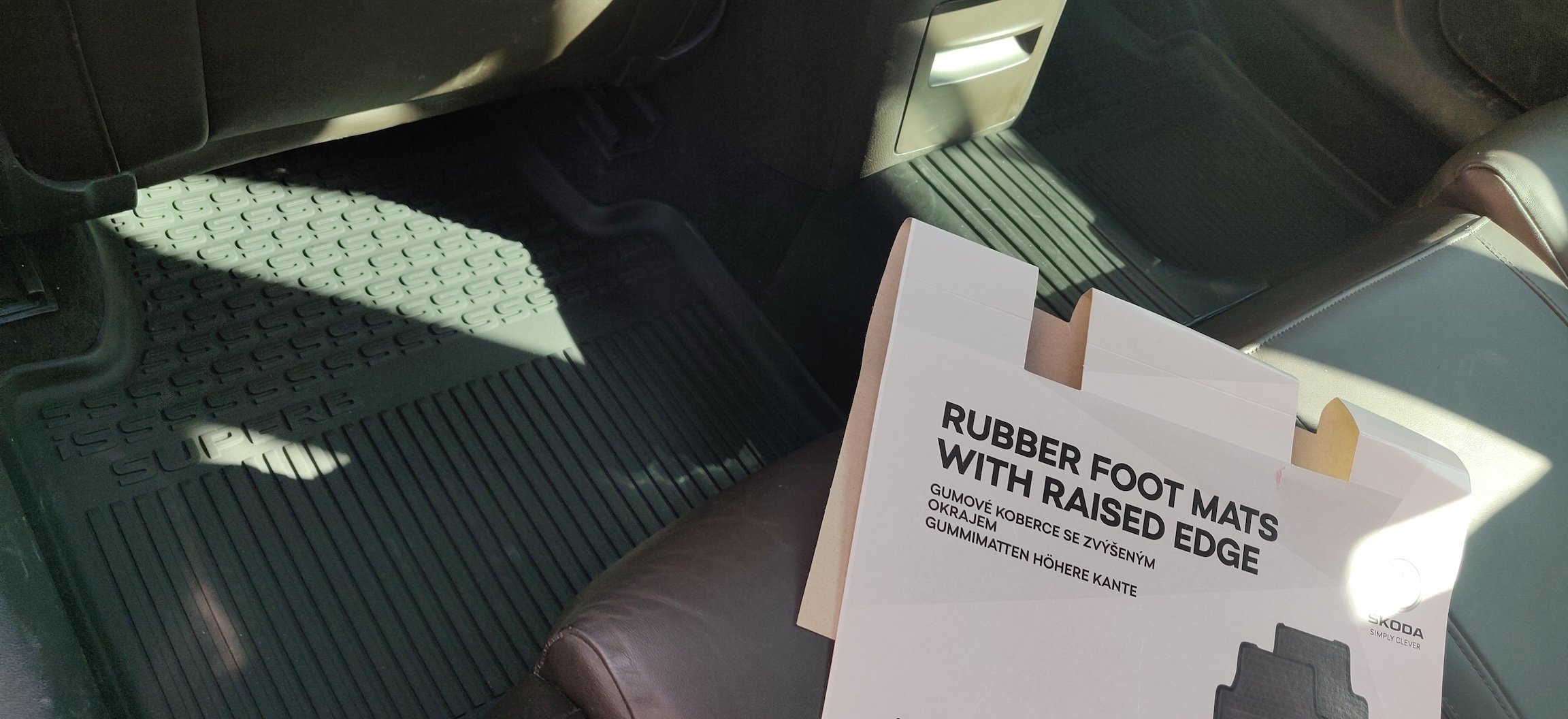
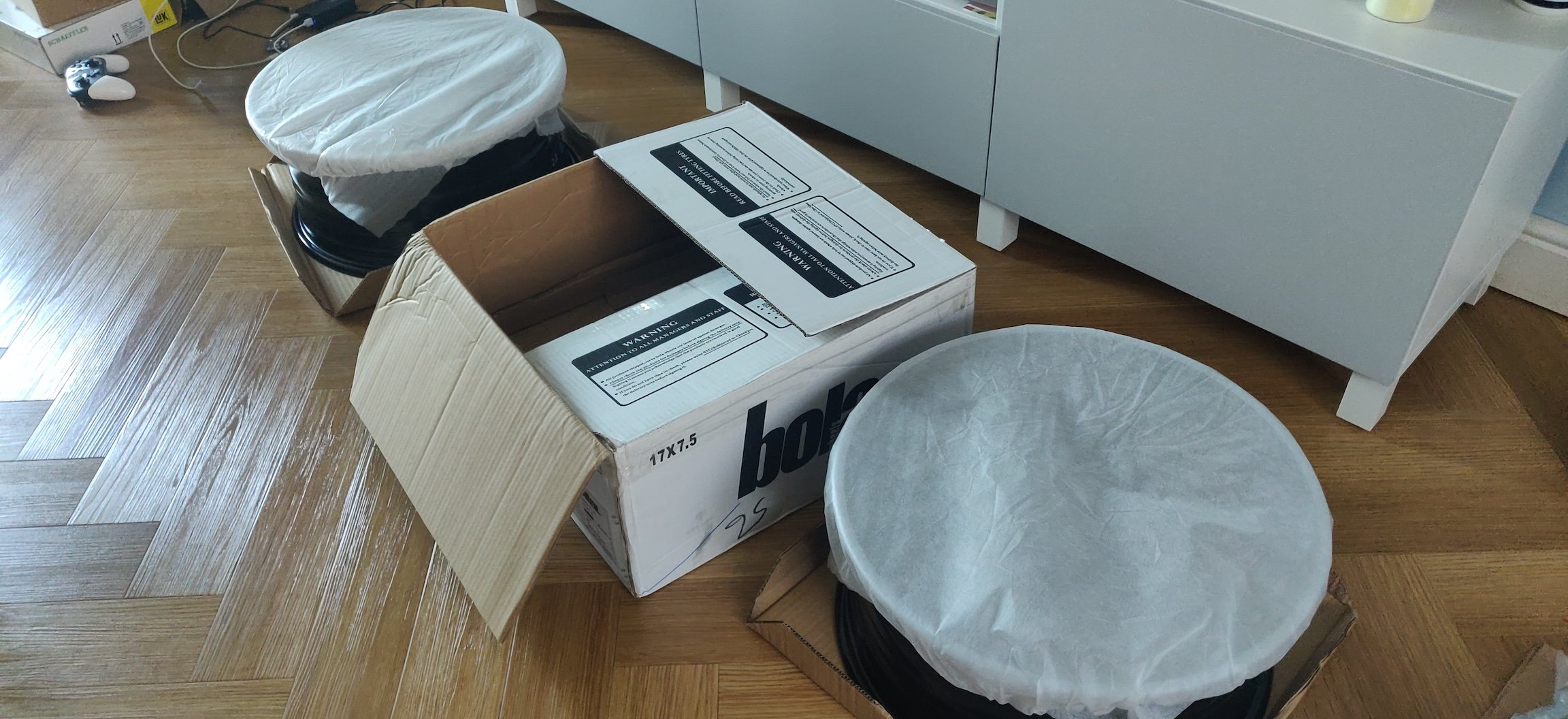
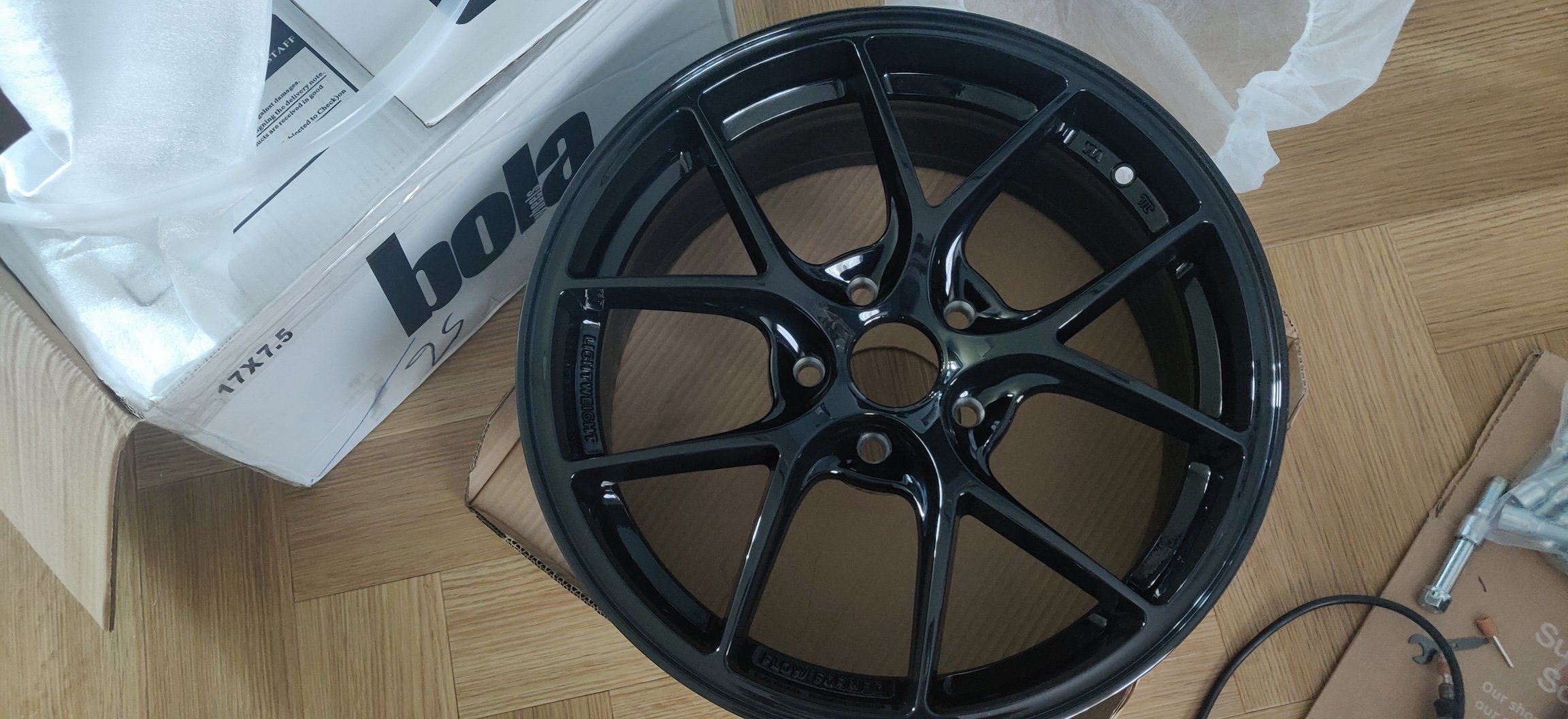
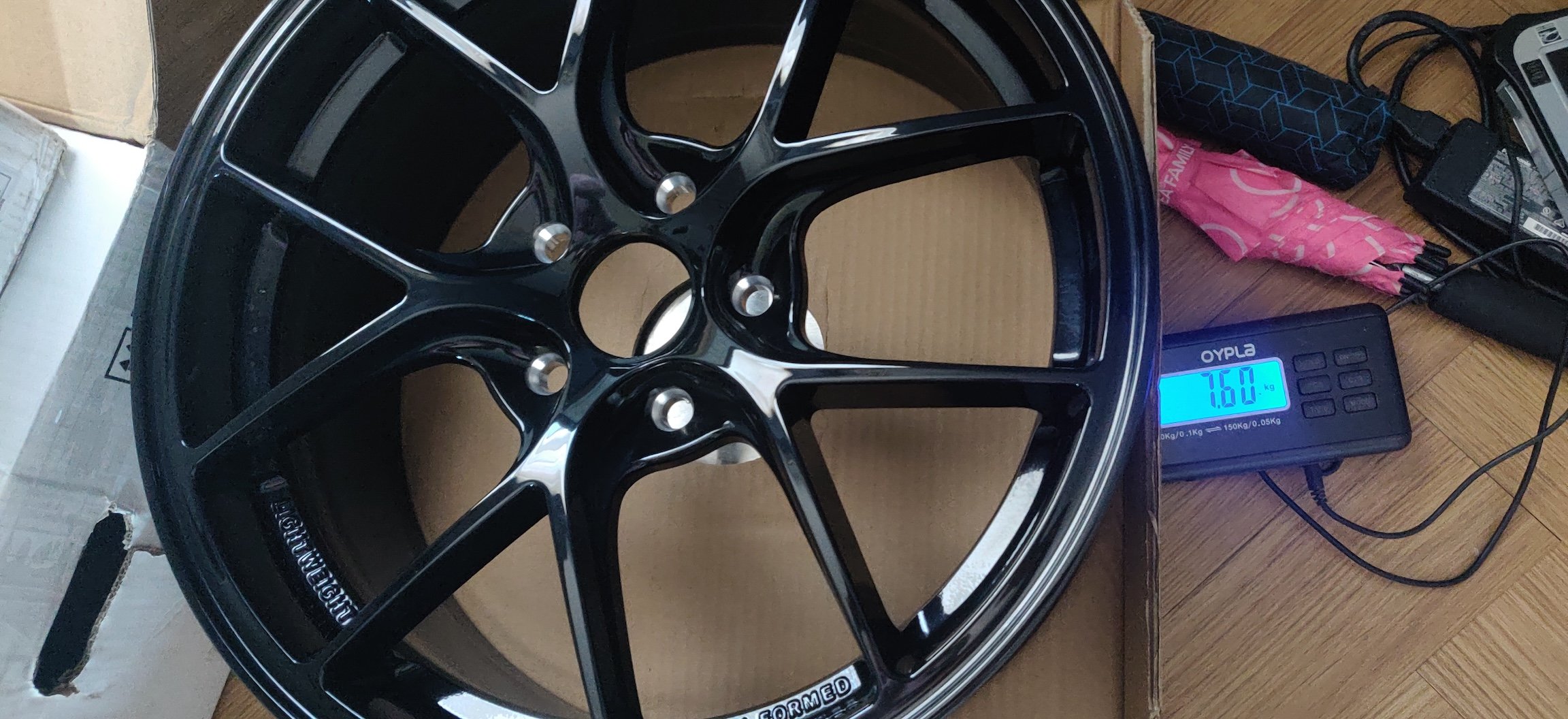
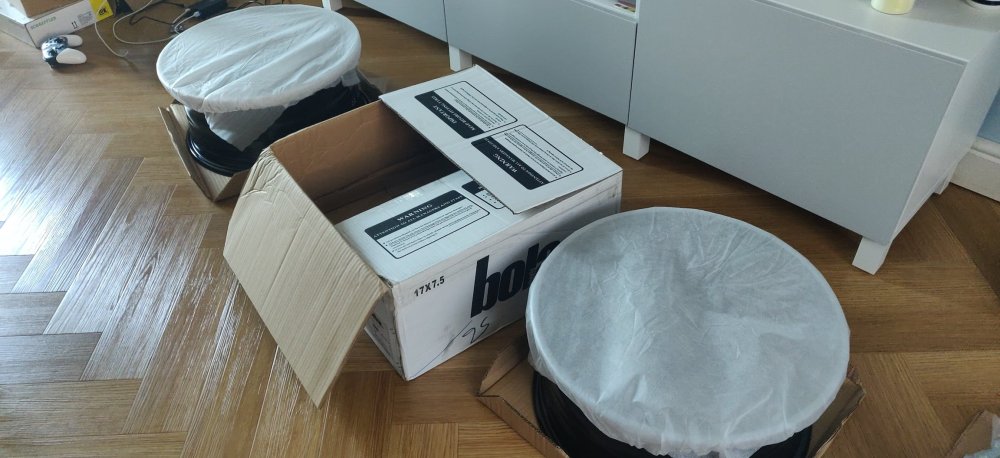
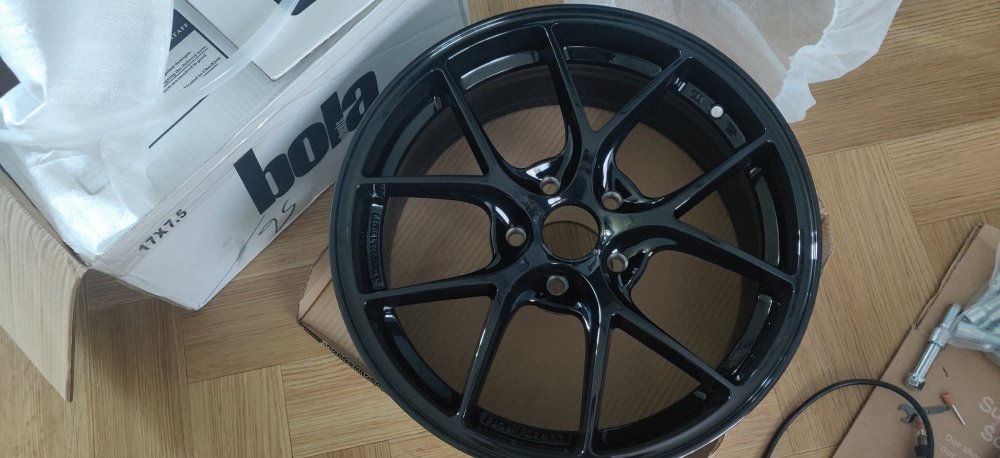
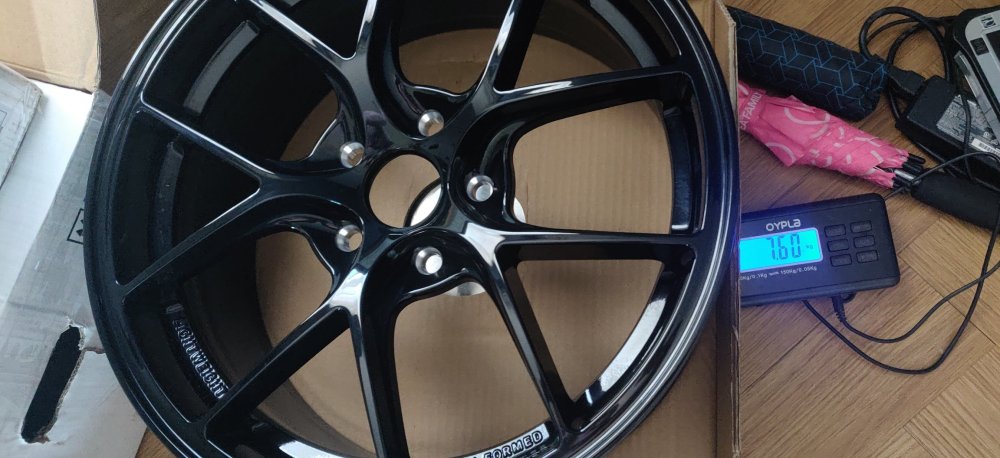
Hi all, Apologies for the thread revival, didn't think a new thread for the same car made sense. It's been a little over a year since we got the Superb down to England and started this whole odyssey. So here's a (not) wild thing: Rear rubber mats! This has been on the back burner for ages, and decided time to order them along with other stuff from Skoda Parts. This was 3V0 061 551 in particular. I also ordered a seal for the oil pan, 06K 103 649 J and an o-ring for the oil level sensor, 038 103 196 B. This is for the future, as part of additional moments of madness. That came up to €74.60 which at the time of ordering came to £62.34. I miss pre-Brexit... To complete the madness: Wheels. The original plan this year was to just do a stage 1 and leave the wheels and other bits for later, but with the front left wheel looking like it's losing air slowly, and a tyre place not identifying the tyre as the cause, leaves me to believe the corrosion on the wheels is probably the cause. So decided why not, just splurge and deal with the consequences later. Came to a total of £660.24, taking two weeks to arrive. These are Bola FLE's in 17x7.5 with ET40. I think if my homework is correct, this will leave the wheels a 2 couple of millimetres inward, so ideally ET38 would have been bang on, but these wheels only go as far as ET40. I guess I could get spacers, but the point of these wheels and this size was weight. The original wheels will be offloaded, so I'll probably put them up for sale once removed to save some space. With no tyres on: They weigh 7.6kg, so roughly as per website statements (I saw 7.4kg mentioned, presumably with different offsets and so less metal). Any lighter and it'll start becoming really exotic and thus really expensive (Magnesium? Carbon Fibre?). There will be more updates over the next few months, how far I go though depends whether the credit card burns out. I mean, tyres are the next thing right? Maintenance: £2370.22 Upgrades: £2366.10 (+£722.58) Miscellaneous: £820.07
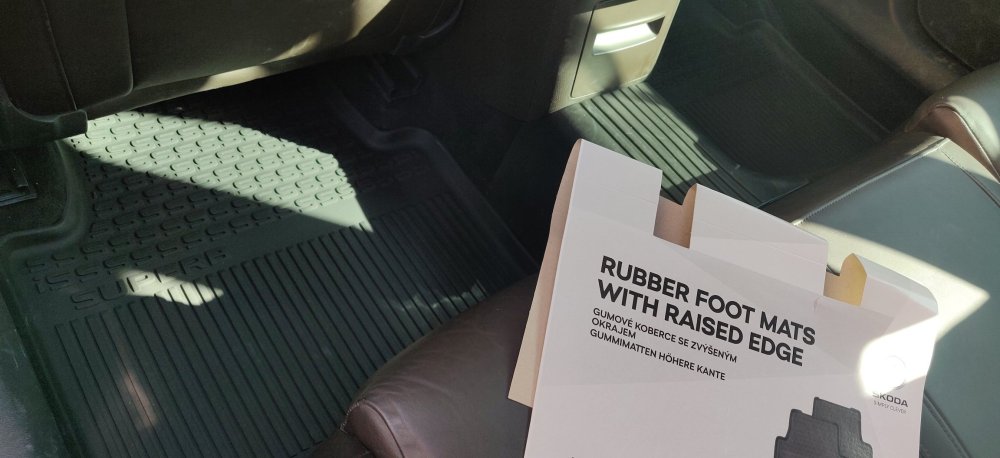
 1 point
 -
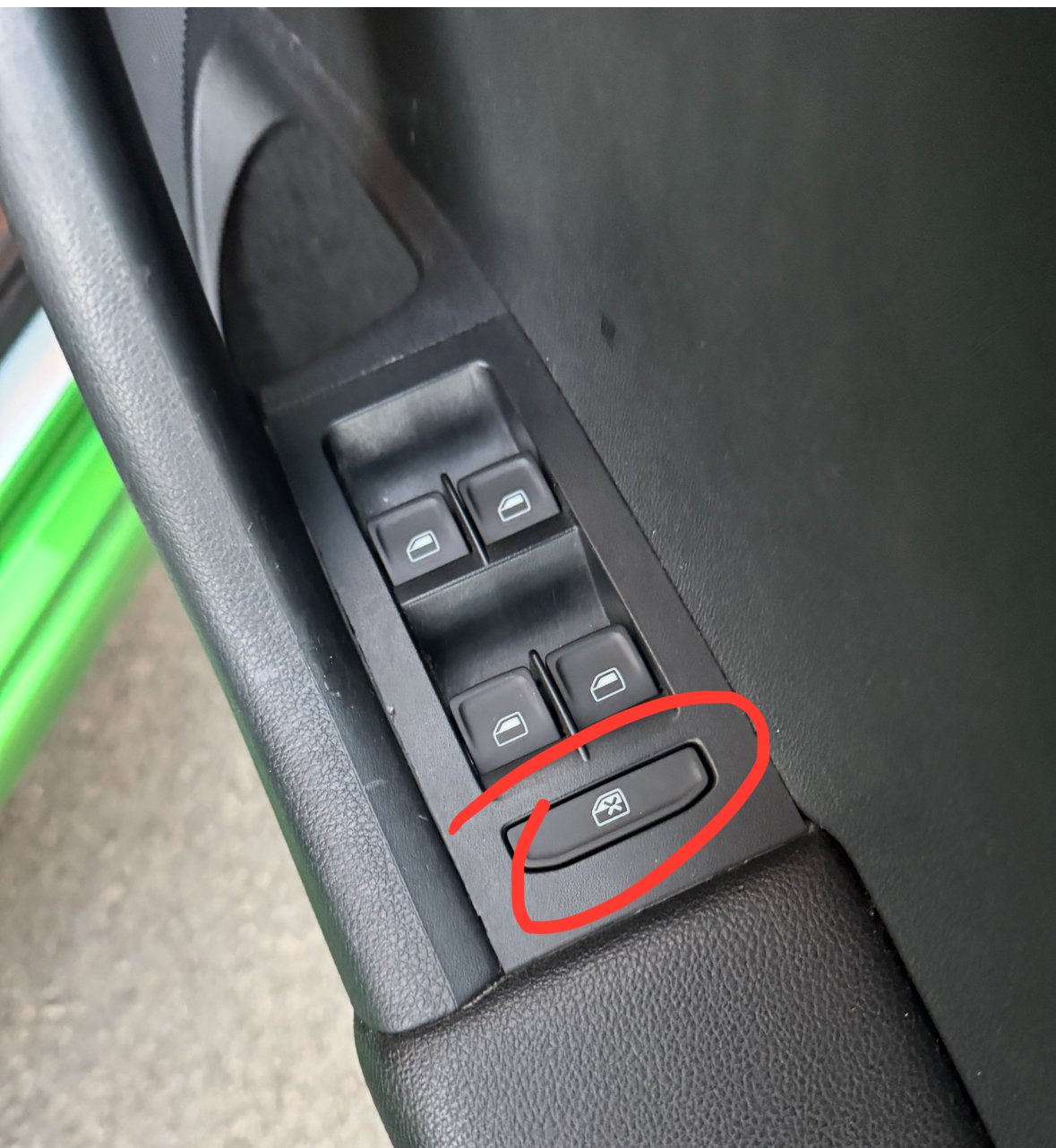
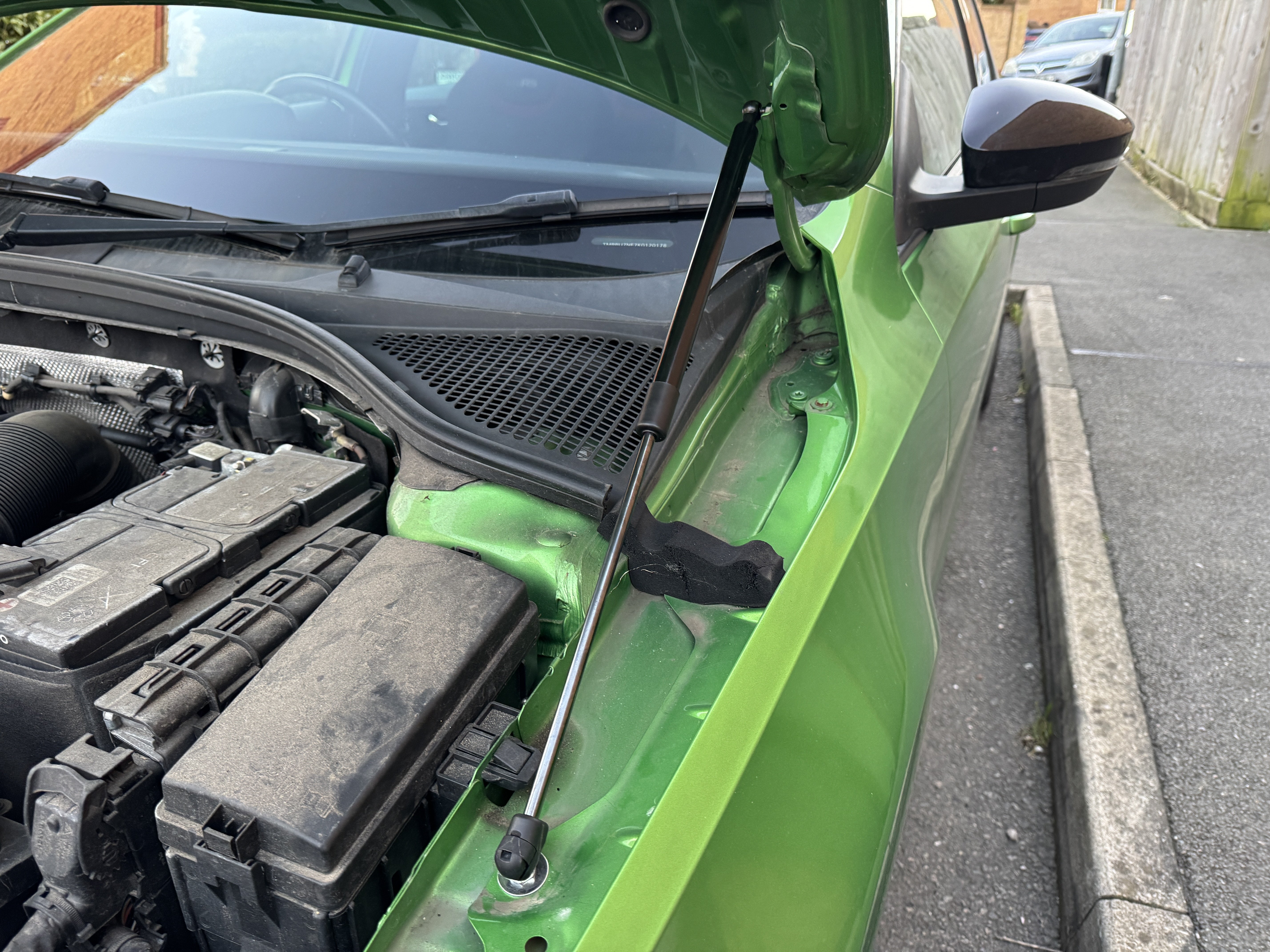
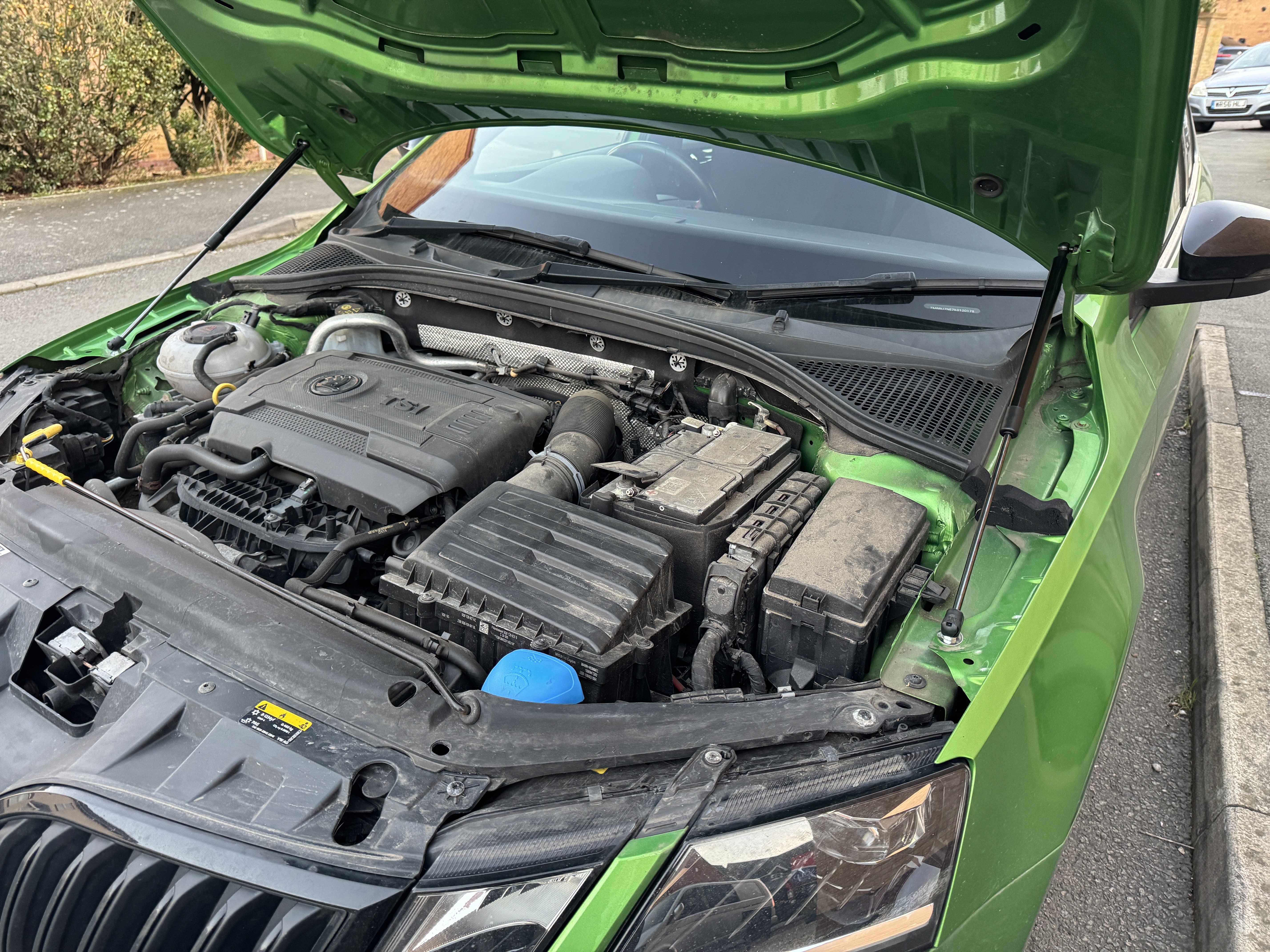
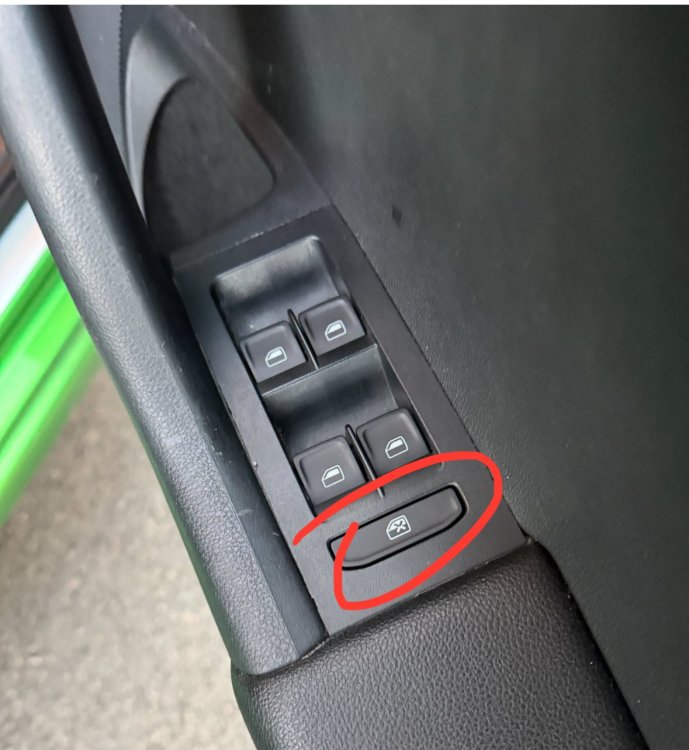
Amazon light switch = rubbish Sort of. I fitted it and it was backlit white, like a Golf. So that was no good. I also noticed that the rear window lock button wouldn’t light up when pressed. “Funny” I thought, “is it a duff switch?” So anyway, it being Amazon, you can just put stuff in an envelope and take it down the local shop and it goes back and before it’s even been picked up, they’ve sent the money back. So that’s £7.70 back in the bank but then we have the “what do we do to replace the switch?” conundrum. I found a genuine one, brand new in the box, from eBay. It also had an eBay March 2025 20% off discount code, so in the end it was £42 odd. Now after fitting it, I noticed that the rear window lock didn’t work… That sort of ties in with the new door modules I fitted last week and never even considered that it could be an issue. I did a bit of reading and thought the parameters were all going to have to be calculated and updated. After a short bit of experimental long coding fiddling in VCDS, it worked. Thanks be to god and his holy mother. Don’t ask me what I did l, all I know is it’s done. The other thing I did last week but never took a photo. Bonnet struts defo feel like the basic b1tch modification but it’s so much better than having to use the prop. These were also off Amazon and were about £20 Lastly I got a bit of carpet but I haven’t taken a picture of it yet so you’re not to know anything. Costs this post Window switch return: -£7.70 Proper brand new window switch: £42.39 (was >£52 before discount) Pair of bonnet struts: £22.02 Total cost so far: £844.05
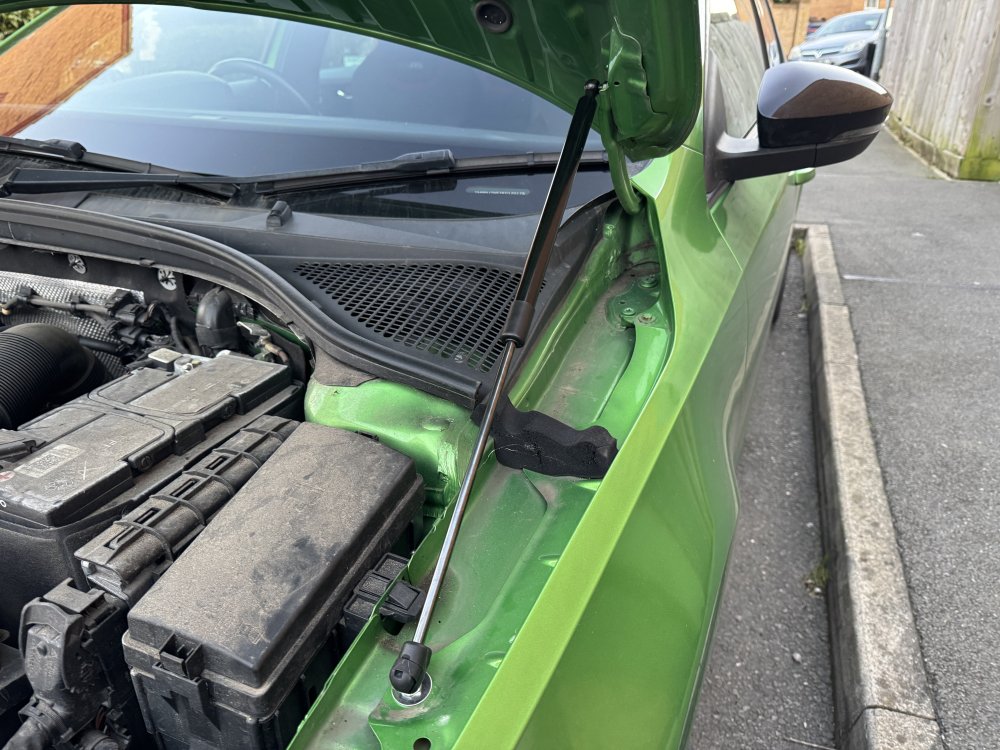
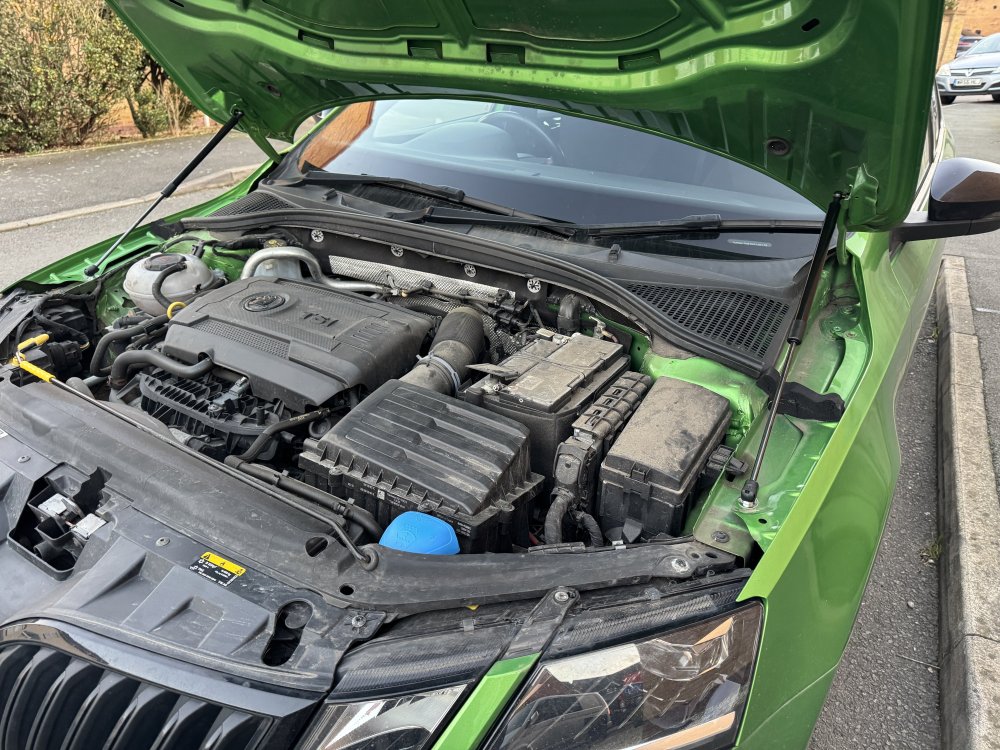 1 point
 -
1 point
-
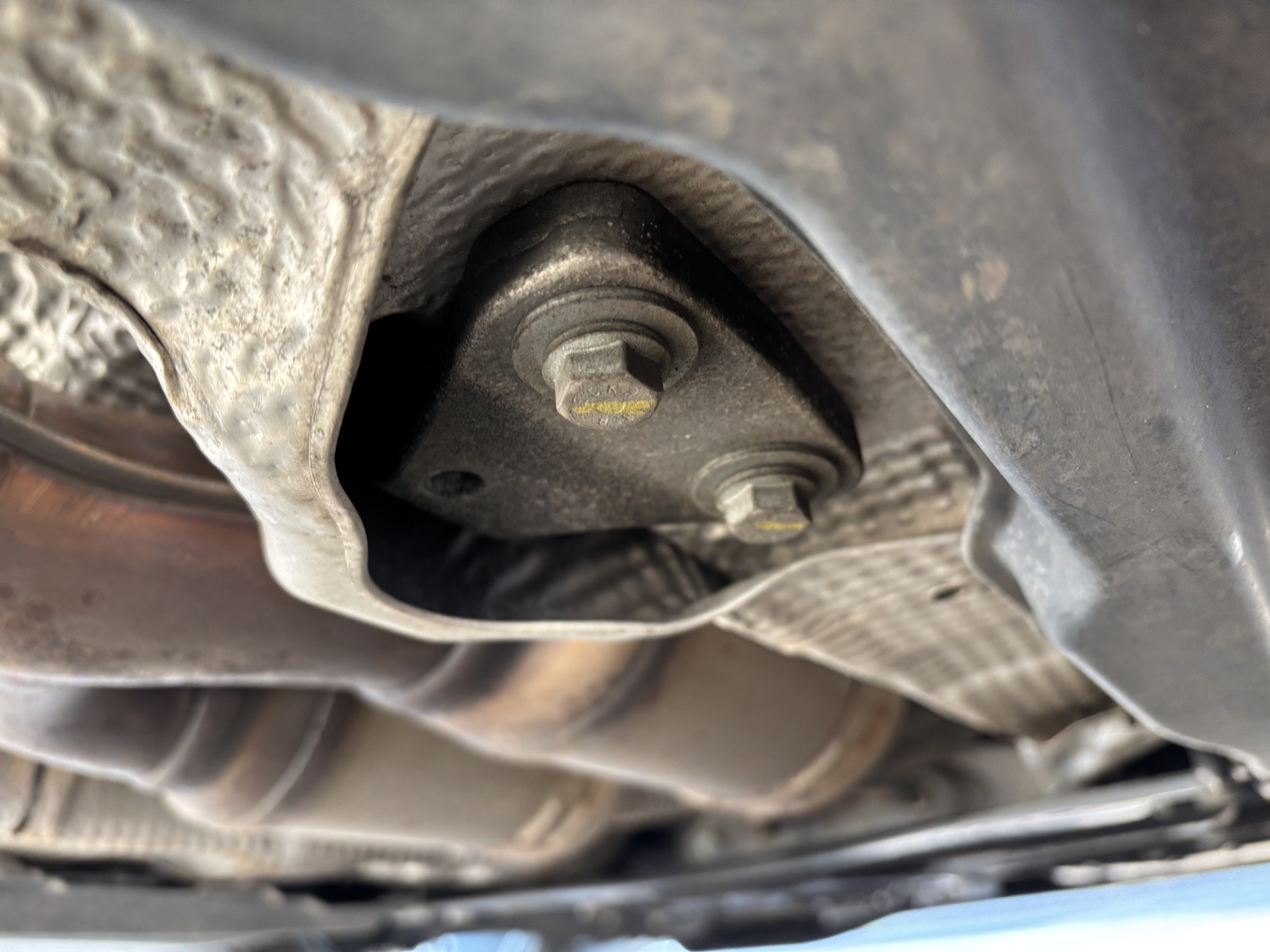
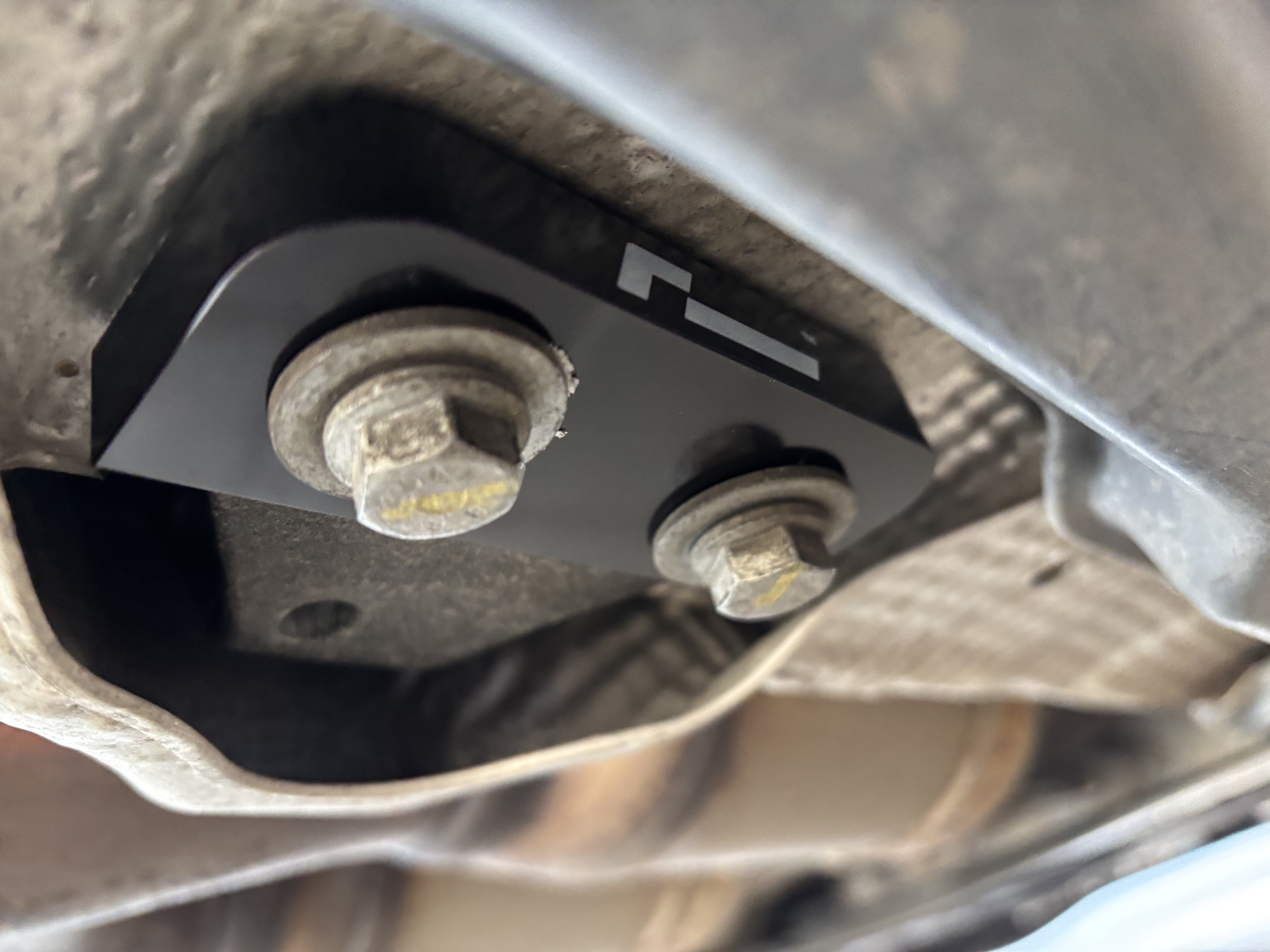
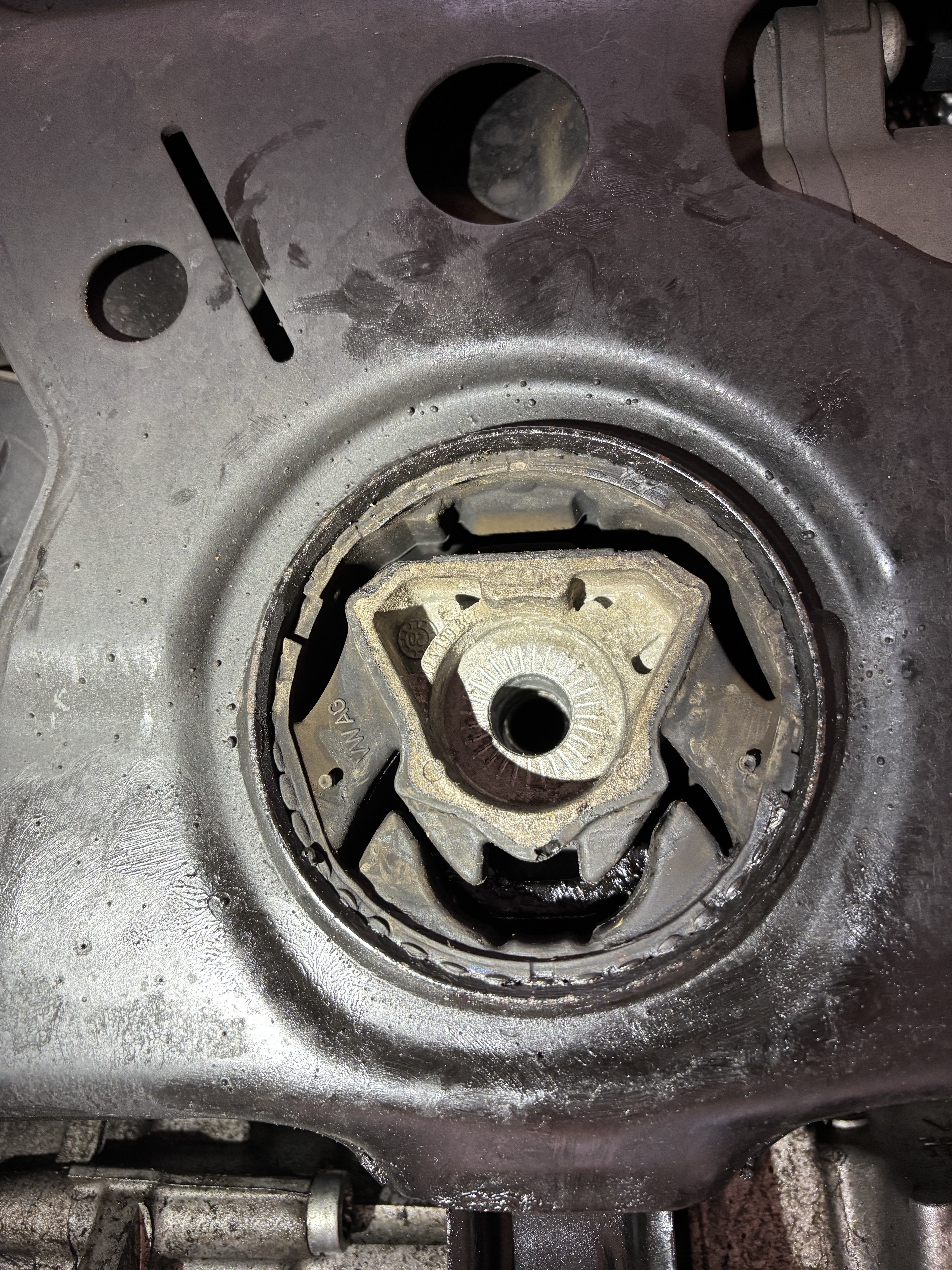
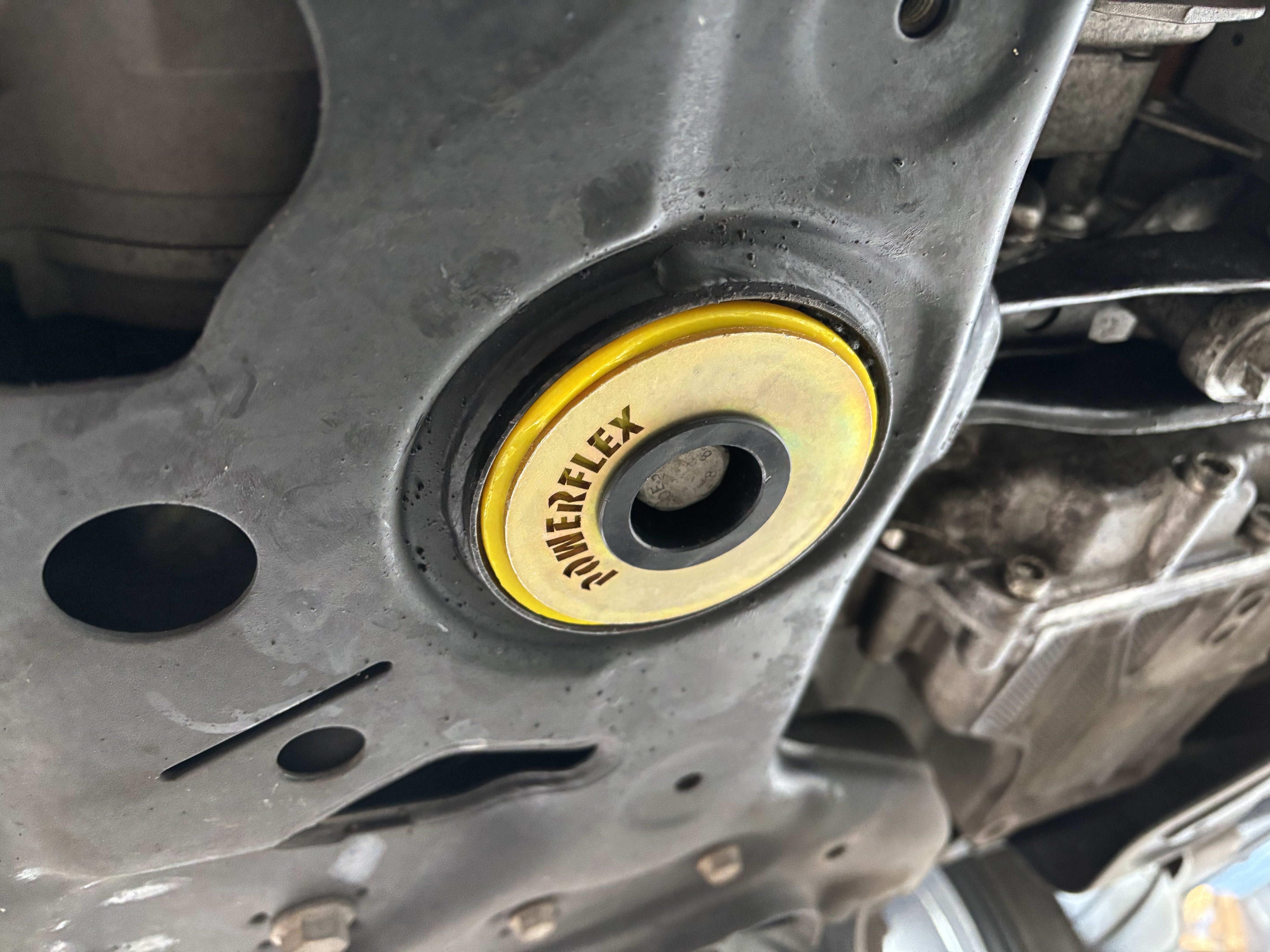
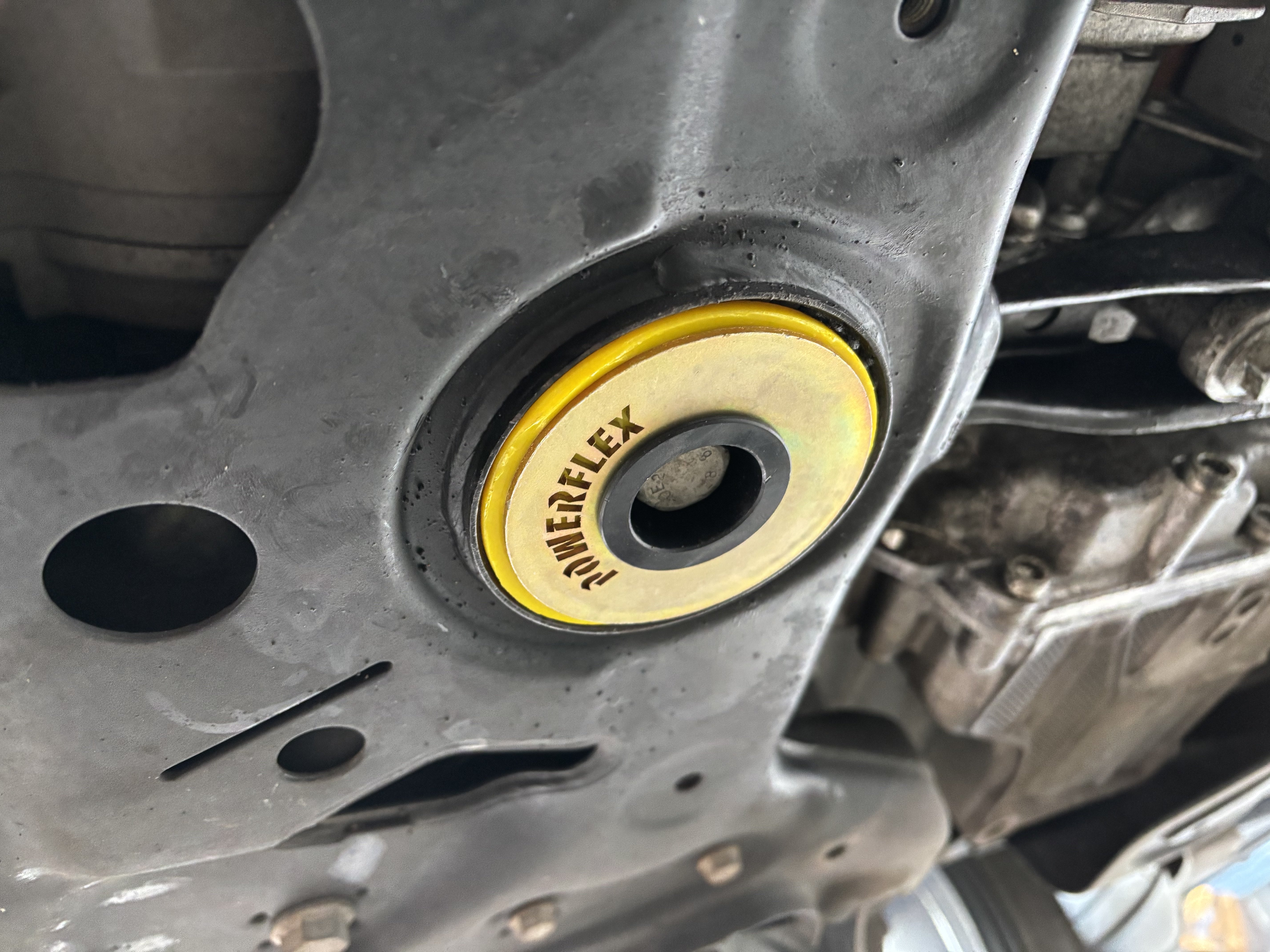
Got under the car to chuck some new bits on. First is a set of brackets which tighten up the propshaft bearing alignment. The original bolts go into slots rather than exact holes which allows for some movement to, argue RacingLine, ease production-line assembly but results in unnecessary stresses in the prop, bushes and bearings. I’m no engineer and while it no doubt doesn’t make much difference to the majority of cars, if driven harder, more exact alignment sounds like a worthwhile exercise to me. And for the cost of a takeaway and 4 13mm bolts: easy. Next was the final chapter to my Dogbone insert saga - a rogue OE component change for one of very limited engine codes meant the classic inserts wouldn’t fit. Powerflex’s versions are only partially affect by the changes so I could trim it down and utilise it. Can feel a tiny more of a sensation when idling but otherwise, really not much to report. I did note that they come in 4 colours for different stiffness - red (for diesels) -> yellow(for petrols) -> purple(for harder driving petrols, track diesels) -> black (track and racing). Being yellow, it’s pretty soft and just its presence in the mount is enough to reduce movement.
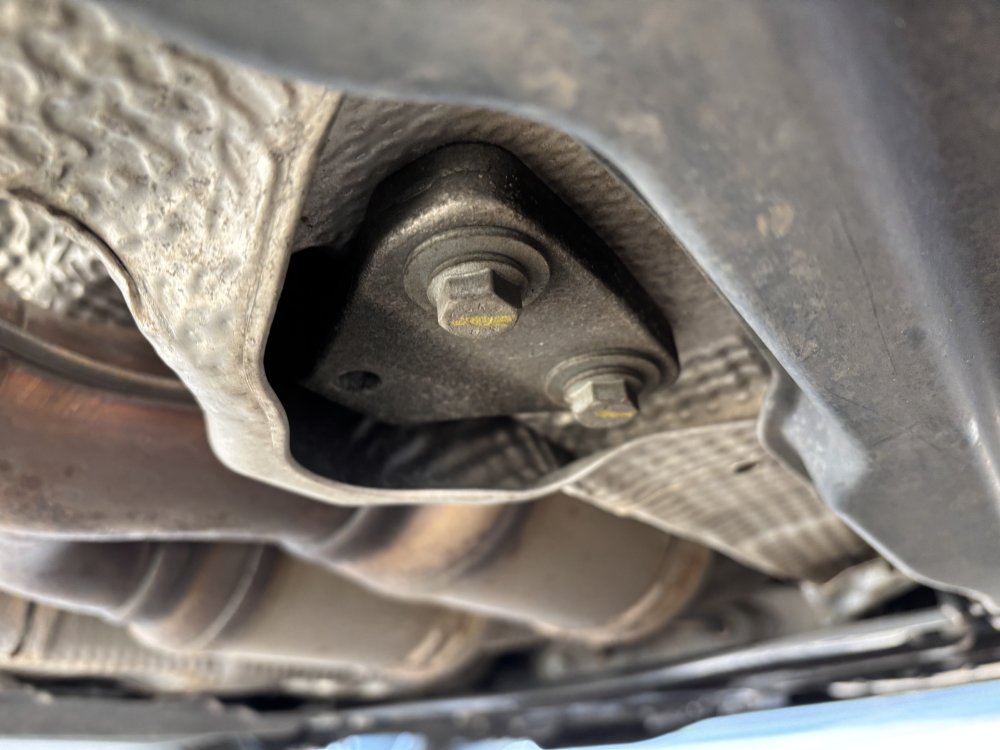
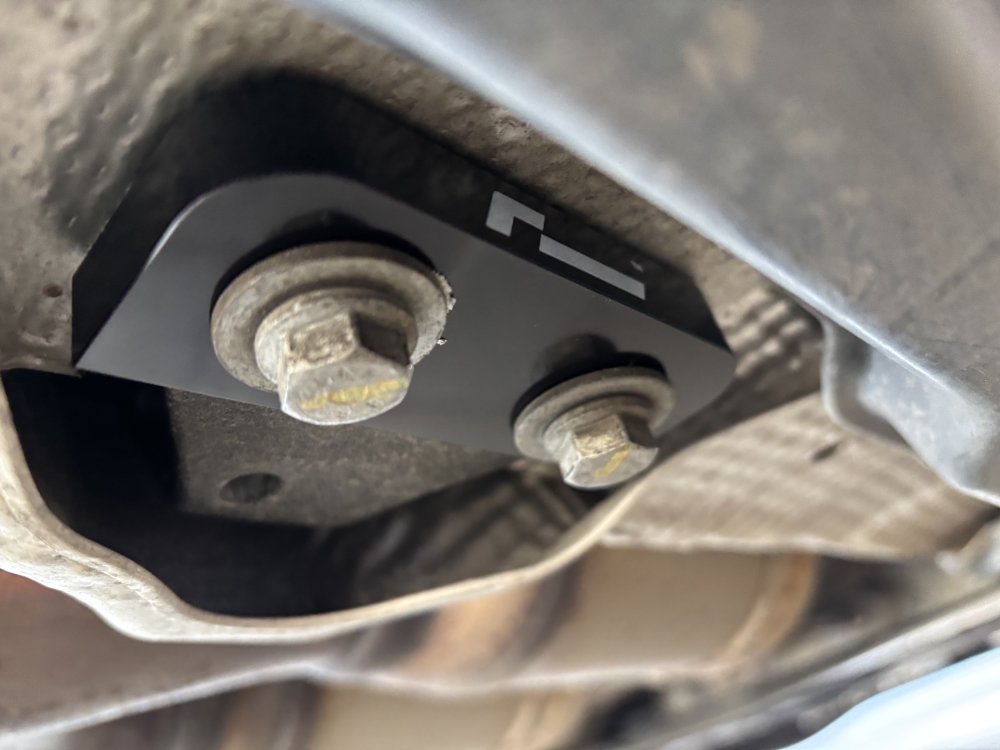
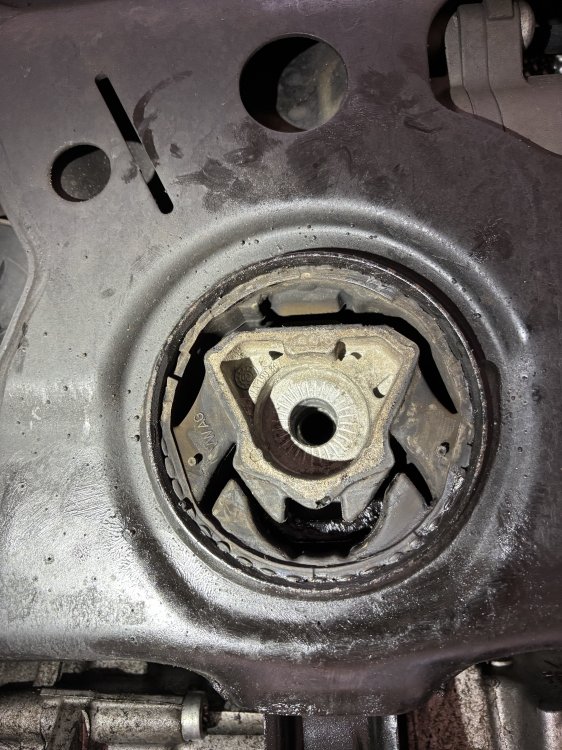
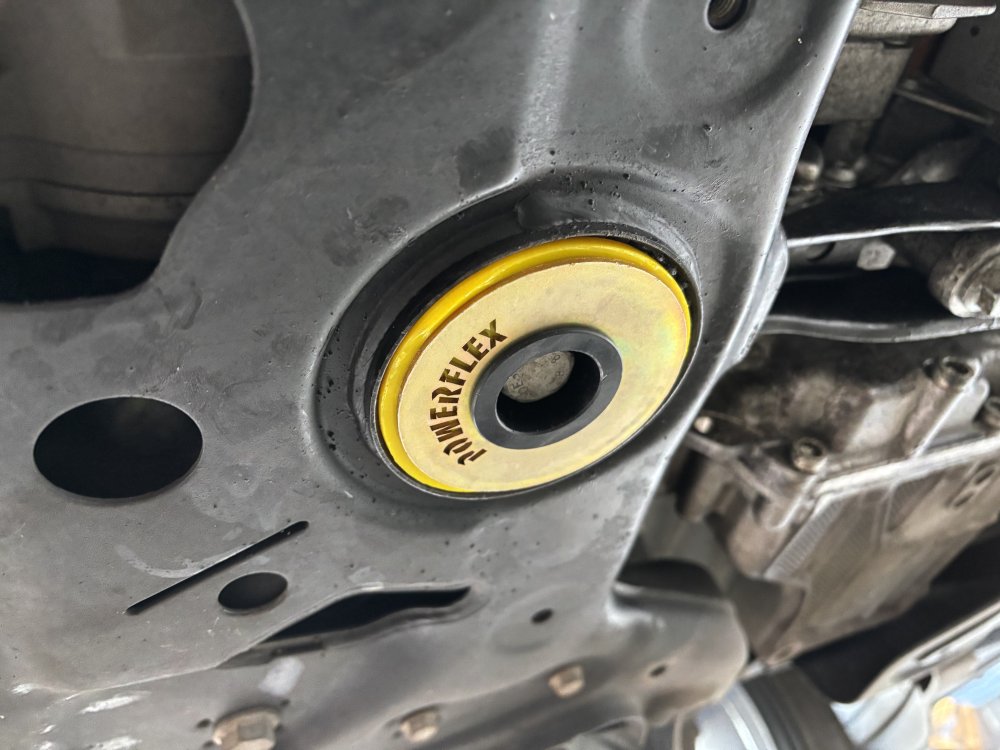 1 point
 -
1 pointAnd finally put to bed. Had to cut down the legs to fit it in and noted from a YouTube video to jack it up into the voids in the rubber; but the bolt cap fits and feels pretty good in place so happy with finally sorted. DNFE owners be warned.
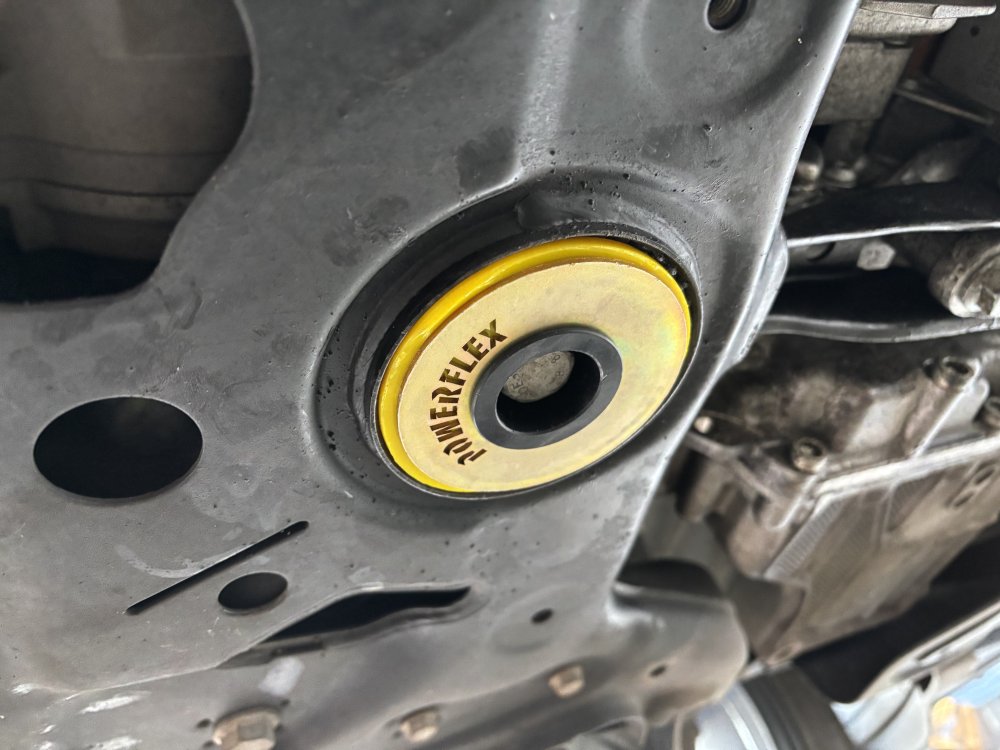 1 point
 -
You need to go compleatly back.. Then you select usb stick and you can see folders.. And then you select your folder which you want to listen.1 point
-
Well, AIUI you're looking at the wrong figures. Carb icing is caused by high relative humidity inside the venturi (throttle body) leading to ice forming, making it narrower, and accelerating the formation of more ice there...1 point
-
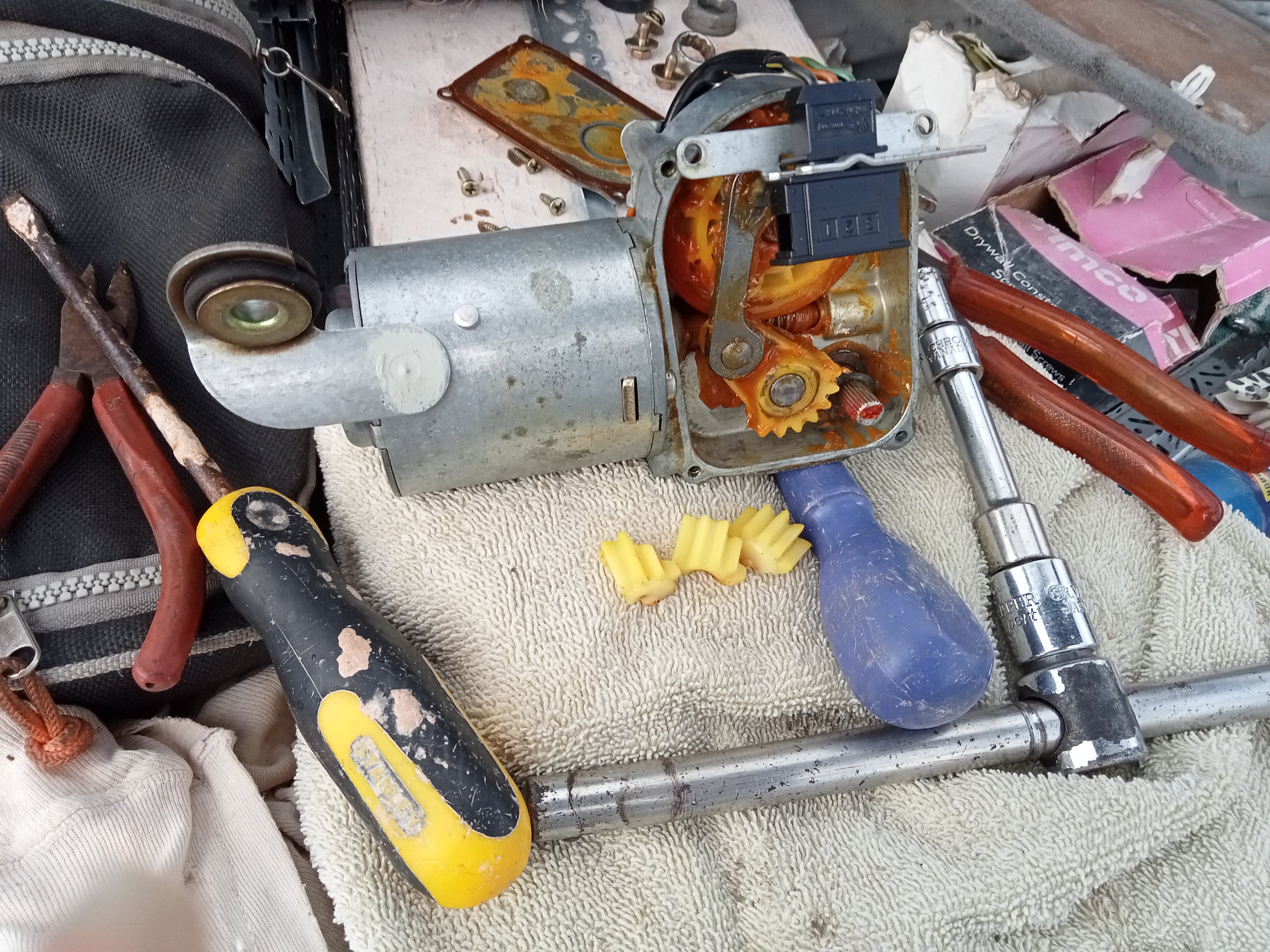
This is what happens when you try to use rear wiper when it's frozen to screen. Disintegration of plastic gear.
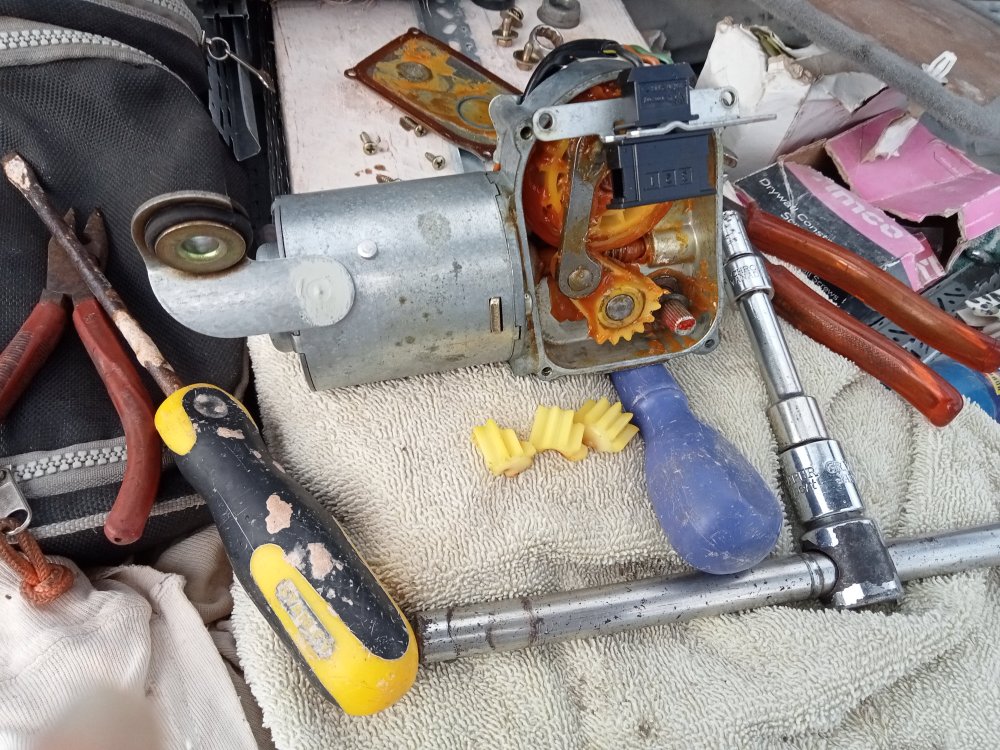 0 points
 -
If you want to go stiffer than the weight range 5 rear spring, then weight range 6 is one up in the hierarchy, weight range 10 is two up in the hierarchy, weight range 7 is three up in the hierarchy, weight range 8 is four up in the hierarchy, weight range 9 is five up in the hierarchy, and weight range 14 is six up in the hierarchy...as shown in the chart below. The below wire diameters and spring lengths should only be considered approximate because different brands will often have slightly different ideas of what the specification of individual springs should be. However, the numbers given do illustrate the hierarchy of the springs. VW Codes Decoder 0YB = Weight range 2 0YC = Weight range 3 0YD = Weight range 4 0YE = Weight range 5 0YF = Weight range 6 0YK = Weight range 10 0YG = Weight range 7 0YH = Weight range 8 0YJ = Weight range 9 0YP = Weight range 14 Superb MK2 rear springs 1JA = standard ride height 1K0511115BF 0YB Wire diameter 11.75mm Length 354mm 1K0511115BG 0YC Wire diameter 11.75mm Length 360mm 1K0511115BH 0YD Wire diameter 12mm Length 364mm 1K0511115DE 0YE Wire diameter 12.25mm Length 362mm 1K0511115DF 0YF Wire diameter 12.5mm Length 359mm 1K0511115BL 0YK Wire diameter 12.5mm Length 365mm 3C0511115AF 0YG Wire diameter 12.75mm Length 358mm 3C0511115AG 0YH Wire diameter 12.75mm Length 362mm 3C0511115AH 0YJ Wire diameter 13mm Length 364mm 3C0511115AJ 0YP Wire diameter 13.25mm Length 358mm0 points