



Leaderboard
-
.jpg.1006585dfe4e2977315b67c3d642e37b.jpg)
Guest_
FREEDOM14Points83,824Posts -
Dieselgate
Members9Points398Posts -
Stonekeeper
Resident Member7Points2,993Posts -
Warrior193
FREEDOM5Points6,742Posts


Popular Content
Showing content with the highest reputation on 21/05/25 in all areas
-
3 pointsWell yes and no. My dad had quite a few issues to start with. I think it was occurring due to conflicts between the charger and the car app (at least that's how it sounded to me). But he had quite a few incidents of waking up to find the car hadn't charged. Think it's resolved now but haven't discussed for a while. My Cupra is being delivered on Friday which is quite exciting so I'll have some first hand experience soon though I hope to do as much of the charging as possible at work.3 points
-
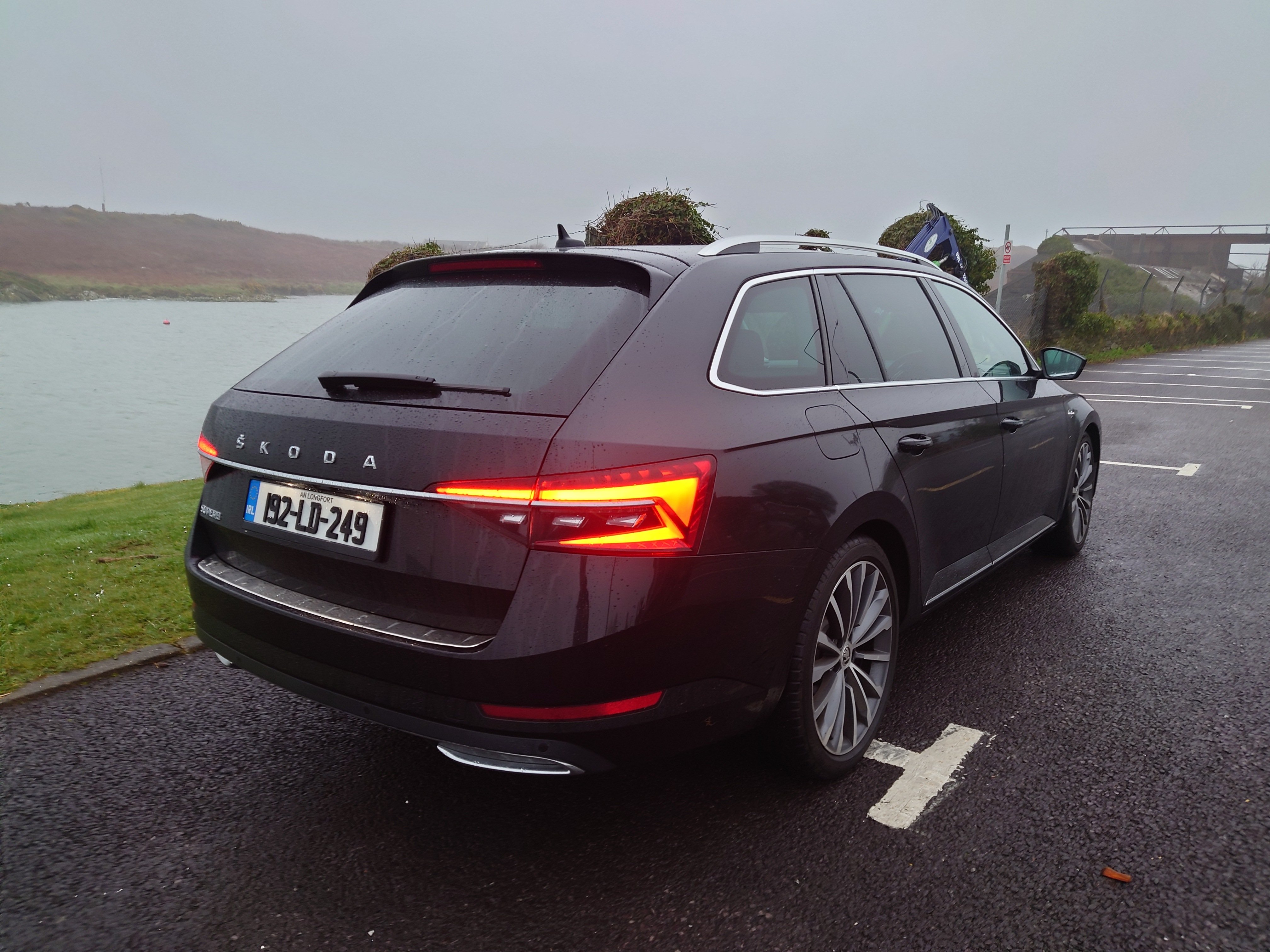
Here are some insights I've gathered from using the VAGDPF app to monitor DPF regeneration on my diesel Skoda Superb: Short Journeys: Frequent short trips result in poor fuel economy and quicker soot build-up in the DPF, causing regenerations to occur more frequently—sometimes as often as every 200 miles or even less if short trips dominate your driving pattern. Longer Journeys Help: Extended drives are beneficial. I’ve observed intervals of up to 370 miles between regenerations during consistent, longer journeys. Driving Behaviour During Regen: Maintaining a steady speed and throttle input during a regeneration seems to improve efficiency. Stop-start driving extends the regen duration, likely because the car adjusts DPF temperatures carefully to avoid overheating and reduce fire risk. Incomplete Soot Removal: Regenerations don’t appear to reduce soot levels to 0%. On motorway drives with steady speeds, the soot level typically drops to around 22% before the regen is marked as complete. In contrast, interrupted regens tend to stop at about 33%. Incomplete Regens Lead to More Frequent Cycles: If a regeneration is not allowed to complete, more soot remains in the filter, which shortens the interval before the next regen is triggered. This is a key reason why diesel engines aren't ideal for drivers who mostly do city or short-distance driving. Aggressive Driving: Hard acceleration or racing the engine increases soot production, meaning regenerations are needed more frequently. Fuel Additives: Based on my experience, I haven't noticed any measurable benefit from adding fuel additives to the tank in relation to DPF regeneration frequency or performance.2 points
-
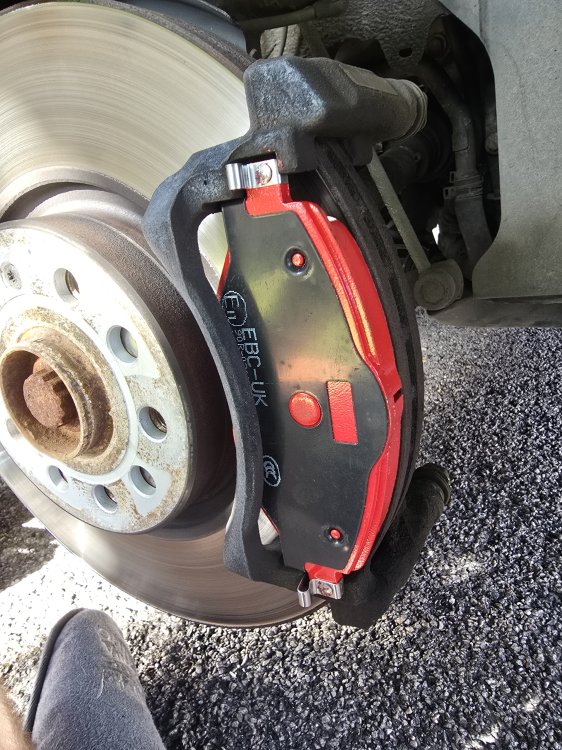
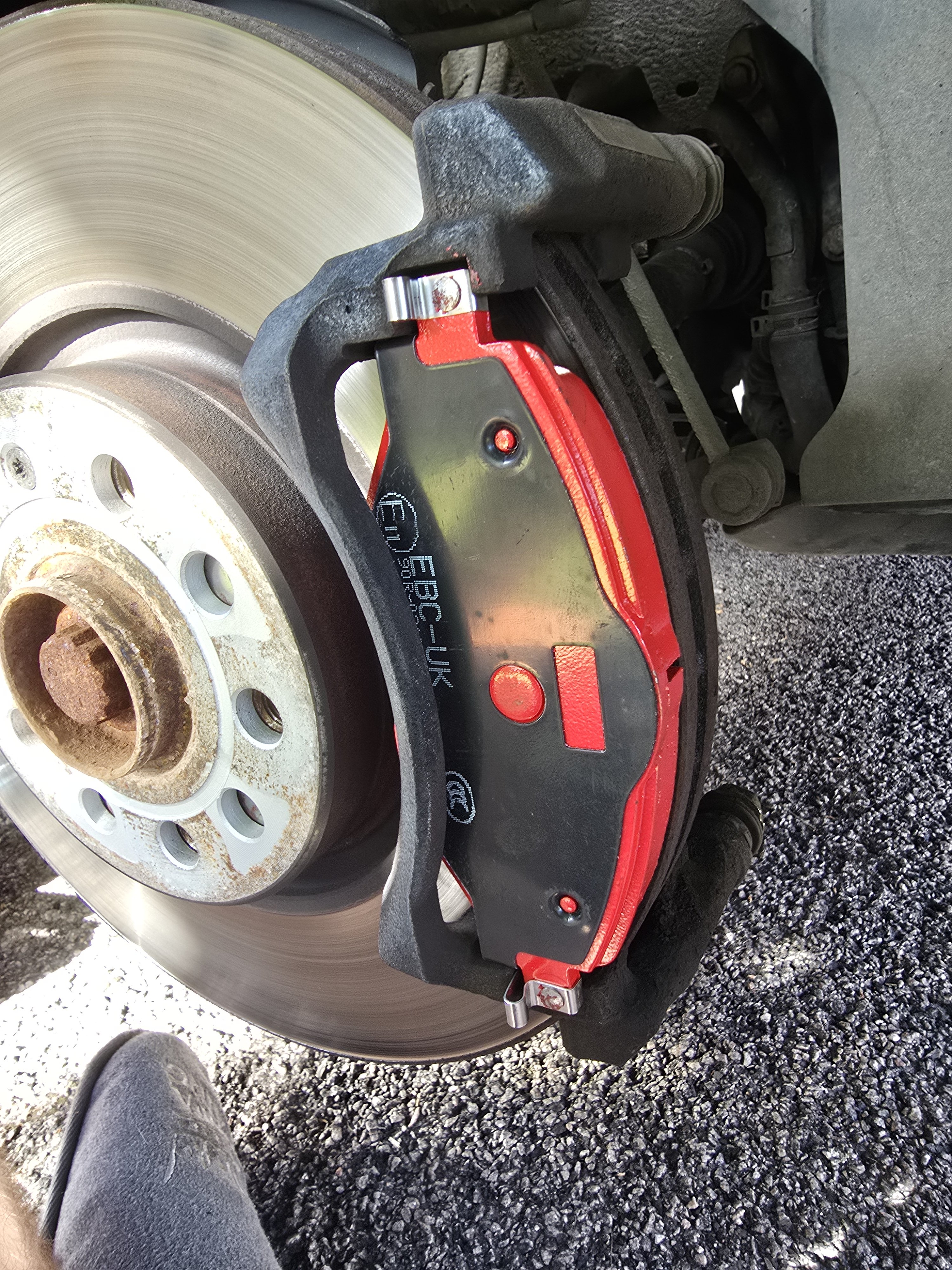
I'm happy to report that i am alive and the brakes are dead quiet now. Unless i return here to report issues, it's safe to assume that ebc redstuff dp32150c front brake pads are fully compatible with the NON-280PS 312mm brake discs on the skoda superb mk3
 2 points
 -
2 pointsMeguiar's Nxt Generation shampoo is designed for hard water use - Ive not used it but the amazon reviews are strong Link2 points
-
Just to add and to provide some hope, once you get all your ducks in a row in terms of module firmware updates and Infotainment updated, it all works very well.2 points
-
2 pointsAll UK standard car licences are now B+E allowing you to tow up to 3500kg without taking an additional test.2 points
-
2 pointsYeah I did, it wasn't too bad tbh. I didn't need to take the carrier off the hub only the piston part of the brake as the disc can fit in and out without removing it which is good as access for the bolts is a pig. Make sure you have the ability to turn of the electric parking brake. I have an OBD11 so wasn't an issue for me.2 points
-
1 pointWeirdly not a sad moment when I handed the keys back to the dealer After 15 months, I finally managed to get Skoda to agree my vehicle rejection for the 12v battery issue Having logged every time it happened since the beginning of the year (26) one battery change less than a month ago and then the dealer reporting 19 further issues I am now the owner of a 2 1/2 year old Karoq sportline1 point
-
1 point
-
1 pointThanks for the suggestions and info. I'm quite impatient when I want things done so just before you replied I went on eurocarparts and bought an Audura oil and air filter and a Bosch pollen filter. I then bought the Quartz 0w-20 long life from Amazon. All arriving tomorrow in preparation for me completing the jobs on Friday. Perhaps next time I'll go with your suggestions. Thanks again!1 point
-
You did indeed, thanks. Will be in the Superb this time1 point
-
Hi Steve No the car doesn't charge at all automatically. I have managed to get it to charge by using the bump charge option in the octopus app as soon as I plug the car in. I'm not sure if I have Skoda Car Connect. I have the MyŠkoda app on my phone and that has a vehicle health report option which says "All good". Hypervolt seem quite helpful and I've gone back to Skoda to ask again whether the vehicle logs show anything that might diagnose the issue. Fingers crossed! Cheers Mike1 point
-
It will continue to bleep if you are still close to something, in case you start to roll back. Thanks. AG Falco1 point
-
1 point
-
1 point
-
1 pointThank you. I think the VRS might just be the more enjoyable car. It still offers the practicality, but as long as the costs are not ridiculously higher than the 1.5 tsi, my heart is winning against my head 😂1 point
-
Translated by google Alasdair1 point
-
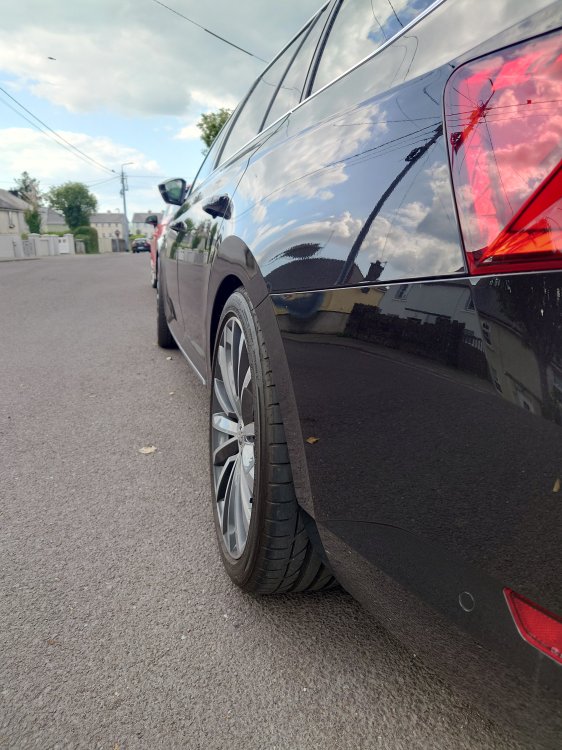
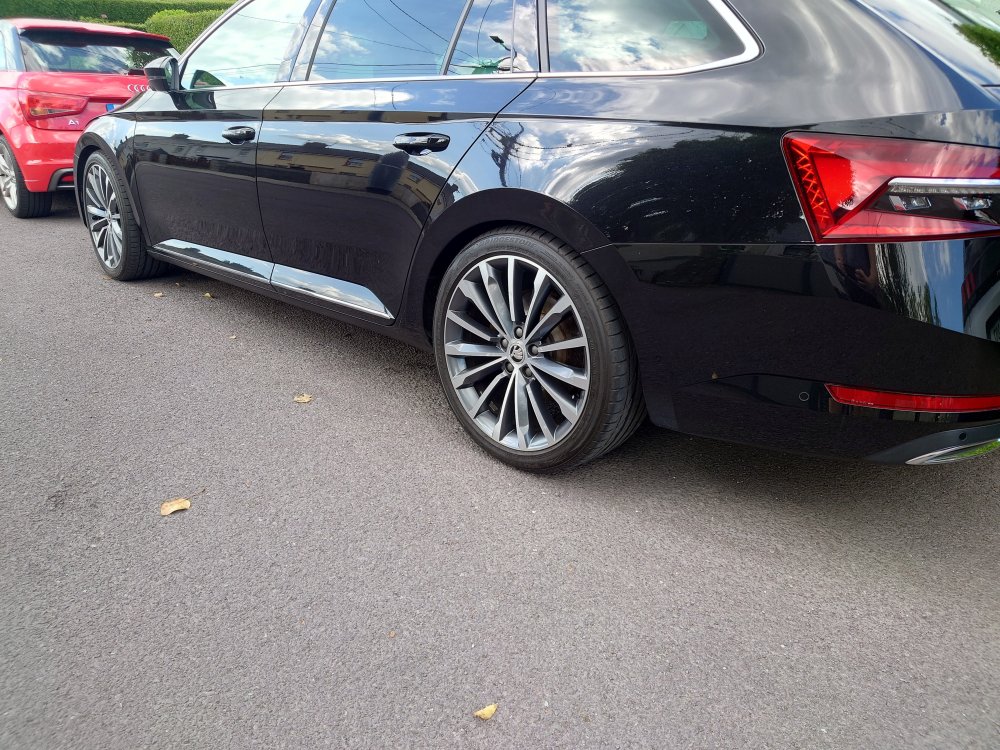
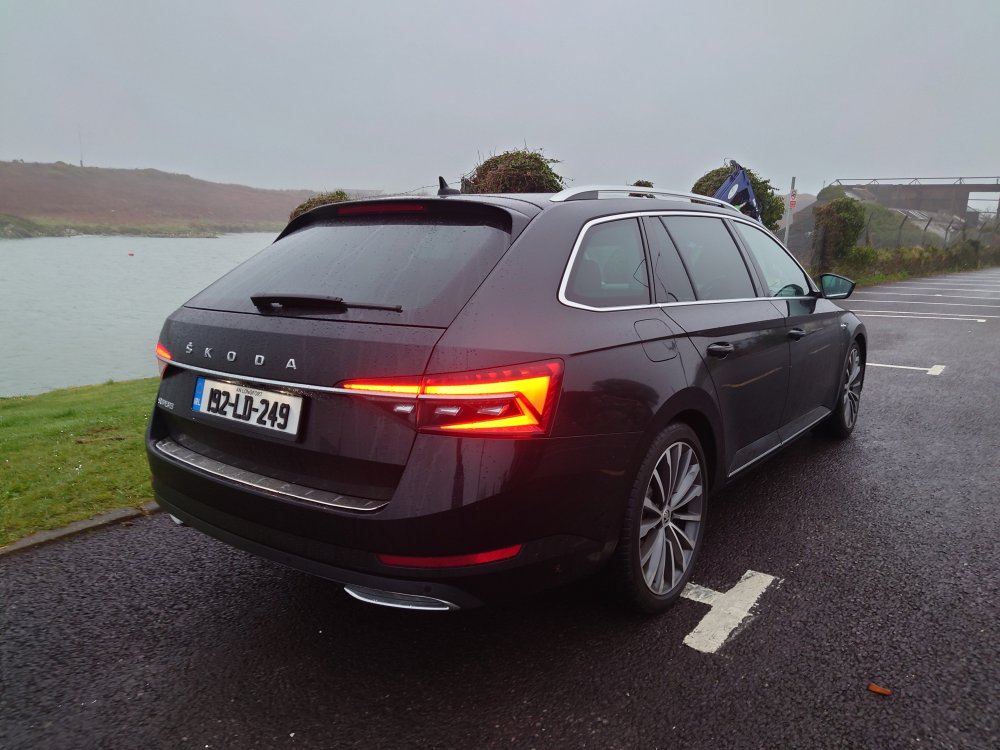
1 pointMy 2 cents. Get your VIN number and call the dealer. Ask them for the correct part number for your specific car. Then search using that part number. When i got my L&K the previous owner had replaced the springs, the ass of the car sat way too high. You could see the rake a mile away. I replaced them all for the Eibach Pro Kit with 15MM spacers all round. It's sits perfectly for me. I haven't loaded the boot yet with bodies & luggage though. Max I had was 160Kg in the boot Before: After
 1 point
 -
1 pointIt turns out the cable snapped on the window regulator. Managed to get it replaced for just under £200. I think the part was about £50 and the rest labour and vat. I was advised to use the windows more often due to the low milage on the car-16000 for 4 year old in July.1 point
-
1 point
-
1 point
-
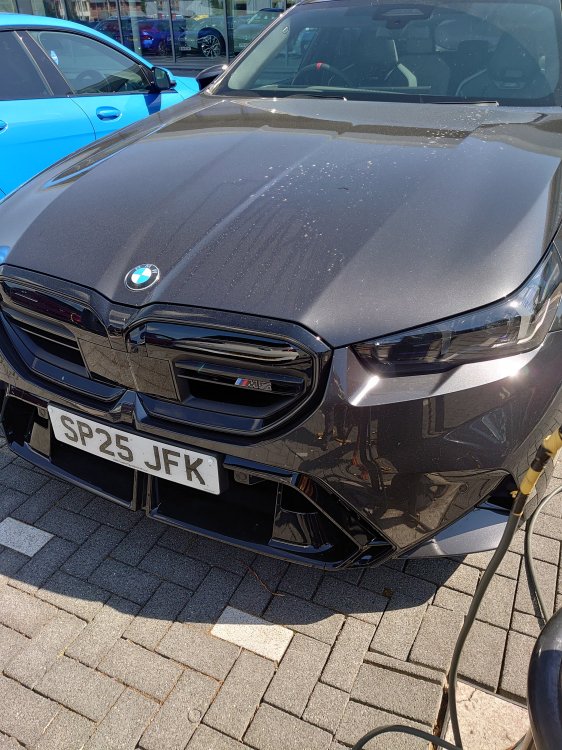
I like the cloak of invisibility with this. It would have cars slowing down I expect as arrive from behind.


 1 point
 -
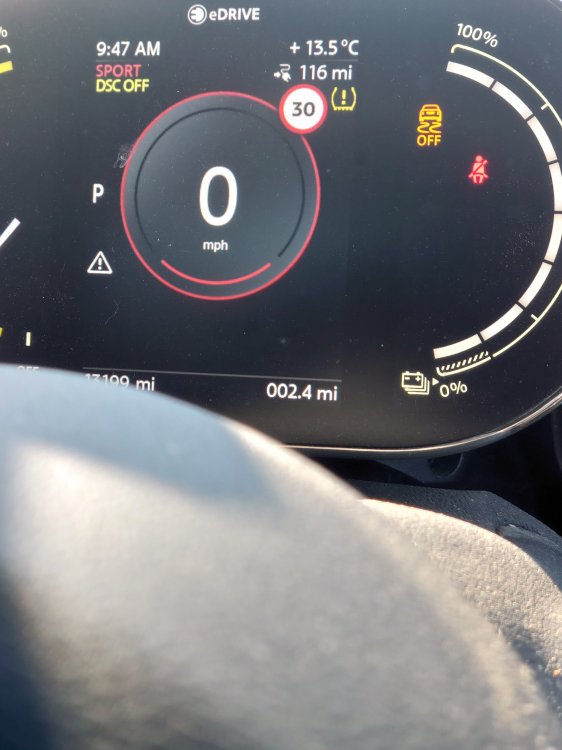
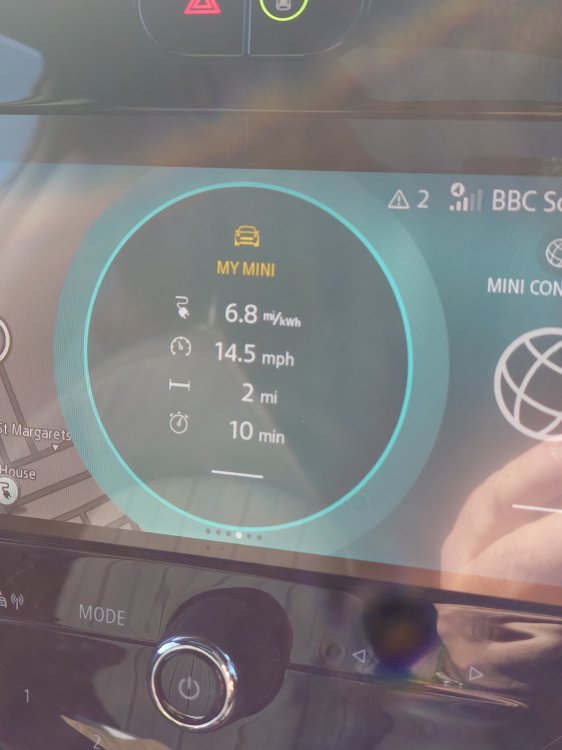
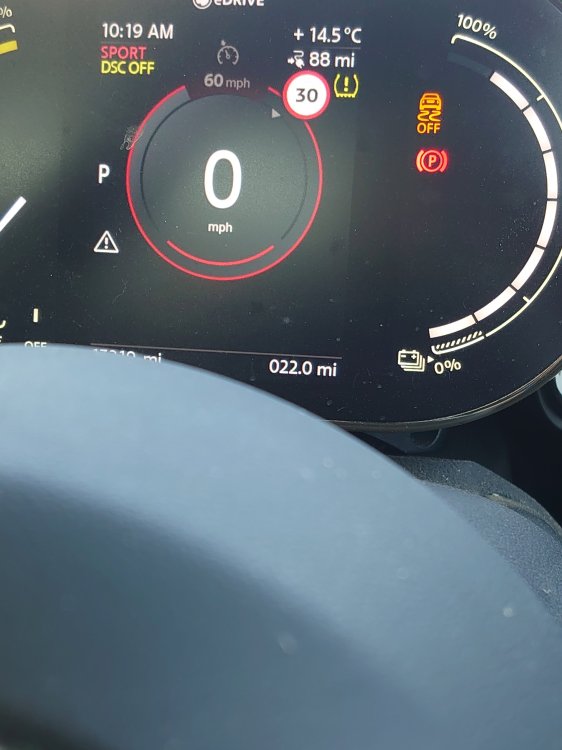
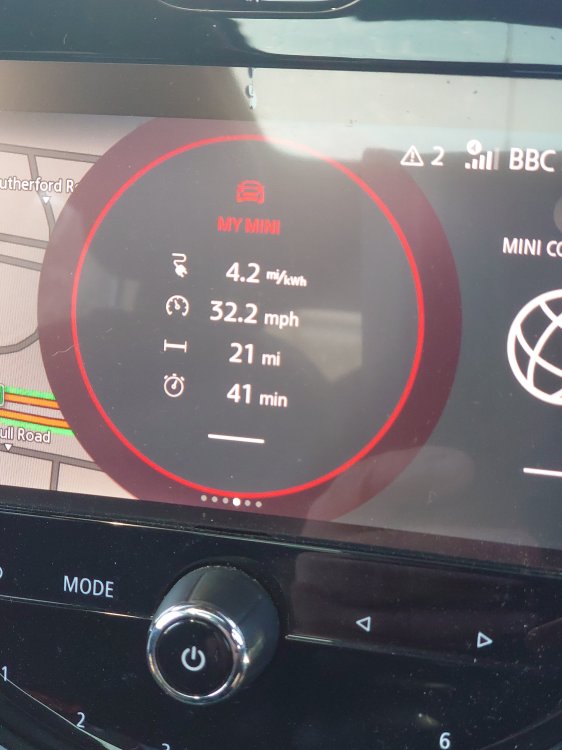
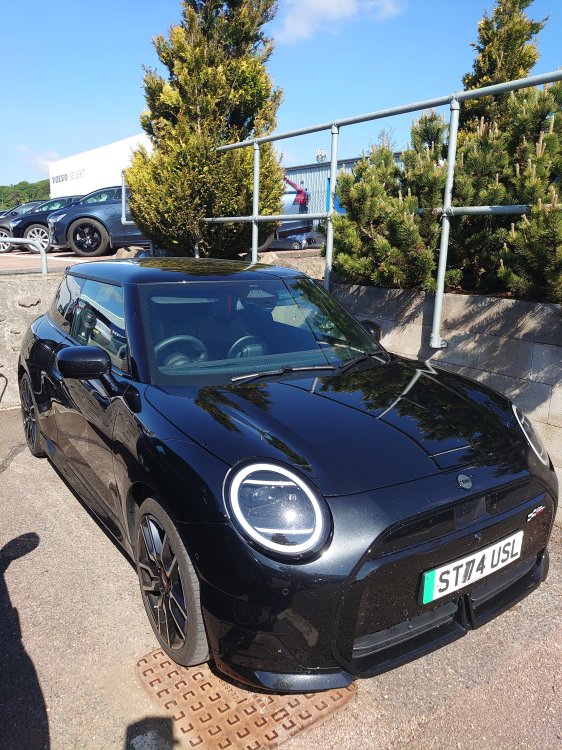
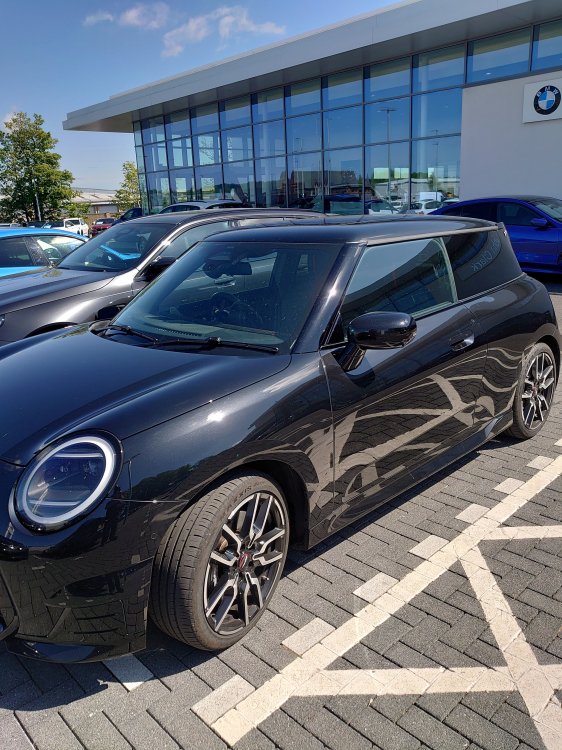
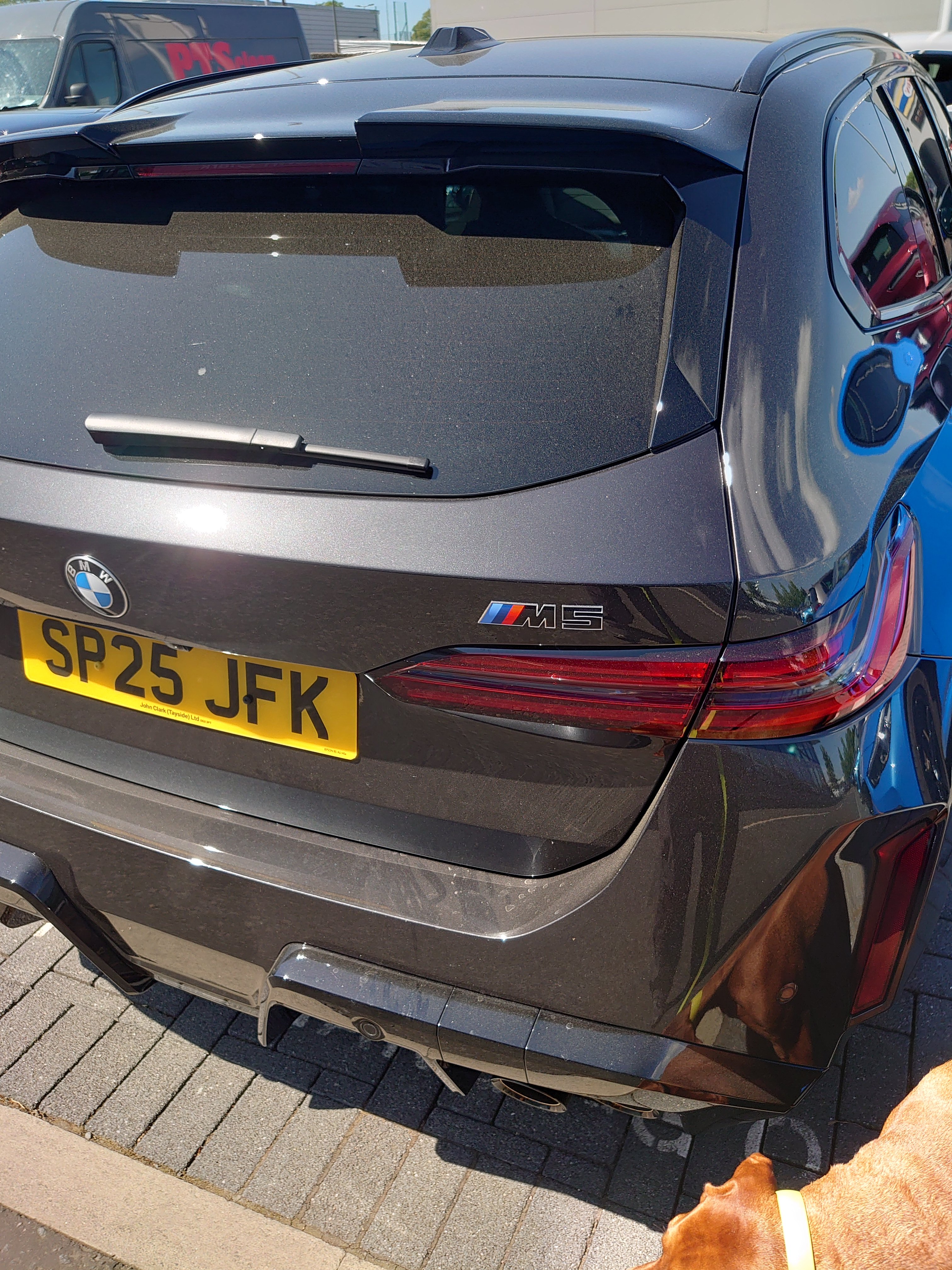
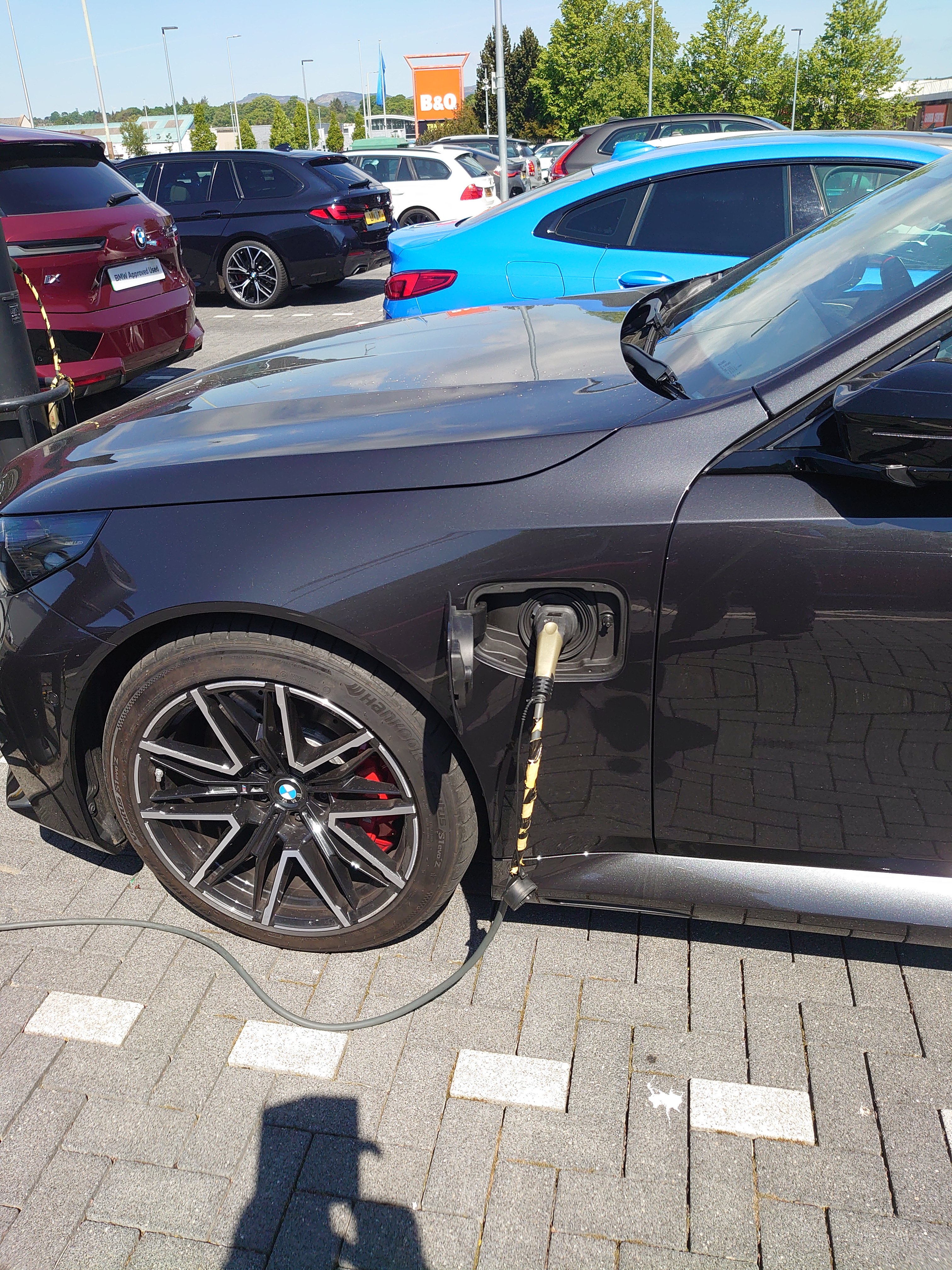
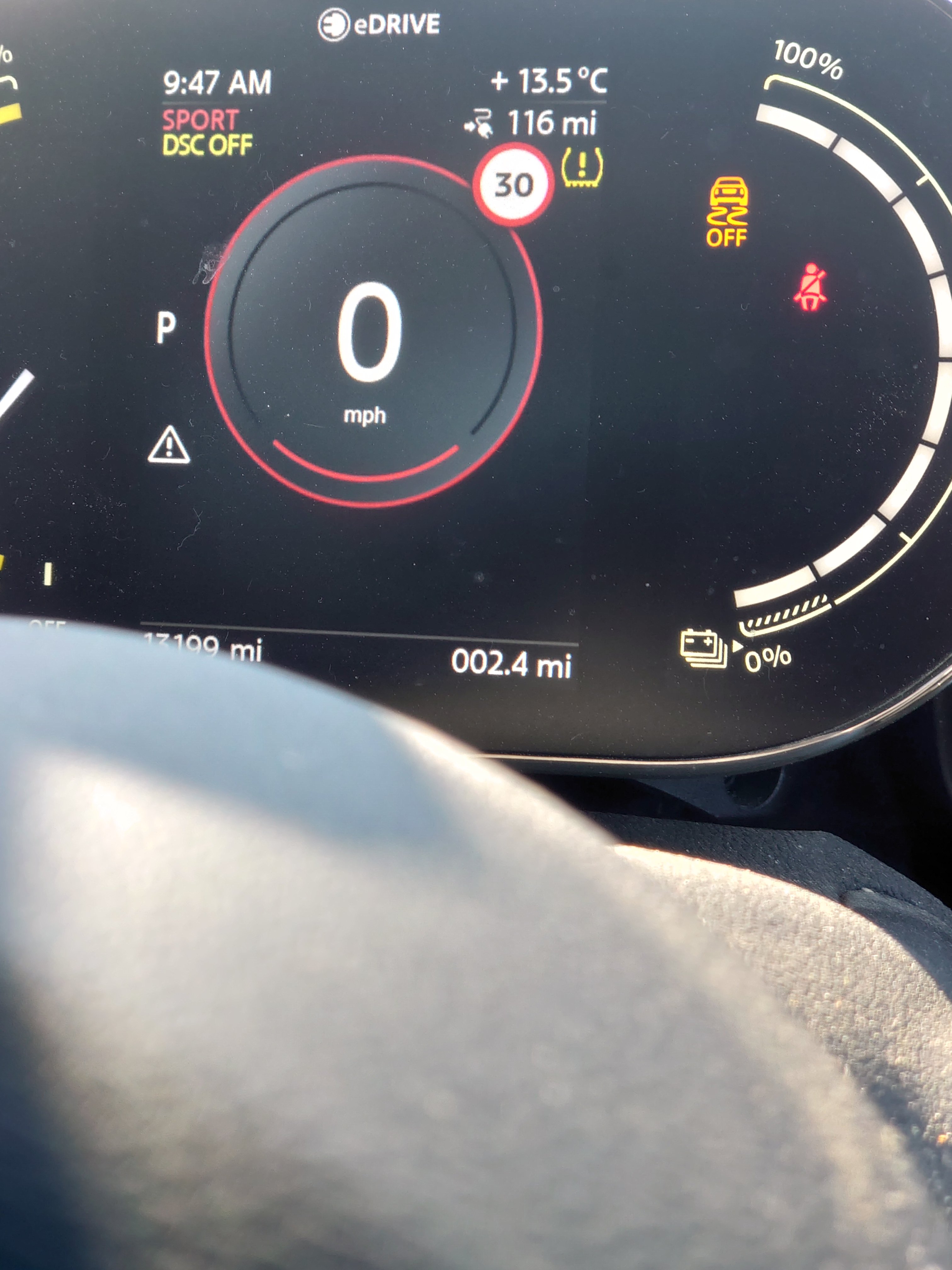
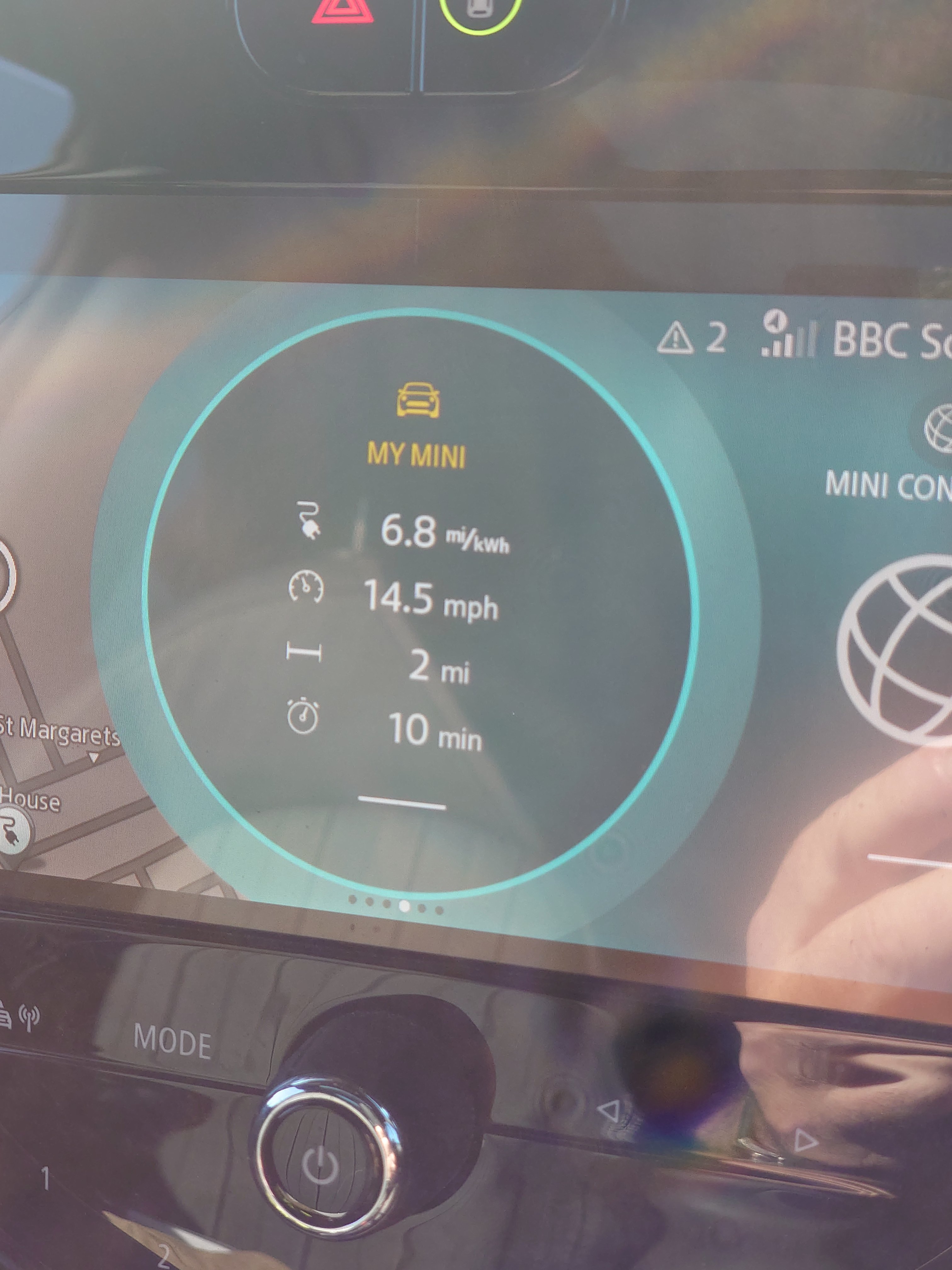
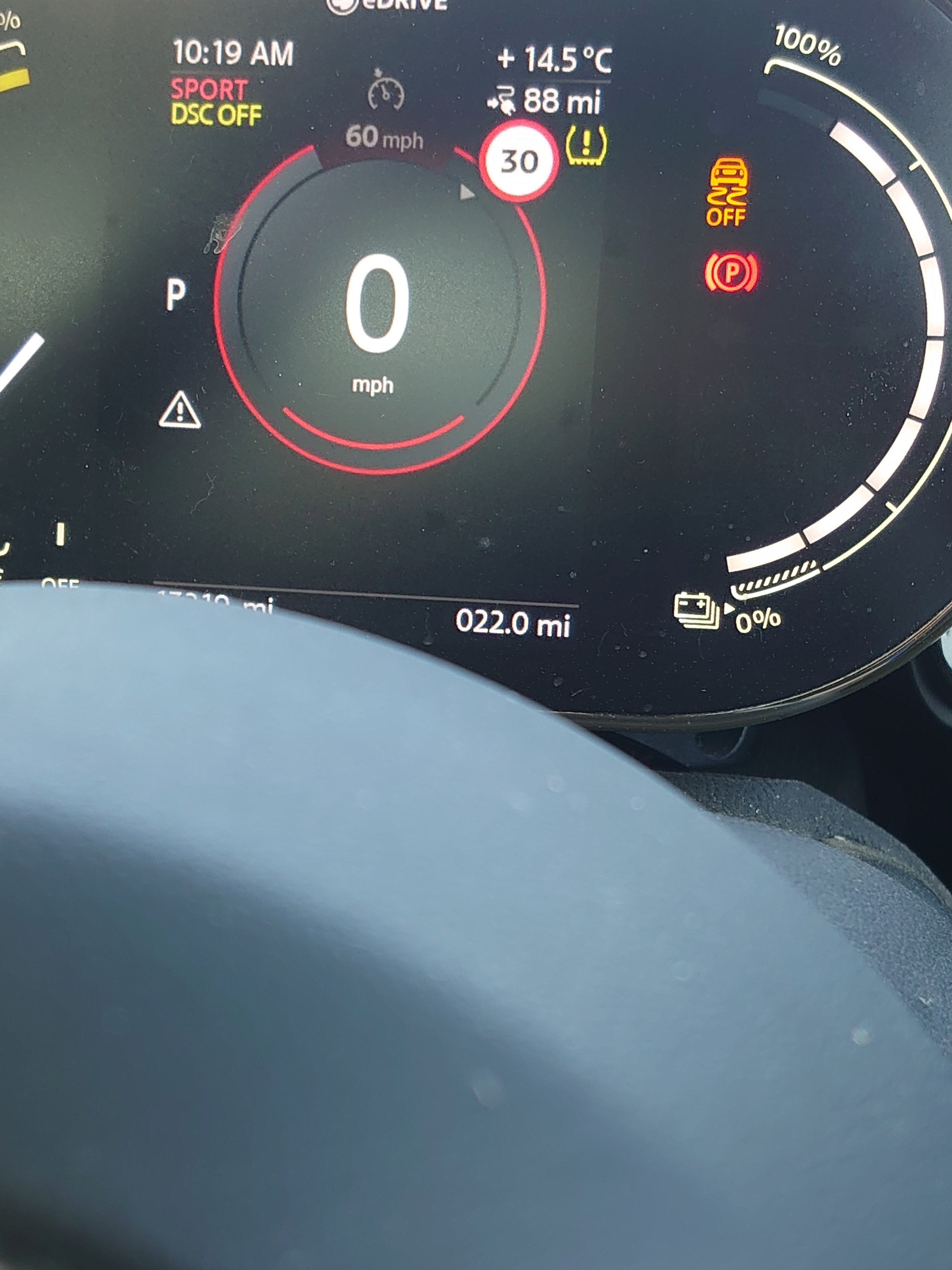
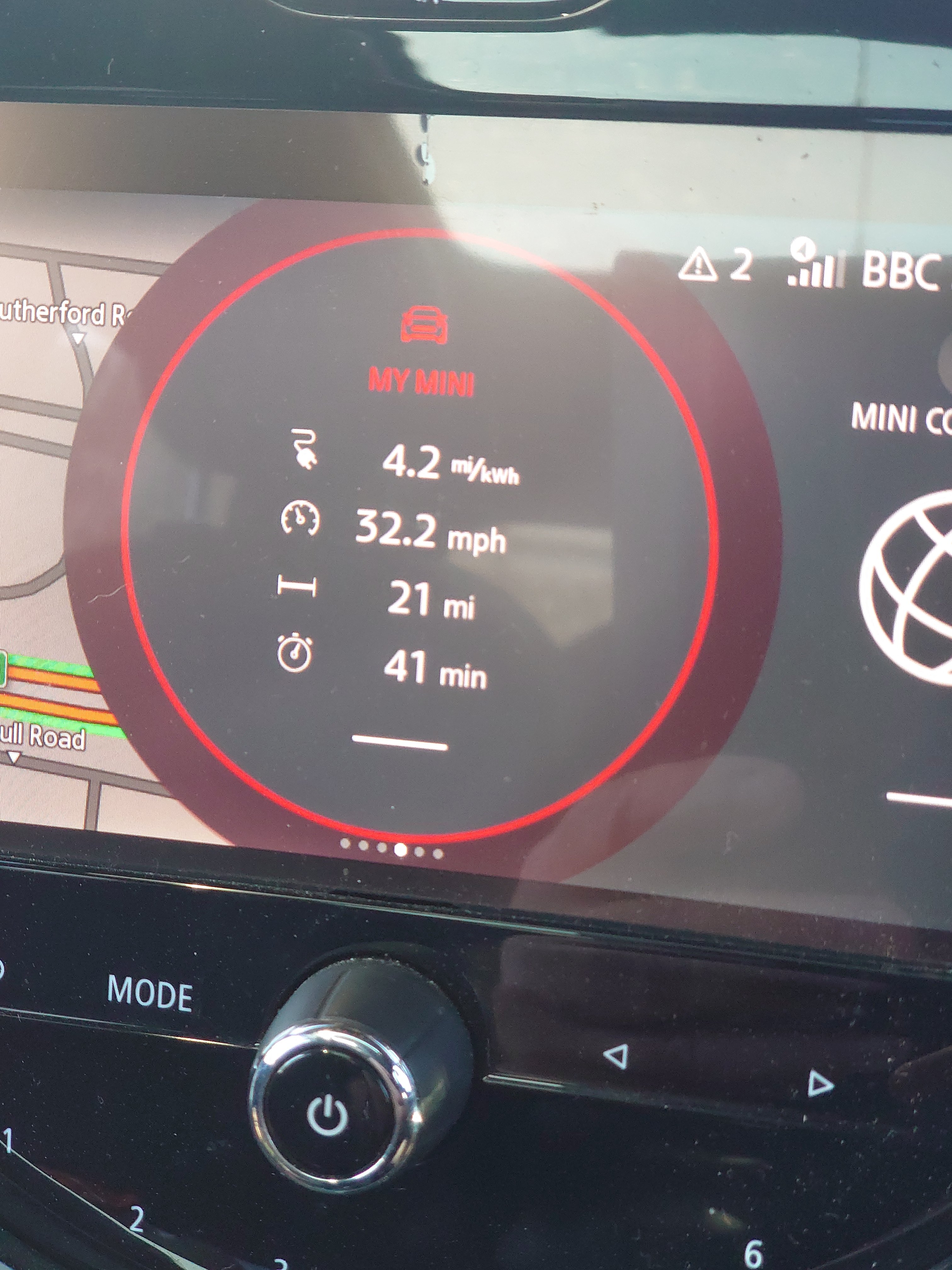
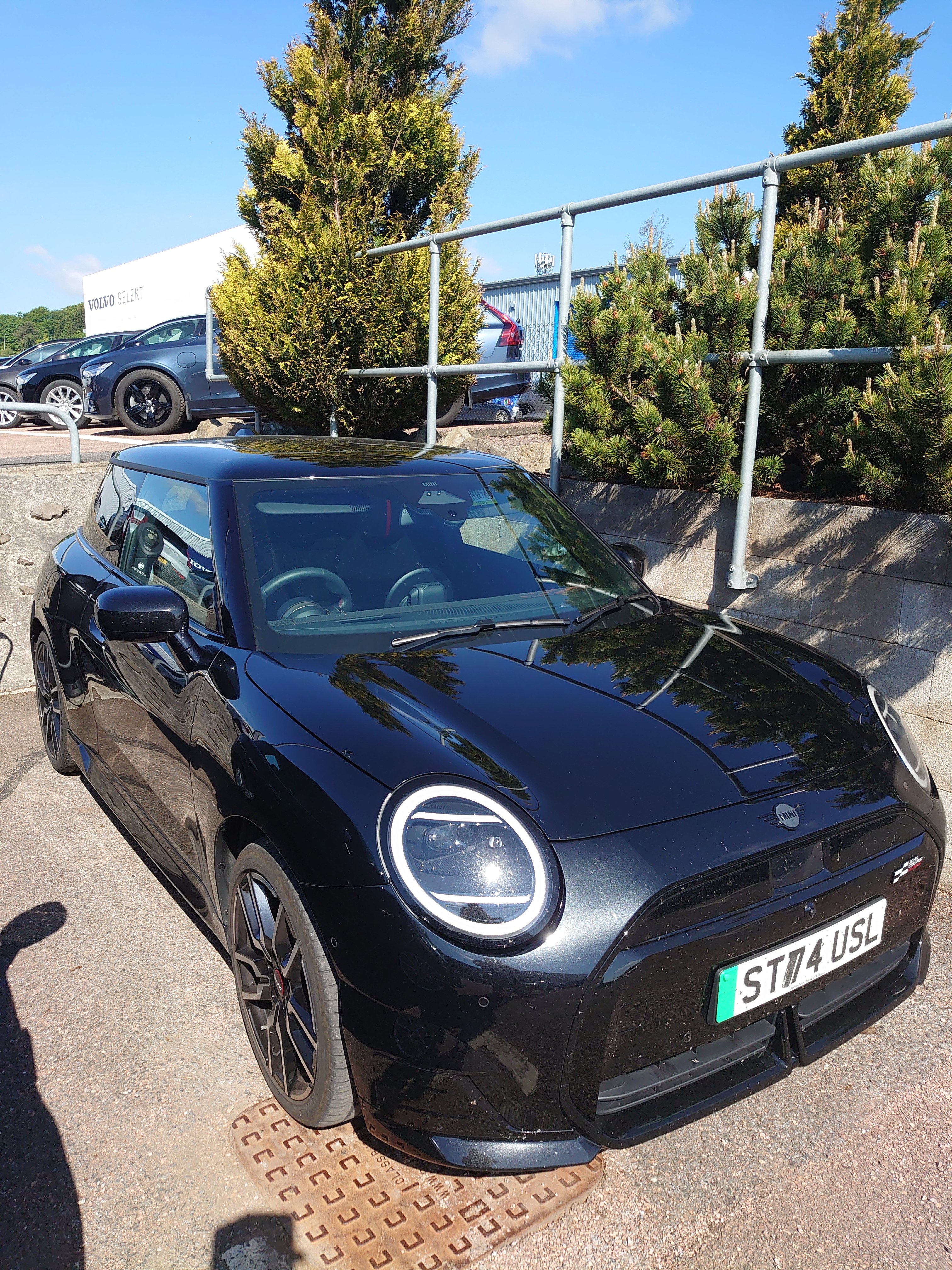
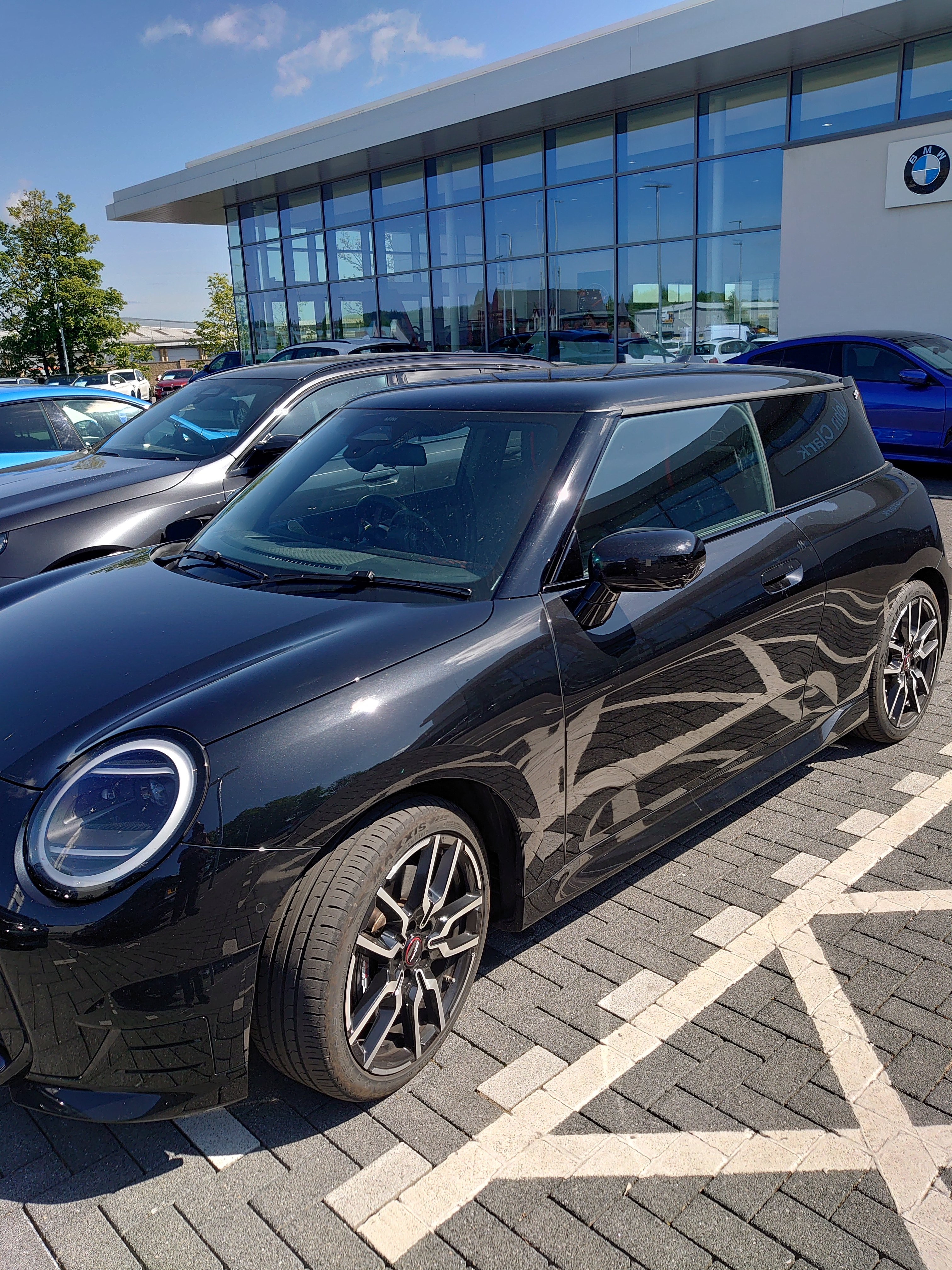
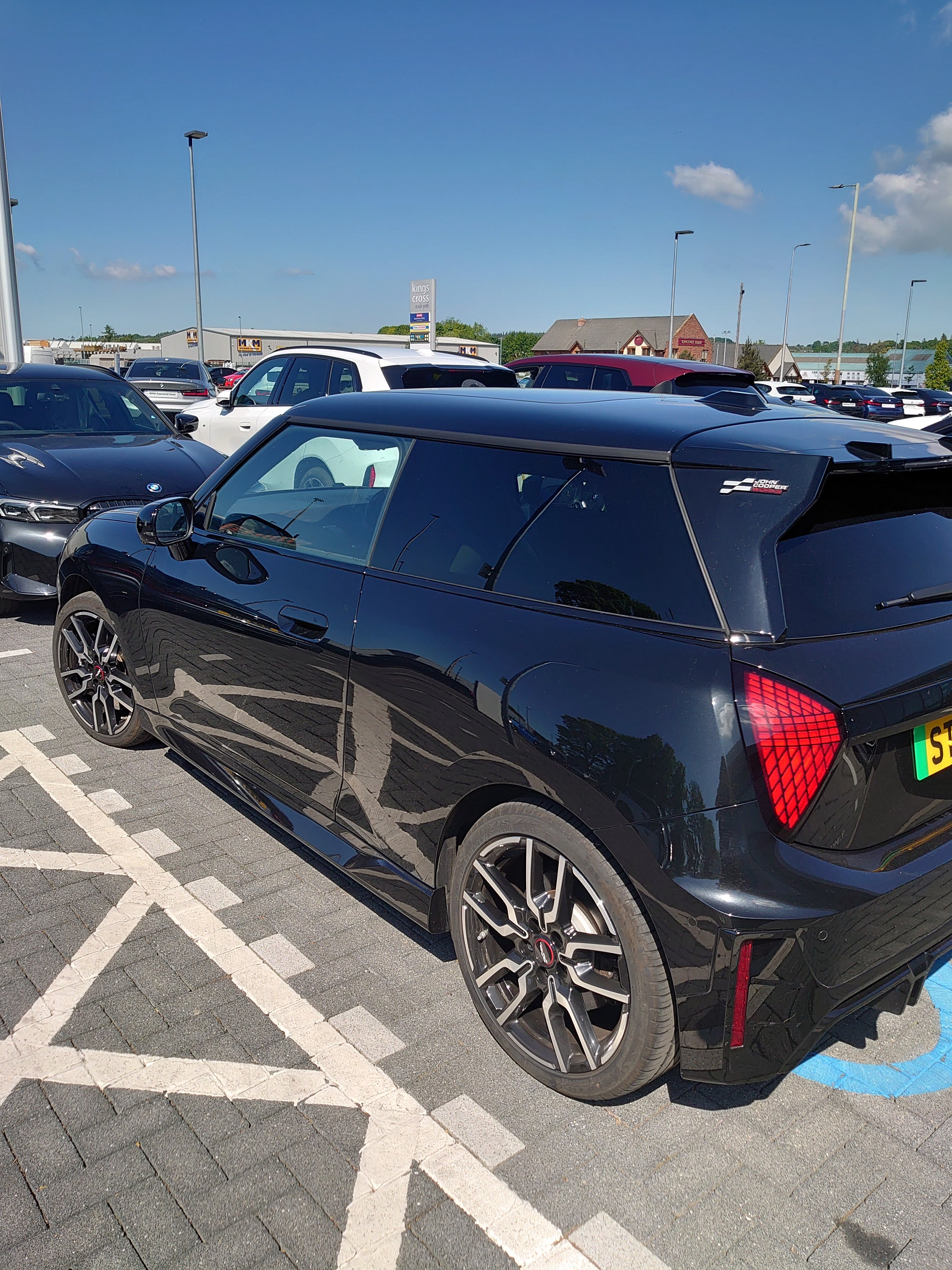
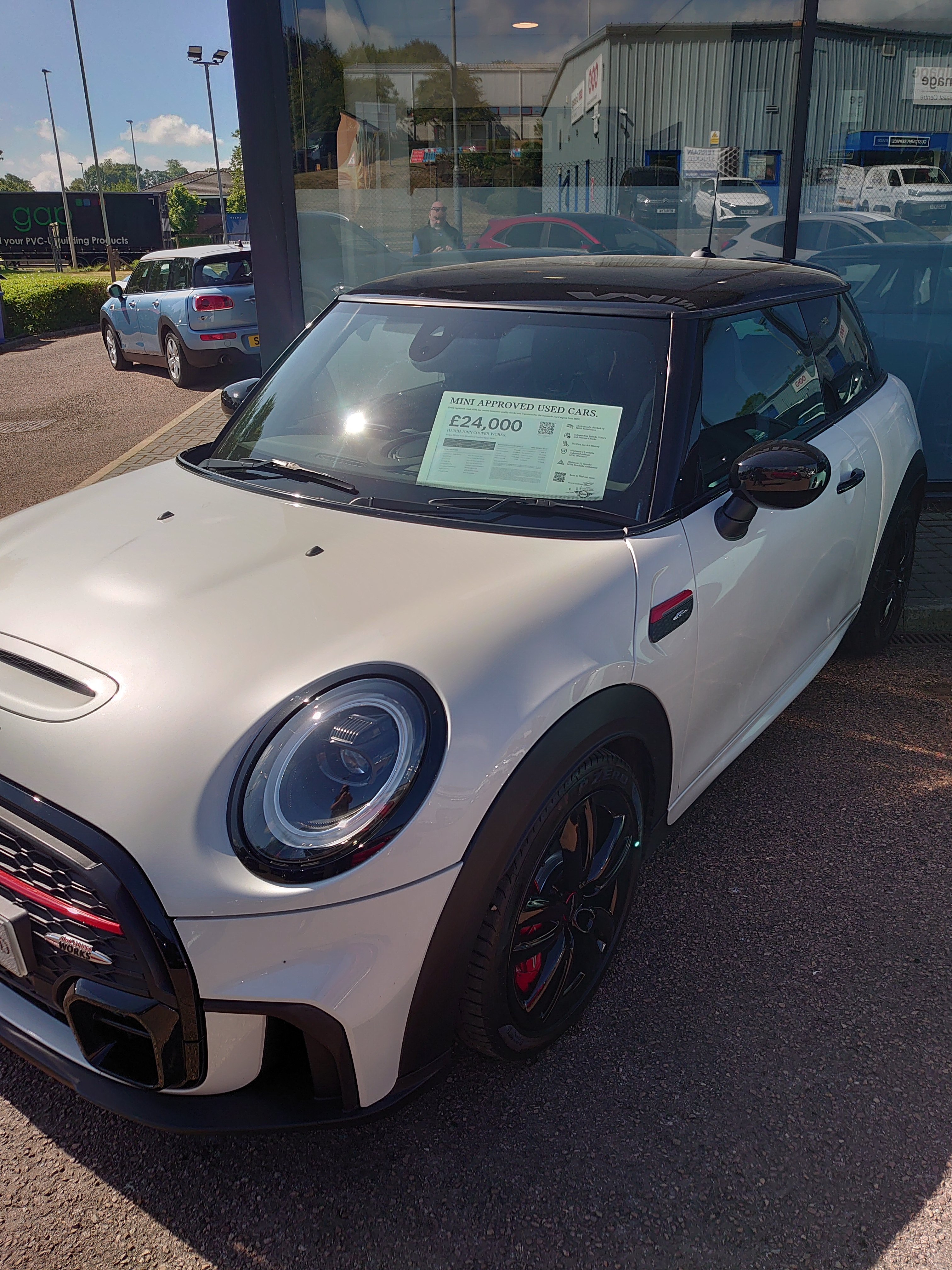
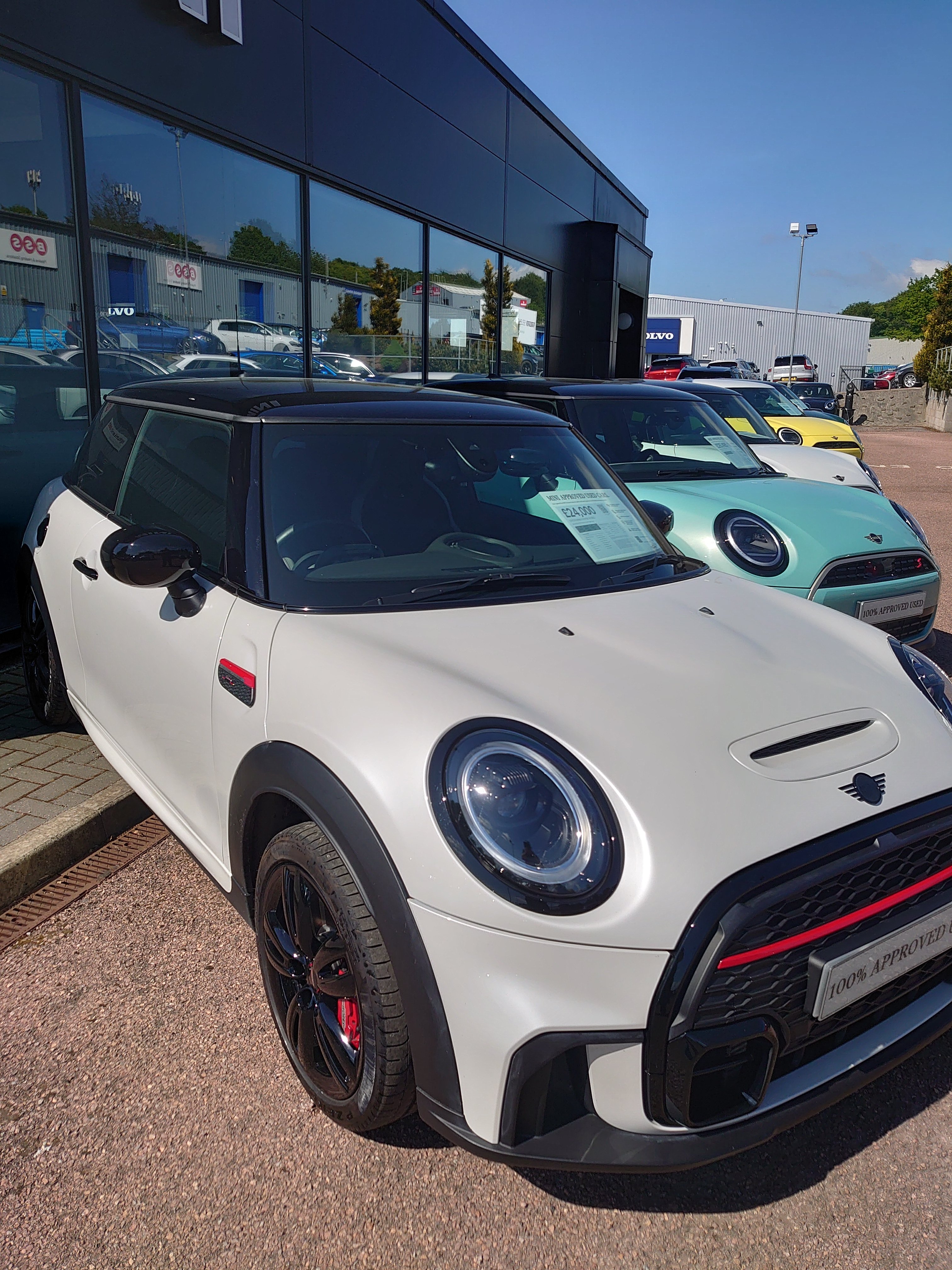
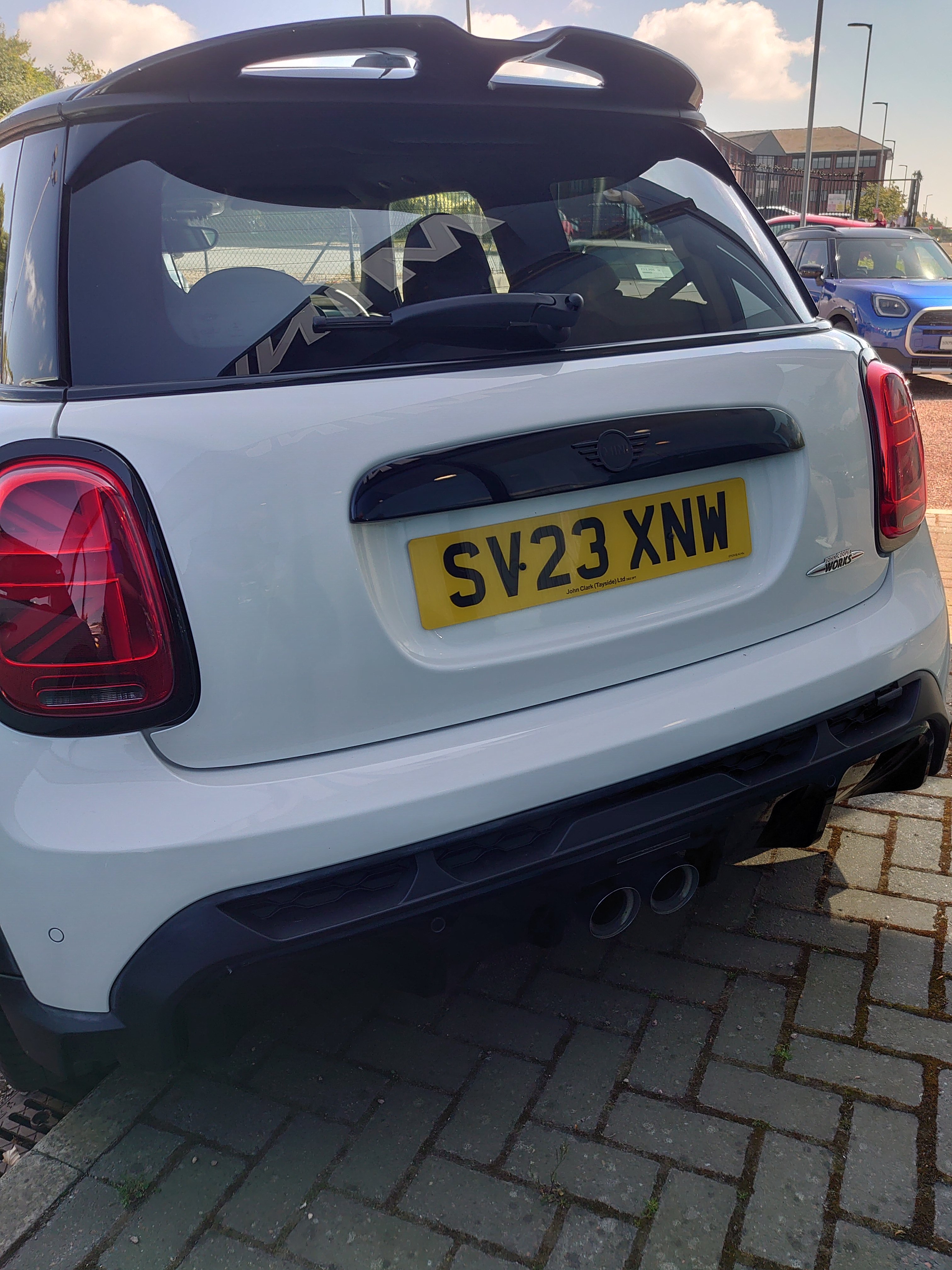
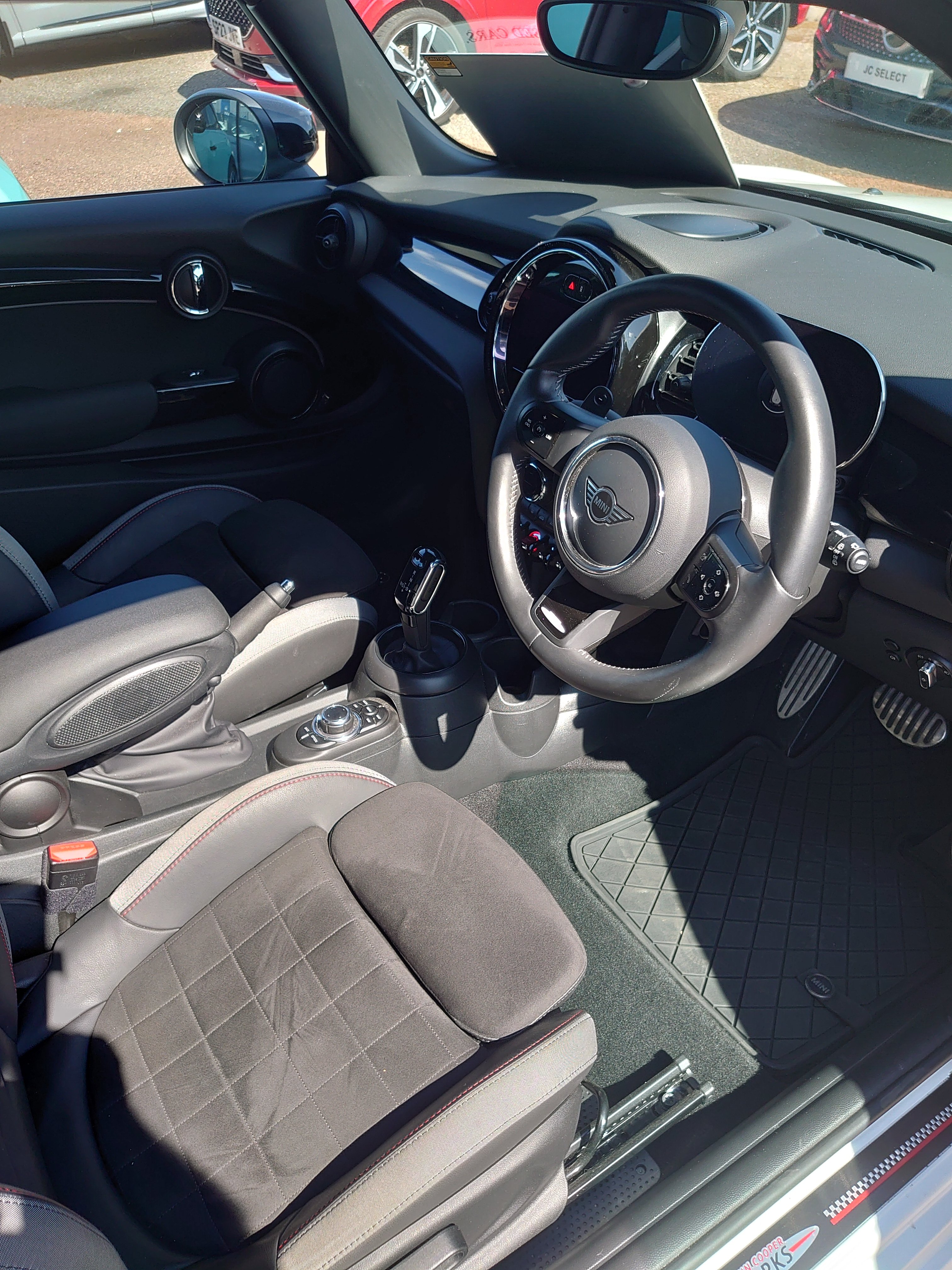
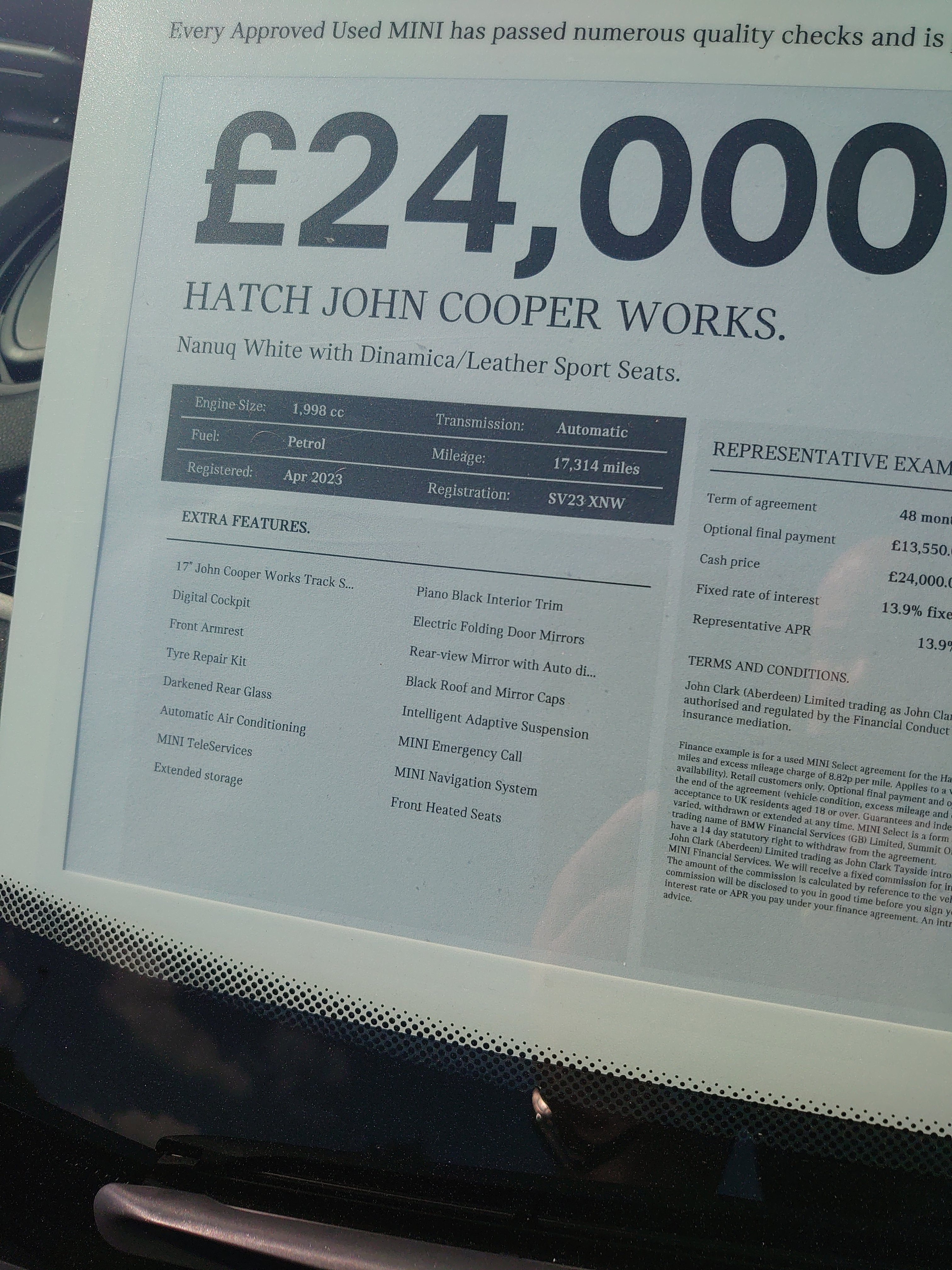
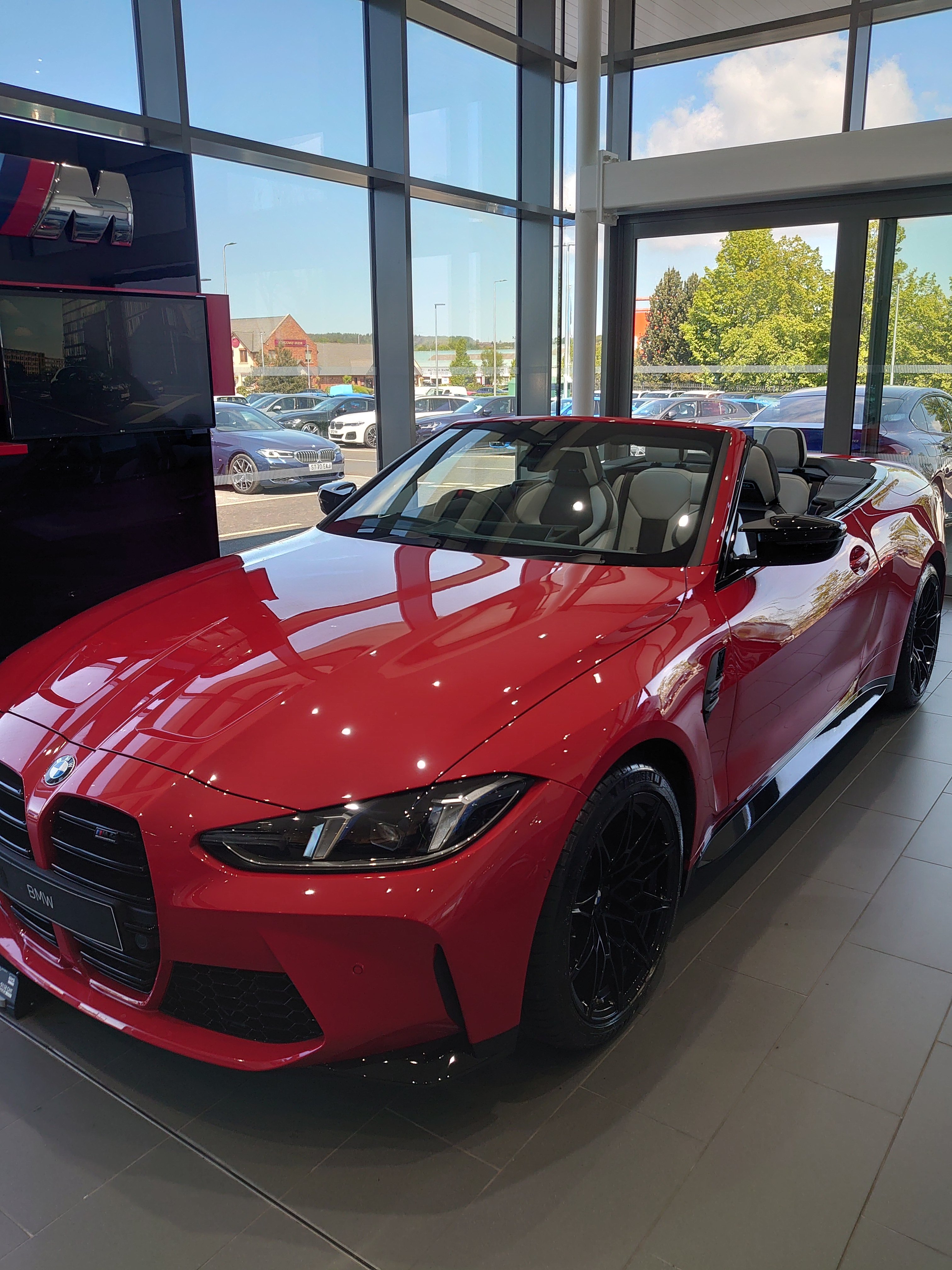
The MINI was coming in for a brake fluid and pollen filter change so I thought I might have a dynamic back road blast with everything off and see the efficiency in a warmish day. Also before taking a new Mini Electric out for a couple of hours. I can't get a roadtest of a JCW Mini as no dealers with a demonstrator. Anyway the New Cooper SE is just a pita as far as I am concerned. Took the used JCW petrol out instead as it is exactly what I want to buy next year. A 2023 model. Great to drive, but too hard suspension / tyres and the seats are too hard. I think it is a 5 door Cooper S from 2023 I will be buying instead of my BMW estate.
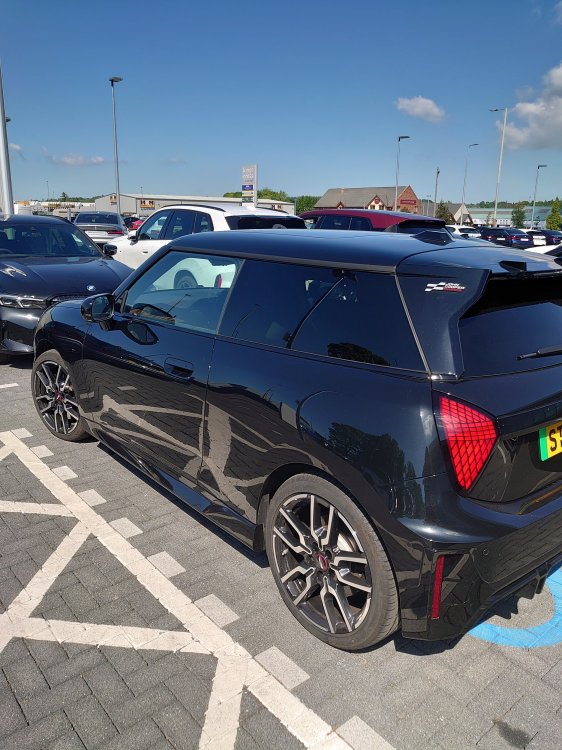
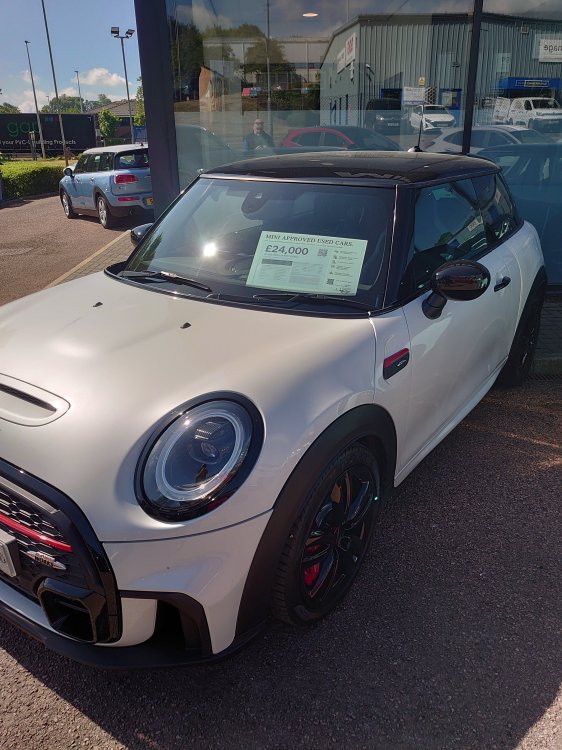
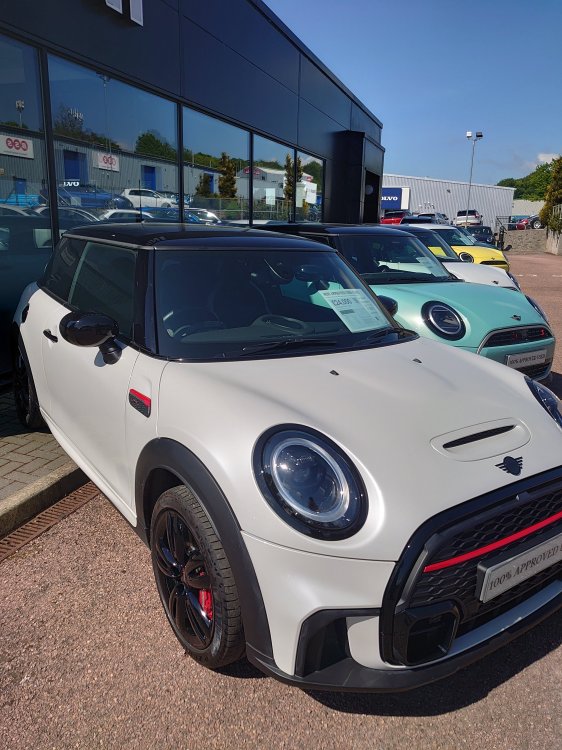
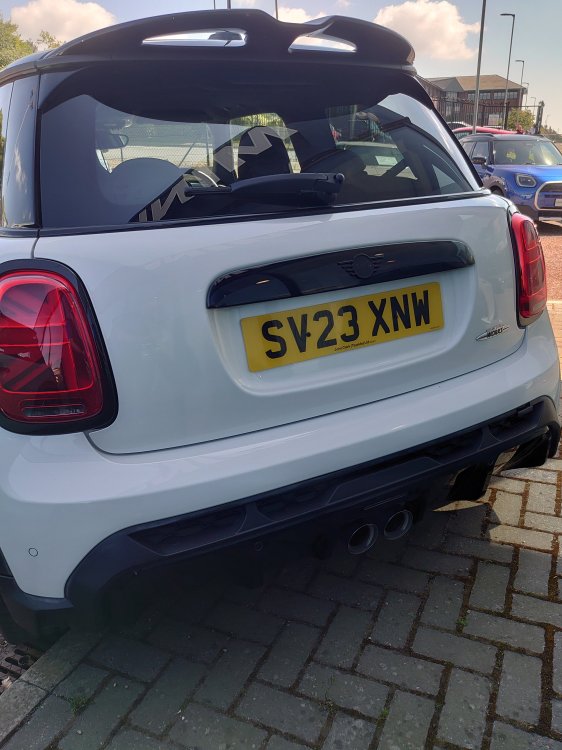
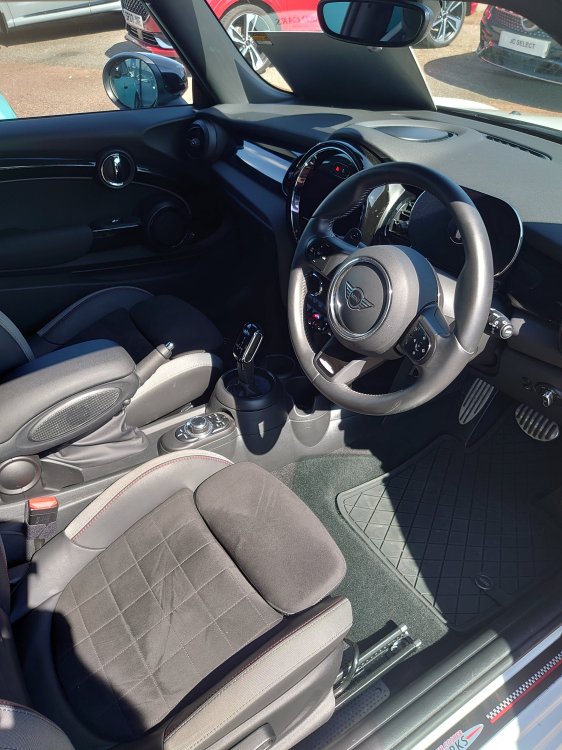
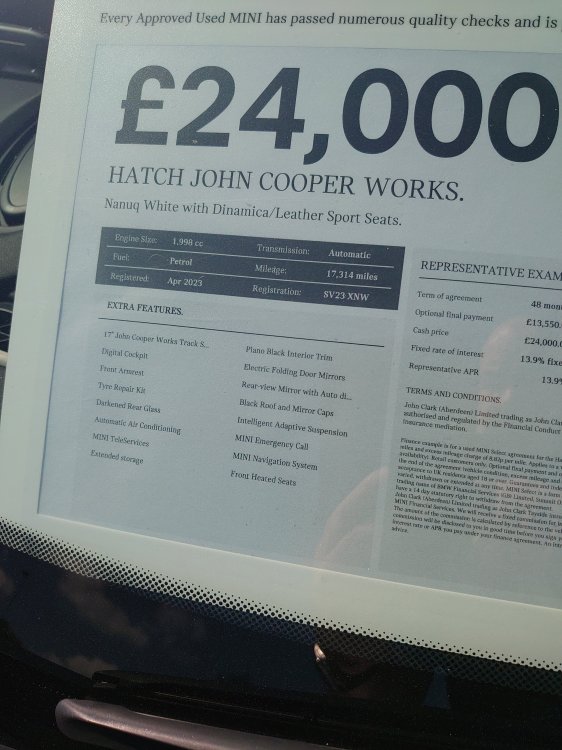 1 point
 -
1 point
-
1 pointmibsolution.one I think it was also mib.mibsolution.one but not sure. Check in the following days. Mibwiki.one is the wiki. This is already working.1 point
-
If you don't have Care Connect, and I've never paid £36 for it in the two years I've subscribed to it (1-Month free then paid something like £22 for first year on offer then resubscribed when it was on offer again after about 6 months and paid £20 for this current second year which only started this month), then you can ask your local dealership service desk to print out the service history and i've never been charged for that by any car dealership be it VAG or non-VAG.1 point
-
My mistake. It's a 2016 not a 2014. It's a MK 3.1 point
-
Cheers i'll give that a try instead..... I installed v1.31.56 a while ago but according to the email from Phonostar posted in the other radio logos thread elsewhere in the forum the next release is out today.1 point
-
1 pointCTEK are by far the best, used by just about all the large car collection guys and supplied as standard by the likes of Ferrari, McLaren etc. https://www.amazon.co.uk/CTEK-Battery-Automatic-Temperature-Compensation/dp/B00FC42HAA/ref=sr_1_4?crid=2EC15A9MXKUWT&dib=eyJ2IjoiMSJ9.s-FFMb2ZlvtlGyYKmQPTmtRfDPlhF-UQ266XDw2irrj9yU0iPFtmAFglHT-QhfKRX-P_tUuJ0YVwvqJDiTF-sGK1yUOFW6CsVzz409ZKS3T9HdcxBlmTgjpbcLo6Xyf7ZvgL0LCUJ_Tr71i7CcSUY3g80Hl_4JjaUYHR6A9FEtTZe-f5sPHMFiAtSSD8rE-m-etseX7KnU0Oie7tzJmZOgSTW53ZYsukynQuqhsh4W7BJKPbGSnjCaspQ0-NIpHPxxNCtxBjdUKKcKnq523uZ_tCZefSEX1yC0e13rZL0KY.wTotZJ_St3QKFBbrjwKKH3PpuvqH7AQ-Wm-BsvgN4qc&dib_tag=se&keywords=ctek&qid=1747819824&sprefix=ctek%2Caps%2C118&sr=8-4&th=1 I have the fully automated and APP controlled CTEK CS One. https://www.amazon.co.uk/CTEK-Maintenance-Technology-Compatible-Motorcycles/dp/B09KS9T7DG/ref=sr_1_8?crid=2EC15A9MXKUWT&dib=eyJ2IjoiMSJ9.s-FFMb2ZlvtlGyYKmQPTmtRfDPlhF-UQ266XDw2irrj9yU0iPFtmAFglHT-QhfKRX-P_tUuJ0YVwvqJDiTF-sGK1yUOFW6CsVzz409ZKS3T9HdcxBlmTgjpbcLo6Xyf7ZvgL0LCUJ_Tr71i7CcSUY3g80Hl_4JjaUYHR6A9FEtTZe-f5sPHMFiAtSSD8rE-m-etseX7KnU0Oie7tzJmZOgSTW53ZYsukynQuqhsh4W7BJKPbGSnjCaspQ0-NIpHPxxNCtxBjdUKKcKnq523uZ_tCZefSEX1yC0e13rZL0KY.wTotZJ_St3QKFBbrjwKKH3PpuvqH7AQ-Wm-BsvgN4qc&dib_tag=se&keywords=ctek&qid=1747819824&sprefix=ctek%2Caps%2C118&sr=8-8&ufe=app_do%3Aamzn1.fos.0fa28f01-6fca-4422-af4e-d52d5ad71bfe&th=11 point
-
Hi I have a 2011 Octavia 1.6 TDI and I've had mixed opinions on when I should next have the cam belt changed. It was last changed at 81800 miles in 09/20 (The water pump & auxiliary belt were also changed) The car is currently on 152,500 If anyone can offer any advice on the above it would be appreciated. Thanks1 point
-
1 pointThis kind of confusion easily happens. Key thing is keep it simple, only set one thing. But once problem is understood, it should be very reliable. To be clear, I'm not immune to charge point problems, my regular Indra unit also had problem not charging the car. Charge point connector had connection issues probably due to me stretching the cable to reach Leaf to do cell balancing. It was promptly replaced under warranty. But during problematic times, if I know I must put energy into the car for the next day, I'd revert to granny charger. My point is that the charging location (home) is 100% reliable, there are many things can be done to manage known failures when at home. So arriving 0% is no problem.1 point
-
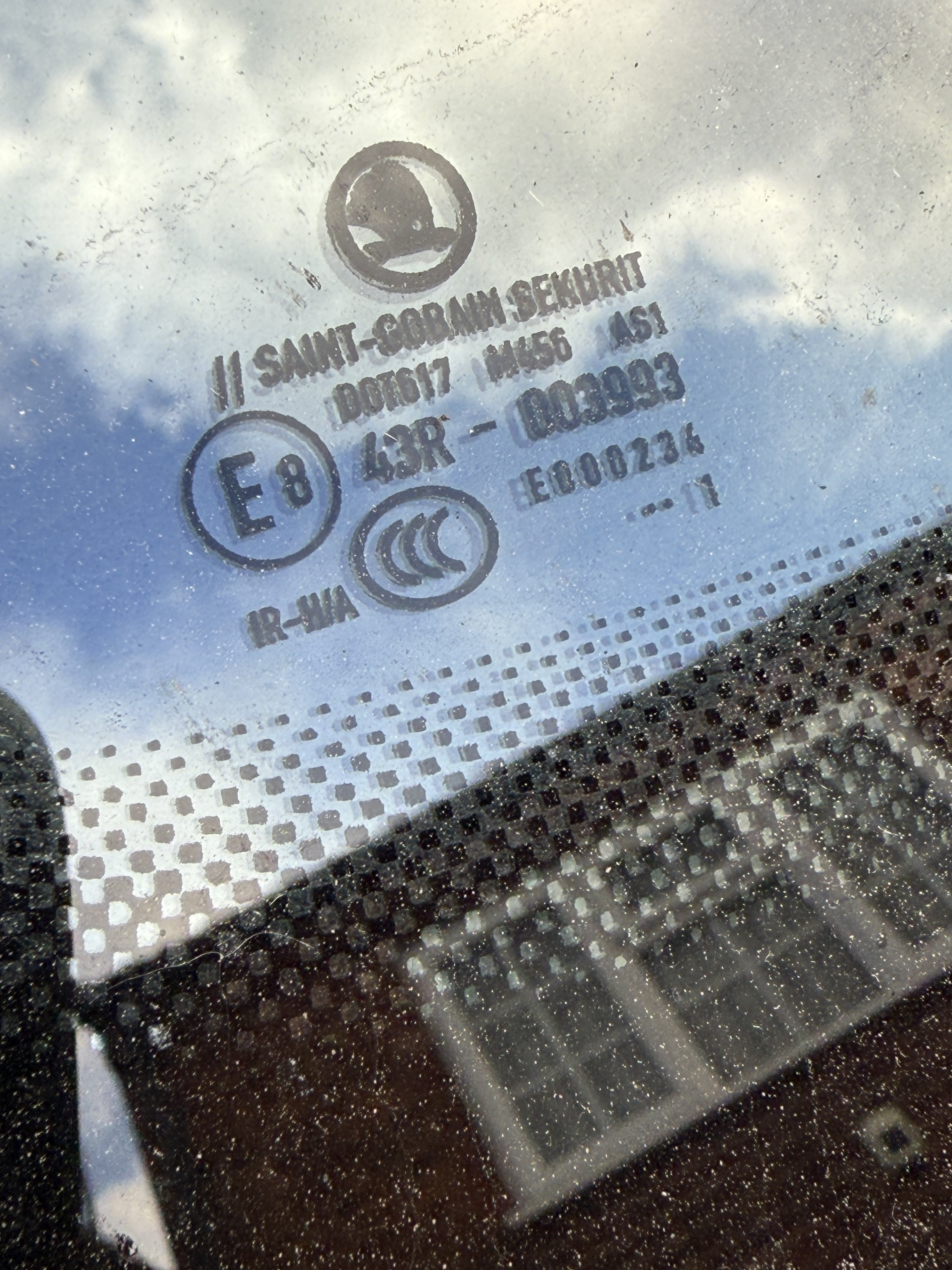
1 point1 point1 pointFollow-up post: Got the engine (DSHA, Skoda Rapid NA India) filled up with Castrol EDGE Eurocar 0W-20 ACEA C5. This was done after flushing the engine first with Castrol Engine Shampoo (essentially an engine flush chemical) and then filling the new oil. Earlier oil in the vehicle was VW 502 (5W-40). Initial few 100 Kms feedback: Engine sounds refined (surprisingly). It takes less time to reach normal RPM (980) during a cold-start. The cranking time is notably lesser (many milliseconds less). Throttle inputs are more responsive than earlier. Vehicle is running more smooth. At idle after warm-up, the vehicle is notably silent; in fact at times it is difficult to realize that the vehicle is ON. I am not sure how could 0W-20 brings the above improvements over 5W-40 when I was always wary of NVH increase due to this change. It could be because the engine is tuned to use 0W-20 only. Will update long-term feedback here as it comes by. Cheers,1 pointAgreed, but since the digital info isn't free (and presumably unlikely to become so), the piece of paper at each service is my solution. Might as well have kept the service books!1 pointThe screen fault isn't a fault, it's showing where the fault is by highlighting the engine/gearbox shape. A degradation in the battery could be the cause, you won't know until you get it checked. When you say failed stop/start is it always activated, what happens if it's turned off does the fault still appear?1 pointI think that Warrior193 has it right. You are lucky that the battery has lasted this long - they are very life-limited in modern cars. Change the battery and there is every chance that your problems will disappear.1 pointHello @WaveyDavey , Just use a VW part no instead, e.g. 5H0035816 . The below link is the result of the archive that must be used for upgrade: https://www.phonostar.de/download/vw/MQB3_LGe_Europe_v1.31.56.zip Cheers1 pointEML lit will definitely inhibit auto stop-start. You will need to read any DTCs recorded. The fault description for stop-start inhibition when battery SOC is low is usually 'Load too high'1 point1 pointIf you’ve got OE discs then expect it, I replaced mine with brembo coated discs and OE pads but wish I went with ATE ceramics as that’s what I’ll be going with for the fronts Had my rears replaced years ago and been fine, I hardly drive my car but rear discs still look good1 point1 pointSeems easy enough for even someone not that bright. You would behave differently. Like with a petrol or diesels. You would put in energy / fuel before getting home. No point rolling up to your home in the ICE vehicle with 10 miles range in the nearest fuel station is 15 miles from you. There are people that do live 15 miles or more from fuel stations or ones not 24 hours. PS. Yes Public Chargers can be Russian Roulette. In my case it is the Council Chargers near that can be crap. 1/4 of a mile away at the Gulf Filling station there is the very very reliable but expensive InstaVolt charger i have only tried out but not used since. It is a location location location thing really for drivers, and head for thinking and feet for dancing.1 pointThis is my 2022 Heated L&K Screen stamp........I think the 'A61' is the heated code......
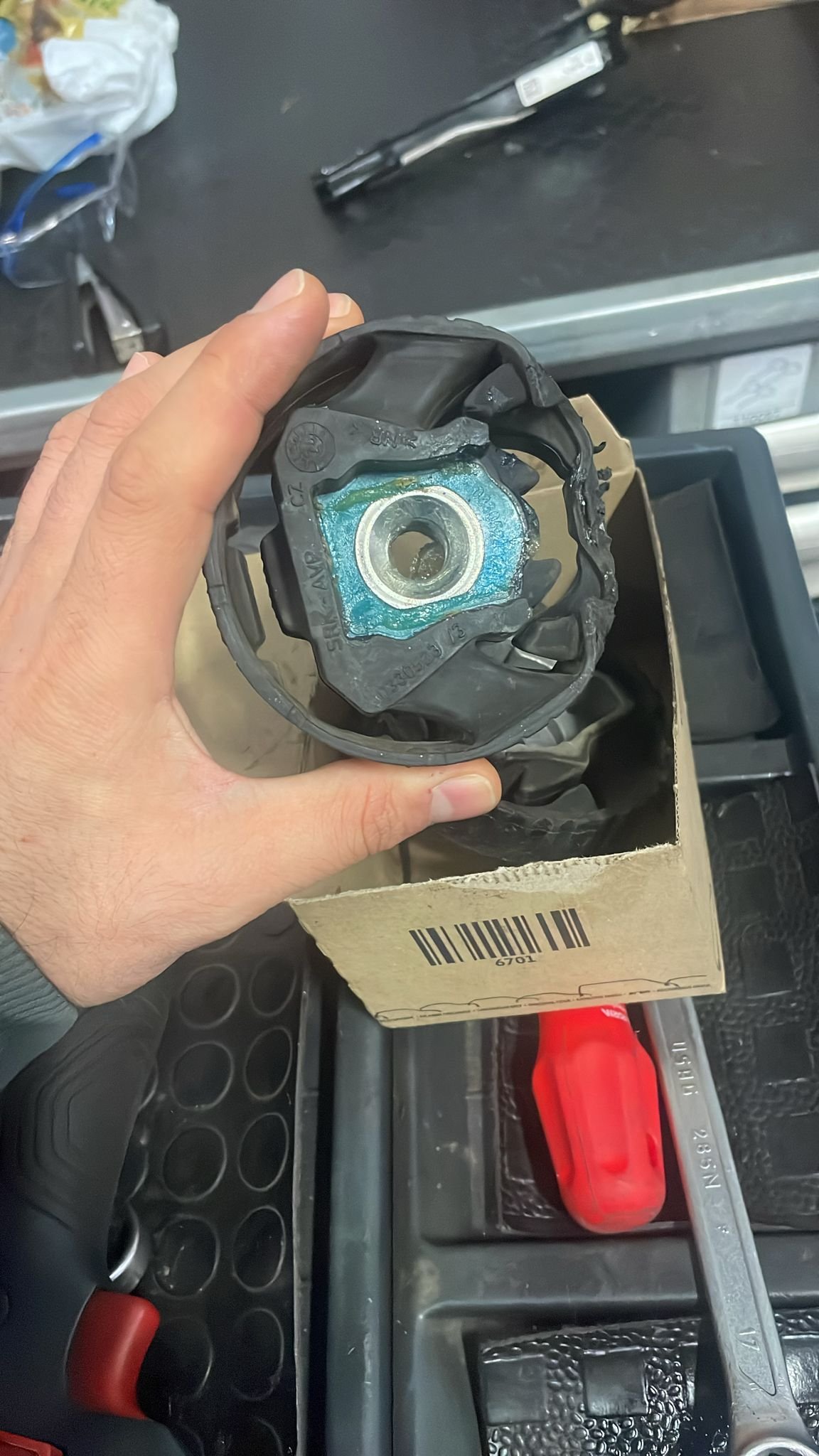
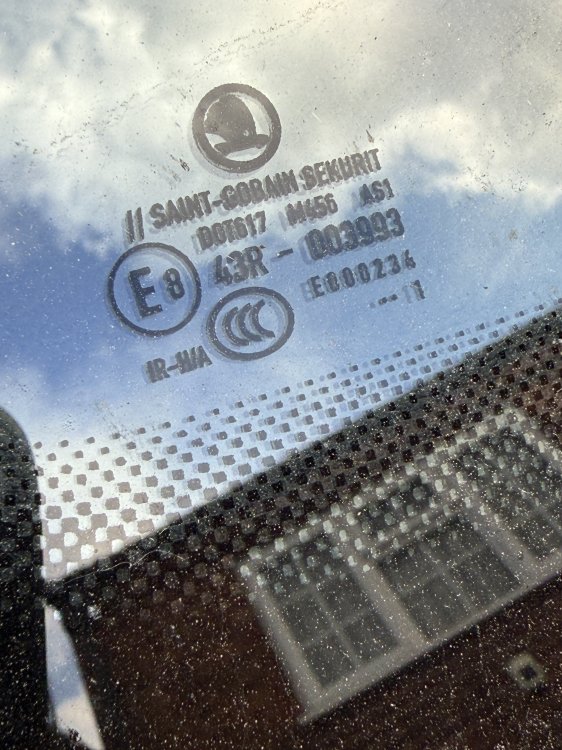 1 pointNot looking at anything in particular, just a figure of speech. Maybe it is an engineer thing, I don't know but as an electrical engineer, who knows? But as an electrical engineer we were always taught to double-check everything personally as electricity doesn't normally give you a second chance, so if someone tells you that the power is off etc, you should always verify it for yourself before proceeding. One occasion I failed to do that, and my apprentice told me that he had personally pulled the fuse I cut the cable only to see a blinding flash and my wire cutters were gone, jolly glad I had a decent pair with thick insulation on the handles. He had pulled the wrong fuse and ever since then I have always double-checked everything whenever possible and that includes Bloggers / Vloggers and also the main stream media as well to see if I can get some sort of verification.1 point1 pointmore info about your 3Q0 511 115 AJ ?WD ?hatch ?wagon part numbers from mine: 3Q0 511 115 AK 220ps FWD hatch 3Q0 511 115 AL 280ps AWD hatch first were replaced by Eibach Pro F11-79-008-01-HA -> https://www.briskoda.net/forums/topic/485647-bilstein-b6-dcc-shock-absorbers-available-at-last/page/3/#findComment-5625462 second got Eibach Pro F11-79-013-01-RA -> https://www.briskoda.net/forums/topic/510961-2023-280ps-lk-replaced-2016-220ps-style/page/3/#findComment-58541601 point1 pointI believe that Skoda have deleted the inserts, on recent cars, probably due to owners removing them and buying the wheel nut and centre caps. I have kept mine on, just to be awkward!😂1 point1 pointComing to the conclusion that it's the steering rack. There's not a lot of play felt when stationary but the car is fidgety at speed and it tracks around the road quite a bit if there are cambers or undulating. A new one looks like £800+ Does anyone have any experience with second hand or refurbed ones?1 pointMight be a low-mileage irregularly used car and/or without a full and proper (by modern standards) timely service and maintenance (and repairs) history. Modern internal combustion engines aren't best suited to modern city/town driving use. Then again, so many variables, that will hopefully be ascertained on Kodiaq Mk1 forum.1 pointWelcome. A mod can move the thread. Looks like plenty condensation coming out, but maybe plenty H20 pooling in the silencer. (Is it cold down in London??) It could be mistaken for running on hydrogen and the only emissions being water. But looking at the tail pipe maybe it runs pretty rich. Best see a mechanic or if needs must a technician / fitter at a dealership. I would avoid the later.1 pointI'm assuming you are talking about a wall mounted home charger here. Any Type 2 wall mounted charger is compatible with the Elroq, it is the charging standard almost all manufacturers now use for AC charging. As to whether a particular charger is 'compatible' with an energy supplier, again all are electronically compatible and will work with regards to charging your car. The stumbling block can be when you want to use a clever tariff which controls when your car charges and your chosen charger does not talk to that supplier. This is fine normally as the car may be able to talk to the supplier. My advice would be to think about your tariff first to determine your preferred supplier and the tariff you'd like to be on. It is safe to assume the Elroq will work with all suppliers. See if the chosen tariff talks to the car or if it needs a specific charger(s) to work.1 pointThere was also an issue with the mount at the connection point between the traverse and the transmission. It was letting in water and making noise when wet. After replacing this part, the problem was resolved.
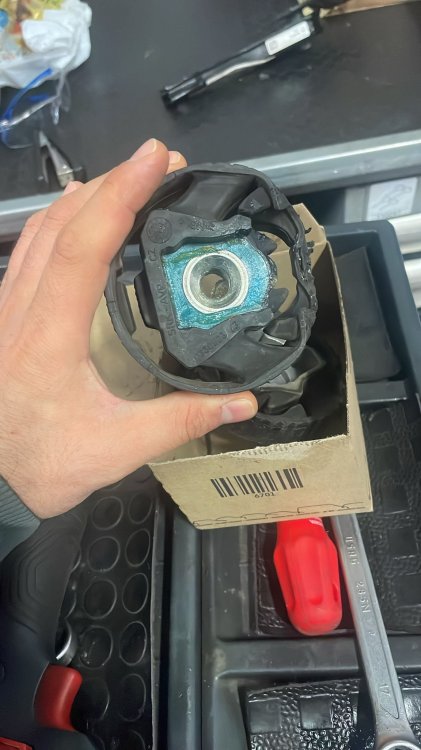 1 point







.thumb.jpg.4829fdb196b87494d6787f40449b7580.jpg)












Important Information
Welcome to BRISKODA. Please note the following important links Terms of Use. We have a comprehensive Privacy Policy. We have placed cookies on your device to help make this website better. You can adjust your cookie settings, otherwise we'll assume you're okay to continue.