Leaderboard
-
Lady Elanore
FREEDOM9Points25,083Posts -
classic
FREEDOM8Points1,201Posts -
skomaz
FREEDOM7Points11,413Posts -
Graham Butcher
FREEDOM7Points6,934Posts




Popular Content
Showing content with the highest reputation on 31/10/25 in all areas
-
4 pointsI would say the pi55 poor adoption is as much to do with the constant misinformation poured into people’s social media and propagated by people such as your good self. The tide is slowly turning as people talk to their relatives, friends and neighbours that already have EVs in real life and see what the reality is. As for the politicians, I don’t think they’re that thick but they are just playing for votes. If people protest and write to their MPs then they might act. If not, they won’t. In terms of public rapid charging prices, I think the price is now set and includes 20% vat. The government will just ramp up petrol and diesel tax, the oil companies will charge more as they sell less and the price will go up until today’s apparently high EV public charging prices actually look reasonable. It’s a giant sh£t sandwich Graham and we’re all going to have to take a bite.4 points
-
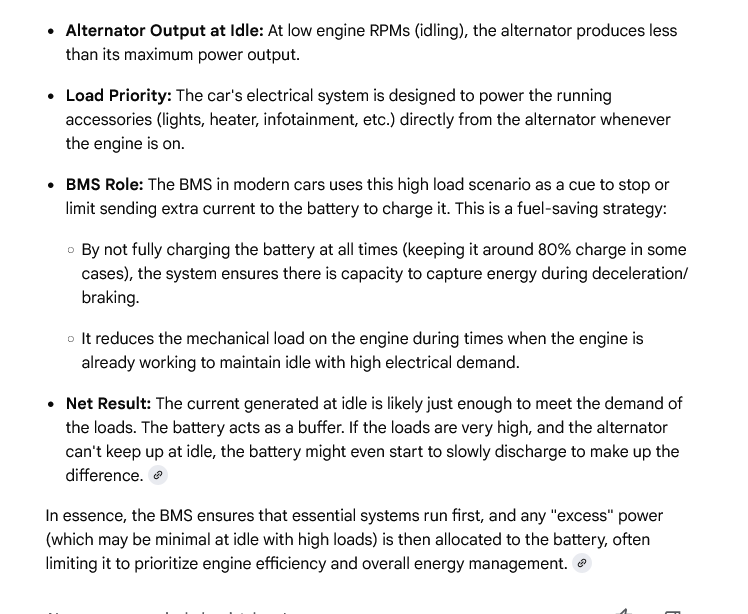
Dropping to 10.6v whilst cranking is not necessarily a sign of a bad battery,but it's getting close . The bounce back to 13.3v then dropping to 12.1v could be a sign that everything is working as normal because initially after the cranking the alternator responds to put it back. Once idling it then depends upon what you have switched on in the car Lights/heater etc. Once thee engine is running the BMS starts it's process off running the car and slowly replenishing the battery How it works from our good friends at AI In essence a car that does mainly short trips, especially in colder weather could require maintenance charging each week.
 3 points
 -
3 pointsSaid people, that would like to move to EV but can’t, should be telling the politicians that instead of saying “I’ll stick to ICE this doesn’t work for me.” My back of an envelope calculations are that using expensive rapid chargers equates to around 20p per mile (Superb 1.5 petrol cost 15p per mile) , someone better at maths can do it accurately, but I reckon that is around 30mpg ish equivalent for my car averaging 3.5 miles per kWh. That being the case it wouldn’t take much to bring public rapid pricing down on parity with petrol and diesel.3 points
-
2 pointsA good friend tows a large caravan with his Volvo XC40 EV (now renamed EX40 by Volvo) and doesn't have too many problems charging - but does comment on how few places have chargers that can be used without unhitching the caravan.2 points
-
2 pointsWell then, best write to your fire department to voice your concerns and encourage them to work on solutions. Holistically, from birth to grave, EV are better for the planet compared to ICE vehicles. Proof of this had been posted many times years ago, it would be even better for EV now as the grid is cleaner now. I think last part answers the why so little EV question. There just isn’t many cheap runabouts yet. I saw an Citreon C1 the other day and I was saying to my wife, that looks perfect replacement for her Leaf. But alas, no EV version. Come to think of it, the perception that EV are expensive is perpetuated by other manufacturer not willing to bring out cars like Dacia Springs to replace their local ICE runabouts.2 points
-
2 pointsBut who wants to support Elon Musk? - not me nor many other people!!! My son-in-law used to have a Tesla as a company car, when he first got it several years ago people commented how lovely it was but last month someone walking past said to him"shame about the car" in a negative way! Elon Musk has done more to damage the reputation of Tesla than almost any other person, possible not including "the orange one"?2 points
-
2 pointsIs it under warranty? Many years ago I had the battery fail on an 18-month-old Passat. Got it to the dealer by jump-starting it, and they replaced the battery for free. So they can fail early if there was some manufacturing fault.2 points
-
2 points£8 credit from Octopus for the 3 hours of free electricity a few days ago and another £3 for the hour of free just before that. Nearly £500 in credit so well good for the winter ahead. See what deals there will be for Black Friday which seems to last most of November now and another solar generator on the agenda i think. Need to get one that can charge the EVs. Renault 5 has vehicle to load but have to get the adapter as not included in the 40 kwh version I am getting. Budget month too !!2 points
-
2 pointsHalloween / Groundhog day. This week my 60 mile return trip are using 18 kWh of home charging. 7 hours charge on the 3 pin plug gets me 15 kWh @ 6.7 pence and then 3 kW@ 28.19 pence.(To be back to 100%) £1 and 84 pence. If i do not need or want back up to 100% i can just charge over 2 nights, so 18 x 6.7 pence £1.20. ............................. If i go away with 50 kW of home charging @ get 175 miles that is £3.35 Charging back to 100% @ 50 pence a kWh is £25 near enough. So £3.35 & £25 = £28.35 for 350 miles. Or at 75 pence a kwh. £37.50 approx.= £40.85 If running an ICE getting 45 mpg @ 135 a litre. £6.14 a gallon is 7.7 gallons. £47.50 ish.2 points
-
2 pointsRapid charging @79p would be £471 so obviously the worlds not ready yet. But no-one is saying it is.2 points
-
2 points@classic That is pretty impressive, but at the same time, was also predictable as well. As long as you can charge at home, and complete all your journeys on the single home charge and your overnight charge provides sufficient power for the next day. A more compelling test would be one where you cannot do home charging, and you then have to rely solely on the public charging infrastructure, which, sadly, is the true situation for millions of car owners across the UK. I suspect, judging from reports that I have seen, the cost of doing so is higher, and is not going to endear itself to more potential EV owners. There may be lots of people out there who would love to sport their green badge of honour and say that they are doing their bit towards Net Zero and climate change, but simply cannot afford to do so. That financial burden is highly likely to increase substantially in the forth coming budget. If they can get the costs down to parity with an ICE or preferably significantly lower, then we might see a large uptake of EVs.2 points
-
2 pointsHi all, my Yeti was born 11 years ago and I have had her since new. She is the only Corrida Red Yeti Outdoor in Australia, as this color was deleted in Australia when the Yeti was facelifted, but my dealer was able to get as a special order. I have often visited Briskoda and I surprised myself today when I discovered that I wasn't a member.2 points
-
1 point
-
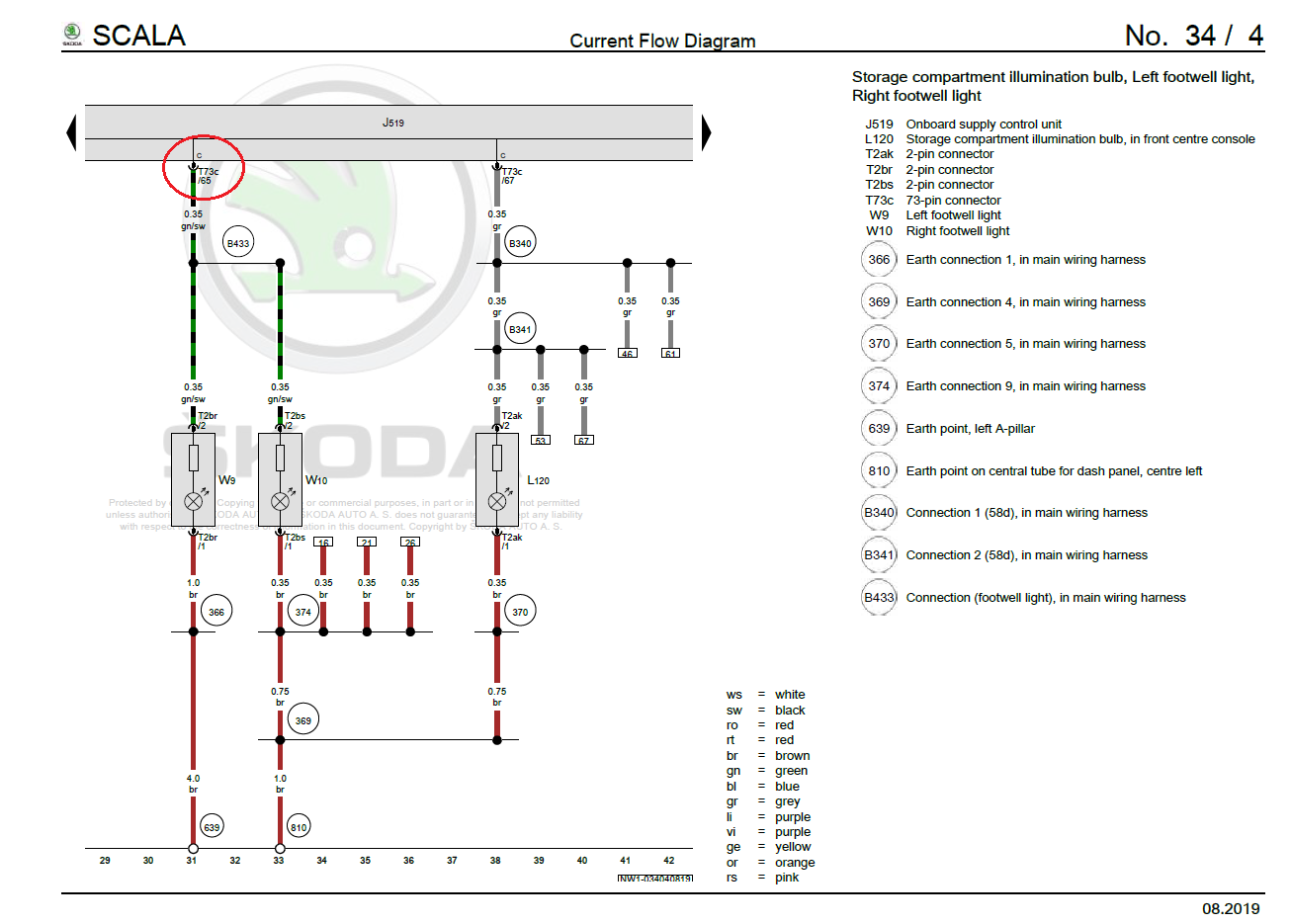
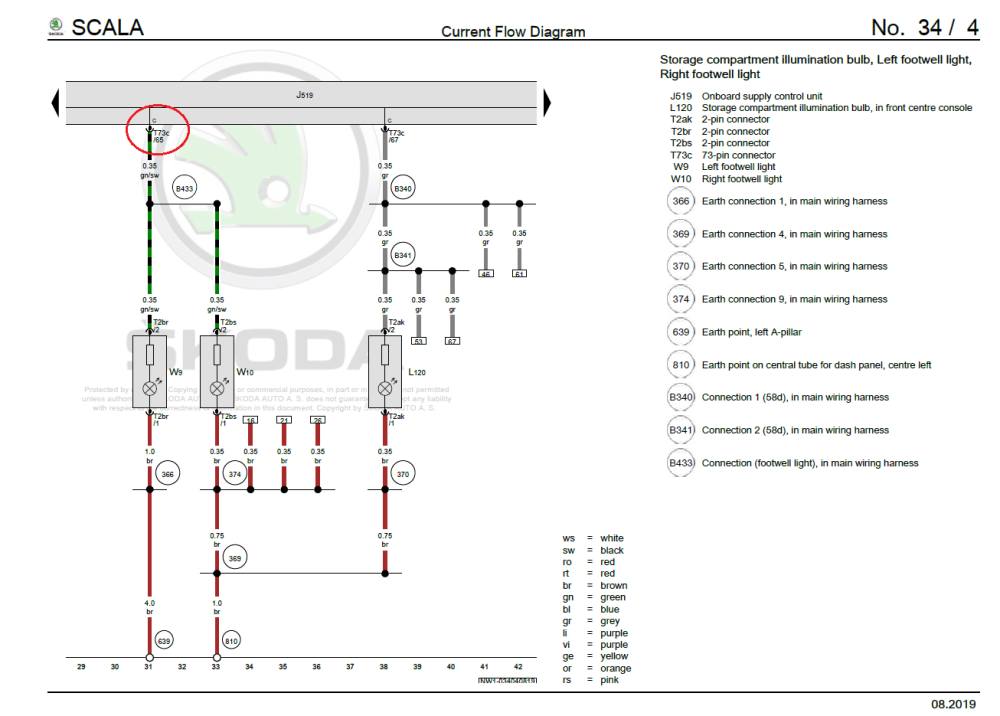
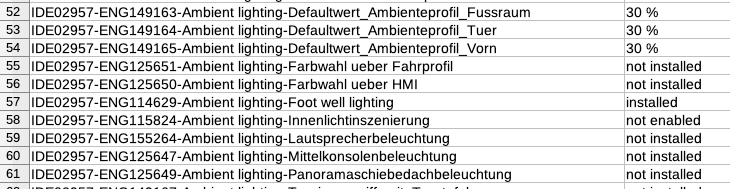
1 pointHi, Have anyone retrofitted footwell leds to they'r Scalas ? Im looking for confirmation that I am reading this chart correctly : Do I hook up positive wire to "T73c" connectors pin "65" ? I got a set of 4 lights and harness from Aliexpress and also couple different brackets to try if I could also install these under front seats so they illuminate in the back aswell. And also does anyone know correct way to code these to work properly (Im using OBDEleven) ?
 1 point
 -
Is it 20 posts? @robinio pop back to the hellos section and say hi to a few fellow members. That’ll help get your count up to unlock the private messaging feature. The requirement is there to help reduce the impact of spammers.1 point
-
The current requirement to have posted 20 times before outbound personal messaging becomes available to new members is a bit of an obstacle in this situation.1 point
-
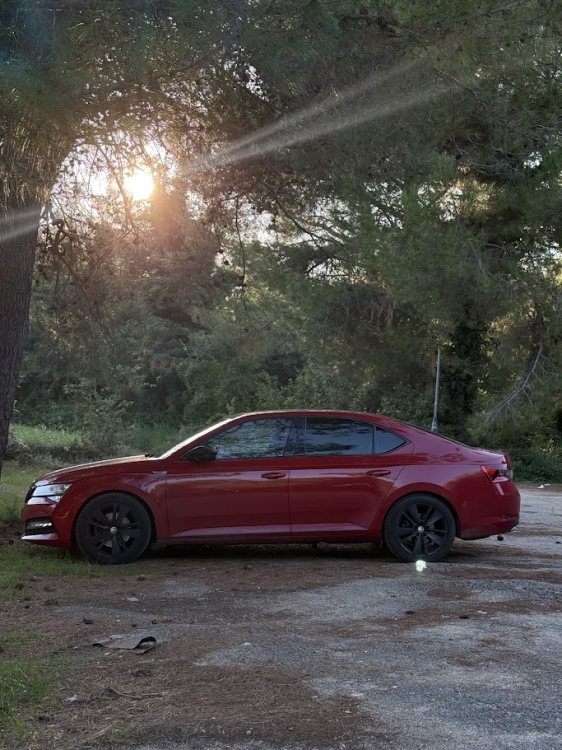
1 pointHello! I'm Peter from Wrocław. I'm driving VAG cars from almost 10 years - after Yeti now it's time for Superb. If You need help with VCDS/VCP/OBD11/ODIS - feel free to ask :)
 1 point
 -
1 pointI have just changed the front disks and pads on my 2018 1.5 manual Karok. The off side caliper frame slipped and broke the plug/socket that connects to the wear indicator on the pads and indicated " check brake pads" on the infotainment screen. Contrary to my thinking the wear indicator on the pad is 0 ohms until worn and then would change to open circuit. I consider wear indicators a complete waste of time as if the pads are worn a virual check is all thats needed. As a consequence I short circuited the wear indicator wires in the socket and the error message has cleared. Perhaps the person who changed the brakes had similar misfortune!1 point
-
1 pointMore likely they're skint - I think Greece has the oldest car fleet in Europe and the lowest EV sales (about 2% IIRC) as well as one of the lowest sales figures for 'premium' marques1 point
-
1 point
-
1 point
-
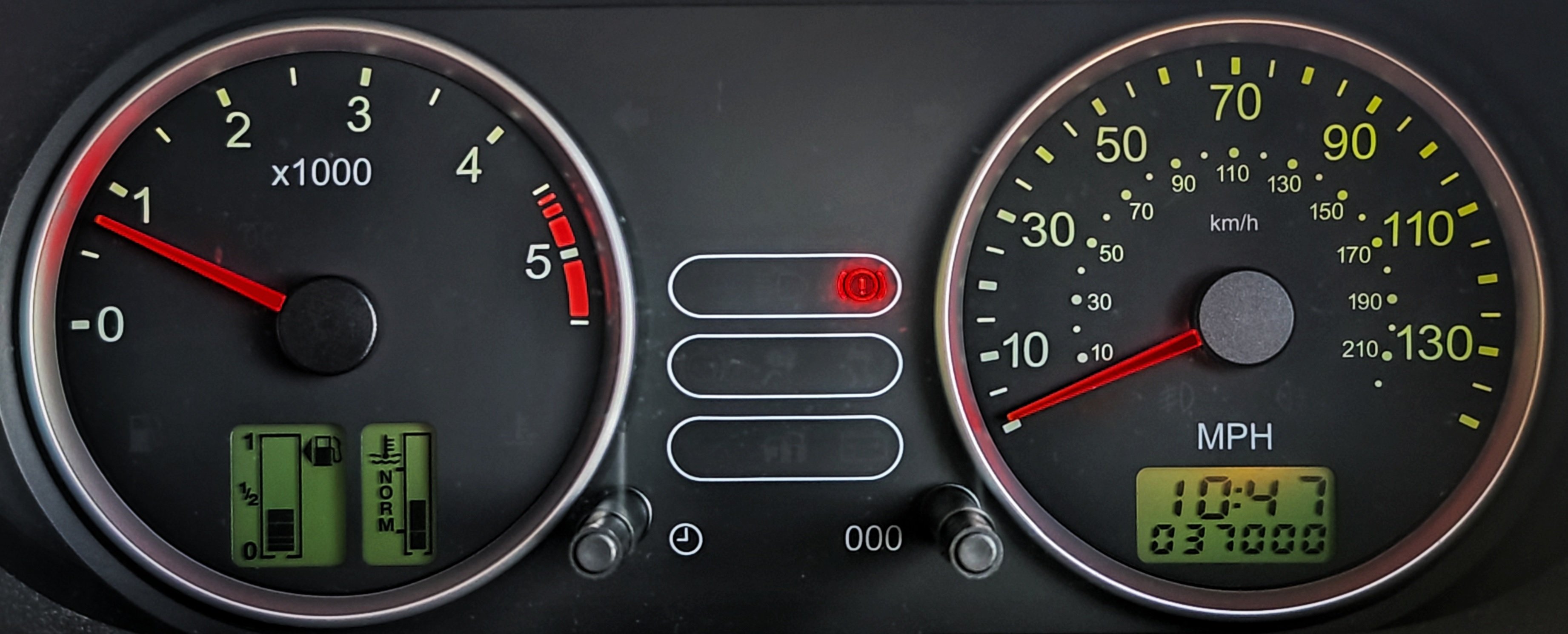
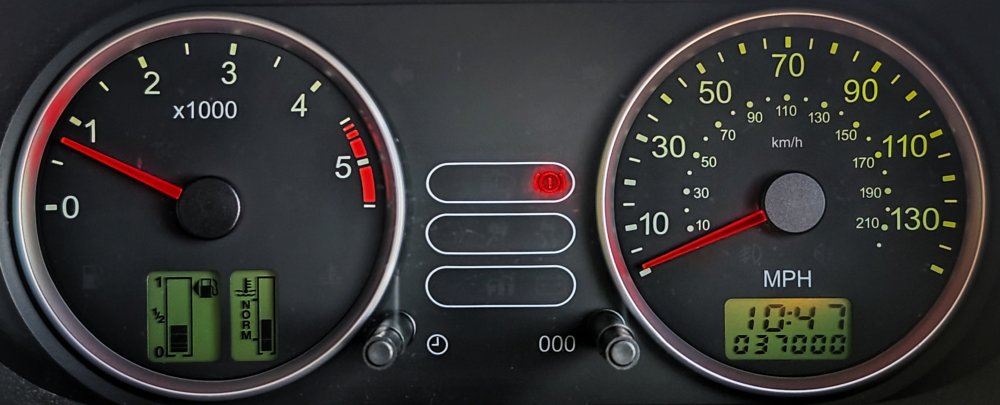
Just catching up on the thread here and noticed this from and of last year and had the wee Ford out a couple of days in the last week and it's now his 37,800 miles LOL Going to have to push to get it to 38K by end of year now!
 1 point
 -
1 pointFirstly, check your PMs for download links. Secondly, how many times it must be repeated that: None official firmware update activates new features, e.g. SmartLink It's NOT possible to upgrade from 02xx to any other soft than 02xx, from 03xx to any other than 03xx and from 04xx to any other than 04xx without patching unit first. To patch the unit you can use MIB STD2 Toolbox. Units with OEM navigation (two SD slots) can be patched from SD. Units without OEM navigation (single SD slot) can NOT be patched from SD, they must be reworked on bench as some files must be manually replaced in EMMC. To use MIB STD2 Toolbox you also have to enable developer mode in adaptations. to upgrade from 02xdx to 03xx or 04xx, or from 03xx to 04xx, you MUST modify metainfo2.txt And pls, don't ask me how to use MIB STD2 Toolbox or how to modify metainfo2.txt - I give you a fishing rod, not a fish, you have to use your brains (and Google...)1 point
-
1 pointI never said that they were insurmountable, but currently there is NOT a viable solution if the battery does go into thermal runaway, all they do now is allow it to burn itself out, then tackle the remaining fire. Meanwhile, releasing the following gases, some of which are fatal if inhaled or come into contact with skin. The source for evidence is here Review of gas emissions from lithium-ion battery thermal runaway failure — Considering toxic and flammable compounds - ScienceDirect Oh and also for the record this report also states that LFP is even more toxic in the event of a thermal runaway then NMC batteries, this is an extract from the Conclusion in the linked to documentation "While NMC batteries release more gas than LFP, LFP batteries are significantly more toxic than NMC ones in absolute terms." Table 2. Common LIB off-gas components, hazards and exposure limits. Substance Hazarda Exposure Limit, 8 h (mg/m3 )b Exposure Limit, 15 min (mg/m3 )b Carbon dioxide, Cause headaches, dizziness, confusion, loss of consciousness, and asphyxiation at high concentrations [52]. 9150 27 400 Carbon monoxide, CO Toxic if inhaled, may damage the unborn child, causes damage to organs through prolonged or repeated exposure and is an extremely flammable gas. 23 117 Hydrogen, H Extremely flammable. See noted Hydrocarbons Flammable. See noted Hydrogen fluoride, HF Fatal if swallowed, is fatal in contact with skin, is fatal if inhaled and causes severe skin burns and eye damage. 1.5 2.5 Hydrogen chloride, HCl Severe skin burns and eye damage, is toxic if inhaled, may damage fertility or the unborn child, causes serious eye damage, may cause damage to organs through prolonged or repeated exposure, may be corrosive to metals, may cause respiratory irritation and contains gas under pressure and may explode if heated. 2 8 Hydrogen cyanide, HCN Fatal if swallowed, is fatal in contact with skin, is fatal if inhaled, causes damage to organs through prolonged or repeated exposure, is very toxic to aquatic life (with long lasting effects) and is an extremely flammable liquid and vapour. 1 5 Nitrogen dioxide, NO Fatal if inhaled, causes severe skin burns and eye damage; and may cause or intensify fire (oxidiser). 0.96 1.91 Sulphur dioxide, SO Severe skin burns and eye damage and is toxic if inhaled. 1.3 2.7 Solvents Highly flammable liquid and vapour [53]. Very irritating to eyes, skin and airways [44]. DEC 700, PC 8.5c DEC 1000, PC 8.5c a Cited from the European Chemicals Agency [53], unless otherwise stated. b Cited from the HSE [47], unless otherwise stated. c Cited from the IFA [54] for the solvents DEC (Romania) and PC (Germany), other common electrolyte solvents (e.g. EC and DMC) are not listed. d Hydrocarbons, such as CH, are described as acting as simple asphyxiants without other significant physiologic effects when they are present in high concentrations, hence are not given limit values as the significant factor is the availability of oxygen [55]. This is assumed for H as well.1 point
-
It was the locking unit itself on the door, iirc. I think it's all one piece, DCM and lock from memory. Took 10 minutes to swap out and had been as good as gold since.1 point
-
1 pointTBH I don't often see EVs towing that much. Not too difficult to see why as it seems to carry a fairly hefty range penalty 50% being typical but obviously will depend on how heavy and aerodynamic the caravan/trailer is plus obviously speed, gradient and all the other variables etc. And with most people towing a caravan normally travelling a reasonable distance then EVs are not really the most suitable choice for most yet. If range etc isn't an issue then there are a number of options out there that can have them retrofitted if they don't already have them. Also bear in mind that you may need to plan your charging stops a bit more carefully than with an ICE as most charging stations are not yet designed for cars towing and you may need to unhitch the trailer before charging.1 point
-
1 pointSo long as the spec is suitable, my fiance and I are planning to tow a caravan so we will need an EV with a towbar - from my small amount of research so far they seem very rare as a pre-registered car?1 point
-
1 pointIt is well reported that the take up of EV,s in Greece is not great for various reasons. Economics being the main thing. But really the relevance to the UK is lost as no longer in the EU. Different strokes for different folks.1 point
-
1 pointJust thought I'd chip in to this thread with a small observation. I was in Greece last week and expected, with Thier use of solar for a lot of things, like hot water and power, to see quite a lot of EVs based on the fact that most properties already have a solar installation so could therefore use it to power and EV. In fact in the week I was there I saw just two EVs. There were quite a lot of mild hybrids but none were PHEVs. It seems strange that they have so much opportunity to take advantage of but little inclination to do so, with the majority of vehicles seemingly low spec small runabouts from Japan and South Korea.1 point
-
1 pointOh come on now, surely that is precisely the message that they are already and have been sending to the politicians by pi55 poor adoption of BEV,s over the last few years and still today, ICE cars are selling the most, followed by hybrids and PHEVs. Are the politicians so thick that they cannot see the evidence for themselves? Now, my Kodiaq (nicking @lol-lol s phrase) wiesel 2L car which is averaging around 40mpg, then at ^.45 a gallon for that wiesel fuel, then 2000 miles would cost £322.50, saving a massive £148.50. What's more, I don't think that 0-60mph figure of around 9.3seconds is perfectly adequate, it keeps up with all the other traffic and sometimes have to lift my foot off the gas when following some BEVs who are clearly attempting to drive economically to max their range. Also, as you get older, it is a fact that your reaction times also slow down, so being exceptionally fast off the line can be dangerous then.1 point
-
1 pointI like Ionity, good chargers near Magor services and a fresh bunch due to open soon at South Gloucester next to Maccie Dees so less like likely to be vandalised, cable stolen by the scum.1 point
-
1 point600 kWh charged exclusively at Tesla’s peak rate 40p equals £240, plus £10 membership cost. Still cheaper than diesels. Off peak prices are as low as around 28p/kwh. Ionity also have membership to bring cost down to around 45p/kwh. It would be mad to not get membership if can’t charge at home and need to rely on public charging.1 point
-
1 pointBut only 4% of charging is done on Public charges abd if you need to then one gets a monthly subscription deal with a Public charger network of choice. Tesla the obvious one if one can stomach buying lecky from Elon but other deals like all you can eat from Octopus for £30 a month so £360 for the year. Massively less than I putting in my ICE cars even hyper efficient 1.4 wiesel car that was pretty dull to drive compared to any of the EVs I drive.1 point
-
I was thinking exactly the same thing, need to press and hold the TPMS as per my original post. Recall it takes several seconds for an audible feedback to happen (confirming new learning cycle started) and the fault light to go out (if it was on). The only way I could see for the press and hold to not work is if there is another fault active somewhere in the TPMS. Were you using something like VCDS or obdeleven that can interrogate all controllers fully for your scan that just showed the tyre low pressure fault? If that was the case and there were no other faults then the press and hold of TPMS button should definitely clear the fault light even if it then reappears after a short drive. Unless of course there is a problem with the button or it's wiring but that's pretty unlikely.1 point
-
1 pointThey removed it from Skoda app as well for about 2 years for no reason. Reappeared very recently and was announced as a new feature lol.1 point
-
@nta16 The top seller car brands here are Toyota and then Hyundai and Suzuki. Germany is one of the most hated countries here, we heavy slander the German politicians and many people boycot German products. We consider Felicia as a car with CZ body-metals-plastics-gearbox etc and only few German electronics parts.1 point
-
1 pointThe heating (PTC element) or the cooling (electric compressor) are both powered from the HV battery. The "brains" of the process, control and coms with the servers (if you send the command from the App), power relays and (I assume) the cabin ventilator (that blows the heat or cold inside) are fed from the 12V - the flimsy as you call it. If you have the car connected to a charger (HV) before you leave, ideally you should charge the last 10-20% of the HV battery before you leave - this also acts as some sort of pre-conditioning of the battery, since it raises a bit the temperature while charging (you mentioned very cold weather). In this scenario, starting the cabin heating several minutes before you leave should have no impact on the 12V battery, since the VAG logic is to also charge the 12V battery (if needed) while charging the HV one. p.s. looking at the screenshot you sent, I realized I miss the exterior temperature showing in the Skoda App. The idiotic Cupra App doesn't have that displayed, and I bet the information is available on the server (sent by the vehicle when requested)1 point
-
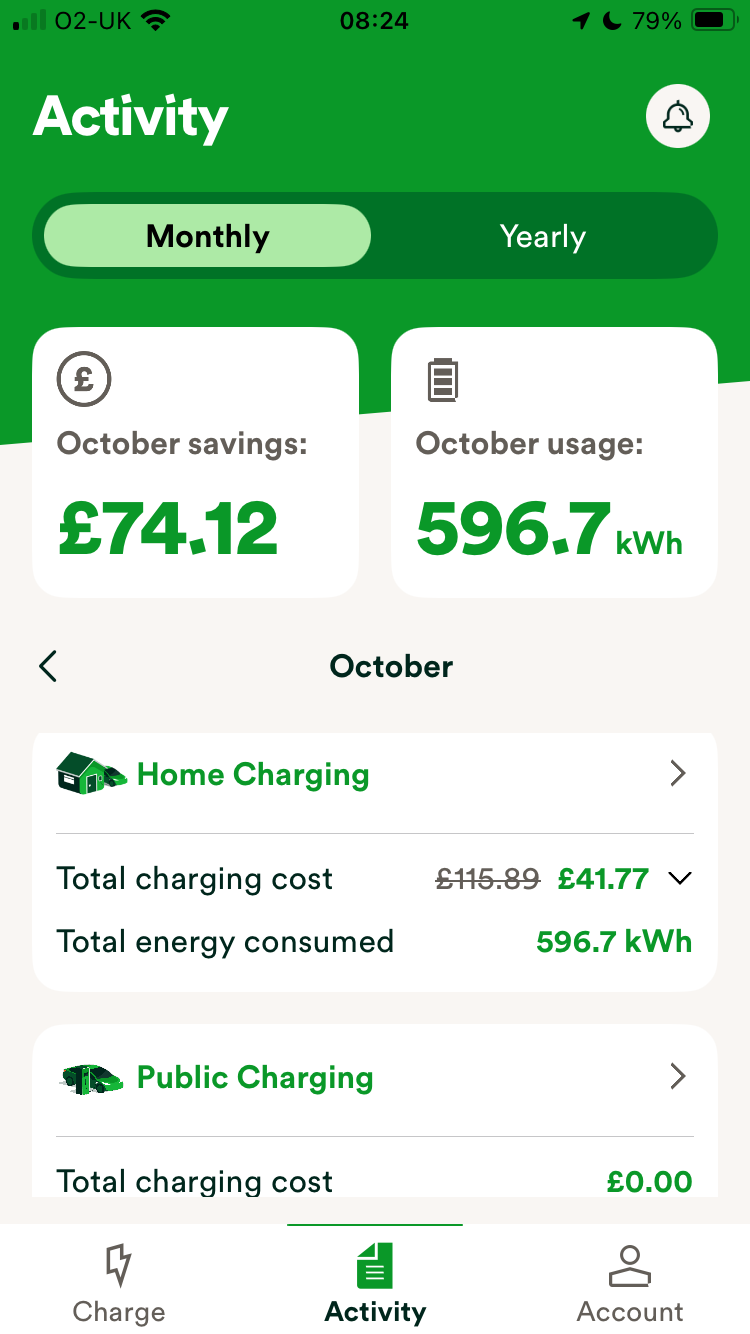
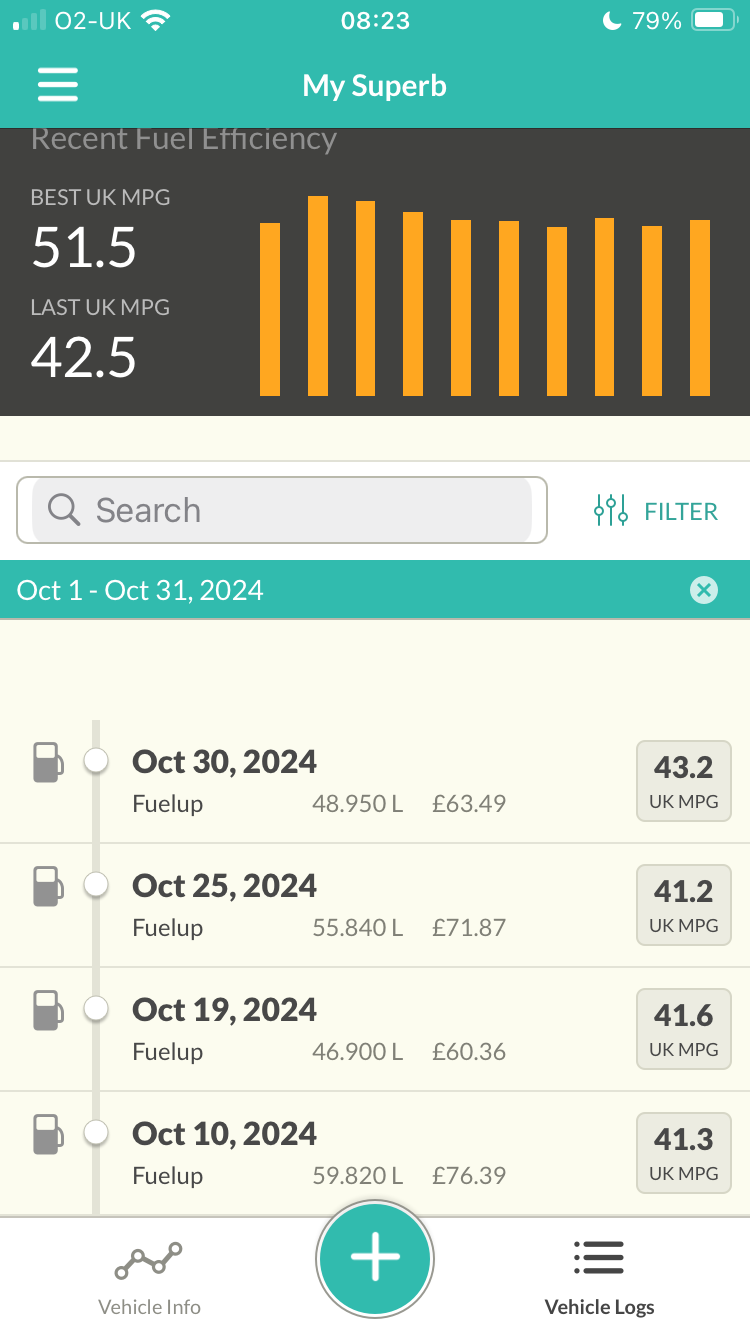
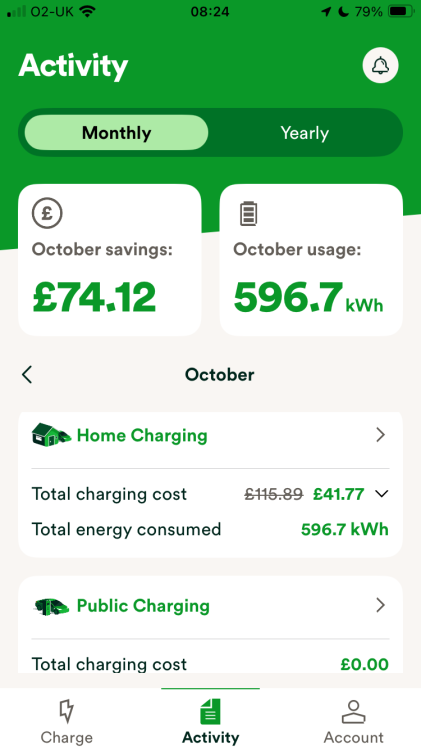
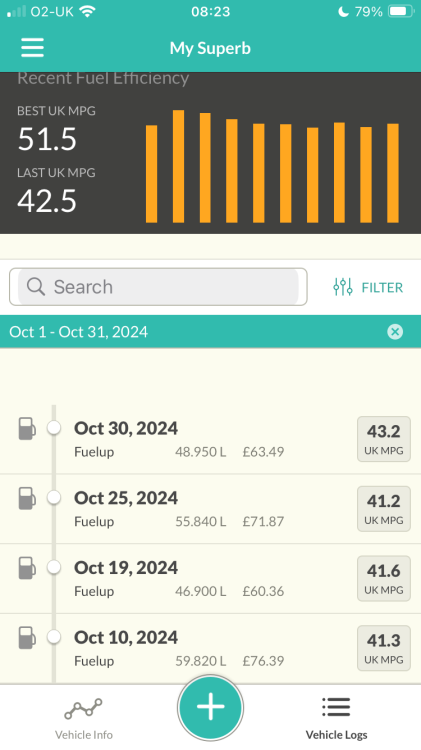
1 pointMeanwhile, back in reality - The truth over 2000 miles give or take a hundred or so: October 2024, Škoda Superb 1.5 tsi fuel costs £272.11 October 2025, Škoda Elroq 60 charging costs £41.77
 1 point
 -
1 pointThanks for that. I’ll keep my eye on it, it fired up immediately this morning without any problems, a series of short journeys recently might not have helped. I bought the car two years ago (almost to the day), but it was a car that was ‘in stock’, so may have been sat around for several months etc. and the battery may be over two years old I suppose.1 point
-
1 pointGood morning from Ireland, and welcome to Briskoda! Now you are a member, you will discover that there is a whole lot of other areas of the site you don’t see when not a member, so happy exploring!1 point
-
Ahhh mate thanks so much, both of these are in manageable driving distance from me. The forum is great, loads of useful information on here and nice to see people being passionate about their vehicles. I am sure my idle is not a big deal, knock on wood, just want to get it sorted. I will update once I do. Thanks again.1 point
-
1 pointNo wonder the service interval can be 20,000 miles you will have changed the oil three times already1 point
-
1 point@Sanqhar yes, there are loads on eBay etc, some have a small nylon brush on the end that’s pushed down the drain. I think some will say there’s a risk the brush could come off and get stuck in the drain.1 point
-
You don't - sadly Sasha doesn't tend to visit Briskoda these days. What you are seeing is a legacy of poor display drivers of the screens. I think you have to have a screen of version H51 or above. The screens aren't code linked to the MIB2 headunit. The other issue maybe that you are running an MIB1 system. @pab567 has a matrix, but from memory, you cannot run the new MIB2 screens from an MIB1 unit. It comes down to the display resolution. What to do: speak to @pab567 and get a scan of the appropriate modules from your existing system, get a MIB2 unit and then the new system activated for your car by your local Skoda/VAG specialist.1 point
-
1 pointHello, I own a Kamiq MY20 and I have the Ambient package. In my settings, I have the items I am attaching. It should work.
 1 point
 -
1 pointWell, the only problem I've had is when I tried to change "Type of load" from LED-Kleinleistung to LED_Fussraumleuchte_Innenleuchte. Then, it didn't work for me until I changed it back to LED-Kleinleistung. Otherwise, maybe the folks over at the Fabia forum might have an idea :)1 point
-
1 point
-
1 pointHi! I have retrofitted footwell lights like the set you've mentioned from AliExpress. The most difficult part is to get them all 4 hidden under the different panels. For wiring, connect up the positive wire (pin) to pin 65 in the C connector in the BCM module. There is a ground point right next to the fuse box you can use. It's the same as in this guide for the Golf 7 (except for the different pin in the BCM): https://youtu.be/XTiLrowY7Z0 Then, I've coded them in OBDeleven like this: 09 Central Electrics Adaptation → Ambient lightning → Fussraumbeleuchtung (footwell lights) = Installed Adaptation → Leuchte31AMBL 1C65 → Type of load 31 = 36-LED Kleinleistung Adaptation → Leuchte31AMBL 1C65 → Fehlerort mittleres Byte DTC-DFCC 31 = 2 Adaptation → Leuchte31AMBL 1C65 → Light function A 31 = Fussraumlicht Adaptation → Leuchte31AMBL 1C65 → Dimmwert AB 31 = 100 Adaptation → Leuchte31AMBL 1C65 → Light_Control_HD_AB_31 = always Module: 5F Multimedia Adaptation → Vehicle function list BAP → interieur_light_0x08 = activated Adaptation → Vehicle function list BAP → interieur_light_0x08_msg_bus = Databus extended Adaptation → Vehicle function list BAP → interieur_light_2_0x6A = activated Adaptation → Vehicle function list BAP → interieur_light_2_0x6A_msg_bus = Databus extended Let me know how you get by :)1 point
-
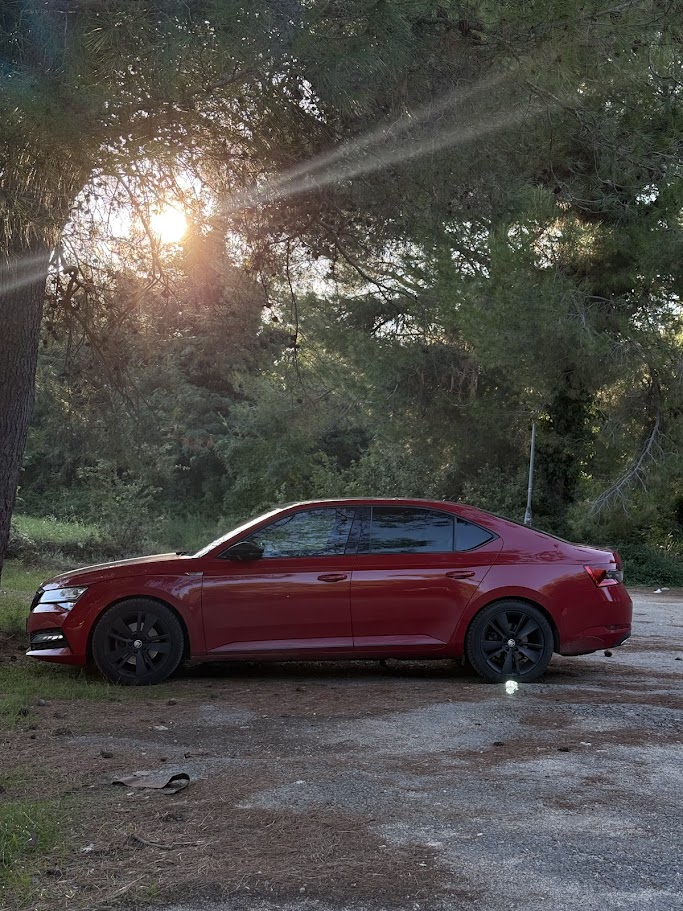
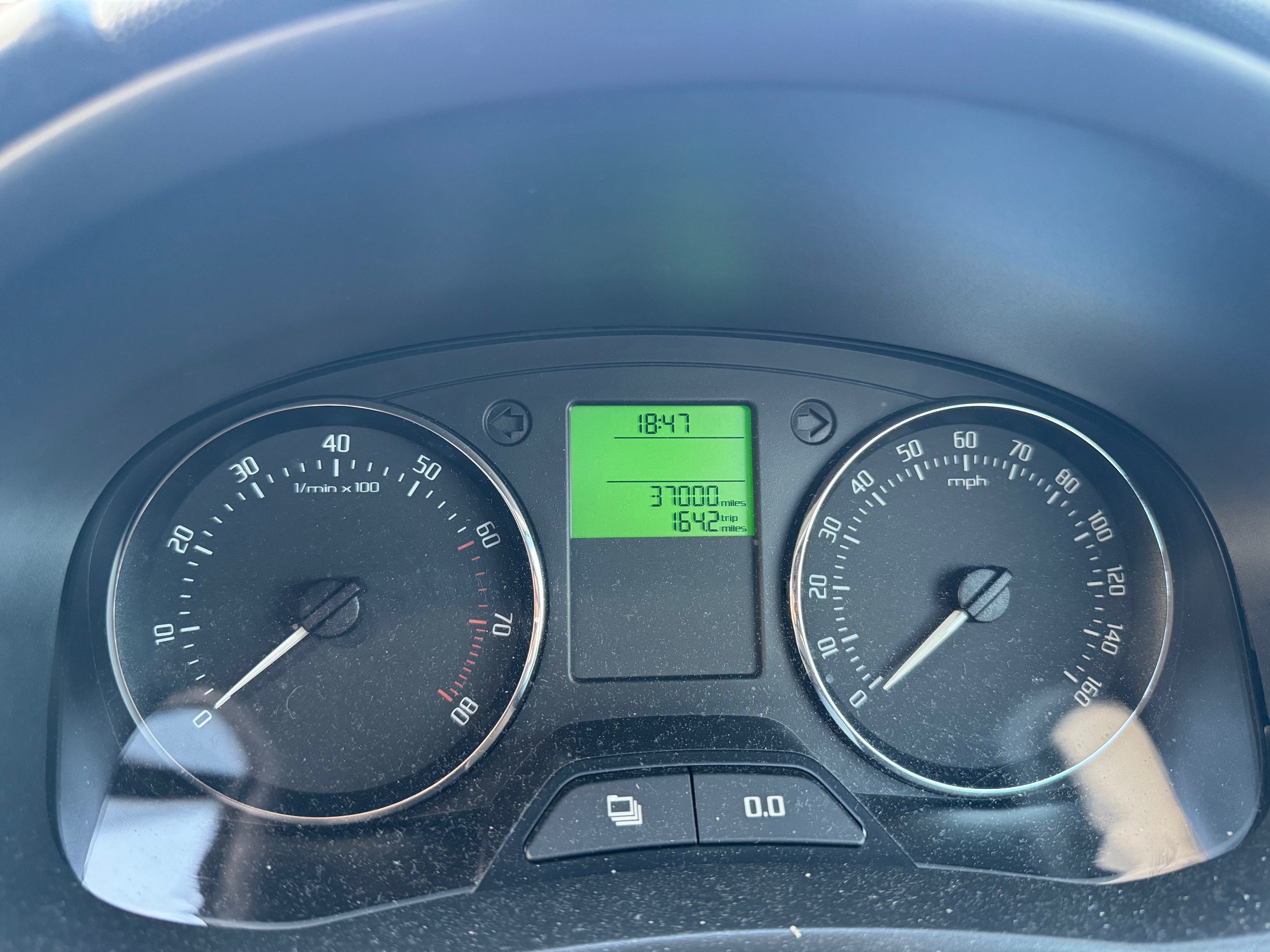
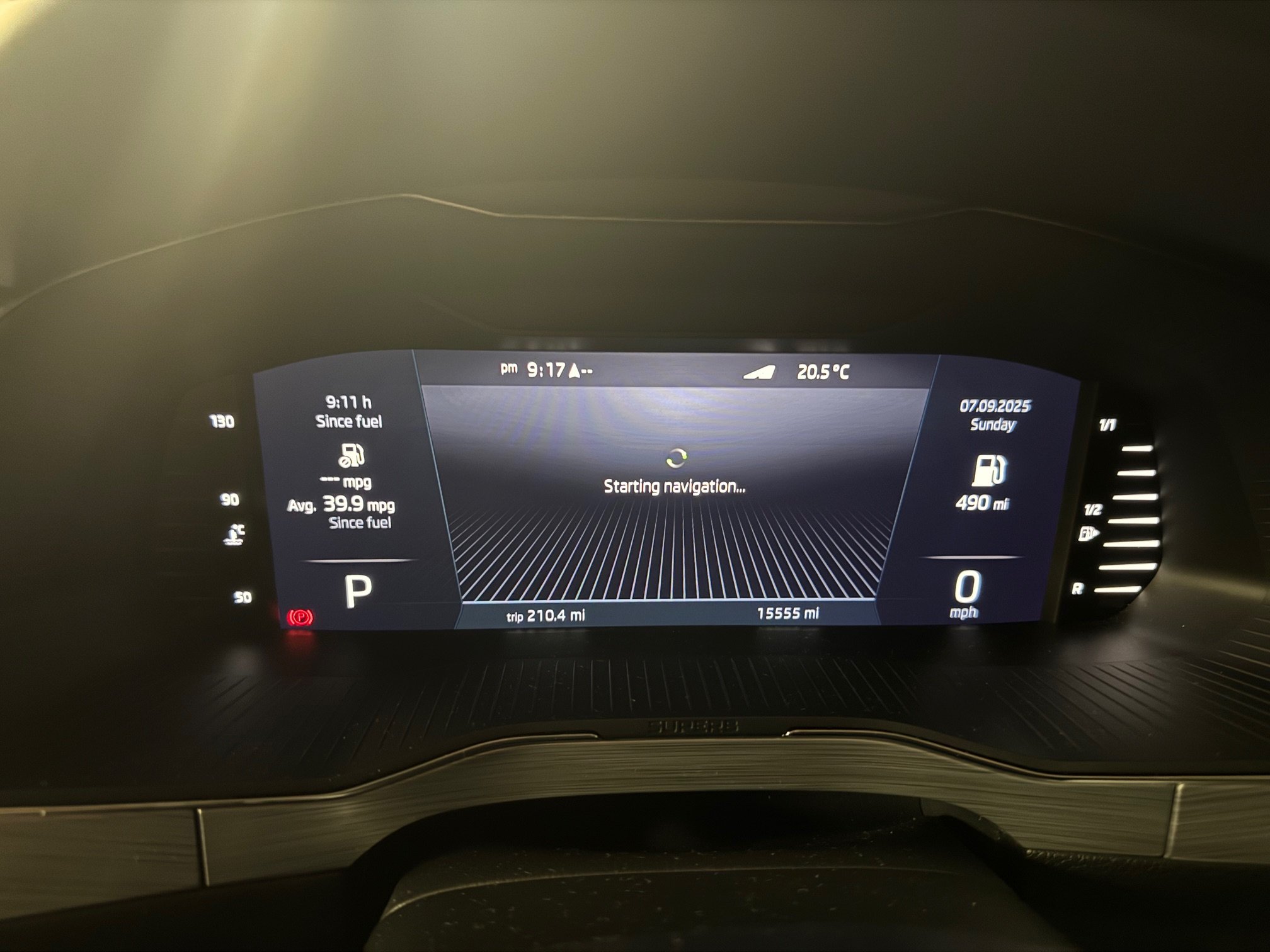
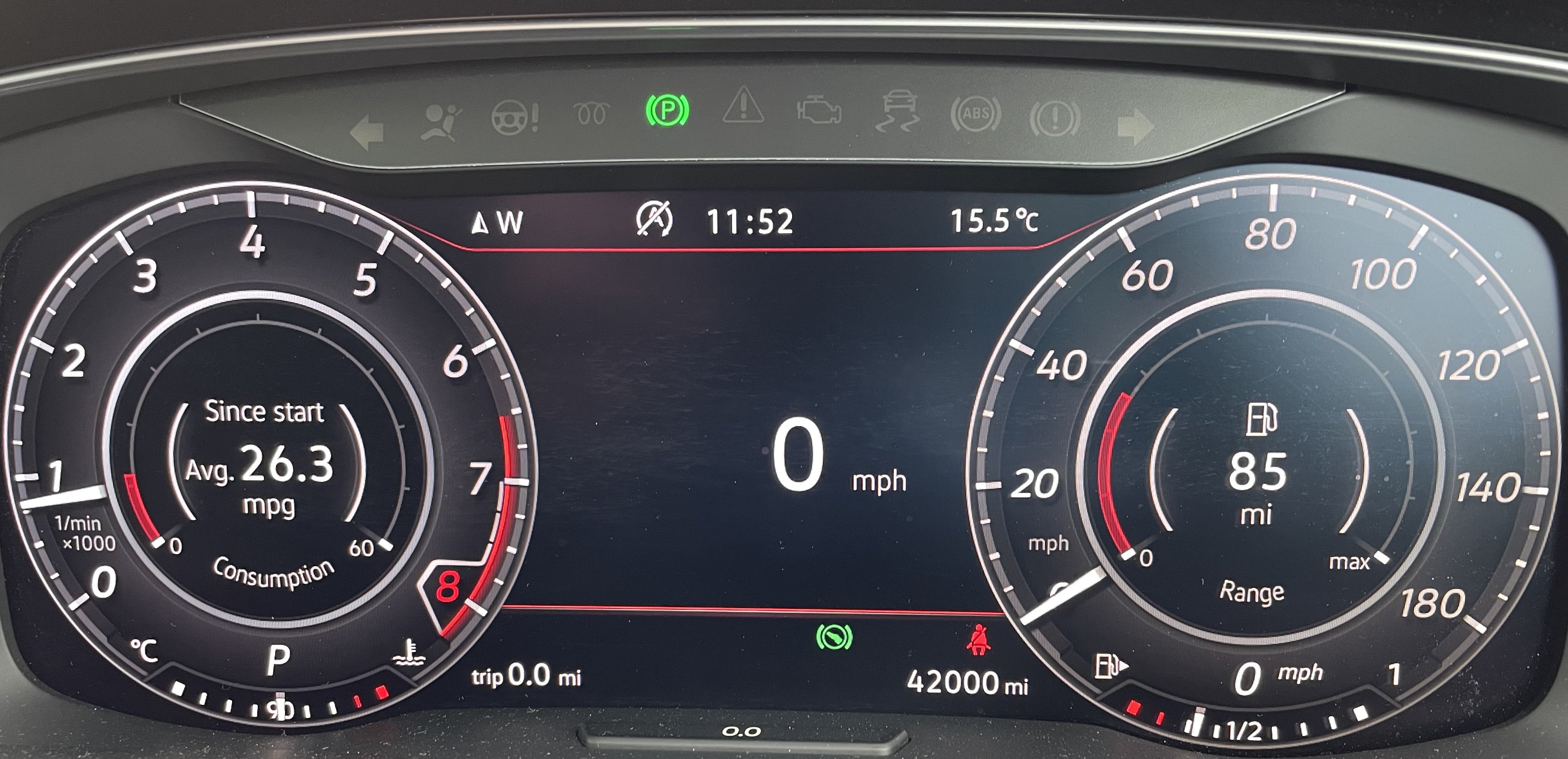
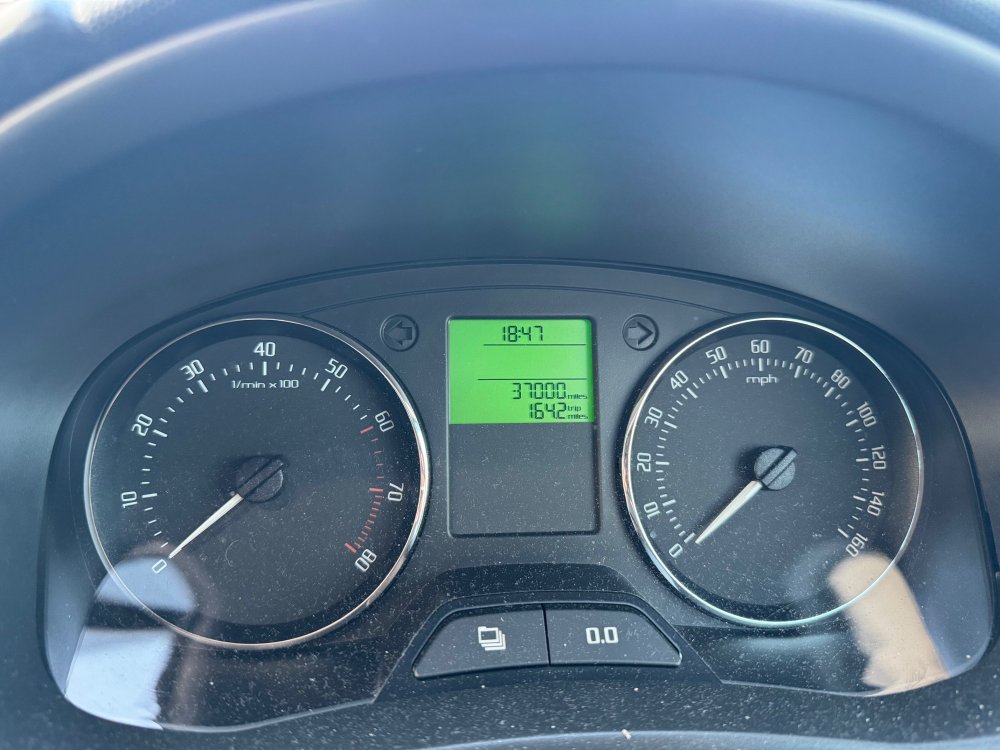
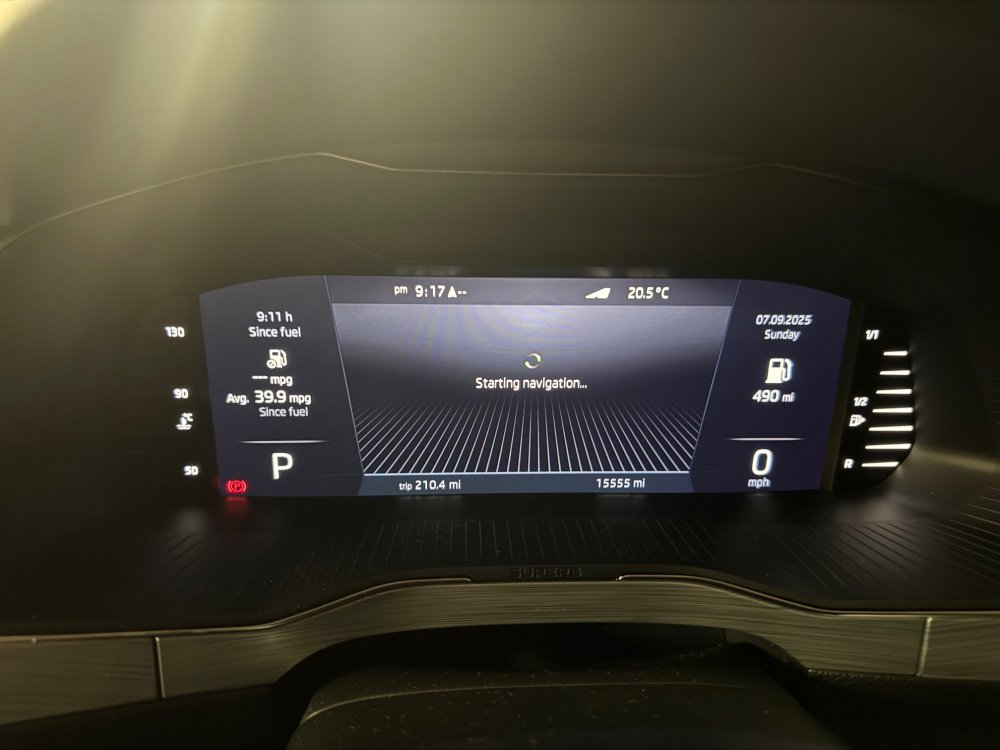
Updates from my two. My last post here in March, the Fabia had just ticked over to 36,000 miles. Very much evident that it is used mostly for local driving, it's just made it to 37,000: Meanwhile, back in March the Superb was on 11,111. Come on a bit since then: I bought it with a tad over 5,000 on the clock, so I've done about 10K in it myself now.
 1 point
 -
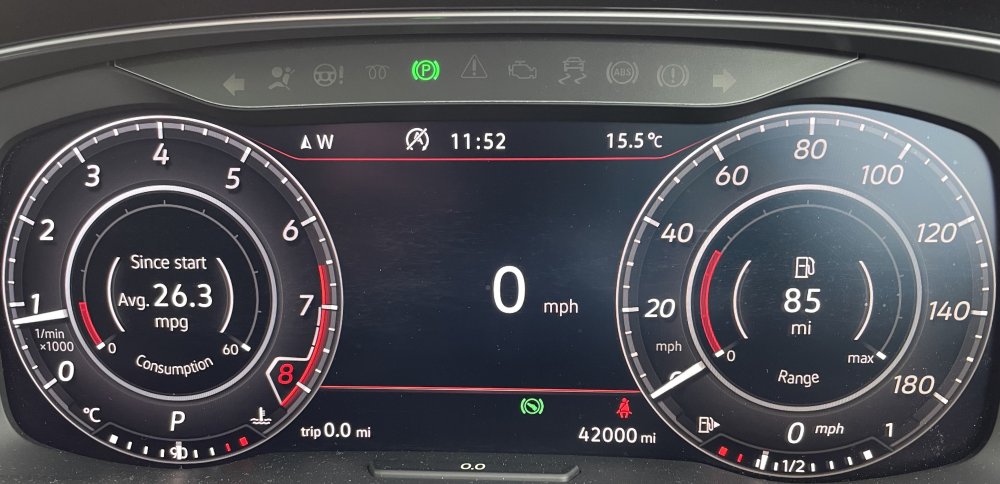
Behold, the ultimate answer to everything (nearly); Gaz
 1 point

.thumb.jpg.f83a46b9b3c0d976b9dbffbb523c9874.jpg)