Leaderboard
-
Gaz
FREEDOM19Points7,746Posts -
Lee01
FREEDOM10Points36,144Posts -
Breezy_Pete
Sponsor10Points24,167Posts -
Evolution13
FREEDOM8Points2,178Posts

.thumb.jpg.9dd3f612ba7f13d10be5c518d3c8d255.jpg)


Popular Content
Showing content with the highest reputation on 09/05/26 in all areas
-
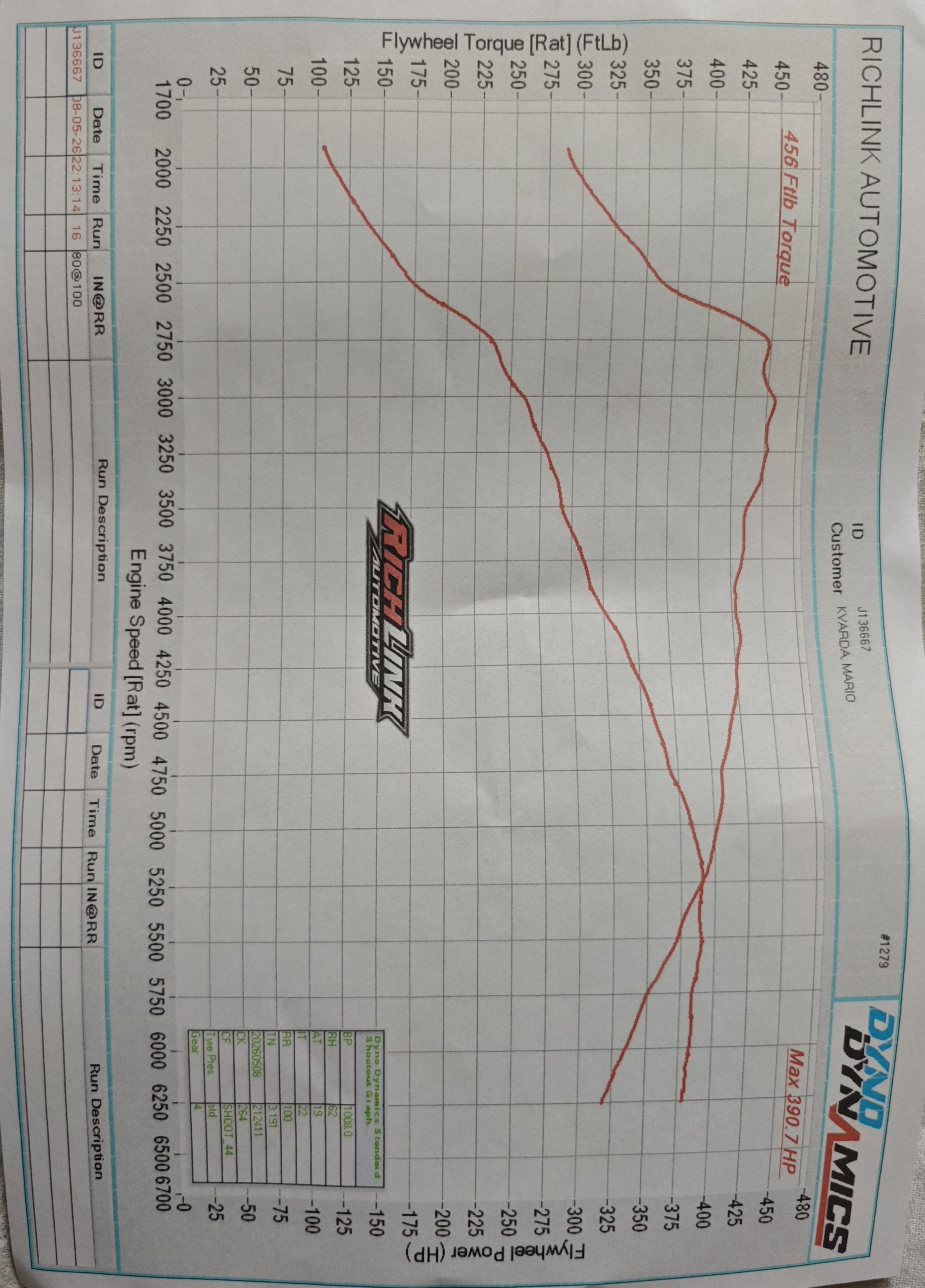
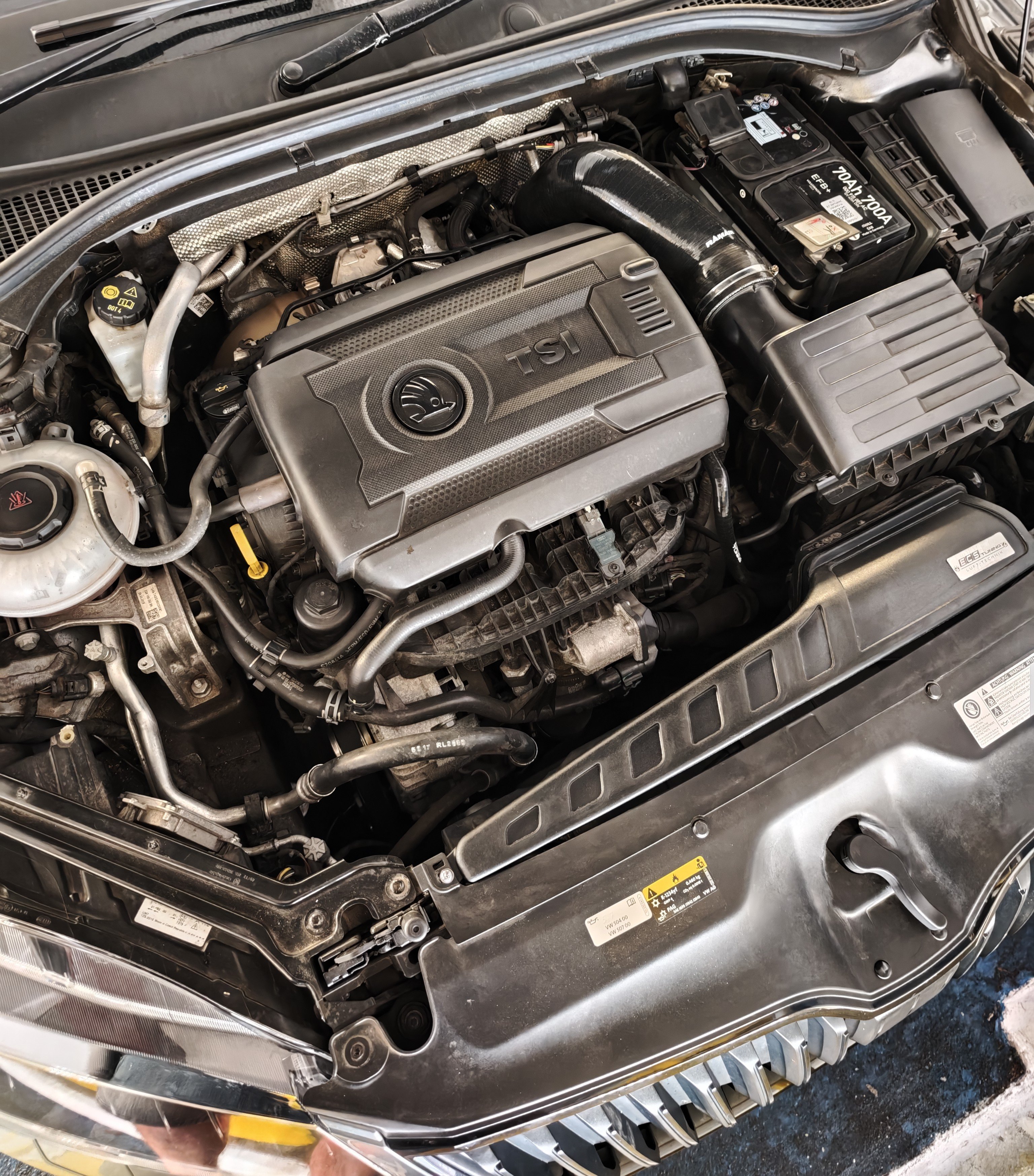
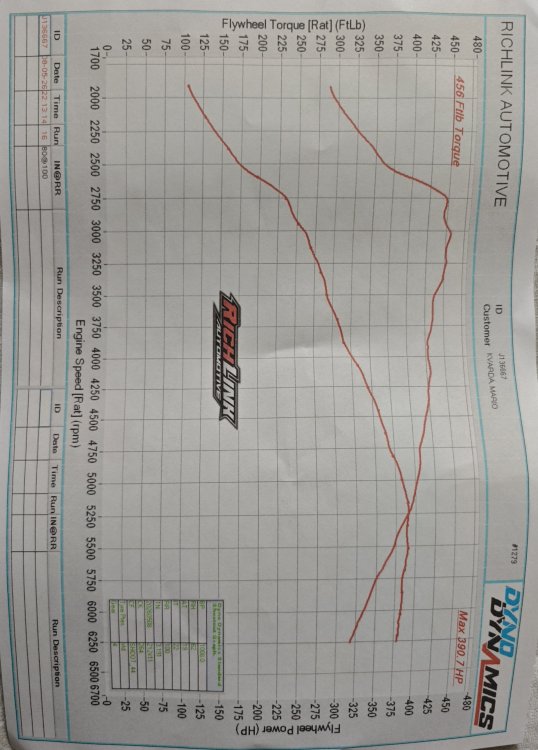
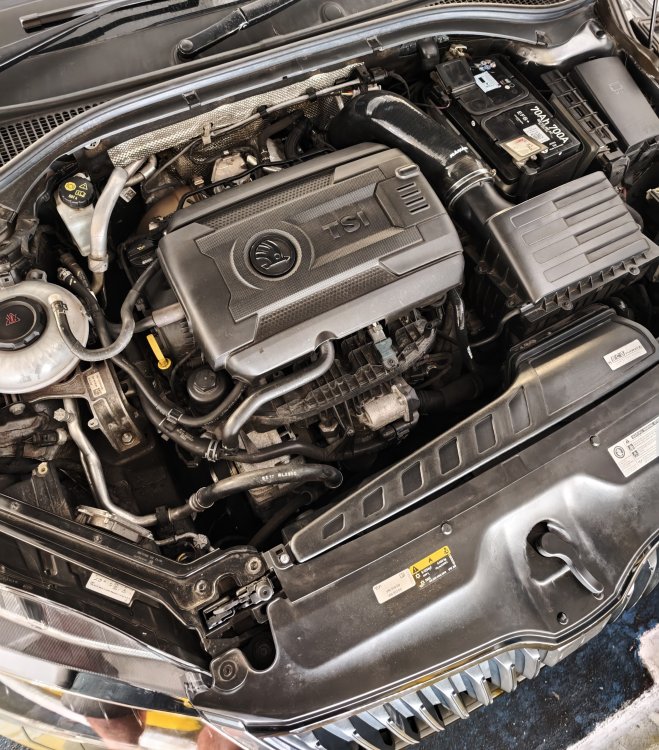
3 pointsHad my superb stage 2 tuned and so far i love it 😁 Work and parts fitted BCS Powervalve downpipe with sport cat 200 cell Wagner Intercooler ECS tuning intake duct Ramair panel filter Ramair turbo elbow Ramair inlet pipe NGK R7437-9 plugs Stage 2 engine tune Stage 2 DSG tune Prior to this i also had all the fluids changed and full service carried out. More photos and videos to follow
 3 points
 -
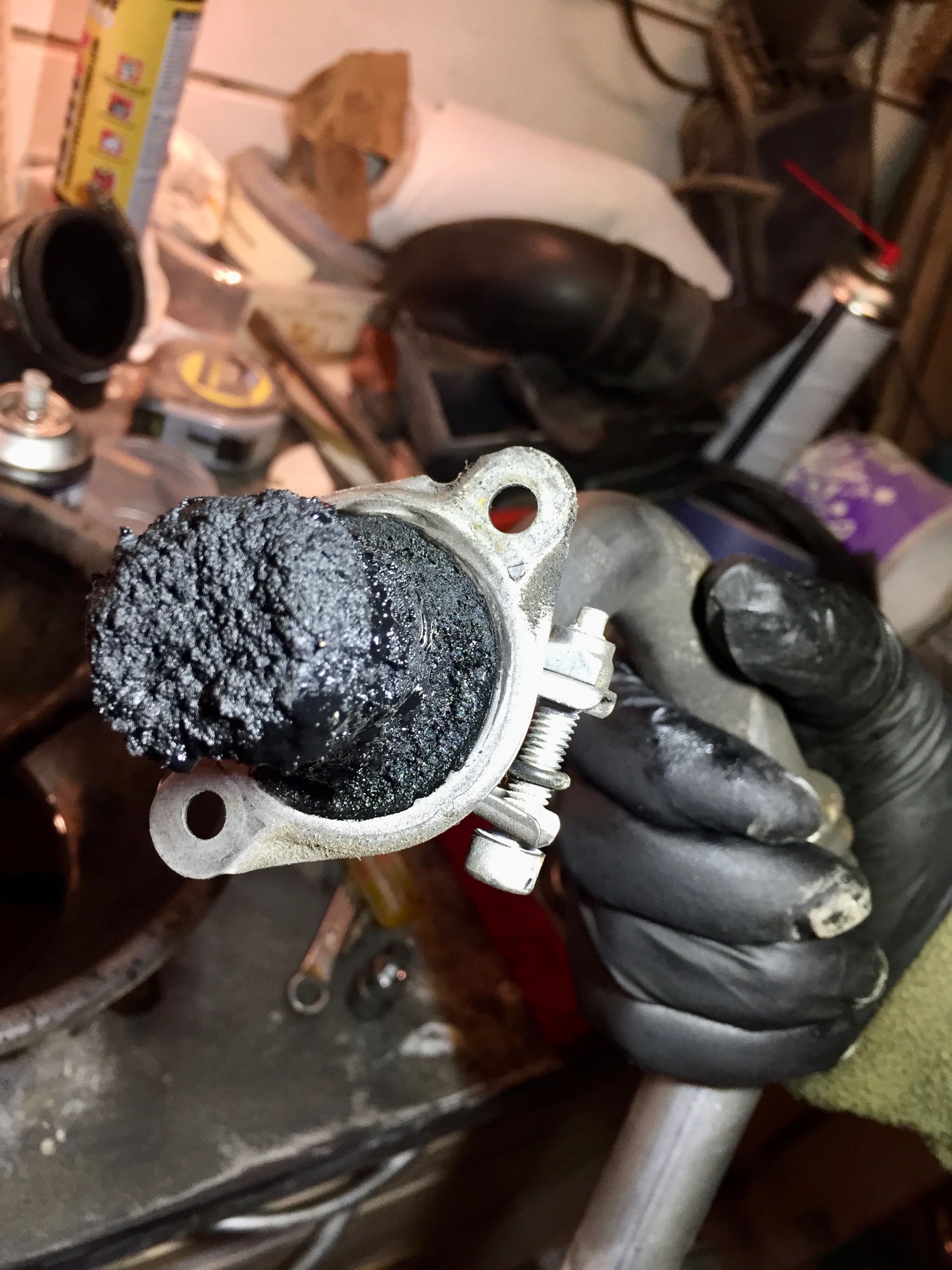
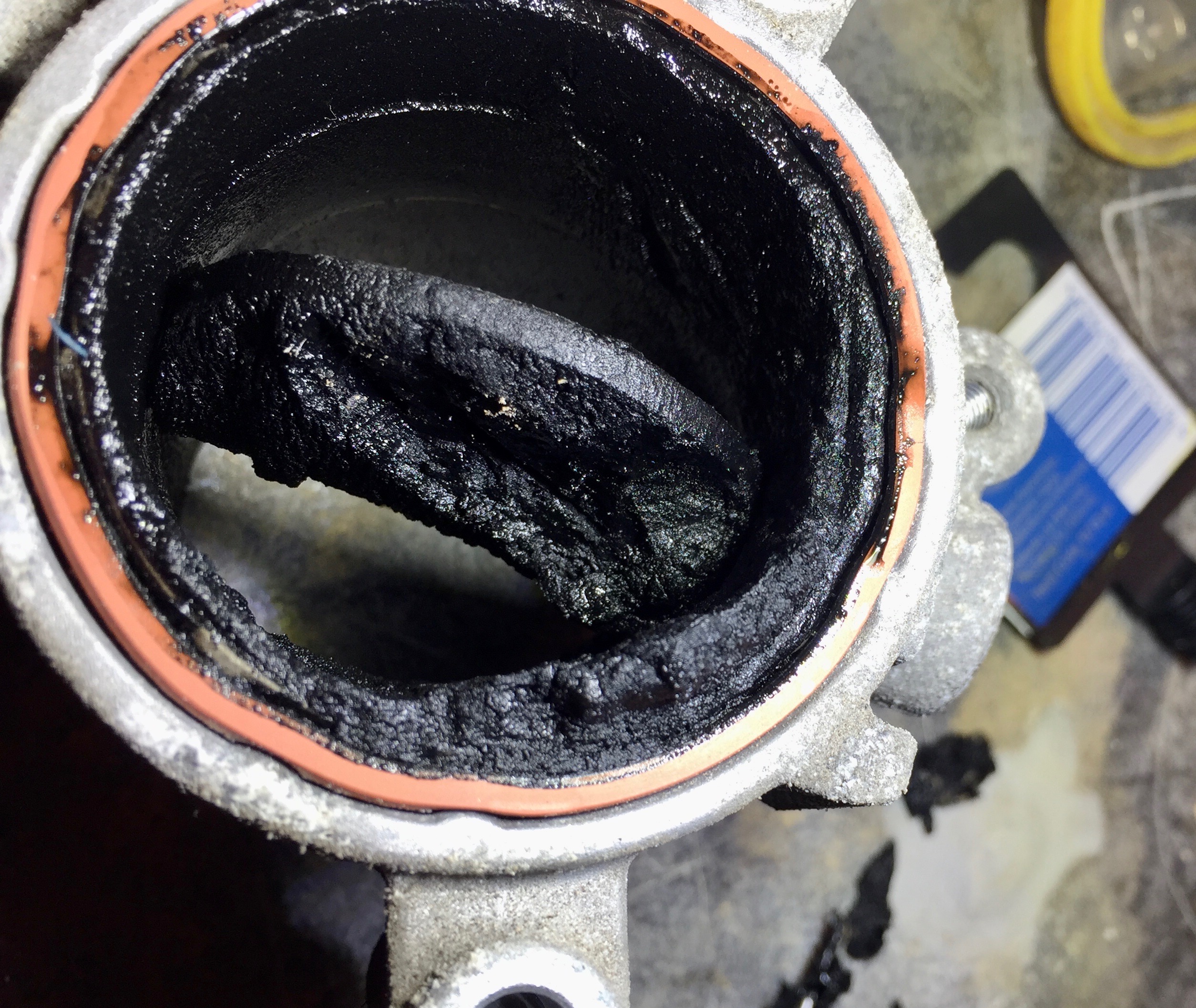
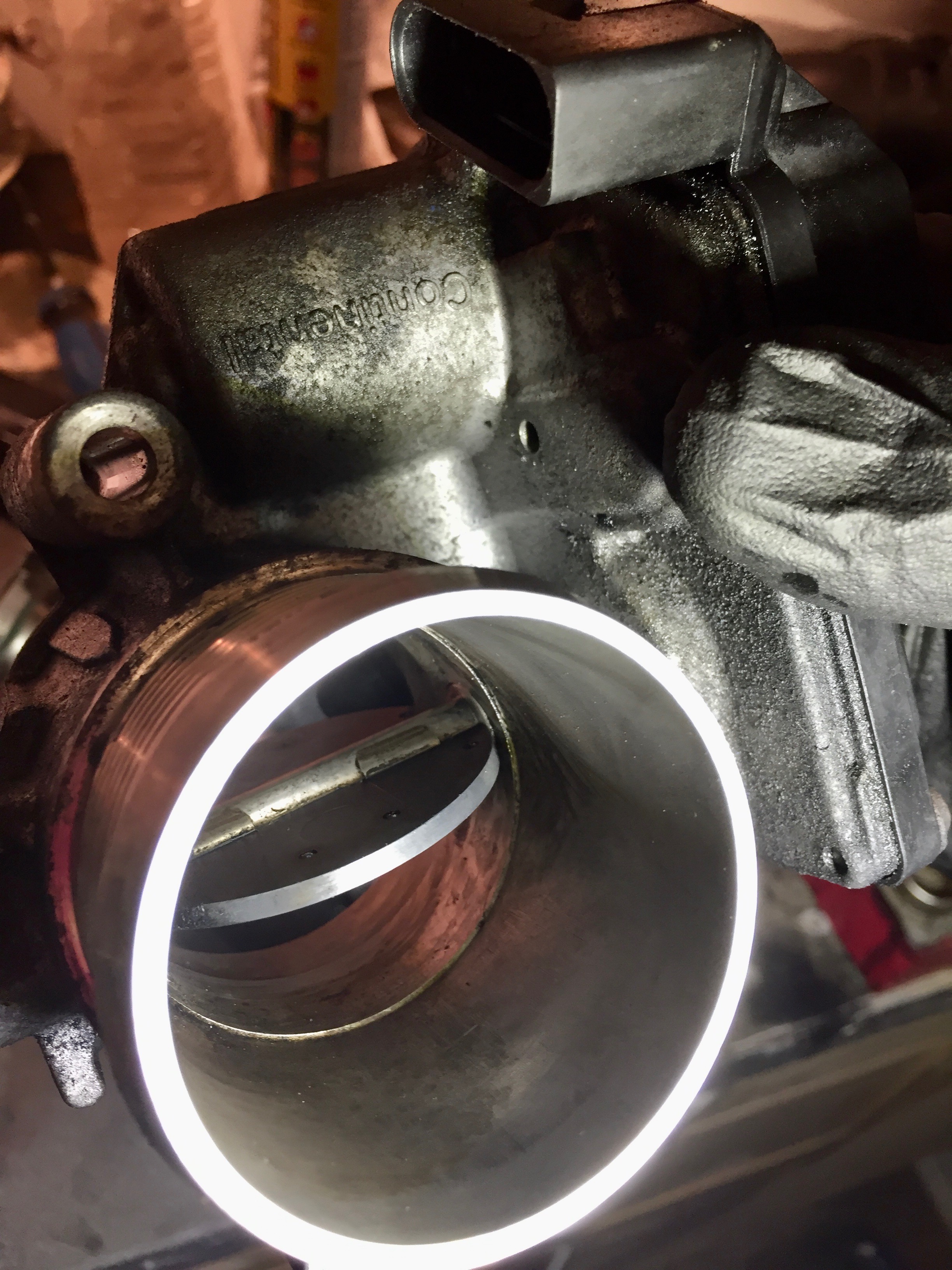
2 pointsFirstly, many thanks to the posters on here and elsewhere who have documented the EGR issues, and solutions. My 2010 2.0 110 Yeti 130k miles started showing the management light and some times heater plug light. Car always drove very fine, but this is MOT fail. It started to go into limp mode occasionally, so I thought the end was near. Garage quoted £1k to scare me, but did diagnose EGR "failure". I followed the advice on removal and cleaning, including reversing exhaust gas pipe orientation. Four very oily hours later I had finished. Lots of white spirit and toothbrush. My wife was astonished car even ran! The flap valve was not able to open or close fully, causing the management lights. Car passed MOT, low emissions, runs fantastic. No Cost. Car even did a regen, which it hadn't done for ages. Now, several months and 100s miles later, all is still good. Just goes to show a DIY fix is sometimes more than good enough.
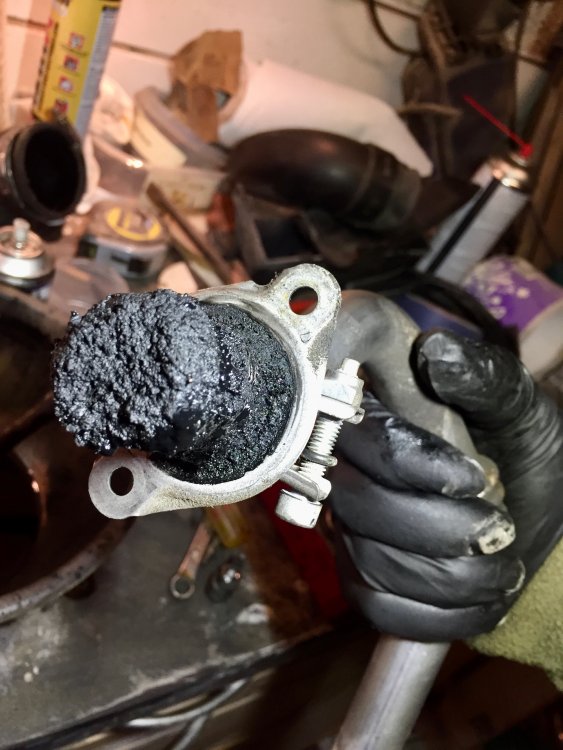
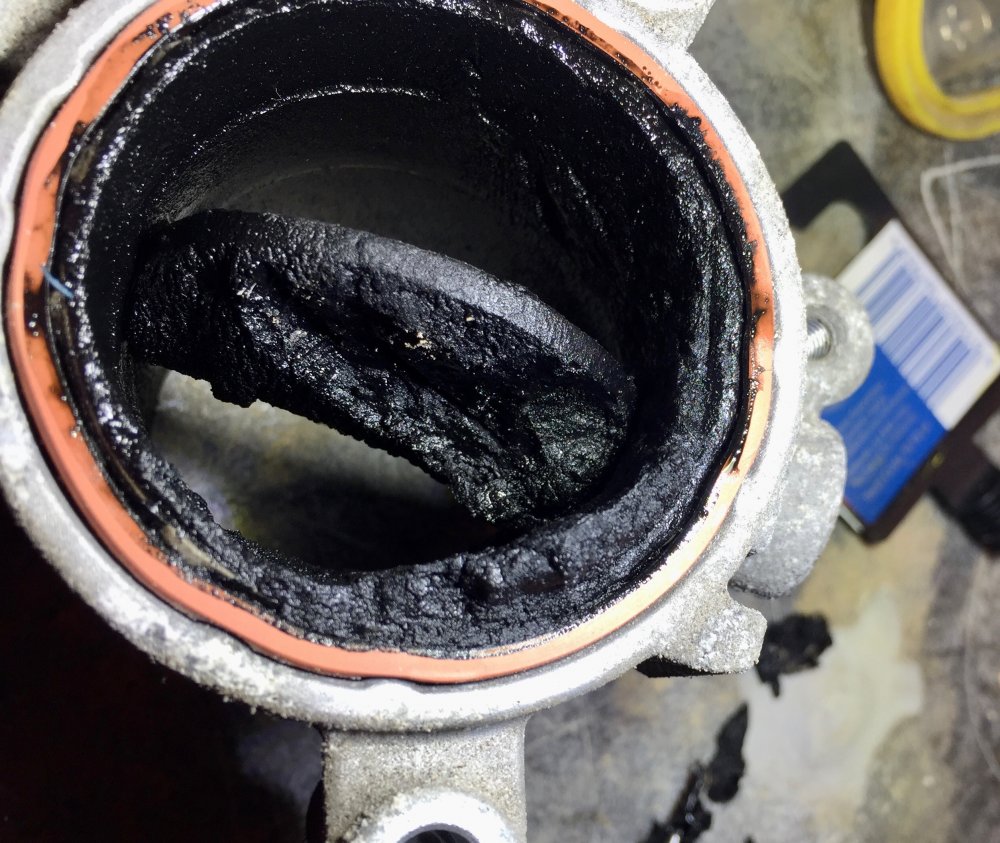
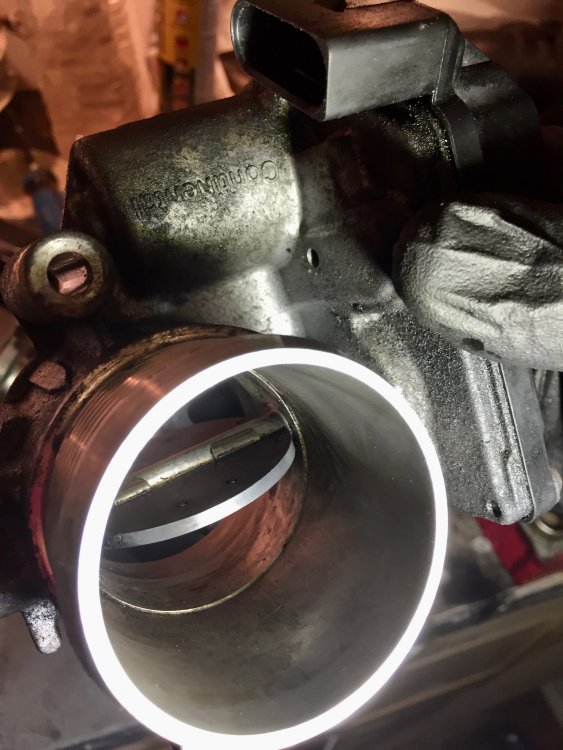 2 points
 -
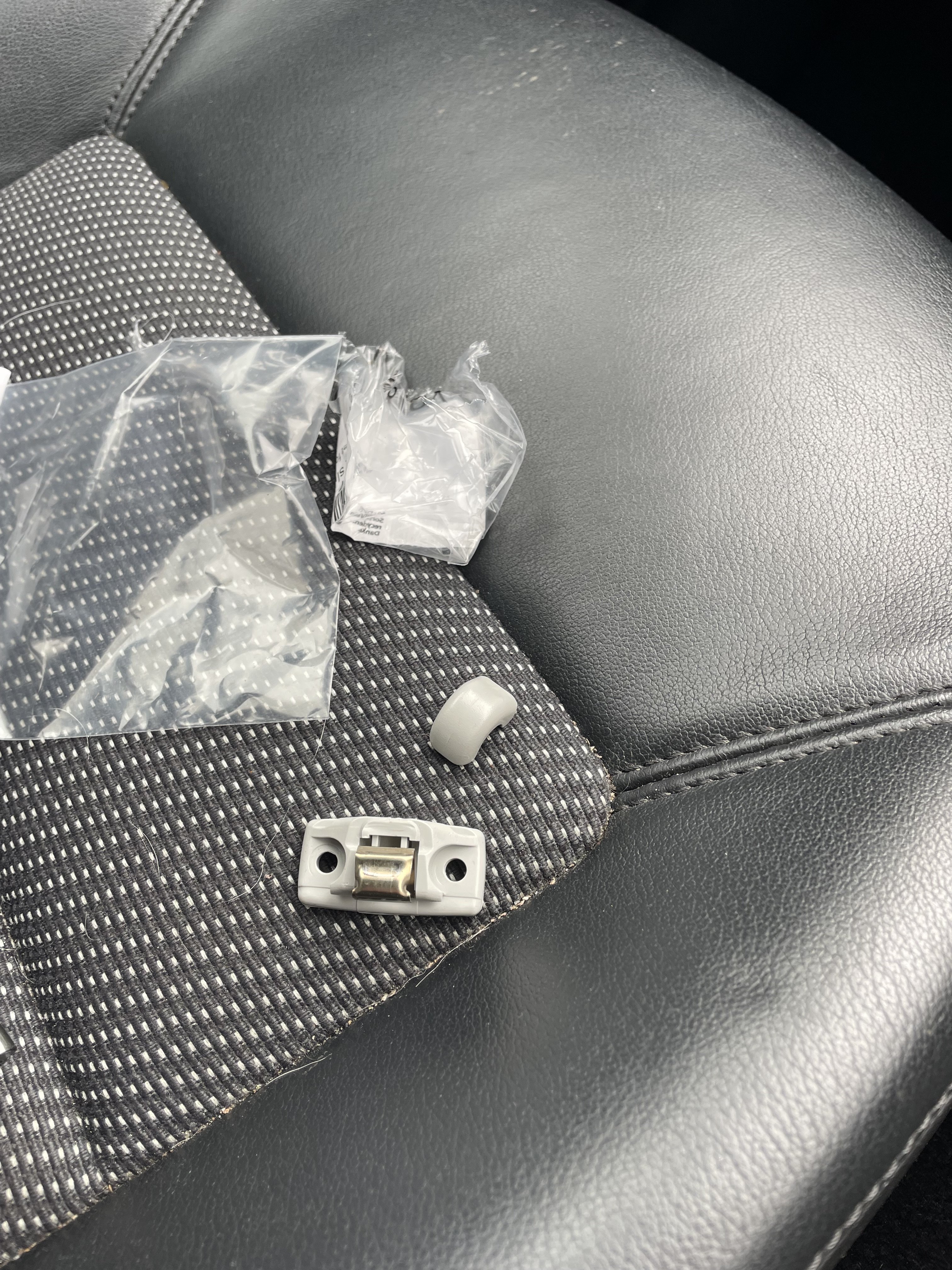
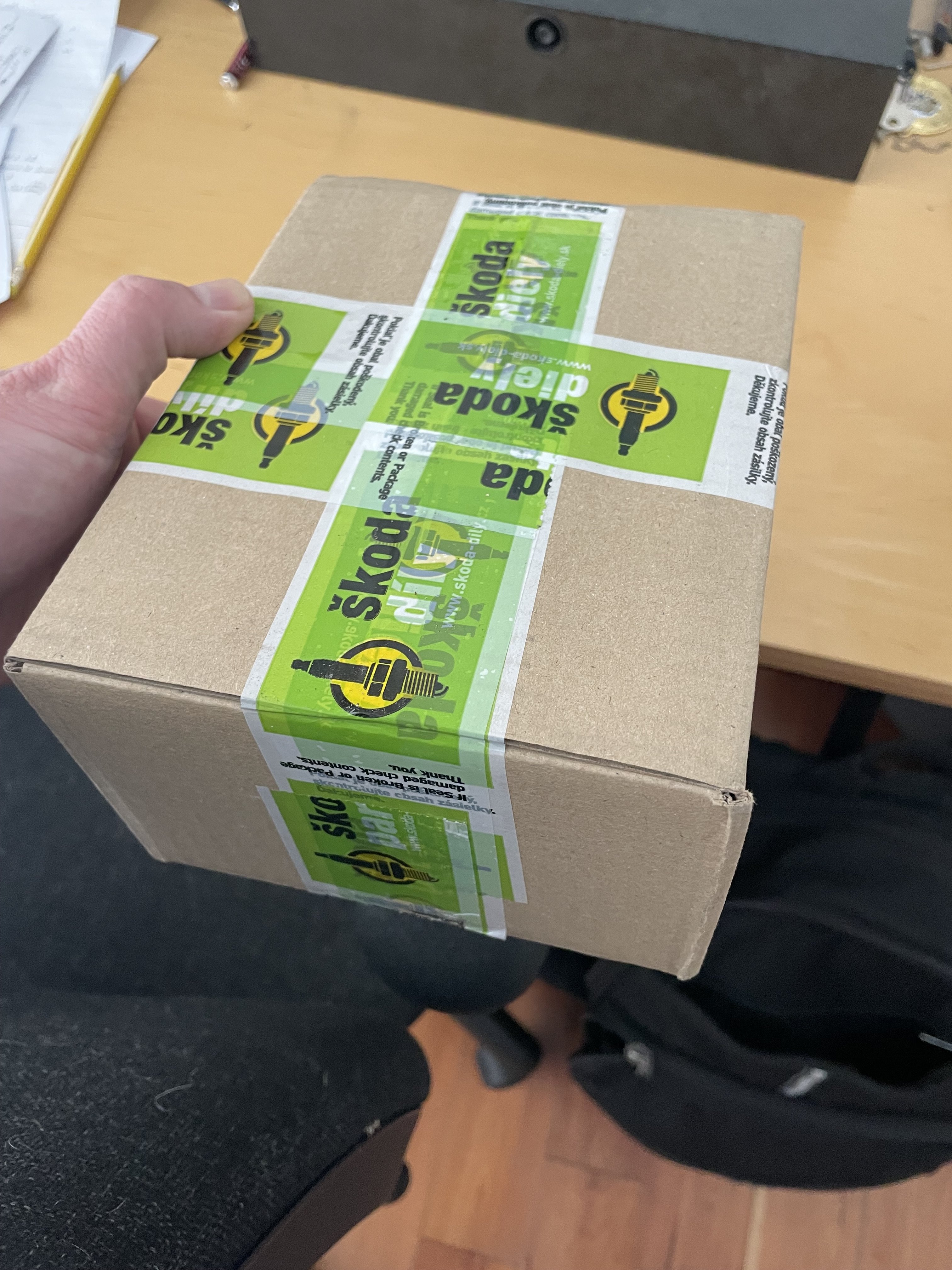
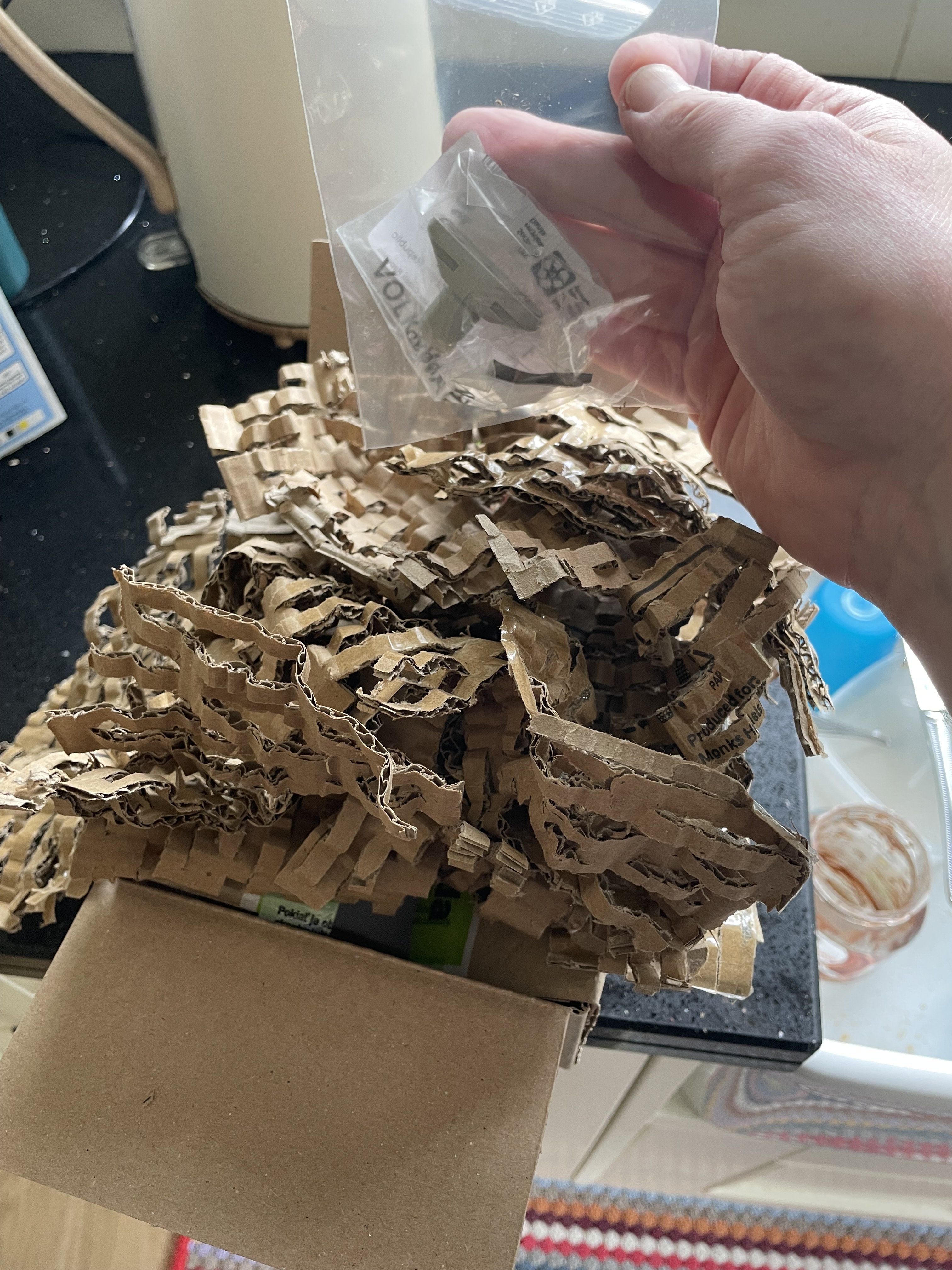
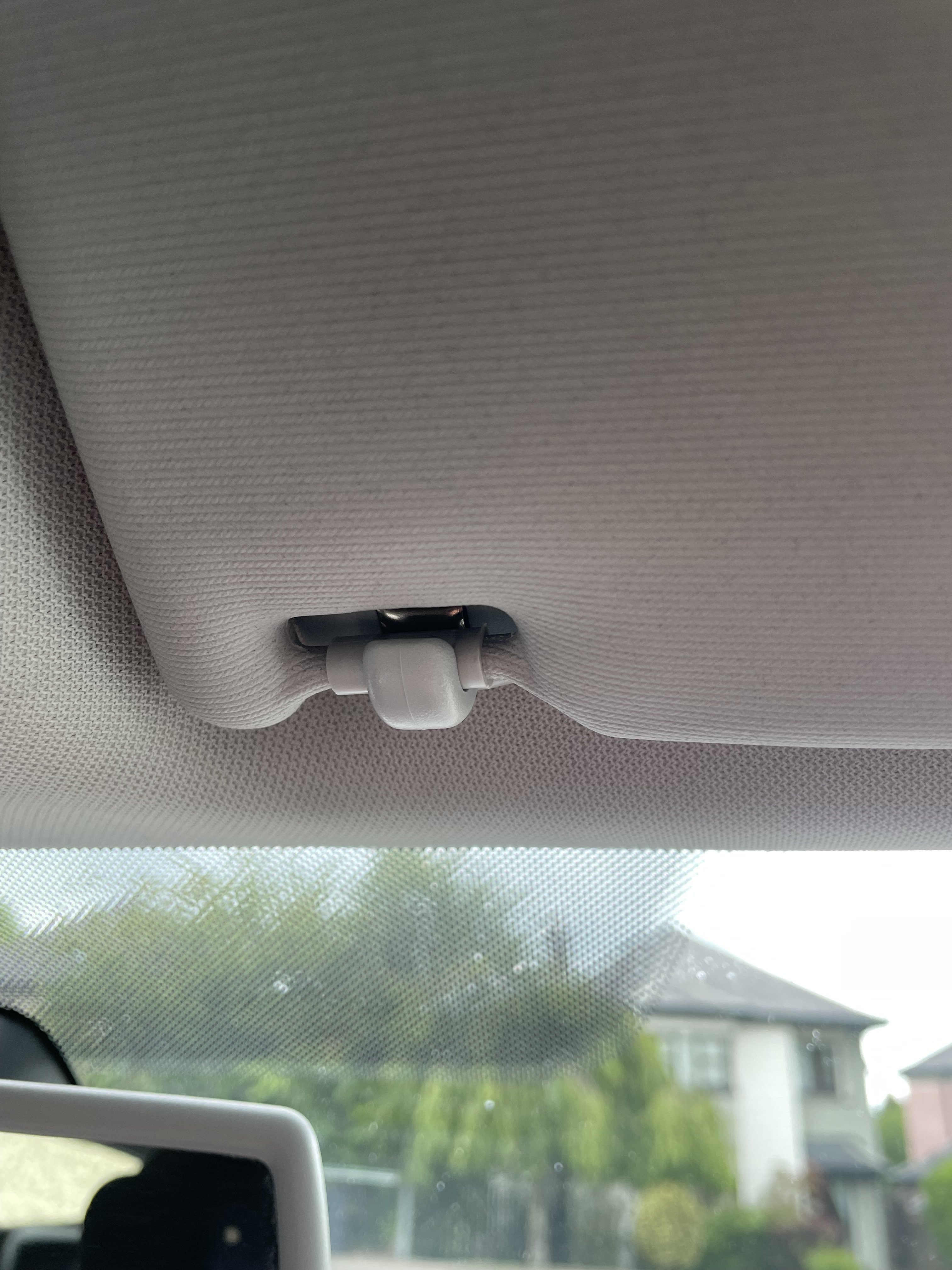
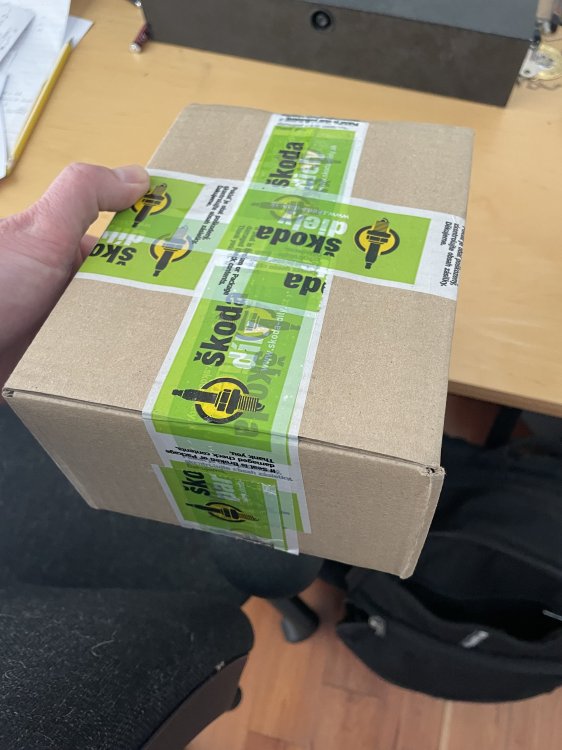
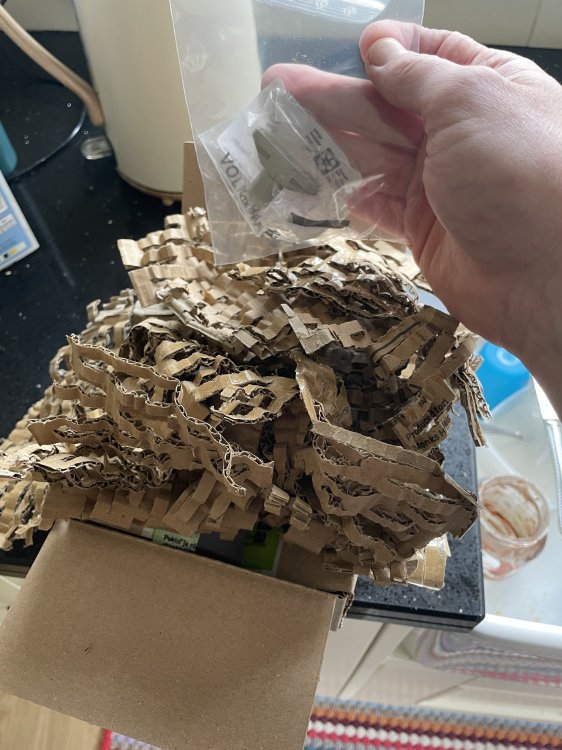
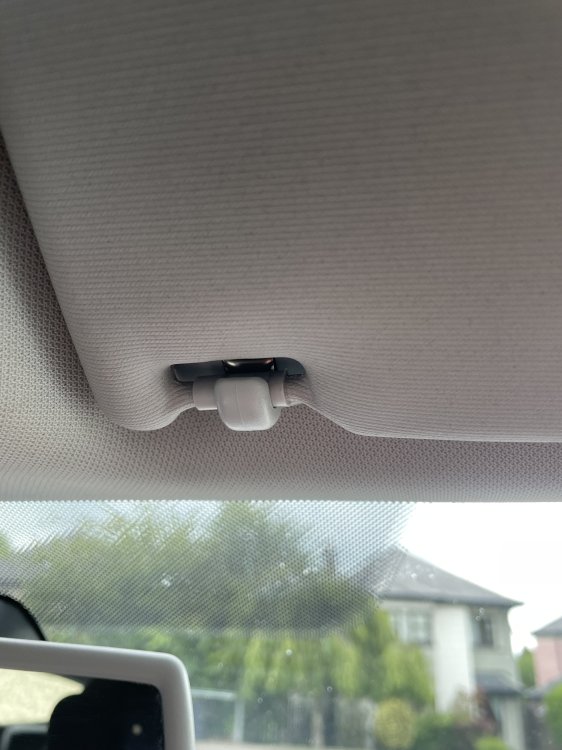
2 pointsHoly thread revival Batman!!! Mine broke a couple of weeks ago.. Can confirm it’s 2 torx screws that it in. Skoda parts have them for about €12, plus delivery. Note that it does not include the outer cover, so don’t break that taking it off. It just pops off gently. it’s nice to see companies using the smallest reasonable packaging for items to be shipped… ignore the empty jar in the sink. Anyway.. Took about 80 seconds for Spud Sr to swap it for me. He wanted to try, I let him have a go. He’s 11, so that’s how simple it is.
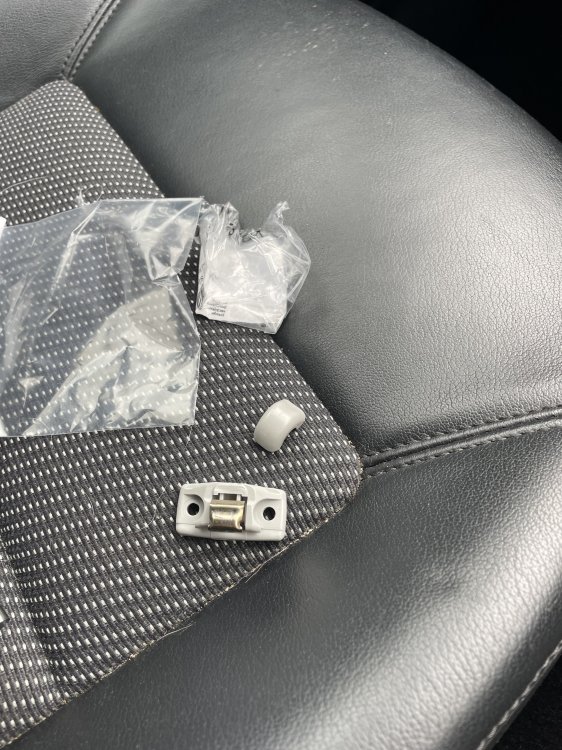
 2 points
 -
2 pointsThere's a metaphor in there somewhere 🤣 WIREDTesla’s Latest Recall? Wheels May Fall Off CybertrucksIn what is the 11th Cybertruck recall, certain models of Elon Musk’s embattled pickup could experience a sudden, unexpected wheel separation, thanks to the wrong grease and loose nuts.2 points
-
I replaced the expansion bottle too, it was a brand new OEM part that i got directly from the dealer. Doesnt seem that is cracked or damaged in any way, and totally clean and without moisture on top. Also, the trick of pouring flour over the the top was a new one to me, never heard of that trick before HAHAHA2 points
-
2 points
-
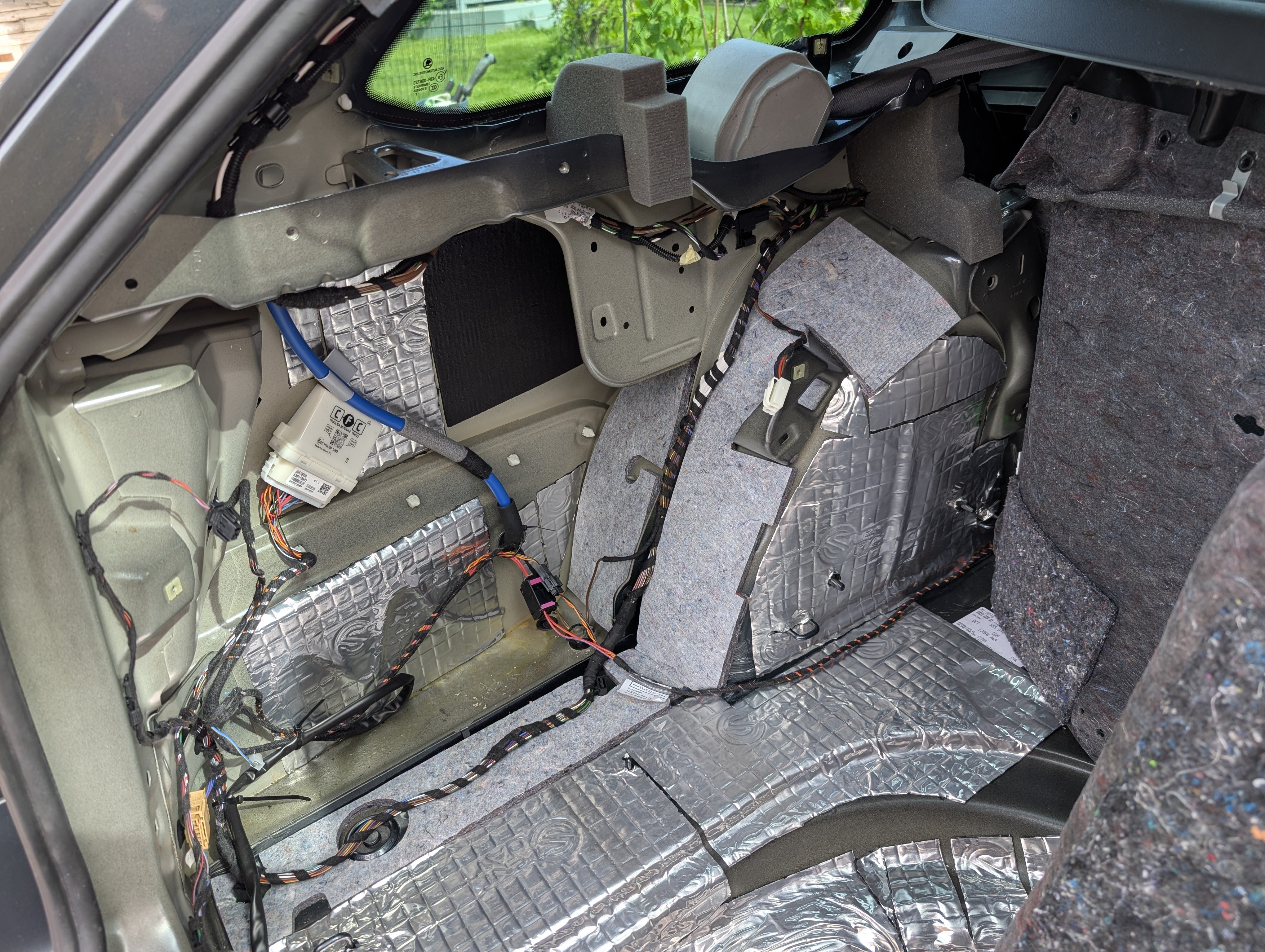
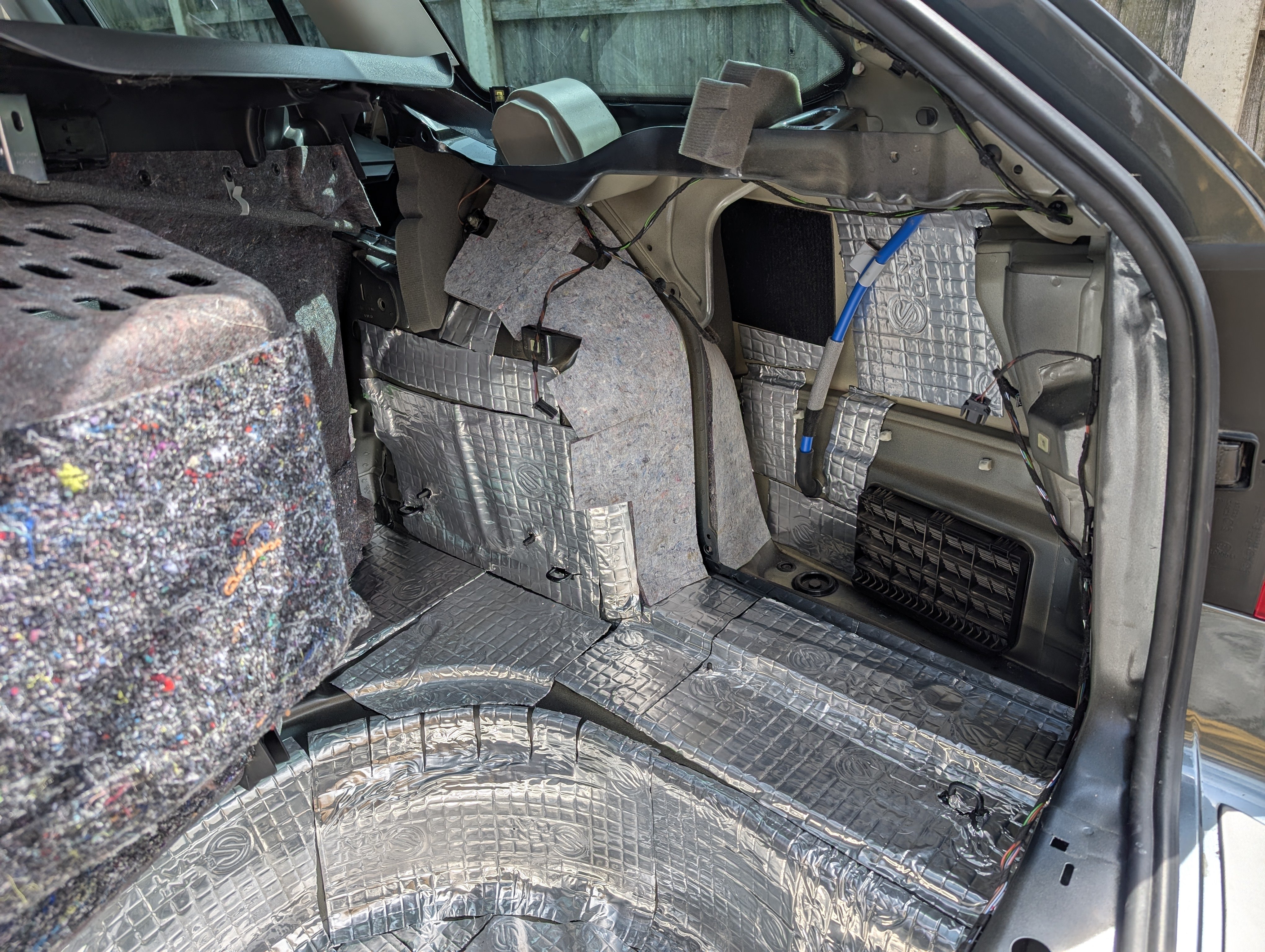
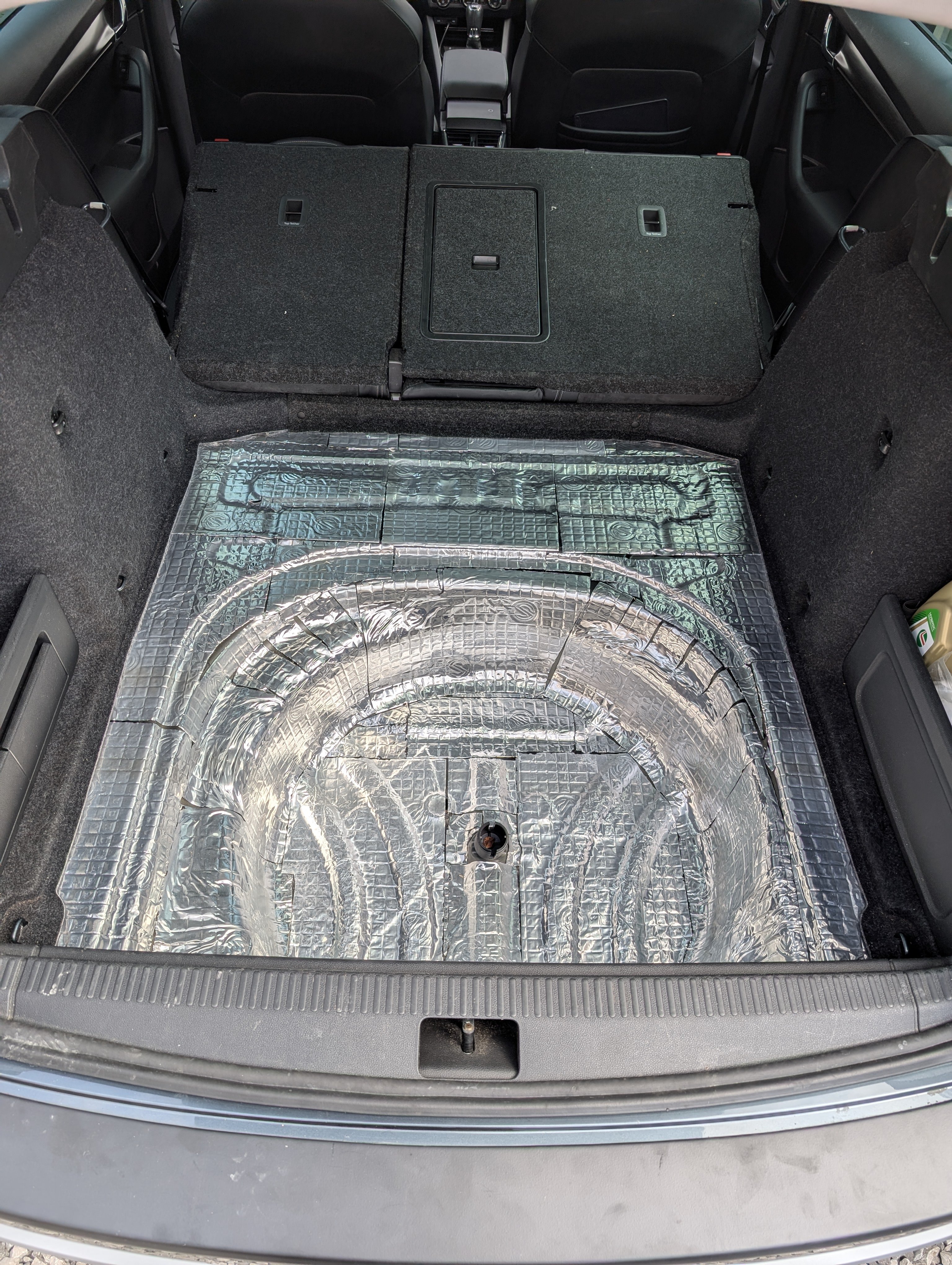
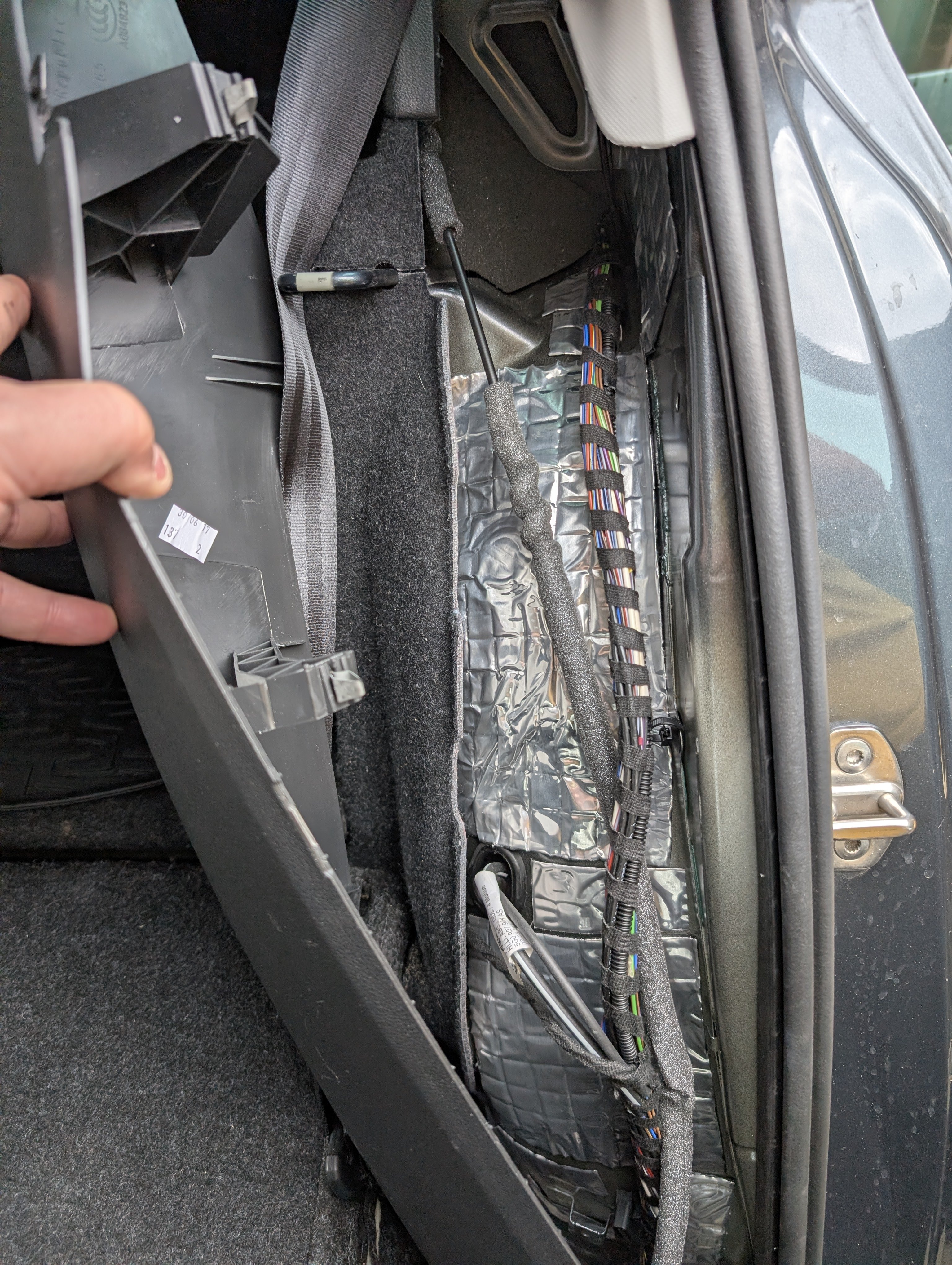
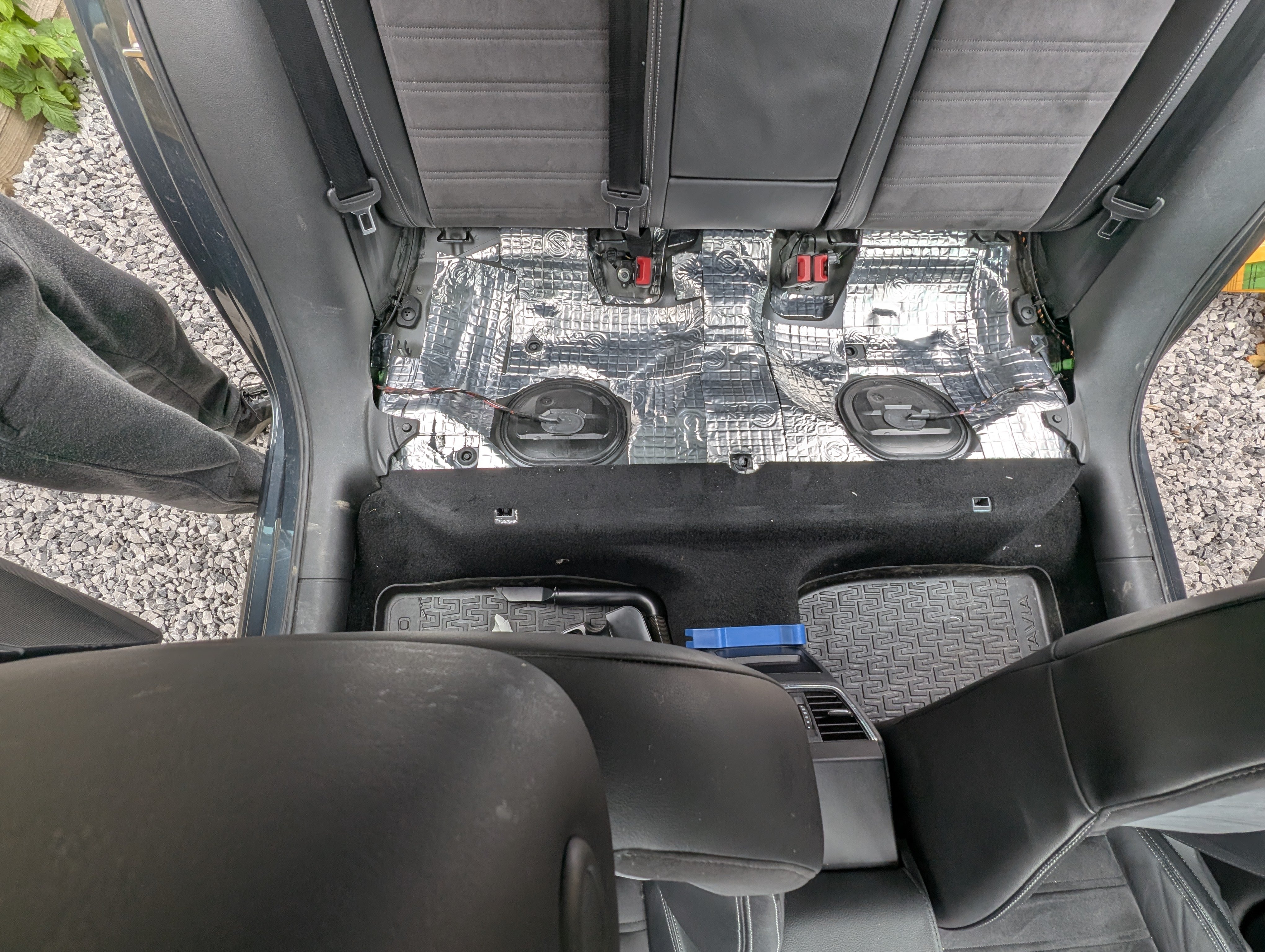
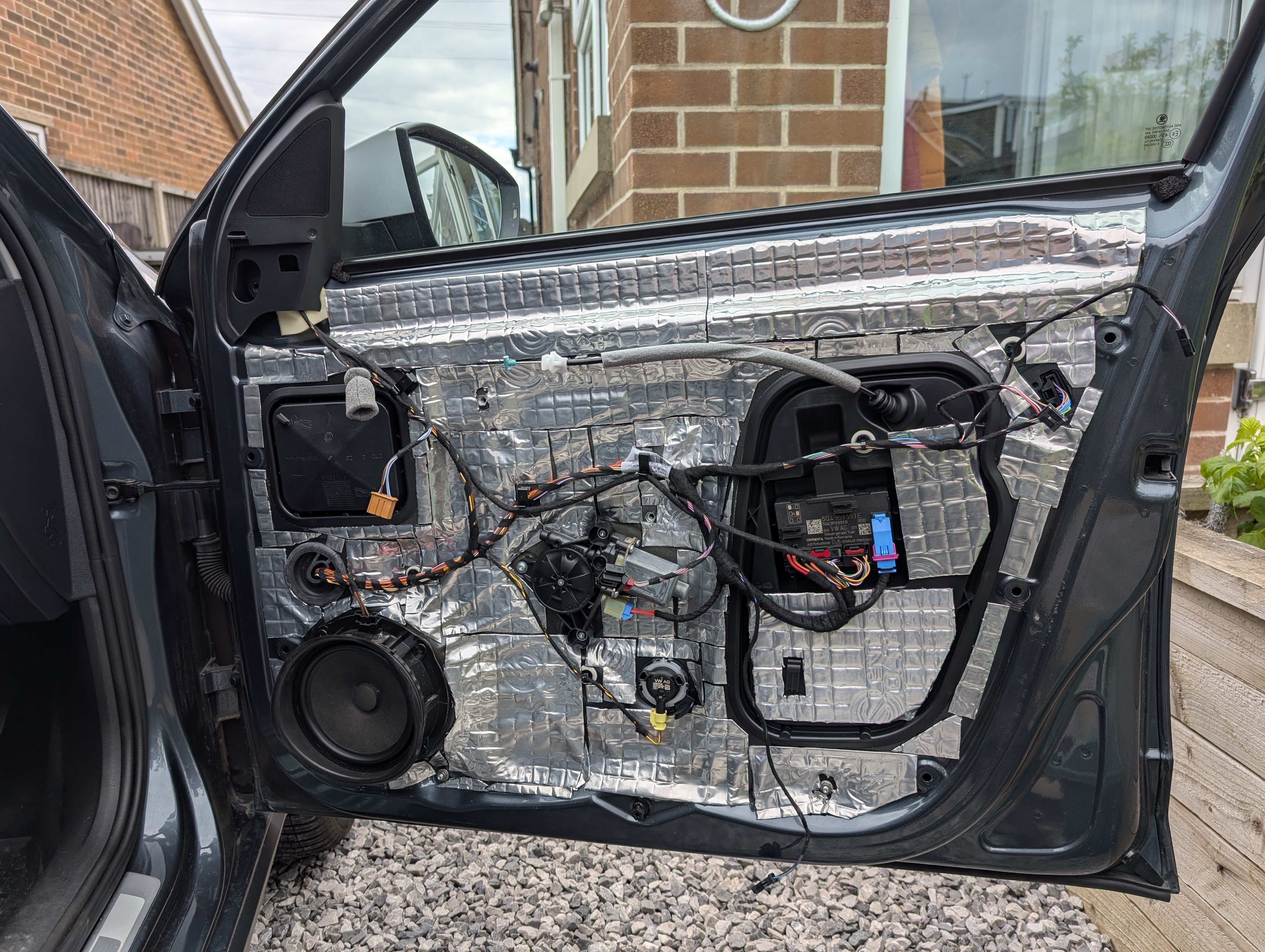
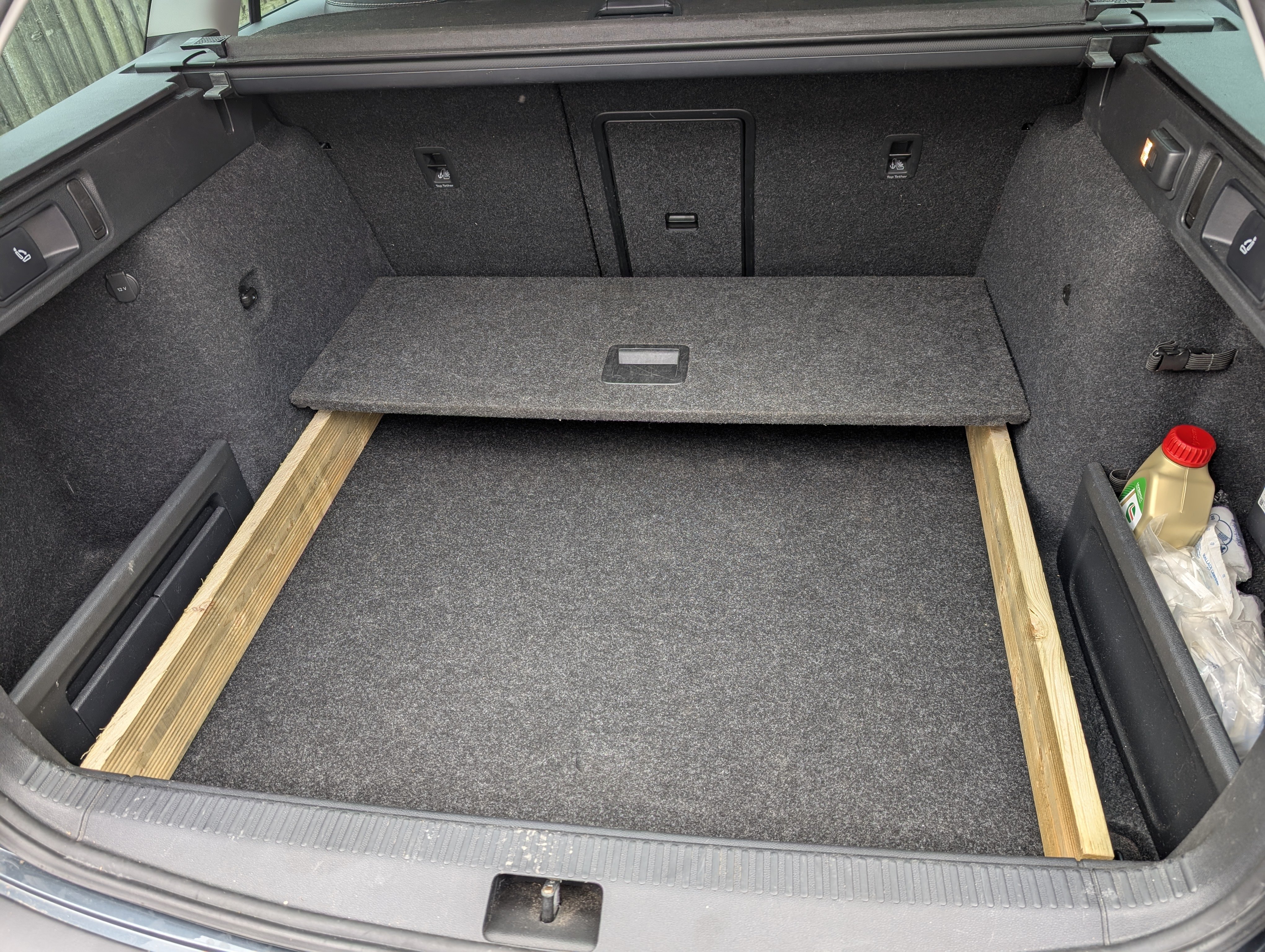
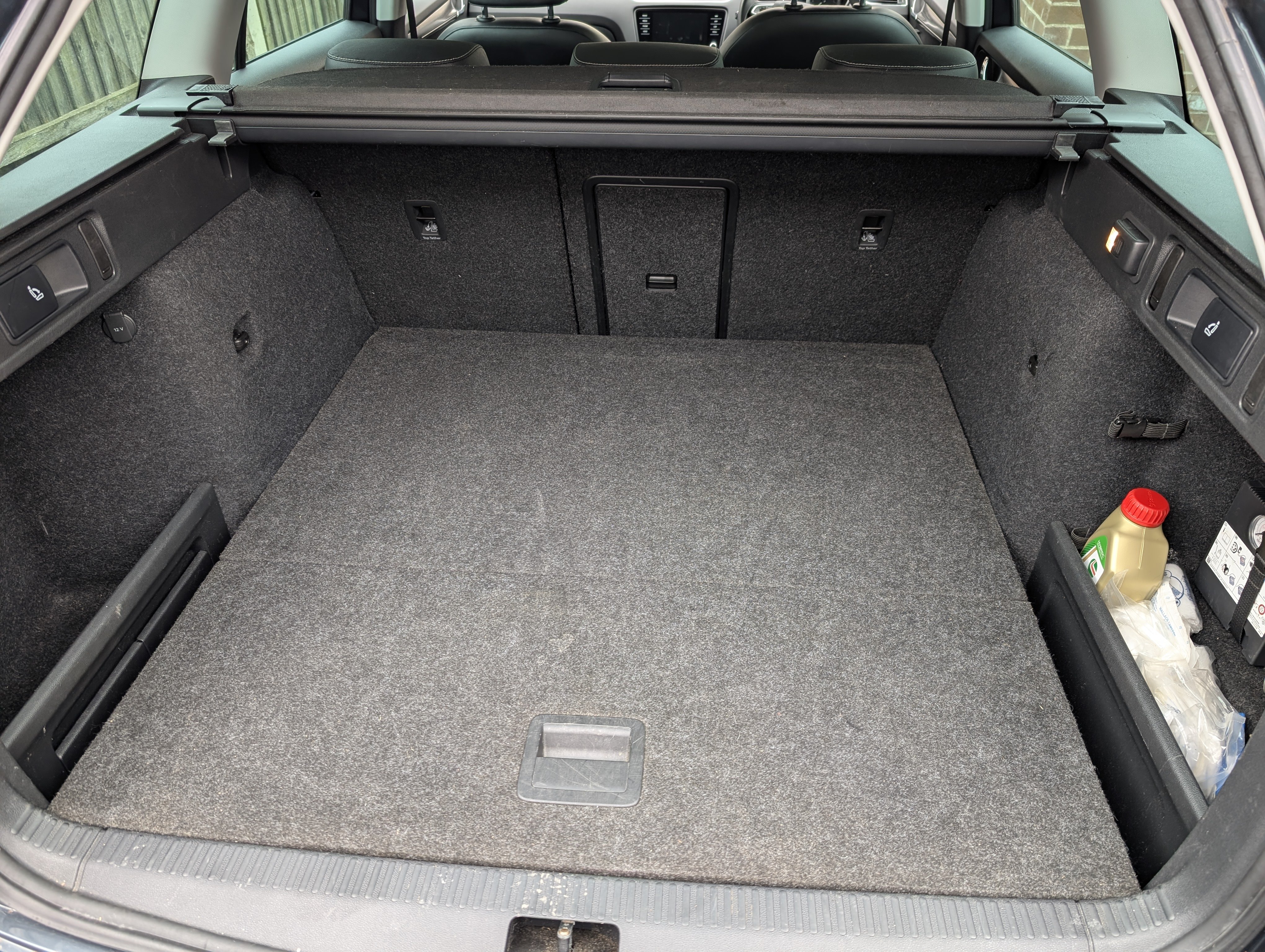
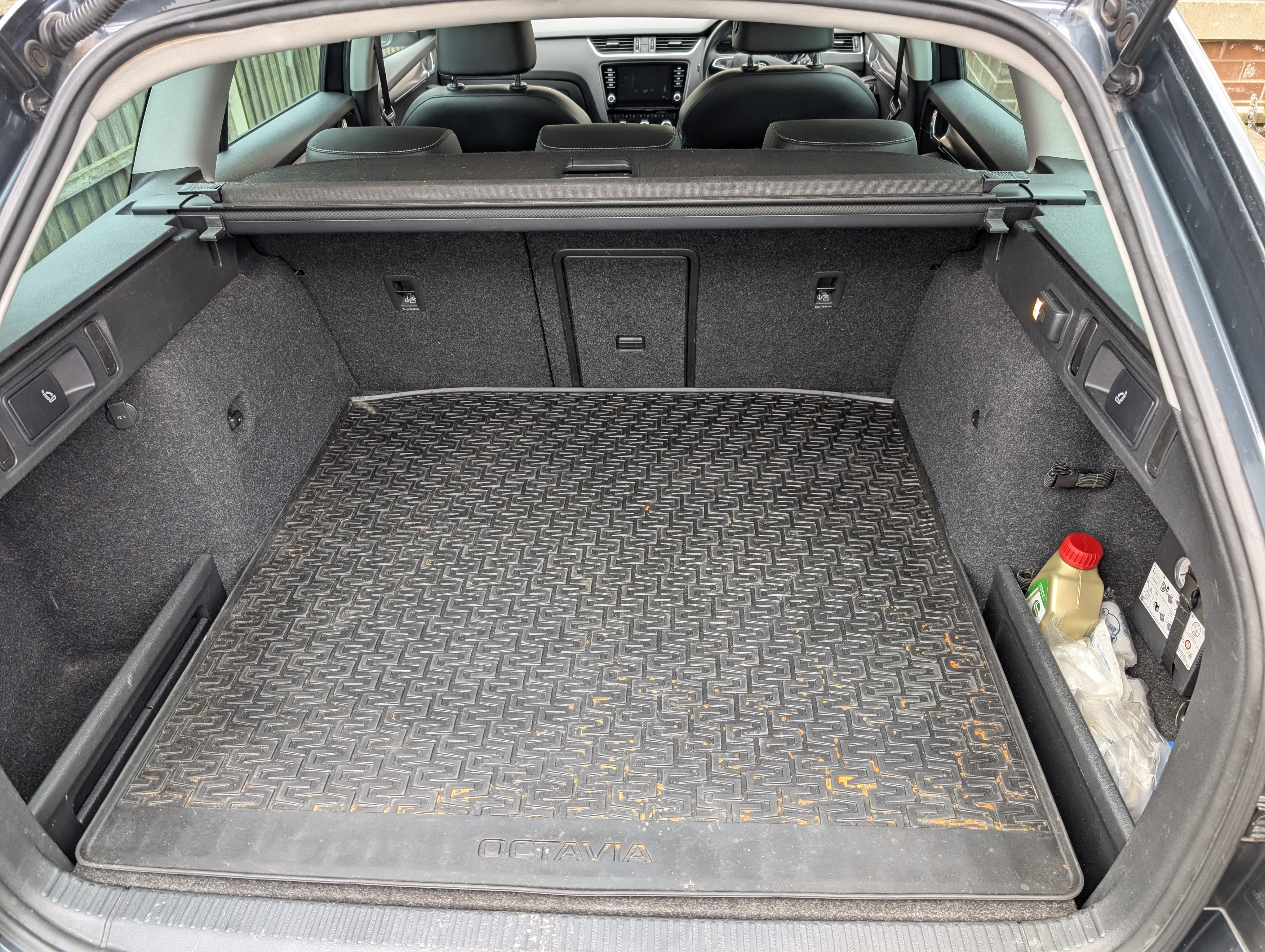
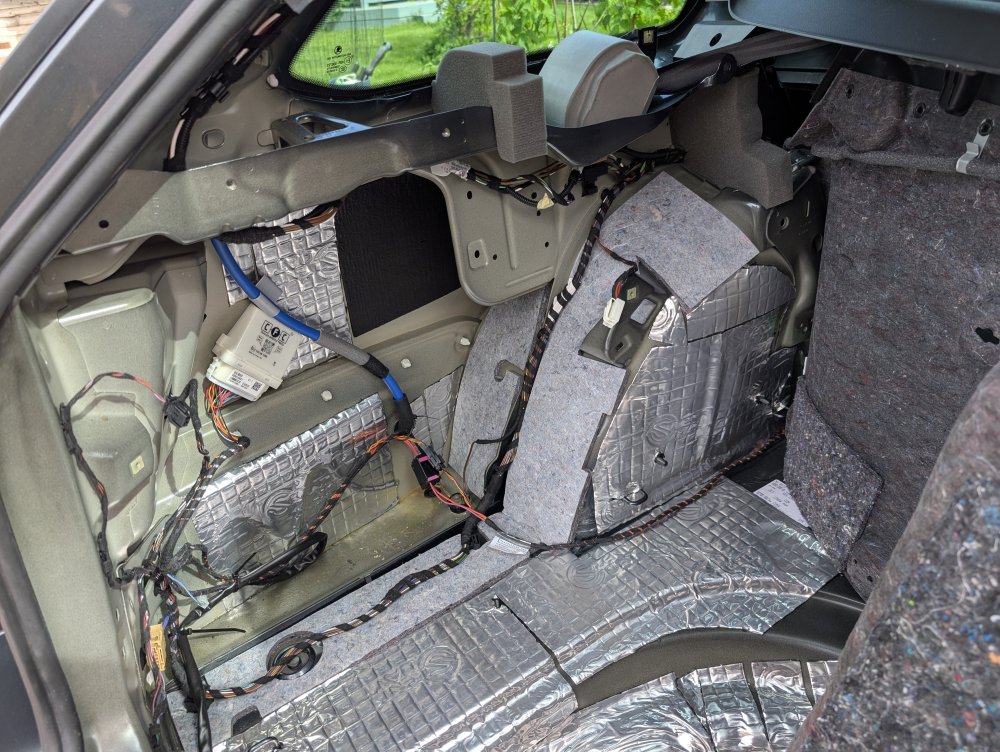
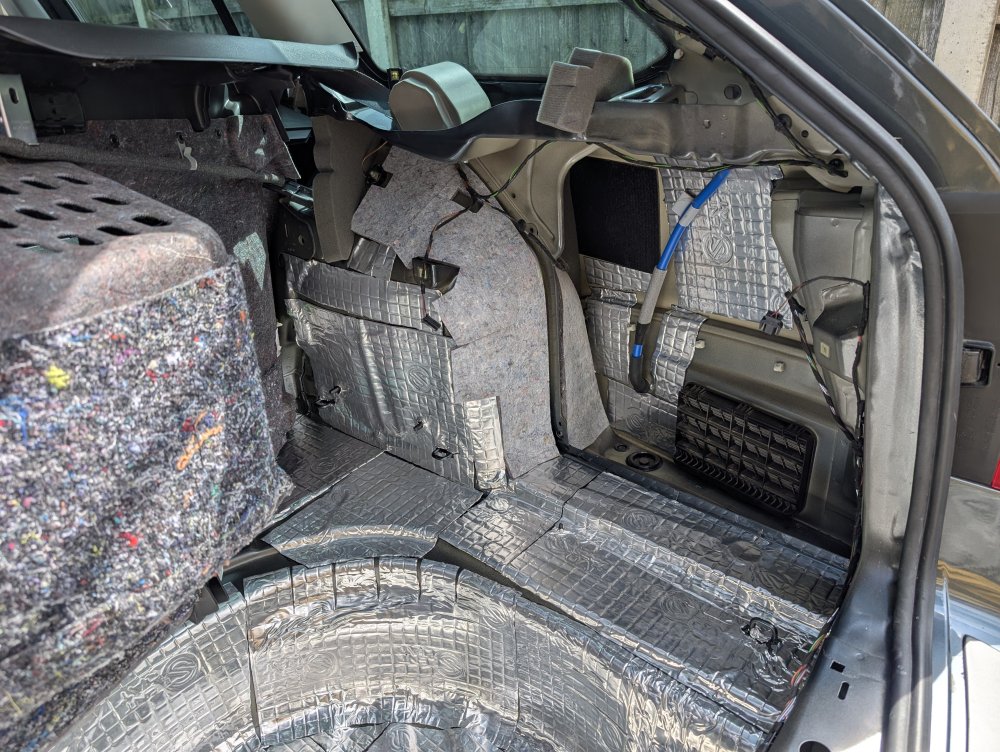
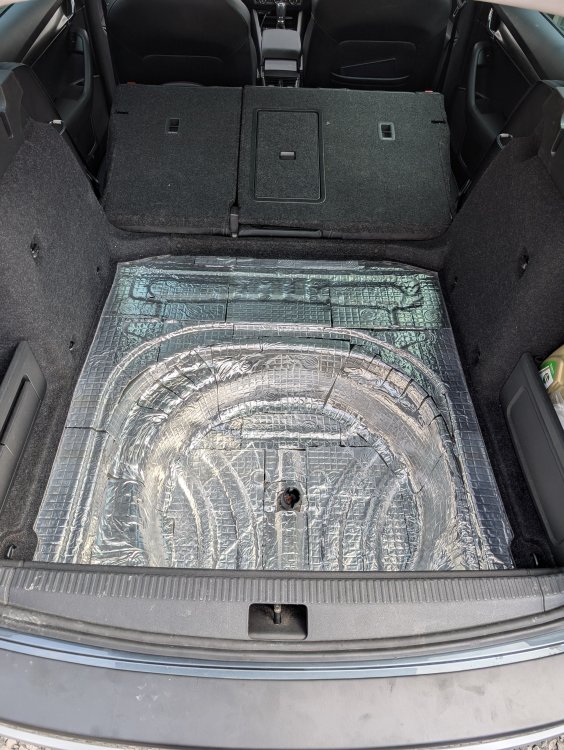
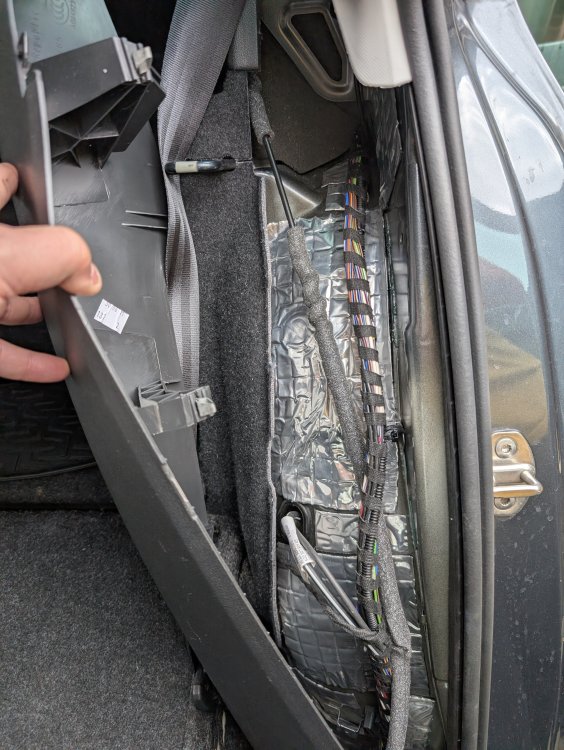
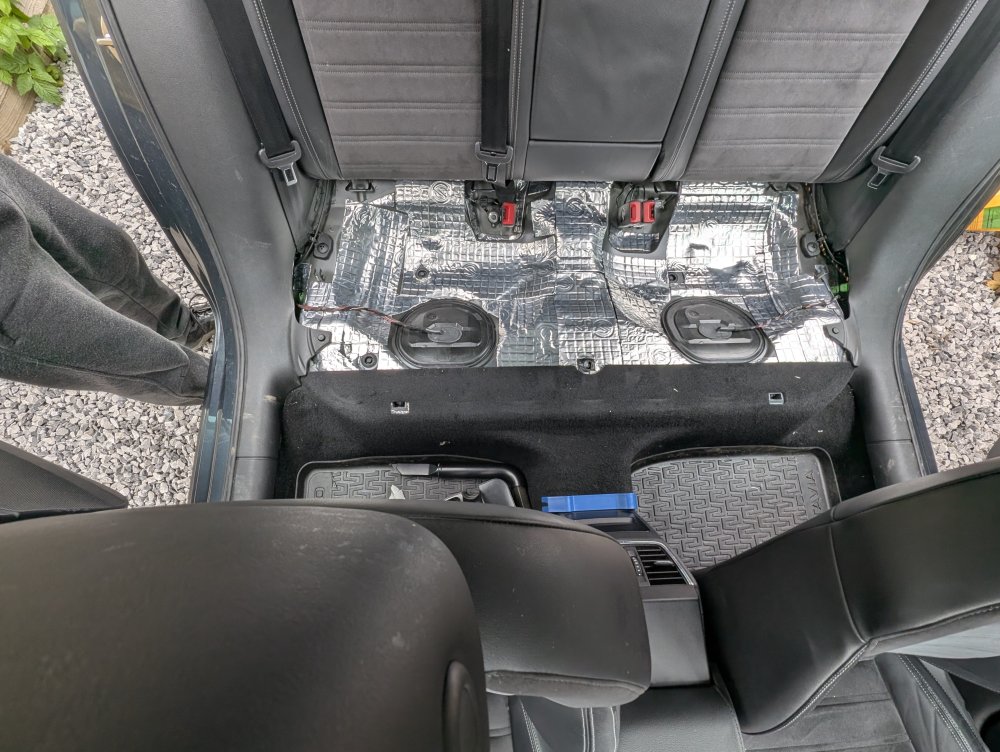
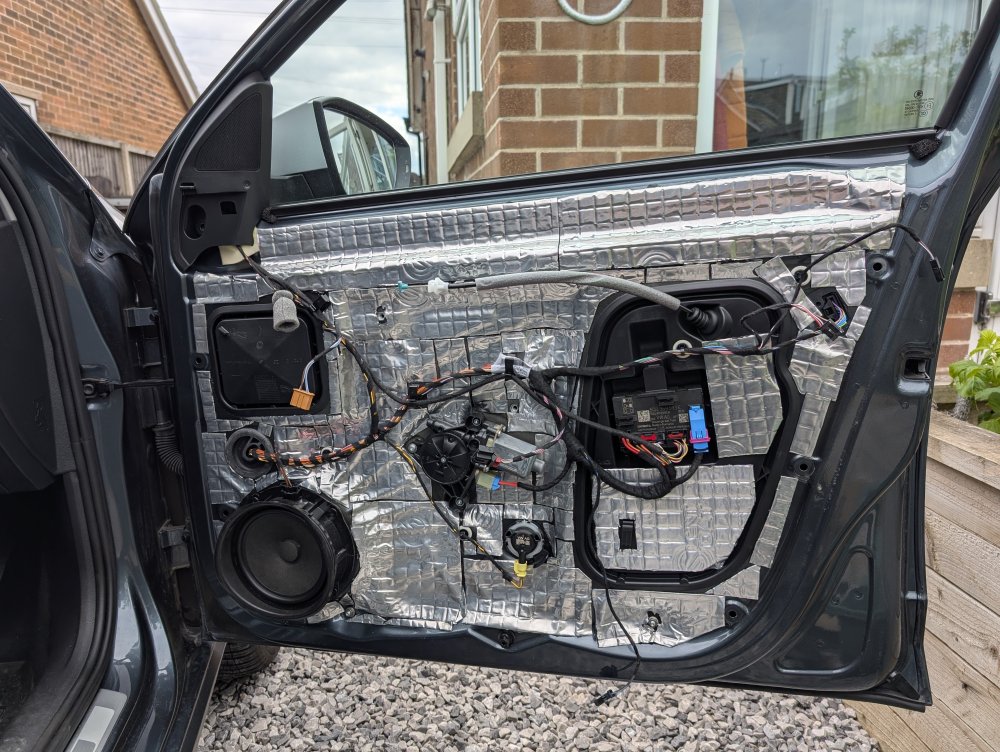
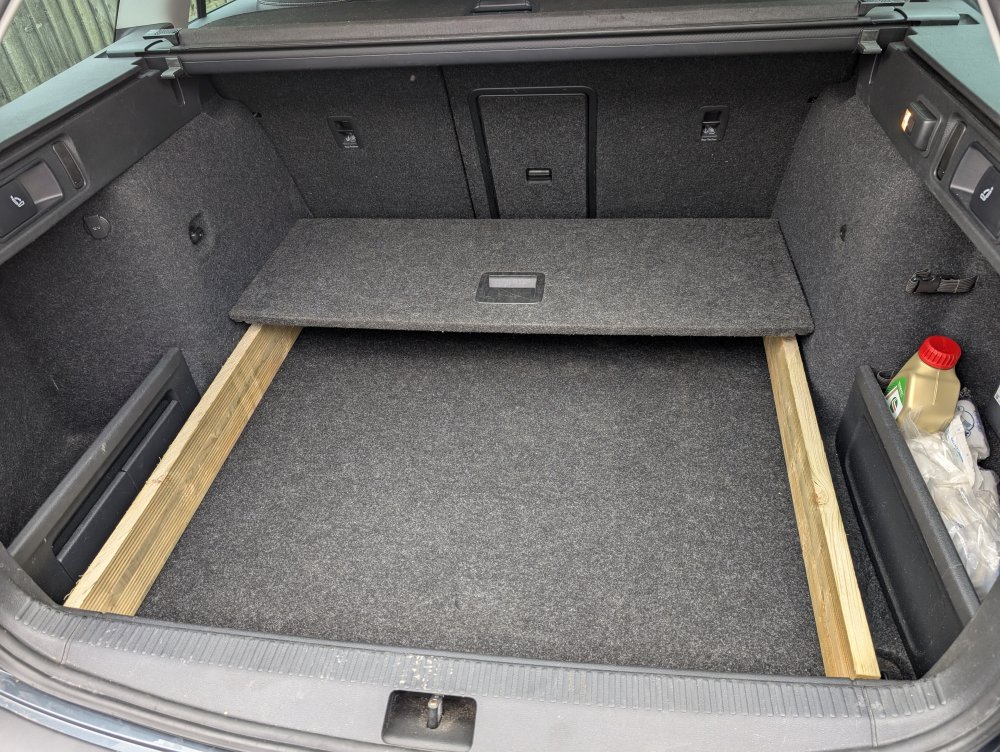
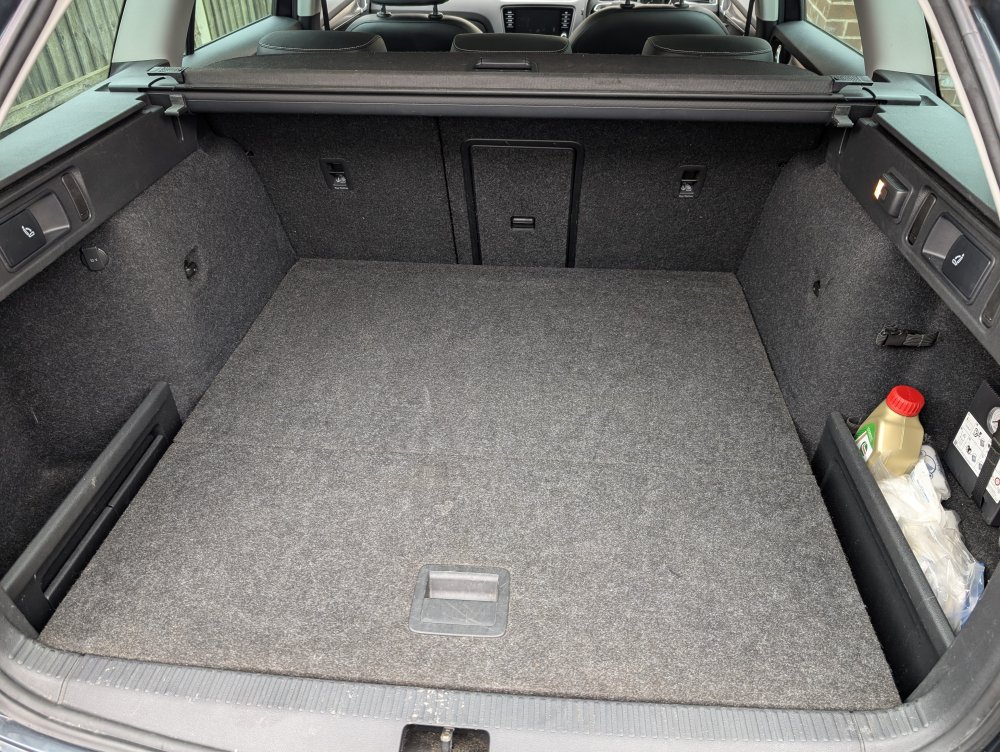
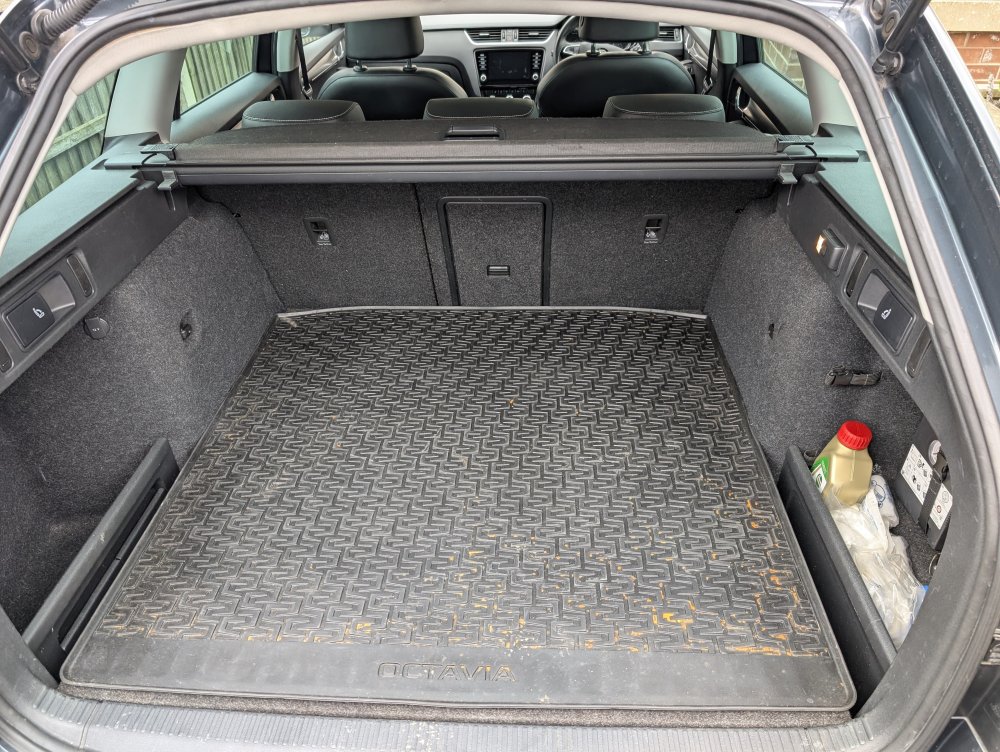
2 pointsWith each trip to look at houses being approx 500mile round trip the noise from the tyres (what's been diagnosed as the noise above 65mph) saw-toothing is really quite tiring (my mk2 used to do this too). so... I bought 40sheets of the 2mm Silent Coat sound deadening, covered the boot floor, put some in the boot side panels, put some under the back seat and the inner rear wheel arches & also lined as much of all 4 doors as I could (all covered as much as shown), with the little bits I had left I put them on the roof (not much todo as I have the panoramic roof). Its made a huge difference and glad I spent the time doing this (did it on my mk2 too) I bought a mk3 false floor when I bought the car in August '25 as our cocker spaniel can't see out of the boot without jumping up, just wanted something simple as it will either stay in permanently or just get removed (if more space is needed) so didn't bother with the whole kit and made a simple frame out of spare decking (instead of taking it to the tip).
 2 points
 -
1 pointHi, welcome. Your question might get more and better answers in the Octavia Mk1 forum (or possibly 'Audio, Electronics and Security' forum). I will contact the Moderator (by clicking on the three-dots at the top right corner of posts and selecting 'Report' from the drop menu) and see if your thread could be moved to the Octavia Mk1 forum. HTH.1 point
-
Thanks for responses all. Car was previously owned by an older chap but in the 6 years of its life before me it still racked up a decent yearly mileage. MOT history was checked before buying but nothing to do with brakes in there. Tyres are grand along with the rest of the car (the garage it's in with currently also did a broader 'health check') Main concern right now is likely being on the hook for replacement of all the brake units as the warranty will probably try and use the 'normal wear and tear' get-out clause. If I had more time I'd try at least some of it myself but unfortunately I am far far too busy and lack the proper tools to do a job of that magnitude. Silver lining from this mess is that the rest of the car is in good shape and, once the required work is done, should hopefully set the car up well for many more years on the road. And on a broader note, the whole experience has given me new impetus to keep educating myself on car ownership and, where possible, do jobs myself (eg wiper blades, changing air filter). I should hopefully have an update on Monday. (@Evolution13 - garage have confirmed that brake fluid was fine and not due till next year, though it'll be changed as part of the replacement work anyway)1 point
-
I see. I know nothing about these engines, but if it runs nicely just keep the oil changes regular and don't ignore warning lights or strange noises. Sounds like you got a good one. 👍1 point
-
Be as well to switch back to 5w 30 FS III , VW504 00 / 507 00. Which is what the 0w 30 FS III is as well. But was not getting used back 11 years ago. Check the Oil at Operating Temperature after being stopped a few Minutes. That is 4 or 5 after there is an indicated 90*oC oil temp. Top up to the top of the cross hatch area. Area A.1 point
-
1 pointThe Posts are here from 2010 on about 'Pulling to the left', that was from cars being new. If people went on long enough at Skoda and after Dealerships never fixing the issue they got the Continental or Dunlop tyres replace for Pirelli. That disguised the issue. Actually the issue was often the tyres fitted wrongly for the 'Run out stripes'. But actually in the main it was the alignment of the front from the factory of Right Hand Drive cars for the UK. There were less complaining of Left hand drive cars 'Pulling to the eight'. Sorry no help to you with a 15 year old car, but it maybe never ever did get sorted. Sent to an Audi Garage where the Techs & Fitters maybe paid more attention.
 1 point
 -
1 point
-
Firstly, thanks to the OP for his guide to replacing the motor... However, I have to say that when he says "it's a bit fiddly" that seems like the understatement of the year! There's a great big metal strut bang in the way of getting to the motor cradle and its connector. I did manage to undo the torx screws, but getting the motor out was beyond me. After much huffing and puffing this nearly 70-year-old decided that he'd put up with the recirculation no longer working rather than continuing the contortions and having to make multiple visits to the chiropractor. So to anyone thinking of attempting this fix, be warned that it's not a job for anyone without a flexible skeleton. And of course I now have the airbag fault popping up every time I turn on the ignition. The message goes away after a few seconds, so I'll just ignore it until the next service when hopefully the garage can reset it. I take it that the airbag will actually work in the meantime?1 point
-
1 pointI had a similar issue. Copious amount of WD40 around the antenna did bugger all. A new GPS antennna from eBay (approx £10) did the trick. I just attached it to the top left of the winscreen and ran the cable inside the trim and behind the glovebox to the unit. All sorted ! 🙂1 point
-
Many people put too much faith in an MoT pass. An MoT is only one (hopefully trained) person's opinion that, at that one and only piont in time, the car's meets the mimimum statutory standards. It does not mean the car is as good as it could or should be and with the greatest of good intentions the car could have additional advisories or even fail another MoT minutes or seconds later, let alone days, weeks and months later. The car may have been in a salty or damp area (you are in Scotland) or with these types of cars they can can be used very little and/or sit for long periods of time unused, which can mean rust and rust buildup on the brakes. Cars are designed to be used, many cars now aren't used enough, especially by older owners that don't really need a car but still want one. Some good news - the front dampers ("shocks") may be leaking but it might only be what is refered to as "misting" a common thing on VW's of this type at least. Those that know about VW dampers give allowance to this common "misting" (lack of) quality issue. Of course your dampers might be worse than "misting". The replacement (£500!) new 2-year warranty front dampers on my wife's 2015 Fabia were "misting" 11 months later. Weeks later on having the replacements to the replacement the VWŠkoda Dealership that fitted the leaking new "misting" pair gave a fresh MoT without advisories. a year later a proper (independant) garage knew all about VW dampers and put the "misting" as an advisory on the MoT and following MoT they done. They could replace them if required with better quality dampers for a much, much lower fitted price. VWs are not as well made as many still think they are, but Czech Škodas are better built and factory quality stadards than the German built versions. And low mileage on a car isn't as good a thing in many respects as many people think it is. If the car had rust build up and then the seller had it sitting around for a while if the rust hadn't been attended to then of course it would be worse. I've dealt with elderly neighbours' cars that had rusty brakes, some clean up with use of the brakes, some a lot more use of the brakes and one as I put before intermitently locked up a front wheel so that it got very hot and siezed up and perhaps released when cool - but that depended not getting the disc too hot. The front discs and pads are very easy to do, a DIY job for even someone like me, I put up guide(s) on front and rear disc and pads replacements. The fronts were the easiest of the few I've ever done over decades. The rear drums I believe might just be usual farting-about-with-cars awkward rather than difficult, but I don't know for sure as i've never done any on a Fabia. You don't p1ss about with brakes and you always replace both sides of discs and brakes (same for dampers) and if a caliper can't be refurbed then it needs replacing. Some calipers are very inexpensive, no idea about VWs. You would also change and flush the brake fluid on a job like this. Front and back brake failures may or may not be a coincidence it depends on what is found on inspection. The exterior appearance of the rear drums may or may not fully reflect the condition of the brakes inside - the thing is you can't assume, or accept a car seller's word for such unless they have been checked in which case they would also have been cleaned and seller would tell you that. With second hand cars, more so, it's a case of Buyer Beware, you should check not just the car but it's history. With the car registration you can check past MoT history and the recorded mileage at MoTs and cross eference the information and any mileage with othert history such as service and "road tax". Any gaps may mean the car was sitting getting things like brakes rusty. Also bear in mind tyres are an essential part of the braking, steering and supension systems and often a good indicator of possible general car condition and how it's been looked after particularly just prior to or at piont of sale. A lot of info but there's a lot to know and as you have found it's better and less expensive to learn from the experiencies of others. Let us know how you get on.1 point
-
Yes there is a small pipe that goes from the expansion bottle to the thermostat housing. How do i need to proceed with the bottle test? There is emulsification in the oil cap, not much, but i read that in this engine is normal, as we use the car for short city trips, so no time to evaporate all the condensation. The oil is pretty clean also, once i even drained all the oil into a clean bucket to check it close, and it was totally clean. Could a bad headgasket make some coolant pass to the oil, but not the other way around? Again, the coolant is perfectly pink since the beginning, and not a single bit of smoke coming from the exhaust. Next week gonna check the core plugs, thank you for the advice. And i also checked the radiator yes, no signs of leaks either, i removed the fan shroud to have a clear sight and nothing.1 point
-
If theres an overflow pipe from expansion cap put it into a plastic bottle somewhere in engine bay away from heat and check it after driving a good distance. It will rule out loss of coolant from cap. It may be that the febi one is not quite the same pressure rating as original. Check the engine oil and filler cap for emulsification. Its not unknown for coolant to get into oil but not oil in coolant as coolant may have more pressure than the oil. Last thing I can think of is leaking core plugs. Think there are a few but not sure if there are any hidden behind bell housing. Check base of bell housing for signs of antifreeze crystals. It may be why the previous owner added kseal or similar? I assume you have checked radiator. If its a small leak only once upto pressure/temp it can evaporate before dripping down. The rad and core plugs I know from experience. Alasdair1 point
-
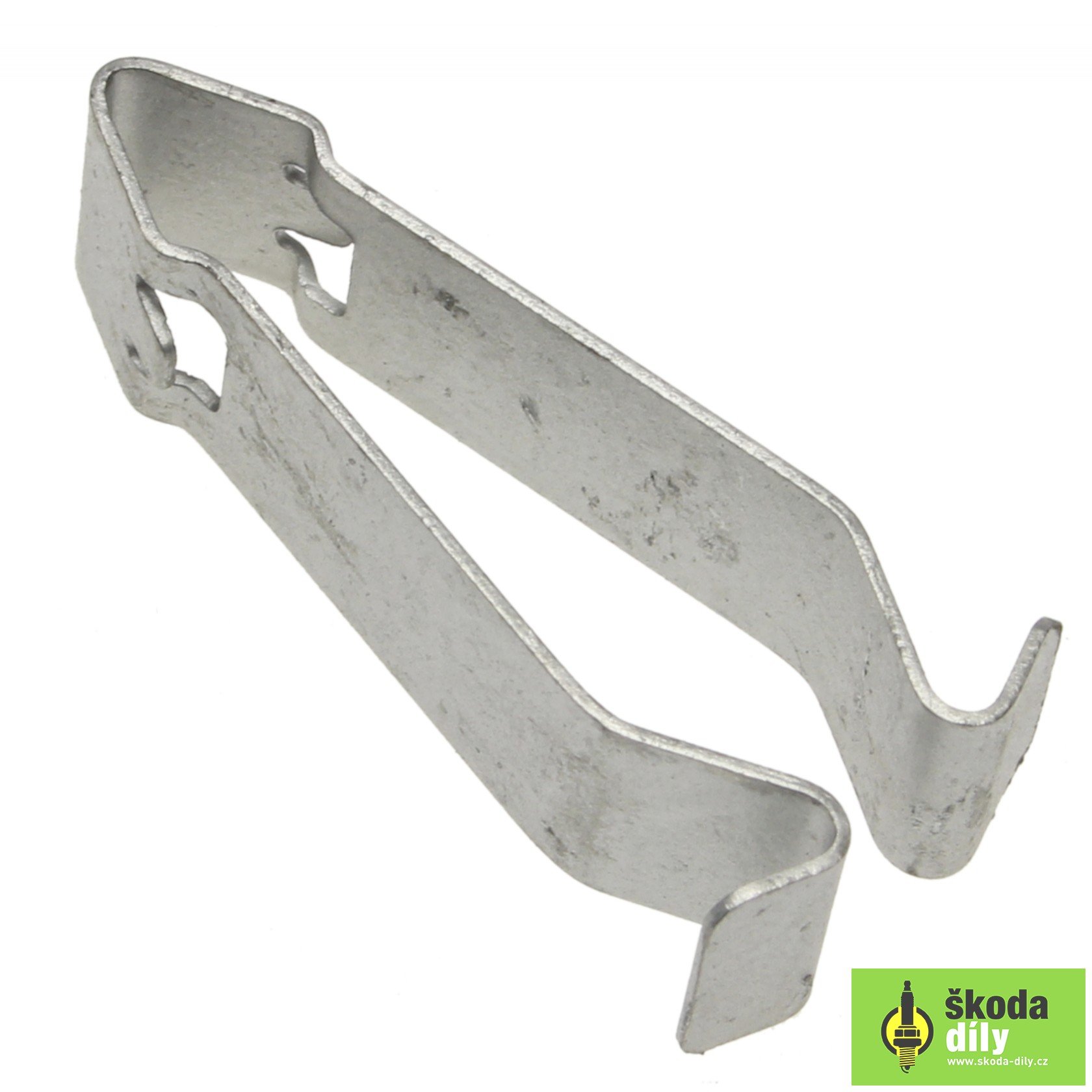
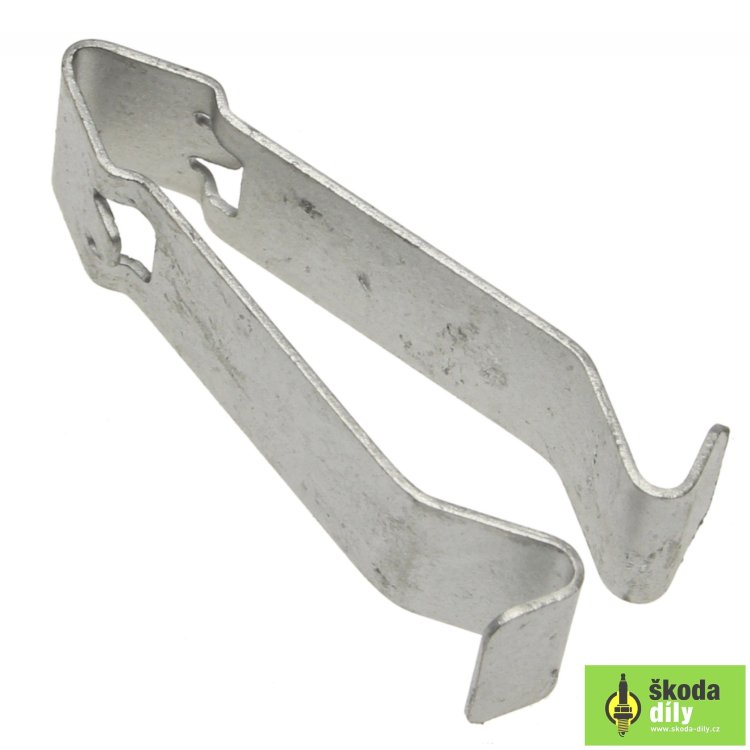
I removed my drivers side for the ticket clip and then the passenger side for the dashcam. Let’s begin! I’ve attached a photo of the spring clip. There are two of these that hold the pillar trim in place - one at the top and one at the bottom. They just slide into the trim, so can be easily replaced. You can see there is are initial barbs that you have to engage into the slots in the pillar itself, before pushing it home to seat the rest of it. You’ll want to order some spare ones, as they are technically single use. The part number is 8P0 867 276. The trim also has two plastic locating pins, and then slots into the side of the dashboard. It’s pretty obvious to see if it’s not correct. First, you’ll want to carefully slide some fingers underneath the top of the pillar trim. You’re being careful so to avoid crushing the headliner in the process. Then, you want to pull the trim directly off the pillar - you’ll need to be standing outside the car for this. Slide your fingers behind the trim a few inches so that you are closer to the location of the topmost clip, otherwise you risk deforming the plastic. Once you’ve popped it out (it does take some force), you’ll begin to wonder why you bothered - it won’t be out all the way, and the bottom one will remain in place. Fear not - the slot in the pillar trim is stepped. Carefully repeat the process for the bottom clip, getting it halfway out. At this point you can use the steps to your advantage, and slide the pillar trim upwards, along the a pillar. This will move the clips from the narrower part of the stepped slot (where they’re meant to sit) and into the wider part (that allows for their removal). You won’t be able to get the clips out without sliding it up, as the barbs will keep it in place. It’ll need a bit of sliding, pulling and swearing, but it will come off. Make sure you’re standing outside the car and looking at it through the windscreen - it’s easier. The ticket holder will be attached to the pillar at the bottom. It’s a single black plastic fitting - I want to say it’s a bolt, but it may be one of those crappy plastic plug things. Either way, take it out! There’s no cut out in the pillar trim, for it. I removed mine in 2024 and have had no issues. To put it the trim back on, first replace the clips. As I said, they simply slide out of their slots in the trim. Also take two seconds to make sure the airbag wires are clear of the slots. @Warrior193 I cloth taped my entire dashcam cable and carefully affixed it to the airbag cable wire, behind the airbag. Seat the trim at the bottom, sliding it into the side of the dashboard - don’t worry about the clips or anything. Then, you’ll want the sun or a torch to shine through the windscreen and show you where the clips are in relation to the slots. Locate them, being mindful of the plastic locating prongs (they go into the holes). You want the clips to be in the narrower part of the slots - no sliding at this point. Noting where the clips are on the trim, carefully tap these points to get the barbs in. I say carefully - start with a slap and you’ll probably end up lightly hitting it with your fist. Again, as long as it’s over the location of the clips, you’re fine. It takes quite a bit of force. Once these barbs are engaged, all that’s left to do is firmly push the trim home, at the top and bottom clips. I’m careful what I say and do on a public forum. If either of you would like to PM me, I’d be happy to send a video on my car over email, along with the relevant sections of the workshop manual (as useless as it was). If you want to run a dashcam, you need to remove the trim for safety reasons. While it won’t stop the airbag deploying, that dashcam cable needs to be behind the airbag - otherwise when it deploys, you’ll get whipped in the face with a broken dashcam cable.
 1 point
 -
Nope, it doesnt overheat at all. I drove it hard to test and it holds at 90°C without a problem. By EV cap you mean the expansion tank cap? One of the first things that i did was replacing it with a new one from Febi.1 point
-
Hello, welcome to he forum. Does the temperature gauge indicate any overheating at all? Check the EV cap, it is possible that it is not holding pressure when the coolant is hot - resulting in lower coolant boiling point and loss through overflow. Replacement is not expensive if there's any reason to suspect it.1 point
-
1 pointBattery is new, I reckon he's going to have to get a genuine fob rather than these aftermarket things1 point
-
1 point
-
1 pointFor sure the fuse-bulbs are OK since you have the blinks. As @R_U_AFA said check your alarm, discontinue it (remove it's own plug) and made a test, if the multiple blink stops the it's the culprit because it was giving the command. ''Retirez temporairement l'alarme de votre voiture (débranchez-la). Si les clignotements cessent, c'est bien elle qui est en cause''.1 point
-
1 point
-
1 pointIf it's just a flat fob battery, have you tried a new battery? Ought not to be flat, but I can imagine replacement fobs sitting on a shelf for a fair while.1 point
-
1 pointTried to fit 225 40 18 inch wheel in spare wheel well. Might fit if I deflate it but who wants to be inflating tyres as well as changing tyres.Snow definitely not a problem in most of Australia. Whoops I meant 225 40 19 inch wheel1 point
-
I’ll do it later on tonight. You’ll want to order two of the clips too, as they are technically single use. It’s not a difficult job at all - there’s just a knack to it. The only important part is to not pinch the airbag cable with the clips when replacing. That said, if I can do it, you can too!1 point
-
1 pointI owned a 2018 Seat Leon FR with 7-speed DSG for 7 years without any problem. Friends have same DSG in Golf, A3 & Octavia of various ages. No problems. The reported problem with that gearbox were in India {far hotter than UK) & problems solved by a change in oil spec. I've just bought a 20 month old Karoq with same DSG. I'll never go back to a manual but I'll won't have DSG without the steering wheel paddles.1 point
-
Thanks. Looking forward to getting a chance to change the roof bars too as I think will really finish it off.1 point
-
1 point
-
1 pointHello, thank you for your reply. Yes, I'll use a translator. That will be better! The vehicle is practically a one-owner car, as it belonged to my grandfather who bought it new. It just had a service and the alternator is new. No other faults to report (144,000 km). But as soon as the engine starts (so even when stopped), the hazard lights come on and follow the same pattern every time: they flash 34 times, stop, and then flash another 34 times, and so on continuously. This leads me to believe it's some kind of error code... I'm open to any ideas or if anyone has encountered a similar problem. Thank you in advance.1 point
-
Yes, 1.0 TSI is a small engine, going further will put extra load on the engine and requires more maintenance than general.1 point
-
Hi OccyVRS, If you could put up some instructions/photos that would be great! 🙌1 point
-
1 point
-
Sachs 318 202 rear shock absorbers are sold to replace all three of the OEM part numbers that are listed in the Superb MK3 parts catalogue for the front wheel drive cars without DCC (electronic damping control)...including 3Q0513049FP. Sachs 318 202 is an aftermarket rear shock absorber and is sold (like most aftermarket shock absorbers) to cover a large range of OEM part numbers. It won't be the same as the original Skoda 3Q0513049FP rear shock absorbers...even if the original rear shock absorbers were also branded Sachs. Sachs 318 202 rear shock absorbers 3Q0513049FN 3Q0513049FP 3Q0513049FT https://www.autodoc.co.uk/sachs/149222971 point
-
1 pointI took delivery of my L&K 193 ps Tdi Estate in February. It replaced a 2023 Kodiaq L&K so it is difficult not to draw comparisons. To answer your four questions… Software has been fine. My iPhone hooks up every time and CarPlay runs perfectly. I tend to use Waze for navigation, but the Skoda version is fine. On one occasion a few weeks ago the infotainment system shut down. Attempted the usual hard reset to no avail. Stopped the car, restarted, and all was well. No issues before or since. The system itself is over complicated, contains dozens of features that will never be used from one year to the next, but that is purely my opinion and more an observation of the world we live in rather than a criticism of the car. Massage seats ? Standard on the L&K , I would never have considered forking out for them as an extra, but three months in , wouldn’t be without them. The Canton audio doesn’t seem as good in the Superb as the Kodiaq, particularly the bottom end, but is still impressive. Bugs ? The remote parking function on the app works perfectly………. Once ! Then I have to re-pair my phone with the car. Did a bit of communicating with Skoda , which was a waste of time. If I was using the function to park in a narrow garage I would pursue the issue, but for me, it’s just a novelty to entertain the grandkids with , so not a problem. ADAS features ? The best thing about them is how easy and quick it is to turn off the ones the EU still allow us to disable. I’ve had a couple of emergency braking events, but both at parking speeds and both involving shrubbery, annoying, but you quickly learn to drive/manoeuvre around it. My first experience of Adaptive Cruise Control , in short, I like it, particularly surprised how usable it is on A roads, not just boring motorway runs. The Superb Estate has won endless towcar awards over the years and having just done a 700 trip around Scotland last month with my caravan, I’m not surprised, it certainly stands up against both the Kodiaq and the E Class estate which preceded it on my drive. Apart from ….. fuel consumption, the Superb regularly bettered 30mpg with a 1600 kilo caravan on it’s back. Excellent, and way beyond the 25 and 21 mpg that its predecessors managed. Solo, I am seeing regular 50+ mpg out of town. My Kodiaq had a real appetite for oil, which was dismissed by Skoda as ‘within tolerance’ the Superb has not used a drop in its first 3000 miles. It doesn’t like potholes or ropey road surfaces on the 19’s I optioned, but the ride is more than acceptable. The foot swipe tailgate - another first for me, has proven really useful, although it has caught me a few times when I’ve been reaching into the boot by trying to close on my head, my fault for having size 11 plates perhaps ? The benefits outweigh the risk for me. The smart dials are clever yet simple and intuitive . I miss the adjustable armrest of the Kodiaq, and after more than 50 years of gearsticks , the column mounted gearshift took some getting used to when doing hurried three point turns. I also miss the auto stop/button from the Kodiaq. Actually, I just miss buttons, and knobs and dials. Sports car ? Nope, but on the occasions ( not many Officer ) when I’ve got a bit giddy and peddled it on a touch, it steers sharply and handles very well for what is a large, family estate. Mrs Busa Boy preferred the elevated seating position of the Kodiaq, but otherwise is more than happy with the comfort of our latest Skoda. Big picture ? So far - so very good. Much trawling of this forum prior to collection, meant I had reservations - up to press, unfounded.1 point
-
1 pointThe Mk3 does not have a clutch on the A/C compressor - the compressor is permanently engaged unless the shear-plate on the pulley has failed.1 point
-
1 pointPlus 1 for gas check, mine wasn't working when I bought the car (2016 diesel vRS) a re-gas did the trick and a year on it's still fine. A word of warning - Do not engage the aircon at speed, wait for when the engine is at low revs. A former colleague switched it on at speed on the M5, the compressor drive belt snapped and wrapped itself around the crank pulley which then dislodged the cam belt. Result? A scrapped engine which cost £4,500 plus to replace in 2014.....1 point
-
That price seems very reasonable (to a diesel driver), works out at about £1.545/litre - imagine how us diesel drivers feel, I saw some this morning at over £2.00/litre, but generally around the £1.90/litre, the same 66 litres would be over £125 (although my average economy is pretty good which partly goes towards cancelling the higher price out- luckily).1 point
-
1 pointOil at max or below when new oil in is one thing. The issue is as happens with Servicing & Techs, Fitters, Apprentices etc. Cars engine needs running and up to Normal Operating temp so 90*oC indicated, not just left ticking over and warm. Then the Level is checked on the flat after parked 'a few minutes' so 4 or 5. Then any topping up required. So really that is the Road Test after a SERVICE. Not the off a ramp and back to the Customer parking / collection area. VW Servicing that a premium is paid for often has this missed.1 point
-
I removed mine. It's not a tricky job, really, as it is only one piece of trim with two clips. The difficult part is due to the clips being industrial grade and requiring some force to remove. I can put some photos and instructions on the removal, if OP wants. Just @ me if so.1 point
-
VCDS/ODIS Service How to adapt a new battery A little guide I made to help you adapt a new battery to your vehicle VCDS How to adapt a new battery.pdf ODIS Service How to adapt a new battery.pdf1 point
-
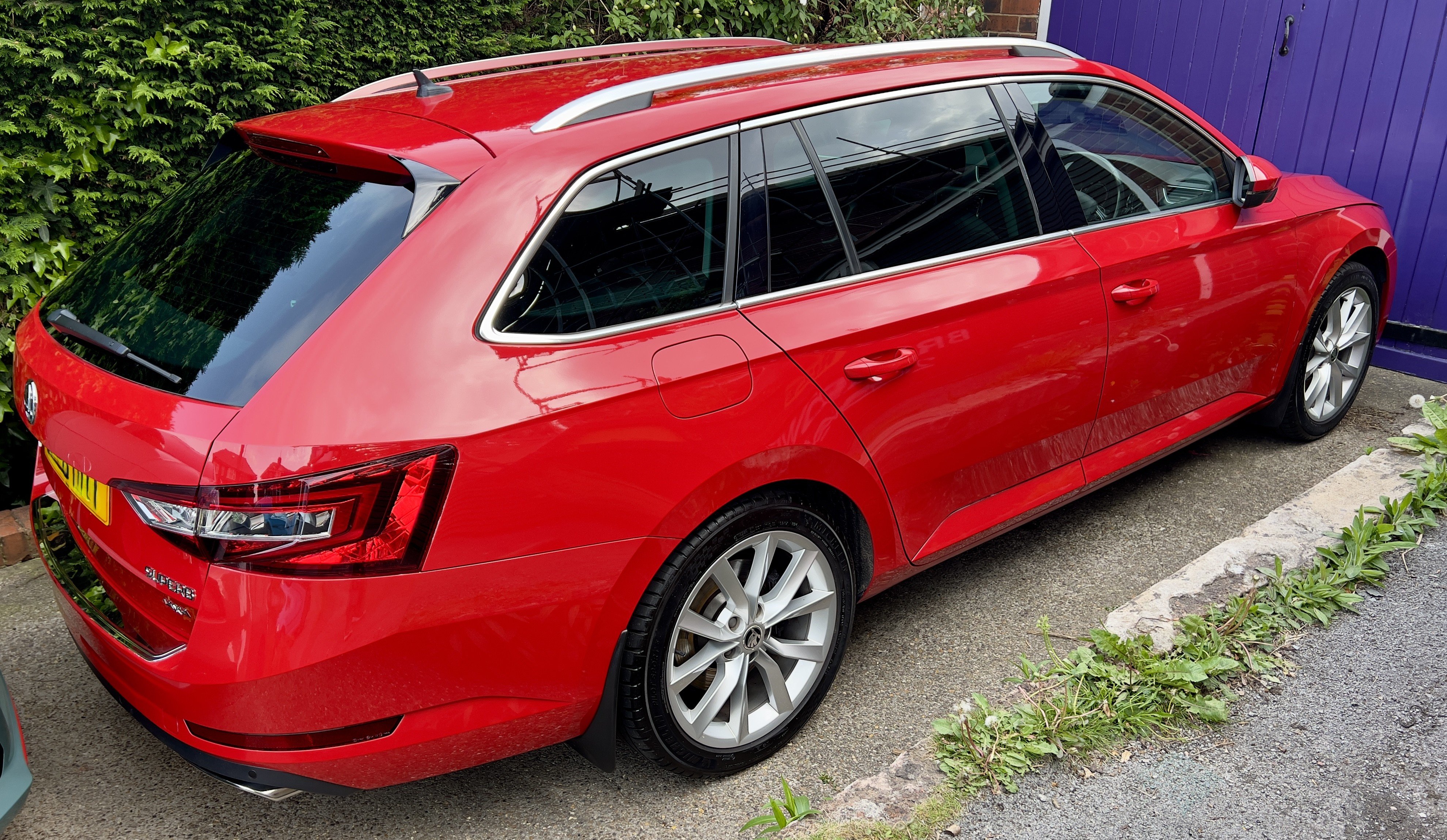
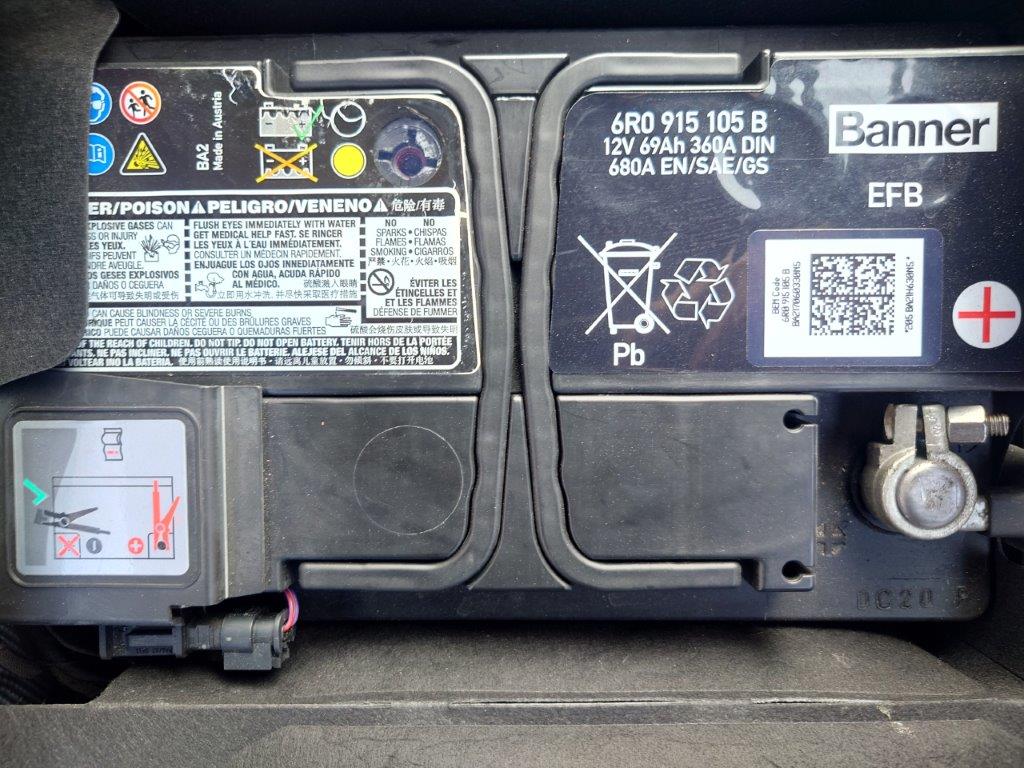
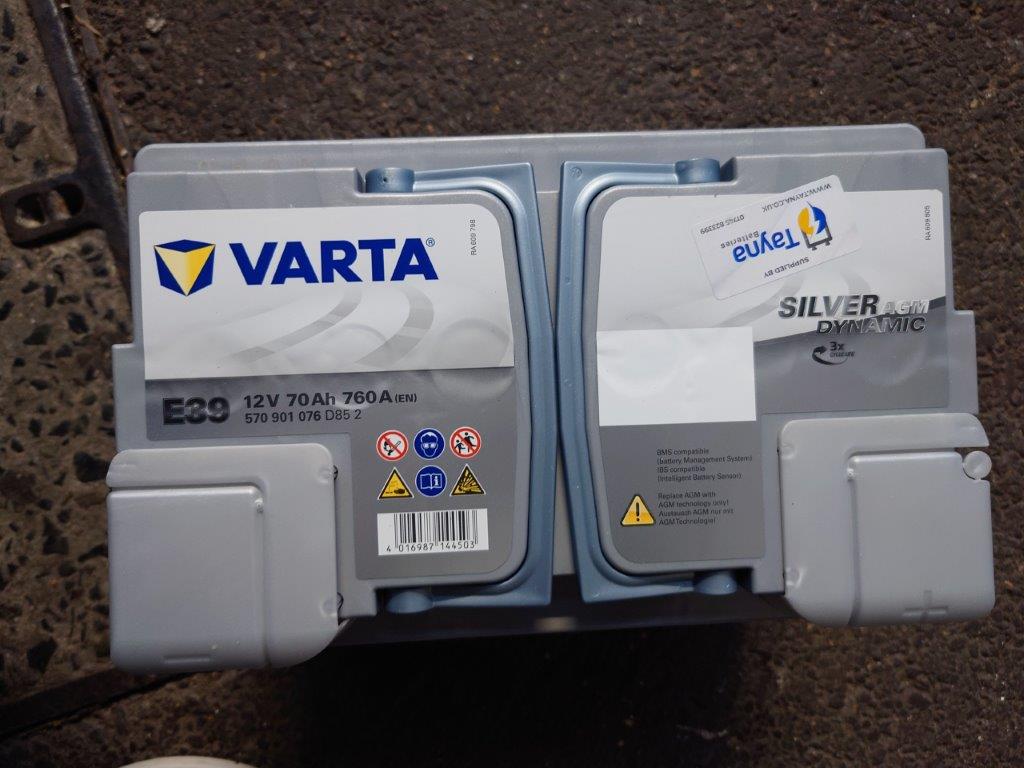
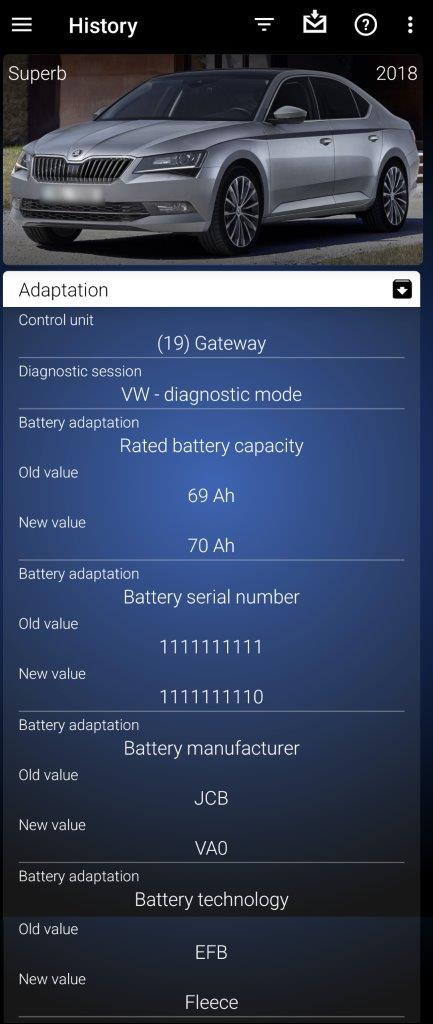
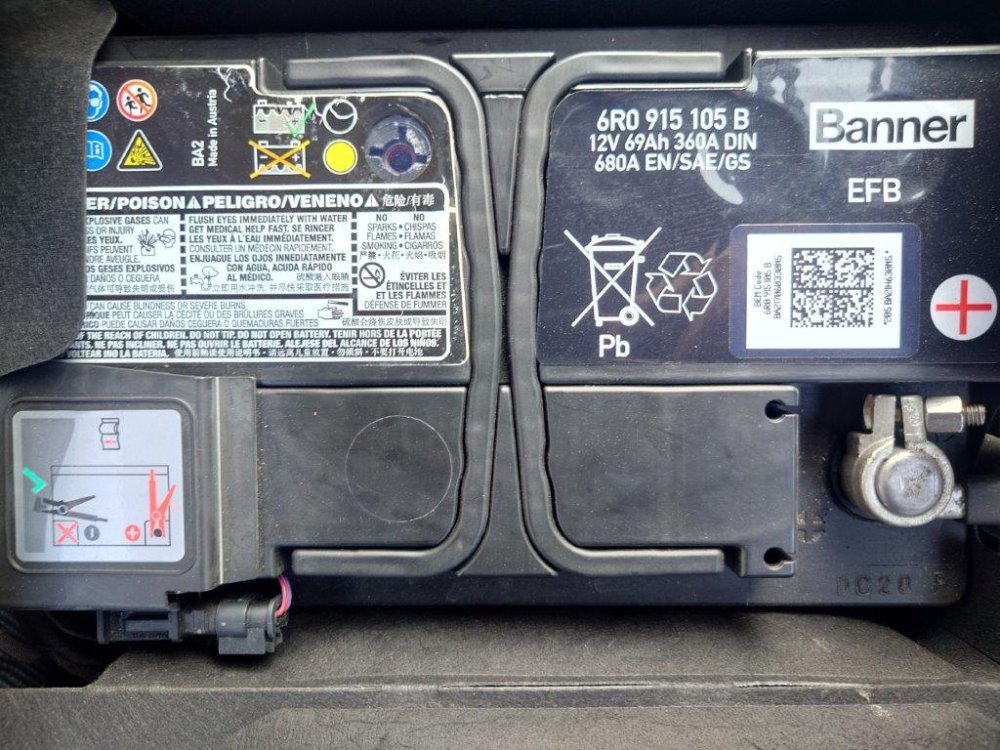
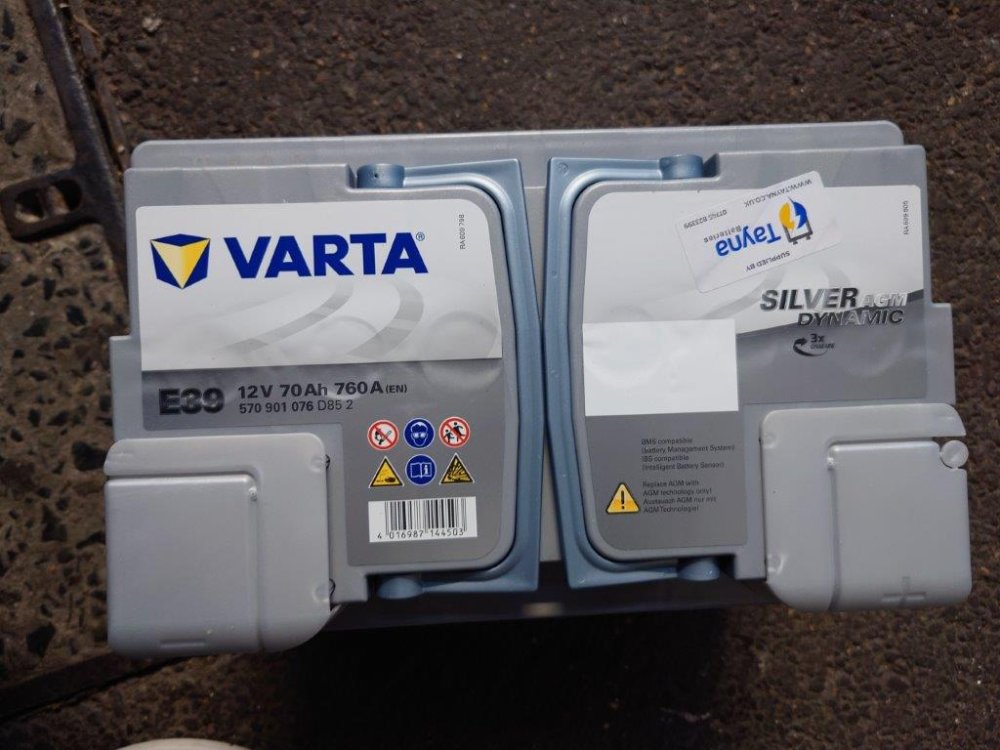
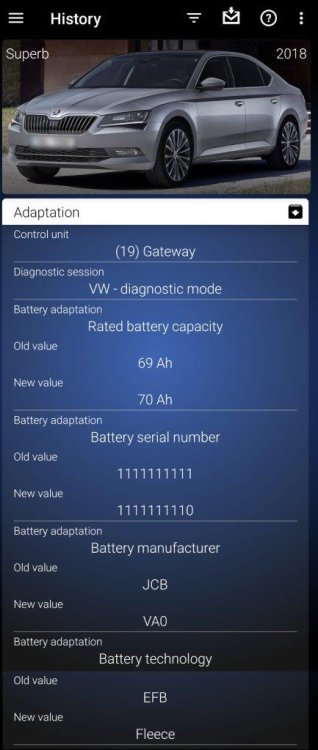
Here's an update for everyone: Firstly thank you everyone for your help and insight, with that being said, I was able to replace and code the battery on my own. 😁 The only real thing that I think can hold anyone back from doing this is either a lack of an OBDII scanner with coding abilities, a wrench with an extension or two and determination. A local garage quoted me at £20 to fit a battery but when I asked if this included coding they said no. The other was a Varta specialist going for around £40 up to £80 just to fit one in. Halfords had their own brand EFB battery at £186.99 plus £27.99 fitting. 🤯 So with that being said let's go over it. I have a 2017 Skoda Superb MkIII fitted with an OEM Banner EFB 6R0 915 105 B 12V 69Ah 360A DIN battery. The main key points are the battery type, EFB, the capacity 69Ah and the dimensions, length: 275 mm, width: 175 mm and height: 190 mm. I realised my battery was dying/dead when I had the error message "Manoveure braking unavailable" pop up time over time and then one day it wouldn't crank without the help of a jump starter. It wouldn't even hold any charge even when charged with a trickle charger. 6 years, low miles over Covid (still low miles now) and plenty of cold winter starts probably killed the battery. I ordered the ever popular Varta AGM E39 12V 70Ah 760A 570 901 076 D86 2 battery for £145 including next day delivery. One reason I picked Varta is because it's also an OEM choice battery found in some other VAG vehicles. The key differences are that it is an AGM type battery, the capcity is 70Ah and that it is slightly longer at 278mm but the same width: 175mm and height: 190mm. The extra 3mm is nothing to be concerned about. It arrived next day from Tayna and was pretty much fully charged when I tested it with my trickle charger. From what I understand an AGM type battery should last three times as long as a regular battery, compared to an EFB type when compared to a regular battery which only lasts twice as long. The only issue is that AGM batteries don't like heat - hence why there is a thermal battery sleeve in the Superb. The other thing that needs doing is that changing from an EFB to an AGM type battery needs coding. I originally got the OBDeleven when it was on sale with a voucher, however at the time you could get free credits (not anymore) but in order to do any coding or adaptations you'll need a Pro subcription. So you're looking at just under £100 together in order to do it (the OBD2 device is £60 and the 1 year Pro plan is £50 separately). This together can really put someone off, nearly did for me, but it can save some money clearing codes, diagnosing faults on the car, service intervals, and in my case when I managed in a very roundabout way of getting Pro, save money. That and you need a 10mm and a 13mm sockets with a wrench and extension bar. As @BillyParkersays, it took longer to get the battery swapped over than coding it in. You first disconnect the negative terminal first by loosening the 10mm socket, then loosen the postive terminal and move them aside - it can take a lot of loosening and nudging to remove the terminals from the battery. I wasn't keen on the idea of using a screw driver to wedge loose the terminals so that's probably where I took the longest. At the front of the battery there is a bracket with a 13mm bolt that you can undo with the extension bar (in my case I used two) and the removed the bracket which can be finnicky. But once that is out, you'll need to pull the battery towards you so it leaves the battery tray mounts at the rear, then you can remove the thermal battery sleeve, and then carefully lift the whole battery out - it was pretty heavy especially when you're leaning forwards and you have to be cafeul that you don't want to drop it on the car panels. I used the plastic cover from the positive end of the new battery to cover the old one - there is also a plastic nub that I used to seal up the old battery to stop any leaking. Give it a clean at the bottom of the battery tray - there are several mounting holes you can use but I can't imagine anyone using a smaller battery. then lift and insert the new one into the bottom battery mounts and push until it's fully in. Here I put the thermal sleeve on but I imagine it might've been easier to put the sleeve on first then push it into position. When you're connecting the new battery, do it in reverse, connect the positive terminal and then the negative. I got a few sparks when trying to seat the negative terminal but once it's in there wasn't anything to be afraid of. Then you can add the battery bracket and hand tighten them all. That's the hard part done. The next part was coding, I turned the ignotion on and instantly nearly every warning light came on - low tyre pressure light, brake disc fault, hill hold disabled, start stop disabled, cruise control disabled, auto parking brake error, steering angle error, digital radio antenna fault, emergency SOS fault and so on. Kinda scary. I connected my OBDeleven to the car and went straight to code the new battery in, tapping onto Control Unit, Gateway 19, Adaptation, then Battery Adaptation, where you are presented with your old battery settings. Incidentally a lot of it wasn't accurate, I had a Banner battery which was labelled as JCB instead of BA2 and the Battery serial number was just 1111111111. The only correct things were the Rated battery capacity at 69 Ah and the Battery technology EFB. So this is where you need the Pro version of OBDeleven, which has a green checkmark on the bottom right which you hold to save your new values, otherwise you're faced with a red padlock and needing to splash out £50 or so. Thankfully I was about to get around this and save myself a bunch. So the new settings I added were 70Ah, changed the last digit on the Battery serial number to 1111111110 (10 digits, doesn't really matter what), changed the Battery manufacturer to Varta's code VA0 (or VAO, it apparently doesn't matter which one as long as it doesn't flag up an error) and the new Battery technology Fleece. Tap and hold the green button (at this point I should at looked for a test on the app but didn't) and then turned on the engine. I did a full lock left to right (which instantly cleared one or two faults) and then did a little drive. The engine turned over instantly and the steering and acceleration felt a lot more tighter. When I next stopped I turned the engine off, key out of the ignition, then open and shut door, key back in and only turn on the ignition - I cleared all the remaning faults and then it was all good. I even silenced the Superb's remote liftback beeps while I was at it. So thanks everyone, and if anyone is interested in doing it themselves I hope this helps, given this new experience. 😁
 1 point