



Leaderboard
-
mandp
Members11Points2,394Posts -
MikeTheThinker
FREEDOM7Points8,538Posts -
Warrior193
FREEDOM6Points6,743Posts -
Breezy_Pete
Sponsor6Points24,576Posts



Popular Content
Showing content with the highest reputation on 28/04/21 in all areas
-
3 pointsGo into the MIB system - CAR -> Settings -> Doors and Locking -> change from Single Door [Driver] to All Doors.3 points
-
3 pointsHi Truckbus, if the new battery isn't coded into the system, any fault in the old battery that the system was allowing-for will be assumed to still be present - coding in, at least, a different serial number for the battery tells the charging system to accept the change and adopt the correct profile for a good battery.3 points
-
3 pointsIt's a bloody disgrace that anyone should have to be inconvenienced or fork out a penny of their own cash to sort out this dangerous fault. Car manufacturers being what they are though, we probably have to wait for someone to die in a fireball in one of these cars before a recall occurs. Disgusts me.3 points
-
2 points
-
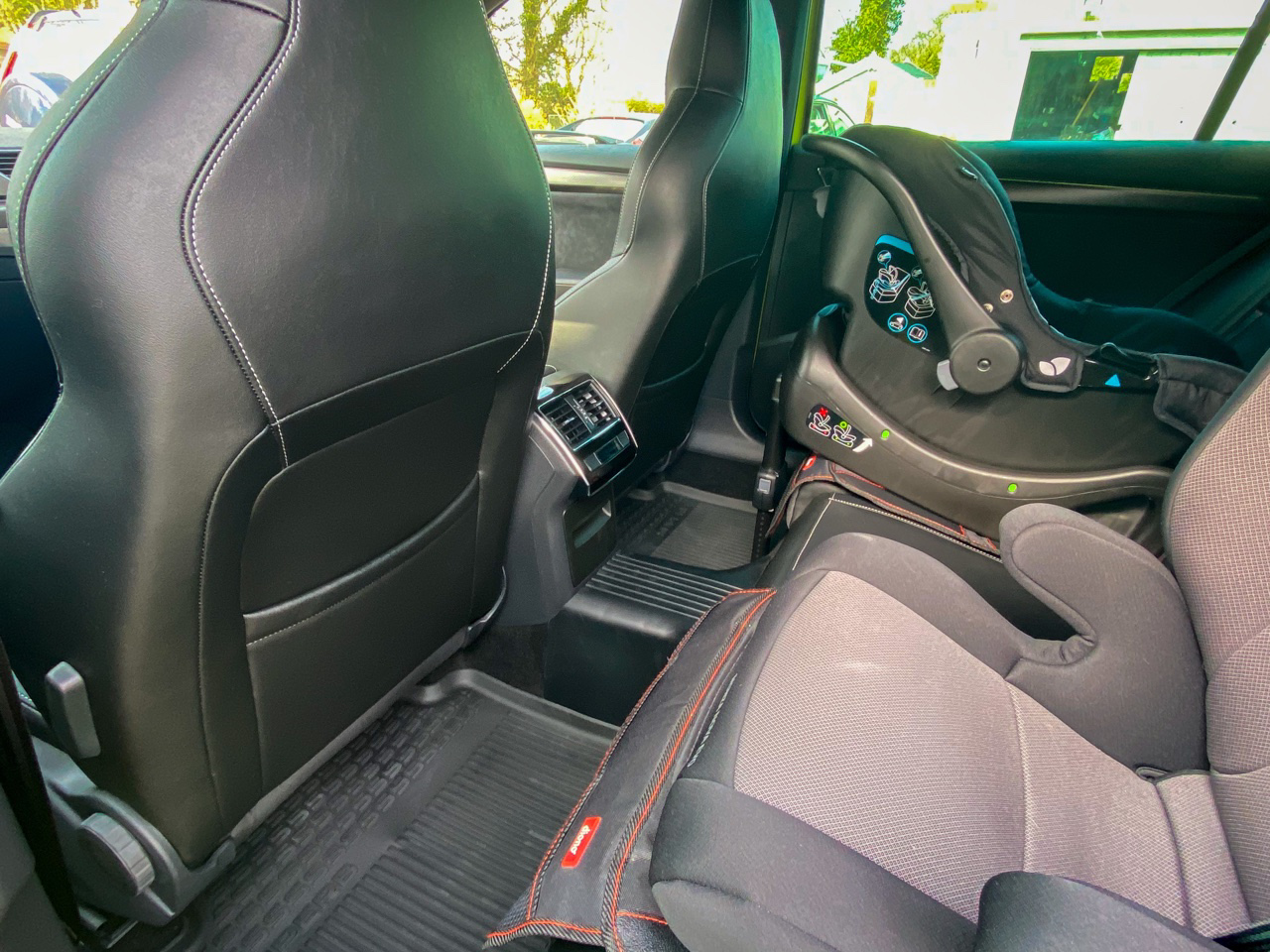
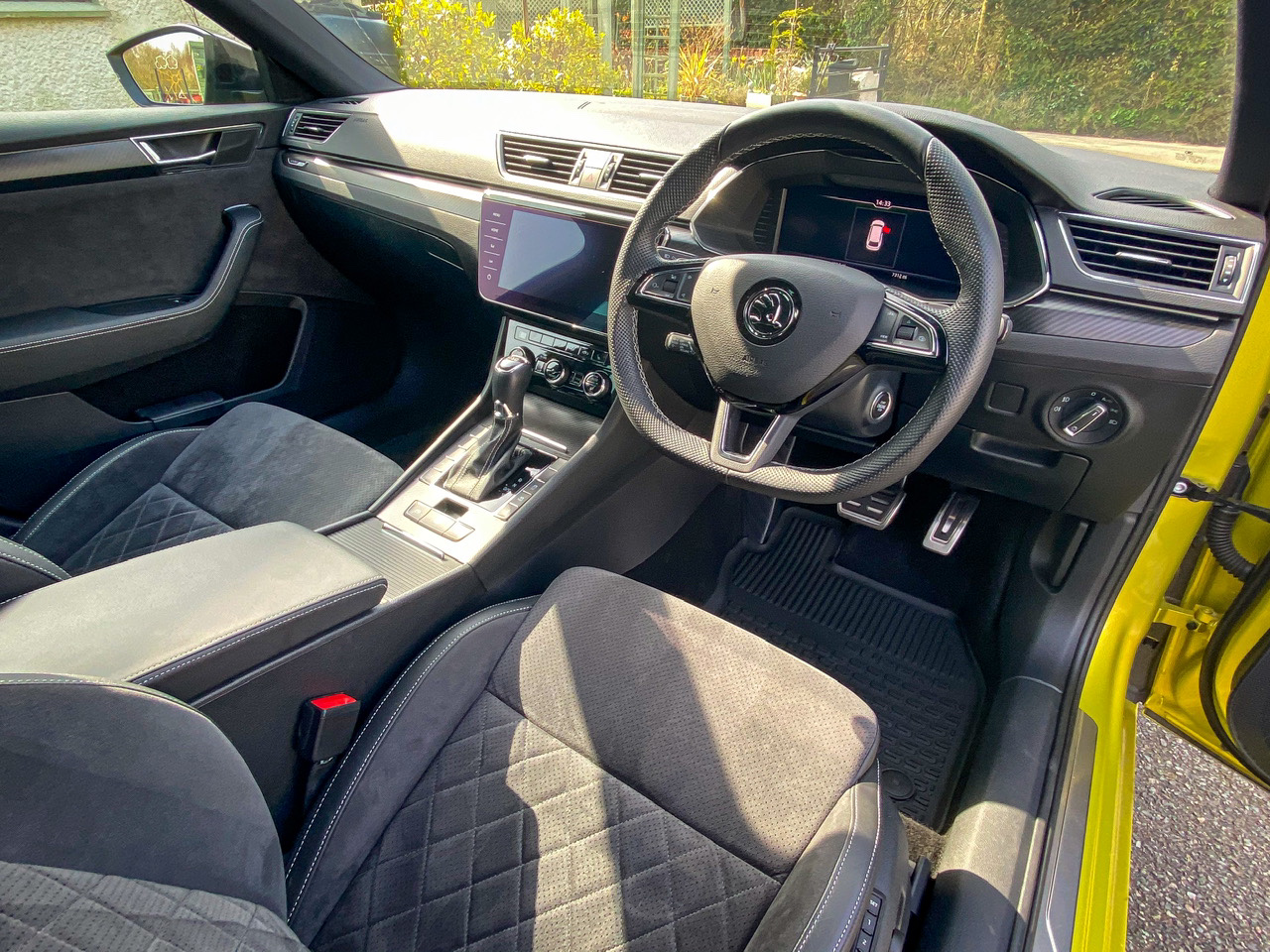
2 pointsOrdered a built car beginning of March and collected it today. vRS tsi dsg estate in race blue with reverse cam. They told me it was a rare car because if I factory ordered the same car today it wouldn't arrive before Jan/Feb next year. Not sure how true this is but they appeared serious. Apparently the manual isn't quite as long a wait. Only driven it about 20 miles so far but absolutely love the thing.2 points
-
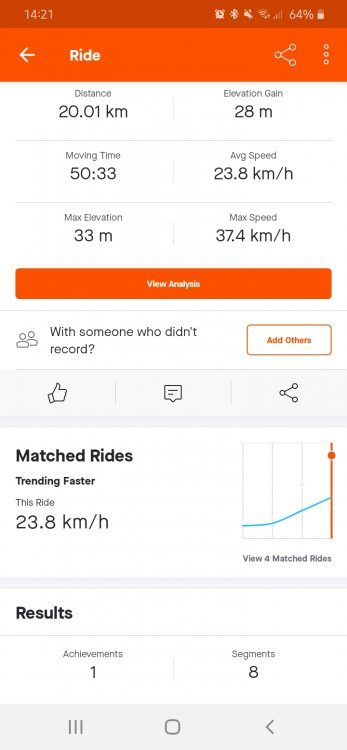
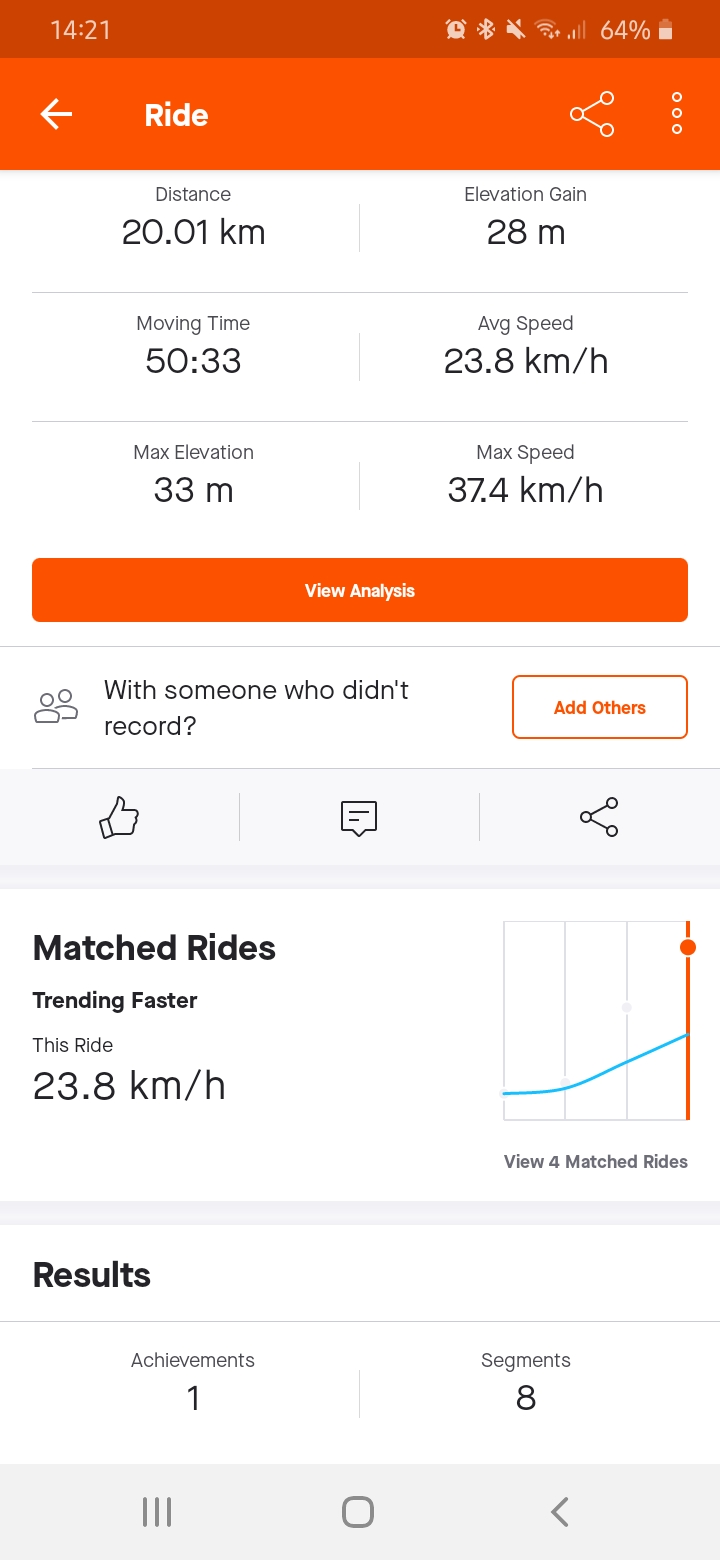
visibly raining up the cross hill when i went this morning. so.. set a new pb on the 20k riverside route. wouldve been a littke quicker too except i got stuck behind a garda van going through town and couldnt safely go round them, and then got stuck at traffic lights... wouldve made it through on the first green if the squad hadnt been mooching along all feckin slow
 2 points
 -
2 pointsI did it myself with VCDS. The procedure is simply changing the serial number of the existing battery data by one number so the system knows the battery has been changed (provided the new battery is to the same spec as the old one).2 points
-
2 pointsWell if the “XC60 is like a smart phone only bigger” that’ll mean the XC60 will be knackered in 3 years with no battery life, like most smart phones. These Volvos won’t be like the Volvos of old lasting forever. Personally I think Volvo have lost the plot.2 points
-
2 points
-
2 pointsUnless I'm mistaken, it was you who asked about a retro fit reversing camera2 points
-
2 pointsYes, stop-start works as expected on my 2015 Octavia 1.4TSI. The instant restart suggests that as soon as the engine stops the system thinks that because of high current consumers (e.g. aircon) and/or low battery battery voltage it needs to restart the engine again. Worth checking the vehicle status screen on the infotainment to see what is being reported there as reason(s) for the stop-start to behave strangely.2 points
-
I can recommend these koni's - fronts 8745-1388 rears 8245-1387 I wouldn't be without them.2 points
-
2 pointsI've gone from 6 speed Manual in a 1.6 Diesel Civic, to 1.4TSI DSG Estate and loving the auto box. Its does make for relaxed driving particularly in traffic and economy is around the 42-45MPG without much effort. KIckdown is awesome especially in Sport mode but you also have manual override should you wish to use it. I suggest you drive both, but especially the DSG. Also the Estate is huge inside, will easily accommodate your dog, rear leg room is best in class considering its based on the Golf platform so will be ideal for the new addition to the family. Would also recommend Skoda Approved, for warranty. Avoid the 1.5 unless DSG, some owners having issues with kangarooing, more so with manual gearboxes.2 points
-
No, I can't say for sure, its just what I found when I was researching roof bars a few months ago. Perhaps they are different feet? I'd probably go with the Wingbar Evo1 point
-
The Wingbar evo (latest variation,) has two sealing strips ... so the "T" mount slides between them, and you never remove or require to cut the rubber strips .... big improvement over the non "evo" versions.1 point
-
1 point@Kenny R Haha, well I have plans of adding some sort of mesh behind this craziness... 😅1 point
-
1 pointWell, I do have some ideas about them getting through Type Approval. They have to drive down a lane made of the motor industry executives and engineers who produce the control systems and present them for TA, the TA civil servants who test them, and the politicians who vote to make them legal. I figure either we prove them to be actually safe, or lose some of those responsible. It should concentrate minds wonderfully!1 point
-
1 pointFixed ours ourselves in the end, Skoda unhelpful and couldn't look at it for a week plus not prepared to recover it to the dealership 20 miles away. Cost £55 for the injector seal kits (which are much cheaper if you can find a Bosch agent rather than paying Skoda's profit margin). Fiddly horrible job but two of us did it in 3 hours. Replaced the crap bolts with 10.9 high tensile cap heads (steel not stainless). We also levelled up the retaining lugs on the fuel rail which were 2mm out of allignment. Shoddy manufacture and production methods to blame for this failure but Skoda not really interested.1 point
-
1 point
-
1 point
-
1 point
-
1 point1 point1 pointbeen loving my 1.5 estate for the last month and a half. As others have said, super smooth and relaxing to drive, and got a fair bit more poke than my old 1.2L Mk2 Fabia1 point1 pointJust tried this and worked for me, App is now updating correctly and Infotainment shows as synchronized1 point1 pointThey advised me to check back with them in 2-3 weeks because of the delays they're experiencing, but I'll most likely contact them again in a week/week and a half 👍🏼1 point1 pointI don't know to be honest... It looks like it aswas taken aback at these extras which they just expected me to sign.....I thought I was just getting the order invoice, so I felt a bit misled and annoyed. Yes thank you I will look at this1 point1 pointI'm actually starting to find the childish incompetence of all parties as slightly amusing (slightly) and none are doing themselves any favours for if I pursue this with the ombudsman, which I will. This Sunday will be two weeks since I emailed to formally reject the car. I dropped my car a week ago and the dealer service blokes did some shrug of shoulders as to what would happen but yes of course they will be in touch with updates. I haven't had one word from them since. Kate Laws over a week ago promised me rapid action and updates within days. I haven't heard one word from her since. On Monday VW Finance acknowledged my request to them (sent last Friday) for them to take my complaint. I will be a bit more gentle as they are new to the party, however there response said a formal acknowledgement would appear 'soon', which two days later has not materialised so I have emailed them this morning asking what is going on. I don't even want to talk to any of these people by telephone or face to face now, as it is all promises promises promises. Mark my words the adage is true that if it isn't in writing it isn't happening. Don't believe anything they say to you unless they say it in writing. It just helps them with the ombudsman down the line, as anyone can deny the content of a conversation. The laughable part is they could have sweet talked me into a new car deal by now and took some more profit, but instead they are losing £688 per month on hiring me a superior model vehicle. Which does give rise to the thought of yeah just let it drag on then! I'm paying less to have a better car, the insurance excess is lower than mine, I can put unlimited miles on it driving in whatever style I choose and not have to give a second thought to the wear and tear or future maintenance costs of the car. Actually sounds like a reasonable deal to me. Nobody is bothering to update me at all, so maybe I'll fall silent too and we'll just keep this arrangement going! Obviously I am being flippant, but....as a serious point, Skoda are paying more than double my monthly direct debit to hire me a car but are making no attempts at resolving my own car, which would be far cheaper for them. Weird people.1 point1 pointHi, welcome to the forum, I suspect that you may have a problem with your battery SOC - perhaps a sudden drop in voltage when the engine stops, triggering a restart. Any of the many other factors that allow automatic stop/start will normally just prevent the stop from being triggered, Ie. engine keeps running and the symbol is displayed on the top line of the maxidot. Two things that might be causing your restart - slightly turning the steering-wheel, or changing the pressure on the brake-pedal.1 point1 pointI honestly wouldn't bother with your dealer @Wonderloaf, go straight to Skoda UK Customer Service Live Chat and just give them your order number, they will tell you exactly what stage your order is at 👍🏼 I don't see how the dealer can realistically give you a delivery date until the car is built and in the UK, I've hardly bothered with my dealer since I placed the order.1 point1 pointReading your first post you say they didn't program the car with the new battery. I'd be having that done personally. Changed my Yeti battery yesterday, programming takes a couple of minutes.1 point1 pointWell, the Superb diesel taxi I travel in most Saturdays has stop/start, which you mostly notice by how much quieter it goes every time the car is stopped and the engine shuts down.1 pointCAr manufacturers have seen how phone makes have been able to con the public for years that they need a new phone every year. Getting you to do the same with your car is pretty much the dream scenario for them. They've tried their best with various contract hire and PCP deals over the years but never quite got it to the car as a subscription art that the phone guys have. But now the arse is falling out of this market with phones, many more people are just looking at phones as white goods and wondering what they are getting for their £1000. Cars ahve always been seen as white good by many, so the manufacturers are trying to climb onto a cycle that that has ended for phones. Short sighted but I'm sure theya re seeing the electric conversion of cars as a what to drive the paradime shift. It'll fail, but they'll be trying to force us into it for the next 10yr anyway. Just you wait you'll be seeing BAAS and CAAS soon (Battery as a service, Car as a service ). The *AAS will be familiar to all the IT guys.1 point1 pointI have no intention of paying a penny towards this repair. Not when it's a defect that leads to petrol spraying on a hot engine that can cause combustion. Especially when there's multiple accounts of it with the same models built at the same time.1 point1 pointThe fear of having the dreaded FIX/FAIL done at a service without my permission was the reason I sold the car and would only allow the service to be carried out if they signed an agreement not too apply the fix to a car which was designed too cheat the system but was running ok and as they didn’t offer a buy back option my option was to sell a low mileage car that I was going to keep,luckily I changed brand otherwise could have part ex for a KAROQ 1.5 petrol and I would have been really pi@#@d off if I had one with the kangaroo engine that VW ALSO DENIED had any issues as usual and more lies so time to move on and if the courts decide they cheated yes they should compensate owners (no ambulances chased making this statement )1 point1 pointMe too, an Ali-Express armrest box was one of the first purchases. The brakes are adequate but not inspiring, I have a trio of unbraked site hut type trailers that I will be using to move my tools & machinery from my UK garage to France, I wanted to have confidence in the vehicle brakes.1 point1 point1 pointI will say one thing which is slightly off topic but related to the fact we are dealing with a person on the other of the phone. Whilst organising a hire car, I required it big enough to transport a large dog, which after some effort Skoda managed to do so. Sadly though the day I picked up the car, our dog was diagnosed with bone cancer and had to be put to sleep. Very unexpected and upsetting! In an email response from a request by Kate to put blankets down in the boot I told her it was no longer an issue given the situation. Two days later, I received a food hamper and a condolence note from Skoda UK. it was a very thoughtful gesture. It just showed me that they do actually care about there customers.1 point1 pointWhat's she driving at the moment, and what's its fuel economy like on those short trips? I had an Octavia Mk 3 with the earlier 1.4, 140 bhp, and never got less than 34 mpg from a tank, usually well over 40 mpg, and on VERY long runs with 4 up and a full boot sometimes very high 50s. Your later 1.4, 150 bhp is not to be confused with the new 1.5, 150 bhp, which is a newer and different animal and both are available in VAG motors. The smaller 999cc triple engine is used across the VAG empire and seems to be well received, the main disadvantage is the lower torque, but reviews say it's a very good motorway cruiser and indeed allrounder. This engine is the same as in my wife's VW Up, except turbocharged, when it's then found in the Up GTI. You'll find it highly economical given the fewer internal friction surfaces and ability to warm up sooner. Fuel economy comparisons for the short trips will be very difficult without extended testing, but since you're only looking at short distances anyway it won't be huge cost differnce anyway. Personally I'd have no worries about either engine, she's best taking each for a decent test drive to see which she prefers.1 point1 point1 pointJust pour the old fuel back into the tank and get rid of it that way!1 point1 point1 pointPerhaps if the likes of Volkswagen AG and others hadn't cheated in the first place, they wouldn't have found themselves being sued1 point1 pointThe problem is it wasn't a loophole, the engine was designed to operate differently if it detected that it was being tested, something explicitly banned in the regulations. Other manufacturers have exploited loopholes and just about get away with as they comply with the letter of the law, though not really co-operating with the spirit of it.1 point1 pointI sent them a letter before action to their main address, they paid my bill in full. It was just under £400 so they presumably thought it cheaper to pay than defend.1 pointSounds like you have the common EGR fault which is NOT the same fix as the thread is talking about. EGR bearing fails causing the gears to strip or burn the motor out look here: which is why you still have problems. My advice would be to replace the EGR valve rather than introducing other problems.1 point1 point1 pointI've got a 2018 1.5 SEL manual estate. It was first registered in March 2018. It has never had the often reported kangarooing issue but initially it used to over rev on applying the accelerator pedal on moving away from idle revs . Bristol Street Motors Chesterfield applied a software fix and the over revving went away. I still find it difficult to match the sweet spot when going from idle to moving off . It tends to hesitate slightly. My other car an ancient 2006 VW Eos 2.0 litre turbo petrol is so easy to control in comparison moving from idle to part throttle but swallows petrol like there's no tomorrow. The Octavia can be almost incredibly fuel efficient on a long run and it is reasonably fast for a biggish car. The 1.4 litre Octavia Estate I borrowed to sample the vehicle type before I made the purchase I believe was faster and the engine more willing to rev and maybe slightly smoother but not as economical . I bought the 1.5 hoping the reliability from the engine updates applied to the 1.5 over the 1.4 would lead to greater longevity. I wonder which engine will be better in the long term 1.4 or 1.5? So far so good with mine!1 pointLong post warning, but this is not something that can be explained in a few lines. Anyone who says otherwise doesn't know as much as they think they do. Ok, so EGR & DPF are different things, doing different jobs. The emissions update can affect longevity of either but in different ways. Between some correspondence of my own with VAG in Ireland, and reading through papers from UK parliament on the matter, two things were established about the update: Increased use of EGR to directly control NOx formation during the combustion process Increased soot generation to allow passive reduction of NOx by oxidising soot held in the DPF Some background on how/why this is so. NOx forms during the combustion process due to the 'burning' of atmospheric nitrogen that has been brought into the engine. The temperature and pressure present during combustion create suitable conditions for this to happen. Nitrogen and fuel are competing for oxygen during combustion. In engines that run rich (more fuel than the available oxygen can consume), NOx generation is minimal as oxygen will more readily react with fuel rather than nitrogen. But this is not desirable for economy or other criterion pollutants. Also, in diesel engines, running rich makes them run hot which is undesirable as well. Engines that run lean are more economical but the excess of oxygen present means conditions favour production of more NOx. DIesels have always had this problem as diesel engines are happier running lean. Modern DI petrol engines which support lean running are also vulnerable to increased NOx generation. One other aspect of combustion behaviour is that regardless of how much oxygen is present, a certain gas volume is needed to ensure adequate distribution of fuel droplets and vapour so that combustion can initiate. Too close is bad as the concentration of fuel vapour between droplets won't get down below the Upper Flammability Limit and combustion won't initiate or propagate. EGR helps solve this conundrum. Exhaust gas is much lower in oxygen than fresh air obviously, making it relatively inert from a combustion perspective. The trick with EGR is that it uses this inert exhaust gas to displace some fresh air from the combustion process, so now there's less excess oxygen available to form NOx, but it maintains the same gas volume in the cylinder, so there's still enough distribution of fuel in there to allow the combustion process to proceed. It generally only operates at low engine loads where fuel requirement is minimal and there would otherwise be a lot of excess oxygen in the cylinder. When the load ramps up and fuel/air ratio approaches stoichiometric, EGR would cause more problems than it solves. The emissions update increases EGR under low-moderate loads, which is what most of the EU test cycle is run at, but probably has changed very little at higher loads. The reason some EGRs are dying after it is that they have gotten gunked up over the life of the vehicle prior to the update, but only outside of the range of movement they would have operated within. The update commanding wider EGR opening means pushing the valve into that gunk and some of them get stuck and fail. Once replaced, a similar failure in future is unlikely, beyond the normal life expectancy of the component, as any subsequent gunking will be outside the new range of movement. Now DPF. Its job is pretty self-explanatory. All DI engines (petrol or diesel) produce soot, it's an inevitable side effect of spray combustion processes. Diesels have been DI for much longer than petrols, and have until recently received the lion's share of attention when it comes to reducing/eliminating particulate emissions. (Euro 6 has brought in a requirement for particulate filters on petrols.) DPFs are a filter matrix designed to capture soot from the exhaust and hold it until a predetermined amount is stored at which point the engine shifts its operating parameters and ignites the soot to clear the filter. A small amount of ash (mostly from lubricating oil that's made it into the exhaust) gets left behind, and this eventually kills the DPF but it takes a while. Now NOx comes back into the picture. Nitrous oxides are themselves pretty decent oxidisers, as evidenced by their use in a lot of rocket motors for that purpose (a bit easier to handle than liquid oxygen). Even with EGR and other combustion management strategies to minimise NOx generation during combustion, there's still some amount of it generated and this needs to be dealt with. One strategy employed to deal with this is set up the DPF so that the NOx passing through it in the exhaust gas stream oxidises some of the soot collected in it, turning it into CO2 and nitrogen. This process passively regenerates the DPF also, eliminating soot during normal engine operation. Which is what most EA189 engines in Skodas do. The emissions update increased soot generation to use it as a NOx reduction measure in the DPF. It's not going to affect the amount of oil ash getting into the filter. The only way it might shorten the DPF life is due to the more frequent regens resulting in more thermal cycling, causing a failure of the filter material itself. This is more likely to be on cars that are driven on lots of short trips. Longer trips result in a lot more passive regeneration and thus fewer active regeneration cycles. Could one affect the other? Yes, they're part of the same system. The whole thing has been engineered to work together as well as possible, while trying to make the best of the inevitable compromises a complex engineered system requires. It's not as simple as your mate down the pub might have you believe though. To backtrack a little, the engine ECU is monitoring and controlling two core parameters: how much fuel goes in, and how much air goes in. How much air goes in is monitored by the MAF and MAP sensors. How much fuel goes in is monitored by the fuel metering system. But there's a third part to this that never gets discussed but that is nevertheless important: the lambda sensor in the exhaust. That one monitors how much oxygen remains in the exhaust leaving the engine and that data is used to control the quantity of fuel injected into the engine (in tandem with the MAF/MAP readings). Why does this matter? From descriptions I'm seeing on this thread, the EGR emulators are just tweaking the MAF readings, making the engine think EGR is working normally. If we follow this through, the engine is now getting more oxygen than it realises, meaning more oxygen in the exhaust. The lambda sensor sees this and tells the engine to send more fuel. During high EGR demand driving situations this means more fuel, higher fuel consumption, maybe a bit more soot, maybe more NOx. I don't know if the ECU is set up to detect mismatch between fuel injection quantity and MAF, if it did, you could see errors down the line (I'm guessing a bit here TBH). Personally, I don't think EGR defeats like this are a good idea. On modern engines with such closely coupled sub-systems running within tight margins, it's too easy to upset something without realising it until bits start to break. If you're willing to accept that possibility, feel free to go for it. You are ultimately your own warranty though: the manufacturer will not want to know about it if things break. There's always the possibility of it ultimately costing more to put right than if it had been fixed day one.1 pointUnfortunately plenty of people want a car that is full of 'features' and don't really care that it's not very good as a car.1 point









.thumb.jpg.f83a46b9b3c0d976b9dbffbb523c9874.jpg)







.thumb.png.c0f0287281cb72c181130ce8b987e5bc.png)






.thumb.jpg.9dd3f612ba7f13d10be5c518d3c8d255.jpg)






Important Information
Welcome to BRISKODA. Please note the following important links Terms of Use. We have a comprehensive Privacy Policy. We have placed cookies on your device to help make this website better. You can adjust your cookie settings, otherwise we'll assume you're okay to continue.