Leaderboard
-
pinkpanther
FREEDOM14Points3,970Posts -
.jpg.1006585dfe4e2977315b67c3d642e37b.jpg)
Guest_
FREEDOM13Points83,824Posts -
AnnoyingPentium
FREEDOM10Points5,684Posts -
J.R.
Resident Member6Points15,266Posts




Popular Content
Showing content with the highest reputation on 31/07/22 in all areas
-
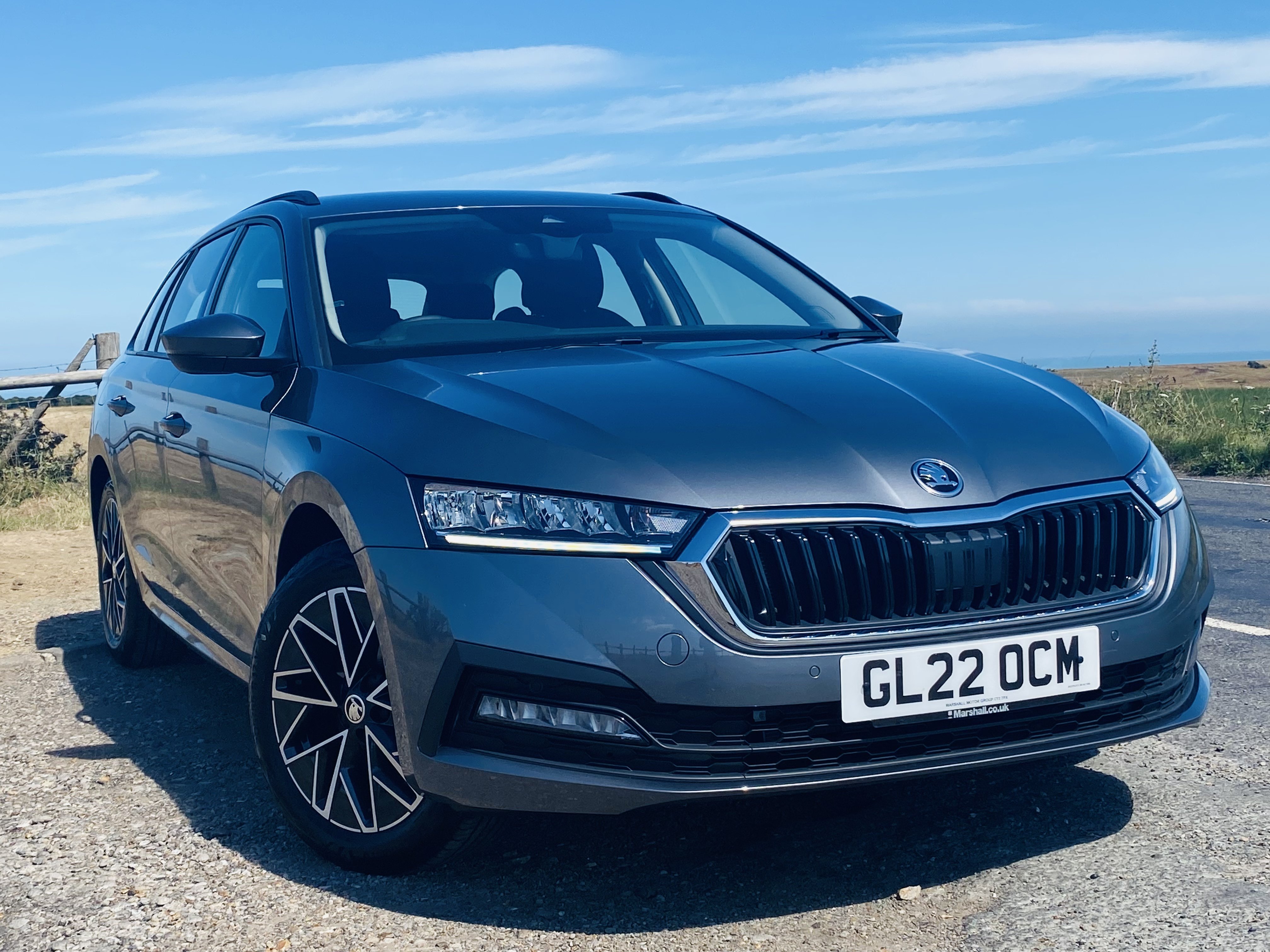
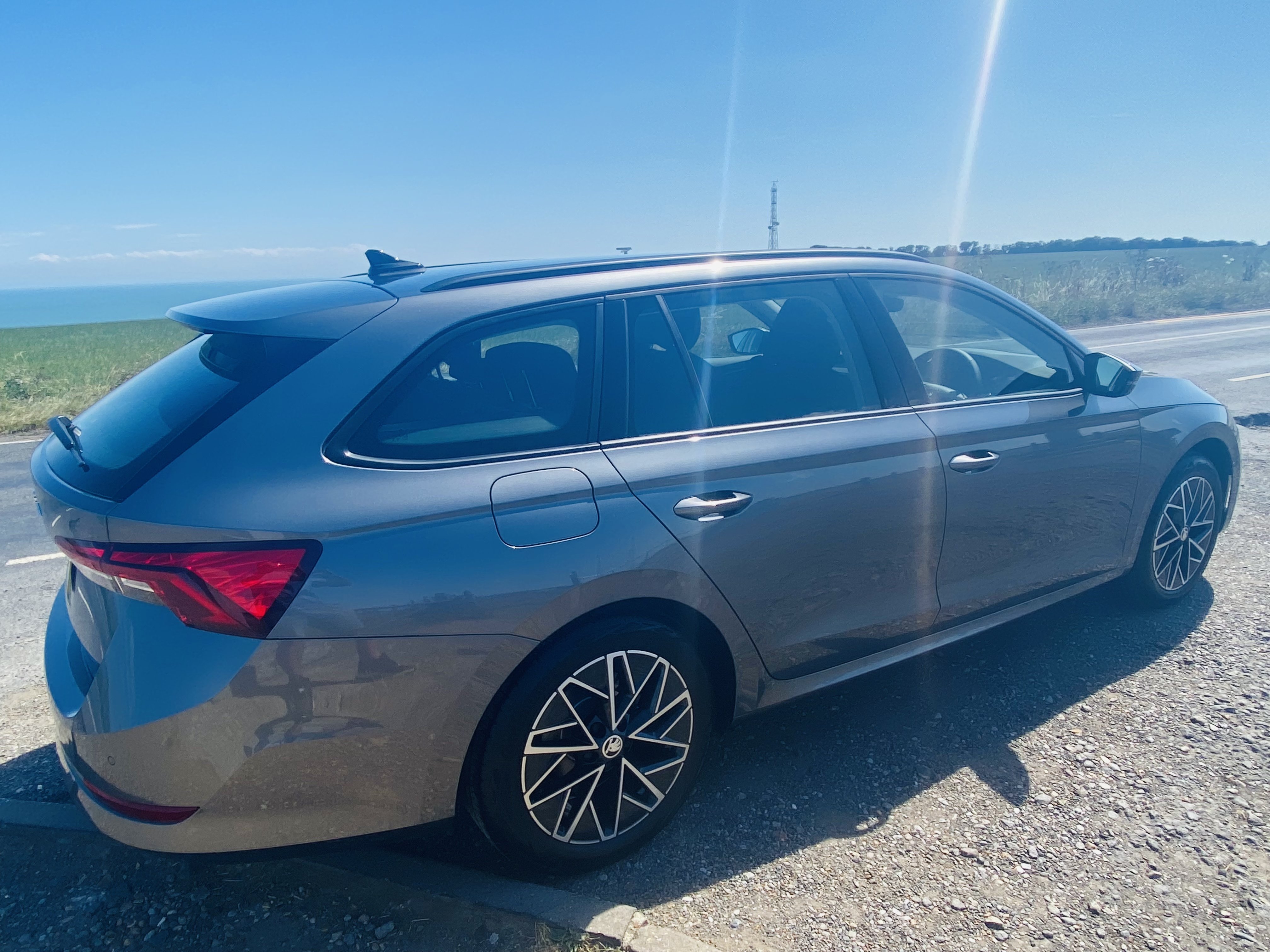
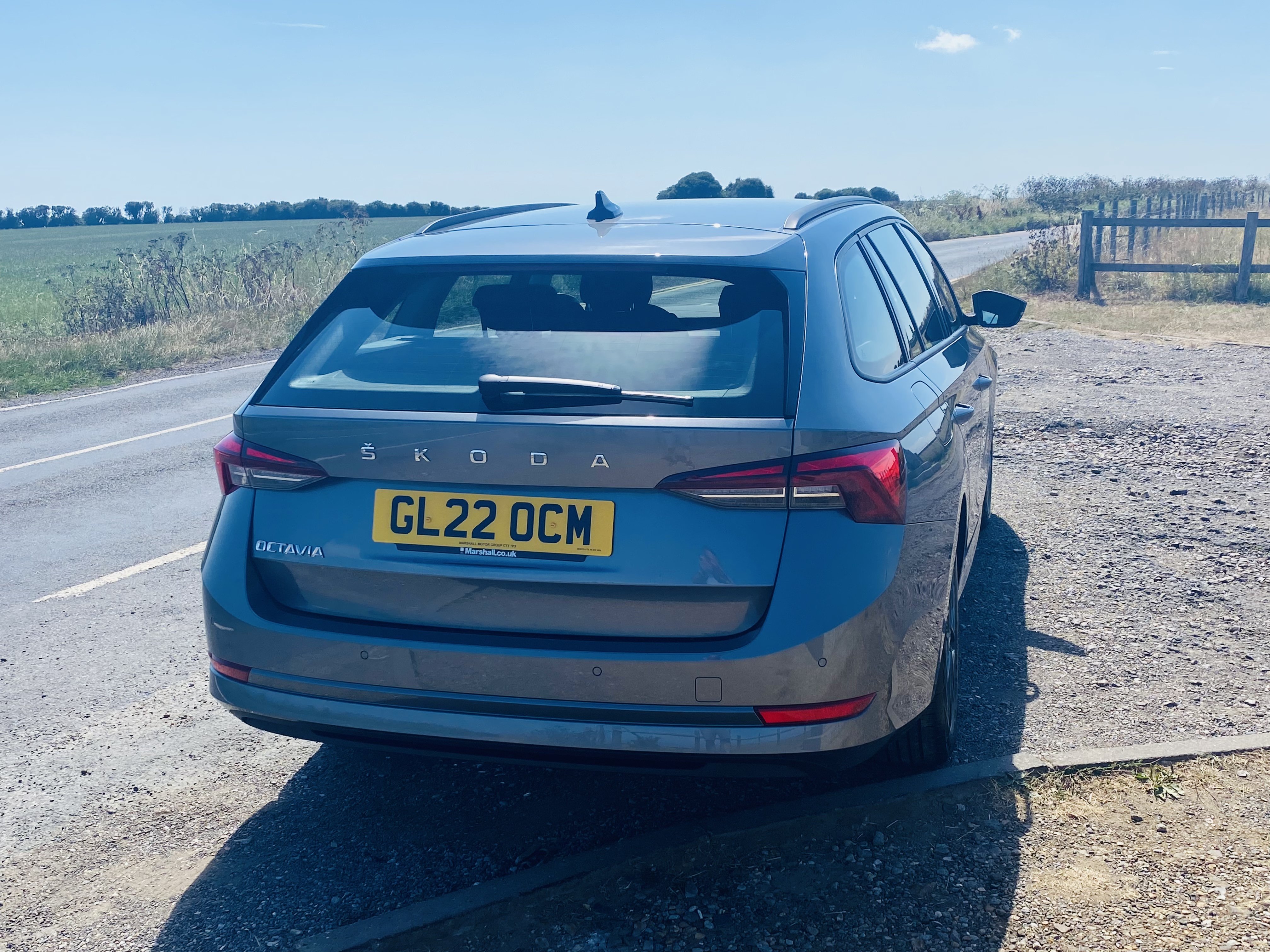
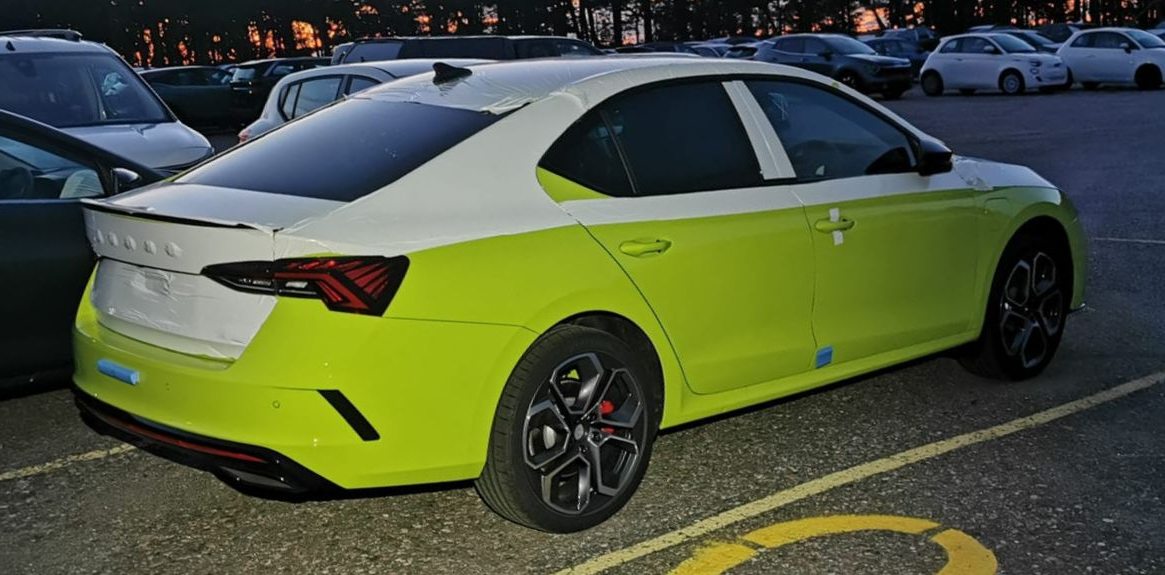
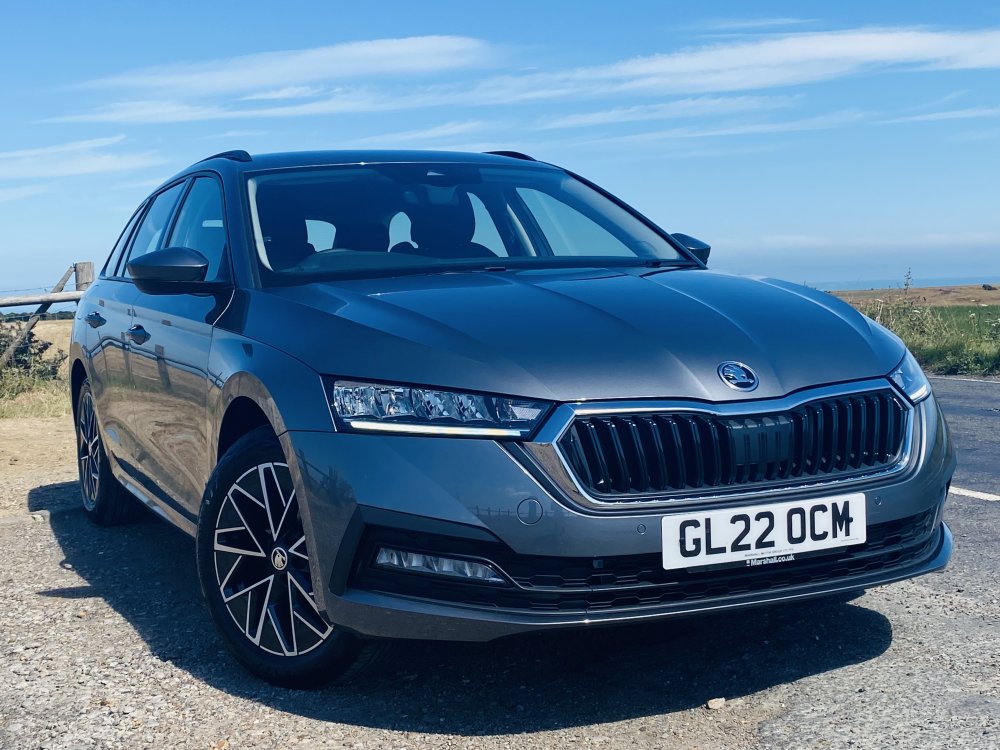
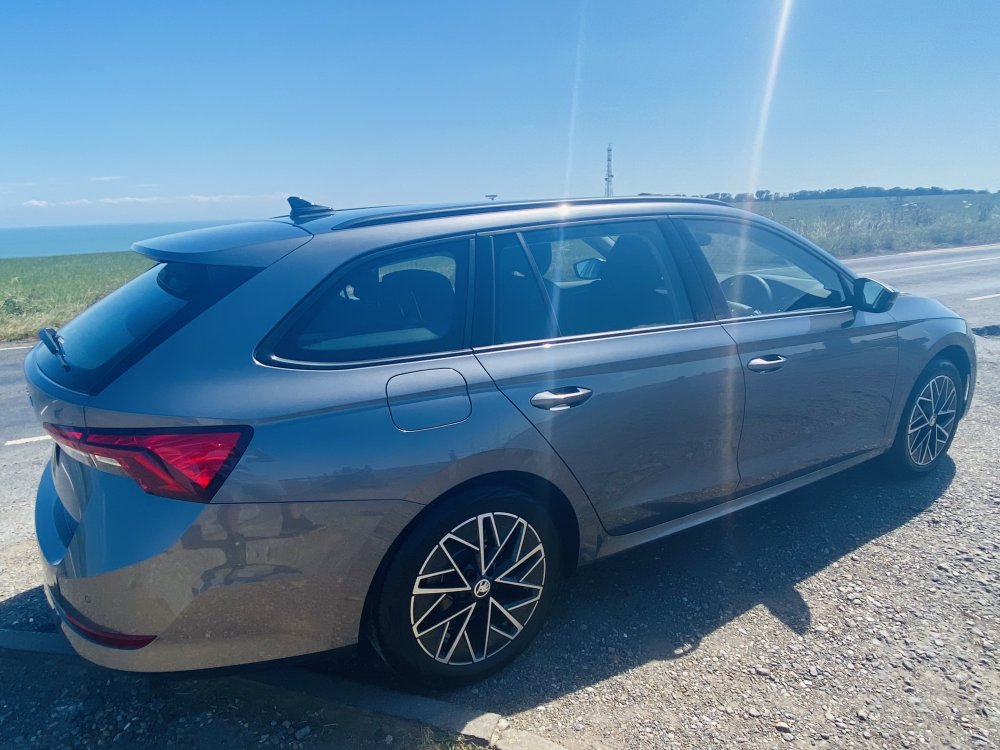
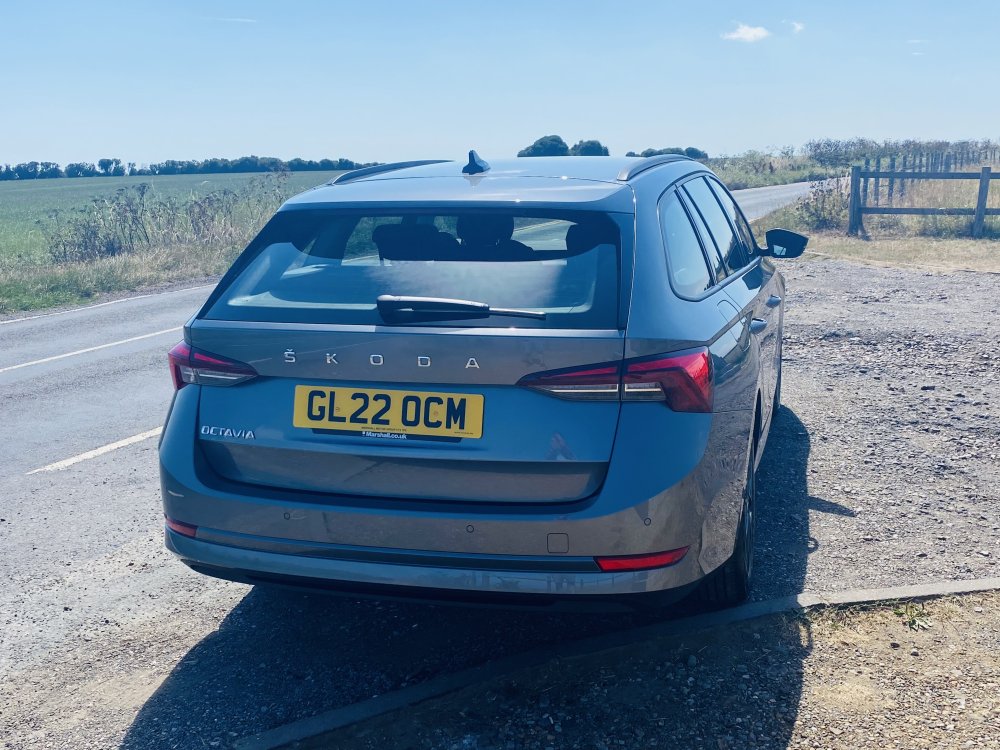
5 pointsSo I took delivery of this yesterday!! Only waited 14 months nearly! 😬. Gutted the mirrors don’t fold and that “KESSY” is pointless because I can’t lock or unlock the doors without pressing the button on the fob. Can this be coded afterwards?
 5 points
 -
4 pointsGood Afternoon, Some interesting comments about my car & advert I see...... Seems a few of you didn't read the full description, as it did state the pics were taken before I had cleaned it, and that it was good condition considering it's age & mileage. No matter, you all have your own opinions. It's a genuine car, that I ran for 3 years, putting 20k per year on it with no issues whatsoever. It still drives exceptionally well, you wouldn't know it had done 120k, and now I've had time to clean it up a bit it does look very nice - including the engine bay. I'll try and get some more pictures done when I have time, if anyone is interested.4 points
-
3 points
-
3 points
-
I would report the accident to your insurance company if I were you, do it as "information only" at this stage, that way you're covered if the other guy fails to pay. Remember you're doing him a favour by not going through insurance so think of a cash sum that compensates you adequately for the damage and ask for that amount in full and final settlement of the matter.3 points
-
3 pointsYou at least see how the car is and how used unlike once a car has had the Kerb Side Auto steam clean and tyre wall shine added and looks great but all that glitters is not gold. Full servicing record with the invoices and receipts is what matters as anyone can joey up a car like ones that go through an auction and get prepped for a dealer.3 points
-
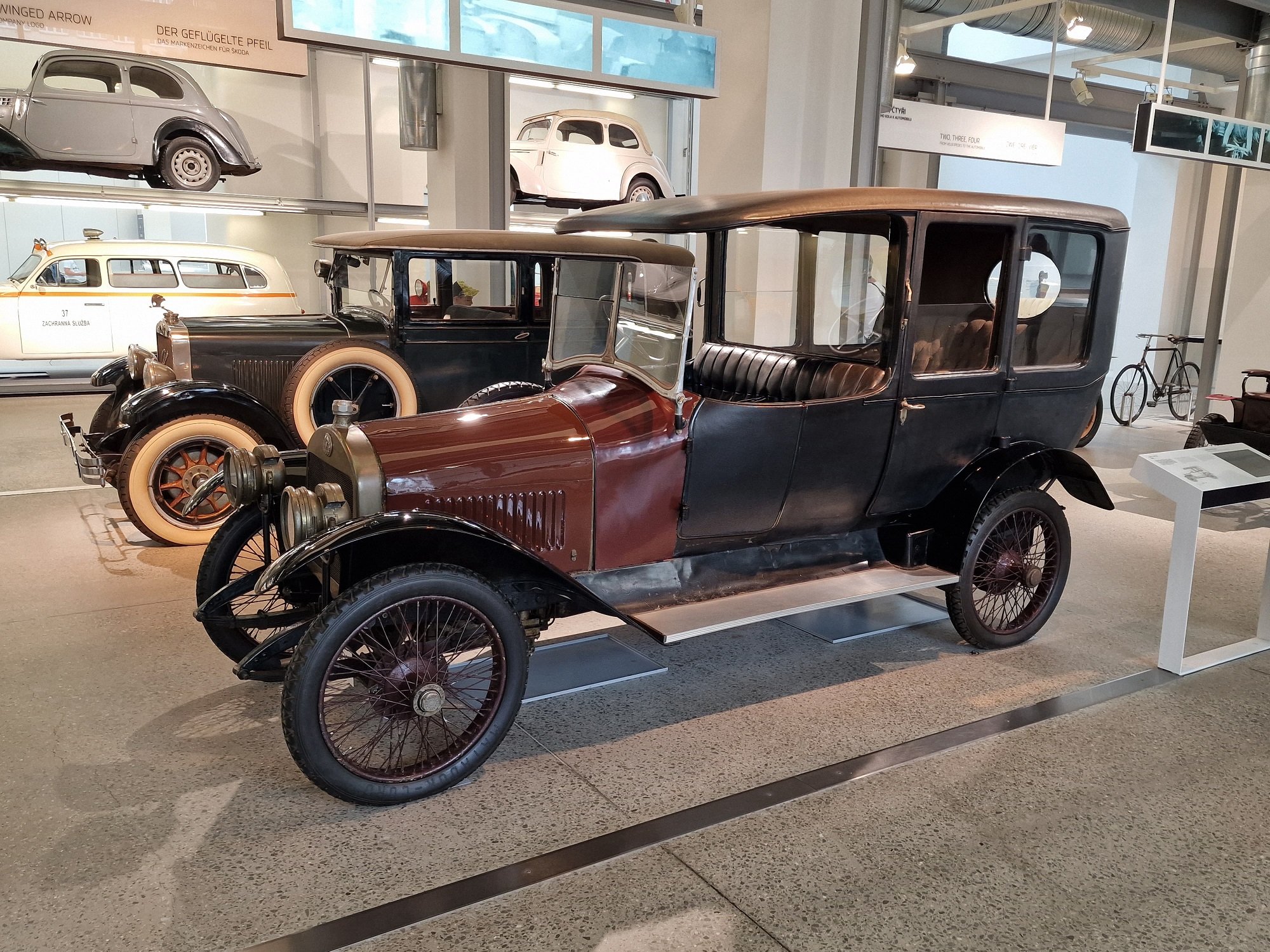
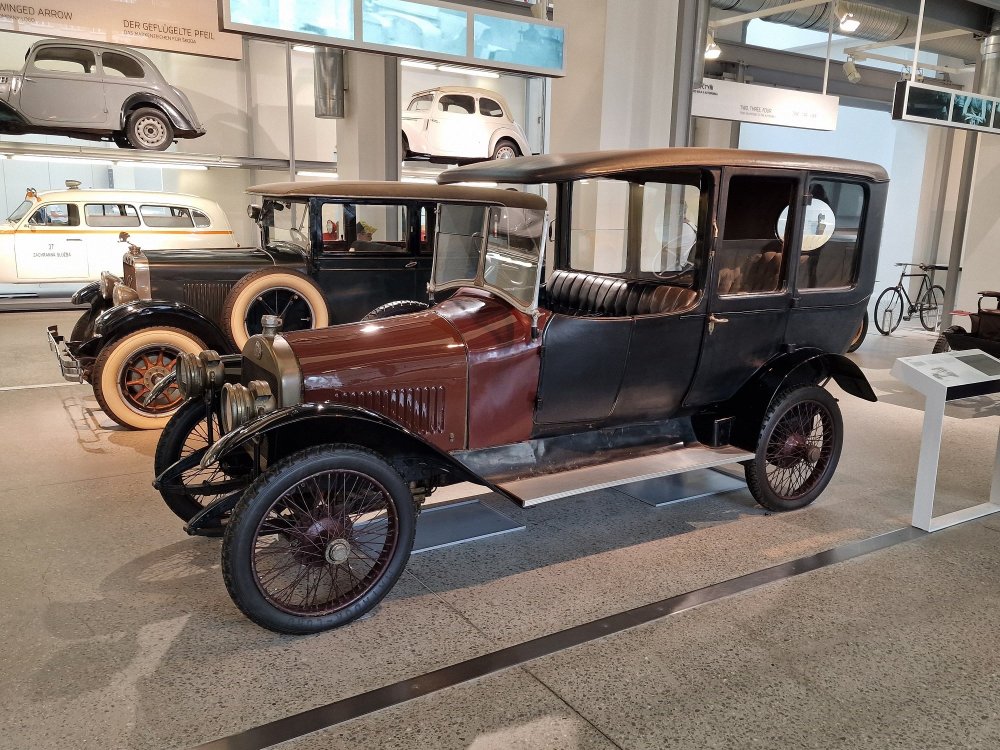
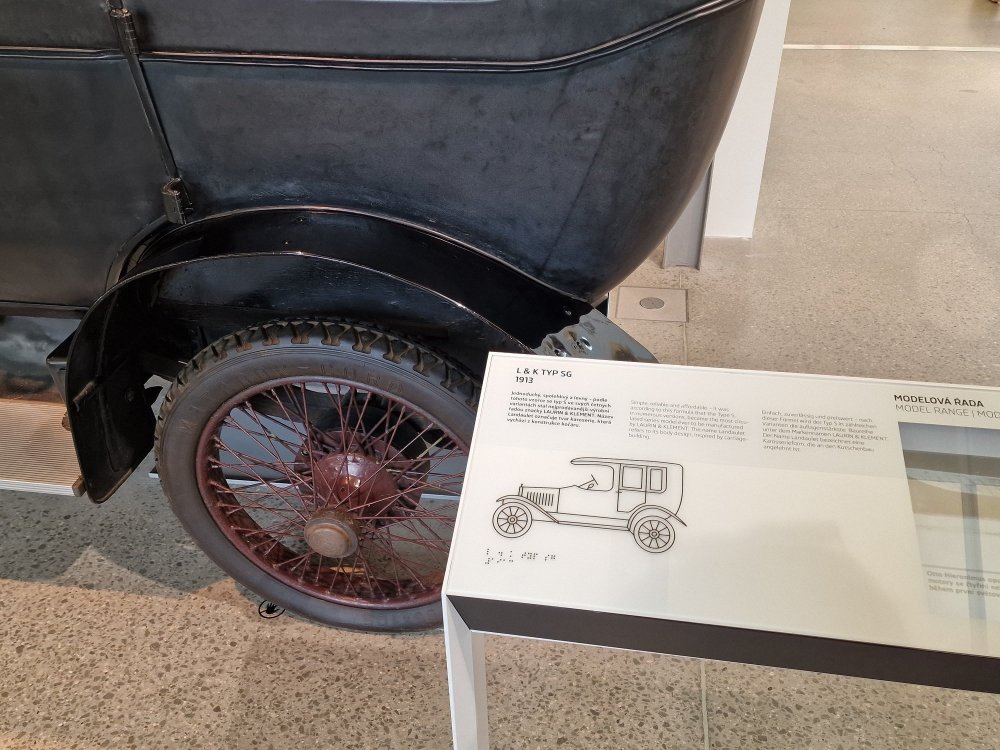
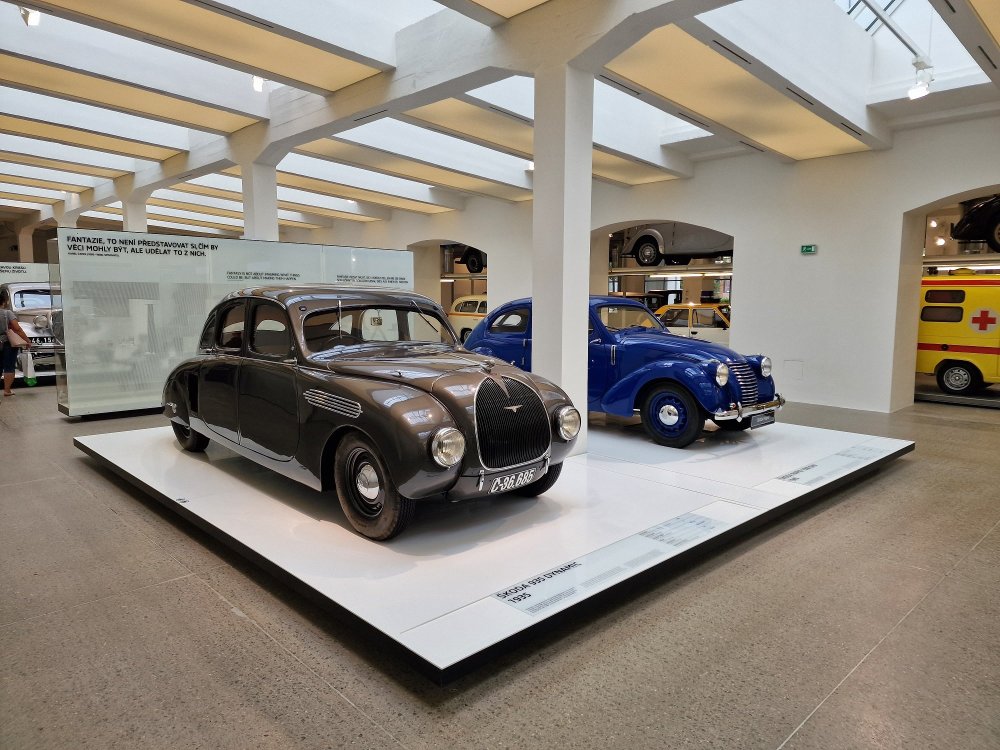
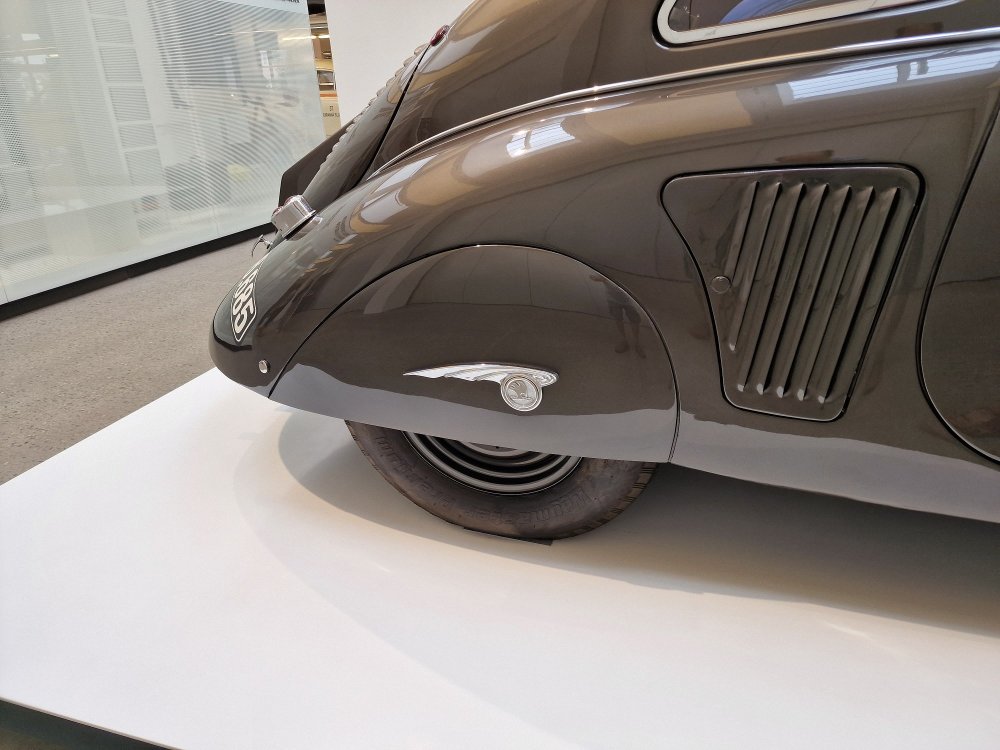
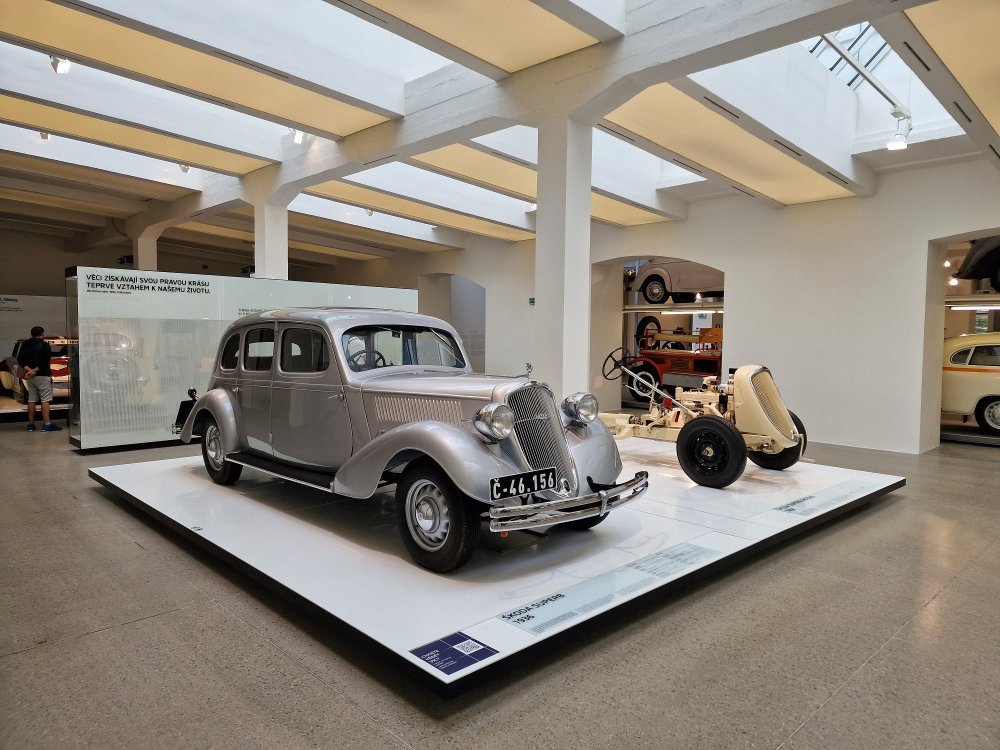
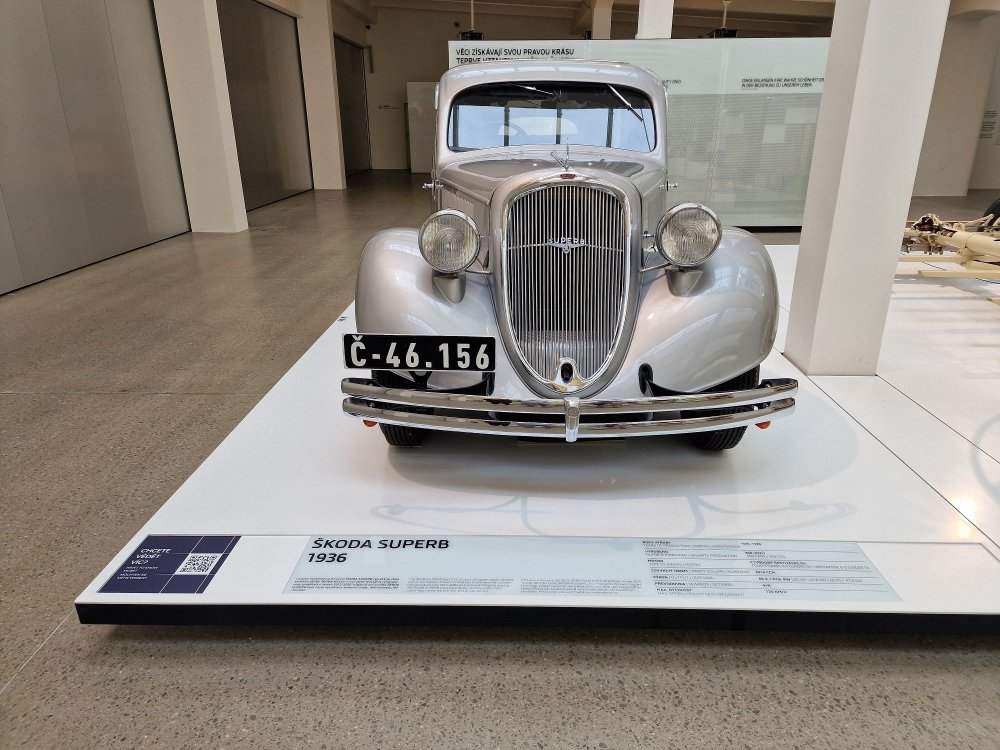
2 pointsone of POIs in my 4313 km trip around Czech Republic 10Mb limit reached and BS forum's engine doesn't accept links from Google Drive 😞 like https://drive.google.com/file/d/1qC6SnfW4DCWFiwdvi5K_N7eSACqjBPj6/view
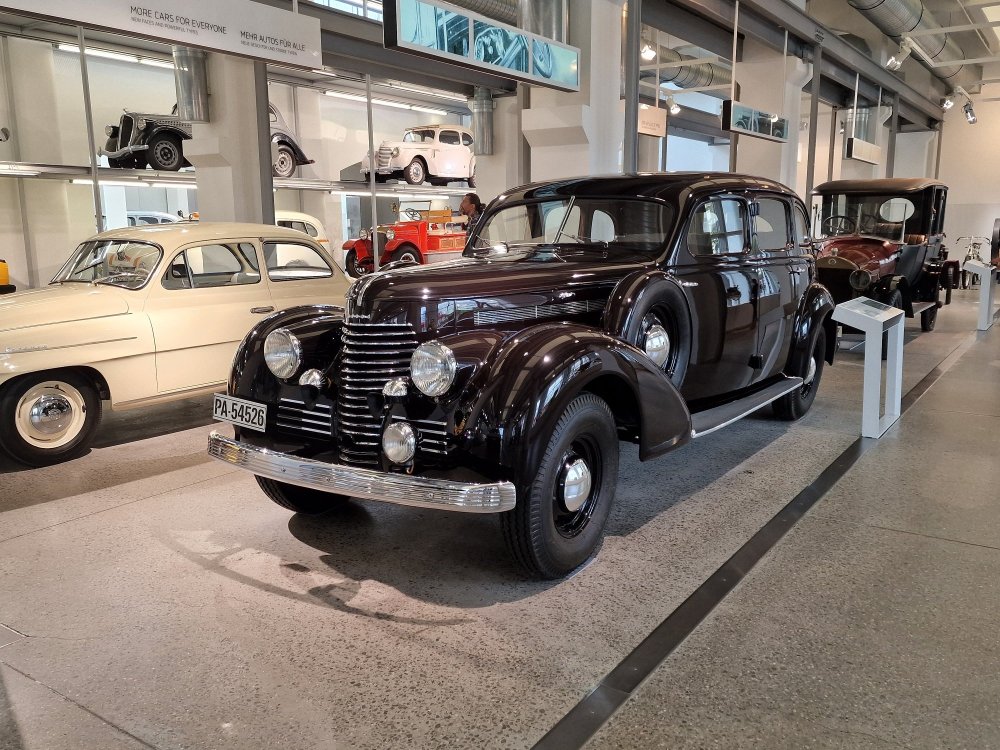
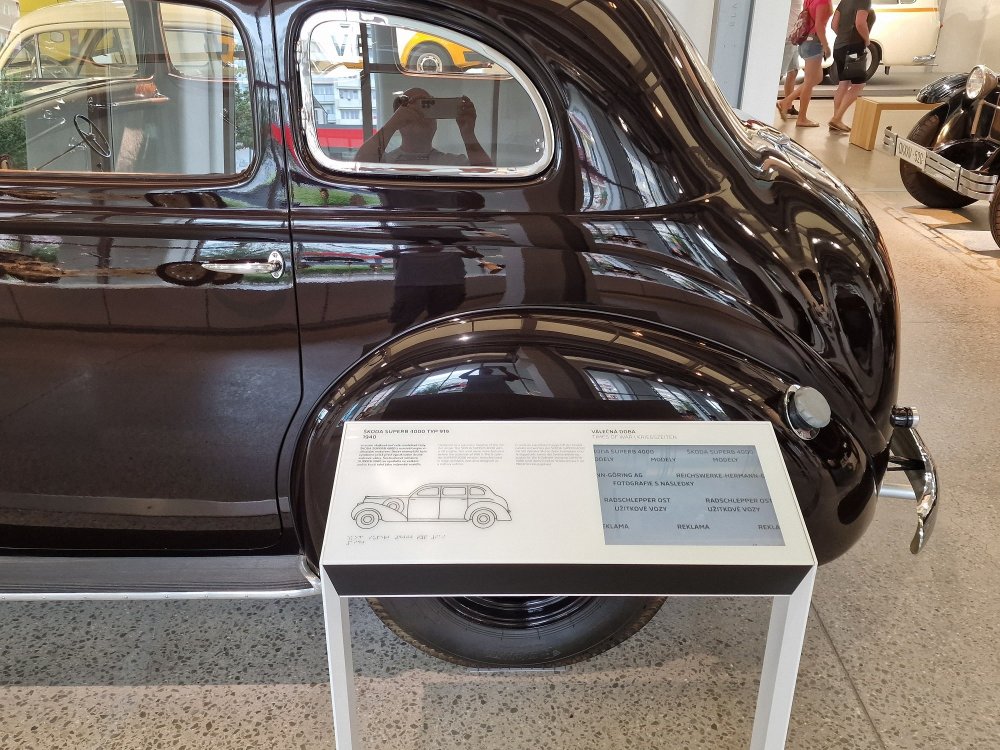 2 points
 -
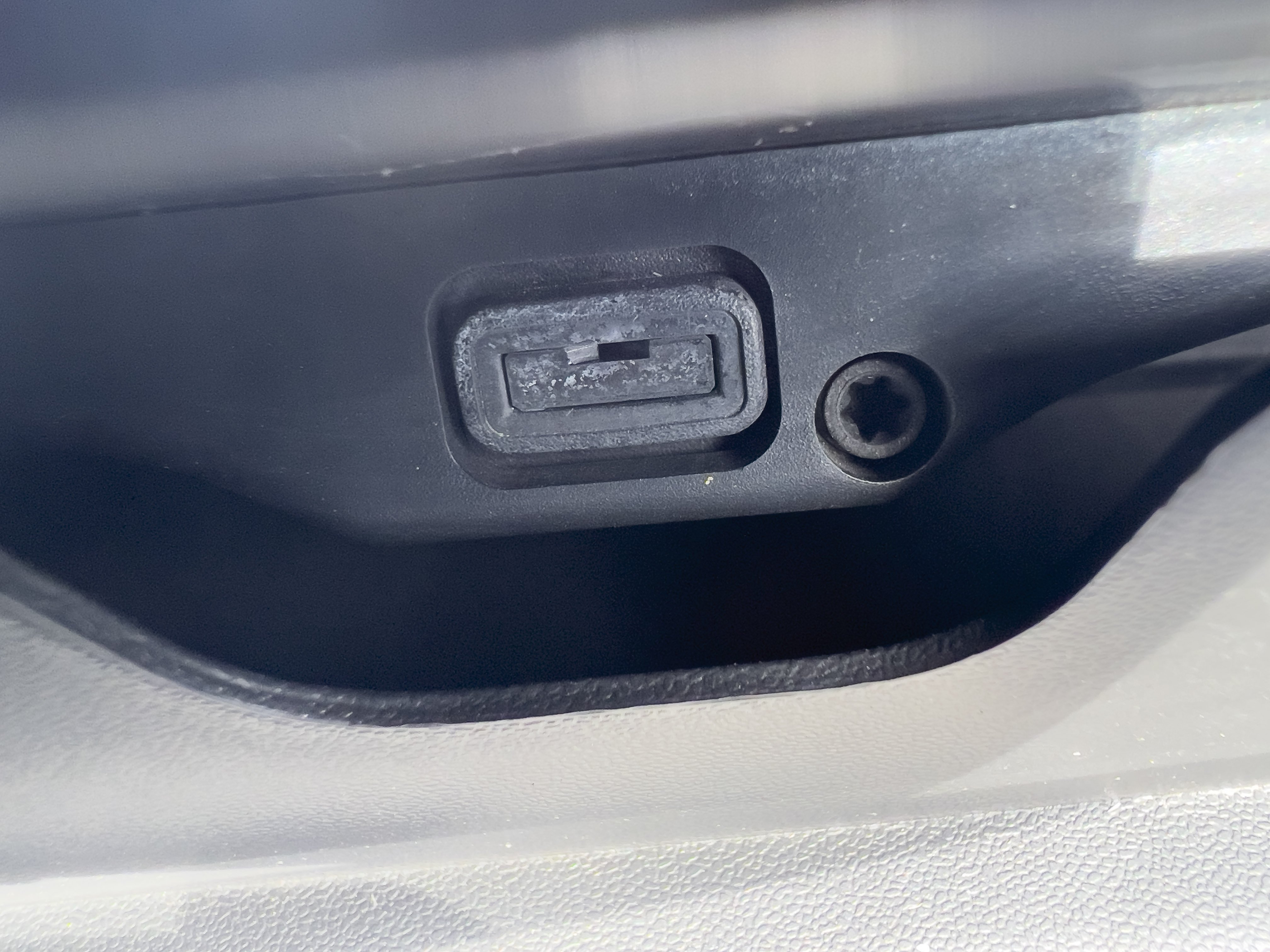
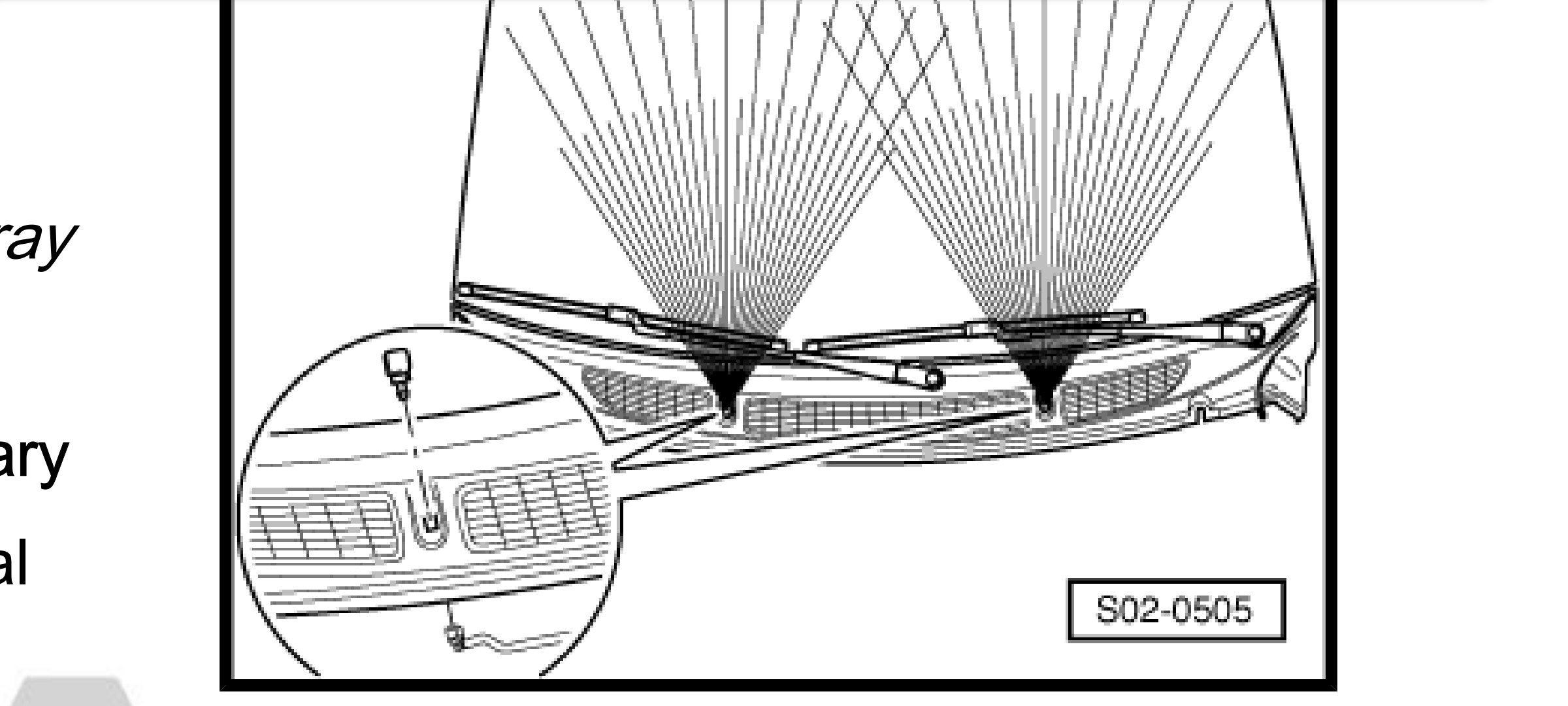
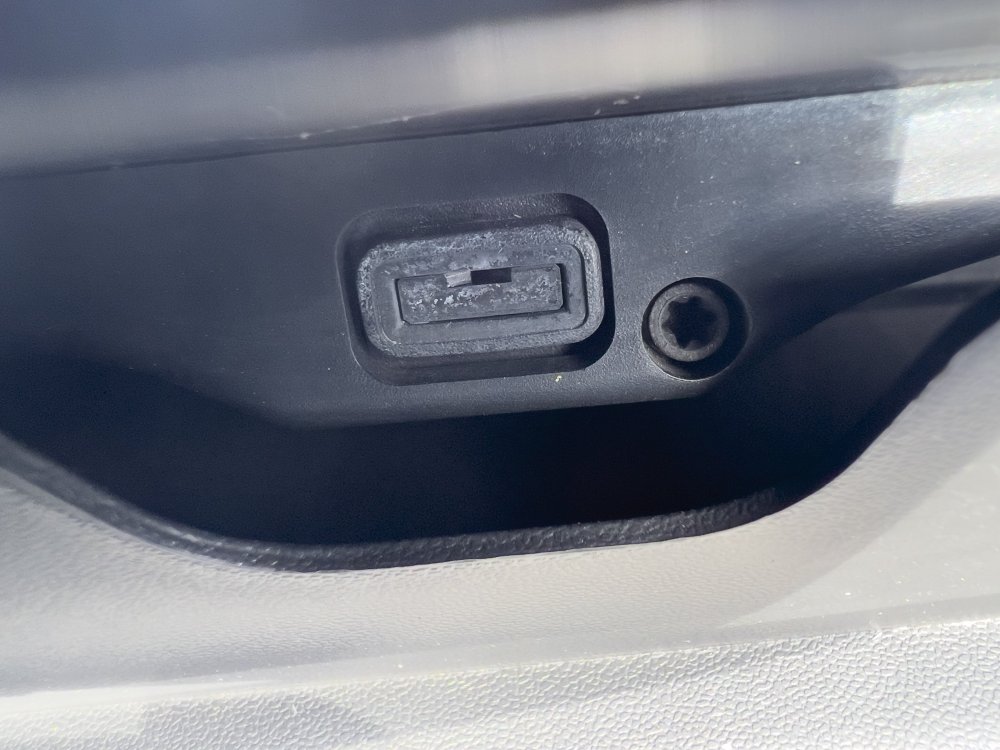
2 pointsNope, as I say, not the same as mine. Excellent! mines exactly as you described as you can see from my picture above. I assumed the torx was actually for removing the jets so didn't want to fiddle with it I have to admit! Right, off to the shed to find a torx head to fit!
 2 points
 -
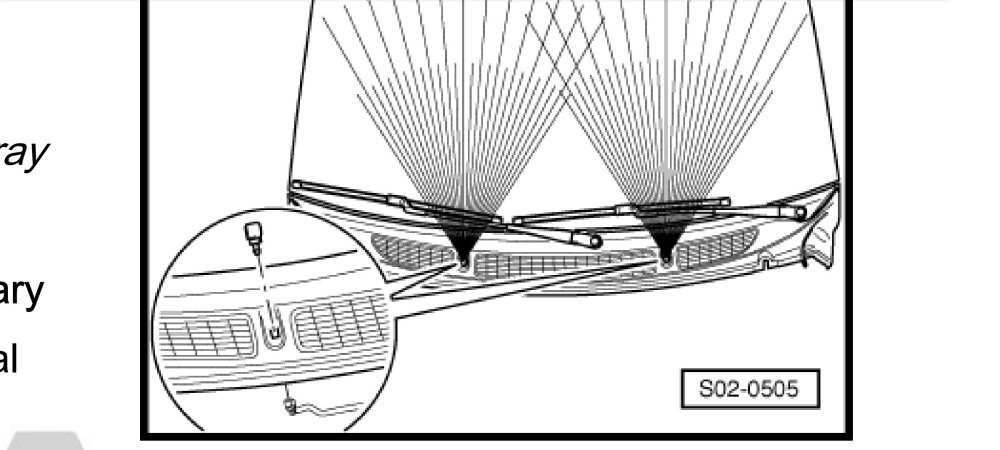
2 pointsI have found out how. Next to each jet nozzle is a T10 torx adjustment screw, Clockwise spray down, Anti clockwise spray up.2 points
-
2 pointsExactly this. Went to see a Yeti yesterday at a dealer. SO SO Shiny under the showroom lights! Got a little torch out and scanned the body work, and boom, suddenly, it looks like the car was a cat scratching post. Torch light trick shown to me by a motorcycle mechanic friend 🙂2 points
-
2 pointsSounds about right for some cars that people build.... I got half way through a 1986 mk2 polo and fitting and complete roll cage (front struts all the way to rear attaching at 16 points) and it got about half way through fitting the cage and every weld would blow through, not because of welding, the metal was so deteriorated and rusting away that the cage had nowhere to mount safely, in the end i sold the cage and turned the car into a small cube as it was simply not safe and I wasnt going to put me or my partner in it. Whereas a lot of people would simply cover up the work with some pretty filler or carpet and call it a day until they crash. Might be wrong but it looks like the lower crotch strap is still in the first photo, saying to me that it was physically attached to the seat... not the car. No wonder the seat ripped out, for anyone taking notes - the harness/belt is attached to the car frame so that when you crash and your entire body weight hits that seat belt, the car supports that belt and you and the seat may move but as youre now against the seat belt, the seat itself will only have to support its own weight. Whereas when you attach your harness to the seat itself, when you go forward and fully load up the seat belts, youre loading up the entire seat with that force and weight, nothing is gonna stop that seat, you and the belt from simply being ejected as a single entity with nothing attaching you to the car except 4 relatively small bolts.2 points
-
Cold start measurement: the car has parked in the road and the morning sun could hit it directly so it took only 5 seconds. Fuel consumption: 2 persons, Mountain roads (not high rpm) National road (speed till 100-120 Km, in purpose no more but with medium load of baggages in the trunk) 12th Gas station pump test: 314,4 Km distance, 21,070 ltr fuel which means 6,70 ltr / 100 km or 42,16 Uk mpg which is the personal fuel consumption Record from 2005 till now 2022. 🤩2 points
-
2 pointsI can't really relate to this experience of the DSG, and I wonder if there's a bit of antagonism between the driver and the car, that stopped the driver working cooperatively with the car and gearbox for the best driving experience. I have a mental image of JG pulling away from the lights angrily muttering "Stupid car!". (Though I agree, the Skoda manual gearboxes are a delight to use.) Yesterday I was visiting a loved one and I found myself on a slope at a set of traffic lights. As usual, I put my DSG gearbox into neutral when stopped, applied the handbrake, and the engine cut out with the stop/start system and I took my foot off the pedals. Watching the lights, as I saw the lights preparing to change, I put my foot on the brake, put the DSG into drive, released the handbrake, and a moment before I wanted to move off, I released the footbrake. The engine promptly started, and as soon as I felt the clutch connect and the car move slightly, I applied the throttle. There wasn't so much as a hint of the car rolling back. It's not entirely dissimilar to driving a manual, only the clutch is controlled through the brake, rather than the clutch pedal. It's all effortless and drama-free, but you do have to work with the car. Years ago, I had a Ford Orion with a carburettor. When I swapped that for my Rover 420 with fuel injection, I noticed that, unlike the Orion, there was a distinct lag between applying the throttle and the fuel injection system responding. It wasn't a big delay, but it was noticeable, and so I adapted my driving accordingly. If I hadn't adapted, I would always have misjudged my exits at junctions. It was much the same when I swapped from my normally aspirated petrol Rover, to a turbo diesel. The car did not respond to throttle in the same way as the petrol car did, so I had to adapt my driving style accordingly.2 points
-
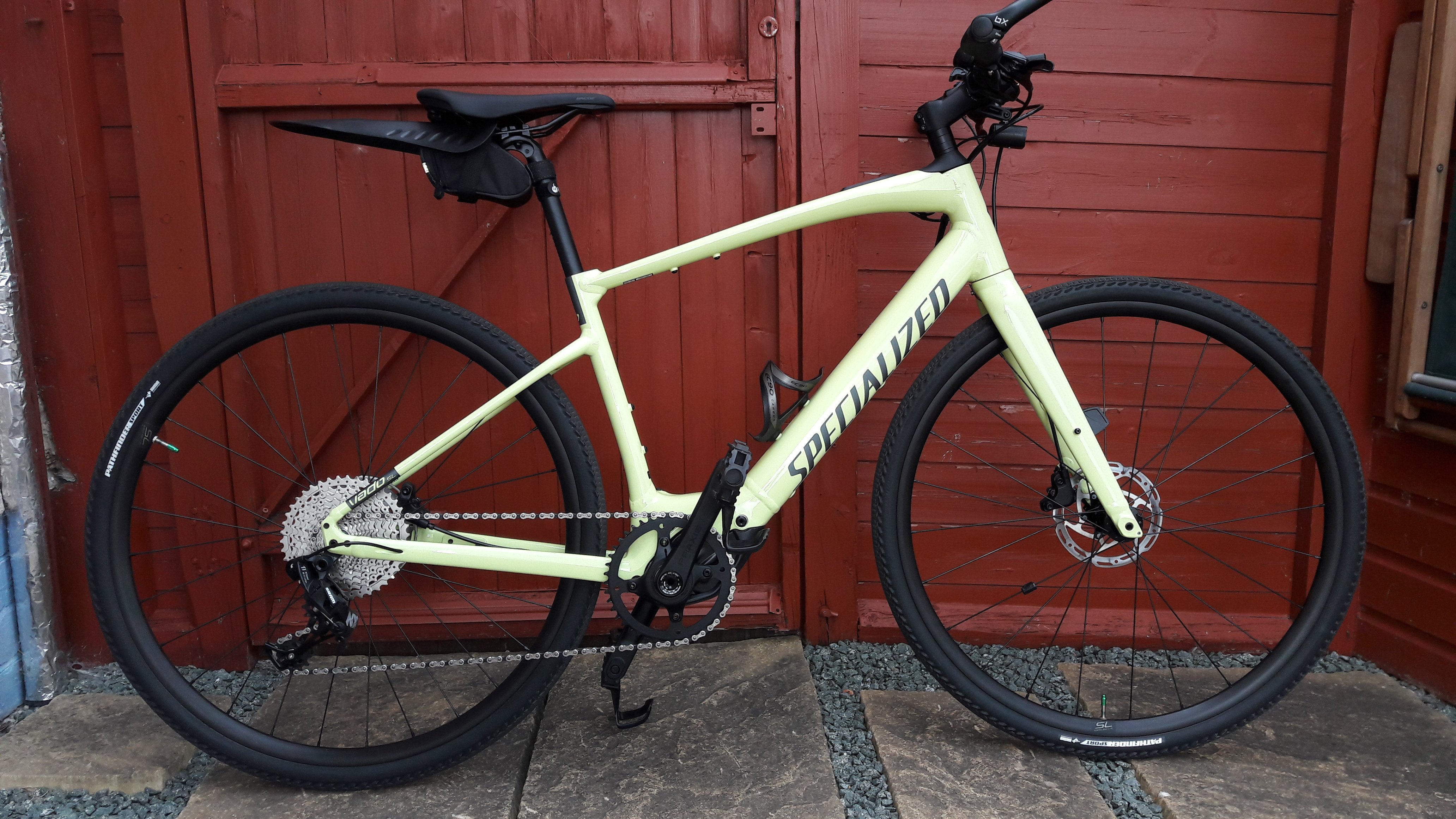
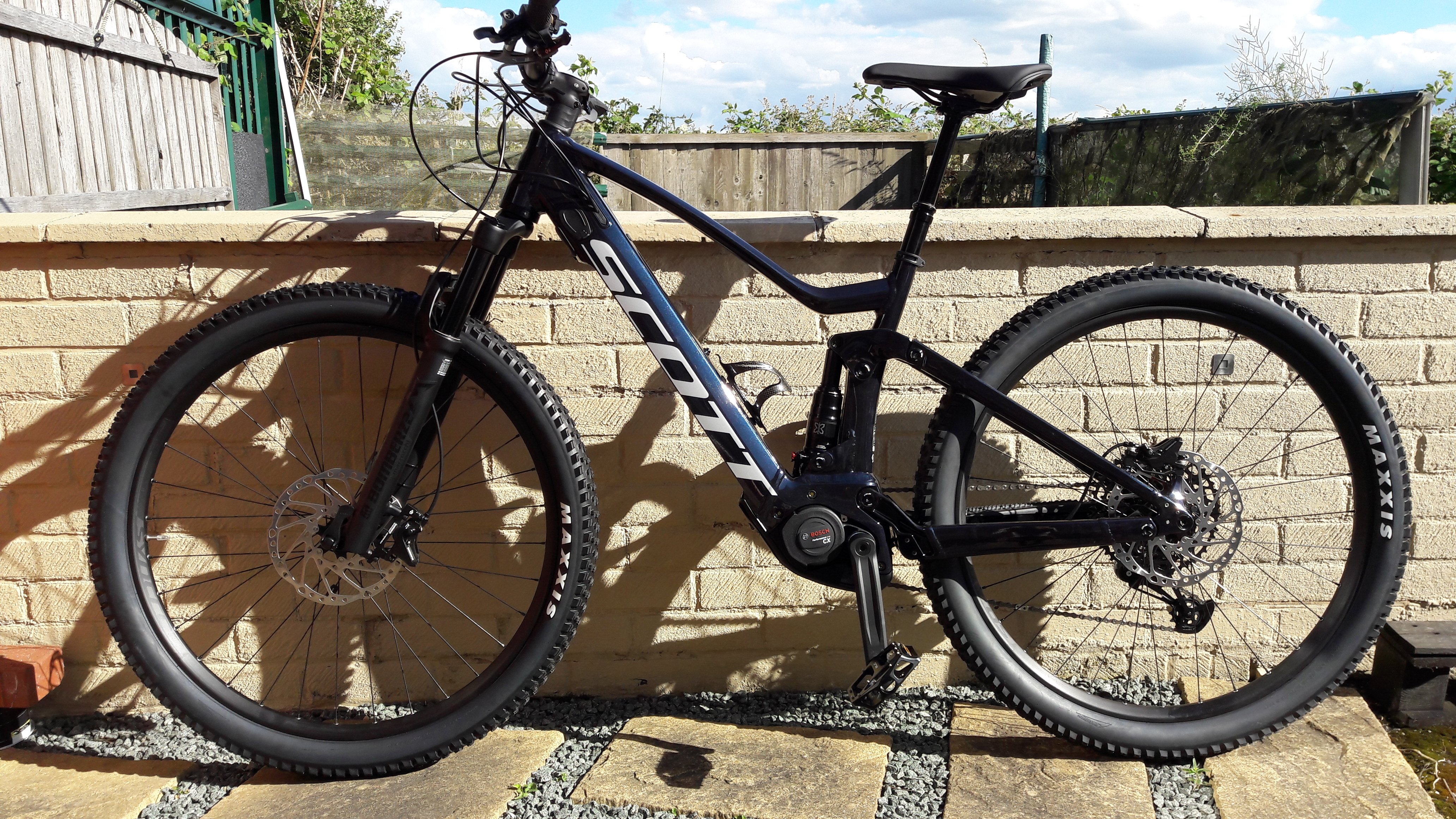
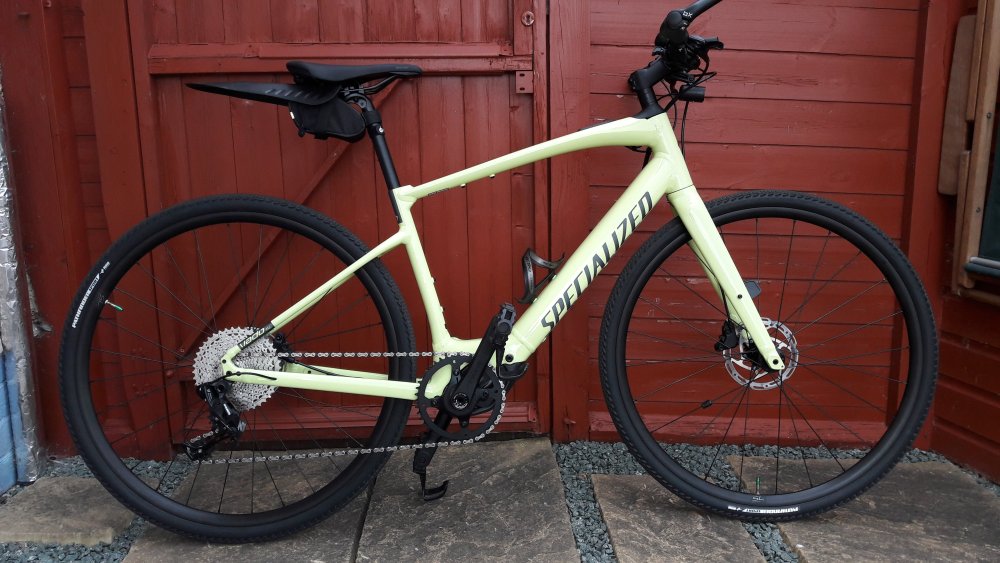
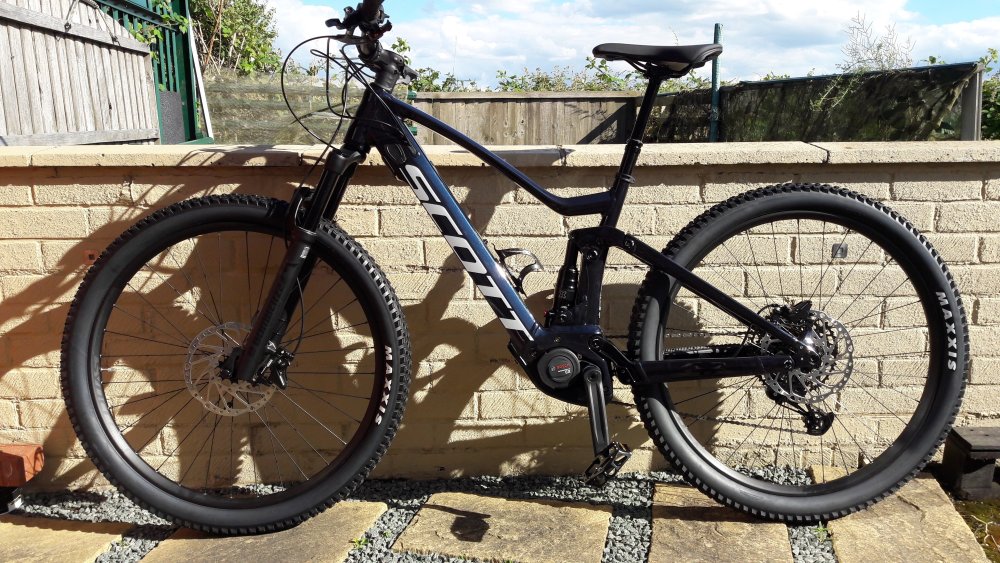
2 pointsMy initial thoughts were to be using the emtb for commuting as well as a good bit of off road-ing on the weekends, however, upon receiving delivery of the Scott Strike I decided it was a bit cumbersome to be weaving around traffic on that, so decided to get a dedicated commuter also. I was torn between front suspension vs no suspension and drop bars vs straight bars. The options were the Crossfuse (as mentioned) a Boardman ADV 8.9E and the Specialized Vado 1.1SL I then ruled out the Crossfuse as decided I still like the rigidity of a road bike feel and it was then a difficult choice between the other two. One with the Fazua Evation motor and a 250wh removable battery and the other with Specialized's own motor (I think) and a fitted 320wh battery. I was worried about the low torque figure of the Vado's motor but no worries with it at all and the issue with the Boardman was that it switches into a sleep mode after 8 hours of non use and you have to unlock the battery (every time 😲) to switch it back on again inside the battery compartment. Lovely looking bike though. https://www.halfords.com/bikes/electric-bikes/boardman-adv-8.9e-mens-adventure-electric-bike-2021---s-m-l-xl-frames-439310.html?cm_mmc=Google+PLA-_-Cycling>Bikes>Electric+Bikes-_-Cycling>Bikes>Electric+Bikes-_-439310&istCompanyId=b8708c57-7a02-4cf6-b2c0-dc36b54a327e&istFeedId=62b447cf-331e-4fec-a47a-9985ff72d404&istItemId=iqmqalmal&istBid=tzpr&_$ja=tsid:|cid:17632096466|agid:|tid:|crid:|nw:x|rnd:7066468719643833467|dvc:c|adp:|mt:|loc:1007418&gclid=EAIaIQobChMIqMGPzvjZ-AIVVeDtCh3iZQT7EAQYAyABEgKLgvD_BwE Obviously in the end decided on the Vado (from Evans local as mentioned) and after many hours sorting the cabling (on both bikes) I am pleased to say that I am loving it and look forward to getting on it in the mornings. Bars chopped a little on both bikes now, bar ends fitted on both too, new carbon (probably plastic) bottle cage on the spez and made my own little bracket for the computer sensor to fit on the fork without using unsightly cable ties. Oh, and I have just purchased a new 105 CS-R7000 11-30t cassette for the vado as not requiring such low (44T / 11 speed 11-42t) gears that it came with. Should allow me to utilise more gears so the cassette lasts longer and a smoother gear change too. I think my first stop for the Strike will be the chainring swap from the supplied 34T to an E-Thirteen steel 38T and then consider a cassette swap from there. Possibly to the 105 CS-R7100 11-34t. These are both all steel. NOT an easy job though unfortunately, though with it being the Sram it should have a self extracting crank arm. Funnily enough my mate texted last night that his Cube (I think he changed his mind again, Lol) has arrived and that he too has done the same and purchased a commuter bike as well......... And other mate should be getting his replacement within a week or two. I will put a few more pics up of the Vado for anyone interested. Lovin it.2 points
-
2 pointsI have both dry clutch DSG on our1.5tsi karoq and the wet clutch on our 1.5tsi Kodiaq. The way I drive, I really find no difference between the two engines in either car. The biggest difference is economy so if you don't need a Kodiaq then the Karoq is the cheaper car to run. I'm seeing around 8mpg avg difference in the real world. Yes a 1.5 is quite small but the only place I find there's an issue is kickdown ( rapid overtaking ). Just flick the DSG in to 'SPORT' and the car will take off, but the power isn't available for very long, so If you're overtaking one car, no problem, but if you're overtaking a line of cars then the 1.5tsi isn't for you. As I say for my style of driving, then engine is great in either car. TBH I'd have taken the 1.0 Karoq if they'd offered it with a DSG. Another consideration is noise. I find the Kodiaq notably quieter than the karoq. Better soundproofing no doubt. Hope than helps. PS - as for differences in gearboxes, I agree with the above comment, I find the dry clutch in the Kaorq is slightly more hesitant at very low speed ( parking ). I don't however have any problems with hesitation. Then again my margins of error are much greater than half a second b4 entering traffic.2 points
-
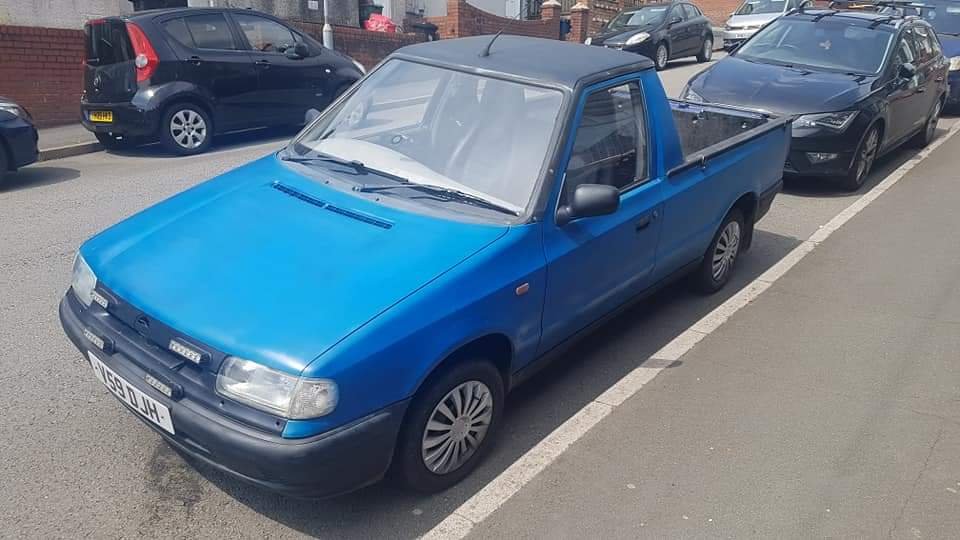
1 pointHi, long time lurker, first time poster. I need some help/advice on fitting Audi TT seats to my '99 felicia pickup. I have seen these fitted, but no one seems able to tell me how. Has anyone here carried this out? Do you have pictures of how you did it? Pic for attention
 1 point
 -
That’s how they get folk to pony up for the ‘higher-spec’ model at minimal cost to manufacture. It’s the way it’s been for decades. For example then, something like a mk1 fiesta base model would likely have been vinyl seats, a heater, 1 door mirror, 5 seats and not much else, next model up might get 2 door mirrors and a radio, moving on up to top spec you might get a cassette player cloth seats and a maybe even a rear wash wipe with heated element! Not much cost difference between them to mass produce but probably quite a difference in the price list.1 point
-
Another vote for Erwin Skoda, plus u can also download all the workshop manuals (PDF) while ur there. Very useful to have if ur the tinkering type.1 point
-
1 point
-
BMN is in the V5 under the 'Engine Number' section1 point
-
Wow. I can’t believe that this thread is still going over a year after I started it… and there are people who placed their orders before I did that are still waiting. I really feel for all of you who are waiting, especially those who have been waiting for so long, and hope that your cars turn up soon - you have more patience than I do! These may be mad times that we’re living in - but there definitely seem to be a few orders that have been lost down the back of the couch, so to speak…1 point
-
If only I knew whether that's G62 or the G83 radiator outlet temp sensor. I think the latter would normally be nearer the rad, but don't know on your engine.1 point
-
Did you try a spanner on the end of ratchet to increase the torque? Only say as one young mechanic I watched was trying to undo a top mount, and failing, told him to increase torque by extending the length. If you do try this, don't go wrenching it, try to apply it steadily.1 point
-
Just had a rare update. Coming up to 58 weeks now since ordering, and there's still no build date. 🤣😭 Not sure whether to ask Skoda UK to get the factory to build me anything, as long as it's got 7 seats and 4 wheels. The original delivery date was Oct/Nov 2021, at this rate it'll be a whole year late. Very annoying.1 point
-
I would NOT consider buying Android unit but rather MIB STD2 PQ from Yeti FL and use Android Auto. Let me know your VIN.1 point
-
1 pointA bit late, the image from correct year. @PaulCanning it was a mistake on choosing the year, the 1st diagram was for Fabia III, and one in this post for Fabia II but in typical VAG fashion it doesn't match reality.
 1 point
 -
1 pointI took the switch out, and although clicking it wasn't making contact. I also found I could actuate the boot by using a wire to bypass the switch. I didn't want to wait for one from China so ordered this one https://www.ebay.co.uk/itm/165140806387 which came a couple of days later. Put it in yesterday and now have a working boot switch again.1 point
-
erwin is the offical site - costs £7 for 1 hour to get a decent bit of data. Or the skoda connect app has some stuff once you link the car to it.1 point
-
1 point
-
Well something worked out right - but what change or change of part most contributed. 🤣 Now to see if records can be set in autumn and winter.1 point
-
1 pointIt can be an error made by many thinking that a Skoda / VW Group Approved Used Car with a Full Main Dealer Service History has been serviced to the Manufacturers Recommendations, Guidelines or even schedule or specifications because only too often they are not. Not the Haldex, (The VAQ on cars with that) the DSG the Cambelt or the Brake Fluid. So with a FMDSH what you want is to know that stuff was actually done when it should of been and the OP might already have come across where that is not the case.1 point
-
Best deal with Skoda Ireland rather than Skoda UK.1 point
-
1 pointGot my granny from screw fix. Used several times and seems good in all respects and can use with a heavy duty extension lead. I think it was£139 Inc vat.1 point
-
You can call Skoda on +44-333-003-7504 Just wrote the error message you get. If you read through this thread you will have a good idea of what to do.1 point
-
1 pointStripped the panel from the tailgate and the panel from inside the boot today.......I put a noid light on the plug going to the actuator and bypassed the boot (micro) switch and low and behold the noid light lit up....so looks like the micro-switch has failed. Part no. is 1Z0 827 574C There's a new one on e-bay for about £35 but I'll order from my local TPS, might get it a wee bit cheaper ? I did loosen the rubber boot around the wiring between body and tailgate but all wires intact.....although the thicker white one had a crack in the insulation....ok for now though.1 point
-
1 pointThe door ding is a £150 repair max. When somebody gets shot of a rough or troublesome car to WBAC, AC, Evans Halshaw etc etc it then goes on sale at £1,500-£2,500 more looking lovely. Still the same possibly poorly serviced vehicle with issues that need addressed and money spending to have a good car. Sometimes buying the car as is and budgeting in the Major Servicing and replacement parts and some bodywork / valeting is where the best deal is. As traders do, add a premium.1 point
-
@cello Sounds like an issue with the idle speed controller from your description. I'd want to know more. To start with, is the "panel behind the (outer) wing the inner wing or the crash bar, the bonnet slam panel or what? A damaged crash bar raises the spectre of bent chassis rails and/or engine subframe.1 point
-
1 pointI also came from a Mk3 to Mk4 and missed the trip reset initially as I used it often for tallying business miles. Now I just use the Since Start and Long term data and as needed. You get much more data as well so actually more useful, I don't miss the trip meter anymore.1 point
-
1 pointLooks like your long waiting time resulted in now waiting for your delivered car to start performing as it should 🤦🏼♀️1 point
-
1 pointIt’s on page 66 of the user manual …. Individual settings > doors on a vehicle side gives access to both doors on driver side and fuel filler flap, strange that rear door on that side works perfectly on a double press, but not on a single press.1 point
-
1 pointAnother delay and now it might not come with charging cables or a granny charger any more. FFS! Seriously tempting to tell them to stick it or just buy it cash, then immediately sell it for a couple of k over RRP.1 point
-
1 pointGR63 Pole Position. Fantastic. Car problems put Hamilton 7th Verstappen 10th and Perez couldn't get out of Q2. Sunday then? Ferrari must be favourites from P2 and P3 on the grid, but let's just hope George can fend them off.1 point
-
1 pointFor a car up for sale the inside is very untidy and dusty and the engine compartment is disgusting.1 point
-
1 pointStupid as it may sound it could also just simply be a case of something being detected as too close/blocking the sensor. I've had everything from snow and leaves triggering the error at times, to on one occasion where the reporting was more 'random', I eventually tracked the cause down to a fecking spider which had taken up residence in the front bumper and kept periodically trying to make a web right across the front of the sensor. You may want to check for something like this before going to the dealer for a costly bill.1 point
-
You know my first would low battery charge and/or lose connections. 😁 ETA: That leaves you with 998 or 997 to name as I'm out of ideas already. Screen to centre of dash dials operated through wheel/dial/button on steering wheel and through Infotainment, far too much info to put here. ETA: I missed varooom had already posted the images, my machine runs in a different time zone, as does my brain.1 point
-
1 point
-
1 pointReally enjoying my commute on this thing... This is the Strike. Not the best picture tho
 1 point
 -
1 pointYou've just got to ring round the dealers, find some i stock and go and drive them... Over the years we've gone from Japanese hatchback to Fabia Estate when offspring 1 was in the offing to Octavia Estate when offspring 2 turned up and last year we changed that to a Kodiaq. Before we bought the Kodiaq we has two pretty specific requirements - one was 4x4 given where we live and the other was a big boot no smaller than the Octavia as we regularly filled the boot for the Octavia on trips to relatives in Northern Ireland, largely due to offspring 2's medical conditions meaning we needed to take all her food and meds with us and because we'd recently finished up with a wheelchair for her as well. We looked at both Octavia Estates (too many issues with the mk4 and not enough 4x4 Mk3s around to choose from), Superb Estates (too big according to SWMBO and not many 4x4s around), Karoq's (very tempting but the boot was smaller than our existing Octavia), and Kodiaq's (decent boot, bigger than the Octavia, SWMBO liked them and we found we could just sling the wheelchair in without dismantling it. That therefore settled us on the Kodiaq so we then tried the 150 diesel 4x4 DSG and 1.4 TSi petrol 4x4 in both DSG and Manual. SWMBO simply couldn't get on with the DSG - it's very smooth but she felt she just wasn't in control of it. I thought it was OK and reckoned she would have got used to it but, in all honesty, I also preferred the manual. That pretty much limited out choices. In actual fact we're really pleased with the 1.4TSI. It's no rocket ship but is quick enough as the little engine pulls the big Kodiaq along well with a surprising turn of speed if needed, and it suits the car well being very quiet. Fuel economy is high 30s low 40s generally, so not as good as the diesel but still OK for the mileage we do. I'd like a 2.0 TSI for the extra pull but the 1.4 has done well dragging us fully loaded over the Pennines from Sheffield to Birkenhead for the ferry and on to Belfast. Ideally I'd have liked a higher spec than the SE we've got but looking at prices now we got an absolute bargain so we're pretty happy with what we've got and don't really feel like either would be worth the muich higher cost. If you are looking at a 2017 /2018 car the chances are you'll be looking at 2.0 TDi's, a 2.0 TSi, or a 1.4TSi, as opposed to the 1,5TSi.1 point
-
Hello all, Is it possible to retrofit ambient lightning, in my octavia nx3 from 2021? If yes, where can i buy the parts? i have obdeleven, so if you know where to code it, that would be nice too. Big thanks1 point
-
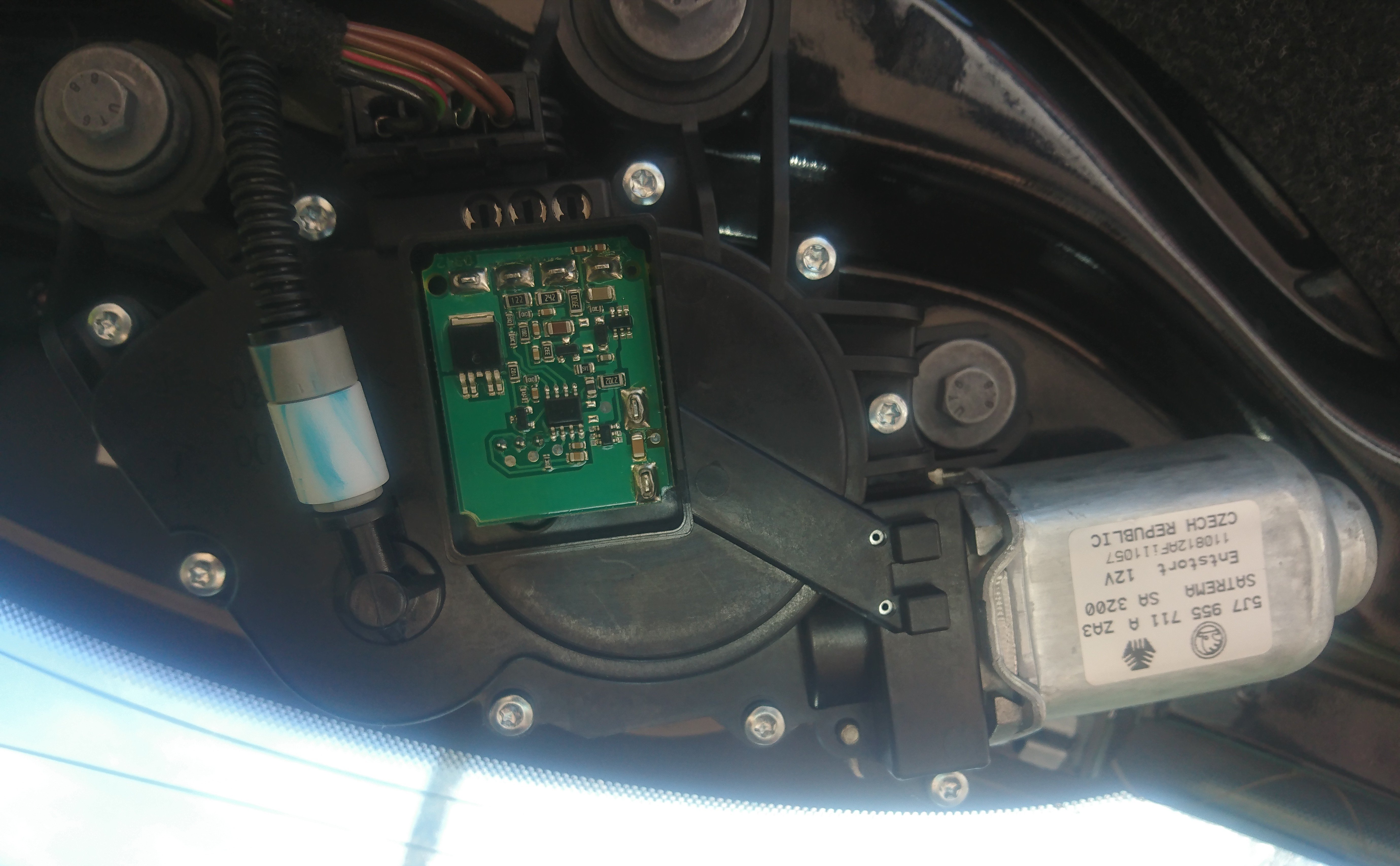
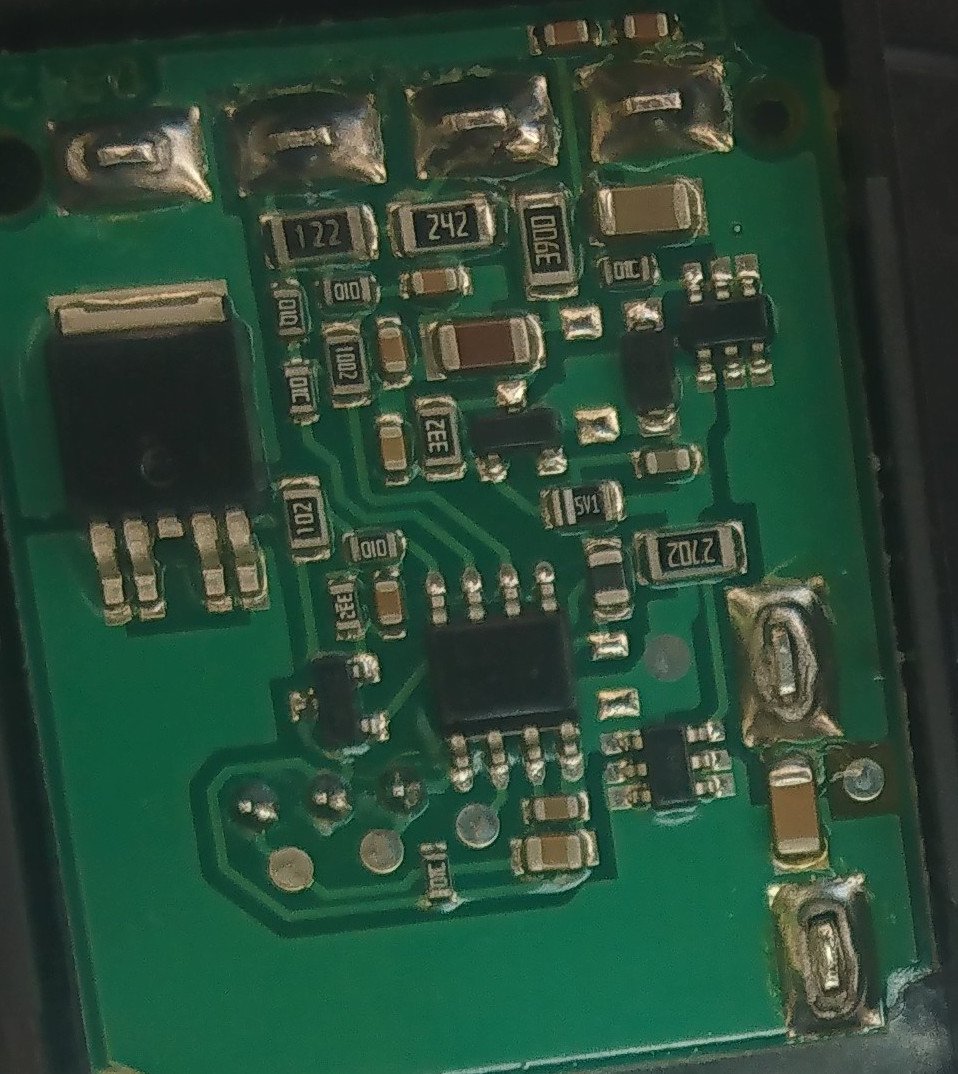
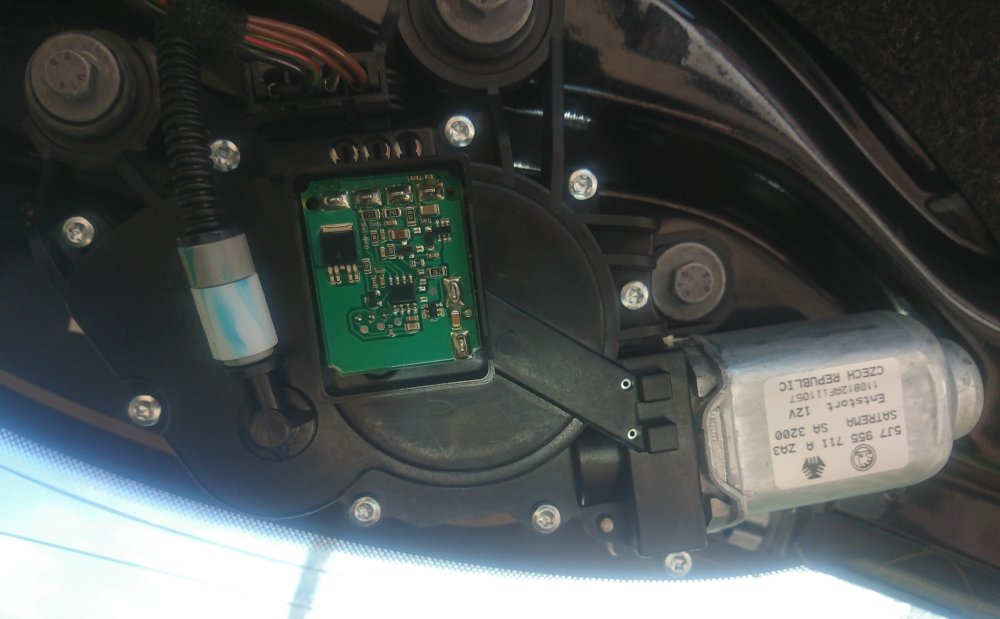
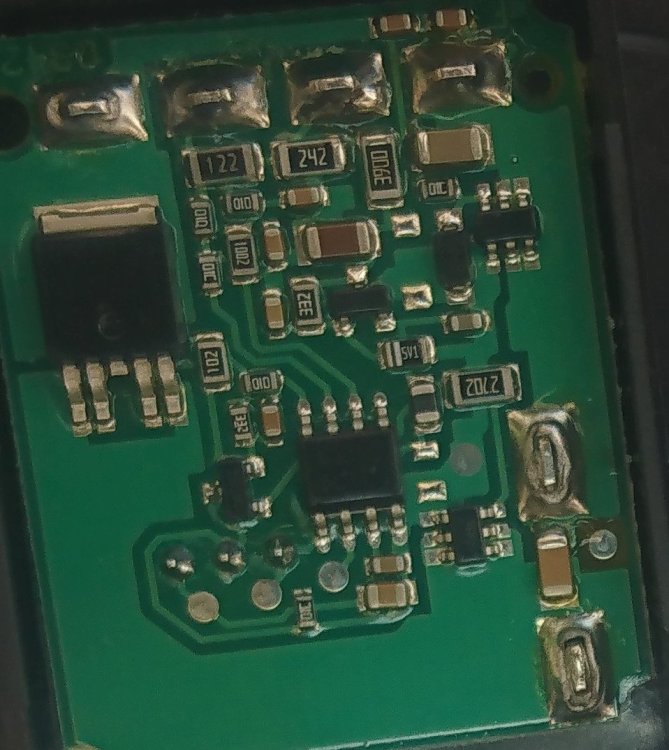
1 pointIt took a while, but yes! The culprit was the soldering of the little circuit board that controls the wiper motor. The solder had cracked, causing a poor connection. Makes sense that temperature changes would affect it. Take a look at the attached photos, specifically the soldered tabs on the bottom right of the circuit board. Those two connect directly to the motor. See how different they look to the tabs at the top of the board? Took a quick bit of heat with a soldering iron and a little extra solder, and problem solved. It's a quick job as long as you have one of those generic trim removal kits. Just remove the trim from the inside of the boot lid, then the plastic cover from the wiper motor assembly (2 torx screws and 2 metal clips hold it on), and then the little cover over the circuit board comes off easily. Hope that works for your Fabia.
 1 point