



Leaderboard
-
Lee01
FREEDOM26Points36,936Posts -
Lady Elanore
FREEDOM10Points25,083Posts -
chills
Members10Points1,780Posts -
Aspman
Resident Member10Points21,291Posts
.thumb.jpg.9dd3f612ba7f13d10be5c518d3c8d255.jpg)



Popular Content
Showing content with the highest reputation on 06/03/26 in all areas
-
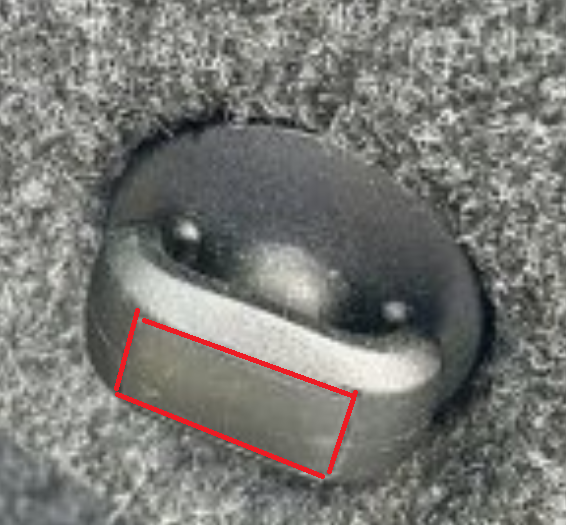
Looks aftermarket, so possibly an amplifier or something. Careful reconnecting it in case the other end is sat against metal somewhere.3 points
-
2 pointsFind a good VAG indie and stick with them. Even if you're within warranty, having a car serviced outside of the dealer group makes no difference. They'll deny your claim in the same way, after you've paid your inspection fee and been told there is no courtesy car available. I wouldn't trust a main dealer service department as far as I could throw them - and I have pretty extensive experience with Ford, SEAT and now Skoda. Even BMW have been rubbish - and don't get me started on BMW Motorrad. The only decent service department has been Porsche, but that's practically irrelevant (it was also limited experience with a recall too). My chosen VAG garage can do everything a main dealer can do, and more. Do you really think Skoda, VW, BMW or anyone else wants to sell you a service plan to help you out as the customer? What sort of business model is that? They want to keep you trapped into paying endless inspection fees, and £170 for an oil change and cabin filter. Most of the time they don't even do a good/honest/proper job - or at least the ones I've been to don't.2 points
-
2 pointsI use bosch normally but during winter tend to go for a cheap set if I have to change them as the salt/grit/ice destroys them Last set that I fitted was from Lidl and reckon there as good as bosch but a lot cheaper. Been on my octavia for over a year and just starting to smear a bit but still no squeeks etc. Waiting till they have them in again and at £8-99 I usually buy two sets Alasdair2 points
-
2 pointsI'm with the sentiments of PongoBongo. I bought outright a new Fabia 4 with service package expecting worry free motoring for a couple of years plus exemplary customer service. The reality has been anything but. It looks to me that buying a car without the backing of a finance package or one of those rolling pcp deals is a bad idea. Once the dealer has had your money they are unlikely to move in your favour. After the "free" servicing you've paid for is out of the way I suggest the use of a local garage/workshop. If they know you and understand how you are using the car then that's preferable to using a dealer. The latest cars are jammed with electronics though which makes the choice of a local garage more difficult. Our local Skoda dealership is sited in a truly awful location and they have trouble laying on a courtesy car. Standing at the bus stop or walking into the town are scary experiences and booking a taxi seems an insult considering the money I laid out. I wish that we had bought a ten year old car in pristine condition rather than experiencing the worries that came with our Fabia 4. Dealerships seem to be all sales and minimal customer support.2 points
-
It might have provided the "permanent live" for trailer interior lights or battery charging.2 points
-
2 pointsThanks, I have spoken to Skoda themselves and 4 dealers and all say that the height adjustable arm rest is standard so looks like the dealer have tried fobbing me off. I'm waiting to hear back from them after giving them my findings2 points
-
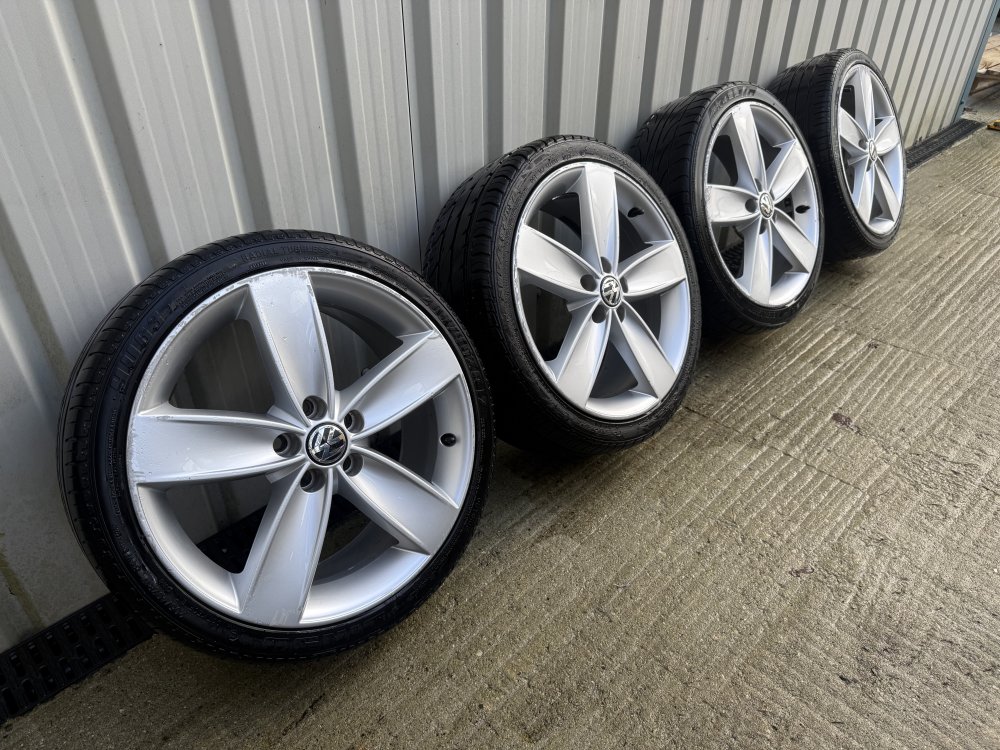
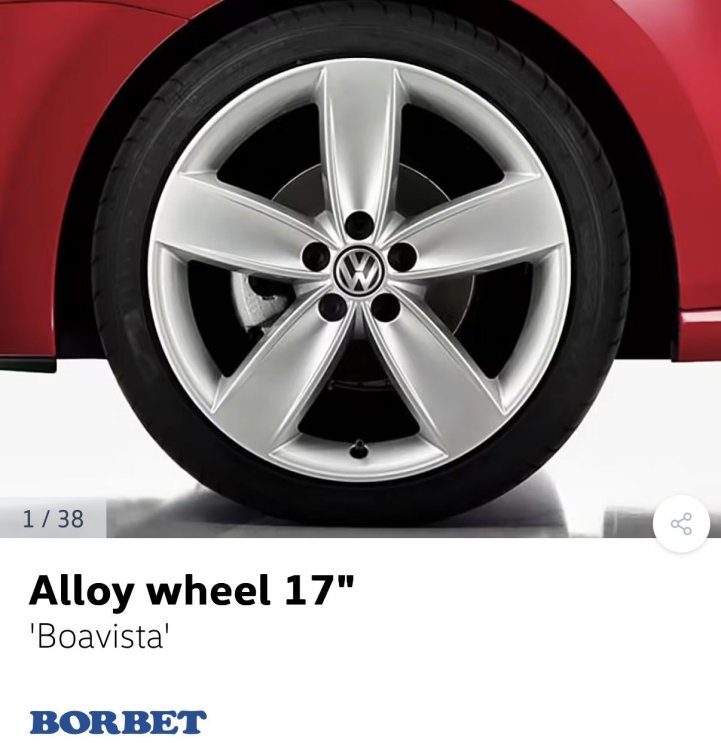
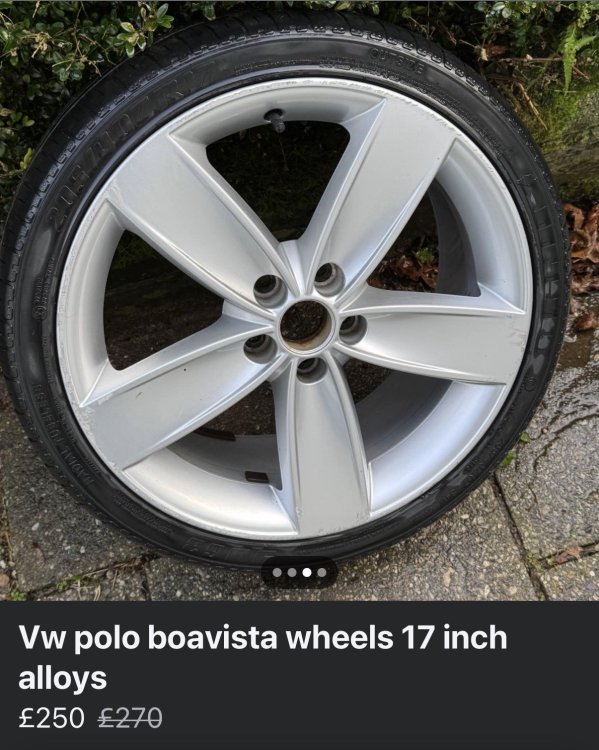
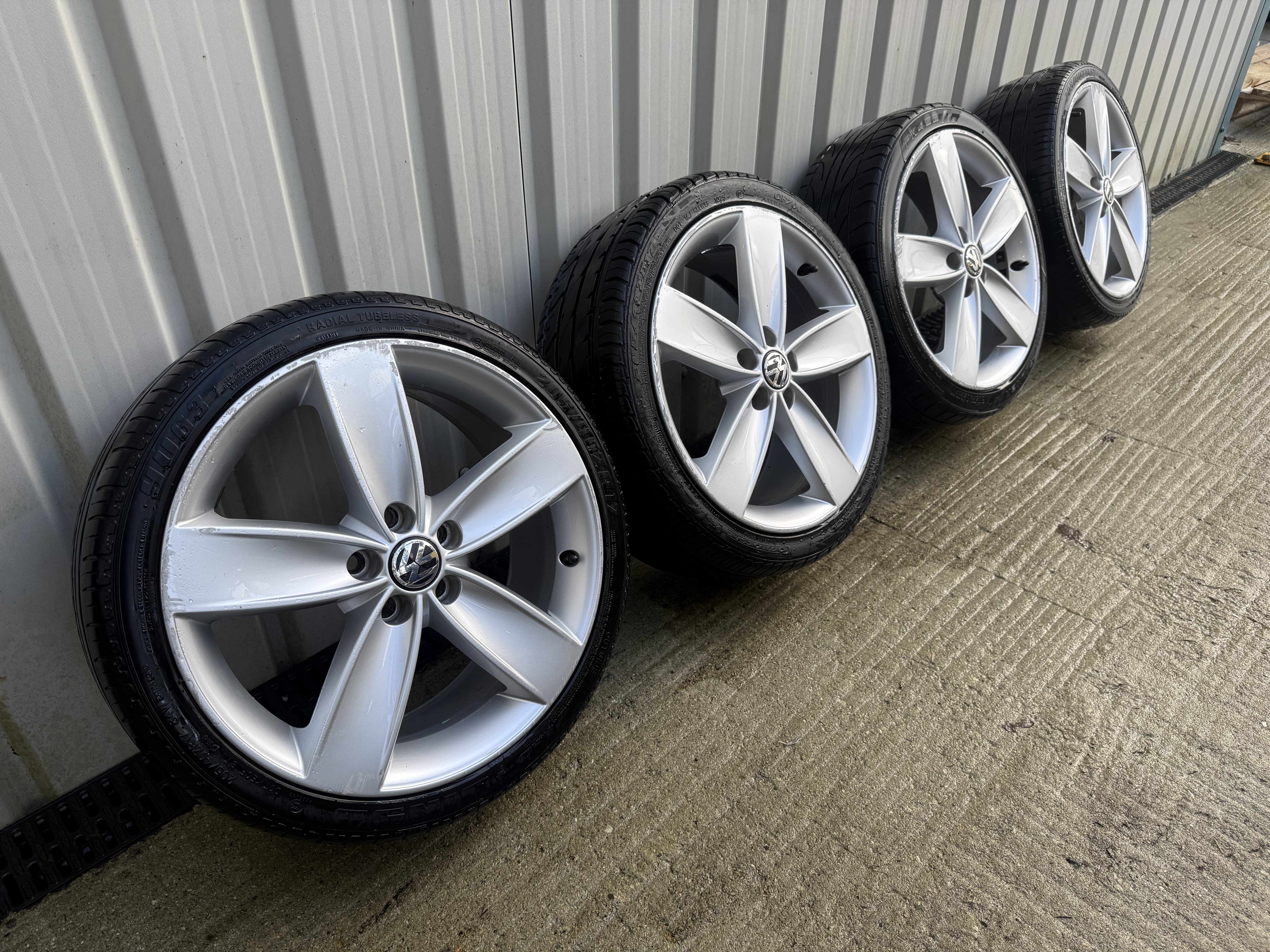
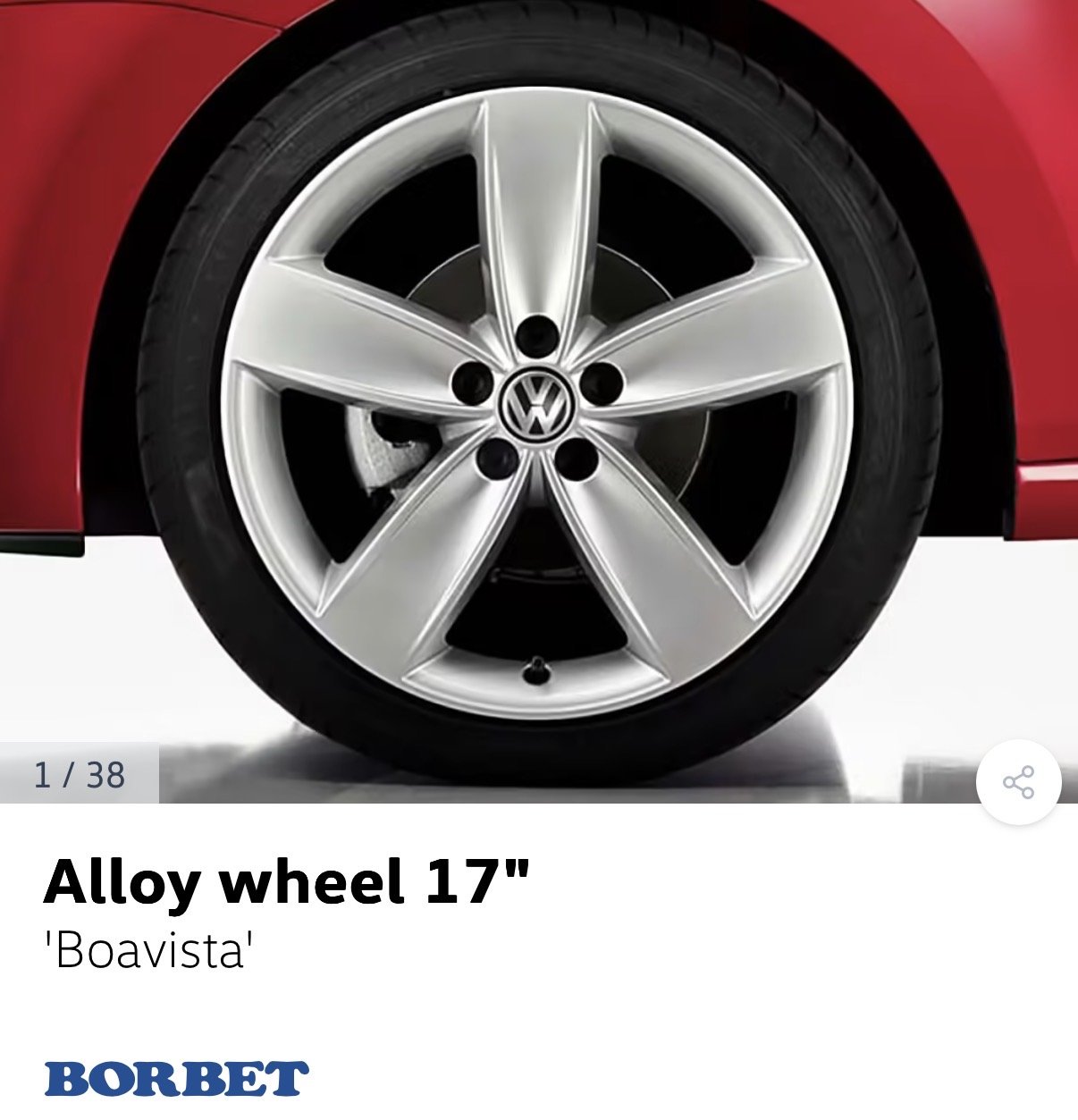
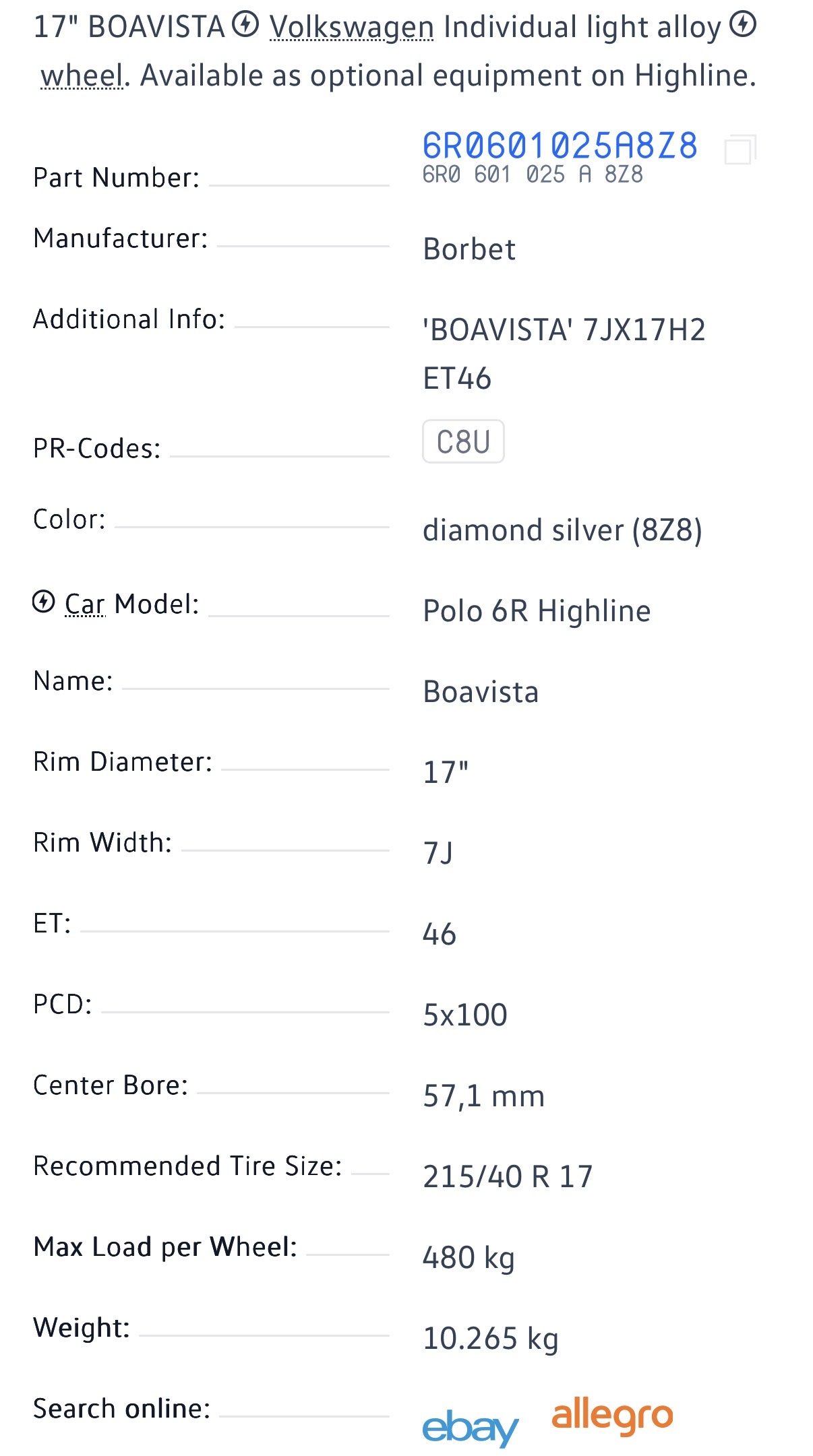
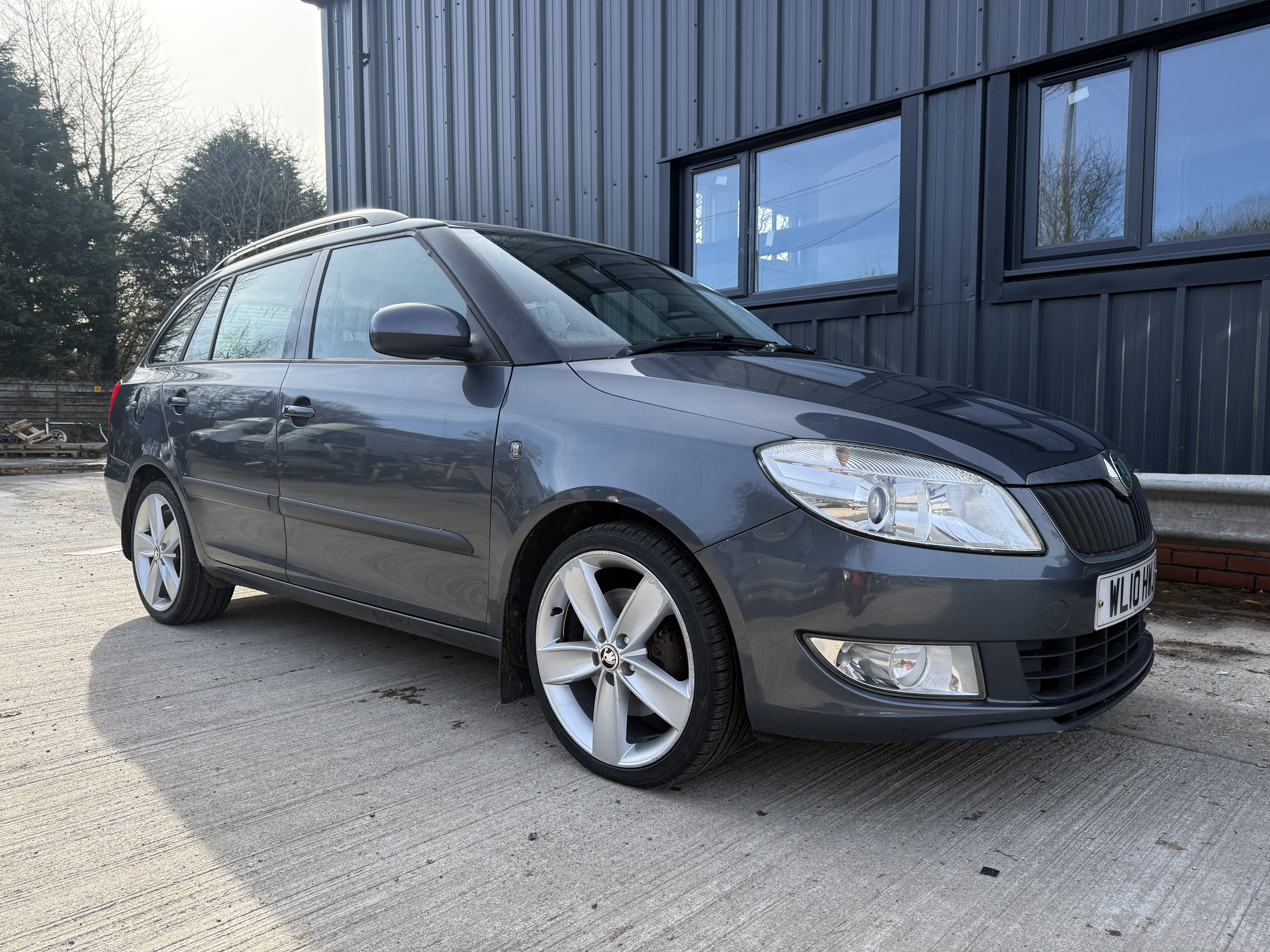
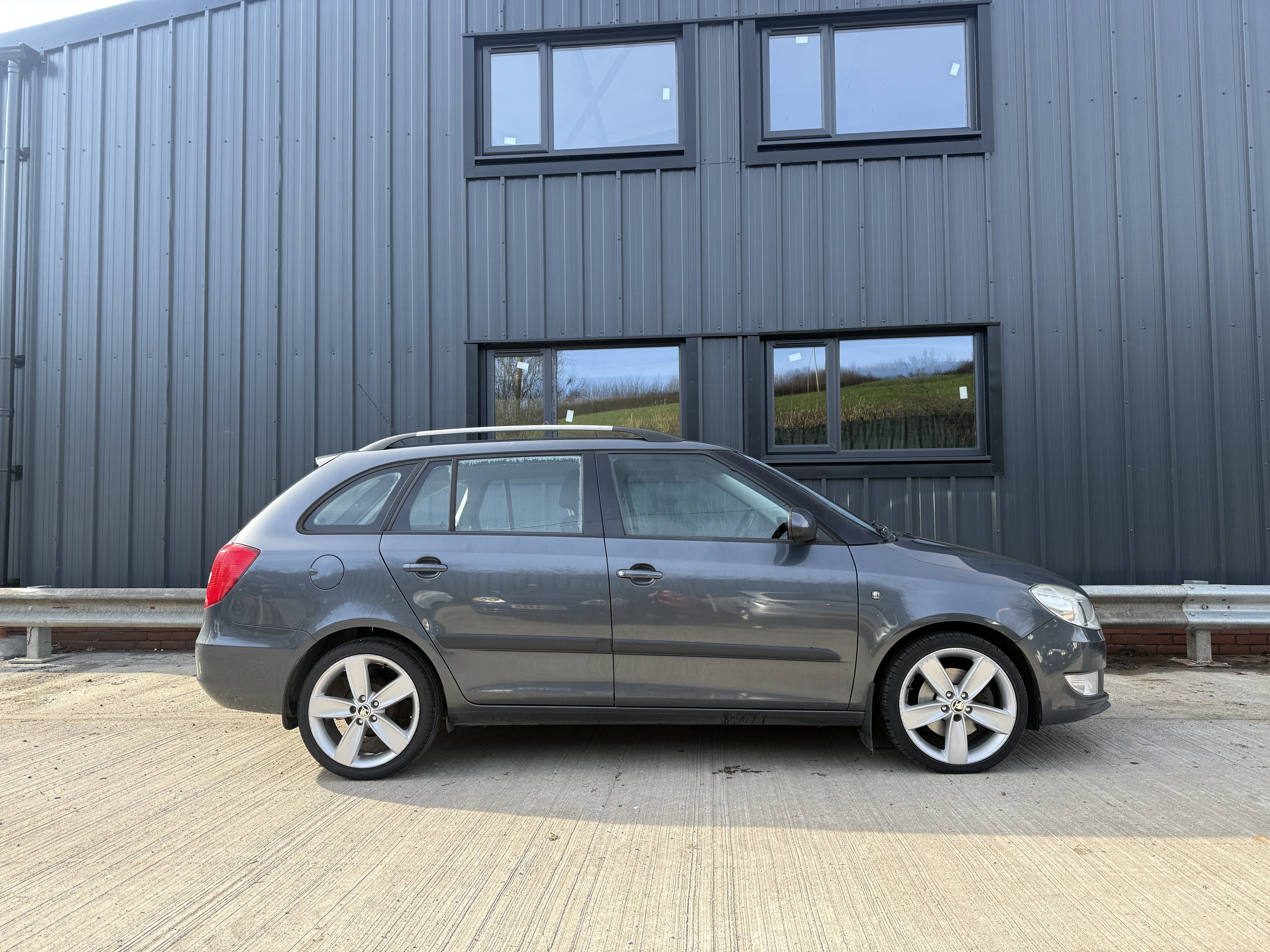
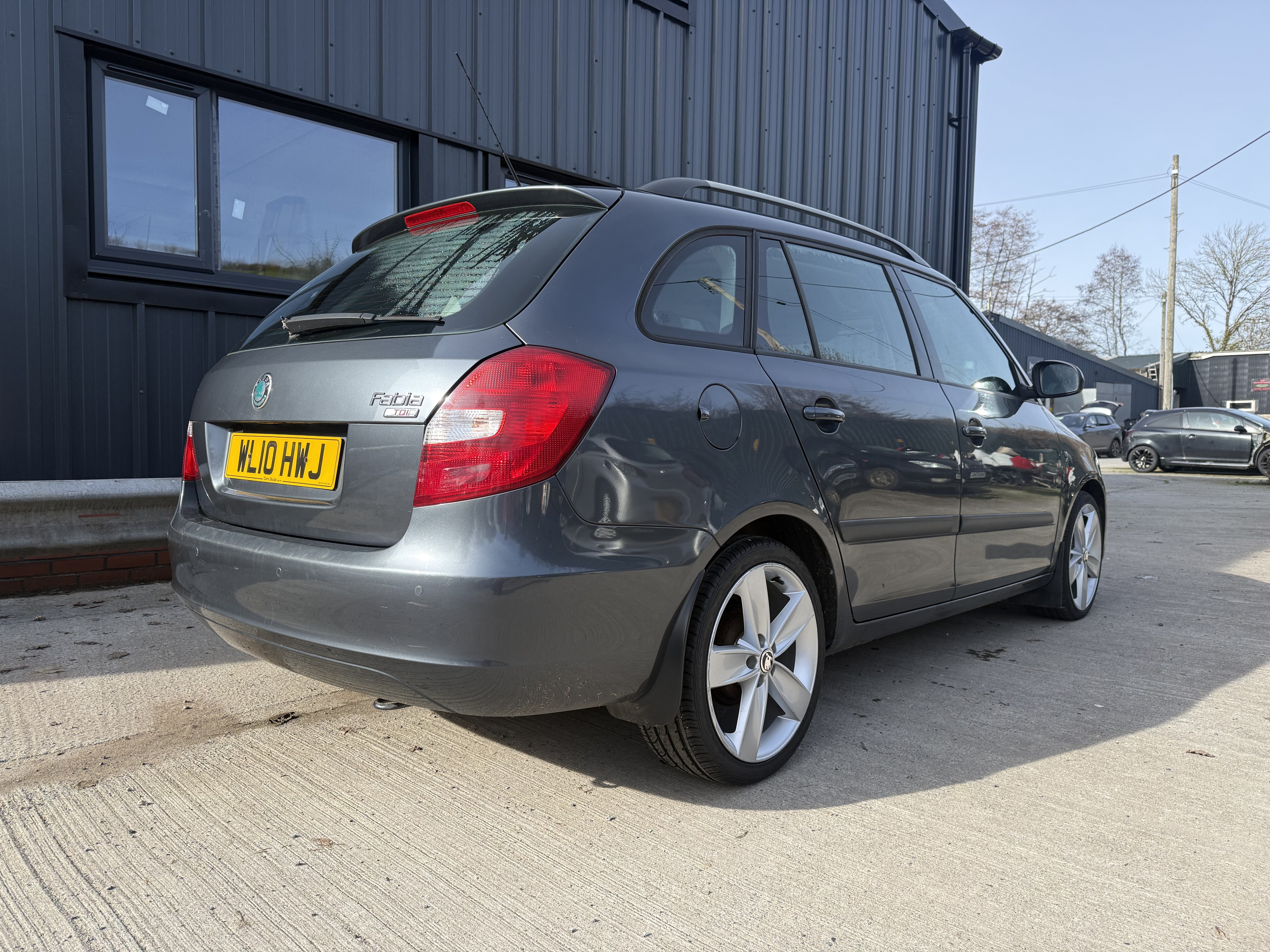
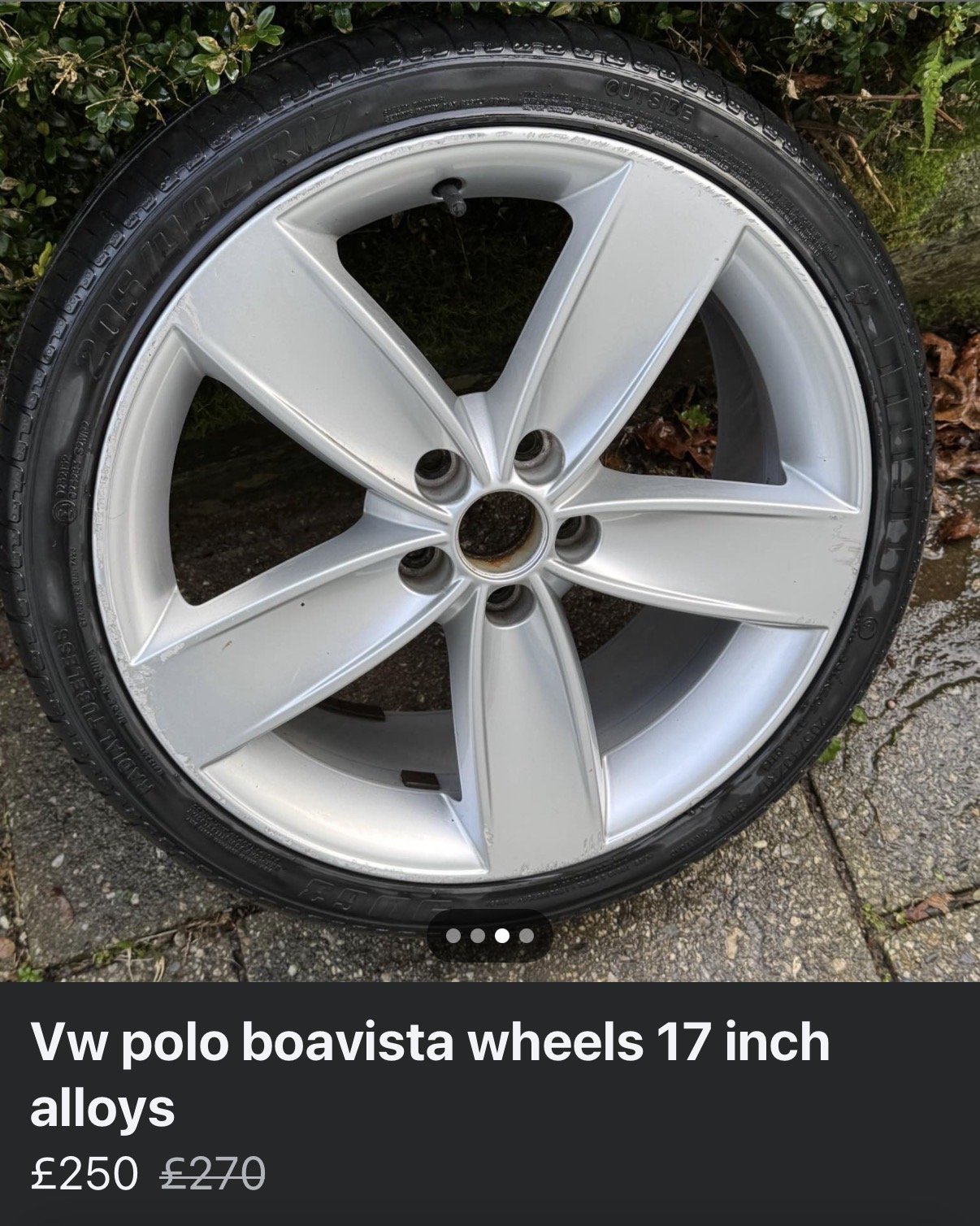
Its first mod time 😁 I needed some tyres, so I used that as an excuse to buy some alloys with tyres 😉 Keeping to my budget theme, I hunted on FB marketplace and found some slightly rare VW/Borbet 17” Boavistas, which was an option wheel on the Polo 6R Highline. They were a bargain price (and I paid less than the advert states 😁) as they were a bit kerbed but I’ll give them a referb later 👍. Conveniently they are exactly the same size and offset as the 17s found on the Fabia Monte Carlo’s so fitment is not an issue 😎
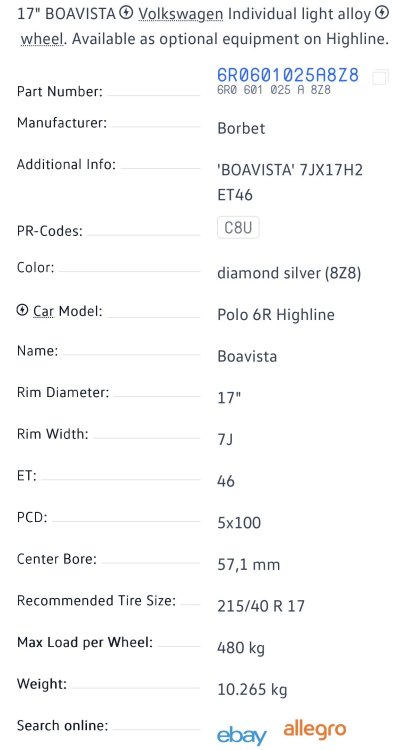
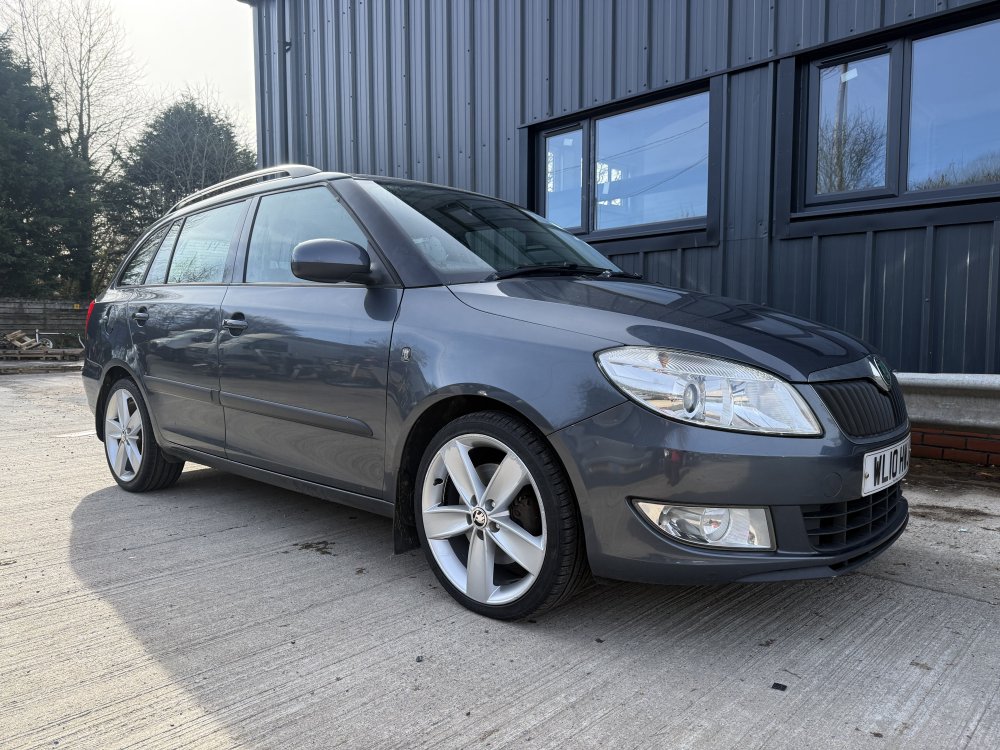
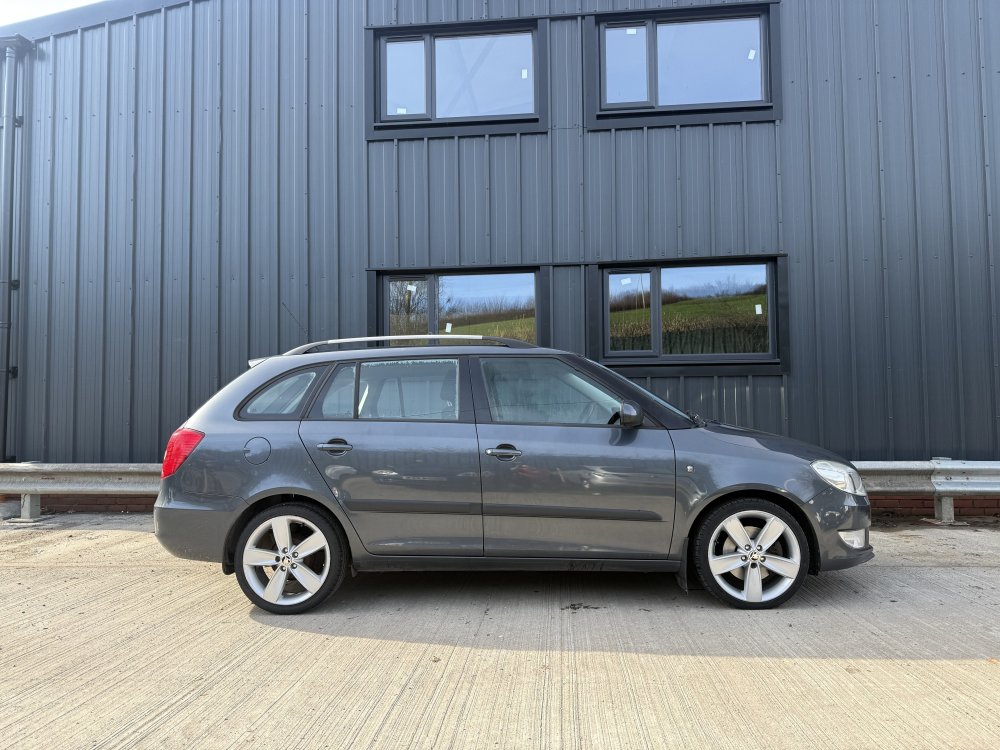
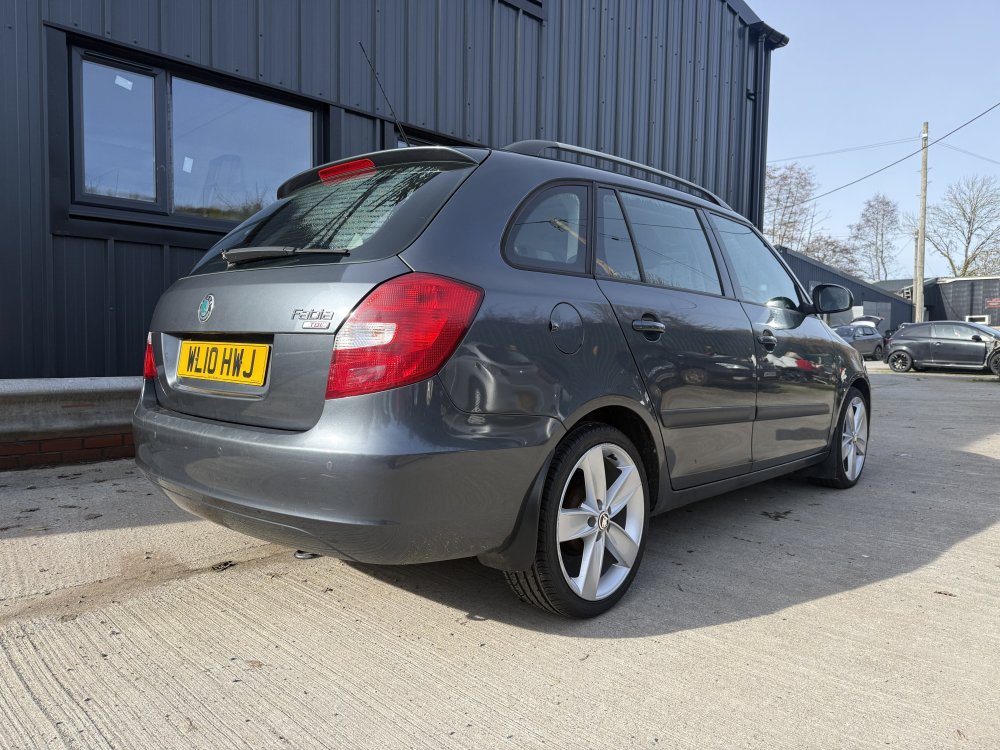
 2 points
 -
2 pointsHow did we manage to drive safely before all of these warnings now flag up for us, there is a thing called a speedometer👍2 points
-
Just popped in to book my 2024+ Octavia in for service and mentioned I'd had a weird very intermittent fault. Unlock car, get in. Turn on with button. Press to start and nothing happens. Turn off, turn on and still nothing. Dash comes on but no crank. Lock up and walk away for a couple of minutes. Repeat and starts no issues. Usually occurs at the most inopportune moments such as heading to airport. Called out assistance and it was put down to not pressing brake pedal hard enough (???) Apparently there is a whole lot of updates awaiting that would put Windows to shame. Now booked in for 3 days to get them all done. They wanted 2, but have an extra 'just in case...' So if you're experiencing odd, intermittent issues, check to see if there is an update awaiting.1 point
-
1 pointAs above, order directly from the OBD11 website when there is a sale on, or Amazon when there isn't. Be careful with the one click apps - make sure you know what they are adapting before you do it. I actually don't mind the Soundaktor, although I had mine replaced by Skoda when I bought the car. I can't comment on the Mk4. Reversing light can't really be sorted - I wouldn't mess around with the LED units.1 point
-
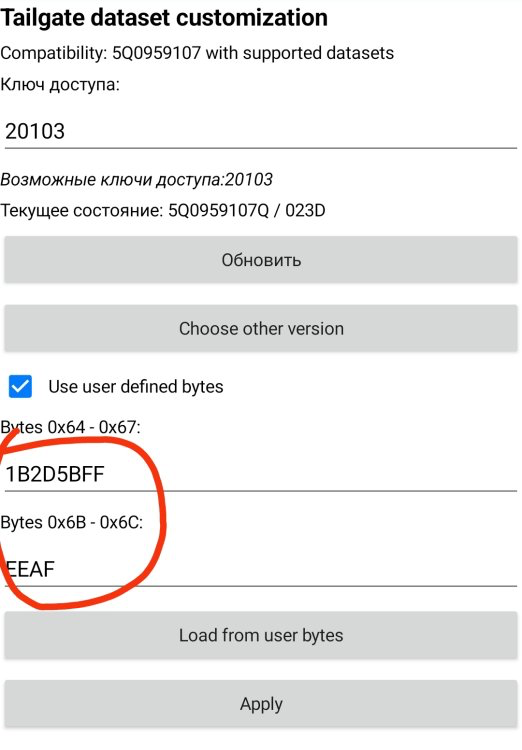
1 point1 point1 pointI wouldn't bother with the VW compressor - I picked one up at Halfords that works fine. Same with the tyre sealant. In response to your previous comment - I don't have a jack in the car! I think I do have a scissor jack floating around somehwere, but I just use a trolley jack when required. I have no spare wheel, so I don't see the point in carrying a jack. IIRC, some canned water takes its place.1 pointSorry just spotted the enormous picture of battery hiding in plain sight. Alasdair1 point1 pointThank you for the mention of the instructions in the manual. I read those. The Bosch wipers seem genuine and my car is listed on the box. I put my reg in on the Bosch spare parts site for the correct size and ordered them from Amazon. Not my finest moment...1 point1 pointIn a moment of weakness and an overwhelming bout of "want" I bought it. The car is a 2019 69 plate VRS Tsi 245 manual Estate. It has done 71k with one owner. I am very happy with my choice, the refinement, the ease of use and the build quality blinds the 21 year old Volvo unsurprisingly. Unfortunately the engine is lacking the Volvo's 5 cylinder anger, brawn and character. The Skoda is quick, the 2.4 Volvo T5 is fast. The thing is, the Volvo's chassis has never been good enough to cope with the speed and the way the engine produces it's power. The Octavia VRS feels like cheating, but in a good way. I went for my last drive in the Volvo today, I've been incredibly fortunate insofar as it's never let me down and it's sold for £1,000 more than I paid for it 12 years ago. The new owner has assured me he will love it like a 3rd child. I collect the Skoda on Wednesday.1 point1 pointTo be accurate: I didn't try every charger on the way, but every charger the car Sat Nav took me to was either down or wouldn't accept payment (I suspect there was a link to the Cloudflare outage). I tend to try and get 2.5/3 hrs driving done in one, then stop for a meal and a charge, ideally at 50 kW or more minimum. On the way down I stopped in four different charge locations and only the last one worked. From memory: didn't stop in Dundee, yes did try Perth - but I can't seem to use the Tesla chargers and the others (are they ESB?) were down- tried a few Charge Place Scotland ones (I forget the rebranded names) and all GridServes I tried didn't work. Ended up finding an Ionity near Glasgow that worked for my first major charge. On the return trip I stopped every 100 miles or so to try and keep topped up, and had the same experience where only Osprey and Ionity seemed to reliably work. Even the SSE hyperchargers in Dundee wouldn't accept payment or start charging - ended up limping into Westhill at Ionity with 2% battery as our final stop before home.1 pointIn other news I did 457 miles yesterday and averaged 43mph thanks to the A14 and M6. I did get 57mpg average though.1 pointPhew. I was panicking that I had broken your tailgate! Autohold set to early and direct accelerator algorithm is very much recommended.1 pointOh. How strange. you have a different parameter version. But this screenshot from @igrozan may work. Click on use user defined bytes at the bottom then enter the same codes and apply.
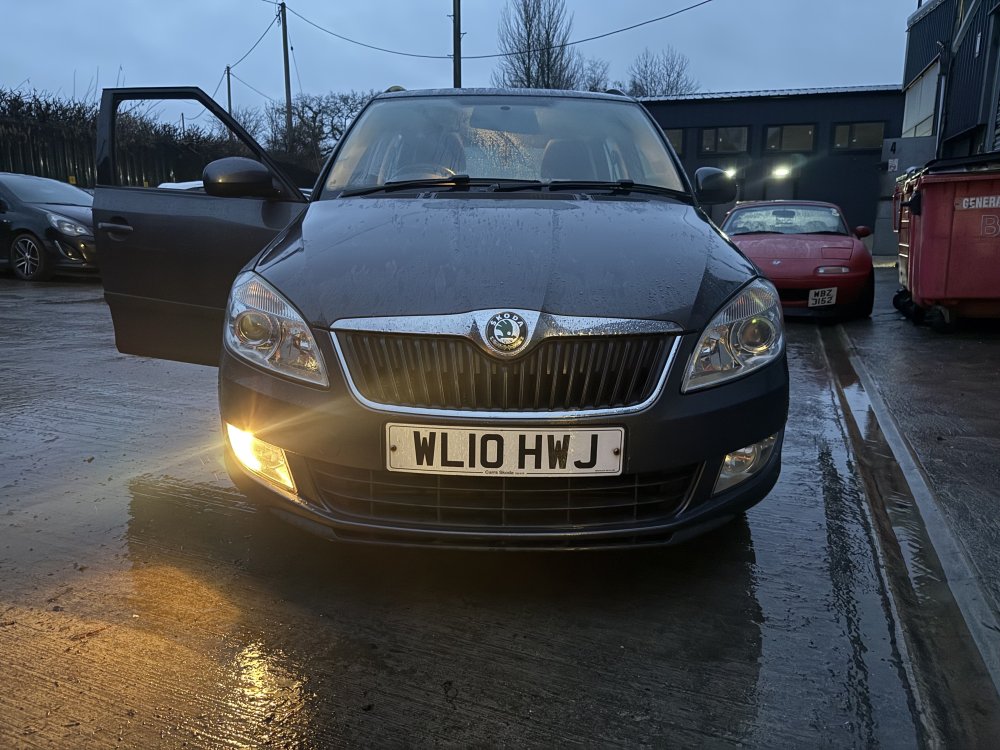
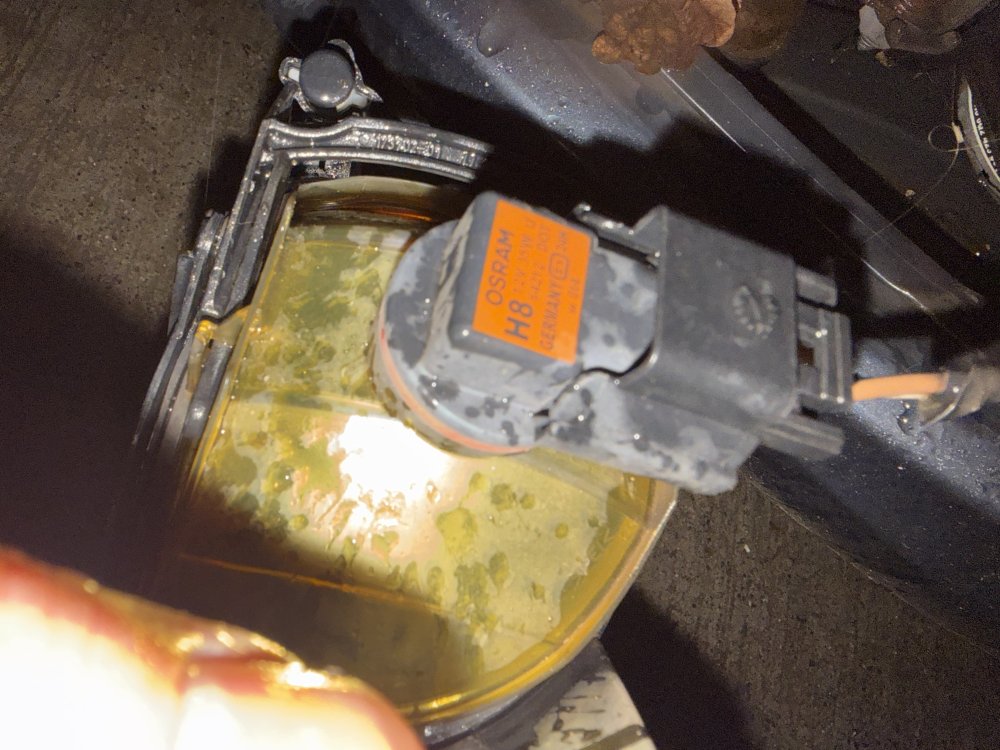
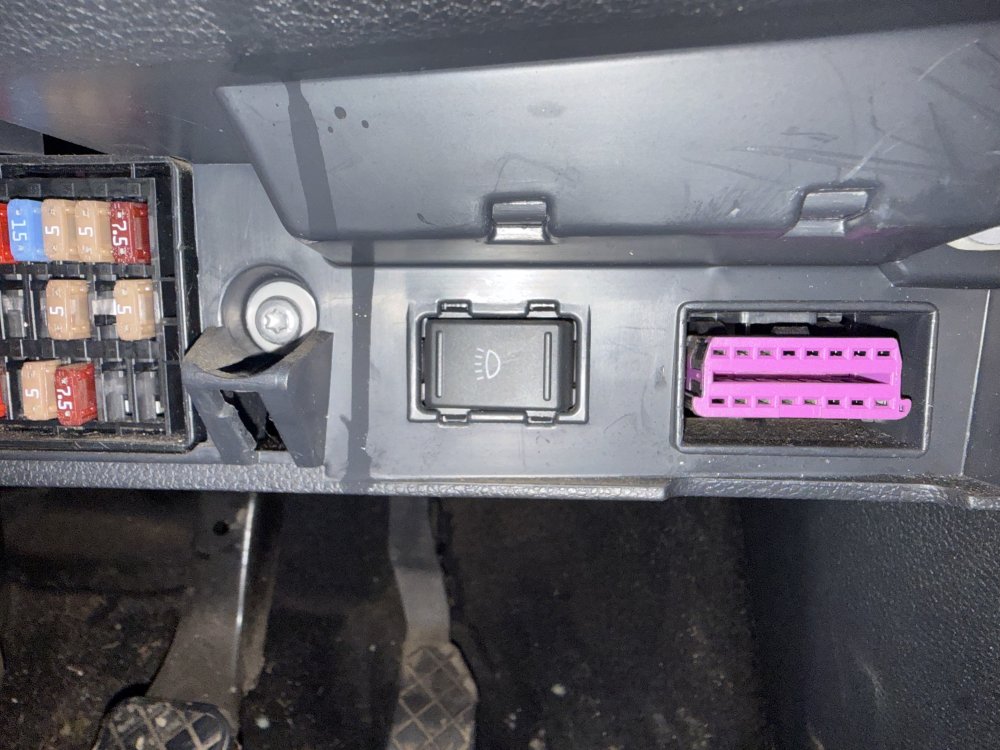
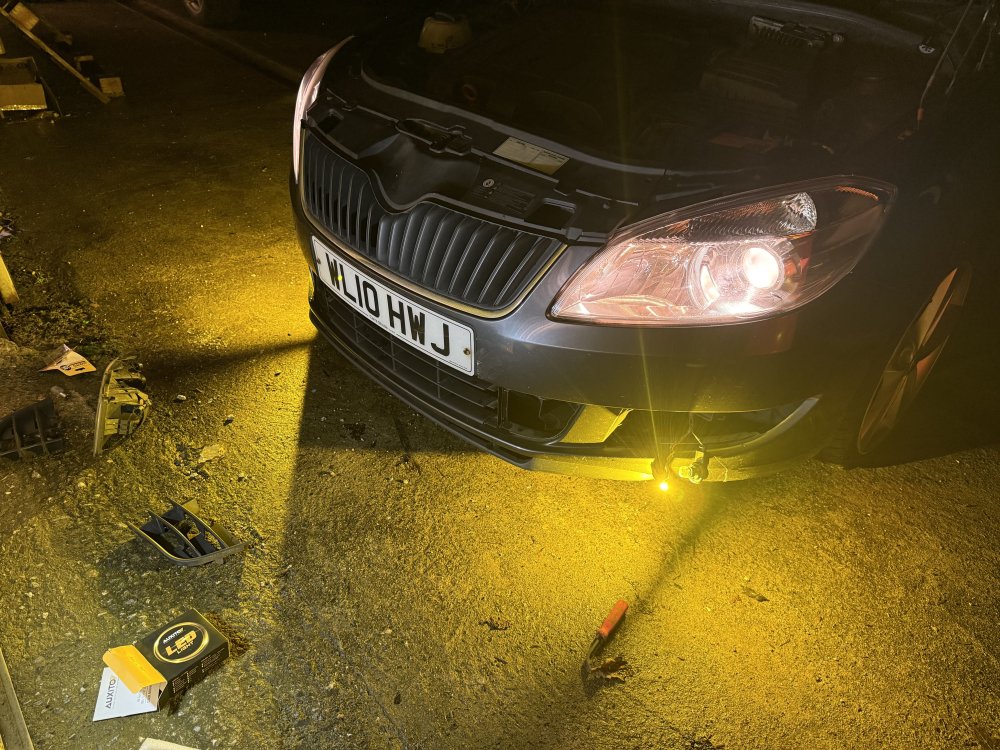
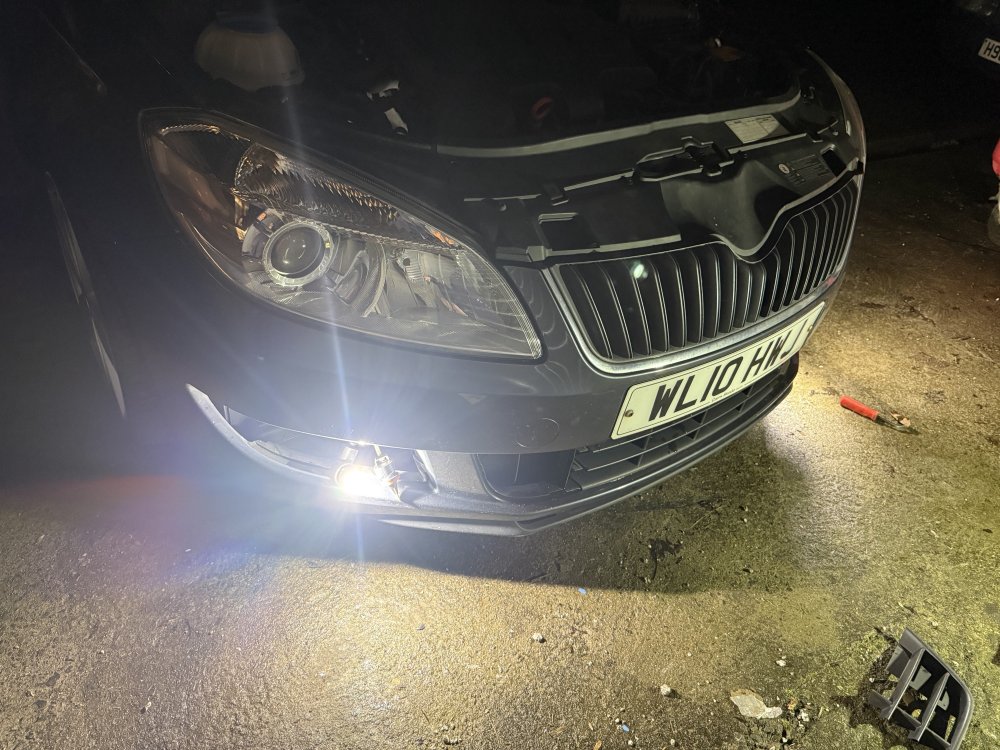
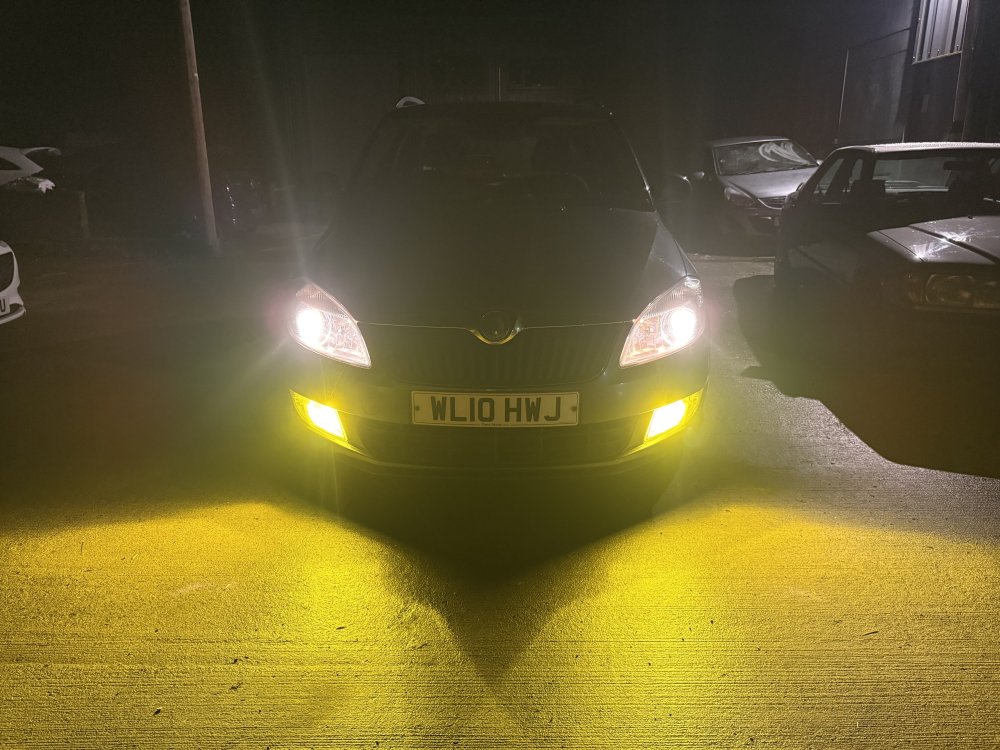
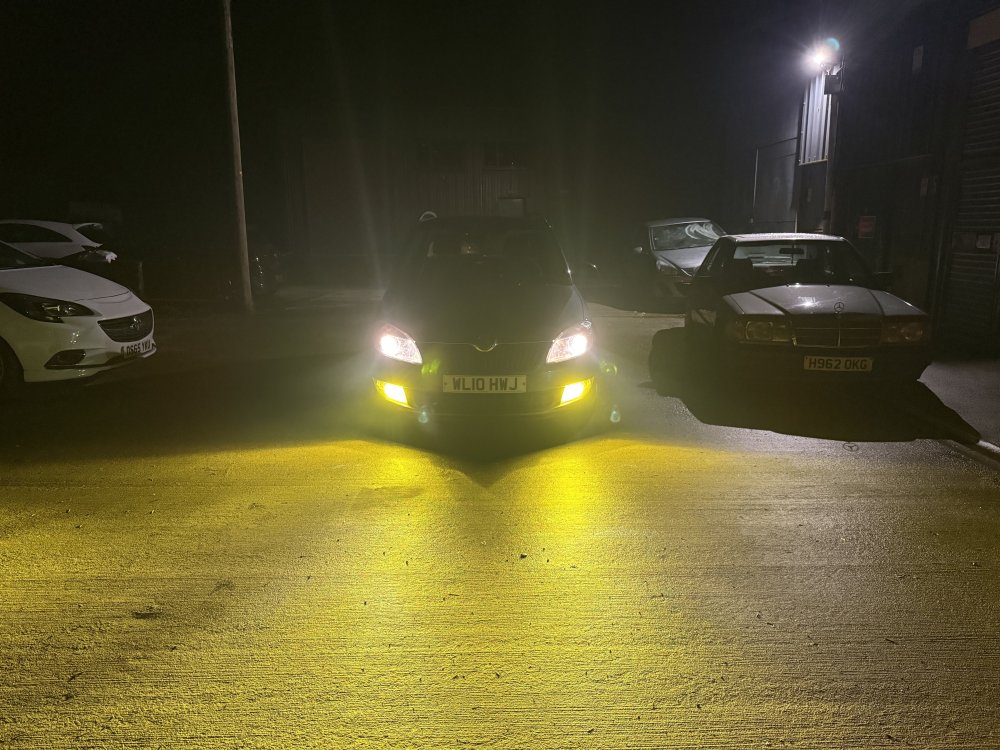
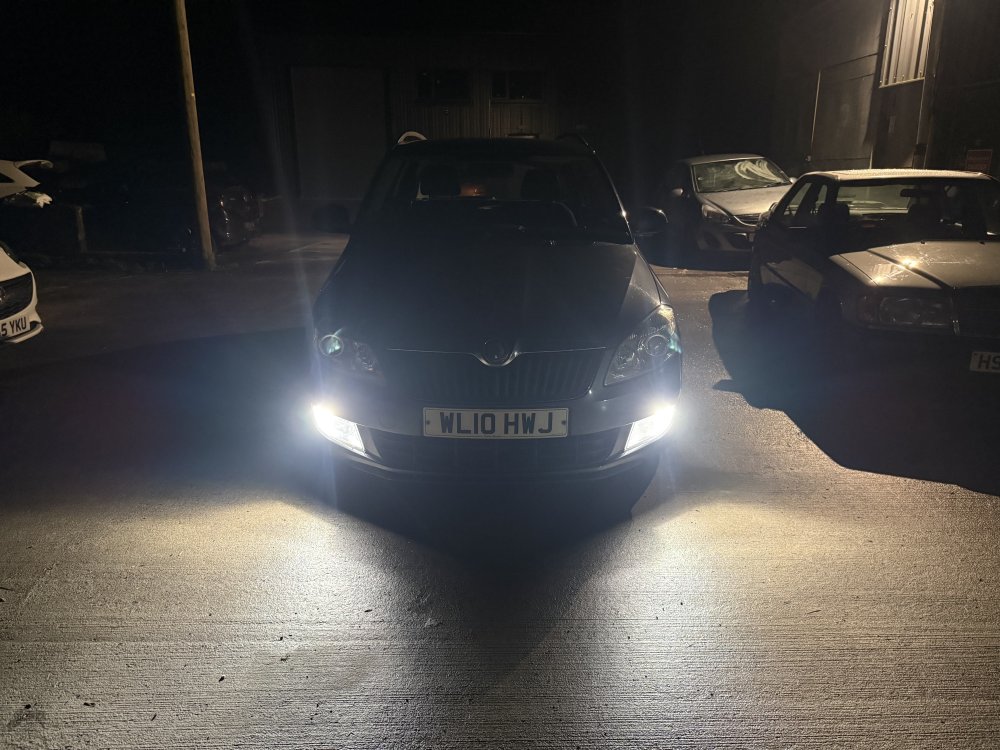
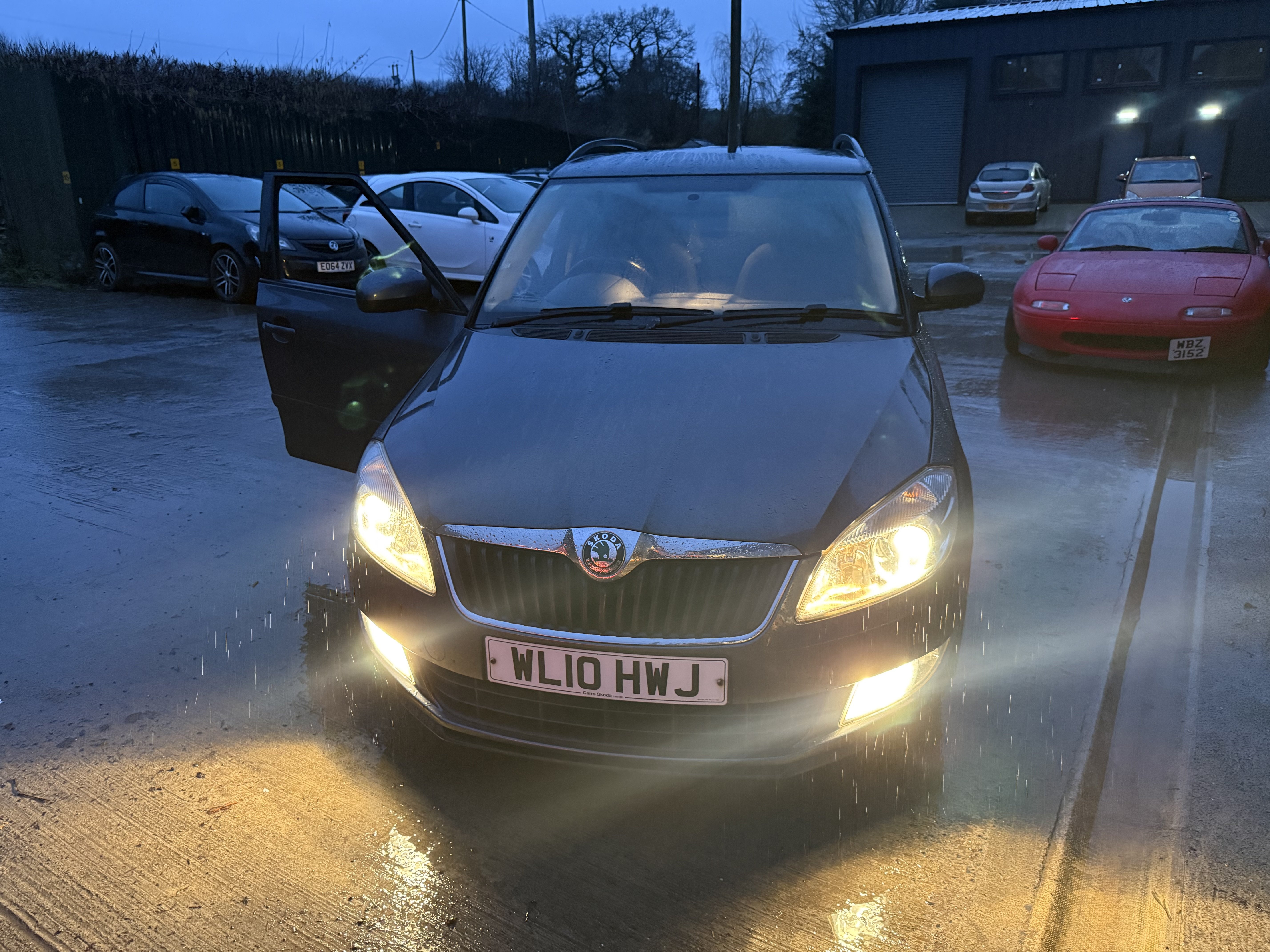
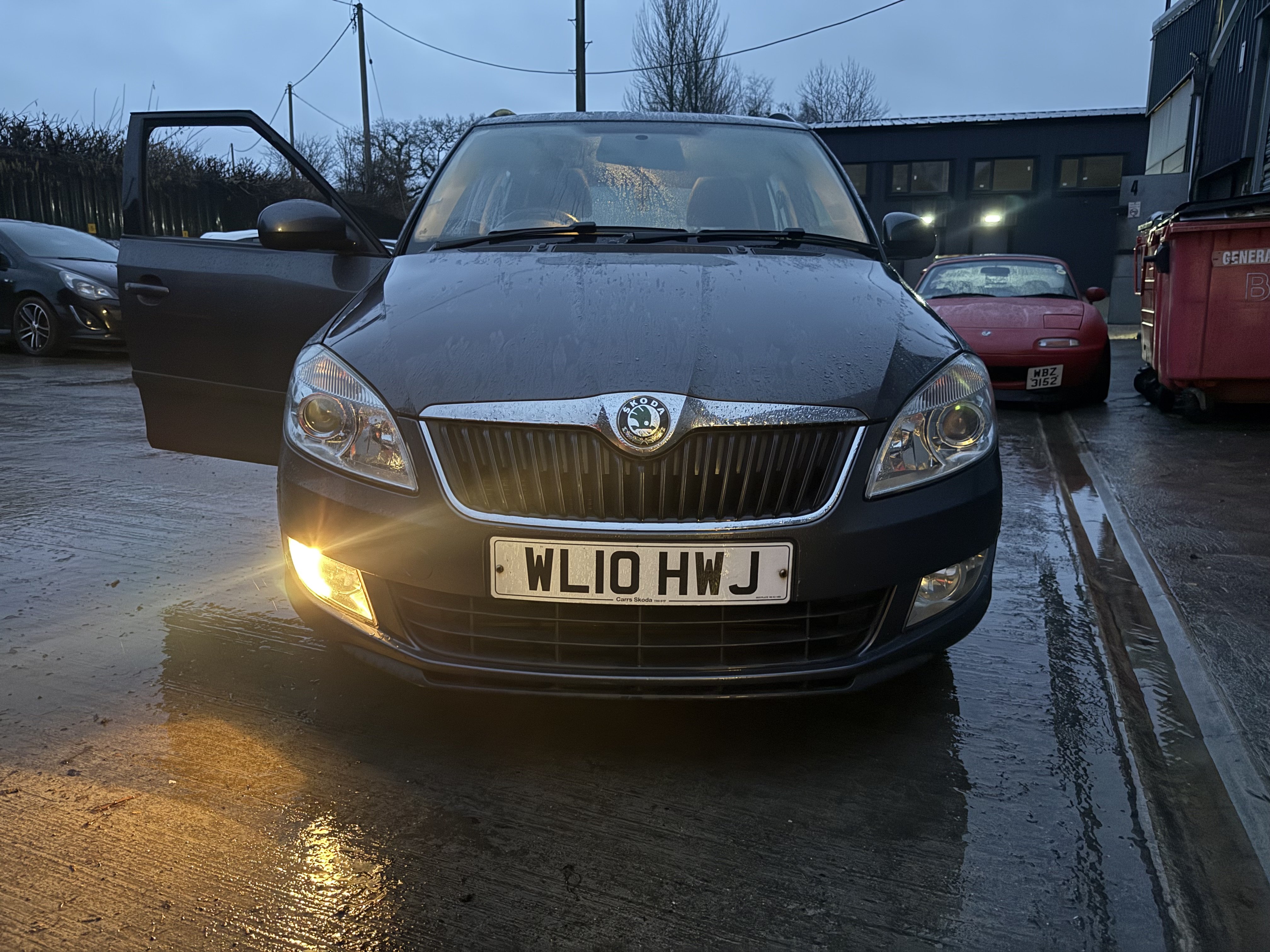
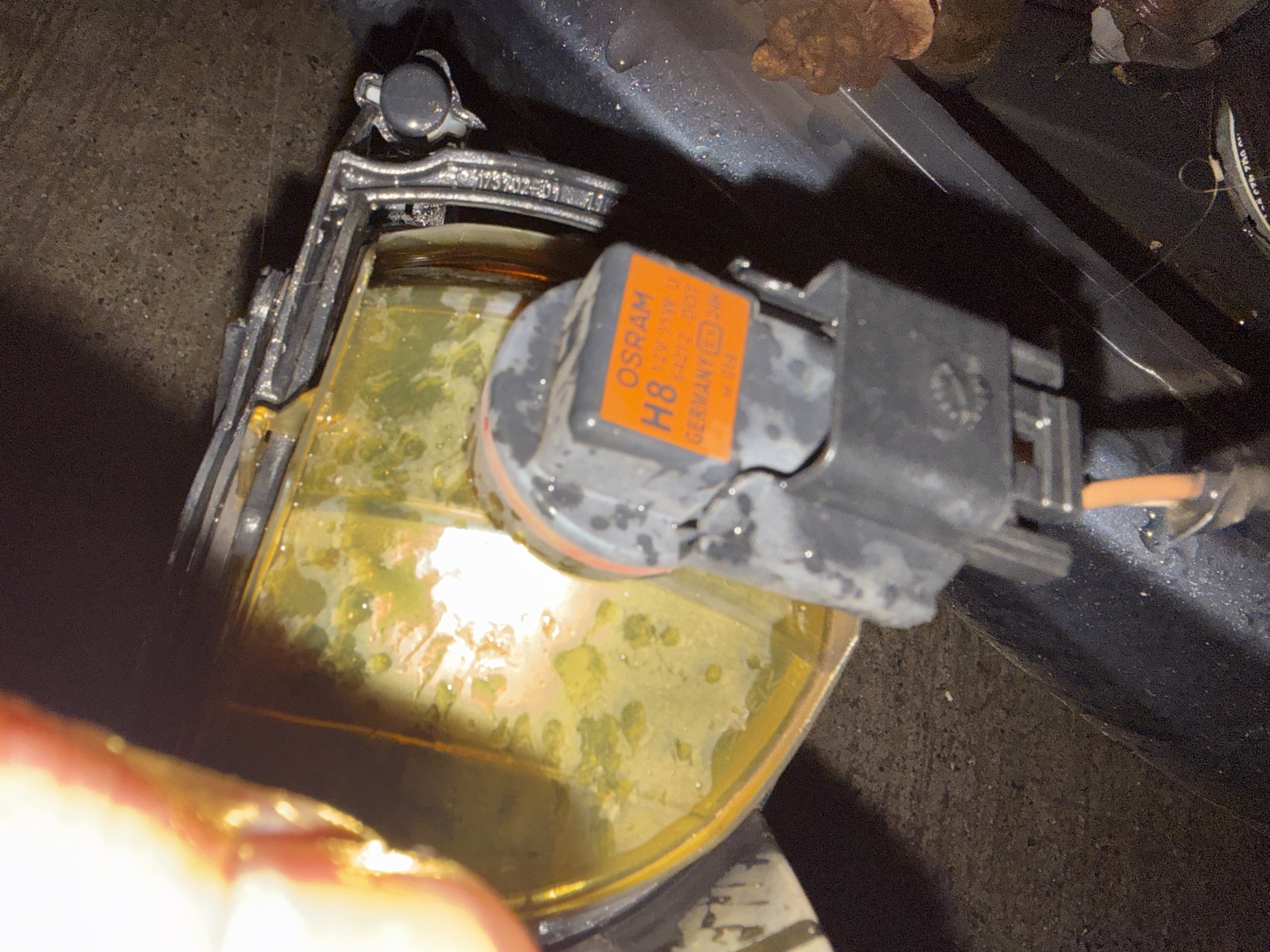
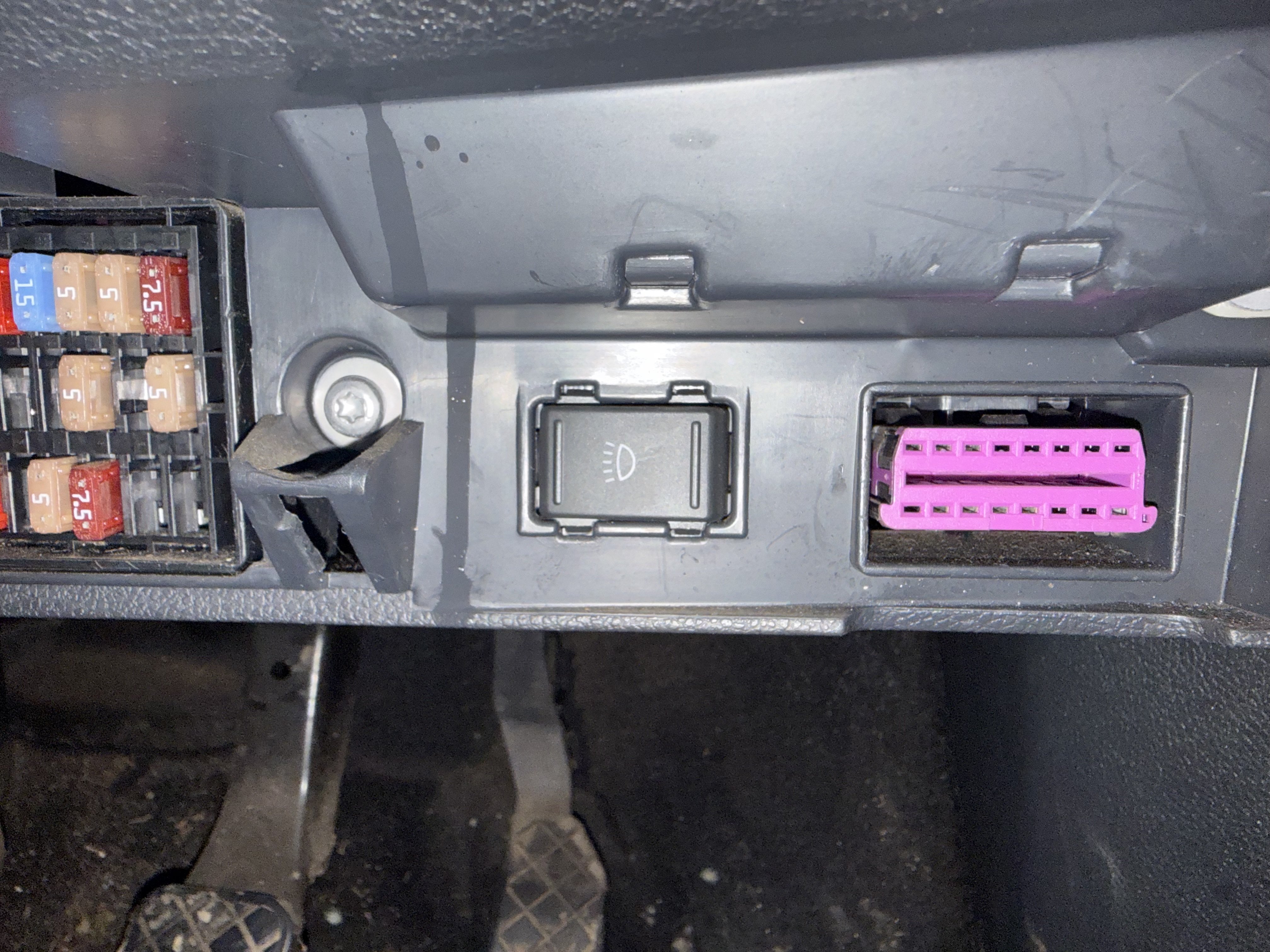
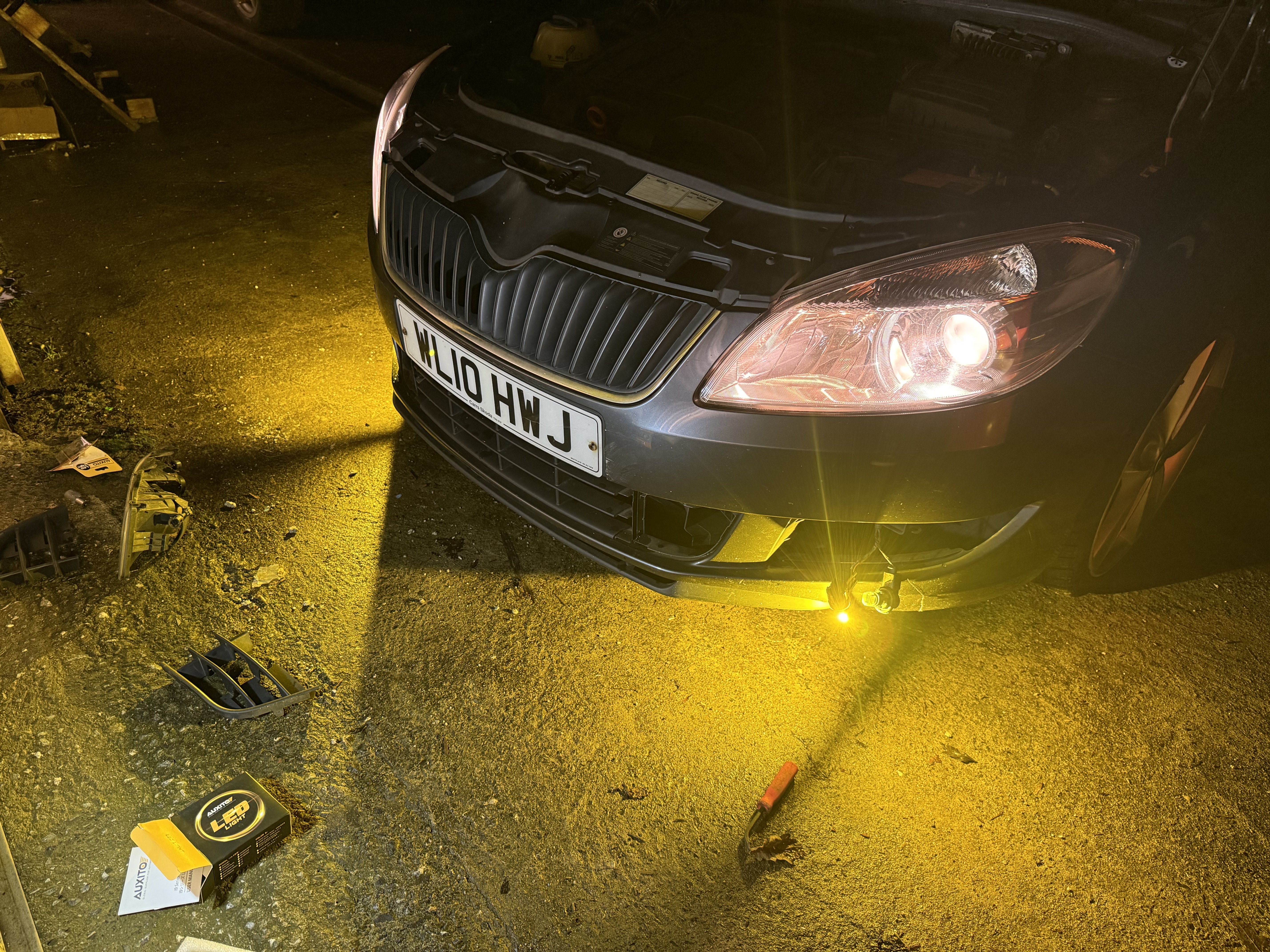
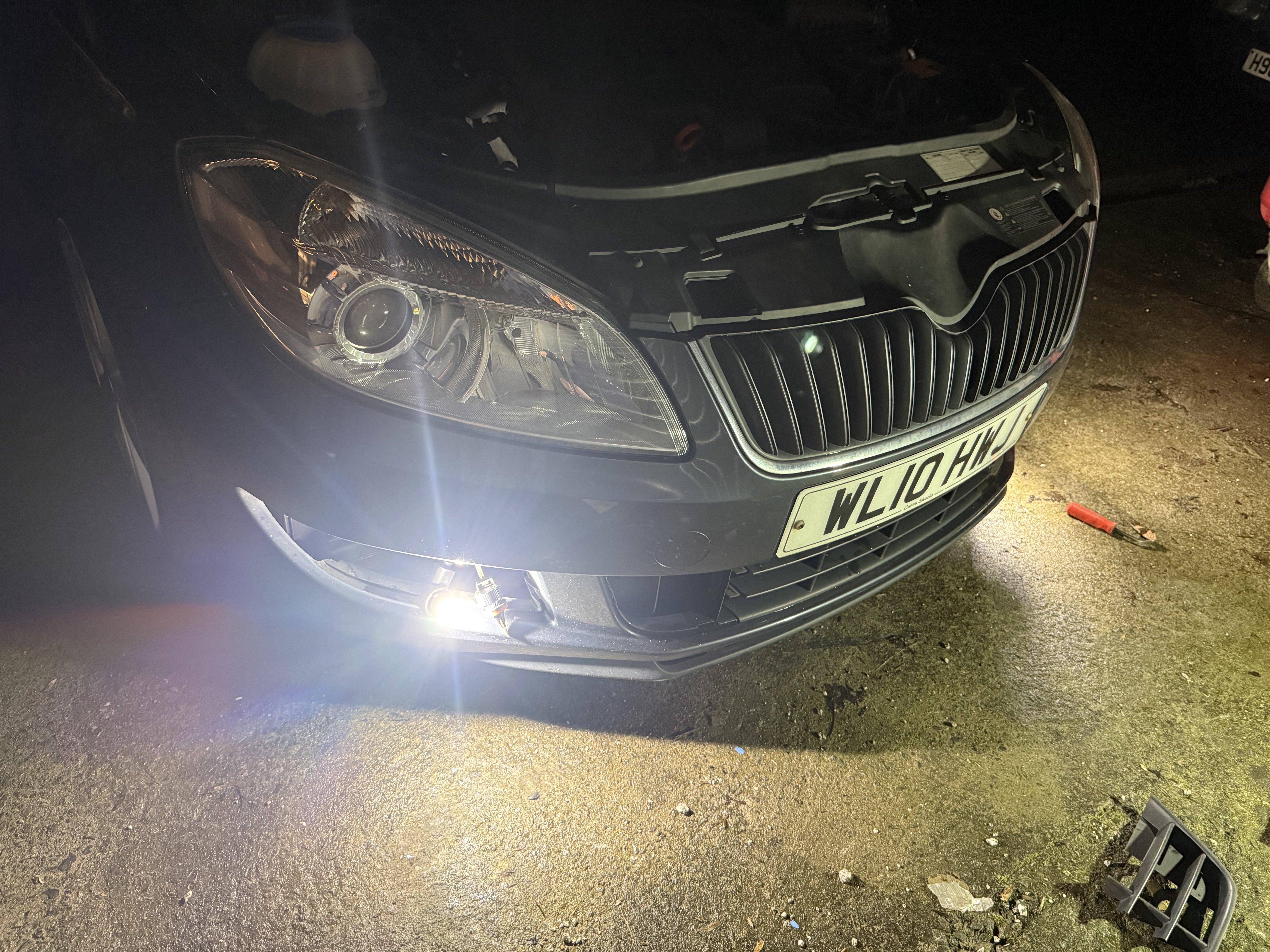
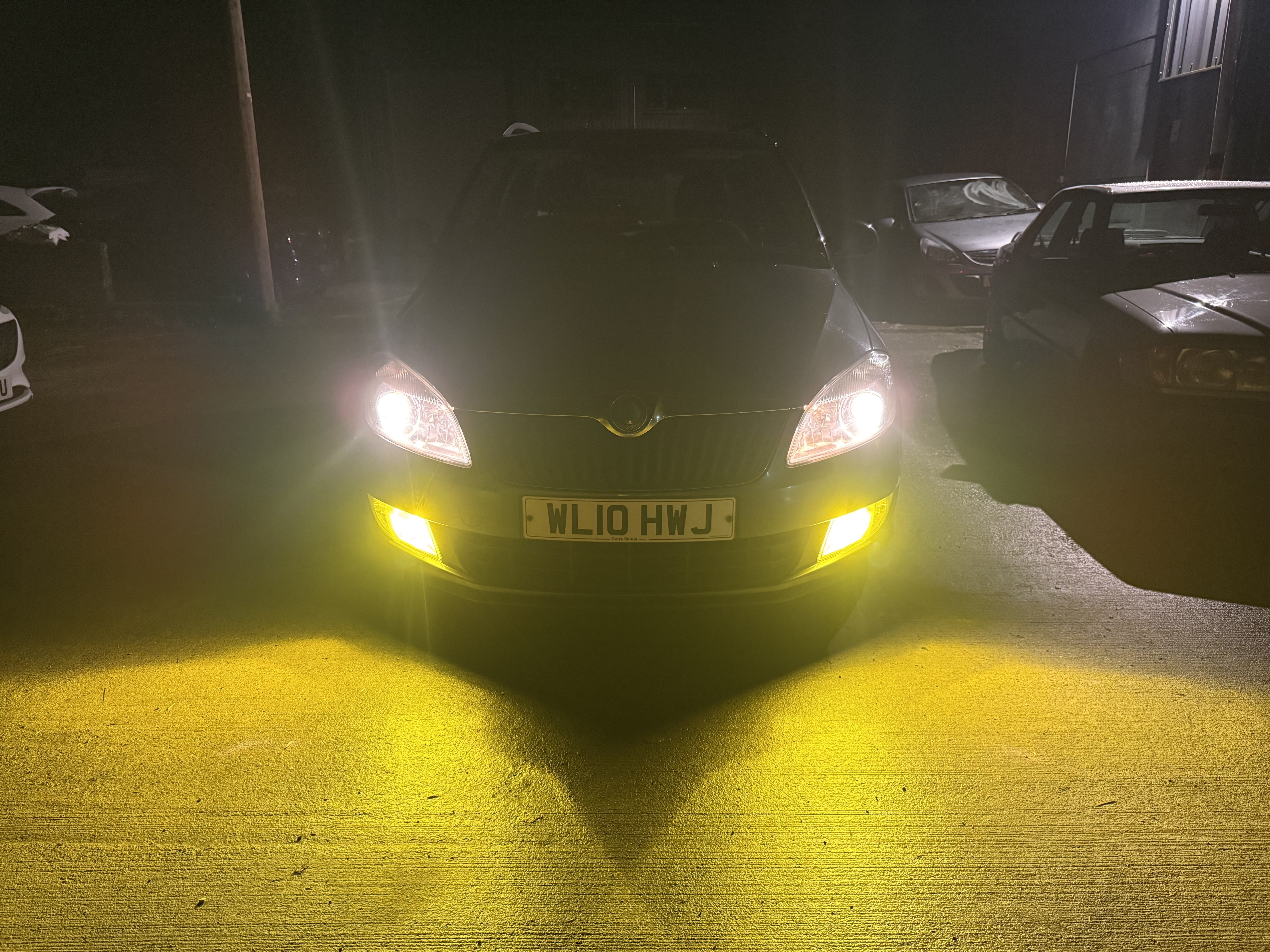
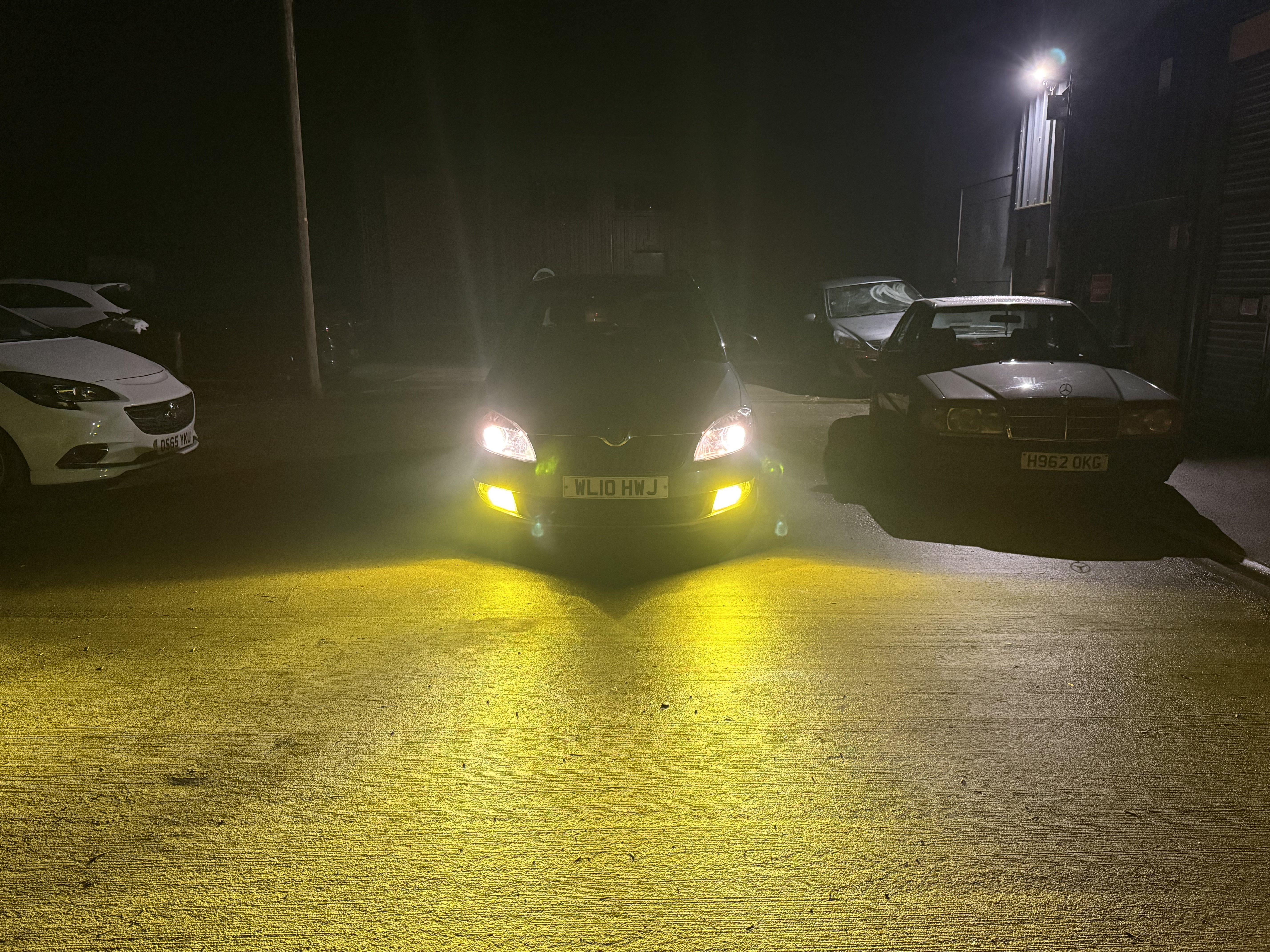
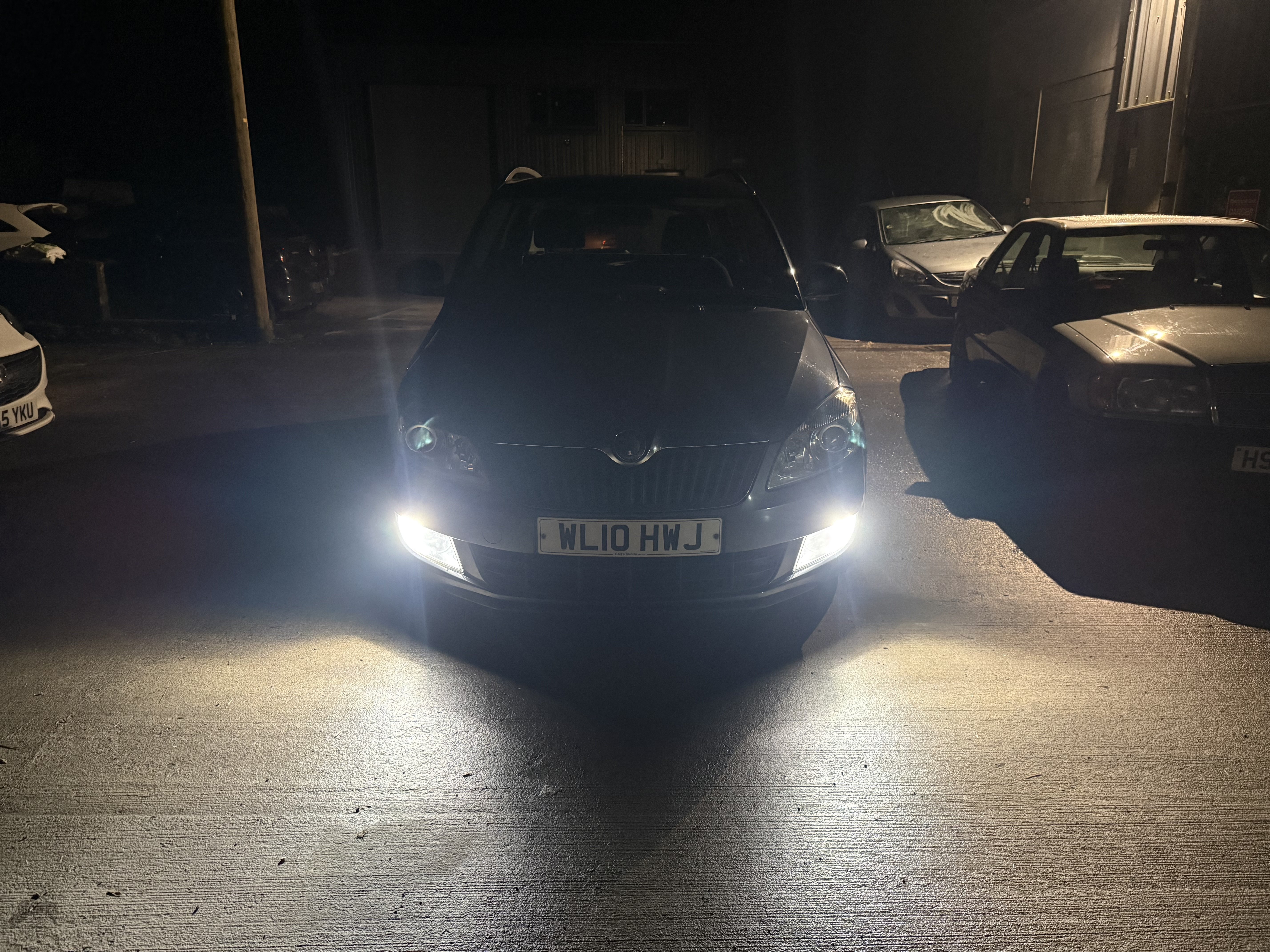
 1 point1 pointI see the UPD2 now alright. Another thing I need to add to the list of things to do!1 point1 pointIn my experience the same little motors crop up widely across VAG products, principally in door locks etc.1 pointReading other forum, have you tried to replace the turbo actuator? on the 1.2 tsi can cause the same issue that you have, I know they're two completely different engines, but the problem is the same. Also, is there someone local to you with vcds?1 point1 pointthanks for response, i try to clean it this morning so i hope it's finally work1 pointNo, tyre pressures aren't actually measured via sensors. The system simply uses the ABS sensors to measure wheel rotation, which changes if a tyre loses pressure. So I'm afraid you'll have to take this one on the chin.1 point1 point@lol-lol Let's get some things perfectly straight instead of scoring points with claim and counter-claim all the time? Is it perfectly agreed that apart from the method of propulsion and fuel, the rest of the cars are the same, plastics, fabric, wire, copper, leather, foam, rubber, metal, glass, oil, grease, etc.? Very few car fires involve the fuel, be it petrol or diesel, in the tank; the fuel that is in the tank does not generally become part of the fire. Is the same not true for EV cars? The battery does not normally become part of the fire? Most car fires involve the actual construction of the car and something that the owner/driver is/was doing with the car? Like, smoking or using a dodgy phone charging lead, such as the time my son nearly set my car on fire with a dodgy phone lead that got trapped between his seat and the centre console, and the lead was glowing red hot and scorched the leather seat and melted the plastic on the console? Those things could happen to ANY car type, ICE/EV; they are the same and carry the identical fire risk as the interiors of both are the same. Where the difference comes in is WHEN the fuel in the tank or the fuel in the battery gets to be part of the fire. Liquid fossil fuel: we have had many decades of dealing with that kind of fire, and the fuel tanks are designed to prevent that stored fuel being involved in the fire, just as HV batteries are designed to try and prevent them being part of the fire. That is also one of the benefits of them being mounted below the car and beneath the metal floor. Flames and the heat naturally rise upwards and away from the fuels, so the chances of them being part of the fire are thus greatly reduced. Now comes the undeniable real truths of the matter and anyone who understands chemistry, engineering, and fire should be able to grasp and accept the following concepts, etc. With an ICE car, there is normally only 1 tank, maybe like in some Jags, 2 tanks; with EVs, there is normally only one battery (some cars have a part under the floor and another part under the rear seat, for instance). If an ICE fuel tank develops a leak and lets fuel escape, unless there is a spark or flame in that area, the fuel will not burn, and in the case of petrol, it will just evaporate. If a single cell inside a battery is compromised (either by way of a mechanical means or a manufacturing defect), then that cell creates a short circuit within itself and becomes glowing red hot, and that will be the ignition point and cause the cells next to it also to overheat, and so it goes on. Now Tesla's for example, often use 18650-type cells to make up their batteries, and depending on which model in the range, they have between 5,040 and 8,256 of these cells; thus, that number increases the chances of the equivalent of ICE fuel tank developing a leak per car, so there are between 5,040 and 8,256 chances of a problem happening. I have a Ring-type video doorbell which uses 2 x 18650 lithium-ion cells, and in the last 3 years of owning it, I have had to purchase more cells, as so far 3 of them have failed and never ever become fully charged and also get pretty toasty when being charged, a giveaway sign that they are useless. Thankfully they are not likely to go into thermal runaway, as they are only charged via a normal phone charger, so they are never seeing large currents or voltages, unlike those in an EV, where they would be subjected to both during normal operation. The next real fact is that both petrol and diesel fires are pretty easy to deal with and in most cases the fire brigades can put them out for good within a few minutes, that is not true with EV batteries (note) I said batteries, not EV cars; there is a difference. Currently there is not a properly safe and easily transported and deployable method of dealing with EV batteries, that have gone into thermal runaway following a problem, due to an RTA or an internal cell failure where you have seconds to respond, without the added problem of getting the fire appliances to the scene in time. It has affected insurance premiums, and it is going to increase them even more so in the coming few months. If you are looking for a massive spike in EV premiums as evidence of that, you will be disappointed, as premiums of all cars are increasing to spread that rise about. Can you ever be 100% certain that all RTAs will be EV vs EV, for example? Of course not, so all ICE car owners are also facing increased premiums. Lets face it, if EV premiums were increased on their own and made insuring one cost prohibitive, would anyone buy an EV? Such a move would go against the global narrative of Net Zero, would it not? So that clearly is never going to happen. Oh, and one more thing, which has been totally ignored: nobody is denying that there are more ICE fires than EV, stands to reason, seeing as there are so many more of them around and also far older ones as well, which will not have the same standard of car and attention lavished on them as they age and their value drops, so does that maintenance drop.1 pointIn a Skoda Fabia Mk2 (2007–2014), there are no factory-installed "in-line" fuse holders for standard circuits. Try and follow the wire to see where it goes through the bulkhead to find the other end1 pointMy 70 plate (2020) SE L FE has an adjustable height armrest. Lift to its highest point and it drops down all the way; lift to intermediate points and it stays there. Also slides back and forth as you describe.1 point1 pointThat is not what I put, in fact I put they're usually reasonably accurate but VW parameters aren't always the best for the car owner particularly if you want to keep the car longer term. You seem to be saying, the representatives at least, in 2026 of that multi billion dollar, decades old, car giant wrote a sentence that doesn't actually make sense, perhaps they used AI. 😁 It's your car, your choice if you want to wait over 18 months / 18k-miles before "Inspection" and a bit under 18 months / 18k-miles / 16k-miles before having the "Oil change" then that is up to you. I agree with you that the paragraph you have quoted implies the car dictates the requirement but there might be a further explanation not quoted and/or in the small print of the agreement. I still wish you luck, it's each to their own for their choices, let us know how you get on with the service plan.1 point1 pointYou can read the gearbox mileage on obd eleven. If it’s been clocked it’ll show original gearbox mileage1 point1 pointYeah, the actual charger block (or phone, but most likely the charger) would be the problem here. The car just outputs a dumb, constant 12v (fluctuates 11-14 depending on engine state/battery level ofc), it doesn't have any reference of what is actually plugged in.1 point1 pointAlso had a TowTrust detachable fitted in the Midlands. Good job. As the towbar electrics aren't coded into the car due to SFD2 mentioned earlier, all the clever car stuff is not enabled (e.g. alarm linked to connected trailer, gearbox aware of trailer so may change gear differently, reversing sensors being disabled and other stuff I am sure) So far it's been 2 years I think that Skoda have not managed to provide a way for 3rd parties (or dealers?) to properly code in a trailer. I tried Skoda customer service, but they just seem to acknowlege the issue, then let you know in 10 different ways how it isn't their fault and they don't need to do anything about it. I think I read somewhere that the new Octavia can even report the trailer nose weight from the suspension sensors! The other issue I have found is that unladen, the towball is very high. When I went on a test run, I smashed the bottom of the rear steadies getting off the drive. I will either have to make sure the car is full, or motor mover it off the drive first. On the plus side, I can hardly feel the 1 ton extra weight on the back - 2.0 TDI 193PS DSG 4x4 L&K1 point1 pointIf we are talking about the same thing that happens exactly one minute in to the drive, if you are braking at that point, it will lift the brakes and stop braking for that moment.1 point1 pointThe next thing I did was to activate my DRLs with the switch next to the fuse box plus adding the fuse! The standard bulbs weren’t great and one had blown, so I changed them for some white LEDs. I also added some yellow LEDs for fog lights. I’ll probably upgrade more bulbs as I go! 👍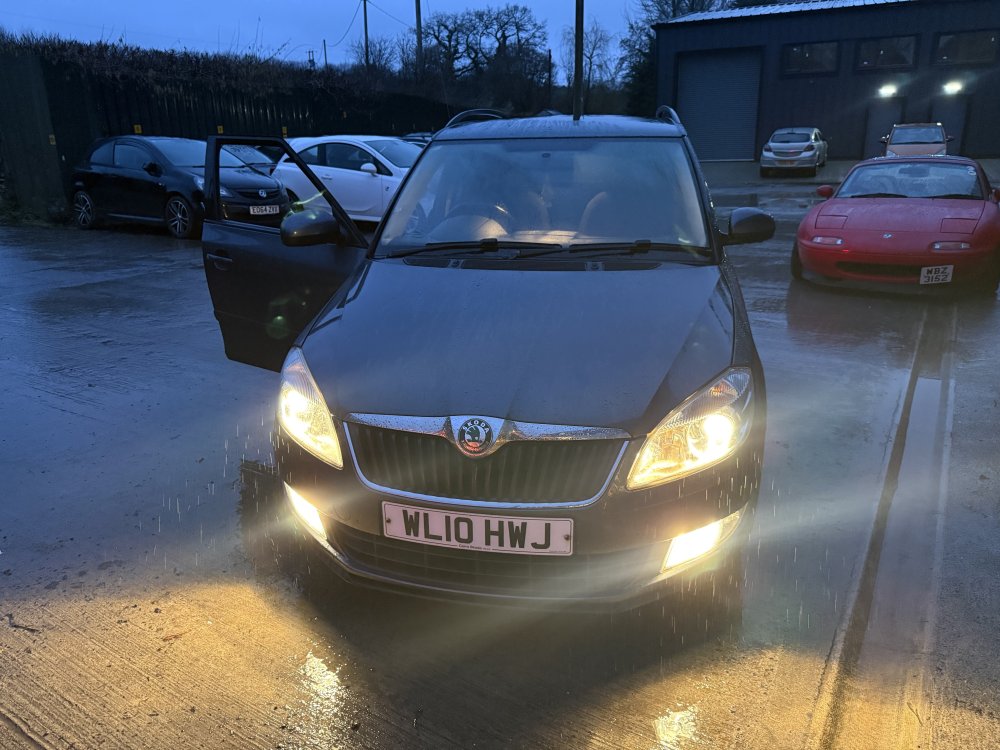
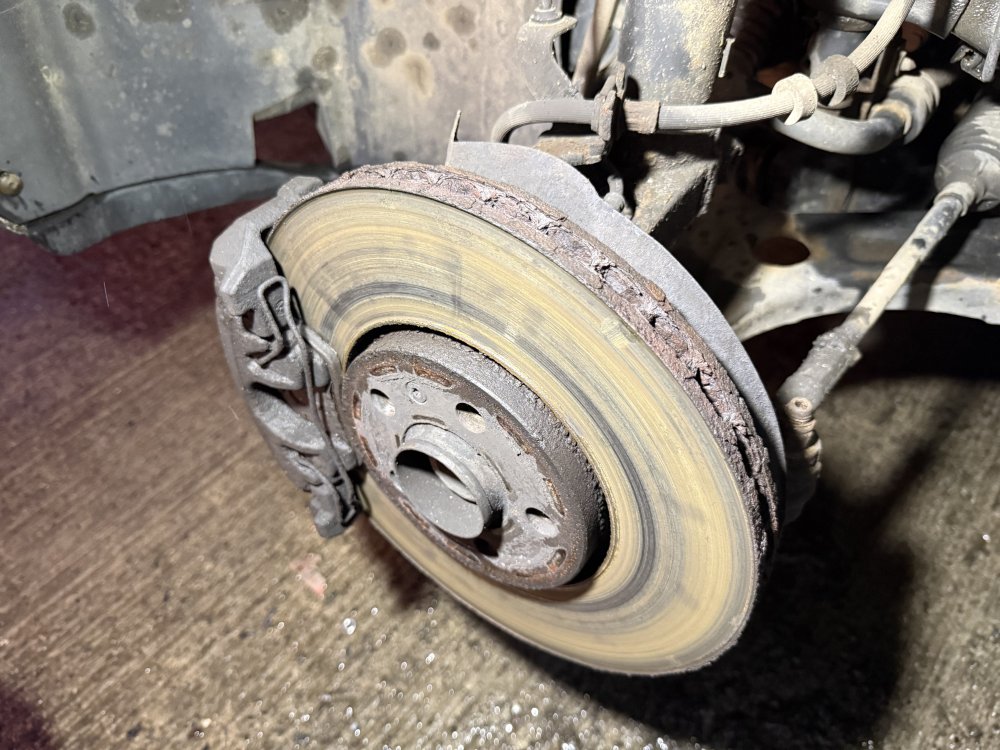
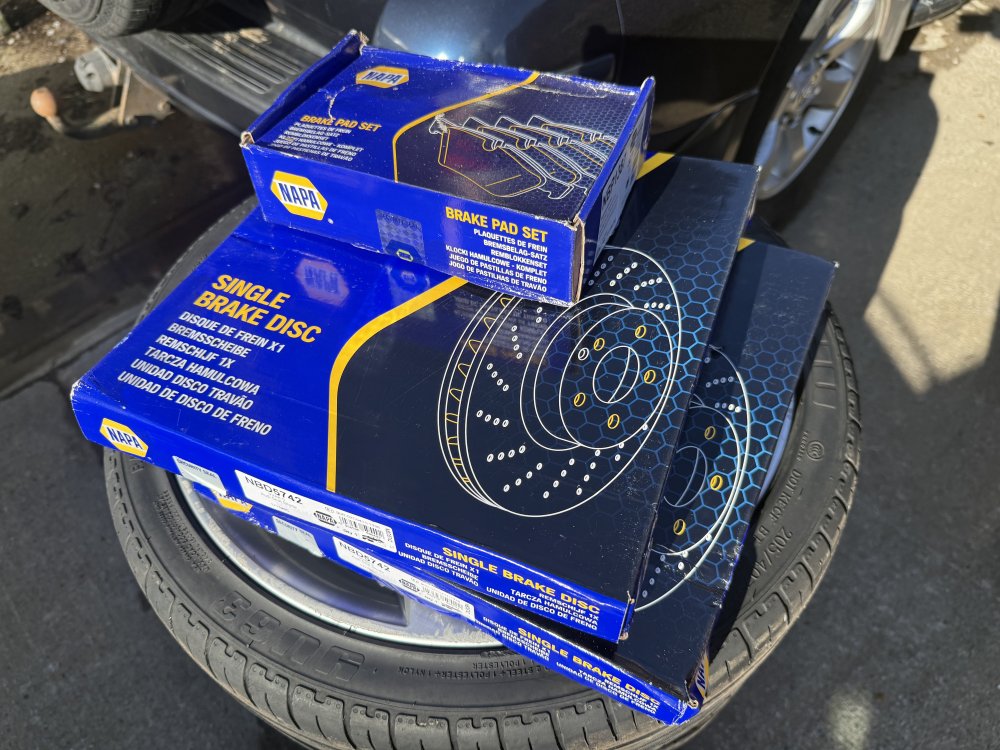
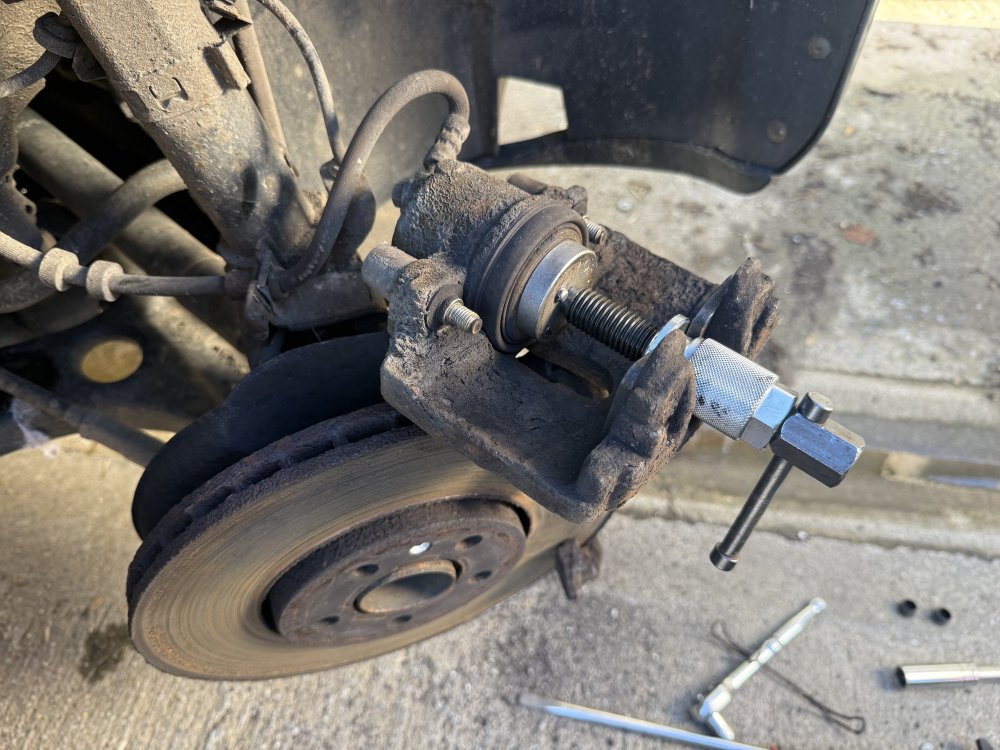
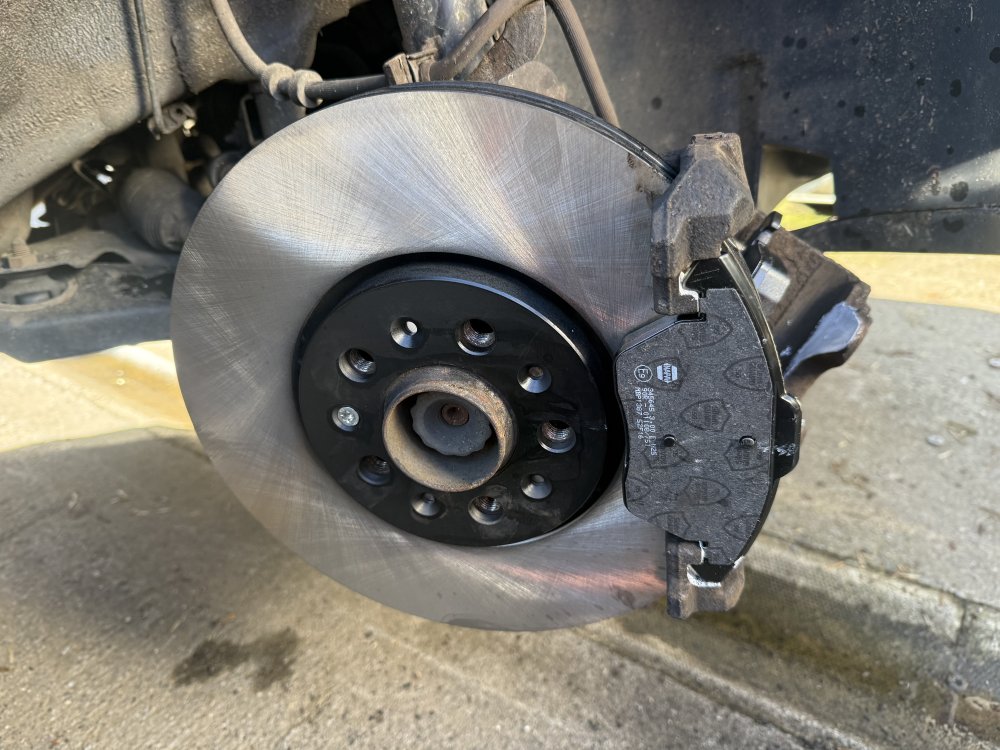
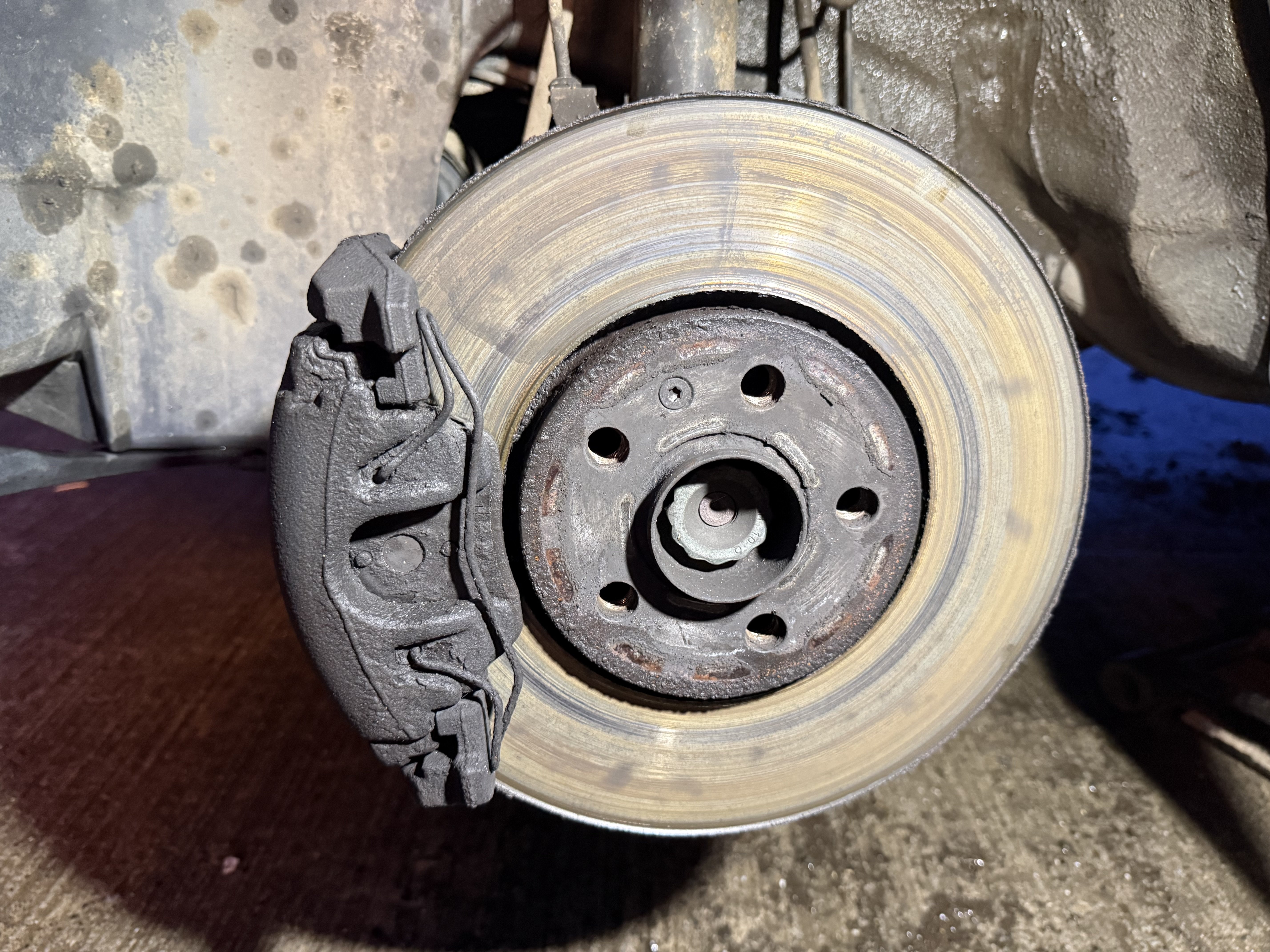
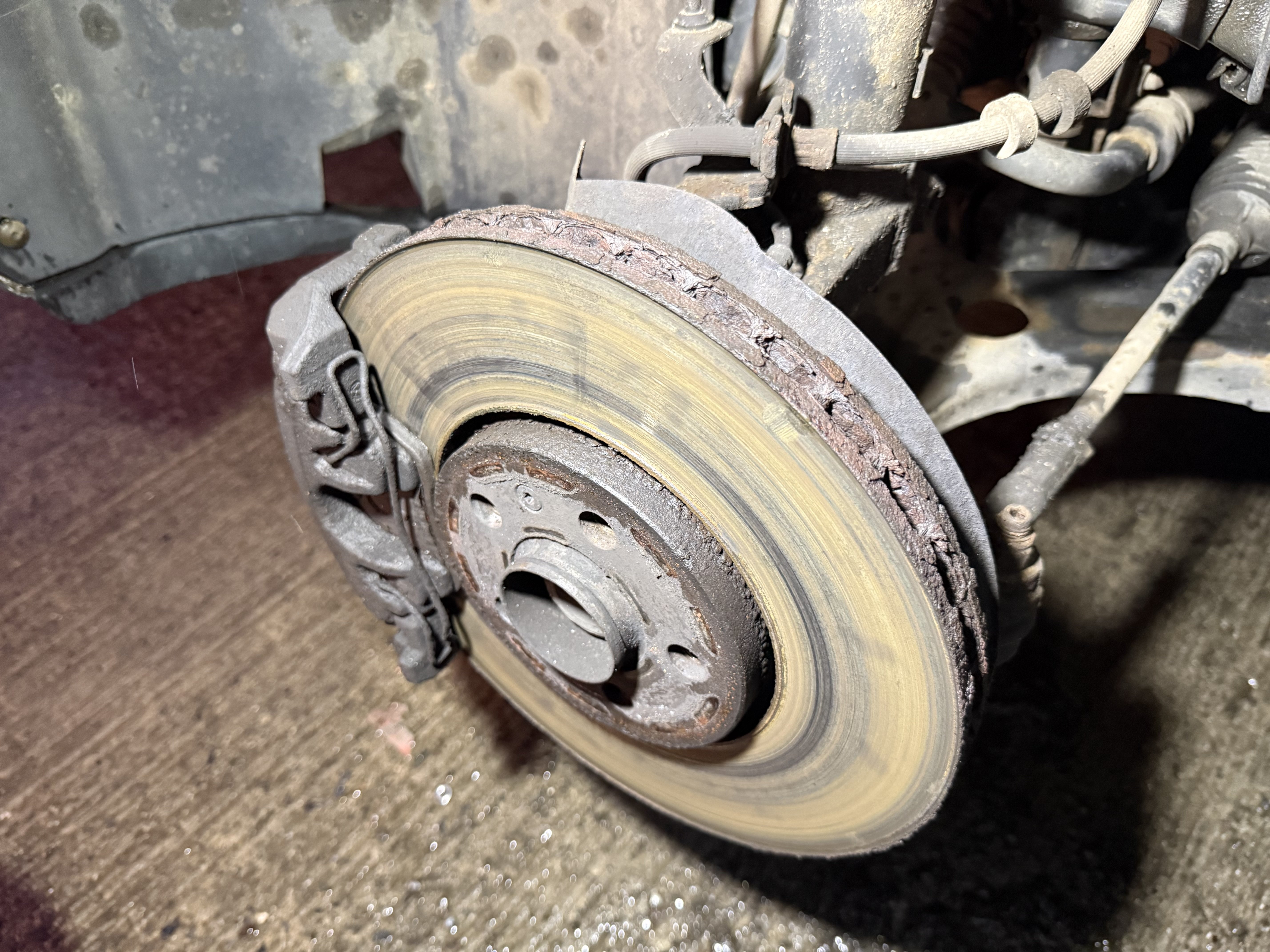
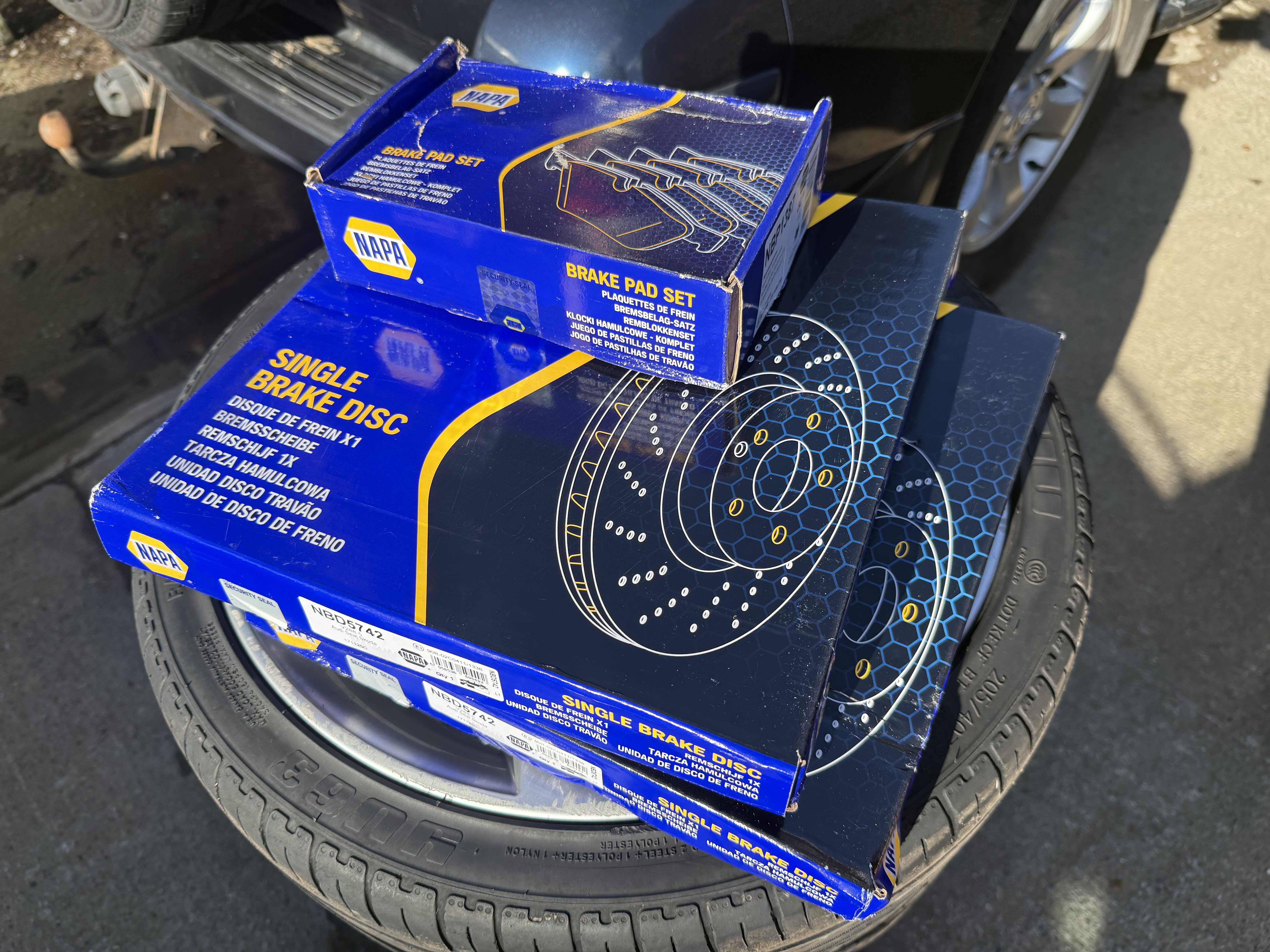
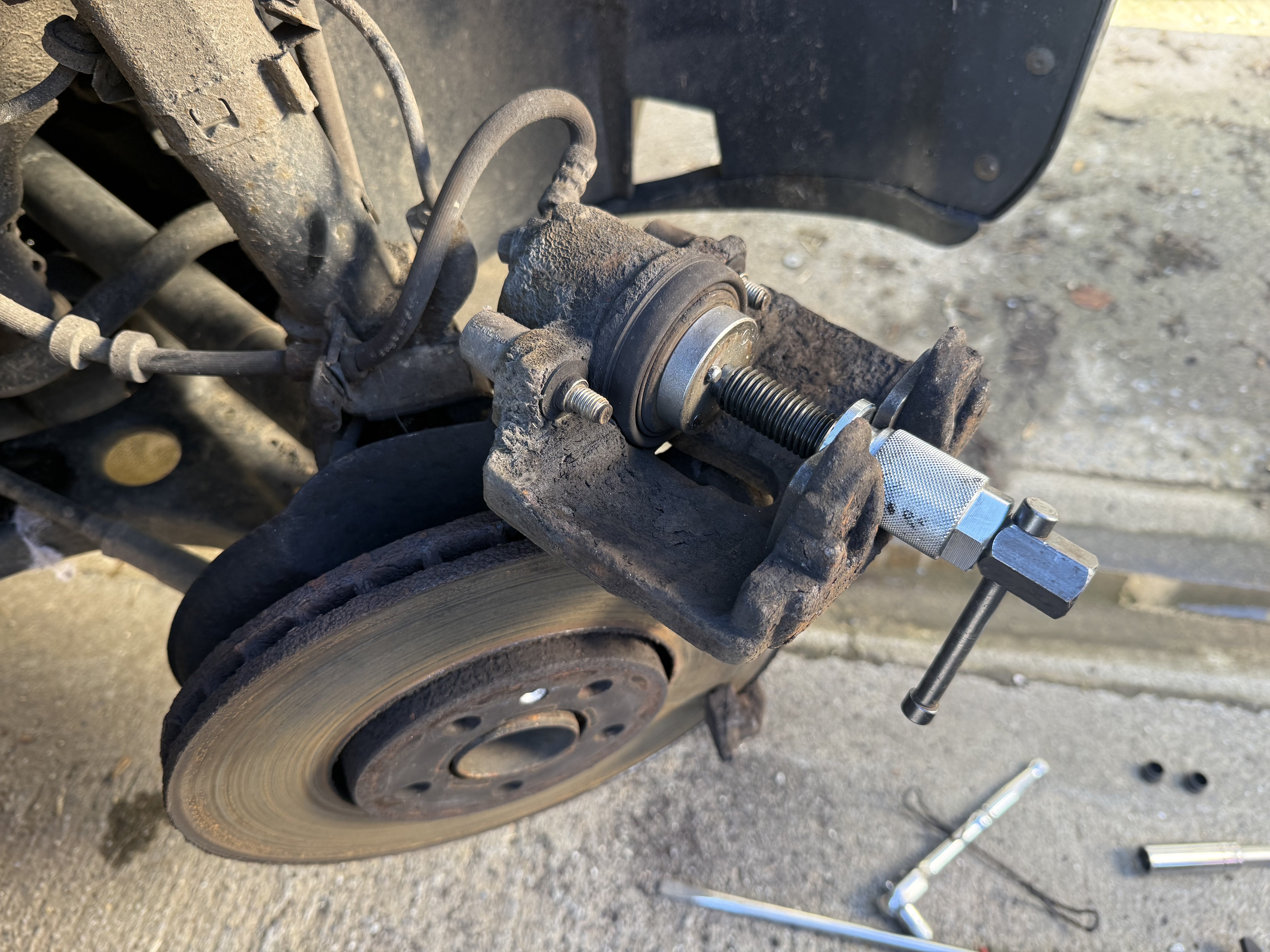
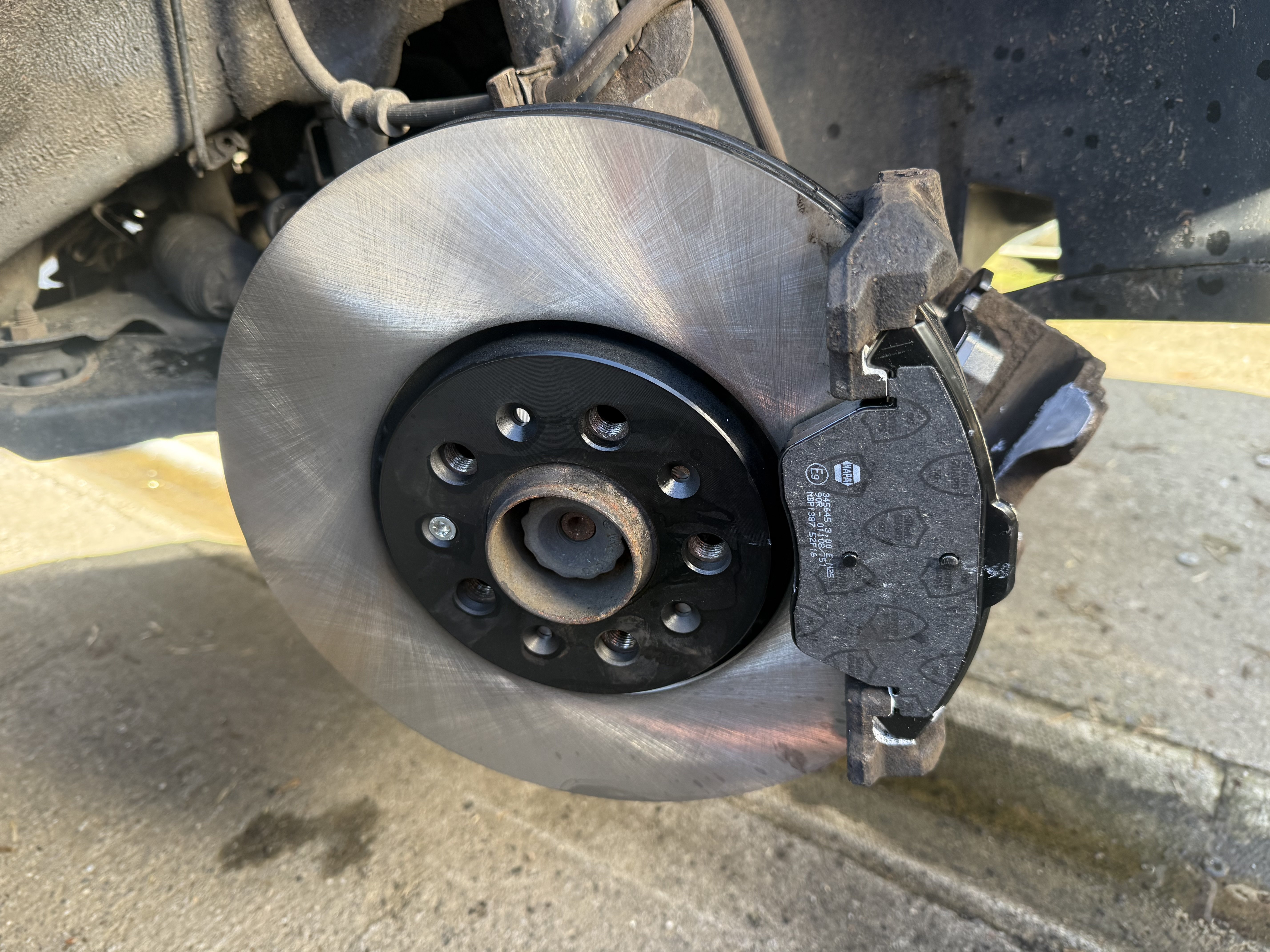
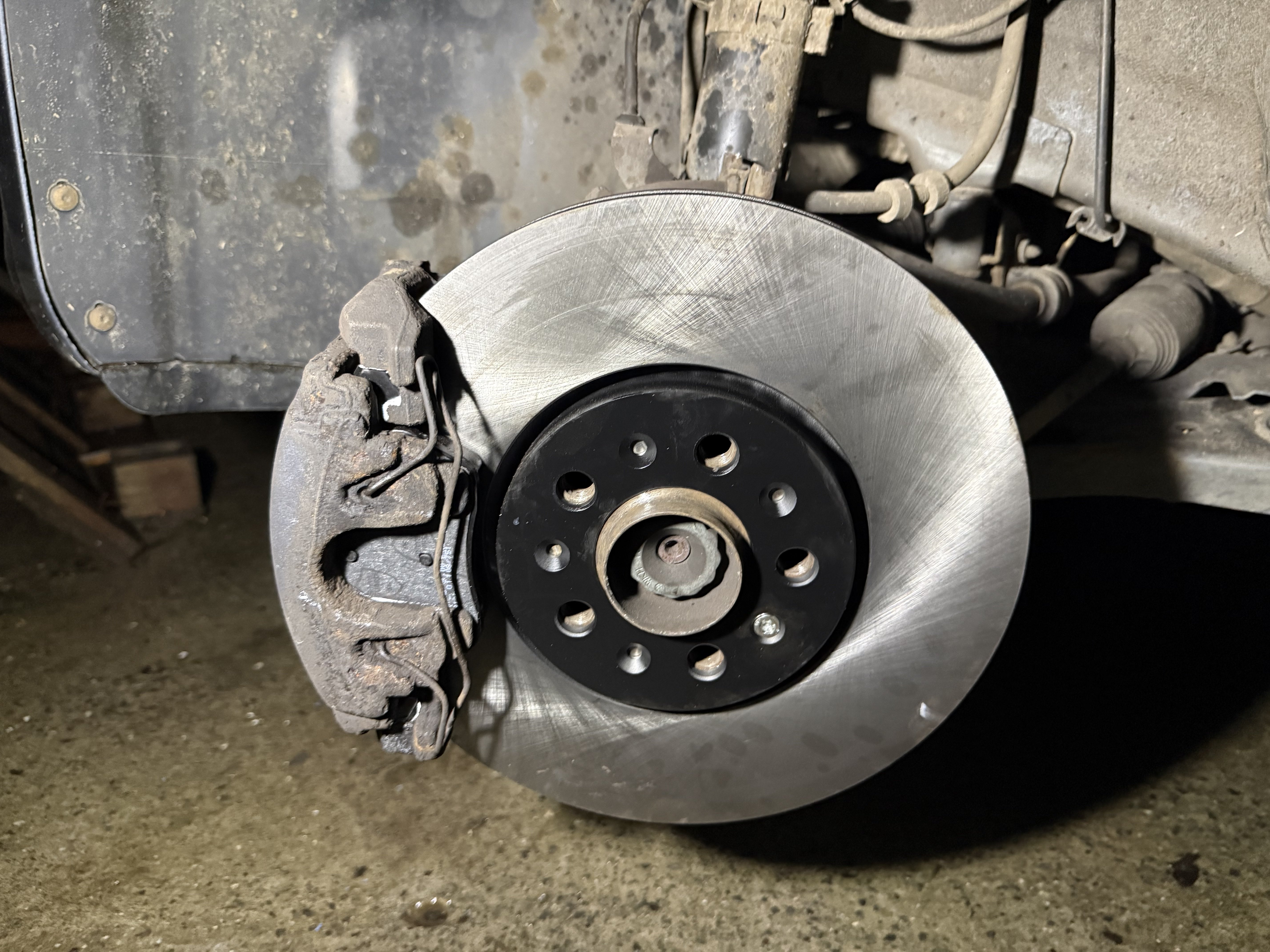
 1 pointVi. Yes here in Denmark. And i guess other countries aswell. The first model year of the rapid. And the seat version got cheaped out and only got a 2 button driver side switch. It is the switch. It is getting wobbly. And I have to hold in. Certaoway to activate. All other is good1 pointFirst mechanical job….. replace front brake discs and pads as the ones on the car were down to the backing plates!! 🤦♂️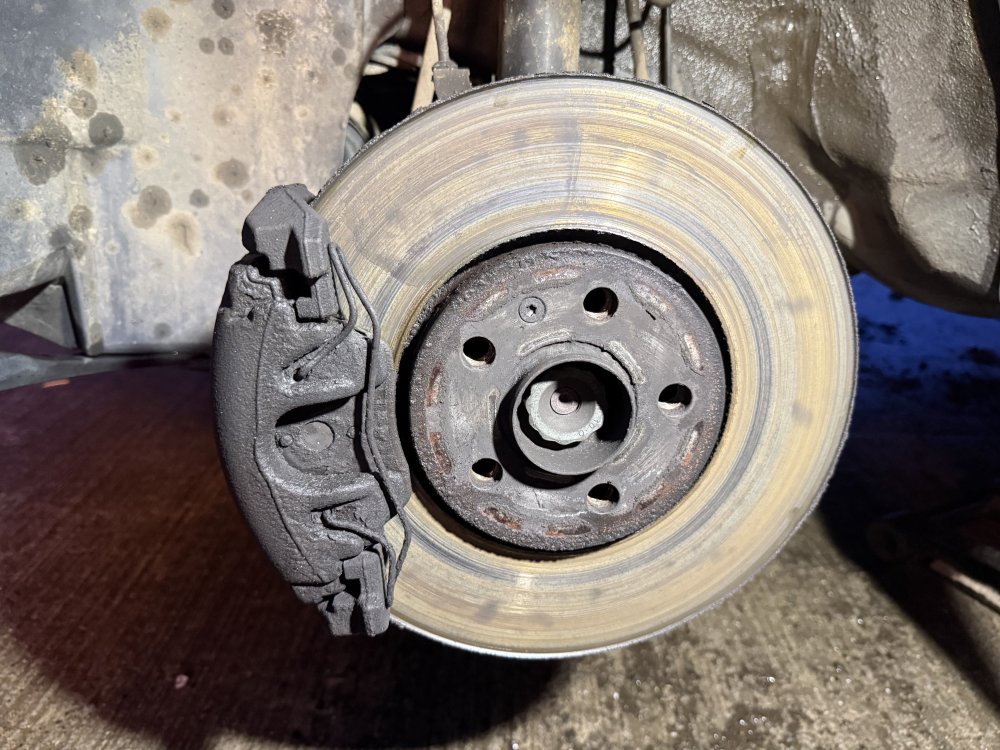
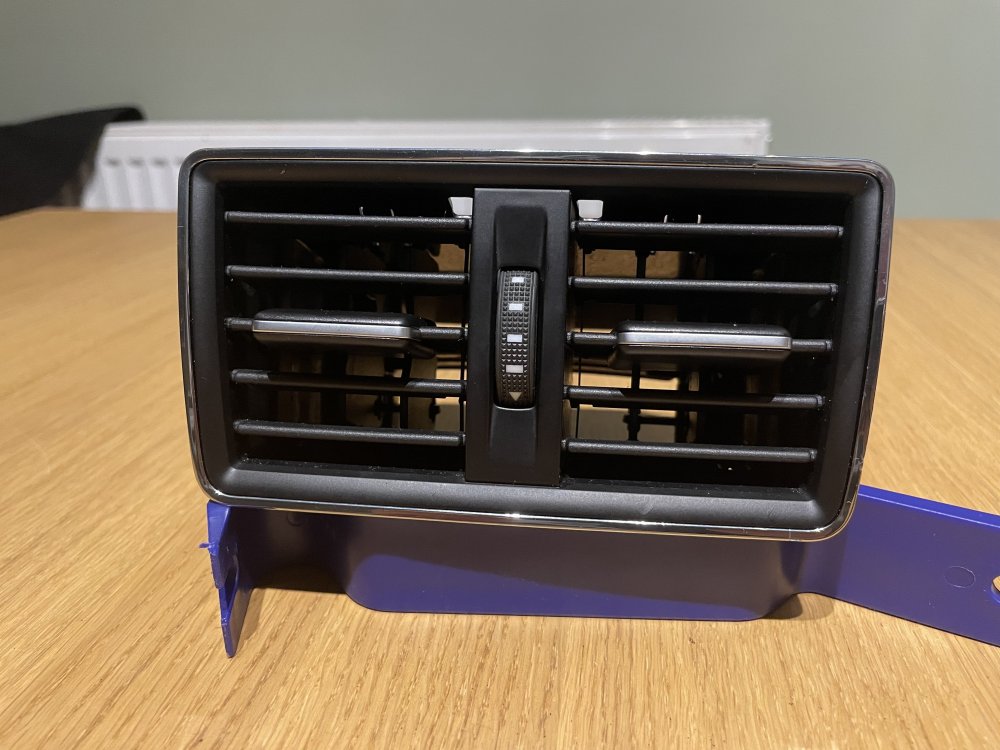
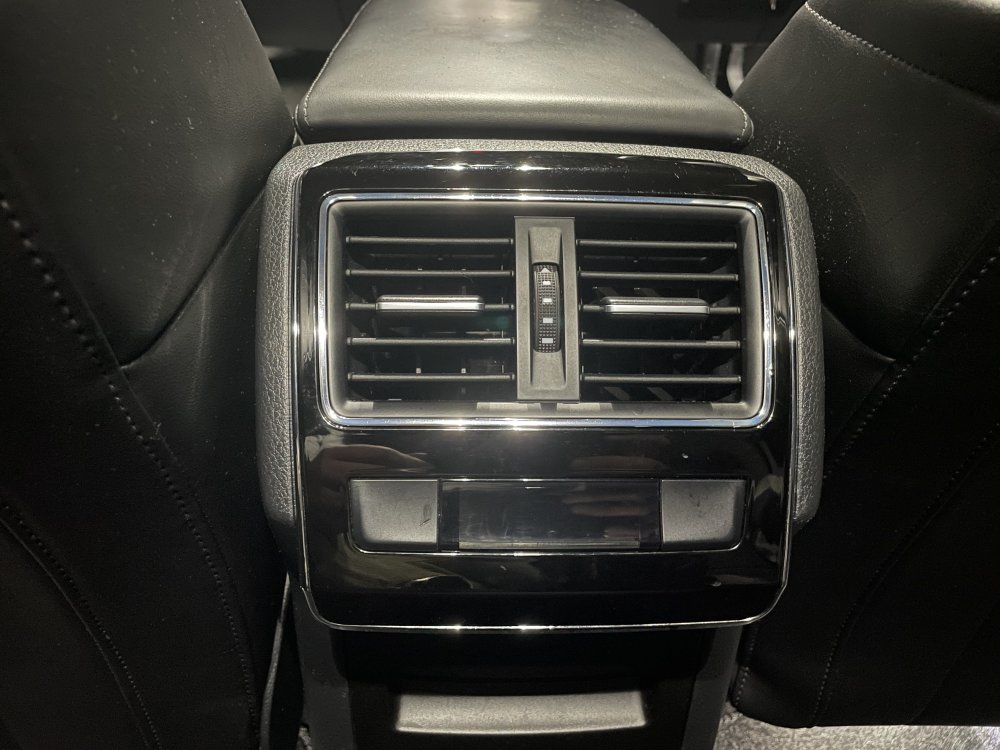
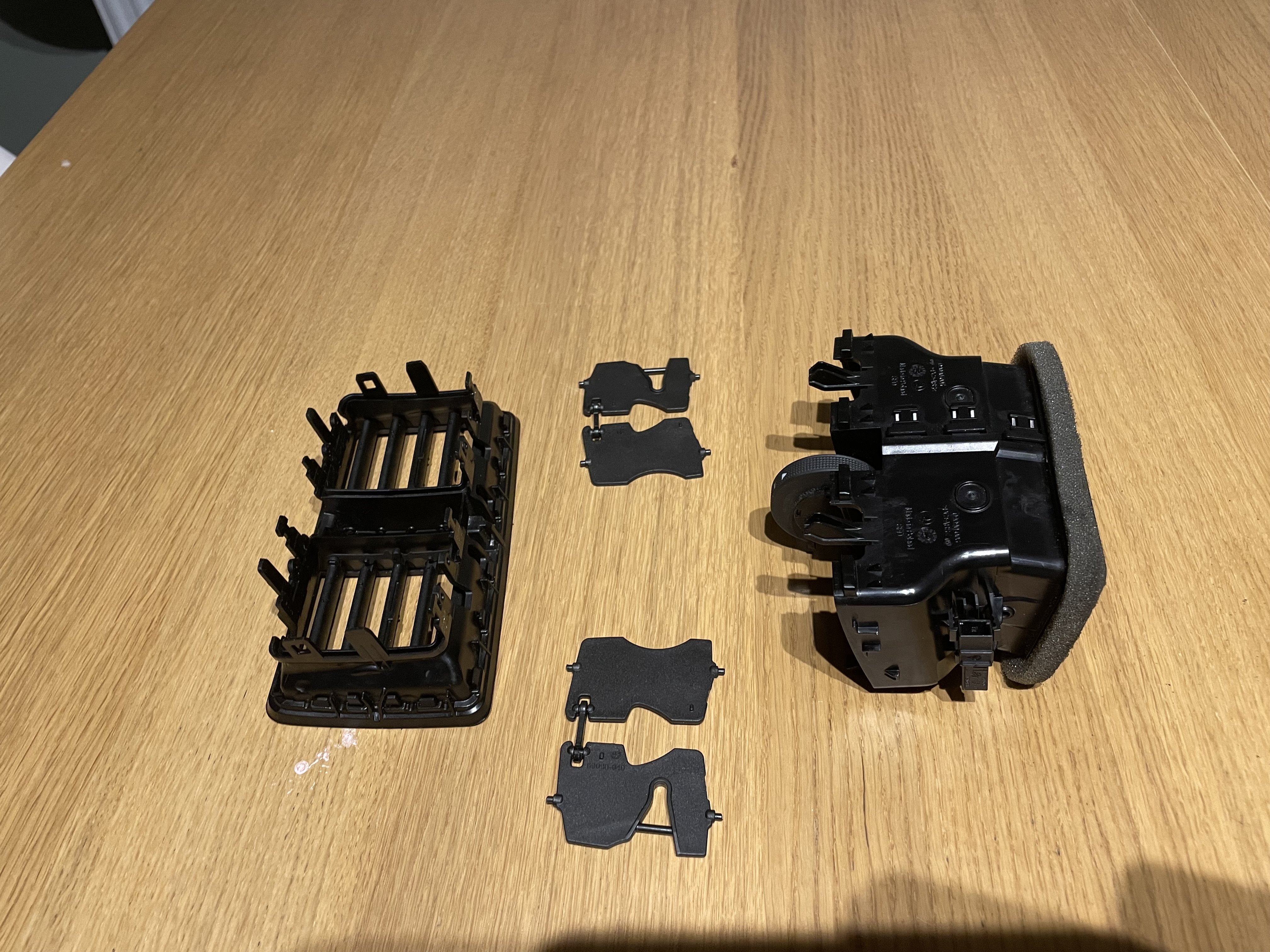
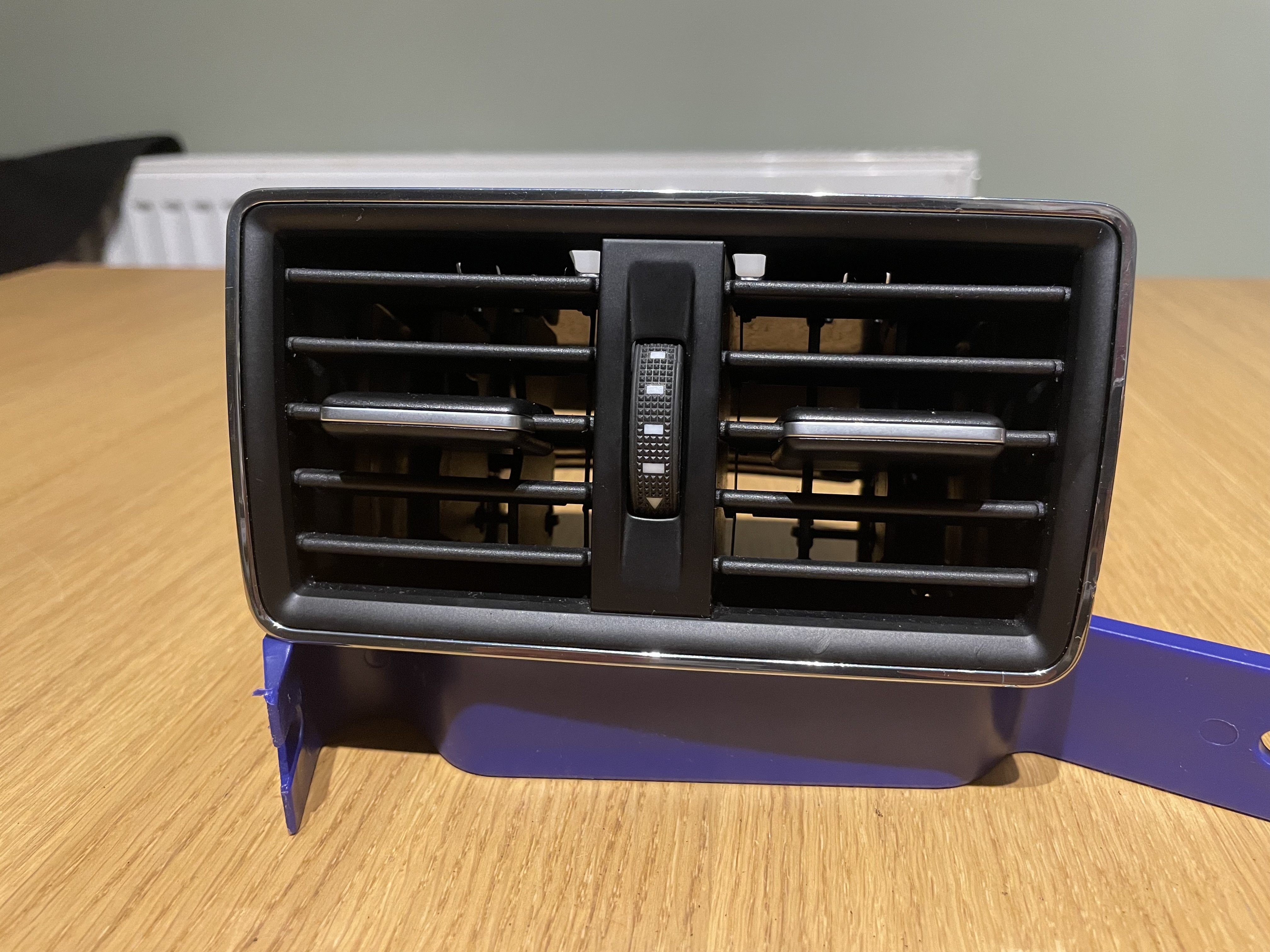
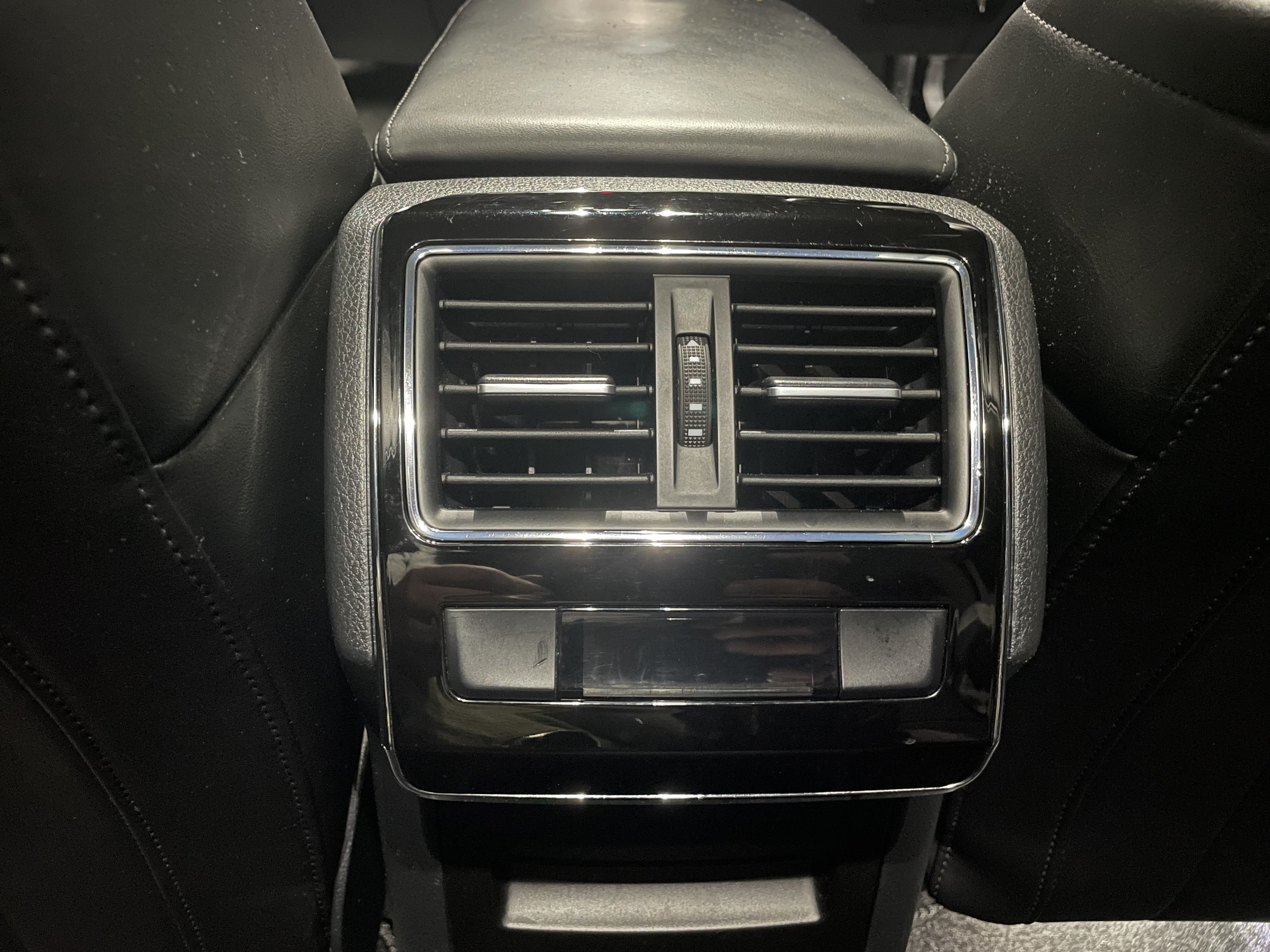
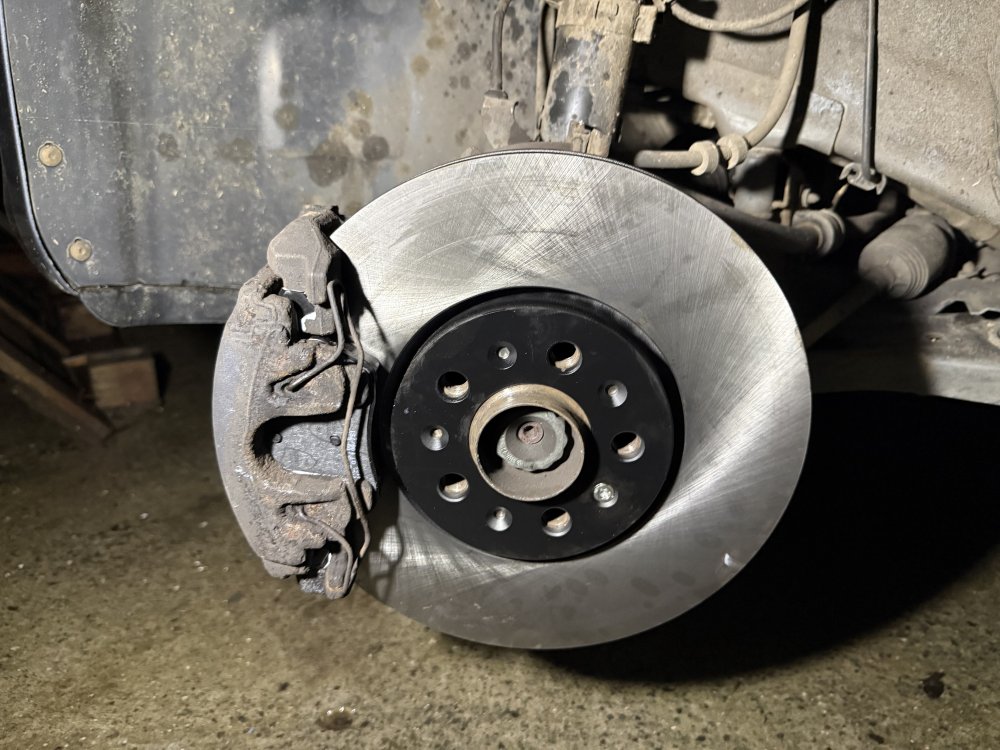 1 point1 pointOther than a FoMoCo I've never had Weber (not that I know much about carbs and then only SU) see if one of the chaps below is able and willing to identify it (these guys tend to be at shows I think). https://weber-carbs.co.uk/ https://classiccarbs.co.uk/ https://www.webcon.co.uk/ I have dealt with Eurocarb once and they seemed fine. - (Eurocarb) - https://www.dellorto.co.uk/ HTH.1 pointInstalled the damn update. Wiped all accounts and settings. Thanks, Skoda! :/1 point1 pointBosch are alright, I couldn't get the specific ones so general size but they're fine. I think, but might be wrong there were/are counterfeits about on the old internet so buy from a reliable source. Don't forget you have to put the wiper arms in the annoying "service" position to fit the blades comfortably (instructions on how to set to annoying "service" position are in the car's 'Owner's Manual'.1 point1 point1 pointAre Bosch wiper blades available, I always fit Bosch blades and most Karoq owners also recommend Bosch.1 pointAn approach I have used in a situation like this is to ask for a benchmark test drive in an identical spec new Karoq. Drive your car round the route first and note how it behaves. Then drive the benchmark vehicle, depending on the outcome you may be the position to argue that your cars suspension is not the same aa the benchmark vehicle and thus it needs to be rectified.1 pointManaged to successfully code for boot closing from the interior button and on the key using CarScanner app.1 pointRepaired the rear vent sliders today using parts from AliExpress. https://a.aliexpress.com/_Ez54g1O Slightly more brushed than bright chrome surround but they don’t look too out of place and work well. You have to fully dismantle the unit to be able to slot everything in. All done in about 10 minutes.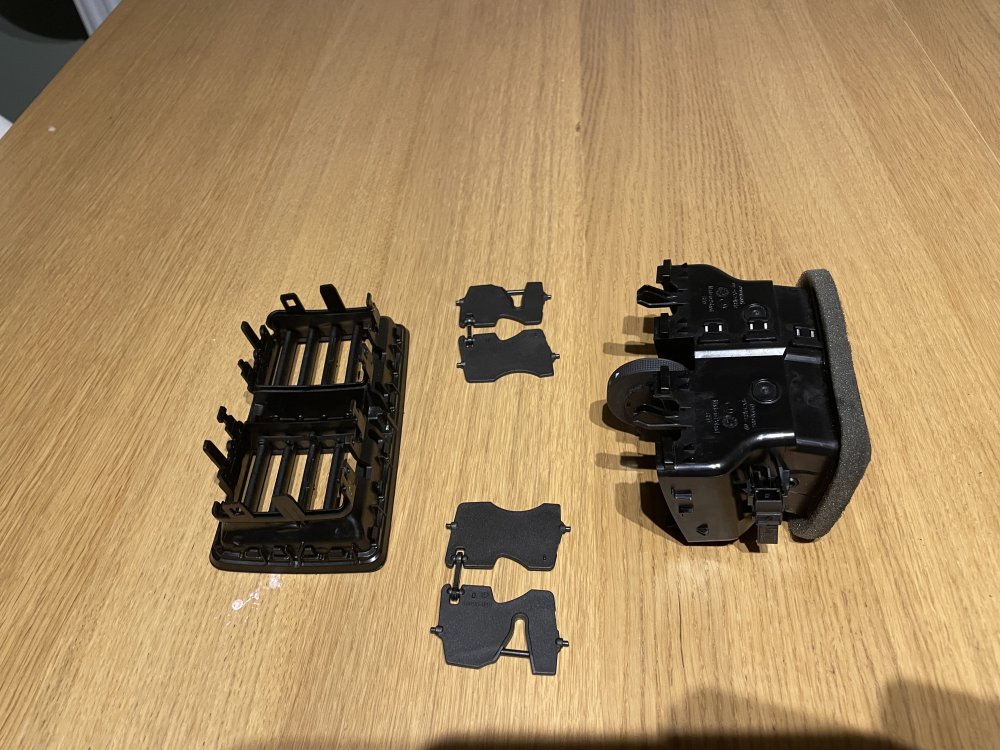
 1 pointSkoda sell two "foam and jack" kits for the Karoq. One is for the Karoq FWD, and the other is for the Karoq 4x4. The "foam and jack" kit includes everything, except for the actual spare wheel...which can be ordered separately. These "foam and jack" kits can be ordered from any VAG parts department, by quoting the relevant OEM part number, ie. 57A093860B for the Karoq FWD or 57A093860C for the Karoq 4x4. The standard space saver wheel for both of these kits is 125/70R18 3.5Jx18 ET25.5 5/112 57.1 which are often sold secondhand on ebay from about £40...sometimes unused. However, 125/70R18 has an outside diameter about 5% smaller than standard Karoq wheels...so perhaps consider 135/80R18 instead of 125/70R18 fitted to the same 3.5Jx18 ET25.5 5/112 57.1 steel space saver rim. When fitted to a 3.5J rim, the 135/80R18 tyre is about 7mm wider than the 125/70R18 tyre...so check that there's 7mm of available space in the wheel well (when a 125/70R18 3.5Jx18 wheel is in the spare wheel well) before ordering a 135/80R18 tyre. The actual width of a tyre is measured when the tyre is inflated from sidewall to sidewall, at the widest point. It might also be worth seeing if a standard full-size wheel fits in the spare wheel well...such as 215/60R16 6Jx16 ET43 5/112 57.1 (for the Karoq FWD) or 225/60R16 6Jx16 ET43 5/112 57.1 (for the Karoq 4x4). 135/80R18 space saver tyre https://www.camskill.co.uk/m129b0s7672p0/Temporary_Spare_Tyres_-_Space_Saver_Tyres_-_18_inch_R18_inch_-_135_80_18_135_80R18_R18_inch_-_135_18_135R18 Karoq FWD "foam and jack" kit 57A093860B (Czech price about £90) Only for 4x2 front-wheel drive vehicles with basic luggage compartment floor and standard rear seats as standard equipment Karoq 4x4 "foam and jack" kit 57A093860C (Czech price about £128) Only for 4x4 vehicles with basic luggage compartment floor and standard rear seats as standard equipment1 point1 point1 point1 pointI must walk about with a look of either disgust or contempt most of the time now. The quality of design right now is appalling completely bereft of any flare or actual style.1 point1 pointTheir efficiency at any speed is more than double that of an internal combustion engined vehicle. The improvements in aerodynamic efficiency have pretty much all been made in recent decades, any further improvements will be de minimis reducing frontal area will always have a major effect, we need to get back to sensible sized passenger vehicles, ones that can carry a family of 5 and still park in a standard single garage and allow the passengers to exit, ones where you can see over the roof and wash it with a sponge not requiring a stepladder. A large frontal area does not equate to a poor drag coefficient, you could build a half scale vehicle and it would have exactly the same drag coefficient. Drag coefficient is a bit of a con trick, what is relevant and what should be used is CDA, the coefficient multiplied by the surface area, I guarantee you that when a manufacturer boasts how good the CD is on their new vehicle the CDA will be significantly worse than preceeding vehicles.1 point1 pointhttps://www.carbonbrief.org/factcheck-how-electric-vehicles-help-to-tackle-climate-change It does highlight the biggest problem for EV's: poor the high speed efficiency. First-gen and badly built ones are mostly city runabouts. Even expensive 90+ kWh cars like Ford SUV mustang and Audi e-tron are pretty bad at this metric because they have such a large frontal surface area and poor drag coefficient. Efficiency is king. For EV to replace petrol, we need more aerodynamic cars, not bigger and bigger batteries.1 point


















Important Information
Welcome to BRISKODA. Please note the following important links Terms of Use. We have a comprehensive Privacy Policy. We have placed cookies on your device to help make this website better. You can adjust your cookie settings, otherwise we'll assume you're okay to continue.