Leaderboard
-
Cairus
Members13Points1,823Posts -
Lee01
FREEDOM11Points36,936Posts -
.jpg.3745ef413bb0c636456d024dfd5d2fd7.jpg)
Evolution13
Resident Member10Points3,200Posts -
travs
FREEDOM5Points1,692Posts

.thumb.jpg.9dd3f612ba7f13d10be5c518d3c8d255.jpg)


Popular Content
Showing content with the highest reputation on 14/05/26 in all areas
-
3 points
-
3 points
-
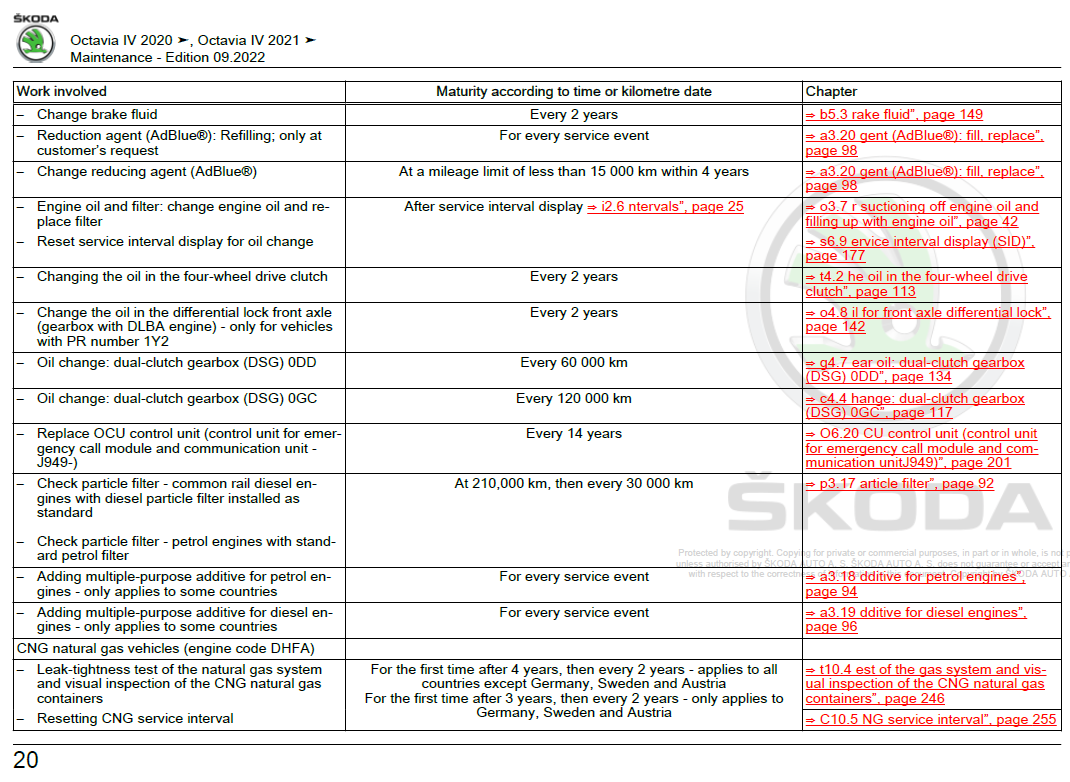
Sorted. Interestingly, the DLBA is a Gen3 engine!2 points
-
2 years. Comes from @varooom who is sadly no longer here but definitely from the inside and pretty much font of all knowledge.
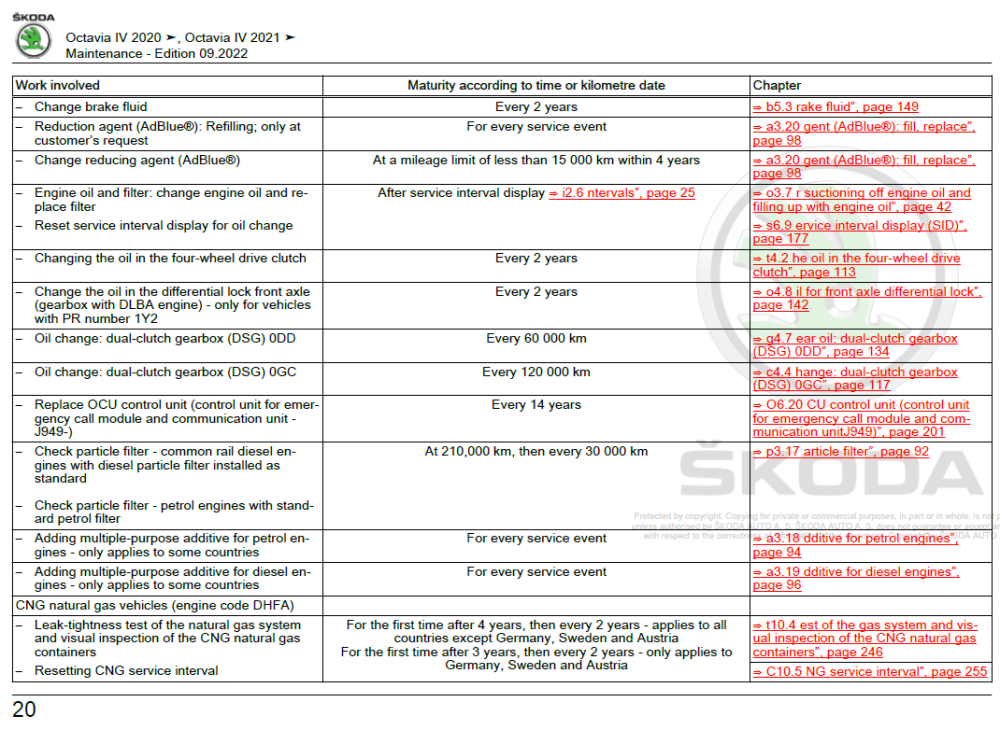 2 points
 -
2 points
-
2 pointsHave I misunderstood? All was OK until the oil change then, despite a rattling engine, you took it on a motorway run?2 points
-
2 points@lol-lol every drive is not about drivng to an empty tank or battery. Or a commute. Some dfive for leisure and pleasure and just go places to then come back. Sports cars or classics or whatever might never make economic sense, just good for your soul.2 points
-
Bump incase anyone is inteterested. And for clarity i am 'guest_'the OP. & also 'toot' in the first screen grabs, and Roottoot,Offski, Ootohere and various other handles.2 points
-
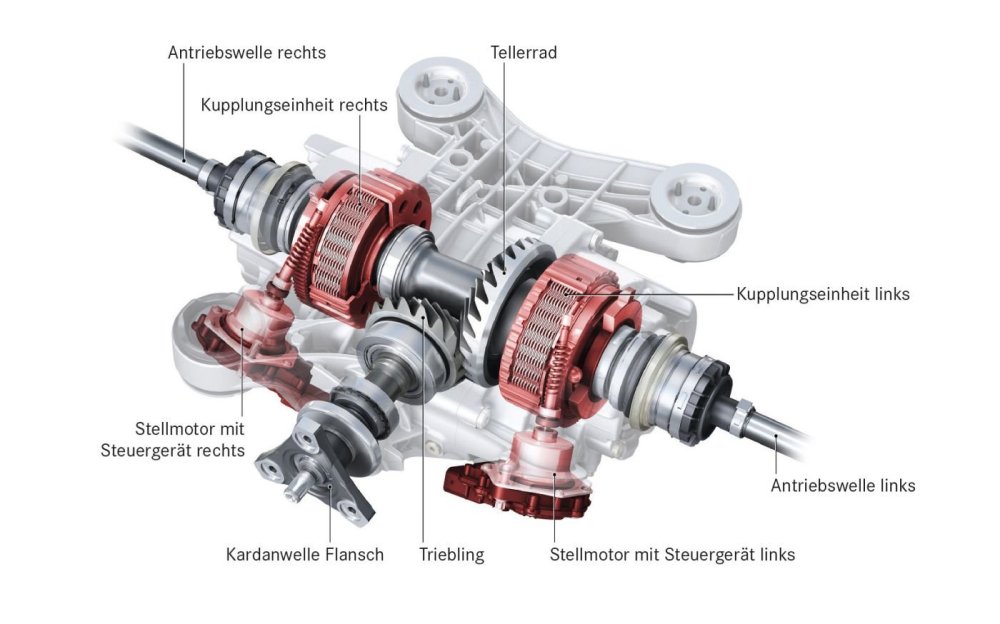
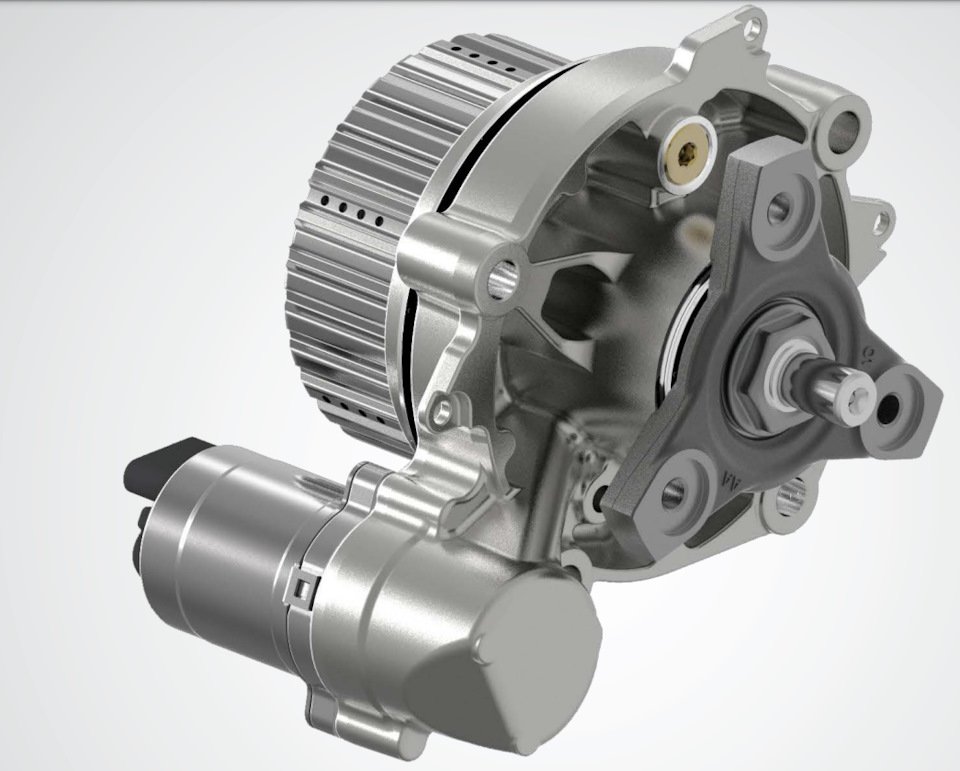
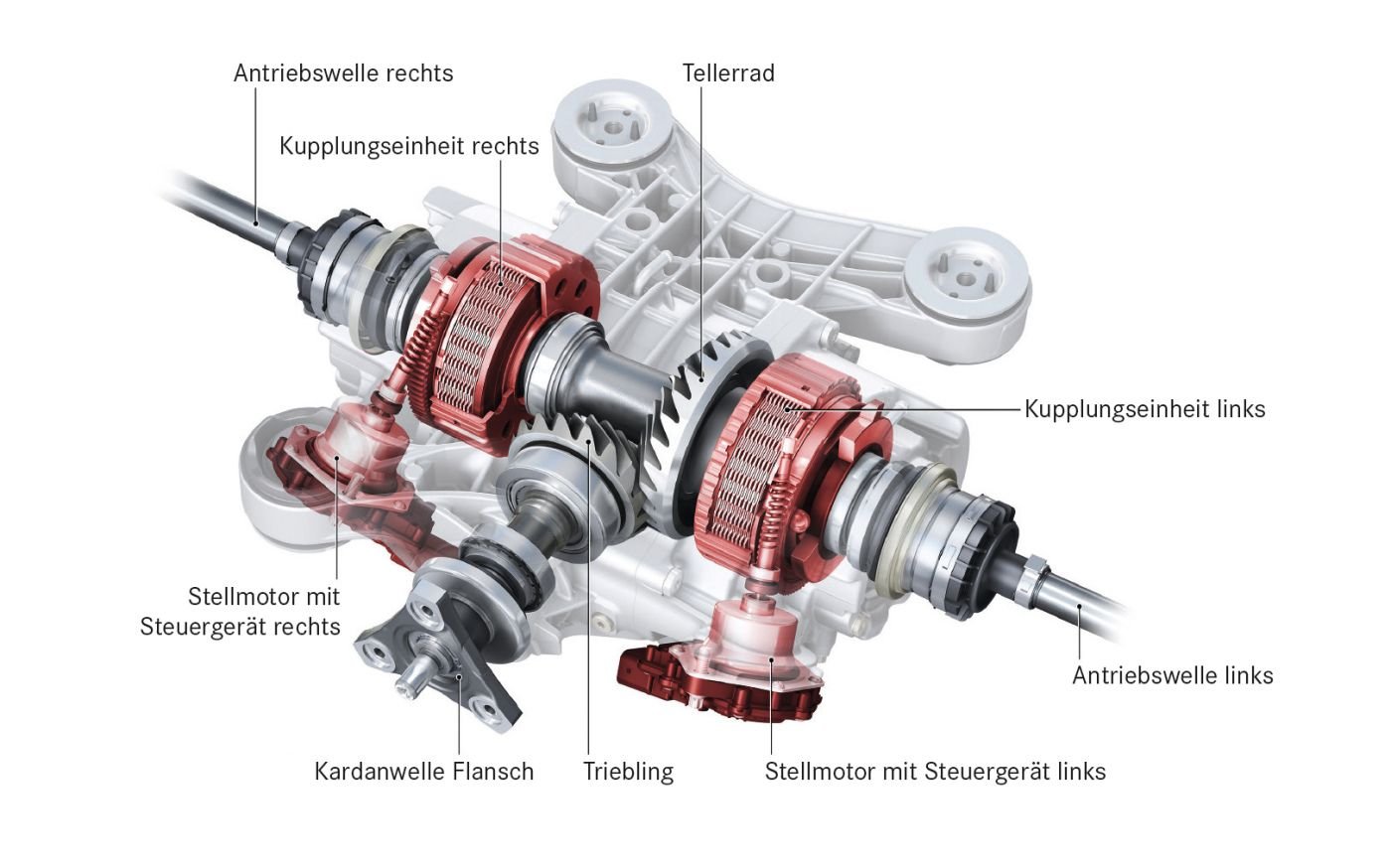
As a little extra, even the VW R models, Audi RS3, and Mercedes A-Class AMG, Cupra etc...have a multi-plate friction clutch; only the high-performance models have two of them, and the preload is achieved differently. However, the complete system isn't a VW or Audi development. It also comes from our company. Currently, we're offering the electrification of this model. 😜
 2 points
 -
Just a quick point: the transfer case for the rear axle of the 4x4 is a Haldex Gen 6, manufactured by BorgWarner. As a former supplier of the complete transfer case, I can tell you that VW themselves extend the maintenance interval. BorgWarner has completely different recommendations 😜2 points
-
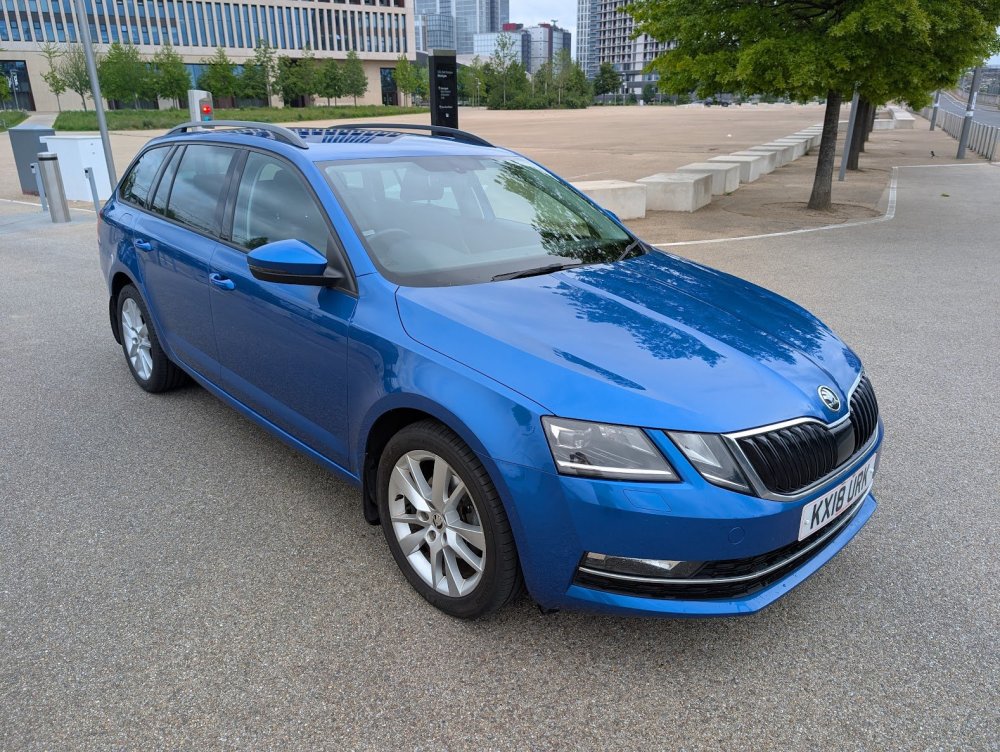
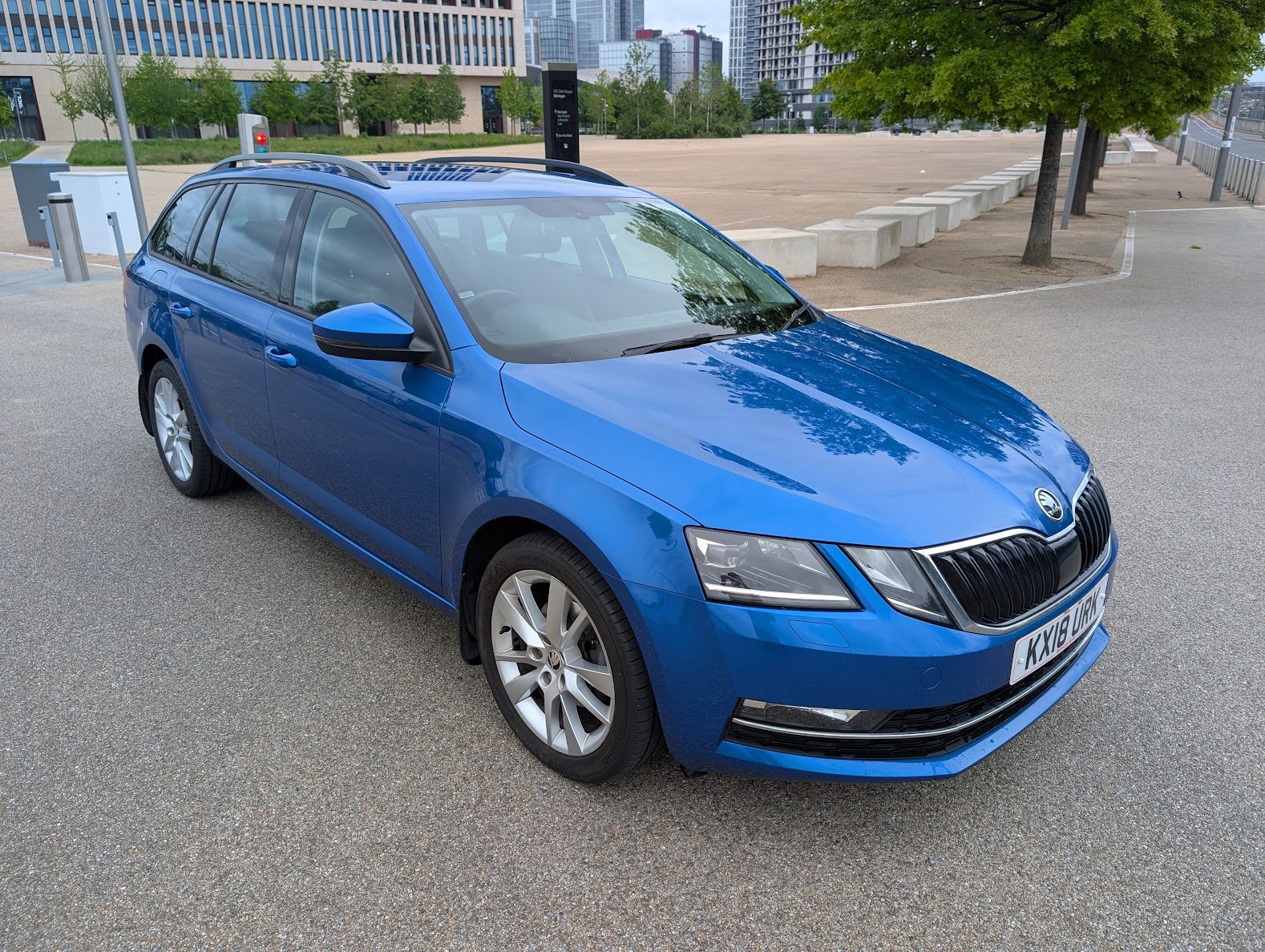
Make & Model: Skoda Octavia Colour: Race Blue Mileage: 141,243 Price: £4,995 Description: 2018 Skoda Octavia 1.5 TSI ACT SE L DSG EUro 6 (s/s) 5dr ULEZ compliant Great family car and incredibly practical — ideal for kids, dogs, bikes, prams, camping trips, tip runs and everything in between. Much more usable than most crossovers or small SUVs, with loads of space and excellent comfort. The 1.5 TSI ACT engine is impressively economical and can switch into two-cylinder mode when cruising. It’s not unusual to see 50+ mpg on motorway journeys. The half-leather seats are comfortable, hard-wearing and easy to keep clean. The infotainment system supports both Apple CarPlay and Android Auto, and the dual-zone climate control blows ice cold. This car also has the variable boot floor option, giving you the choice of either a very deep boot or a raised floor with useful hidden storage underneath. Condition: Pretty good for the miles. It wears them well. Service History/Receipts/Recent Service work: No service history from before my ownership. Since I've had it it's had: New tyres, air filter, pollen filter, 05/25 New battery 07/25 Rear discs and brake pads replaced 01/26 Oil change and MOT with O issues in 02/26 Extras: Hard-wired USB-C dash cam cable Reversing camera Genuine Skoda rubber mats Boot liner and carpet Mods: No. Location: E15, East London Photos + Video: https://drive.google.com/drive/folders/1a6Hg9BD89F6Z-MjXDLA1410C8fY8qEMO
 1 point
 -
1 pointWhilst doing a radar recalibration with a wheel alignment is a thing (by the books), it is not really a must. Over the 8+ yrs I've had Gandalf, I've done at least a dozen wheels alignments without the radar calibration. No issues with the radar, steering or assist systems. All tracks well with ACC and Lane Assistance etc. etc. Even if u did want to do it, biggest issue is finding someone who can do the radar calibration!!1 point
-
Cheers for this Cairus. Is the controller software entirely different too? I was looking at Haldex tuning and it seems there are only tuning offers up to Gen5. Mine is Gen6 😢1 point
-
1 pointI have not used Halfords for fitting, but they seem to do a fair number of jobs so they are probably OK. It is best to get it done professionally if cables have to be run up a windscreen pillar where there is an airbag. Hard-wiring is fairly easy, it's the risk of interfering with an airbag you need to avoid. It is that risk that has led manufacturers to fit USB ports at the top of the windscreen.1 point
-
1 pointI wouldn't necessary agree that all people that buy Audis are wallies - I bought a brand new Octavia in November 2017 and traded it in for a 2016 Audi A4 saloon in 2019. Why? I got fed up with the poor build quality and the distinct impression it had been built down to a price. The Audi cost £16K from an Audi dealer, had done just over 8K miles and has now covered 104K miles and still drives the same as when I bought it. I doubt the Octavia would have been the same.1 point
-
1 pointI was not allowed to have a Skoda and was told it was not in keeping the the company image which was a smallish software company but was allowed to have a SEAT Altea XL, go figure. OK to have a badged Volvo, S40, that was really a Ford Focus made in Belgium and had a poor PSA 1.6 diesel engine. Got my Octavia eventually when we abandoned company car policy due tax changes. Some of the old jokes below. I have a Felecia first back in mid 90s before VW took total ownership ! We warn you, they're not funny. 1. Why do Skodas have heated rear windscreens? New punch-line: To effectively clear condensation and ice from the glass in order to improve visibility for the driver. Old punch-line: To keep your hands warm while you're pushing it. 2. How do you double the price of a Skoda? New punch-line: Buy every item on the options list Old punch-line: Fill up the tank with petrol 3. Have you got a wing mirror for my Skoda? New punch-line: Yes, it'll cost you £45.99 Old punch-line: Okay, seems like a fair swap 4. What do you call a Skoda driver who says he's had a speeding ticket? New punch-line: A teller of plausible tales Old punch-line: A liar 5. What do you call a Skoda with a sun roof? New punch-line: Hard to say, all new Skodas are now available with a sun roof option Old punch-line: A skip 6. I’ve just bought the new 16 valve Skoda... New punch-line: It's called a 16-valve Octavia Old punch-line: 4 in the engine, 12 in the radio! (older readers may better understand this) 7. How do you overtake a Skoda? New punch-line: wait for a safe place to overtake and accelerate Old punch-line: Run 8. What colour shall I get my Skoda in? New punch-line: You can choose from a range of appealing contemporary colours, including metallic jungle green, corrida red and candy white Old punch-line: It doesn't matter, it'll go brown with rust after a week 9. How do you make a policeman laugh? New punch-line: spend some time getting to know him in order to understand his sense of humour, then tell him some appropriate anecdotes or jokes. Old punch-line: Tell him your Skoda just got nicked 10. I bought the top-spec Skoda... New punch-line: ...this one came with Apple CarPlay, parking assistance and side rear impact airbags. Old punch-line: ...this one came with an engine.1 point
-
1 pointSame on the MK1 1.9tdi my folks had. Tried once to clean rusty front discs for MOT by driving with brake on and car immediately lost power and loads of warning lights on. Hope it works. Alasdair1 point
-
1 point
-
1 pointHi. Have used an OBD2 scanner and a fault code for the brake switch comes up. Have read that this can cause the EPC light to come on, also that it can cause throttle body problems as it's linked to the ECU unit. Will replace this switch first. One nevers knows it may do the job, worth a try as it only cost about £12. If problem persist will fit new throttle body. Many thanks for your replys.1 point
-
Hey thanks for the heads up – I looked at Octavia's briefly, I did drive one on a ski trip and really enjoyed it! However I'd rather something a bit more compact for city driving.1 point
-
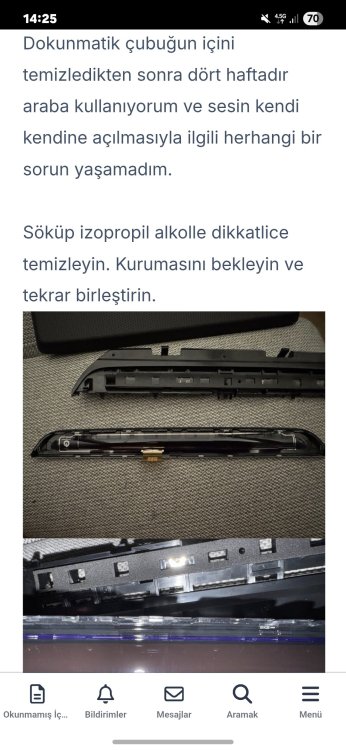
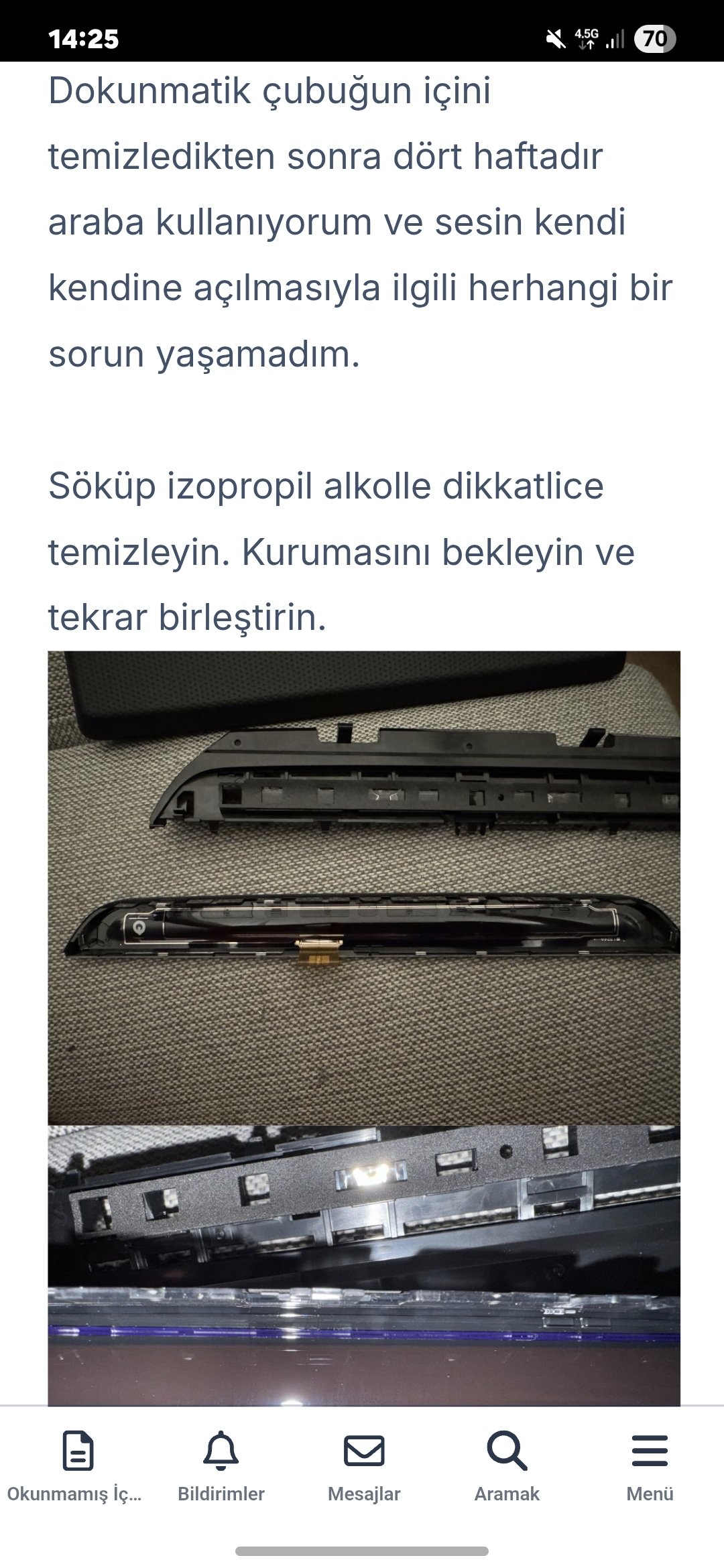
Hello, we've found a new solution for the multimedia issue. I believe this problem is caused by liquid getting into the touchscreen or moisture accumulating there. If you can remove the screen, clean the touchscreen with isotopic alcohol. Wipe the power button and volume bar thoroughly. I haven't experienced any issues since May 2025. The power button and volume bar work perfectly.
 1 point
 -
If you're driving for a few hours at a time, certainly consider the 2.0TDI (There's a nice looking (IMO) Black Edition in Sheffield). Rarer, but 1.4 TSI's (Petrol) and 1.6TDI's do come up. Gaz1 point
-
1 pointWhat you have on screen is the Adaptive Cruise Control modes. These determine how fast/slow the car accelerates again after slowing down when ACC detects that the reason for slowing down is gone. These are different to the Driving modes which are Eco, Normal, Sport and Individual.1 point
-
Welcome. 1.8 tsi is best avoided. They can be a real lottery. PS.be sure to check out For Sale cars on Briskoda from members. Often well sorted cars.1 point
-
1 pointI have tended, like many, to regard people who buy Audis as wallies, more money than sense. I had an A4 and an A3 but as company cars provisions. Does not take long to realise that A3, Golf, Leon, Octavia all built on same platform and with the non Octavias you are paying more and getting less. A5 is on the A6 platform and whilst bigger than the A4 not sure what one gets unless one goes for the more exotic engines V6 etc. All I remember about the A5 was not too spacious in the back with lowish roof line course and being over 6ft tall I would not want to do long journeys in the back. Which brings us back to SUV land as most people I know have gone for Q series cars and this has since the big A series cars diminish in popularity. Maybe a future of expensive fuel will see the low ICE saloons come back in to fashion with their superior f uel consumption over SUVs ? Dislike Audi dealers as if I did not dress up in my business suit they reception staff would look down their noses. Give me a Cupra, SEAT or Skoda everytime over a Audi or VW. E-trons and R8/10 etc are the only Audis I would consider as the other Audis are better, Newish Superb, 280 hp, over A5 or A6.1 point
-
Thanks for the response Gaz, appreciate your thoughts. I would love the 4x4 version, the 1.8 L+K model looks fantastic but a bit out of my budget, hoping so spend around £7k realistically. I'll mostly be driving with just 2 people in the car so with the seats folder flat I'm confident there will be ample space for us. But yes think i'll try and find something a bit more local to me, even if its just to test drive and get a feel for it.1 point
-
1 pointI have a 2L diesel 150 brake horse power estate Superb and it's fast enough. I'm sure the petrol versions will be quick, but the 2023 1.5 petrol Scala I have driven I find a bit pathetic, so might be better go the 2 litre.1 point
-
1 pointIf the gearbox isnt noisy and gear selections are good and positive I would see if the oil leak can be fixed. It may be as simple as just a gasket or seal unless the box has to be dismantled to fit gasket. I would run it and see if its repairable and at the same time start searching for second hand box just in case. Came accross Trent breakers who seem to have a few Gbox plus offer warranty but not sure how long https://www.trents.co.uk/manufacturer/skoda/skoda-octavia#/ Alasdair1 point
-
1 pointAll Credit to Bevinsee customer service. I sent details and photos of issue and a new pair of bulbs are being sent out to me on next day delivery for 50% discount so that I also have a spare. Lets hope this solves it!1 point
-
1 point
-
1 pointI've done that ... a nice picture of the car floating (or sinking, more like) 400 metres of the coast of Spain1 point
-
1 pointIf you haven’t tried, maybe take a photo or video when the fault occurs and send it to the dealer as evidence.1 point
-
1 pointProfile, Account Settings, Security and Privacy, enter password to reauthenticate, account deletion is bottom right. Best of luck1 point
-
1 pointThere's nothing serviceable on the AC compressor, apart from actually checking the refrigerant charge - This'll probably trigger 'The Curse', but my 11-year old system is still operating correctly and has never been touched.1 point
-
Some good advice. Might be a little too over cautious and premature on parts replacement because of previous experience from leaving things a bit too much. Most servicing and maintenace and some repairs boil down to simple clean and lubricate, which should as put be included as required when replacing parts. For the bleed nipples, they will be used every two years when changing (and hopefully flushing) the brake fluid so will be tested then I'd not remove them at fear of getting crap in you can feel how easily (or not) they open and close, no need to overtighten to close. With the pistons if you are keeping on top of the "servicing" then they should last a reasonable time, obviously more serve conditions may hasten their demise. Drums used to be "serviced" or cleaned every year or 6-months, this might include handbrake and drum adjustment, lubricating and checking for wear on shoes and other parts. Some people still clean all the brakes every year 6-months ( aneighbour seems obsessed with wheels off and brake cleaning on any car that gets near his drive. Obviously can't criticize checking and cleaning brakes but I don't often clean the discs and pads brakes, drums would be another matter. I am a very rank, vey amateur, very relucant, non-mechanic type that started doing some work on my cars when I began to run out of money to pay professionals to do low quality work which I then had to finish off or redo myself, not because I was any good but I took my time and fully cared about the outcome, unlike some of those I paid. As I am so reluncant about farting about on our car(s) and don't know too much mechanical stuff I do understand why others don't want to especially with these modern plastic cars full of computers, sensors, modules, thinnest electrical wiring possible, ect., ect.. VW don't alweays use the best quality parts on their cars so you can improve on what was fitted by the factory and what they offer as replacement parts, often better quality and longevity parts than VW offer and often at lower prices than VW or their suppliers charge, go better not just cheaper, particularly on brake, steering and suspension parts (all three systems include tyres).1 point
-
1) Why start a new thread? Because this thread was for OP to ask about spec and pricing regarding a car. Yes, servicing (or lack thereof) does come into it, but it doesn't need to become a technical bulletin discussion. 2) I would suggest ditching DuckDuckGo. I typed 'VW front differential service interval' into Google and the relevant VW service bulletin was result number nine. 3) I would suggest doing a bit more targeted research. If you've bought the car and not known about the existence of the front diff, then the research wasn't done very well. 4) The implied level of knowledge would be based on you having done more than twenty minutes of Googling. A simple search of 'VW front differential' would highlight the terms mentioned, such as VAQ. That being said if, as you now tell us, you don't know anything about the differential, perhaps advising members on it being 'lifetime' isn't the best port of call? Seeing as you commented on '40k miles not being terribly high', I assumed you had done your research and had information from an official source. Certainly, I wouldn't be on a public forum dispensing advice on things I didn't understand. That's how mistakes happen, and how people that rely on these forums for information end up damaging their cars. 5) I'm not upset. I've been using this forum for a while and I'm very happy with it. The reason for my annoyance is that, as above, I assumed you'd done your research on the VAQ, hence why you were giving advice and were 'under the impression' by dealers. When I read someone giving out incorrect advice and then questioning where I am getting my information from, that tends to annoy me. 6) You speak for yourself. People such as @Warrior193, @Evolution13 and I agree on many things, but also disagree frequently. That said, we all have experience on the topics we discuss - which is not the case here. When you're stating experiences that aren't correct, that's when disagreements occur. I've given you plenty of links to play with. You've given us vague ascertations from stuff you've read using DuckDuckGo. Try using Ecosia - if you're going to waste your time, you may as well plant some trees in the process. 7) I'm sorry you're dissappointed. Please feel free to look through my recent activity - you'll see that I'm very welcoming to questions and new members (myself not exactly being a seasoned veteran on here). I was welcomed warmly, and I hope that others continue to feel the same. As I said, my lack of content is due to the way you've given incorrect advice, without any backing, and then repeatedly questioned my comments. Writing everything out the way I did, if I'm honest, wasn't for you - it's for the benefit of all those that come across this thread in the future and need the correct advice. Hopefully, though, they're steered towards the correct information. I'm sorry you feel this forum isn't the place for you. I wish you all the best with the forums you are involved in.1 point
-
I should add that my understanding of an MOT, is that it decides whether the car is fit for the road at a given time. A customer could wish to get the last 1000 miles out of a set of discs, so the garage inspects the car and decides if the discs are ok at that moment. As I found out, if you are only presenting your car for MOT, and not really getting any other inspections carried out, you really should be a hands-on car owner. Only experience can really teach you this though.1 point
-
Mine came with Hankook EV specific tyres, mine are 20" wheels definitely no sign of slippage in the wet. Were all the software updates done before the handover? My system worked perfectly from day one with all required updates being done in the dealership.1 point
-
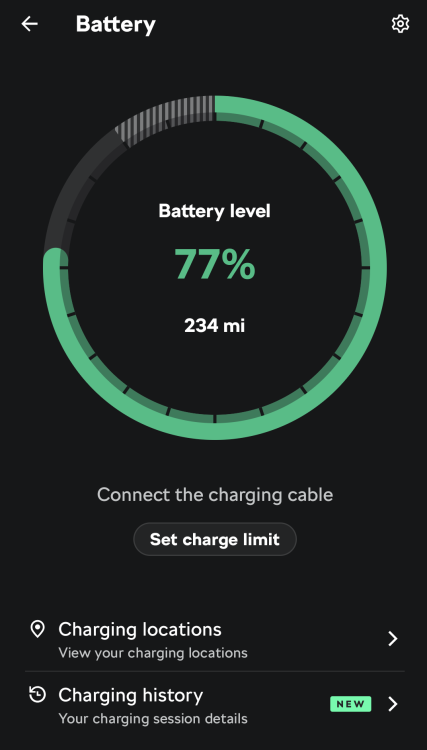
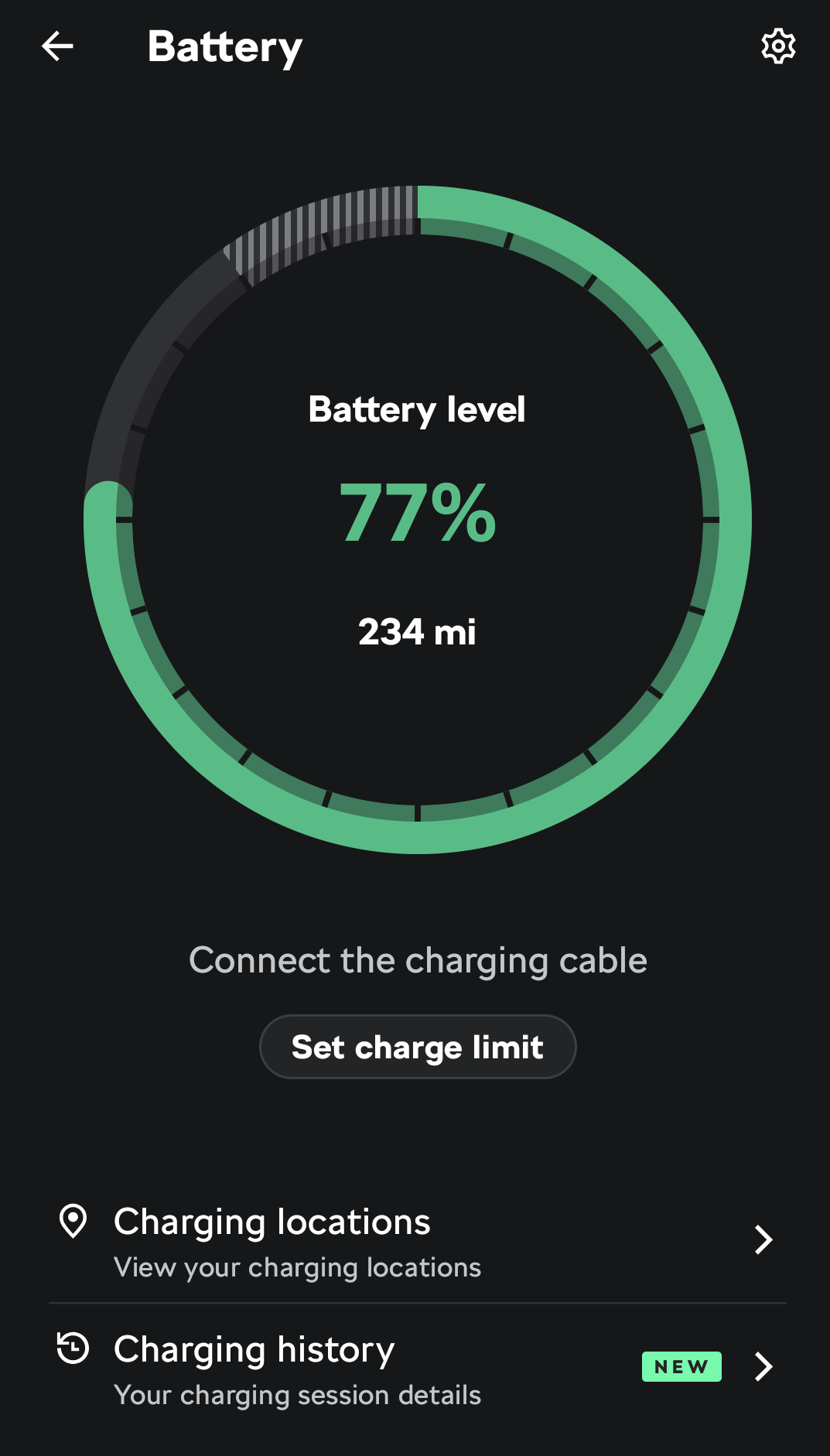
I'm on version 8.11.0 on Android and I can see the full charging history. Not much help to you, however. I haven't been offered a newer version - it is showing a last updated date of 27 March 2026.
 1 point
 -
So, picked up the car today. Things noticed so far: The tyres are poor. Brand - Giti. On a £46k car? Unacceptable Skoda. Had noticable slippage driving home in the rain. So that really soured the whole experience. Software - quite responsive - but anything linked to online (so the online services etc) - just keeps spinning the whole 'Please wait' nonsense - even with full bars of 4G. We had the same on my wifes Octavia when we got it in 2020. Thought Skoda would have sorted it in almost 6 years, but obviously not. Shame. Car itself - so far so good. It's a really nice car. Will take a bit getting used to an EV, coming from a 2ltr diesel. So overall, mixed start. The tyres have urked me no end. Especially as pricing up some decent ones is currently costing £800+.1 point
-
1 pointI had this happen on my 2018 sportline 280...replaced driver's side rear, three weeks later other rear failed so ended up changing both. Checked fuses, wiring etc, swapped both units and yeah it was dead....220 quid per side1 point
-
Would agree with Gaz to look at the drop-links. I had a very annoying creaking sound coming from the drivers side when moving at low speeds. New drop-link on the drivers side cured the problem. cost £160 all in to sort.1 point
-
It's nice to come across someone who's ordered the foldable tow bar. I decided against it and then had it fitted aftermarket by our local Skoda Dealer and it cost just about double. I don't know what you'll be towing, but we have an Ifor Williams P8 unbraked trailer, which the car handles fine, but it does kill the range, even when it's empty. But the cars great. Ours is an Edition 85, it's done 17000 miles and we love it. I'm sure you'll enjoy yours, although I guess you'll miss the space of the Superb.1 point
-
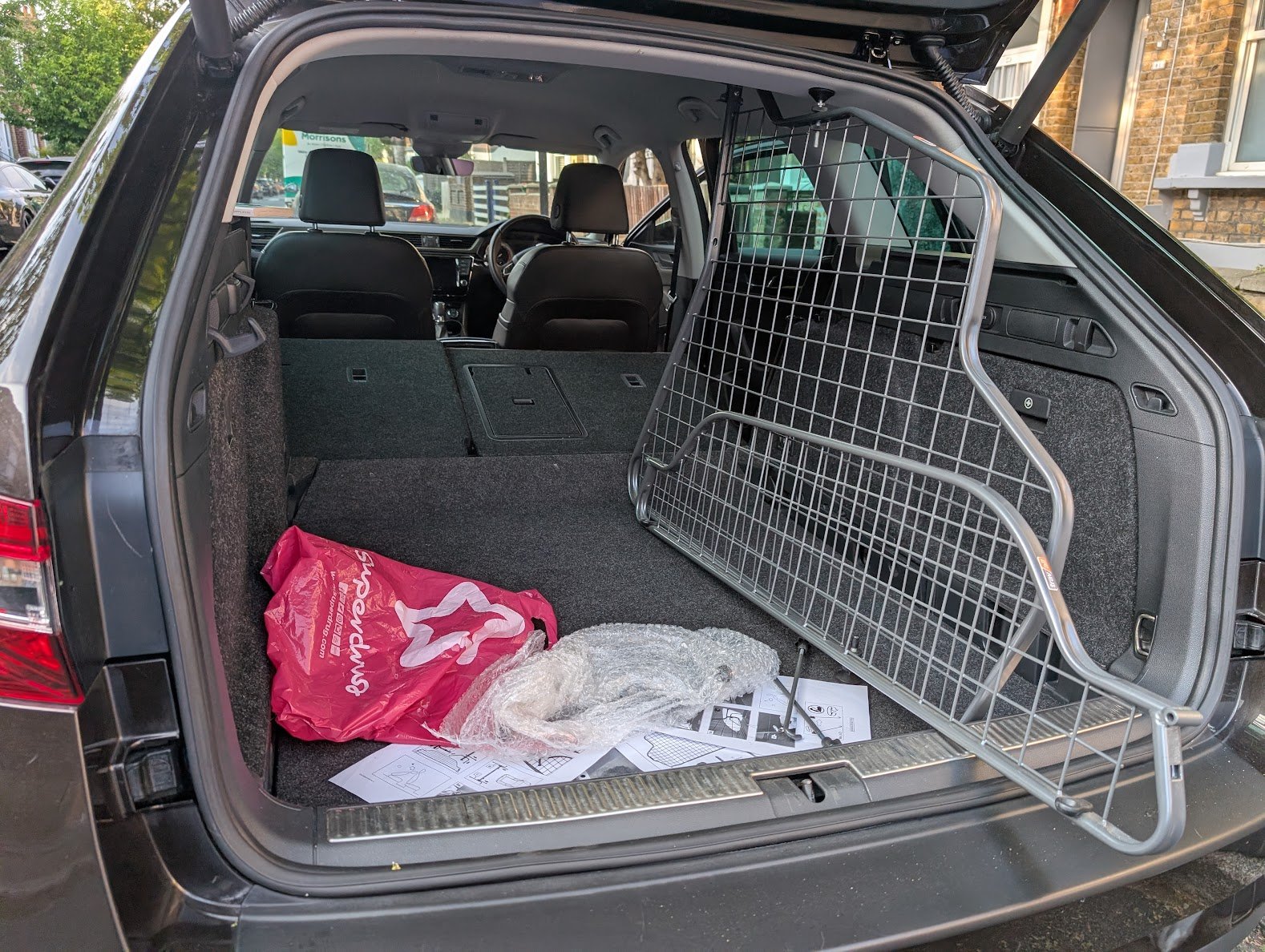
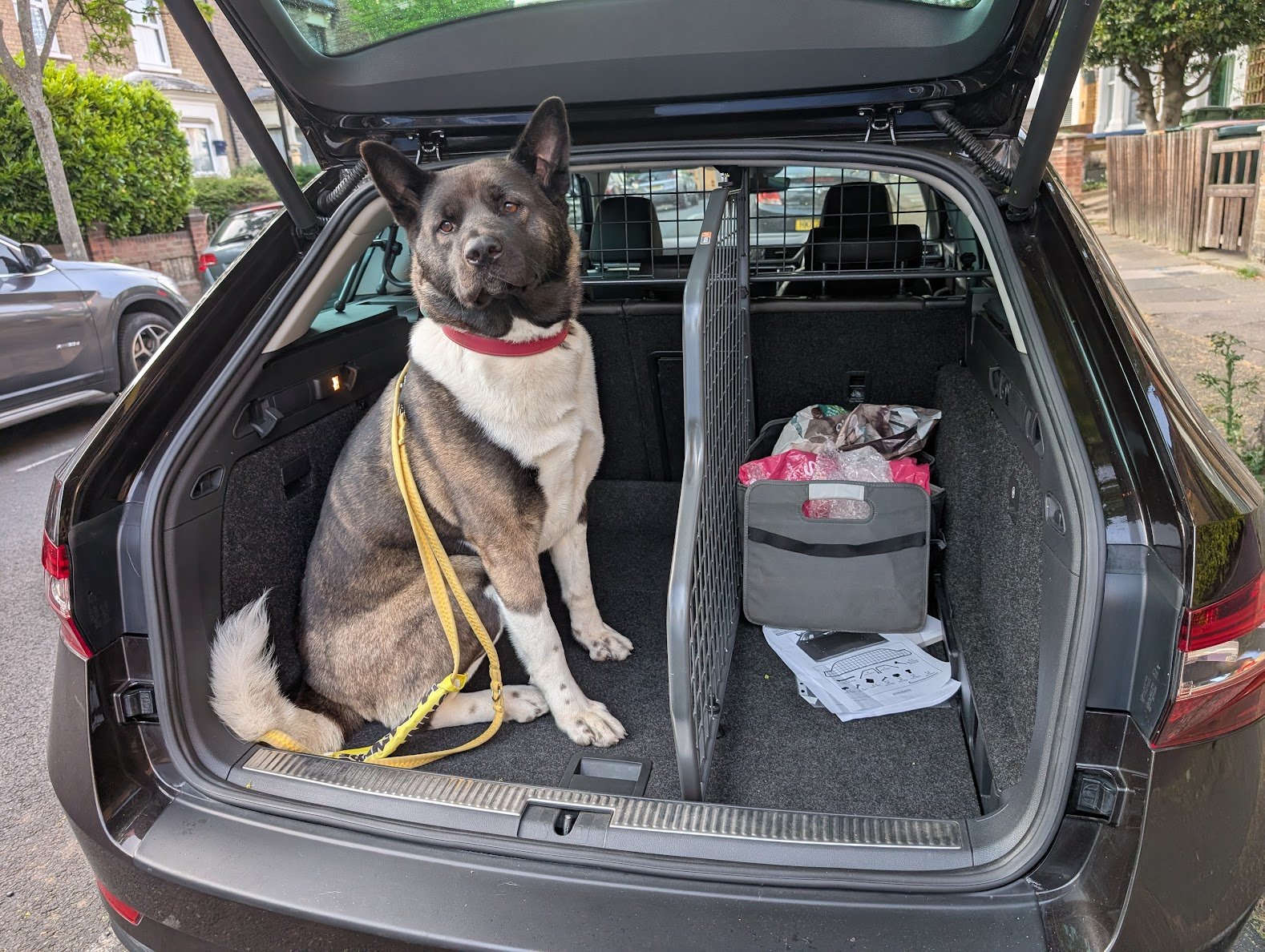
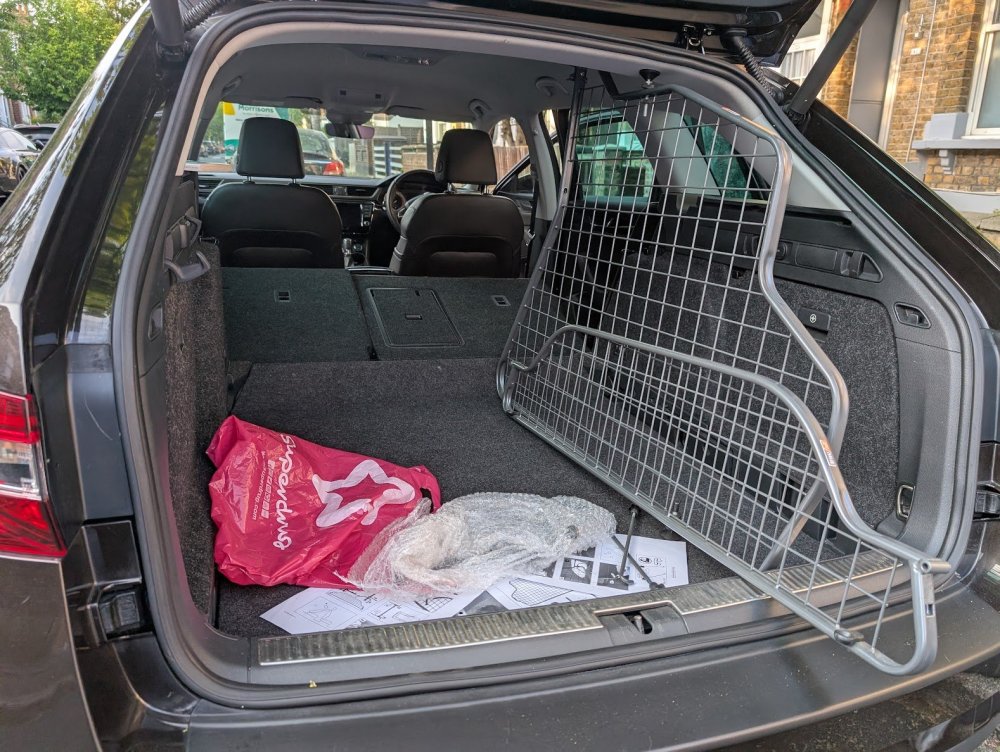
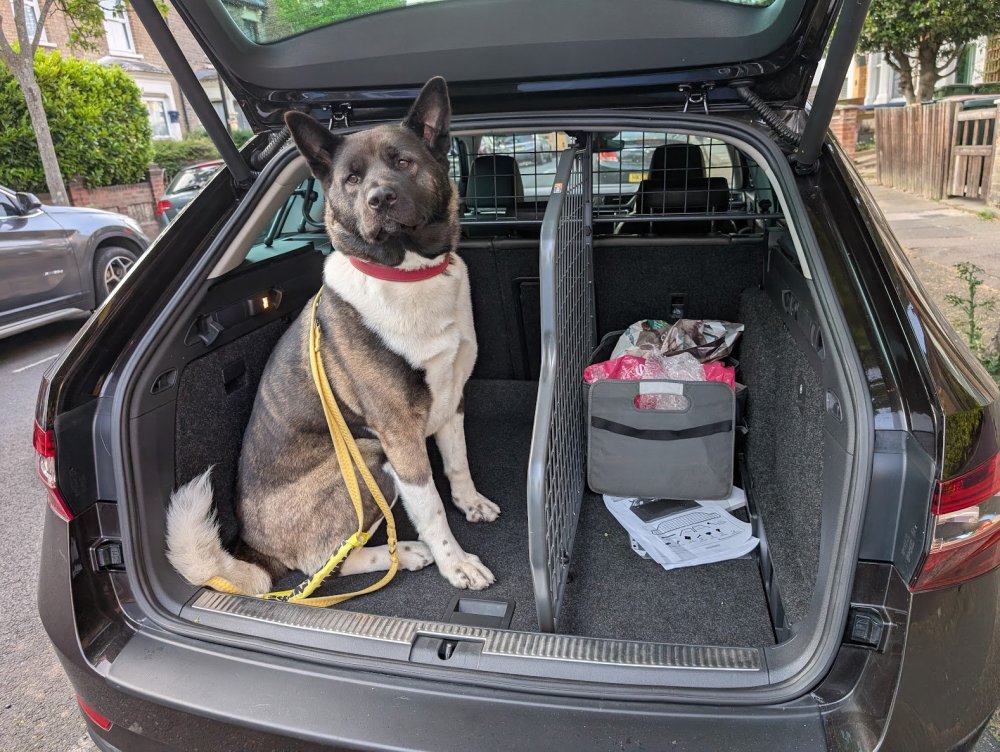
2nd job was to fit the dog guard and divider. I was marvelling at how big the boot was and then I put the dog in the car.
 1 point
 -
1 pointHi Alasdair. Thanks for the reply. Have checked negative lead from battery to bodywork and also under battery tray. Both fine. Will look into lead from ECU unit. Did notice that ECU unit is a little lose where it is located, due to plastic locating tabe being broken. Could this cause a problem? Thanks.1 point
-
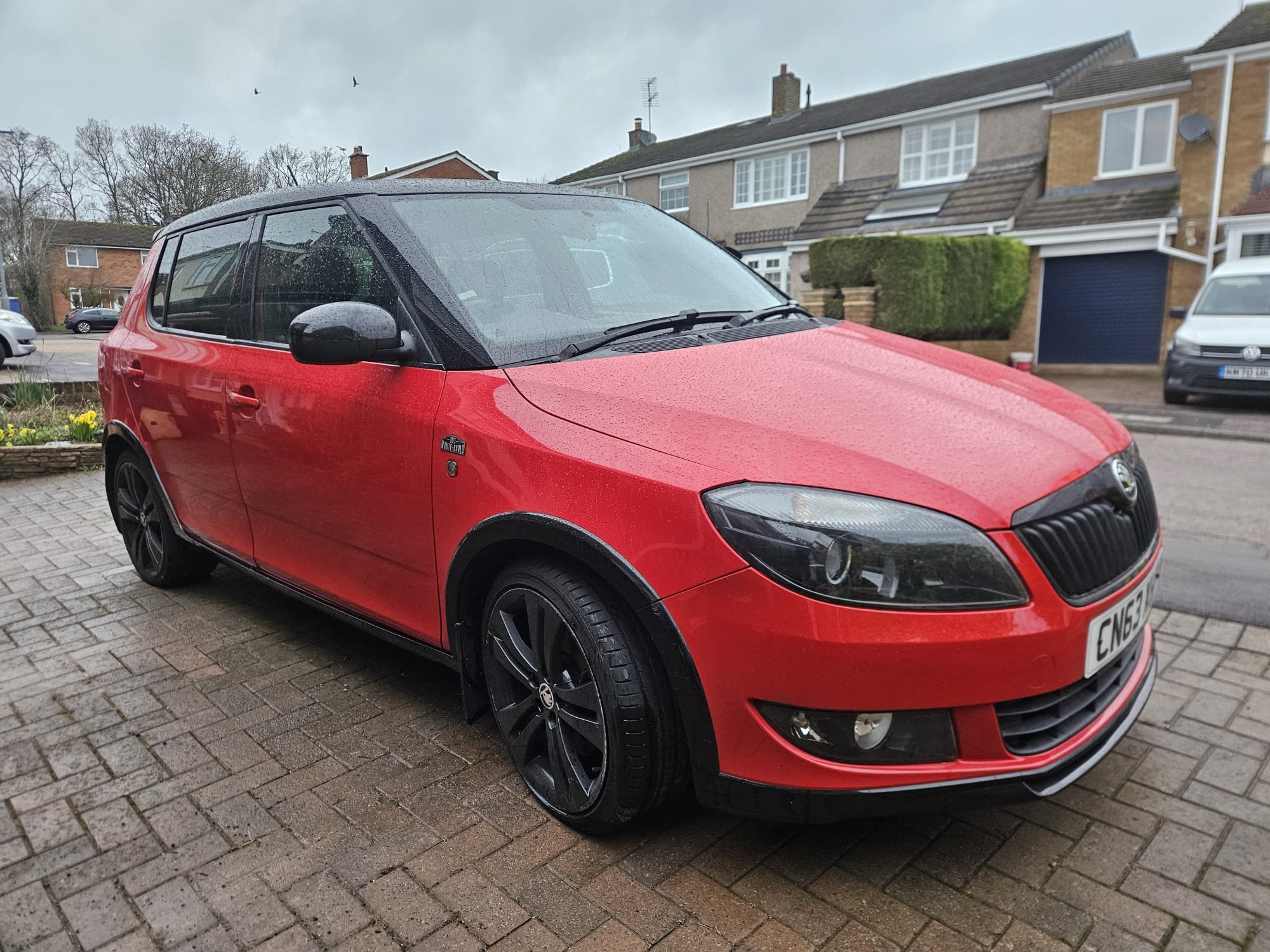
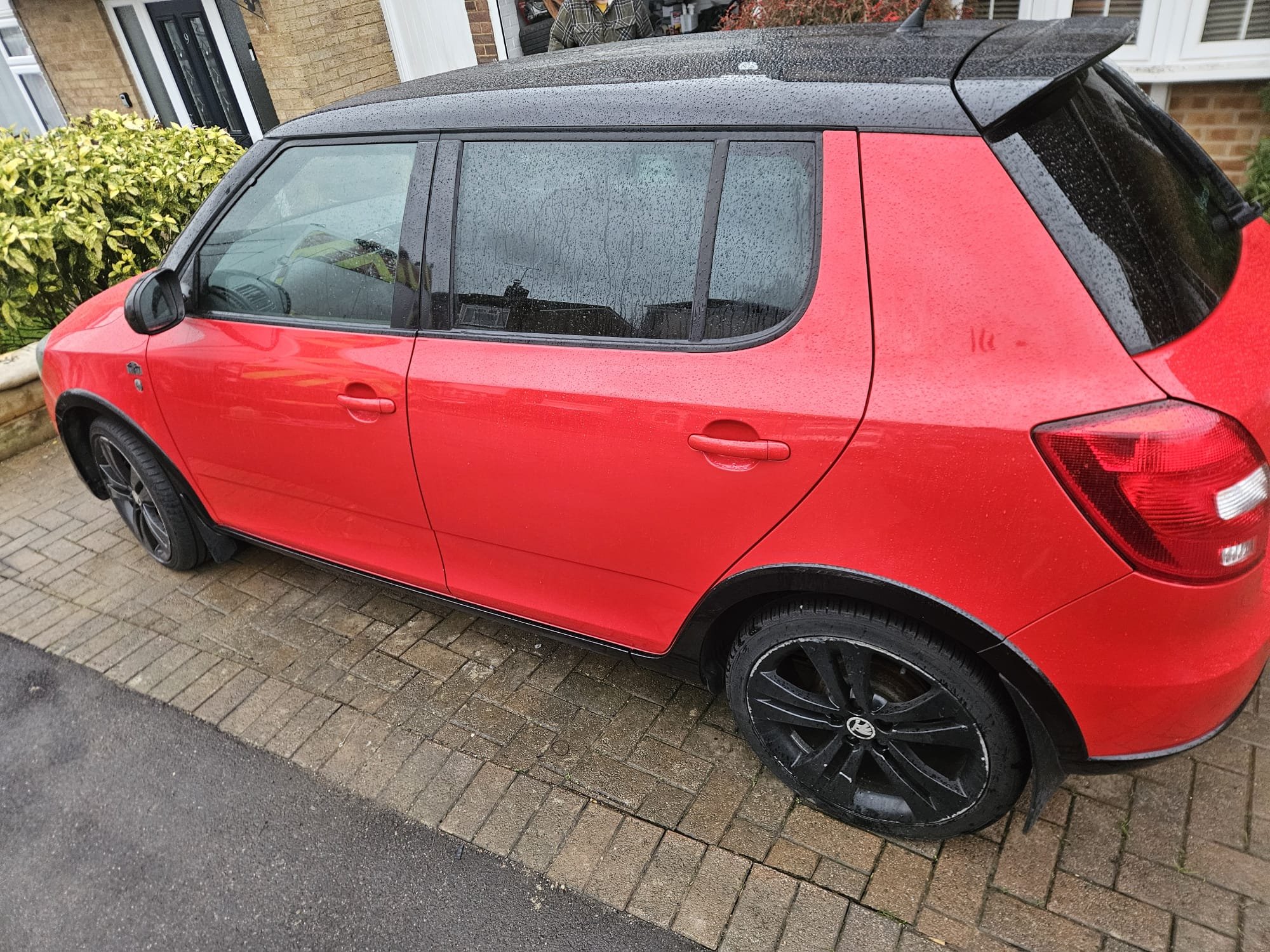
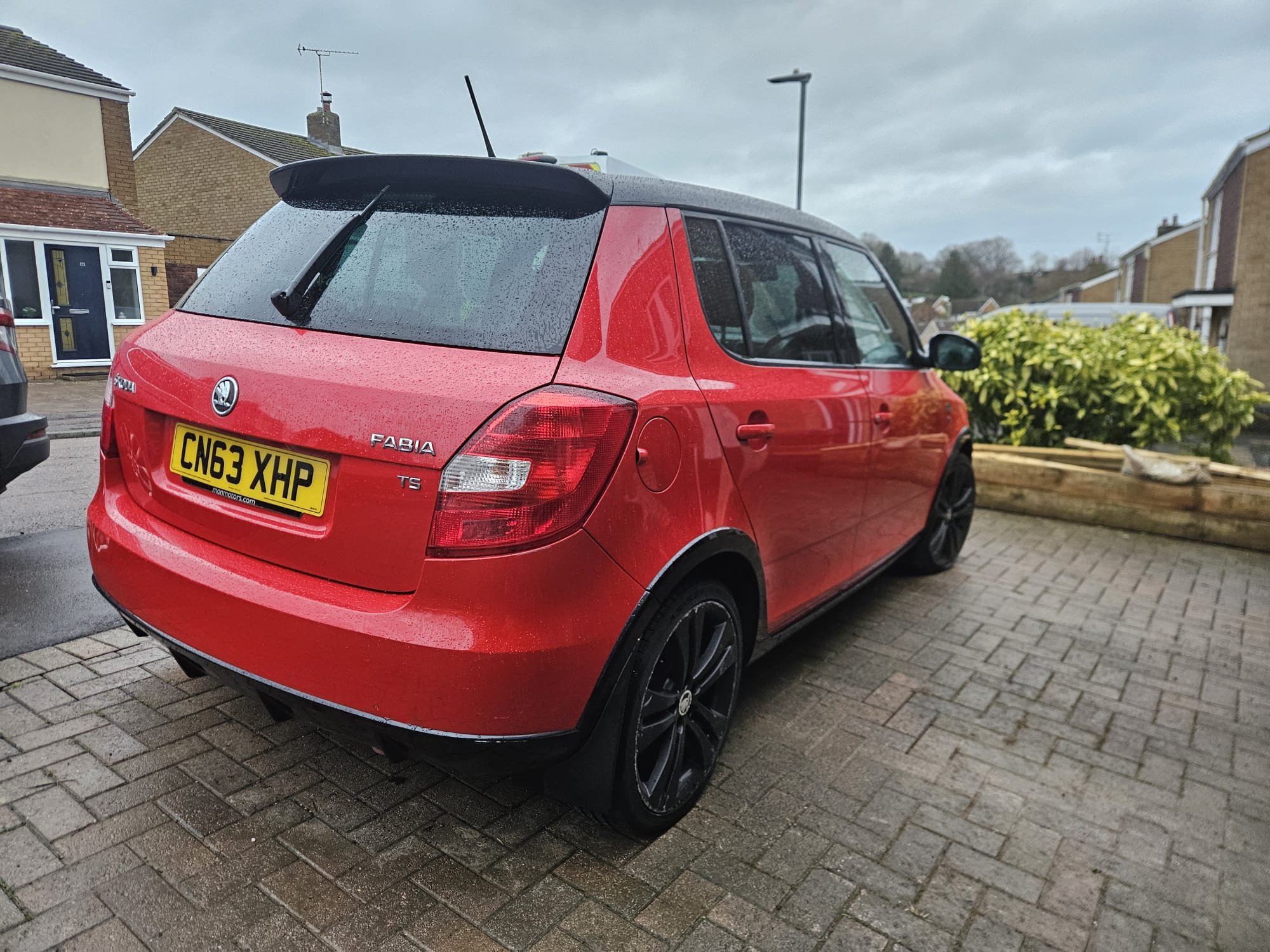
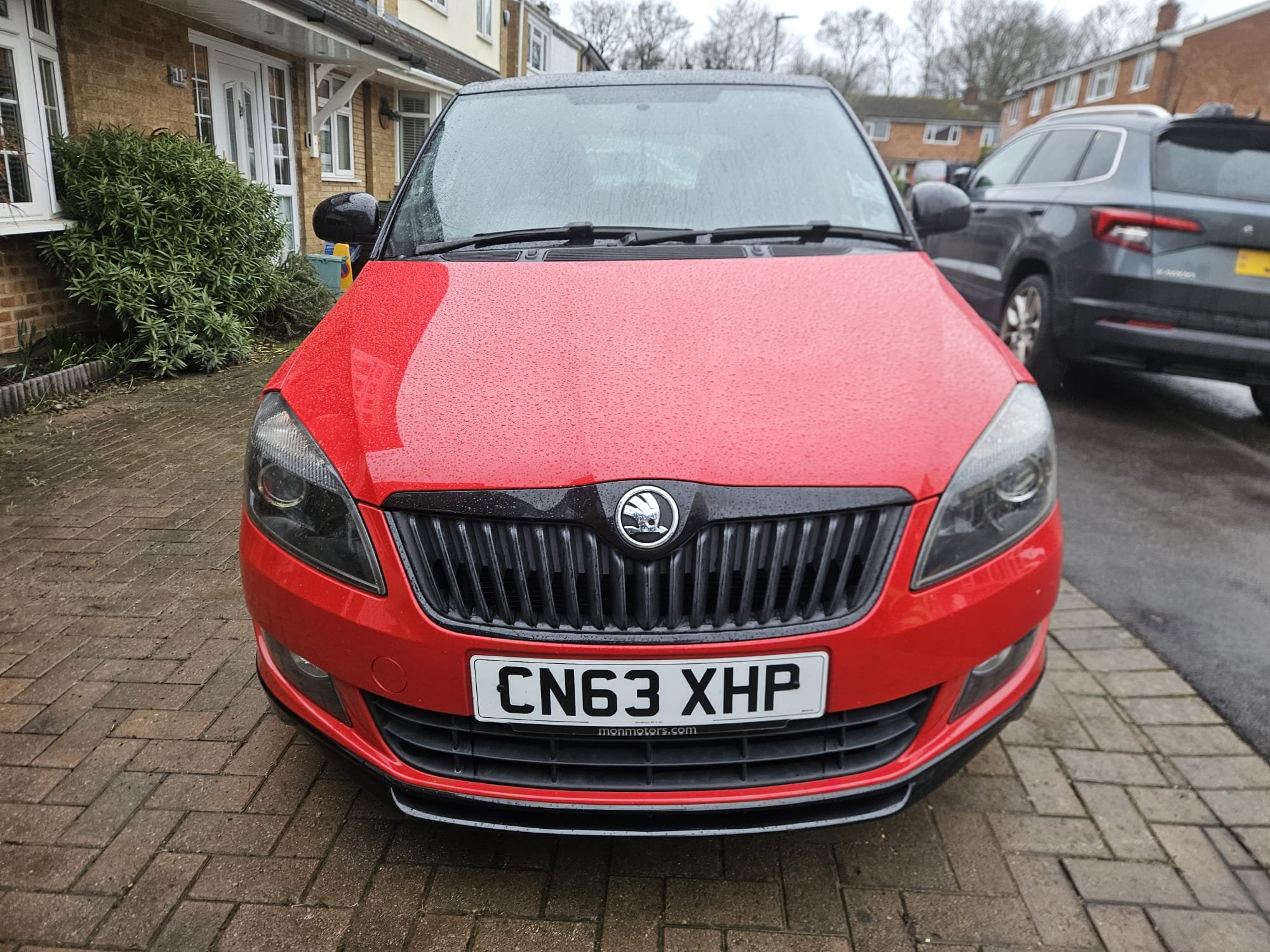
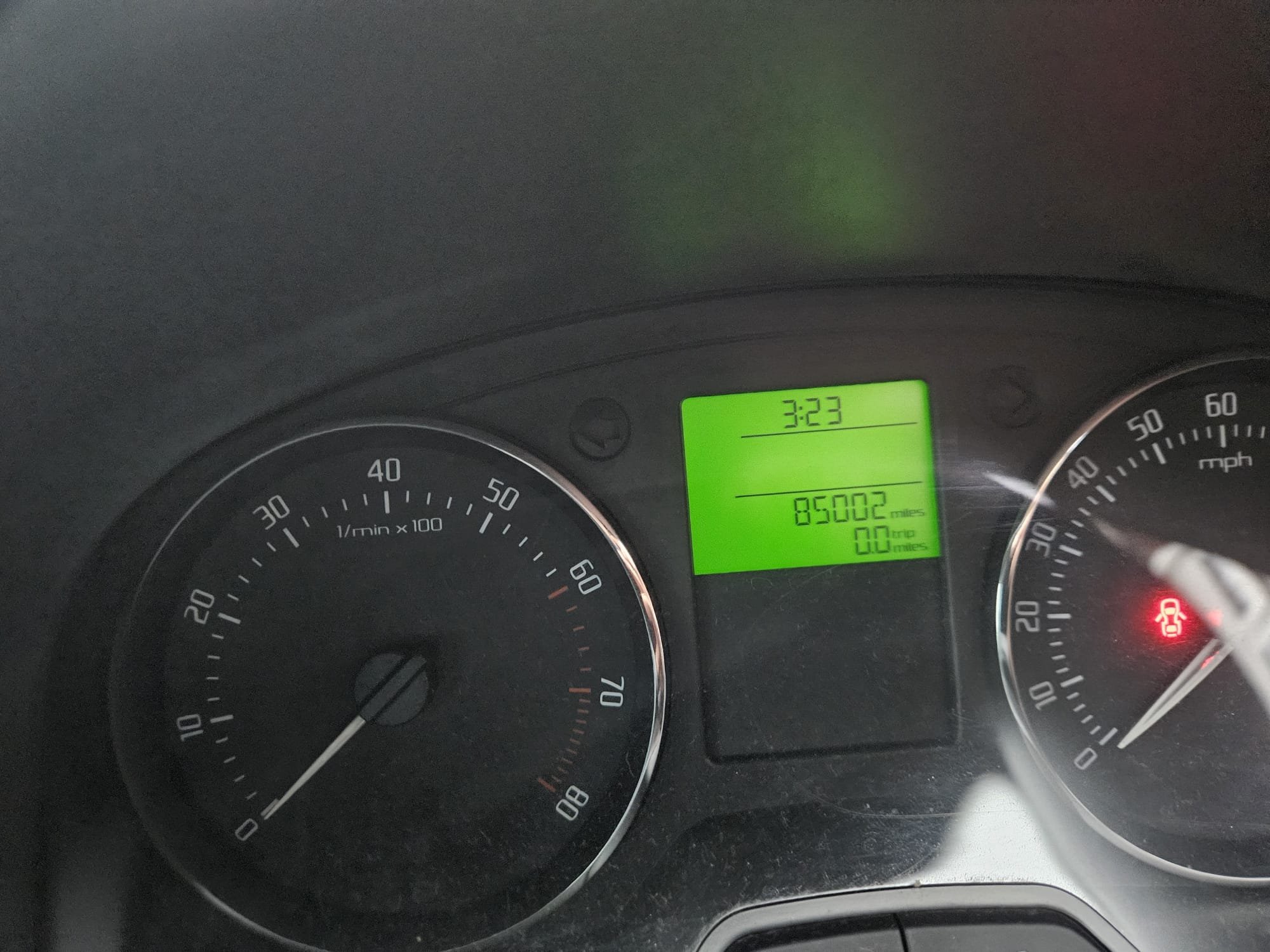
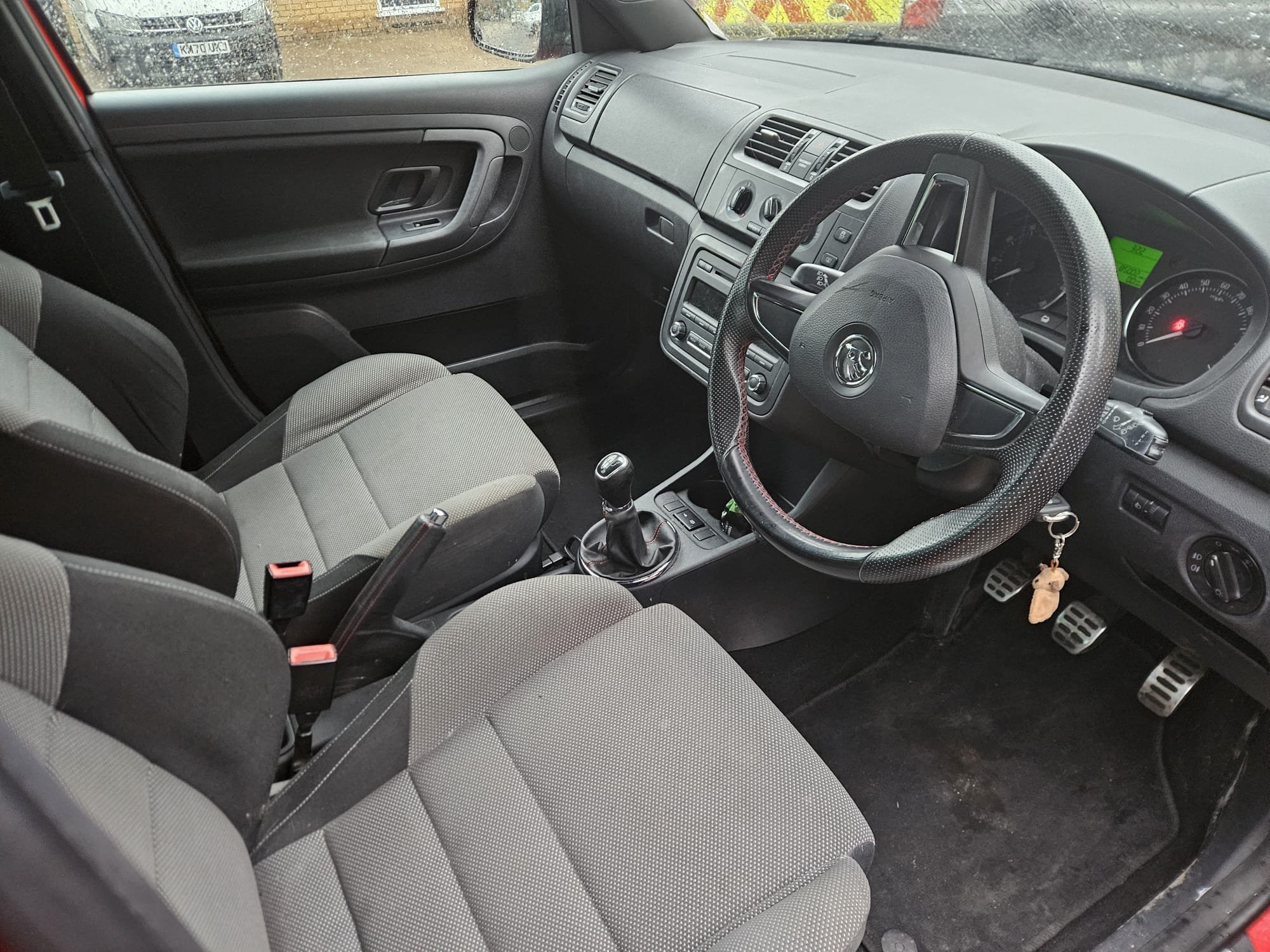
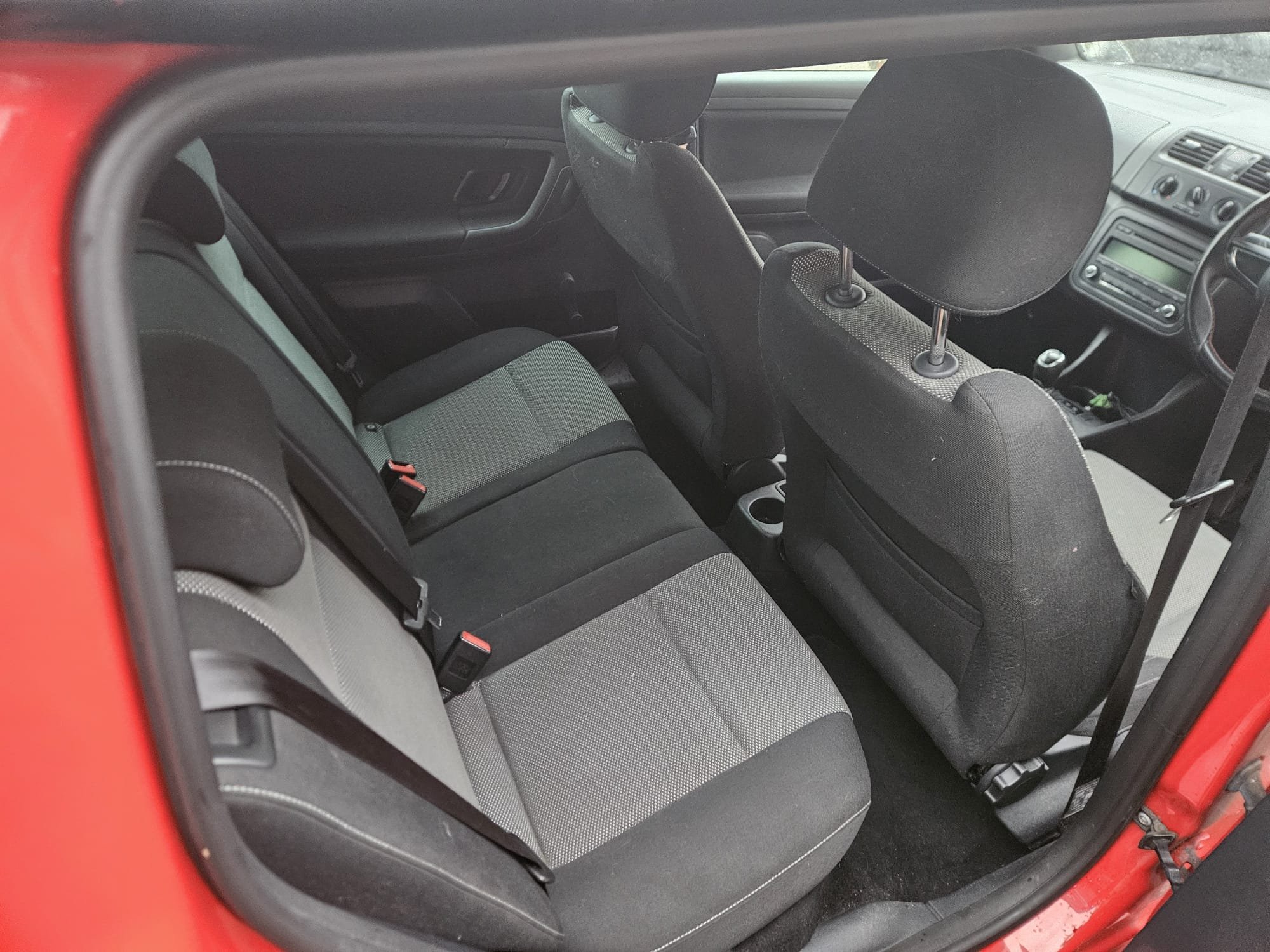
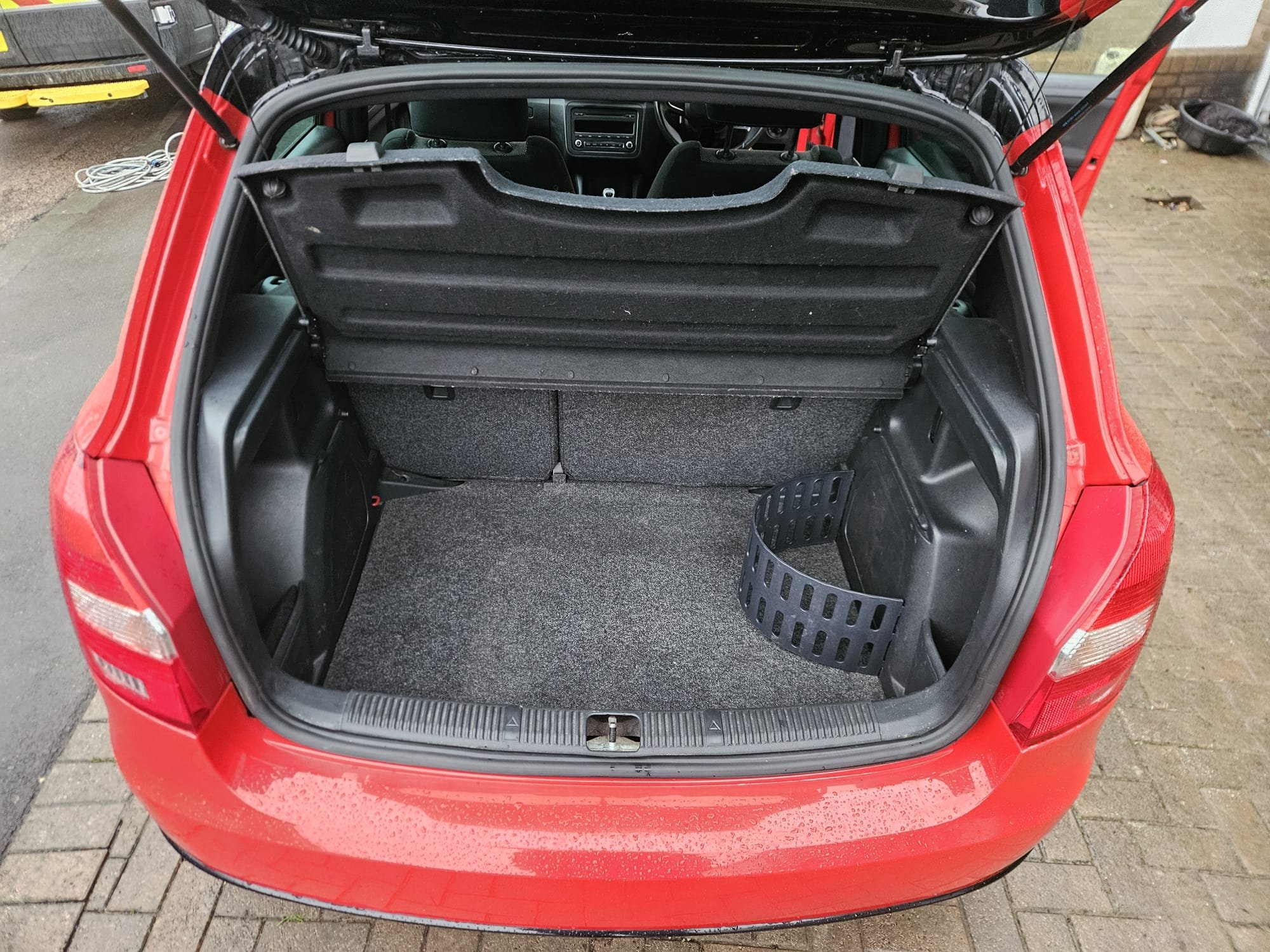
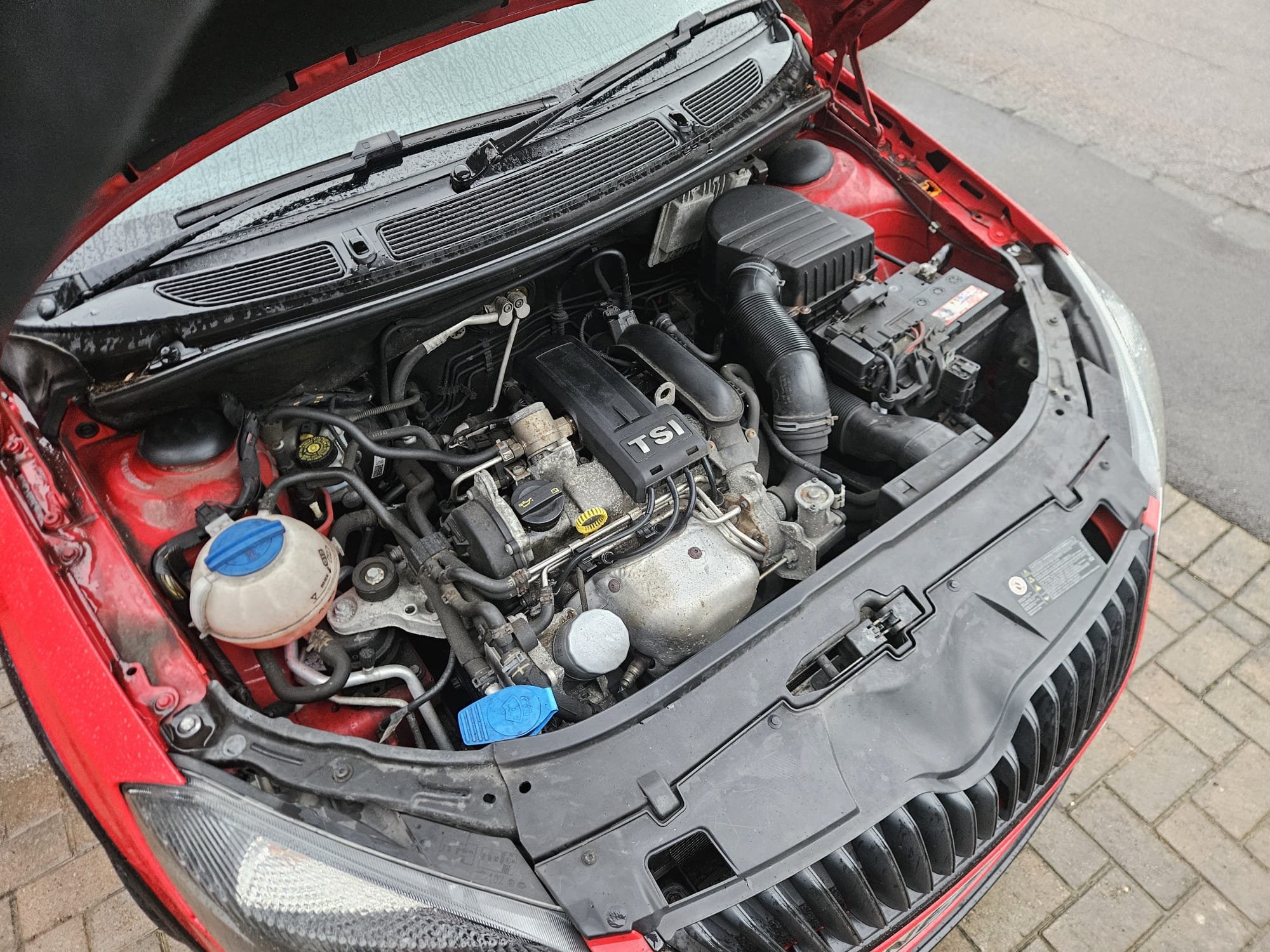
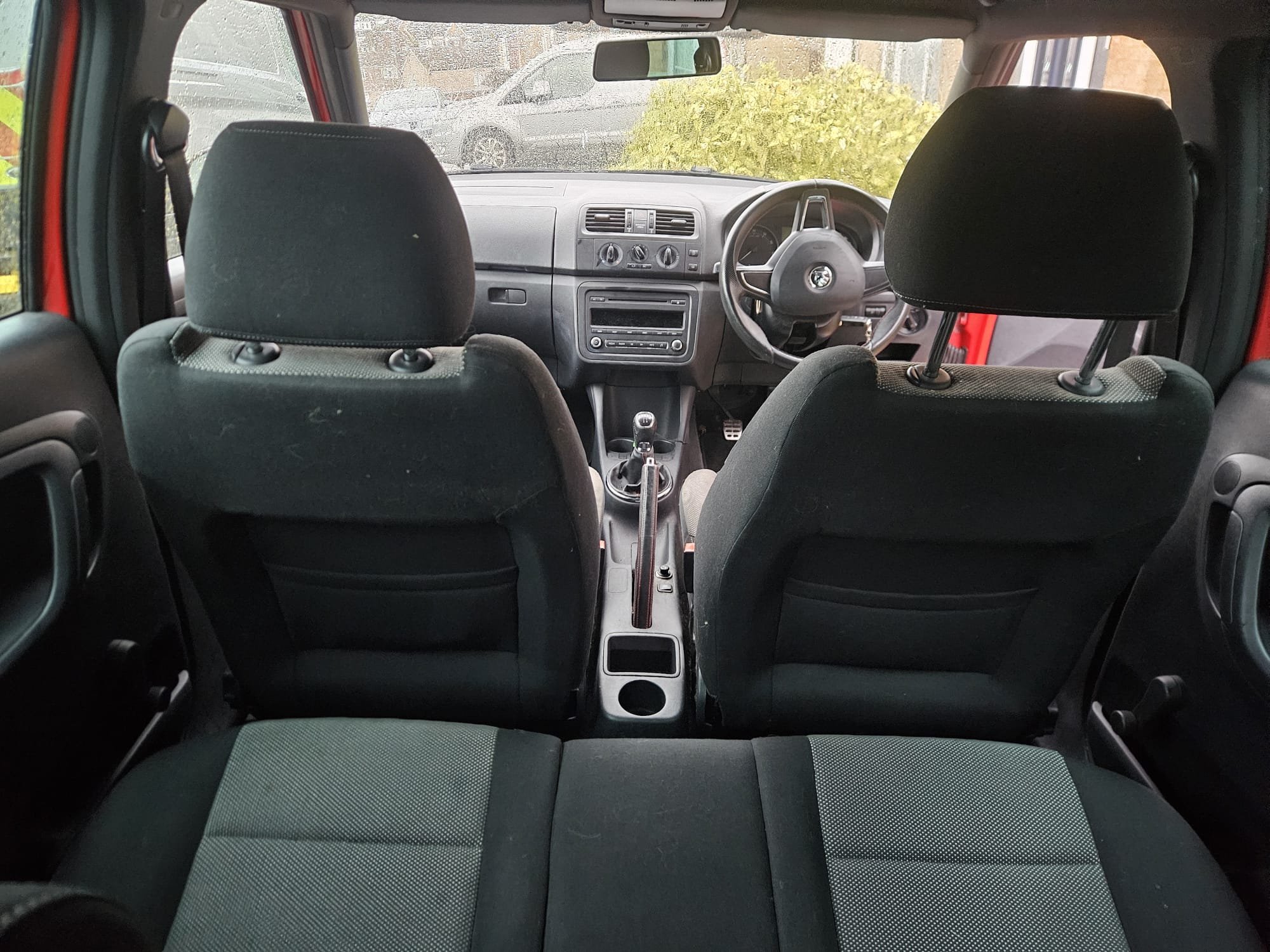
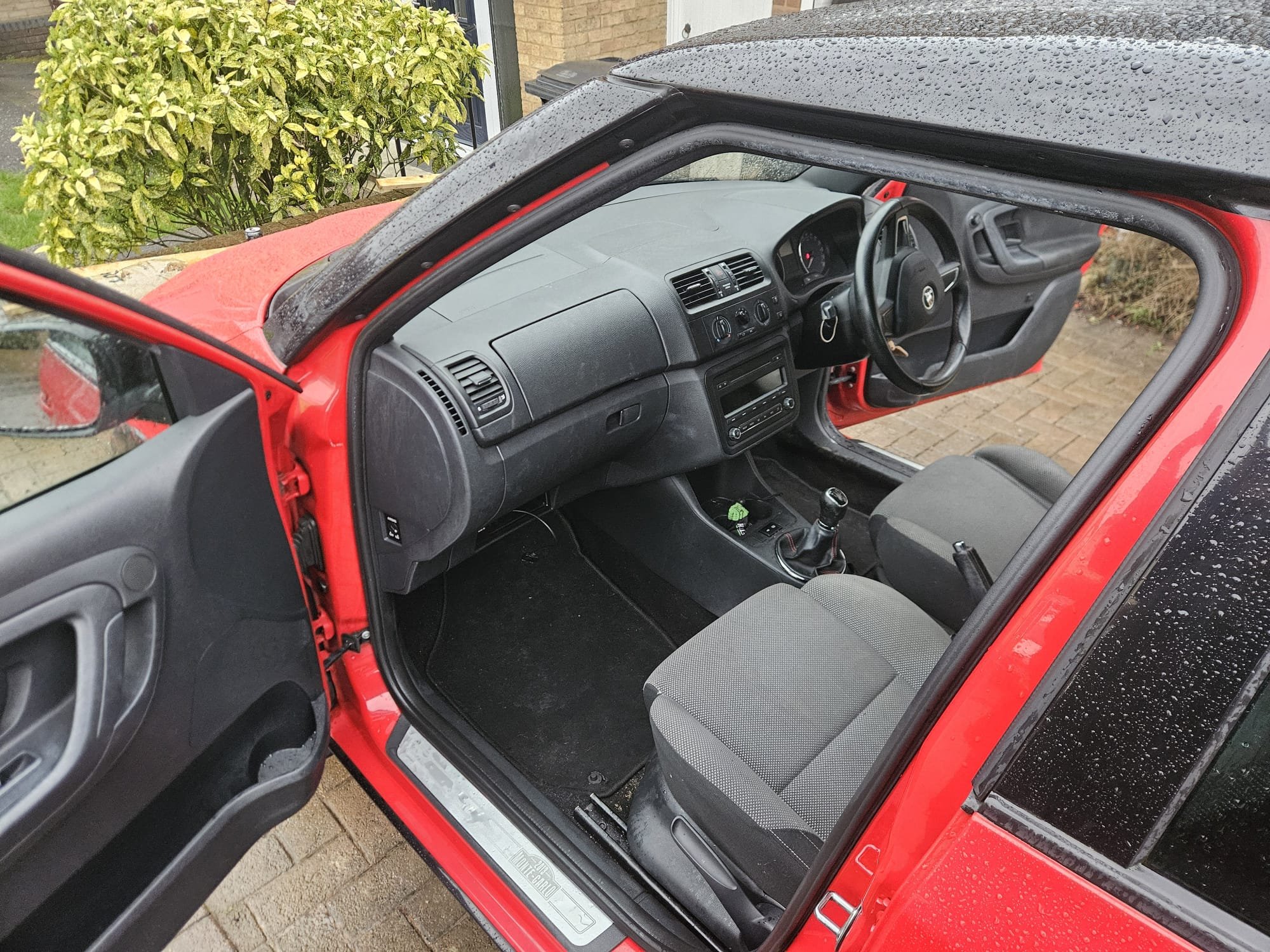
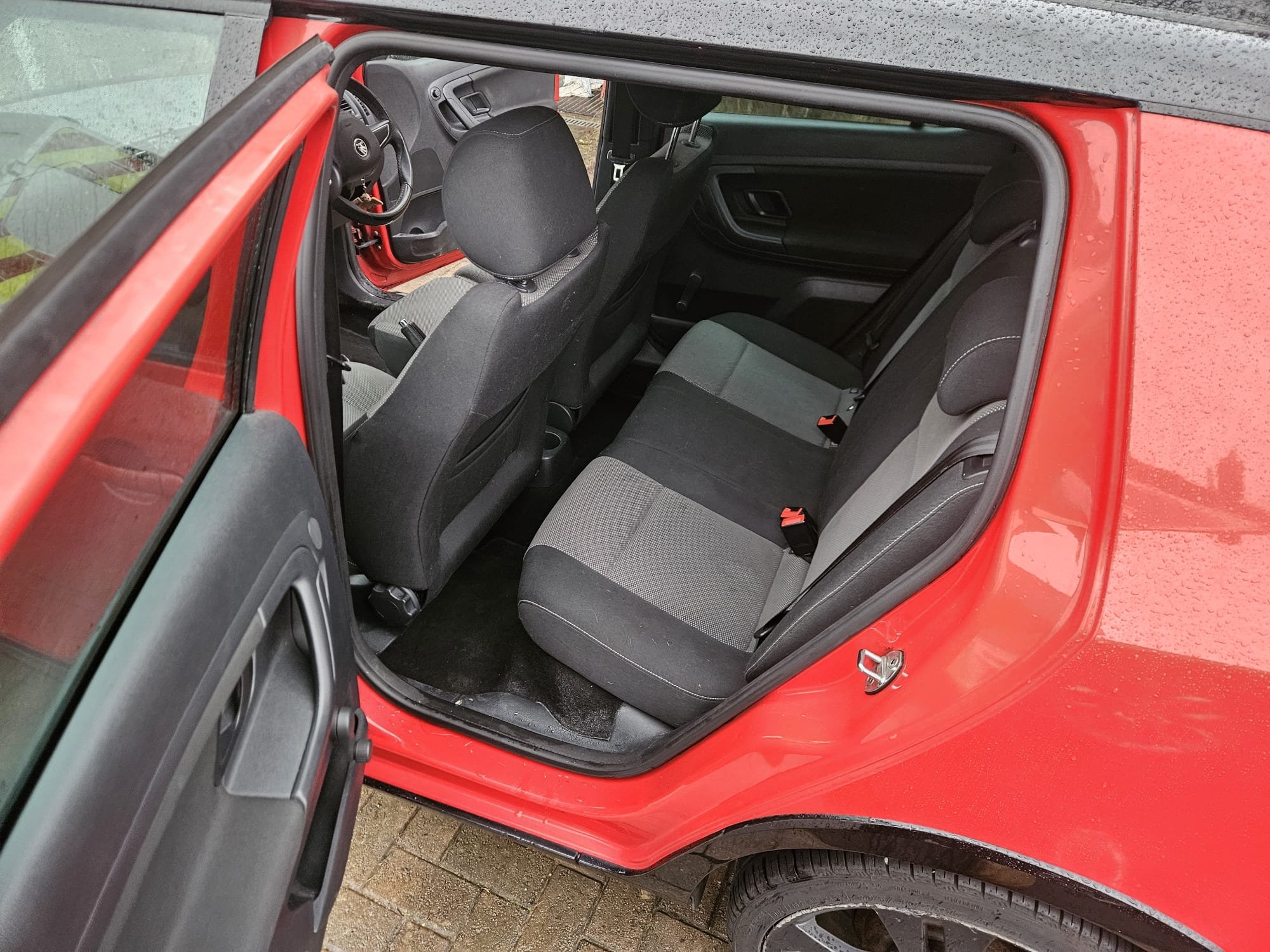
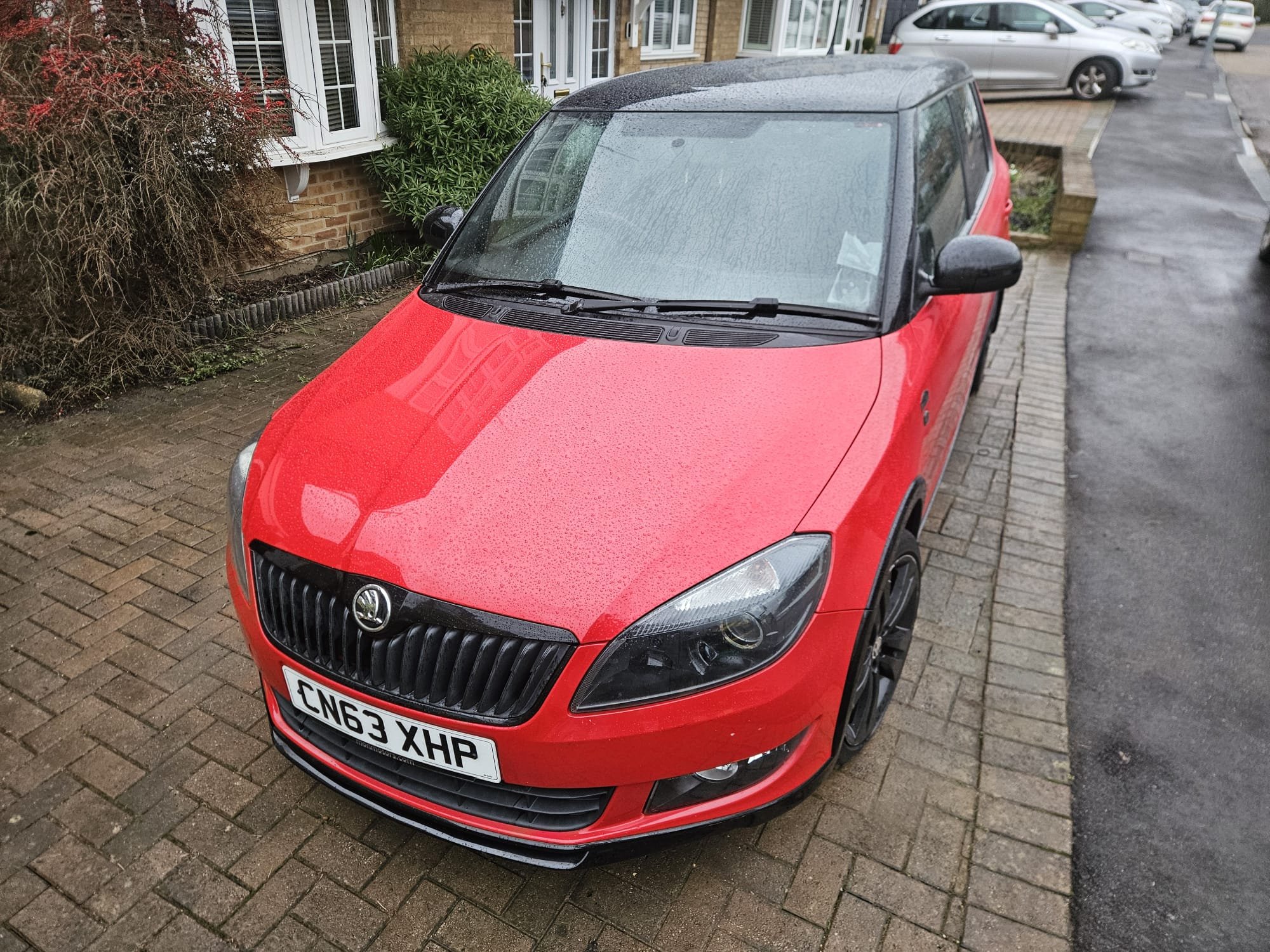
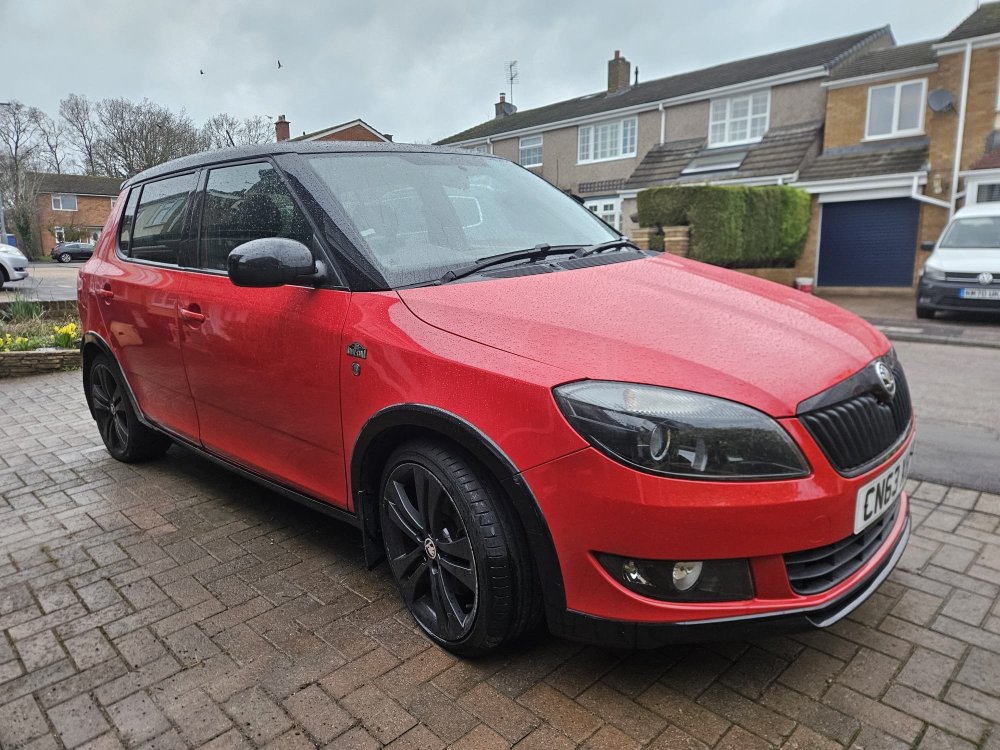
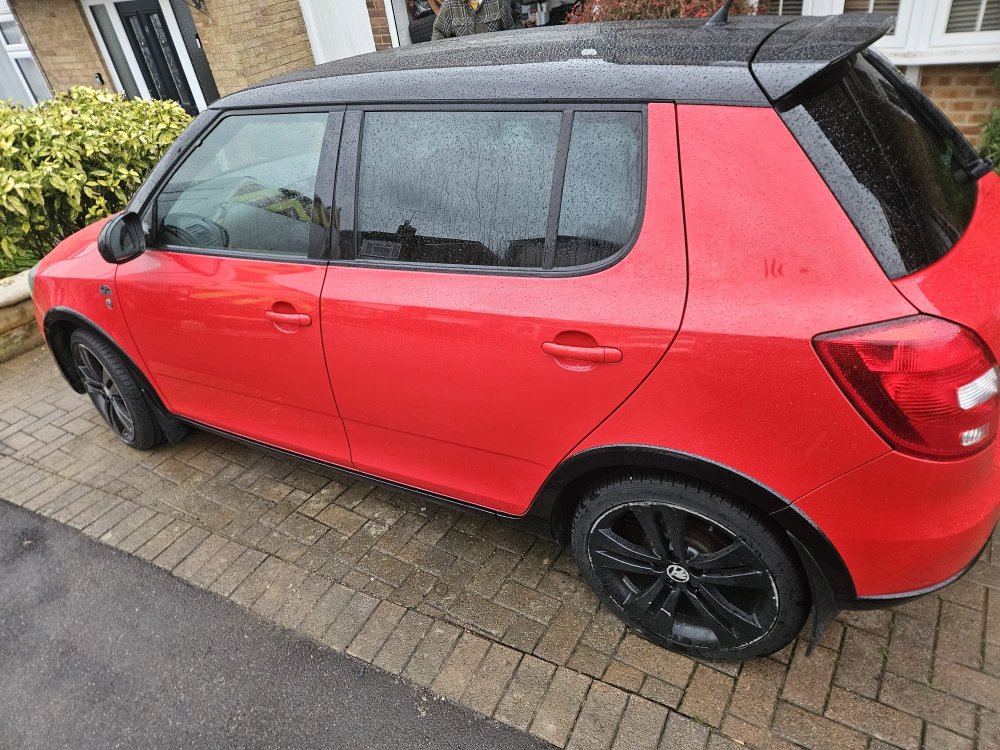
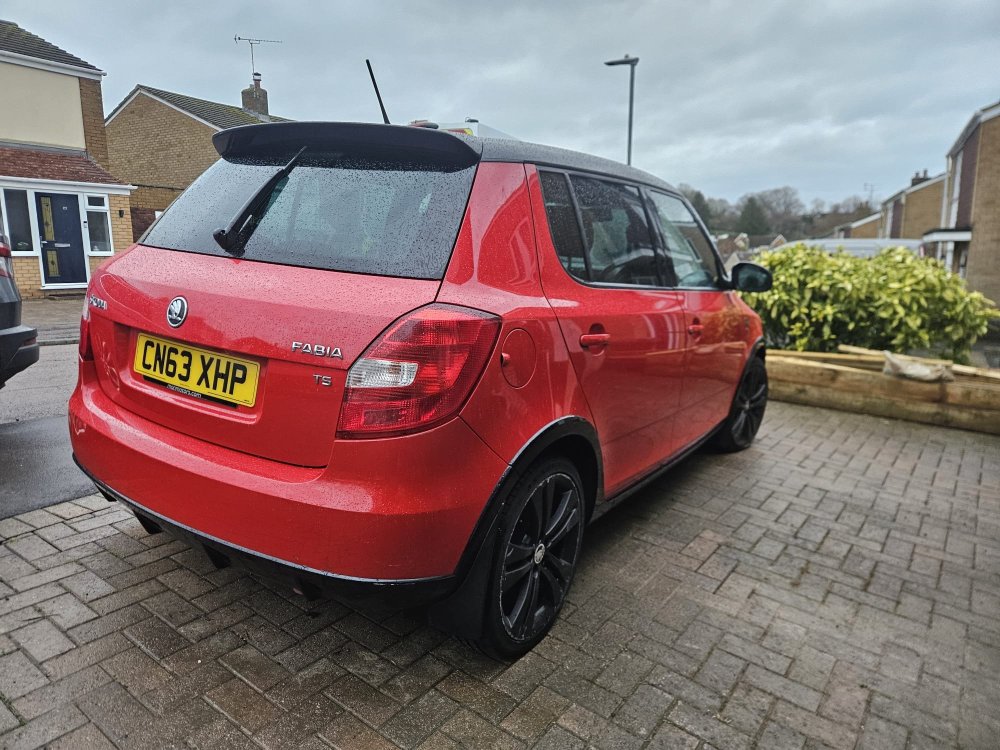
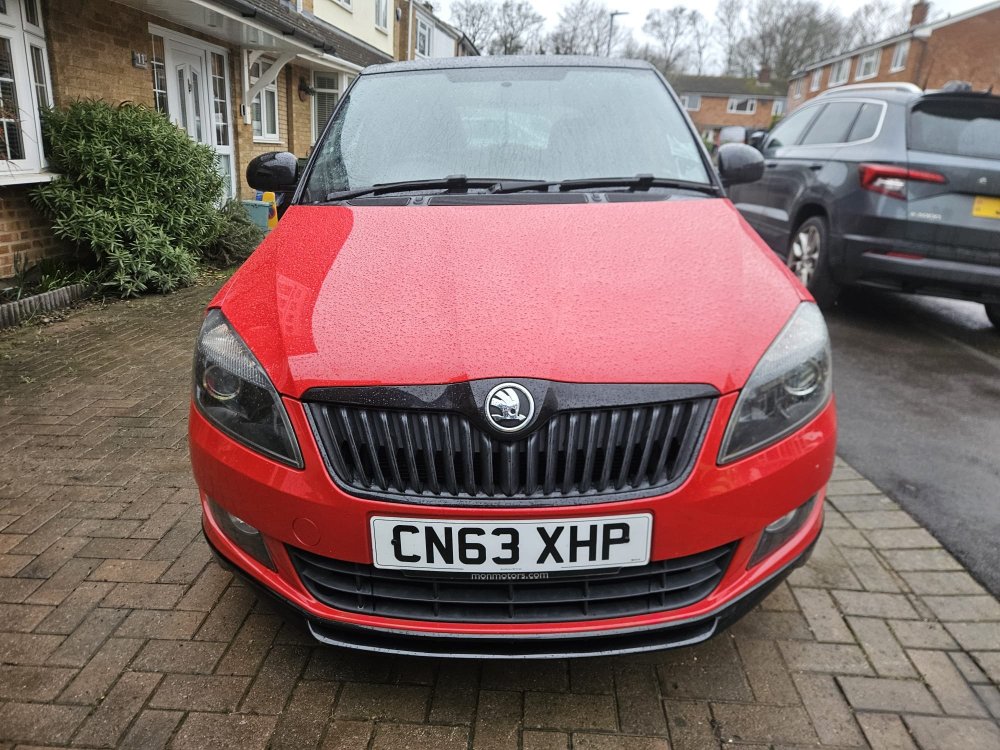
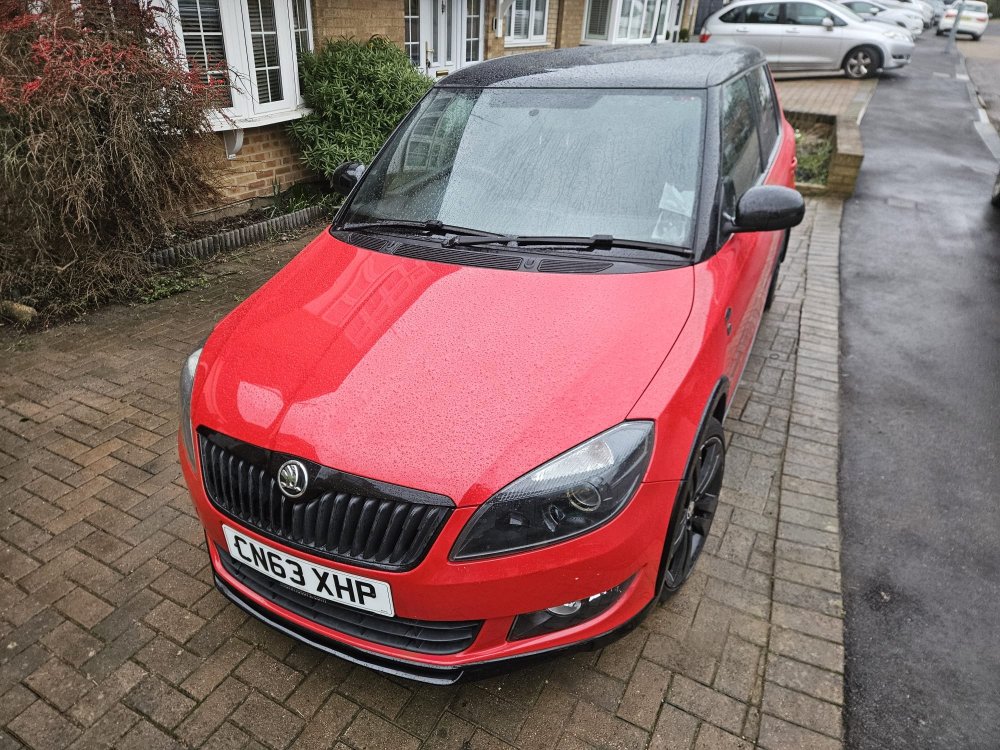
This is my daughters Fabia Monte Carlo that we purchased from a Briskoda member in January 2021 with around 25k miles. It was Cat C recorded in 2017 with front o/s wing and suspension damaged and subsequently repaired to a high standard. I have an image of the damage and the receipts for repair parts. The car has now done around 83k miles and has been serviced annually - with all the invoices present - MOT until August. It's a great car, goes well and is quite economical, whilst having good performance. Generally it is in nice condition - the wheels could really do with a refurb and we have just replaced the coil pack/leads/plugs. She has now purchased a Kamiq SE DSG as she was spoilt by driving my Karoq and Fabia vRS, both with DSG. Price is now reduced to £2350 o.n.o John Thomson Tel: 07860 208007 Car is in Hemel Hempstead, Hertfordshire.
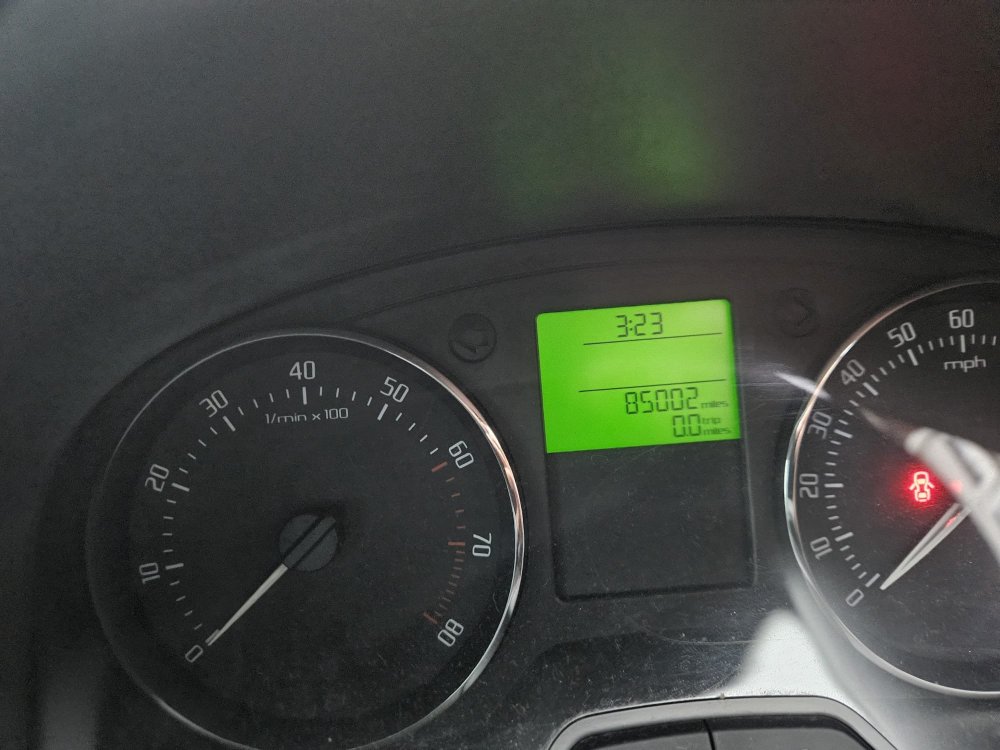
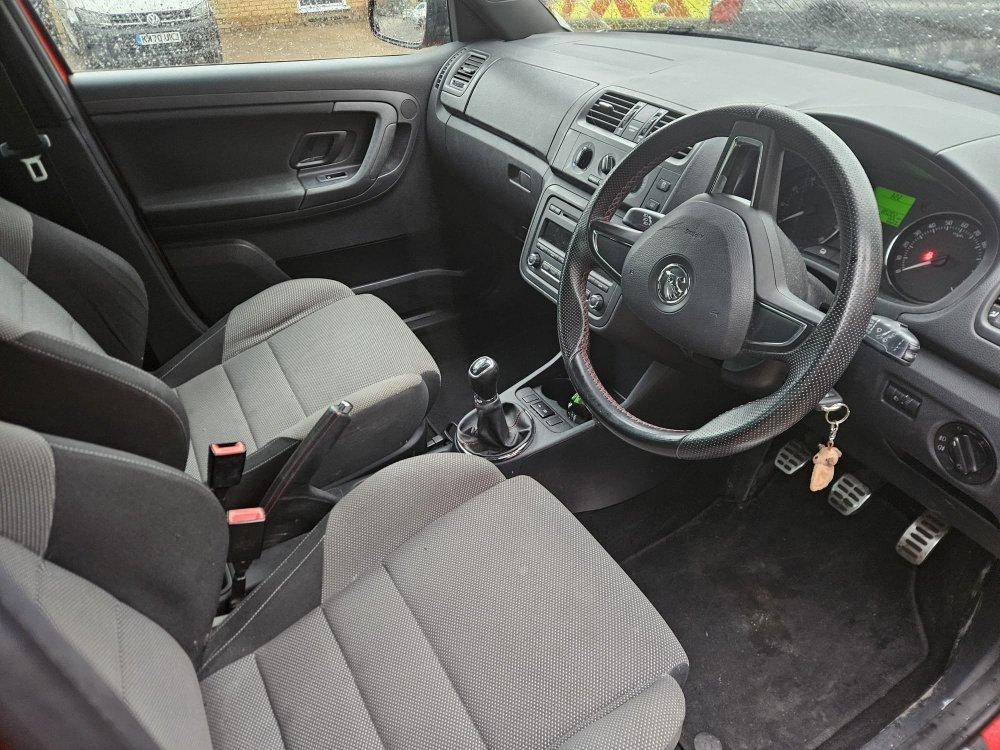
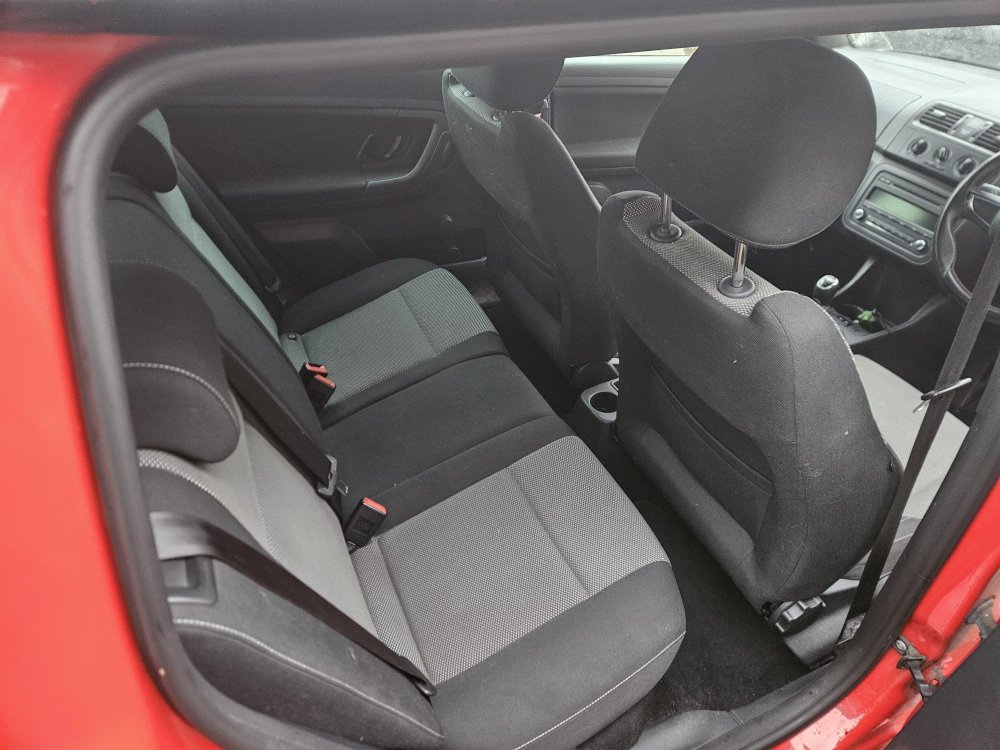
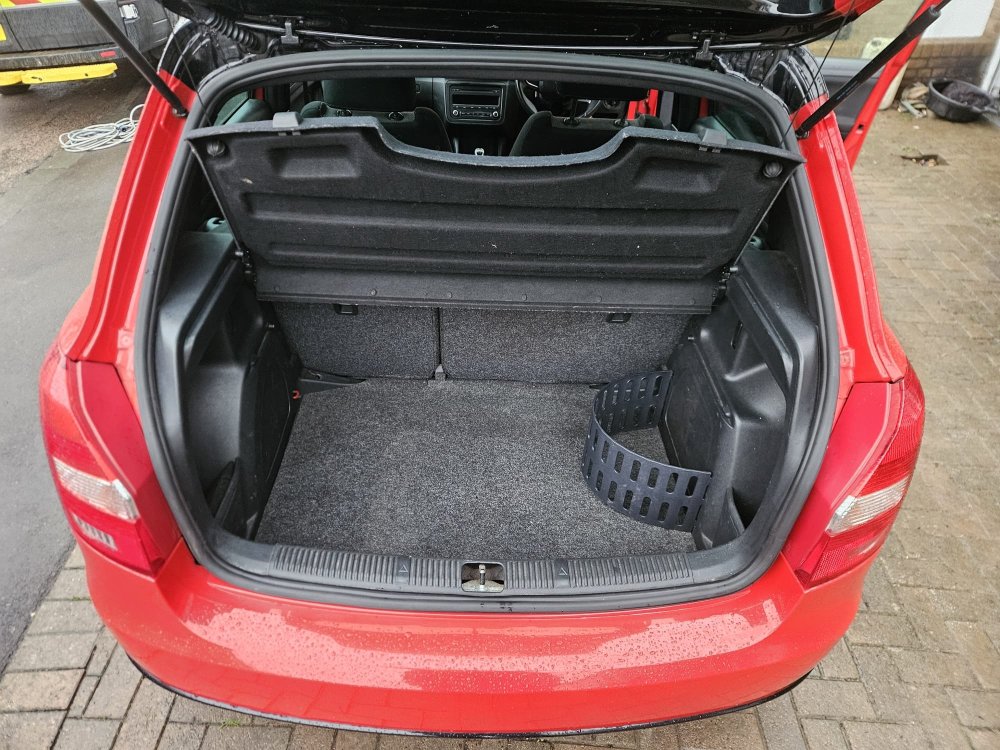
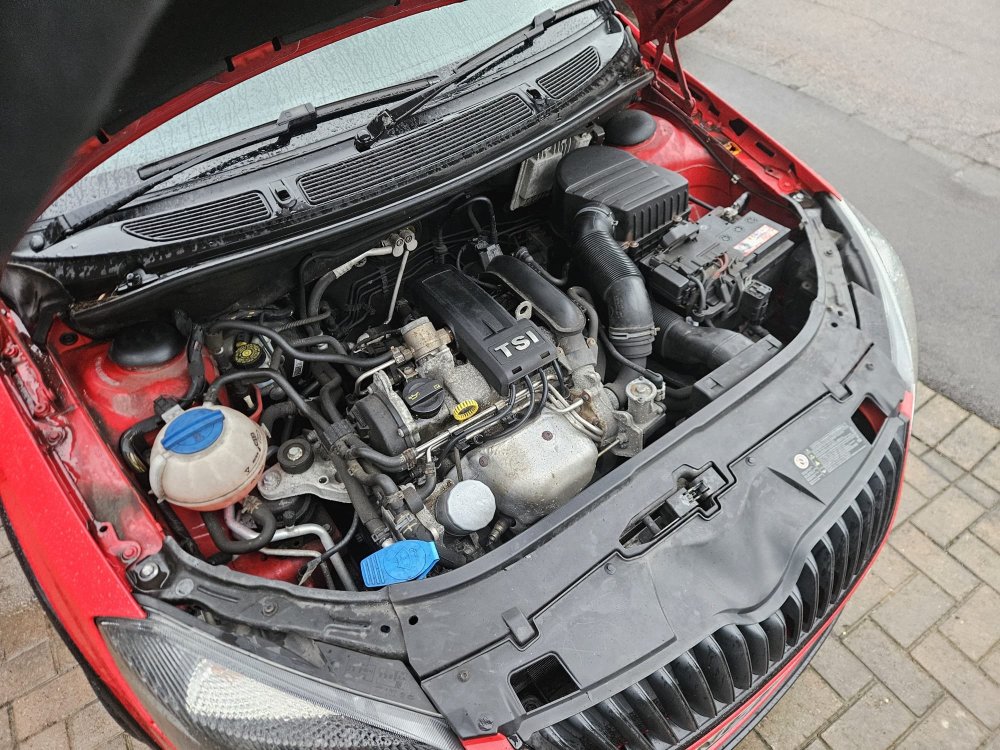
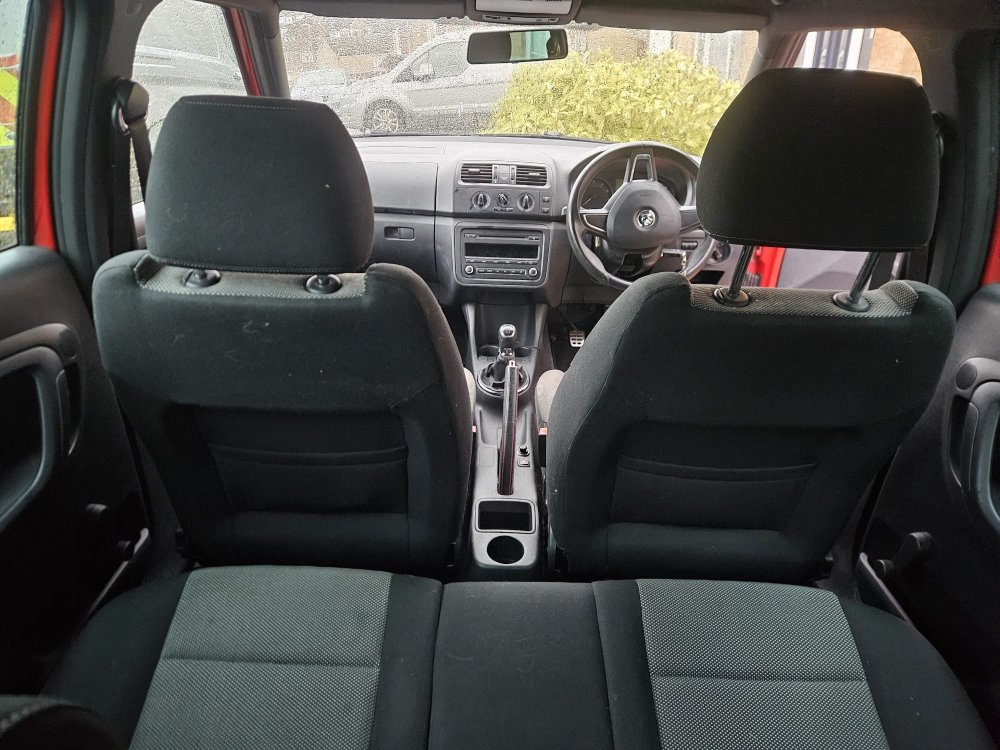
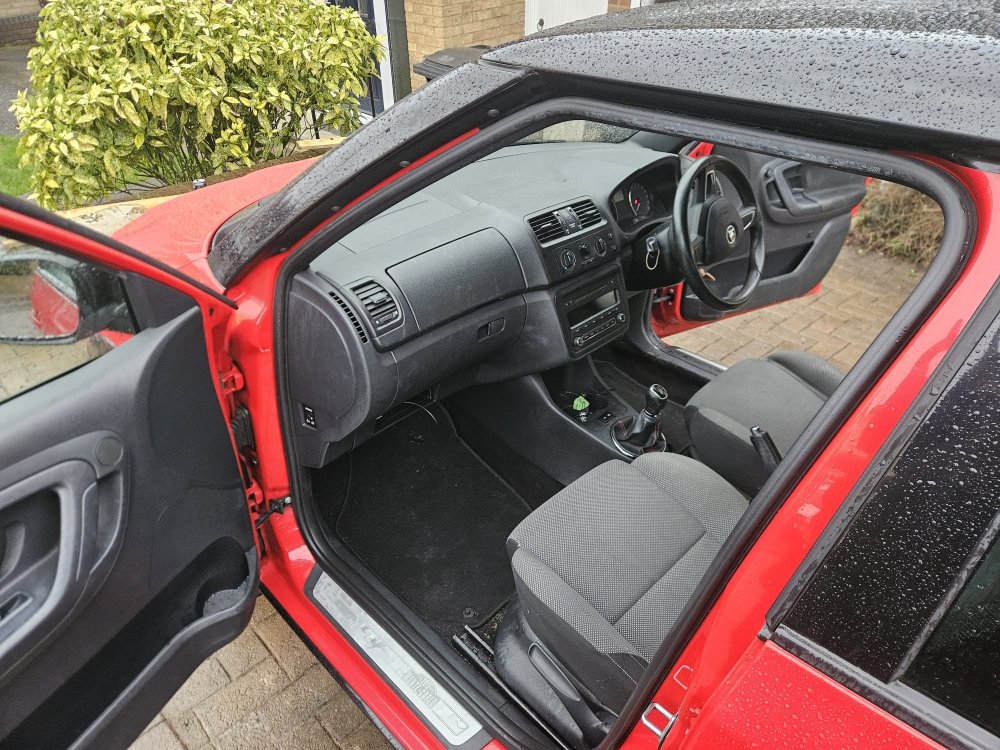
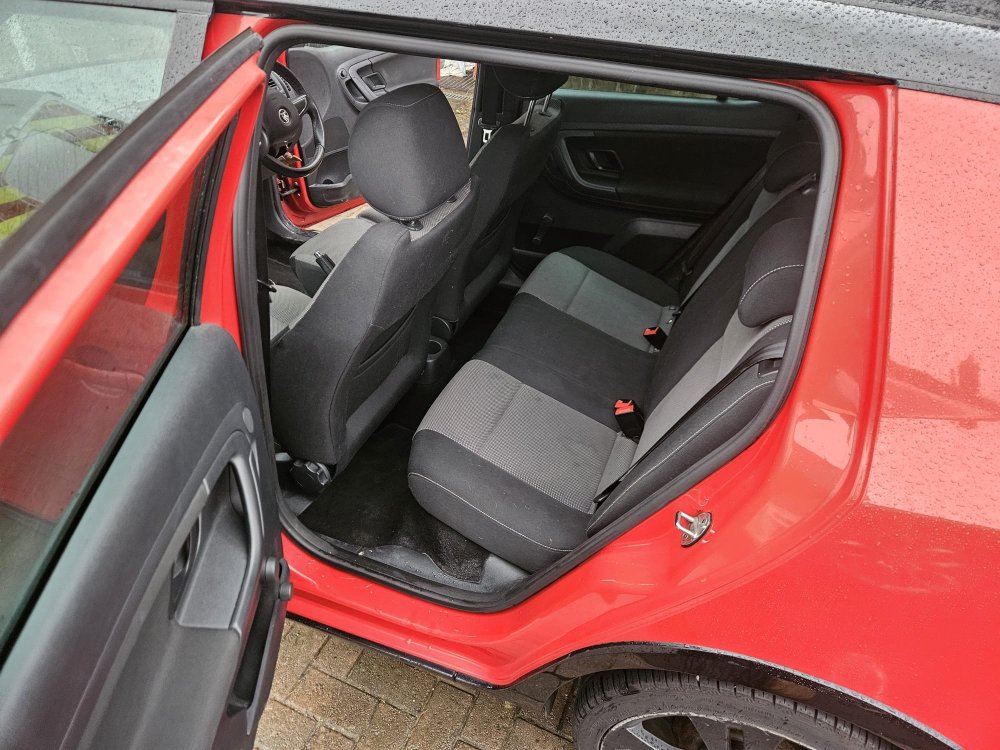
 1 point
 -
Clicking whilst turning and at slow speed tends to indicate a bad CV joint on the front axle1 point
-
1 point50 years ago (when I was unmarried and mechanically reckless with my cars) I used to DIY significant alterations, though always relating to performance not looks. I well recall fitting stronger springs (that buckled the spring compressors) and adjustable Spax damper-units to a Reliant Scimitar GTE that had a rare 'blow-through' turbo conversion. The result was a car that had as much suspension movement as a skateboard, was too fast for the brakes, was positively lethal on wet roads and, as there was no power-assisted steering, every journey was like a visit to the gym. I'm sure I thought it was wonderful at the time...1 point
-
1 pointWell spotted, Tintowellfan! Skoda don't do front mudflaps for the Monte which has the additional moulding fixed to the sill. So I ordered standard Fabia flaps and trimmed them round the moulding using a hacksaw and dremel. Not the neatest fit and there is a small gap evident but, if these modern supercars have large open vents behind the front wheels, why am I worried? Rear flaps are standard Fabia and fit perfectly.1 point
-
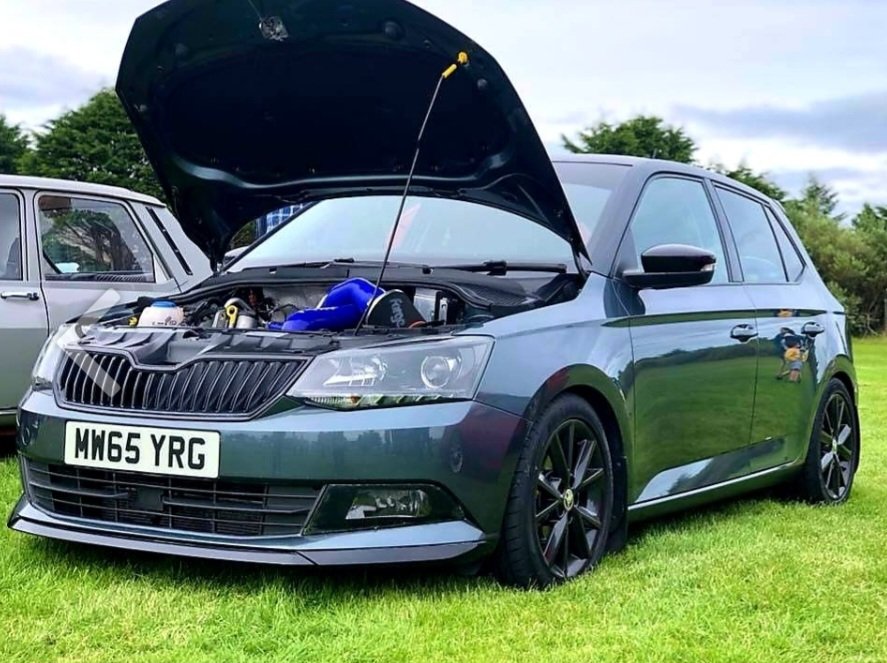
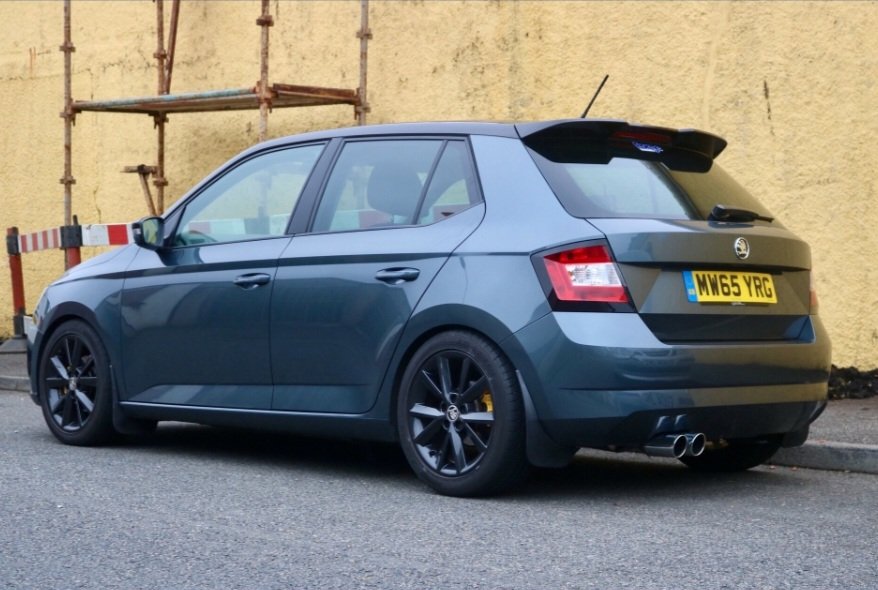
1 pointNo, happy with that, bluntsteakknife. Older and wiser than when I had my Quartz Grey Fabia 3 SE L. Spent a fortune converting it into a Monte Plus - bodykit, rear spoiler, front splitter, 60mm drop coilovers, spacers, custom exhaust cut through the diffuser, induction kit, mapped to 150PS etc. On reflection, too much.
 1 point
.jpg.1edb383bd69e9d8d71024e48680f9be6.jpg)


















.thumb.jpg.f928bd7d68db12db842ffe7f00902e13.jpg)