



Leaderboard
.jpg.1006585dfe4e2977315b67c3d642e37b.jpg)

.thumb.jpg.9dd3f612ba7f13d10be5c518d3c8d255.jpg)


Popular Content
Showing content with the highest reputation on 31/08/25 in all areas
-
4 pointsMany thanks to all contributors that have caused me to really look in depth at EV use, production, servicing, charging etc etc. Elroq ordered.4 points
-
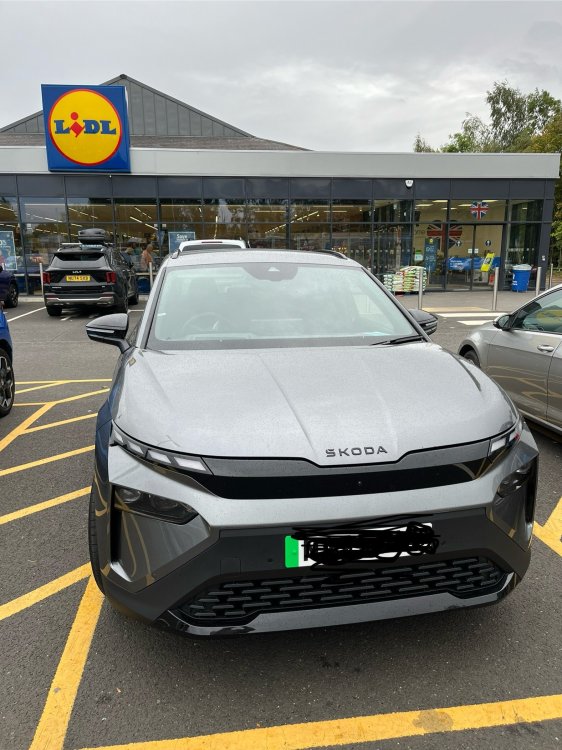
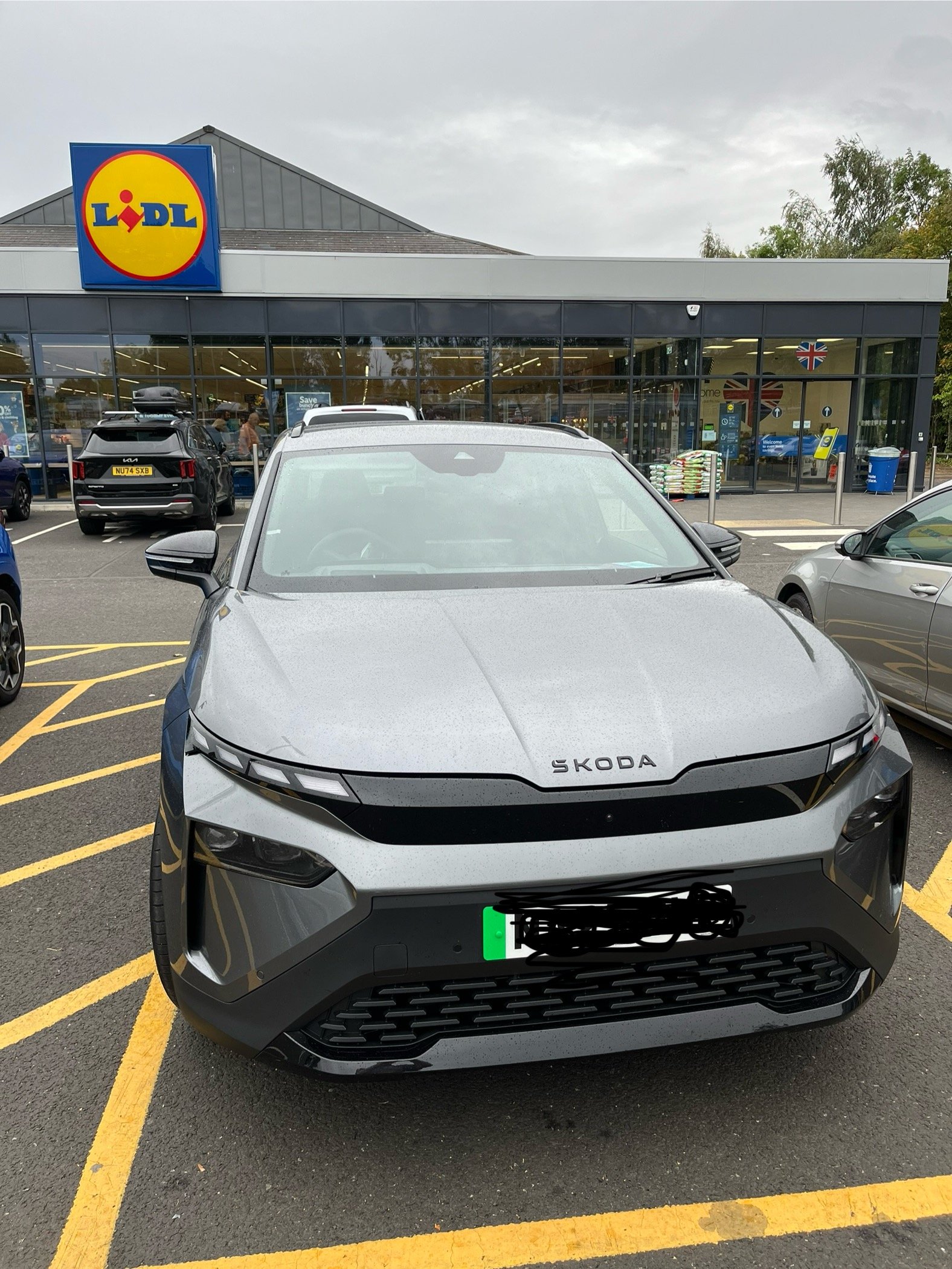
3 pointsMy new baby ........ 85 SportLine Goes like thingywotsit off a stick 😃 Got 3.1 miles/kWh absolutely thrashing the acceleration and cruising at 80-85 on motorway! Looking forward to seeing what I get driving more sensibly 😇
 3 points
 -
2 pointsI've had my Elroq for a week and a half now, so still getting to grips, but figured it might be useful if anyone discovers any tips, tricks or observations. Today I found out that Travel Assist won't knowingly undertake on the motorway. I was in lane 1 @70mph (clear no other cars) approaching someone in the middle lane going slower, the lane keeping/cruise control information window recognised the car in the middle lane and wouldn't get closer than the normally set cruise control distance. I didn't realise that the Elroq doesn't have TPMS sensors fitted to the wheels, it uses ABS information to warn of low tyre pressures. There isn't an icon that lights up on the driver information display to tell you your lights are on. You'll only see a yellow warning if the lights are turned off and the sensors recognise it's too dark out. E.g. if you turn off auto lights. The rubber charging port cover is great at reducing the amount of water getting into the charge port area, this is a separate purchase though but I'd recommend it.2 points
-
2 pointsWell done. Hopefully cheap night time charging will stay for many quarters and years to come. We do need some wallies to buy ICE cars, the hybrid con cars too so they keep paying the excise duty and VAT on diesel and petrol to keep up as far as possible that £25B a year taxation contribution. Hopefully with more and more solar and wind coming onboard for the UK, plus the nuclear, wr will enjoy cheap electricity so we can fill up our vehicles for about a fiver rather than £75. Relaxing driving, traffic light bursting off the lines and the cheaper running costs all great.2 points
-
2 pointsThe Ackerman angle is nothing to do with the steering system as you put it. It is the angle between the steering arm and the "straight ahead" position of the wheels. The Ackerman angle is calculated by measuring the angle of a line drawn between the vertical between the steering joints and the centre point of the rear axle. Ackerman angles apply irrespective of whether it is recirculating ball, cam & peg or rack and pinion mechanicals. See a better explanation here: https://en.wikipedia.org/wiki/Ackermann_steering_geometry If you put spacers on the front wheel without any adjustment to the steering angles, you WILL get uneven tyre wear and perhaps some very odd handling characteristics. Fitting spacers will move the steering centre outwards with consequent tyre scrub when the wheels are off the straight ahead position. Believe me, I've been there....2 points
-
2 pointsI've had an Amundsen for 9 years so I hope I can clarify: 1) You MUST use a Skoda branded SD card. 2) Amundsen reads the maps directly from the SD card. 3) Having 2 map SD cards inserted at the same time can confuse the Amundsen, what I do is buy a Skoda SD card from eBay then quick format it and copy the unzipped new maps onto it. When done remove the existing SD card from slot 1 and insert the new one, and wait for it to be recognised... This has worked for me for the twice yearly updates since 2016.2 points
-
It depends where you live, there are some roads not far from me where some rather angular speed cushions exist. And some side roads where the entrance has a speed cushion (whole side road width), built up to level of kerbs and footpath. I have seen many a lowered car scrape these, so personally would like bit of extra wheel travel without hitting wheel arches, or ending up with scraped underneaths. But if vanity and looks of large rims and slim sidewall tyres are more important to you, rather than practicality and how it deals with potholes and bumps, then that is your choice.2 points
-
1 pointHello there. Freshly downloaded. Take a piece if you need ;) https://1drv.ms/f/c/d868f7f8e8ece8e8/Eh7N58_7gyZCtogSIt8kgisB4ZszuIGLrZTSSsdabNOtZw?e=5mWfuG1 point
-
A long shot, I seem to remember reading somewhere that you can adjust the headlights via the infotainment thingy so they are adjusted for driving on the other side of the road. Am I making this up or is it possible. Thanks Chris1 point
-
1 pointI think as you do more of a stop/start style of covering the miles I would swap to fixed servicing.1 point
-
1 pointNew Skoda's have been set to variable (or longlife) servicing since they were new for quite a while now, this 'longlife' service is recommended for people who tend to do longer journeys of say 25 miles or more a day. The longlife service is every 30,000km (or 18,600 miles). If you do mainly shorter journeys you can change to fixed (or annual) servicing, so every 15,000km (or 9,300 miles). It sounds as if yours may be set to the longer service period, but if you prefer get it serviced more regular ask the dealer to set it to fixed servicing routine.1 point
-
Hello, welcome to the forum. The clutch pedal fault is fairly common and is not specific to the Karoq. The issue is caused by a faulty master or slave cylinder. The single master cylinder reservoir serves both brake and clutch cylinders, with the clutch feed take-off being higher up the cylinder. Depending on whether your slave cylinder is a concentric one, it appears to be recommended to replace the master cylinder first.1 point
-
Greetings good people of BRISKODA-forum! I have recently bought a 2015 Skoda Octavia 1.2 TSI, this is my second car 😄 I didn't do much on my own with my old car, but I would like to use this car as an opportunity to become a "hobby-mechanic" and learn to fix and maintain it myself as much as possible. Therefore I thought it would be a good idea to join this forum 😊 Hope to learn much here, and eventually contribute with my own knowledge (when I get it 😅).1 point
-
1 pointIn light of my recent experience https://www.briskoda.net/forums/topic/534350-epc-light-no-stored-codes/ I am going to buy a VAG compatible code reader. My main purpose will be reading codes / live data to make me an informed purchaser of garage services, fixes on the road and a bit of home maintenance though my classics come further up the pecking order for that. I like ODBEleven's mobile compatibility but is there a must have feature in VCDS that I will come to miss? Or are there any other systems I should be considering. Thanks in anticpation of your responses. Jeremy1 point
-
1 pointI renewed my Instavolt App / RFID so that is can get the 54 pence a kWh 8pm - 7am if i need to Rapid Charge the MG5 before going away from home and i have not time to charge as much as needed Offpeak or Day tariff @ home on the 3 pin cable. The Angus Council chargers are 50 kW max and 60 pence a kWh and i would use if needs must day time.1 point
-
1 pointKemi Badenoch wants drill baby drill. UK Fuel security by getting out every bit of Oil & Gas from the North Sea. To be sold on global market and none processed in Scotland since Grangemouth refinery has closed. Somehow she thinks the Decomissioning planned for rigs will be put on hold. The demaning already underway stopped. Maybe She or the C&U Party are looking at extra funding from those OIL & GAS Corporations from the USA that have the UK,s best interests at heart. She wants the TRANSITION to renewables put on the back boiler. To be restarted when they know it is too late and the UK,s lights are going out. @lol-lol There are those in Scotland against Pylons, but that is because really they are there to export the electricity. Some how the crazies in England are against the new pylons. Cut them off then. Charge treble tariffs where there are hold ups in improving the National Grid for their area.1 point
-
1 pointOh come on now, only on Tuesday you was saying :- Lol-lolTuesday at 00:46 comment_5964128 If one can then it is good for both businesses and the government ti sometimes overpay. If we all take a scrimp policy then government would not be able to afford pensions, state and public servant ones, which are paid out of the ongoing public purse and not a put aside pension fund. I want to spend money freely, pay heaps of VAT to go in to the public purse. Usually on productive items like more solar panels and batteries which can save me money but occasional luxuries especially if it is employing young people who safly will not have tge kind of life most of us in our twilight years due to the decline in the UK since WW2. Costa gave one of my daughters lots of work through here degree time. Trained Barista, oddly does not drink coffee or tea. Think it was Aldous Huxley in Brave New World who praise consumption ad necessary to keep the world economy turning and people employed and governments collecting revenue and as an ex Revenue Collector I can go with that. Now you're being the Ebeneezer Scrooge whatever happened to you wanting to spend money freely and pay heaps of VAT to the public purse etc? OK, who are you and what have you done with real @lol-lol and please can we have him back safely 😉🤣🤣🤣🤣🤣1 point
-
1 pointI had this issue with my Octavia (a few years older than yours though and so not affected by modern "driver aids"). The cars position was showing half a mile to the left of its actual position. I bought a GPS antenna for about a tenner and installed it top left of the widscreen and no probelms since. As your car is a lot newer I guess you aren't so keen to start the DIY route over something that the dealer should fix though. 🤔1 point
-
1 pointIf Skoda get it right with the Epiq & the medium sized EV estate that will be great. (The Eventulaq Estate.) They just need more Dealerships with Trained EV technicians. Maybe they could have a School Leaver Apprentiship scheme where Tech Savvy teenagers have to leave their Smart Phone in their locker and learn mechanics and Software . Put in a fair days training and work for a fair wage. Full training on the new Tech maybe from a Journeyman that is also fully trained.1 point
-
That's totally a fashion thing that goes back decades now but if that's your taste then it is your car and your money you are spending. If the car is new and unused it will sit prouder than an older worn car. The wheels and tyres are oversized for fashion going back decades too, even for (over) heavy VW cars, but again if anyone wants oversized wheels and tyres they are available as factory standard. The style and size of wheels will also alter the appearance, as will colour and colour contrast to body colour, restricted with a white or black car. How heavy are you and your passengers and what you will carry in the car as that will to some extent lower how the car sits. How the car rides and handles and the comfort are a different matter. If you are somewhere that gets a lot of sticky snow or mud you might value the tyre to wheel arch clearance more. You need to ask the selling garage what exactly the difference is in suspension for your €150 extra do not make assumptions, is it just 15mm lower or are there also differences in the suspension parts, hopefully (but not always) improvements for your use (many "improvements" turn out not to be better). Good luck.1 point
-
Autocar India says: The octane number (RON) of gasoline represents the fuel’s ability to resist knocking. A higher octane is more resistant to uncontrolled combustion or detonation, which is a key characteristic demanded by high-compression engines. Most mass-market cars, typically using naturally aspirated engines, are calibrated to work reliably on the default petrol available in India – 91 octane. However, gasoline direct injection (GDI) engines, such as the VW Group’s 1.0 TSI, 1.5 TSI and 2.0 TSI, Hyundai’s 1.0-litre GDI, Tata Motors’ 1.2 GDI, and several luxury cars tend to benefit from a minimum of 95 RON fuel. The higher octane number offers better combustibility in these high-compression engines, which also get the requisite ECU programming. When subjected to gasoline upwards of 95 RON, these engines adapt the ignition timing to offer 3-5 percent better power and fuel efficiency compared to when functioning on 91 RON fuel.1 point
-
Exactly right, little slot just above for it to clip in to. Easiest fix so far! I was expecting a component that it needed to be plugged in to. Sorted now 👍🏻1 point
-
1 point
-
1 pointAlmost certain that the cam sensor fault will be caused by the cam timing going out of sync - original sensor was probably not faulty. I'd suggest the priority would be to get a mechanic do a visual check of the valve timing.1 point
-
1 pointCant see the crank sensor making any difference to compression. If theres zero compression on two of the cylinders it as said sounds like a valve problem or perhaps a catastrophic head gasket failure between the two pistons or the timing chain has jumped and you have bent/damaged valves. Try the third and see how you get on plus try it again on the other car just in case the tester is faulty. Even if you have a poor seal at the sparkplug opening I would assume the needle would move slightly. Alasdair1 point
-
1 point
-
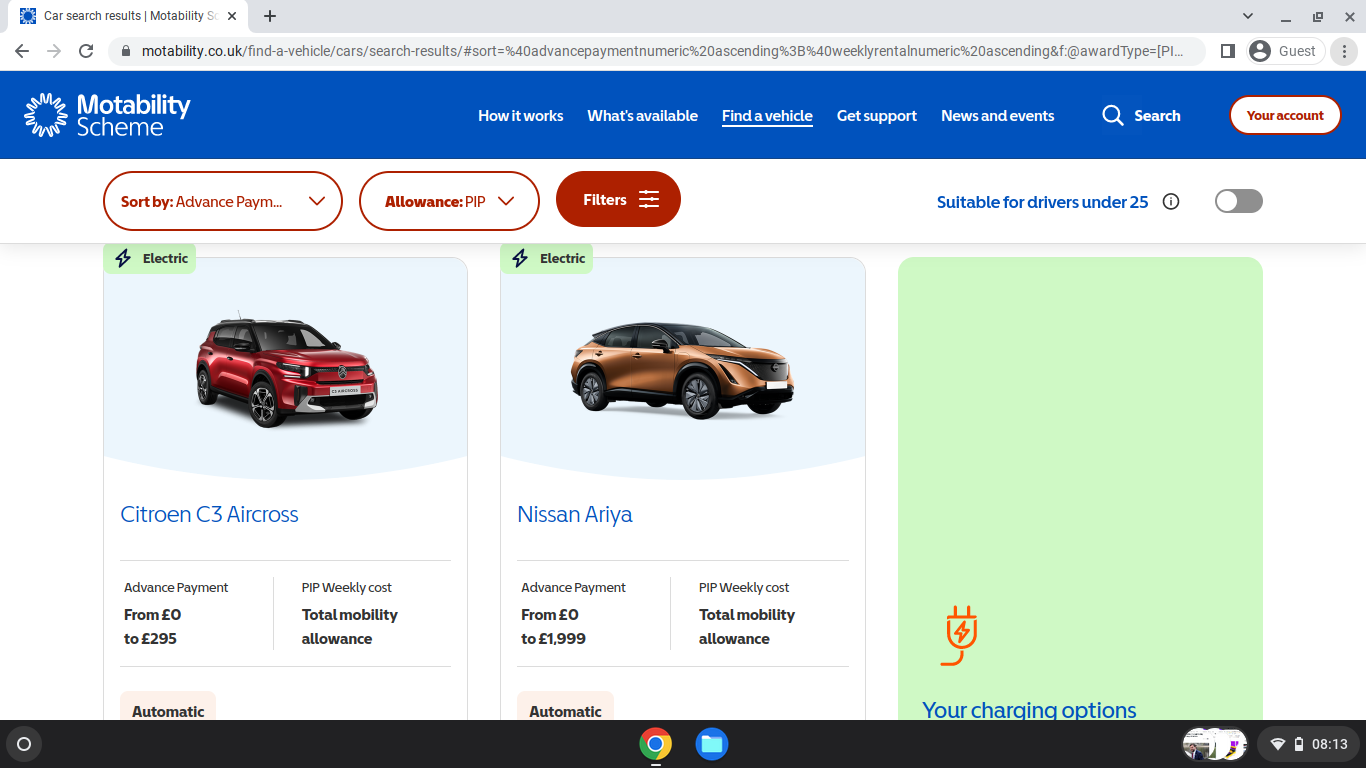
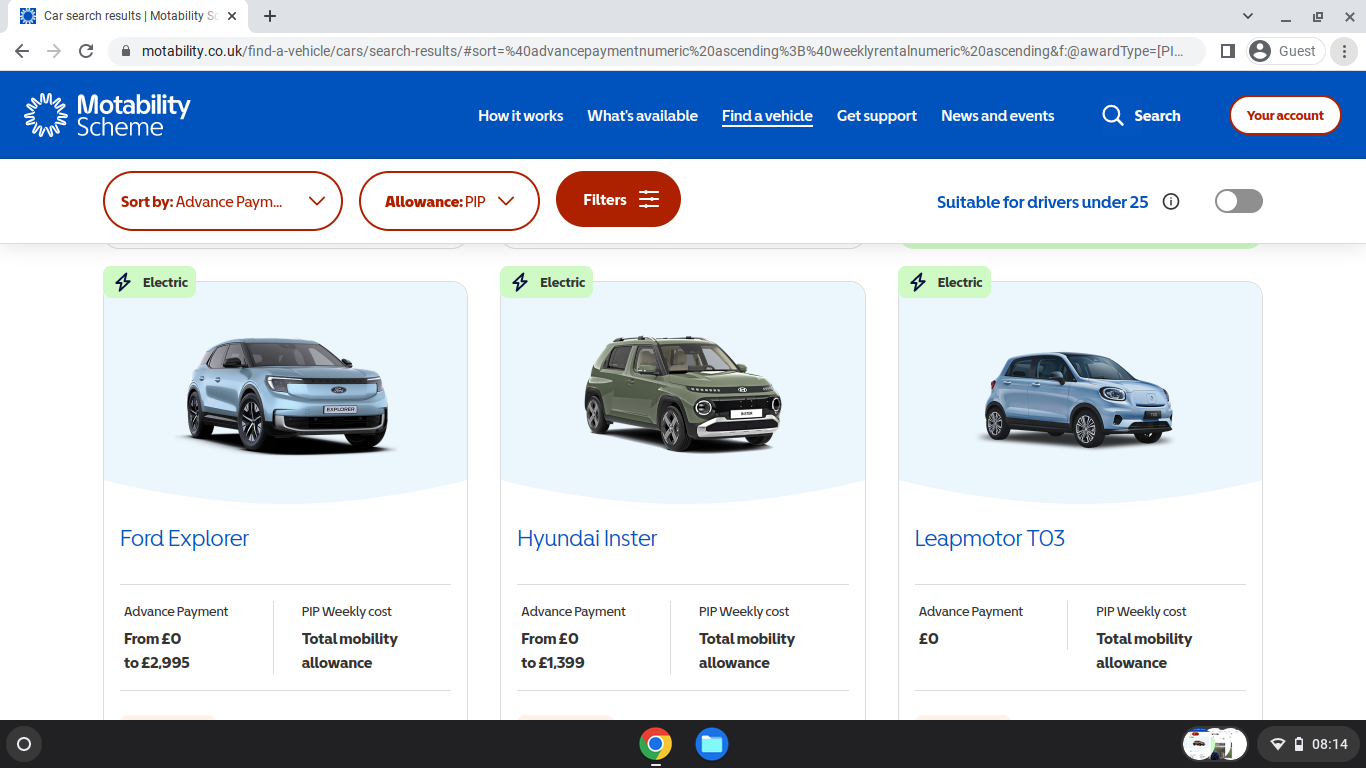
1 pointYes it is just DATA. & he can talk as much nonsense as anyone. Because he sees 150 EV,s in a day is no indication if there are 15,000 or 50,000 first registrations in a month and all are now out being driven. There will be Fleets / Hire car companies getting NEW Cars delivered and the Used but nearly new going on sale, to Auction etc. Sitting not selling someplace as New ones are a better deal for Private Buyers... "Now here is the thing." All these NEW Chinese Brands Authorised Dealers are opening New lots / Bits of the Dealership area. So the Stock is coming in. The Demonstrators, the Media / Press cars and Orders. Some to be Leased / Lent out cheap to be seen out on the roads. Bright colour ones often. MOTABILITY with it Hundreds of Thousands of people leasing cars are getting Nil or very low Advance Payments offers on these New Chinese Manufacturers EV,s and ordering them and getting deliveries now. "Now here is another thing." He knows just fine that 'Just get a TESLA is based in Scotland, so why act like at total muppet having to pretend he does not know. 'Lots of models do leave Distribution Centres on 'Hand Over days / slots'. Watching others Youtubes is part of a days work for Youtubers, Self Employed VLOGGERS. Acting daft seems par for the course.1 point
-
Unfortunately I have no firmware for this unit :(1 point
-
I did the conversion 5 months ago and the screen was 240 euros. I bought it from rrr.lt and I recommend you do so, bought several parts after that and all were ok and they were very cheap. After that all you need is a FULL SIZE SD CARD. Do NOT use microSD with adapter as I tried for the first time as I f*cked up the gracenote and had to reinstall it after. Good luck! If you need more info I can help you1 point
-
1 pointI used to have VCDS at first. Used it for a couple of years, but sold it as I only had 3 car user license and wanted to help others with coding, but couldn't. 5 yrs ago I switched to OBDEleven Pro, with lifetime warranty. No yearly subscription. Being using it since then. I only do long coding or adaptations, no one touch apps. I can do the same things using OBDEleven that I could with VCDS. Very happy with it and no regrets. The one thing I miss from VCDS is that the CSV extracts of the admaps and blockmaps are much much better and easier to deal with. The OBDEleven extracts r hard to work with.1 point
-
1 pointI’ve always put regular diesel in and some additive now and again. It’s probably in my head, but in my last car. It always sounded like the engine ran quieter on a tank with additives in and the mpg on the dash always tended to be a tad higher. With the ad blue stuff. I’ve seen that it breaks up any crystallisation. I can see the argument with diesel additives being “snake oil” as what feasibly can a 200ml bottle do in 60 litres of diesel. But I think it’s highly reasonable to think that an additive in ad blue can change the chemical state of the fluid to be more stable. However I’ve also seen some reviews saying it’s caused issues. I’ll take the advice on here and leave it be. I see no point fixing something that’s not broken.1 point
-
1 pointAbsolutely, the 'additive' market is as profitable as the vitamin supplement market. Both unnecessary, and promoted purely by the manufacturers, creating a need where none exists,to sell the solution.1 point
-
*board room circa 2005… “So our mk2 Octavia is ready to start production” “Is there much leftovers from the mk1 production?” “Probably another 10thousand shells and all the panels, trims etc. we’ve thousands of engines left over too” “Hmmm… seems like a waste…” “I know, let’s just build em anyway but only sell them to taxi drivers until we run out!” *board room circa 2010 “So, we started our mk2 Octavia Face Lift sales last year.” “Great” “Oh and we finally ran out of mk1 parts!” “Thank Jesus. Now start designing the mk3 version.”1 point
-
1 point
-
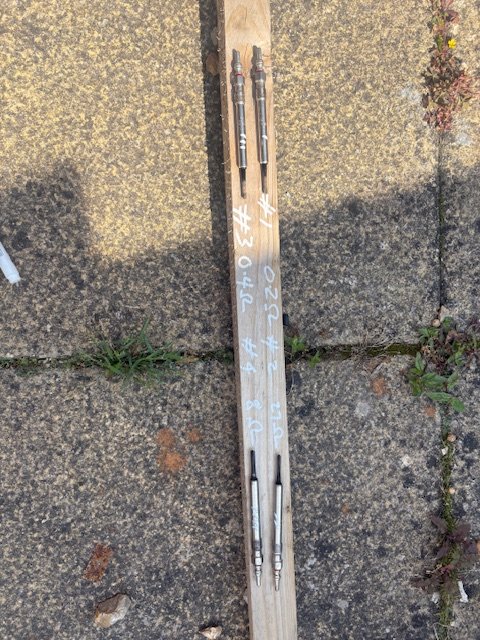
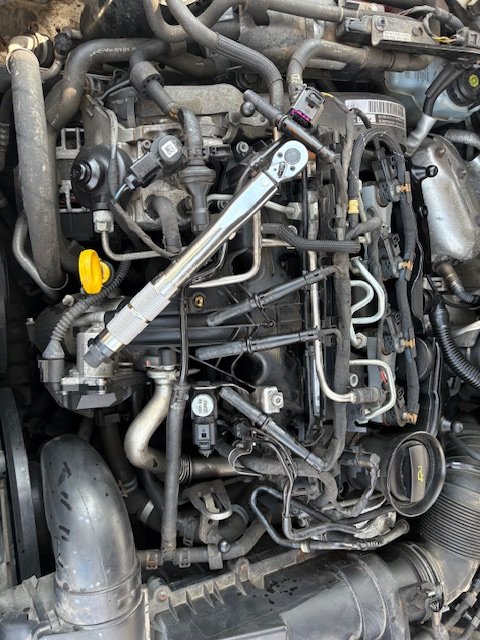
1 pointWhilst fixing an ABS wheel speed sensor a week or so ago, I noticed that Carista reported an issue with the glow plugs on cylinders #2 and #4. I hadn’t had any problems with starting, but then it is summer and I’d fitted a new battery last year, but I decided that for the small cost (£37.70 delivered) I’d fit new glow plugs. This was a fiddly rather than difficult job. First one needs to remove four T30 screws that hold down the fuel pipes that run over the glow plug wiring, then open the plastic conduit that carries that wiring with a flat blade screwdriver to get sufficient play in order to pull up the plug caps. I used a pair of long nosed pliers to gently pull up the plug caps as the wires look quite delicate. With the wiring lifted up there is just enough room to remove the plug caps - #4 is particularly fiddly. I vacuumed the cavities before undoing the glow plugs, then used a long 10mm socket to remove each in turn. Some of the threads were a bit squeaky, but a bit of WD40 spray helped. The new plugs were easy enough to re-fit and torque up to 18 Nm. Of the old glow plugs, the impedances of #2 and #4 were clearly out of tolerance; #1 and #3 were fine, but I changed them anyway. Carista reset the fault and everything is fine. Hopefully I won’t have to do that job again for another 95,000 miles.
 1 point
 -
1 pointGPG antenna is in the shark fin on the roof in the rear. ACC applies brakes according to the sat nav data, you can turn it off completely in the ACC settings so you will not get surprised while driving.1 point
-
1 point@Z-man Odd, try emailing [email protected], although they weren't much use when I had issues with the app.1 point
-
This is probably one of those rare times when I registered on a forum just to say thank you to the person who came up with the idea of flipping the connector. It’s just freaking incredible! In two minutes, the sound in my Superb iV completely changed. I don’t even know what to say. I stumbled upon this forum by accident while looking for ways to improve the stock audio. Thanks again!1 point
-
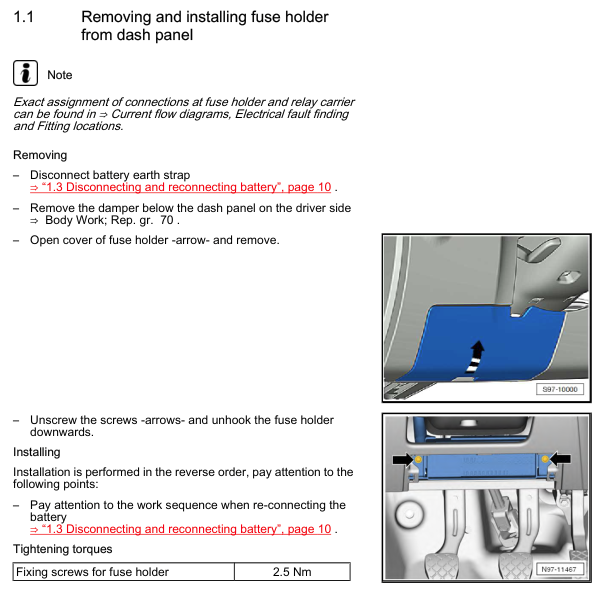
Looks like the fuse panel has to be completely detached
 1 point
 -
End of an era indeed. Healthy old mileage too 👍 It’s ten years since I replaced my 2005 Mk1 with an Octavia Mk3. Hope the new one does you proud. Gaz1 point
-
Yeah, brake servo is the main suspect now, especially since the noise disappears when you fully press a brake pedal.1 point
-
Hello, I wrote to <email address removed> waited a long time, but today I received a response from <email address removed> that: We have considered these new logos in our next update version v1.31.58 and you can download them from 21-May-2025. I hope there will be an update from Skoda. @vegarz you helped me update, I hope there will be a new update here too 😄1 point
-
1 point
-
1 pointI was just looking for the same thing. Kinda. I have the same device number as yourself, but I just want to use Android Auto, so will need new hardware, but I'll be damned if I can figure out the 'simplest' route.1 point
-
Someone who knows more? Must be another mechanic 😆 Many mechanics will (believe they) know more than anyone else and trot out no end of memorable lines like that.1 point
-
Na, bin the wipers off. The more challenging drive will force you to slow down further saving fuel. Re. the mud flaps, everything adds up. If going to the effort to add extra undertrays then the flaps will be a contributing factor.1 point
-
1 pointThere is a video on Youtube by a guy in NSW who replaced the bearings in a golf allroad which is AFAIK identical to the Octavi Scout. : My Mechanic has been over it with his stethoscope and reckons the noise is the Drivers side carrier bearing. Exactly what is shown in the video. He has queried his usual transmission and diff guys about a rebuild and has done a search on parts locator. He thinks he has found one with low Ks. Will let me know costs Monday. Much simpler to remove replace rather than have the car sitting around without a diff while the rebuild is done. The bearings mentioned in the discussion with this video are all listed by aussie suppliers. Actual availability could be a problem with COVID supply chain issues.. And the special double sided seal on the pinion between the Haldex and the diff, which was not replaced in the video, could be a deal breaker for professional workshops. Seems the filter screen on the pump had not been cleaned when my Haldex oil was changed before Christmas. When he removed the pump the screen was blocked. Has cleaned it and replaced the pump but there are still open circuit errors on the pump motor reported by the diagnostics. Hydraulic pumps do not like running with no flow so the failed motor is probably no surprise. So at the very least I need a new Haldex pump - $319 at VAGParts. Seems the Haldex should have its fluid changed and the screen cleaned every 30000km Mine has only been done twice in 160000 km! with all Skoda service history and info online it is not always easy to work out the service schedule. Trevor1 point
-
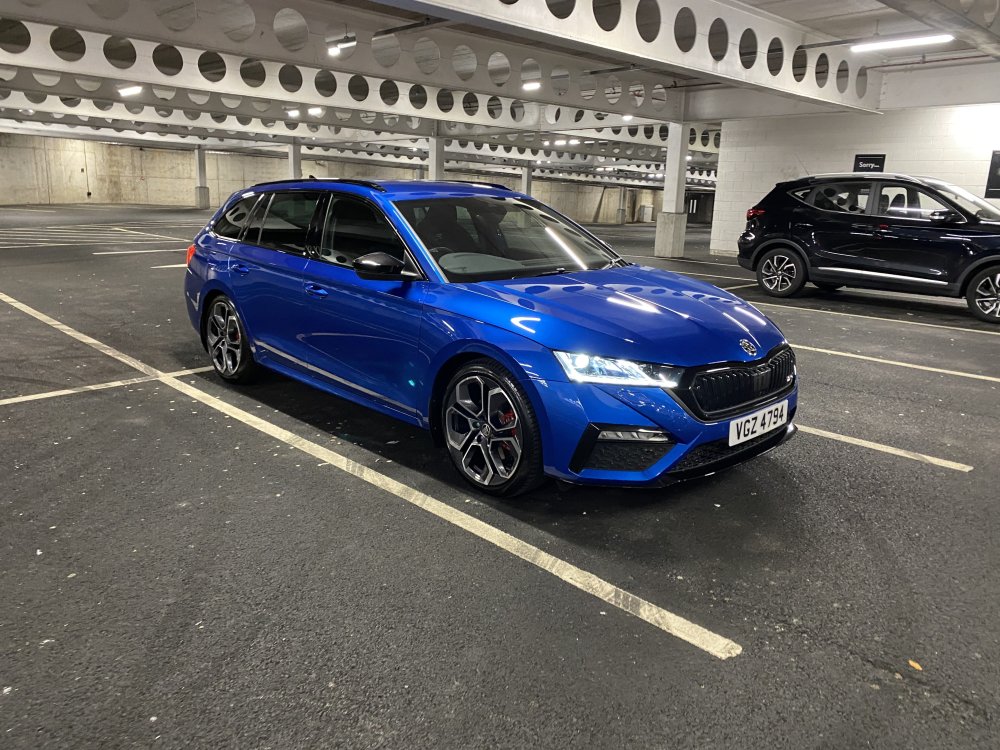
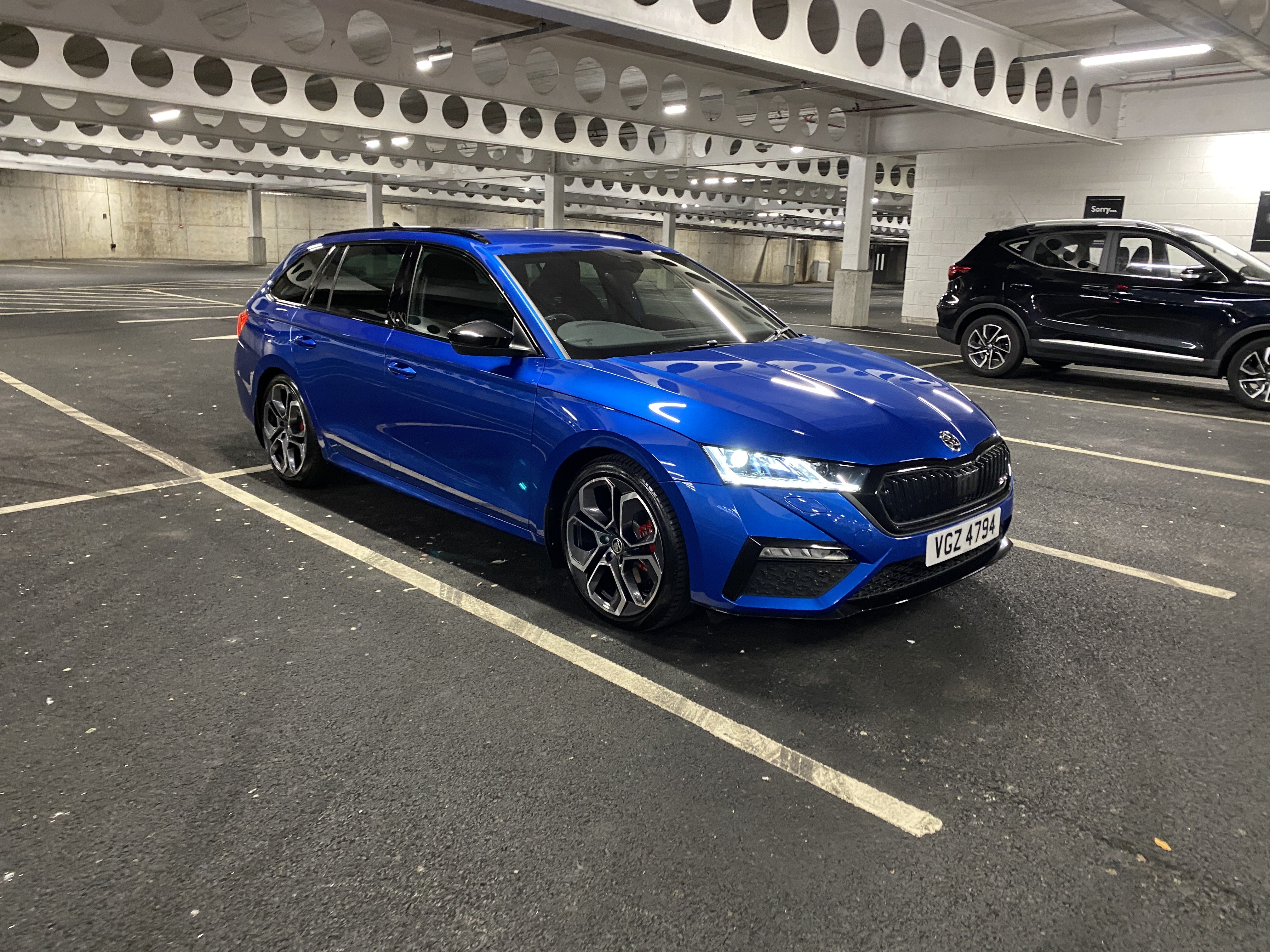
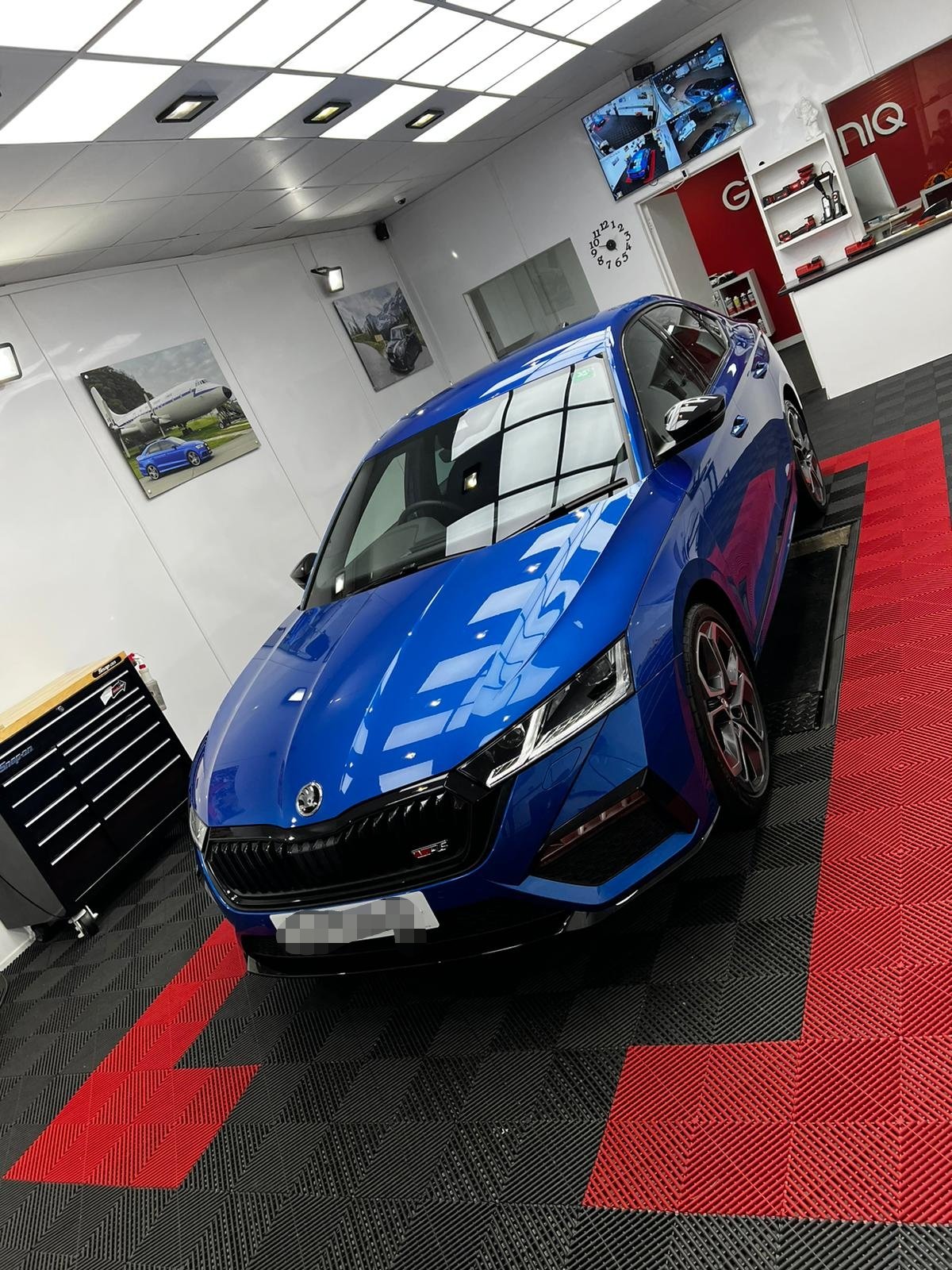
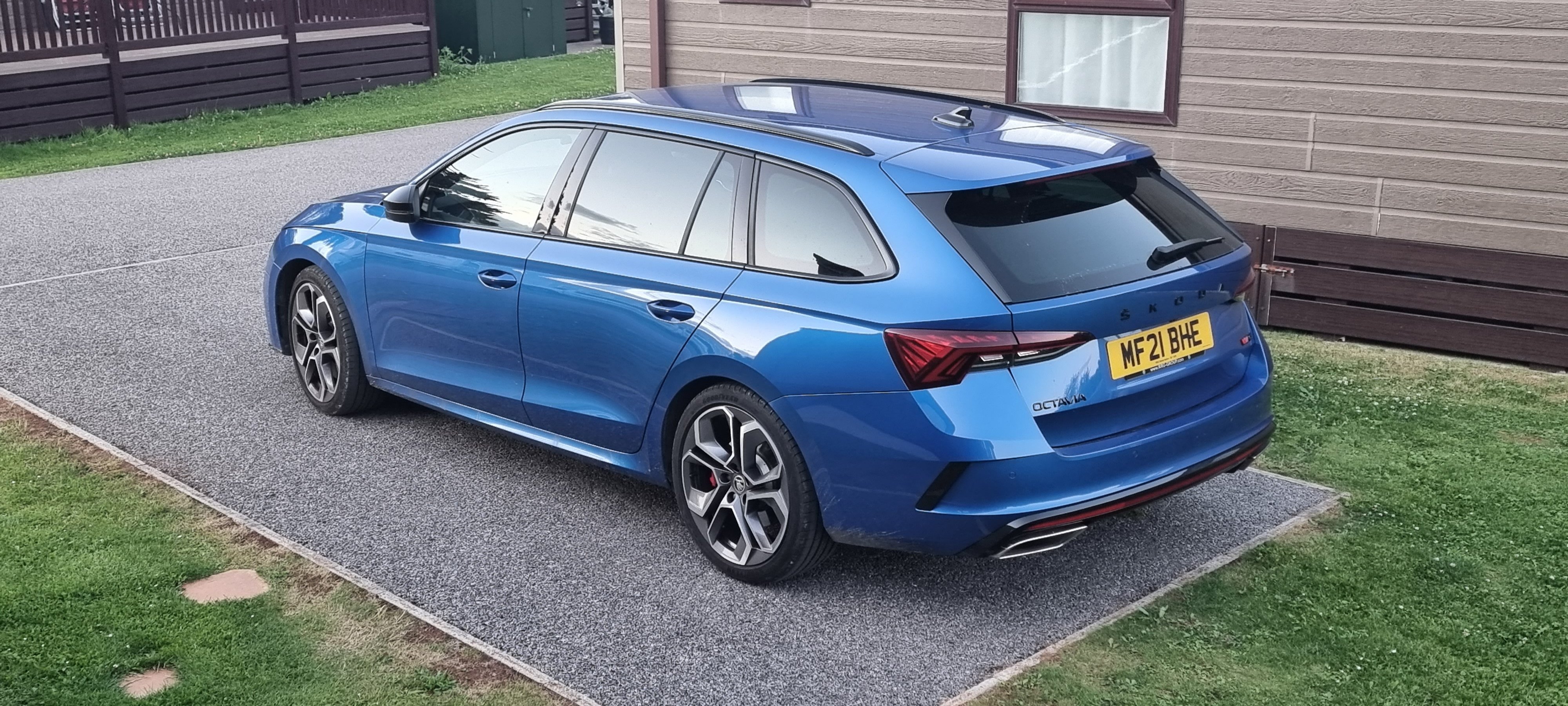
1 pointRace blue for me. Red and white where the other colours I’d considered.
 1 point
 -
1 point1 point1 point




.thumb.jpg.f83a46b9b3c0d976b9dbffbb523c9874.jpg)








.thumb.jpg.4829fdb196b87494d6787f40449b7580.jpg)











Important Information
Welcome to BRISKODA. Please note the following important links Terms of Use. We have a comprehensive Privacy Policy. We have placed cookies on your device to help make this website better. You can adjust your cookie settings, otherwise we'll assume you're okay to continue.